White Catfish
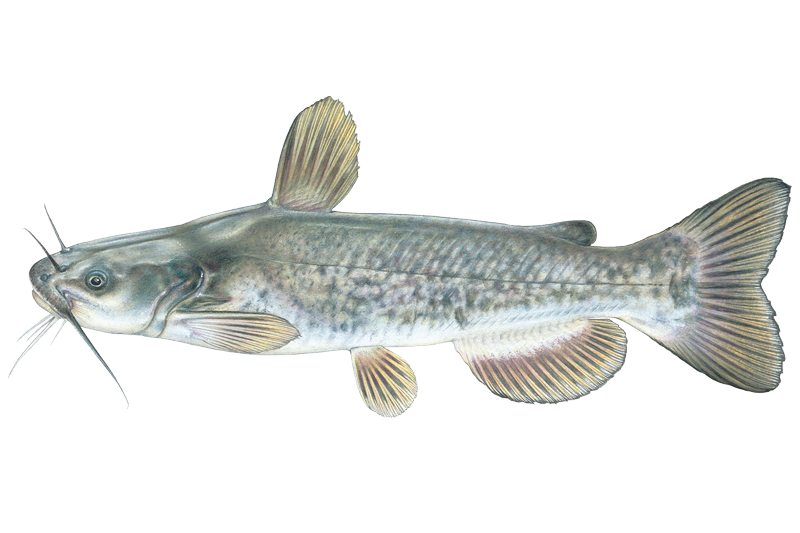
White Catfish are not native to Texas but have been introduced outside their native range, which extends from Atlantic coastal states from New York to Florida. In Texas, they represent one of the smaller catfish species.
Scientific Name: Ameiurus catus
- Typically weighing 0.5-2 pounds with some reaching up to 9-10 pounds maximum.
- White Catfish can be identified by their moderately forked tail, dusky black adipose fin, white or yellow chin barbels, and 19-23 anal fin rays.
- They have a bluish-gray to slate coloration on top with a white to light yellow belly.
Fishing in Texas
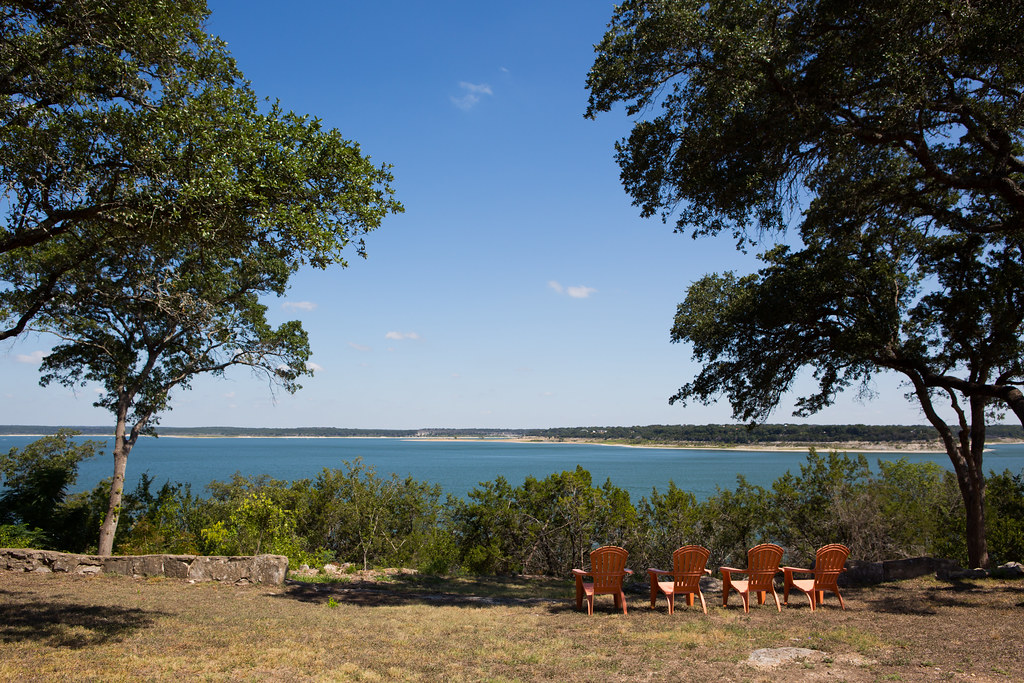
Belton Lake
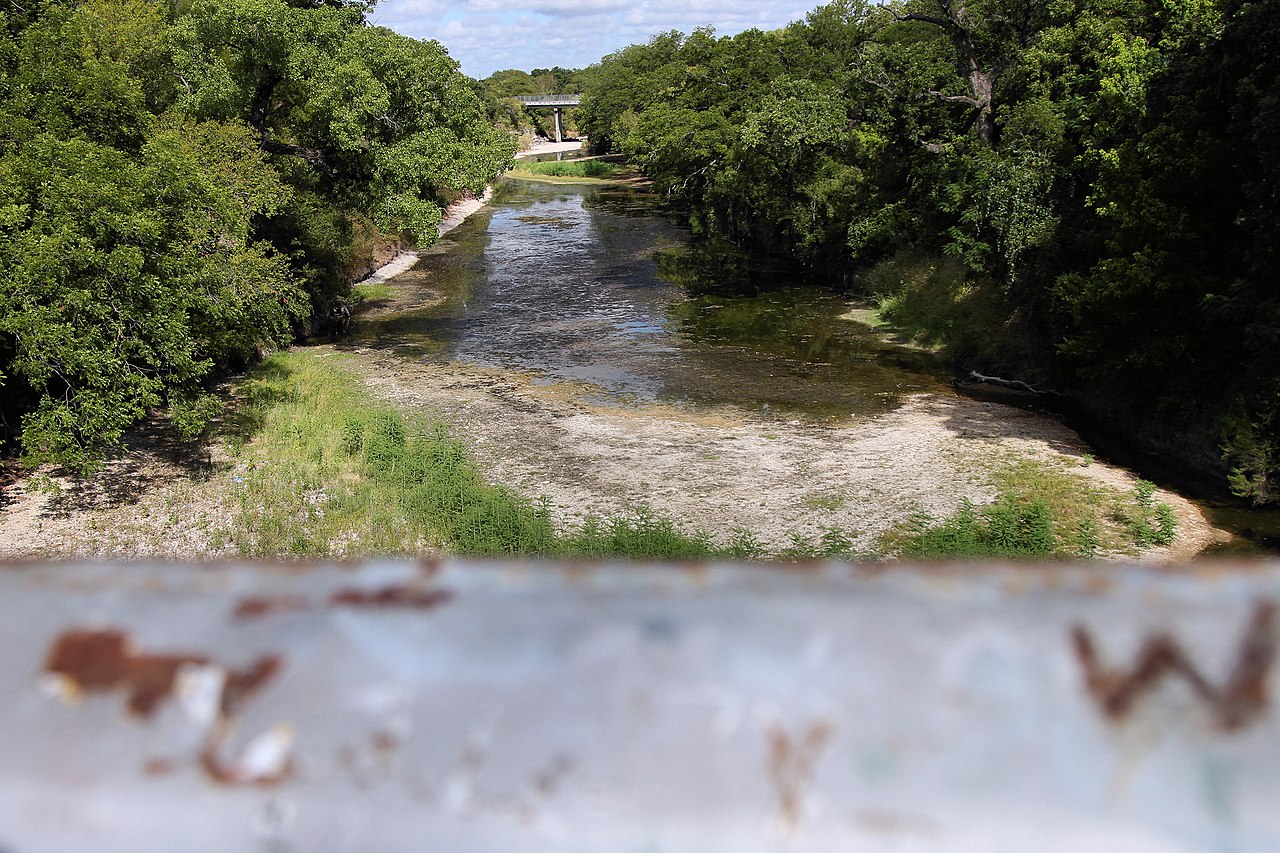
Lampasas River

Brazos River
Lake Lyndon B Johnson
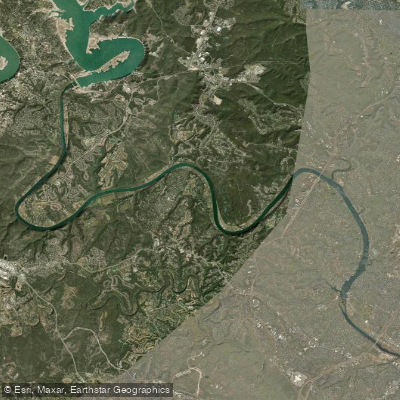
Lake Austin
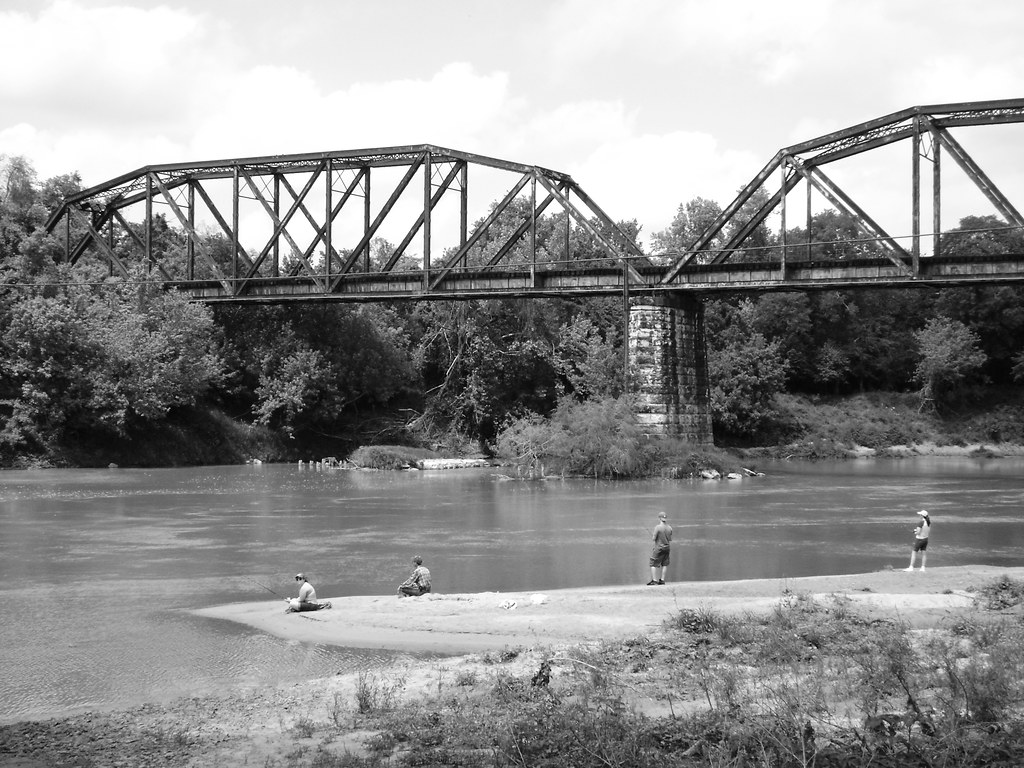
Colorado River
North Bosque River
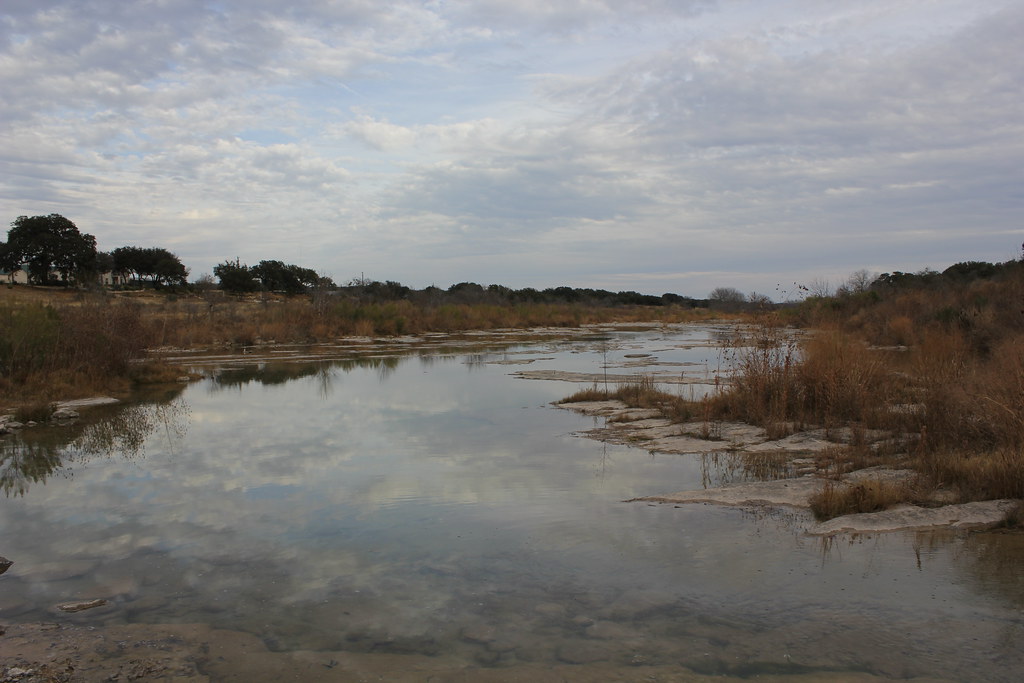
Pedernales River
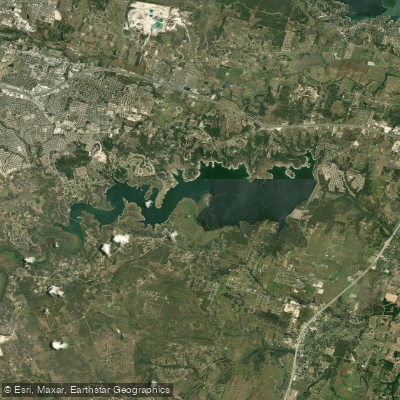
Stillhouse Hollow Lake
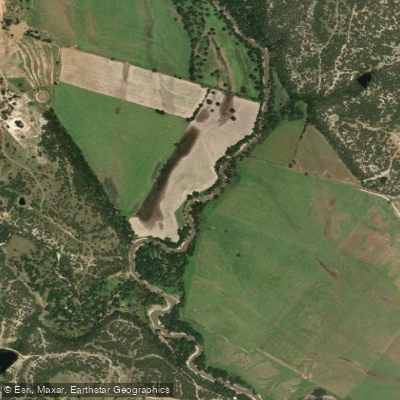
Leon River
What to know
Habitat Distribution
- They inhabit sluggish waters including lakes, ponds, streams, rivers, and reservoirs, preferring muddy bottoms and areas with vegetation or structure.
- White Catfish are highly tolerant of brackish water (up to 14 PSU salinity) and can survive in low-oxygen conditions.
Key Locations
- Texas reservoirs and lakes.
Specific Spots
- Fish near drop-offs, current edges, undercut banks, and gradual shores.
- In Texas reservoirs and lakes, focus on creek channels, tributary mouths, and areas with submerged timber.
White Catfish FAQ
Answers from onWater's species guide.
What are the best lures and bait for White Catfish in Texas?
Nightcrawlers, cut bait, small live minnows, chicken liver, cheese, blood, leeches, bread balls, and dough baits. White Catfish respond well to stink baits and prepared catfish baits.
When is the best time to fish for White Catfish in Texas?
White Catfish can be caught year-round in Texas, with spring and early summer being most productive outside of spawning periods. During spawning periods, fishing success typically decreases as males stop feeding while protecting e.g.gs and fry.
How do you catch White Catfish in Texas?
Use bottom fishing techniques with slip sinker rigs, still fishing, or drift fishing methods. Spin casting and drift fishing are particularly effective techniques. Consider using multiple rod setups to cover different depths and areas simultaneously.
What do White Catfish eat?
White Catfish are omnivorous opportunistic feeders. They feed on aquatic insects, small fish, crustaceans, aquatic plants, benthic invertebrates, and carrion. Young White Catfish (~40mm) primarily eat amphipods, mysids, and chironomid midge larvae, graduating to larger invertebrates and fish as they grow.
Where do White Catfish live in Texas?
They inhabit sluggish waters including lakes, ponds, streams, rivers, and reservoirs, preferring muddy bottoms and areas with vegetation or structure. White Catfish are highly tolerant of brackish water (up to 14 PSU salinity) and can survive in low-oxygen conditions.
Fish smarter with real-time insights
Whether you're en route and conditions shift or you're looking for the best spot based on current flows, we enable you to make informed decisions on the fly.







See it in the app
Most maps show you water.
onWater shows you White Catfish.



- 01 · Species map filter
Map every White Catfish water
Pick White Catfish and the map zeroes in on the waters they call home. No more guessing which lake holds them.
- 02 · Waterbody species
Tap any water. See what lives there.
Species, behavior and seasonal patterns for every lake, river and pond, before you leave the driveway.
- 03 · Angler Intelligence
Ask how to catch White Catfish
Tactics, gear and timing from onWater's AI fishing guide, tuned to the species and the water you're on.
Stop guessing where White Catfish are.
Open the map, filter by White Catfish, and head to water that holds them. Download onWater and plan your next trip in minutes.
- Species map filter
- Angler Intelligence
- Fishing journal
Explore other species
Trout, bass, salmon, panfish and everything in between. Each guide unpacks the behavior, seasons, and tactics that put fish in the net.

Find which waters have the species you want to catch

Largemouth Bass
Micropterus salmoides salmoides (Northern Largemouth Bass), M. s. floridanus (Florida Largemouth Bass)

Smallmouth Bass
Micropterus dolomieu

Rainbow Trout
Oncorhynchus mykiss

Brown Trout
Salmo trutta

Brook Trout
Salvelinus fontinalis

Northern Pike
Esox lucius

Walleye
Percidae

Black Crappie
Pomoxis nigromaculatus
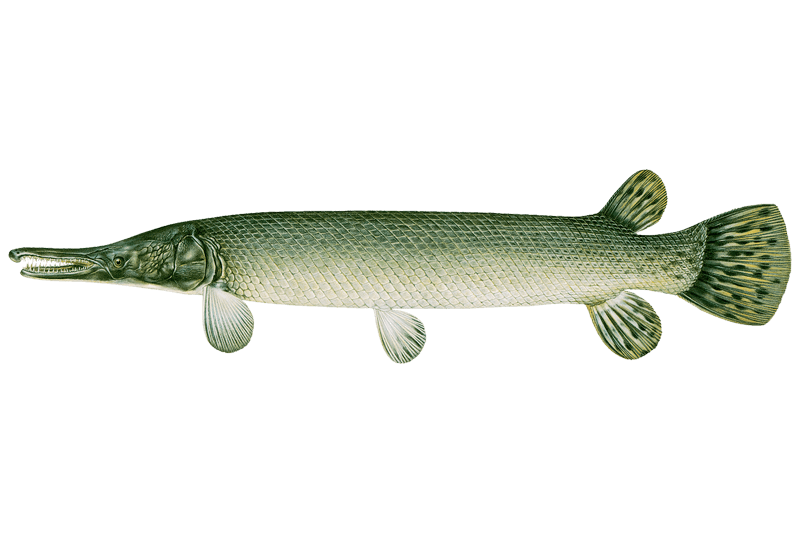
Alligator Gar
Atractosteus spatula

American Eel
Anguilla rostrata

Atlantic Croaker
Micropogonias undulatus

Bighead Carp
Hypophthalmichthys nobilis

Bigmouth Buffalo
Ictiobus cyprinellus

Black Buffalo
Ictiobus niger

Black Bullhead
Ameiurus melas

Black Drum
Pogonias cromis

Blue Catfish
Ictalurus furcatus

Blue Sucker
Cycleptus elongatus

Blue Tilapia
Oreochromis aureus

Bowfin
Amia calva

Brown Bullhead
Ameiurus nebulosus

Chain Pickerel
Esox niger

Channel Catfish
Ictalurus punctatus

Cobia
Rachycentron canadum

Common Carp
Cyprinus carpio

Common Snook
Centropomus undecimalis

Creek Chub
Semotilus atromaculatus

Crevalle Jack
Caranx hippos

Flathead Catfish
Pylodictis olivaris

Flathead Chub
Platygobio gracilis

Flier
Centrarchus macropterus

Freshwater Drum
Aplodinotus grunniens

Gizzard Shad
Dorosoma cepedianum

Grass Carp
Ctenopharyngodon idella

Green Sunfish
Lepomis cyanellus
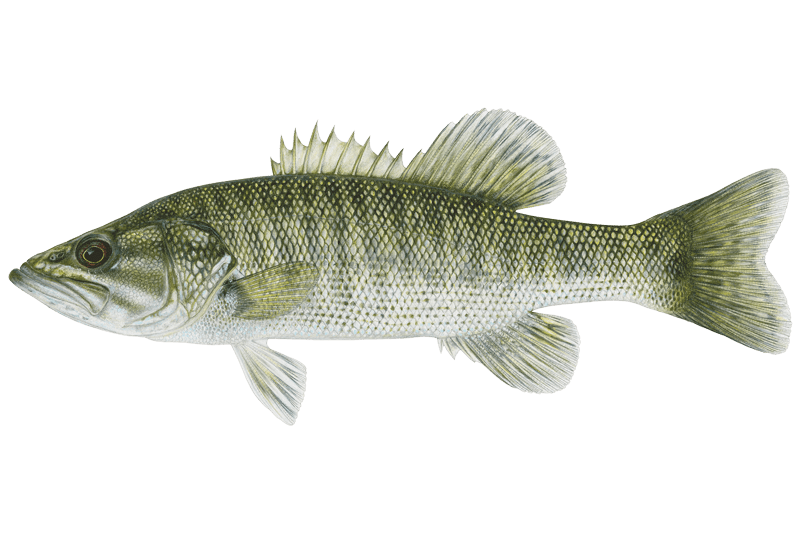
Guadalupe Bass
Micropterus treculii

King Mackerel
Scomberomorus cavalla

Ladyfish
Elops saurus

Longear Sunfish
Lepomis megalotis

Longnose Gar
Lepisosteus osseus
Texas licenses and regulations

Lake Meredith Regulations
Texas Parks & Wildlife
Texas Boating Regulations
When using any type of watercraft to access a body of water, it is important to follow all federal, state, and local rules and regulations. These rules and regulations include boat permitting and licensing, invasive species inspections and stamps, life jacket and PFD rules, motor size and horsepower restrictions, noise limitations, restrictions on personal watercraft, and many more. Visit the web link below for the most current rules and regulations for this body of water.
Texas Fishing License
All residents and visitors over the age of 17 require a Texas fishing license to reel in fish, mussels, clams, and crayfish across the state. In addition, you’ll need specific tags or endorsements based on the size of the catch and its location.
Texas Fishing Regulations
This river has a variety of species and regulations, including potential floating and/or watercraft restrictions. Because this river is specially managed for species, seasons, angling methods, and watercraft, it is strongly encouraged you check all federal, state, and local regulations before fishing. Visit any of the links below, inquire locally, or contact a local fly shop to learn current regulations and restrictions.

Texas Stream Access Laws
Access must usually be obtained through the use of public property. The typical access may be from the right of way of a public road that crosses the stream, through a publicly owned boat launch area, or from some other public land (a park, for example) adjacent to the stream. There is no general right to cross private property to get to a navigable stream. There are a number of privately owned parks or campgrounds where members of the public may have access to a navigable stream by paying a small fee to the landowner. If the private landowner forbids access, an attempt to use the private land would be a trespass. Texas courts have recognized that a member of the public may engage in a variety of lawful activities along a navigable stream. Besides boating, persons may swim, float, walk, wade, picnic, camp, and (with a license) fish. Public use must be confined to the stream bed and, to a limited extent, the banks. State law prohibits parking on a highway bridge and generally forbids (with certain exceptions) parking in the main traveled part of a highway. Within a public road’s right of way, private fencing that restricts public passage to the stream is illegal.
Explore nearby waters
Explore Texas waters
Top fishing waters
Popular Cities
Loading popular cities...
Smarter Fishing Starts in the App.
onWater Fish gives you everything you need to plan smarter, fish better, and own every trip from first cast to last.