Blackstripe Topminnow

The Blackstripe Topminnow is a small freshwater fish that is well-suited to Texas waters, tolerating low oxygen levels and high temperatures.
Scientific Name: Fundulus notatus
- Reaching 2-3.5 inches in length, characterized by an elongated body, upturned mouth, flattened head, and distinctive black horizontal stripe from snout to tail.
- Males display vertical projections from their black stripe and have longer, more pointed dorsal and anal fins.
Fishing in Texas
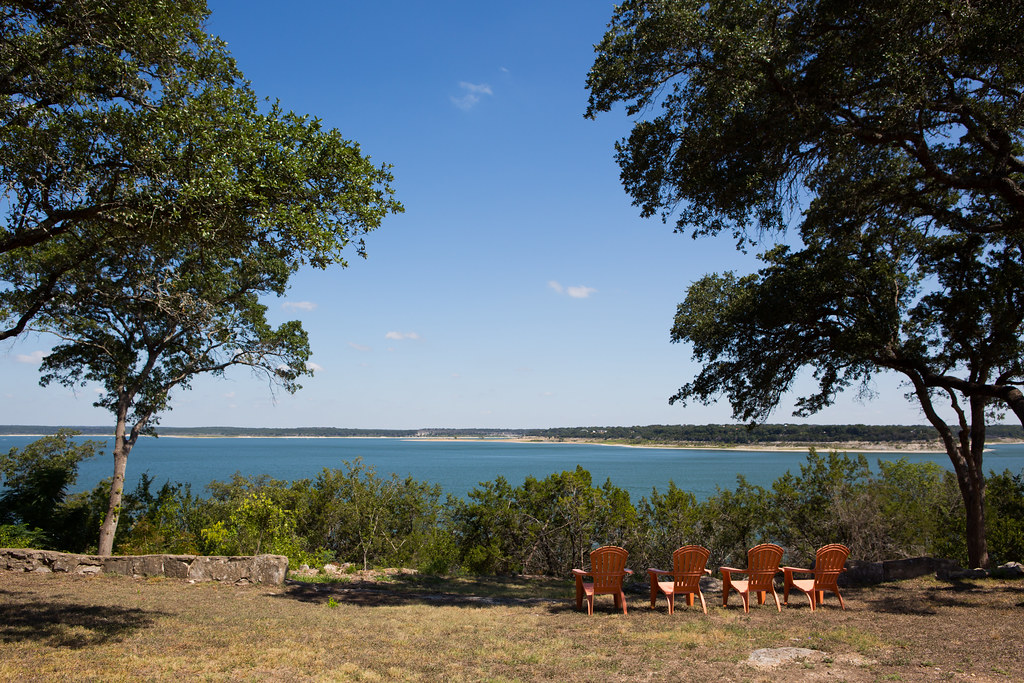
Belton Lake
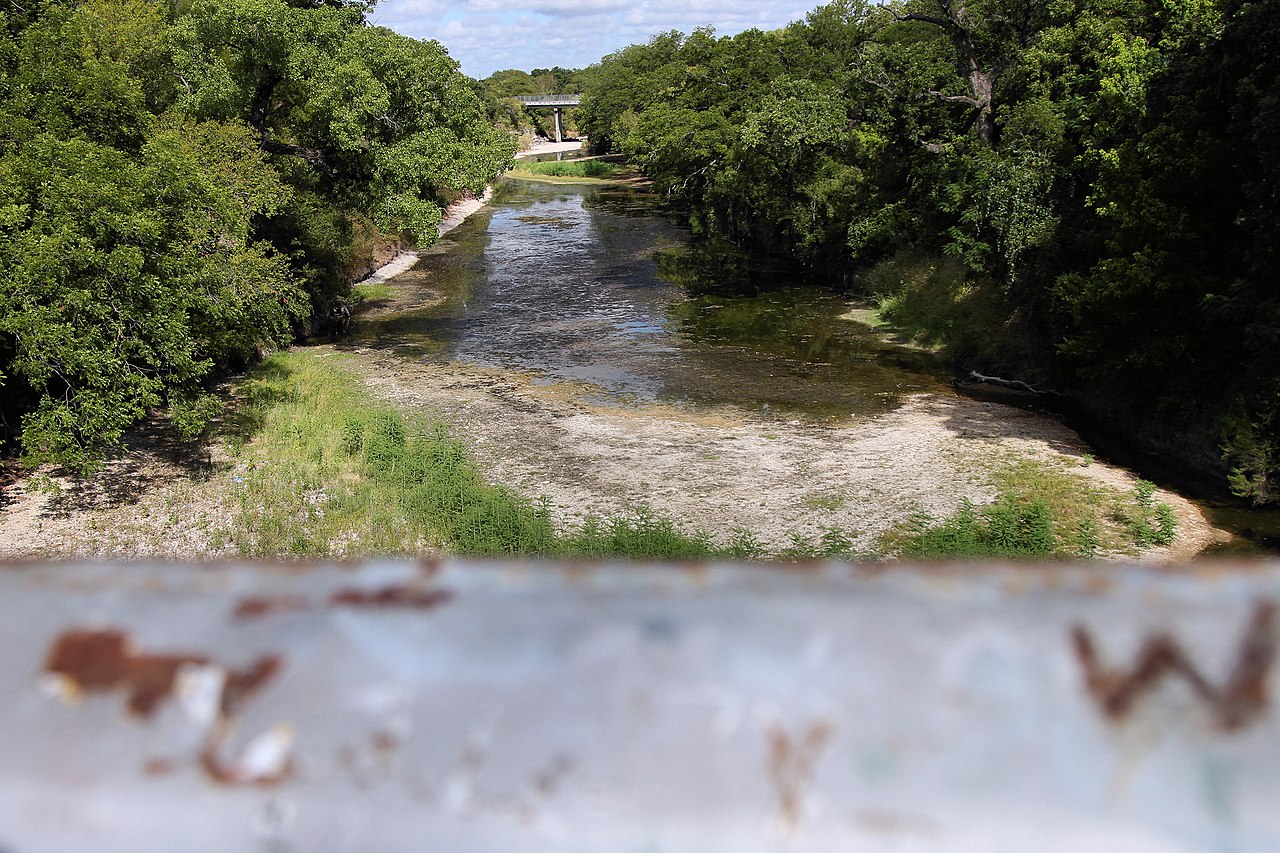
Lampasas River
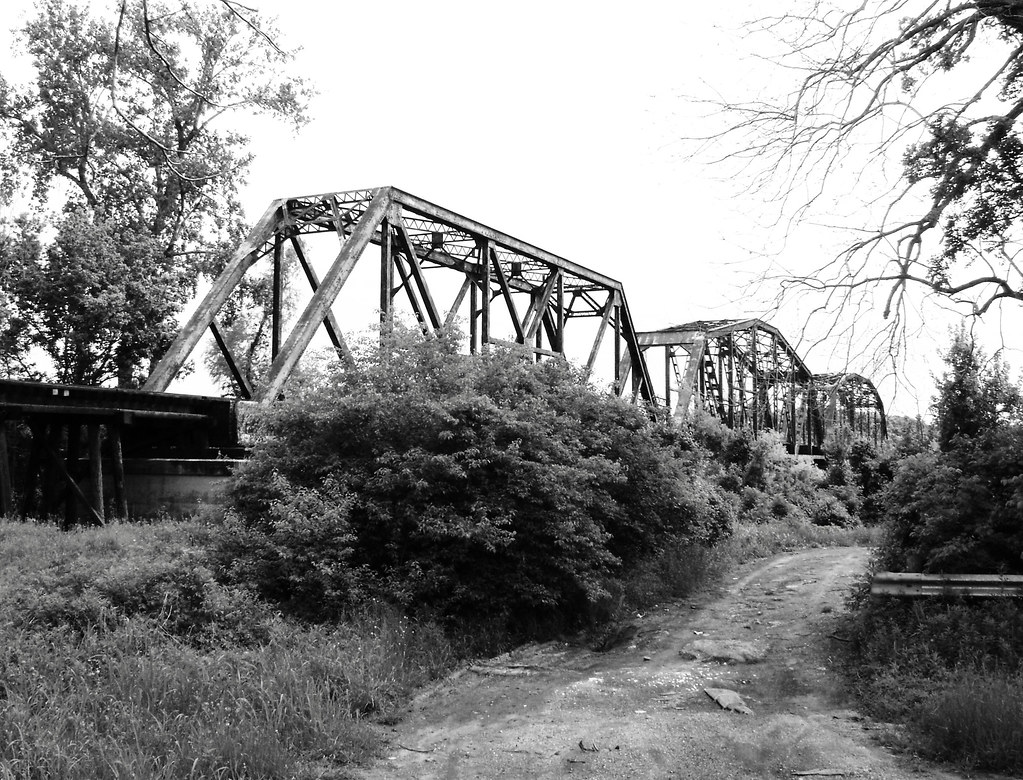
Brazos River
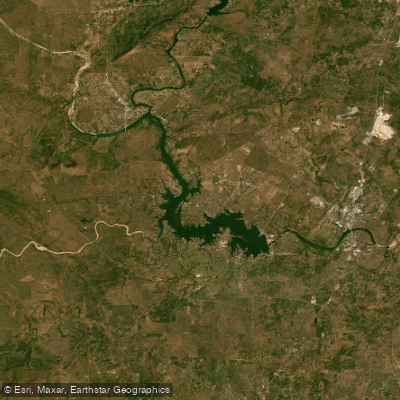
Lake Lyndon B Johnson
Lake Austin
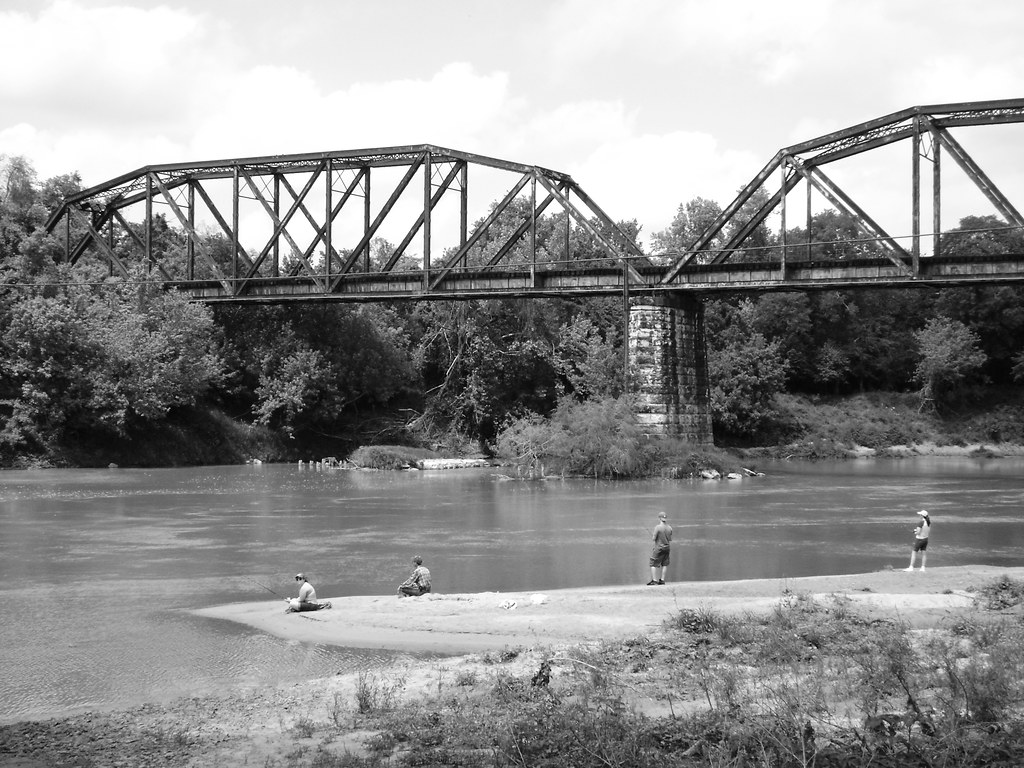
Colorado River
North Bosque River
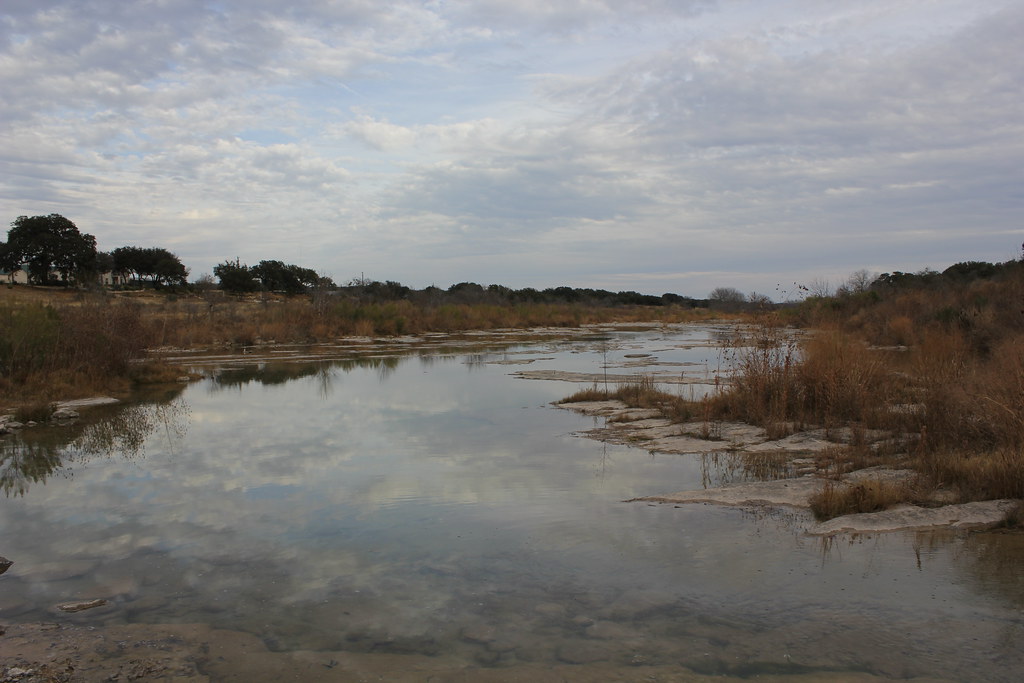
Pedernales River
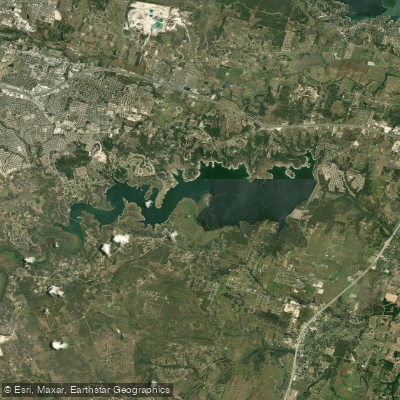
Stillhouse Hollow Lake
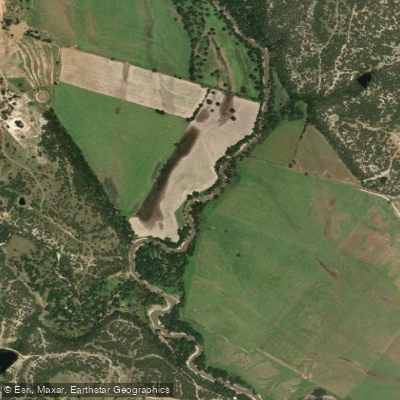
Leon River
What to know
Habitat Distribution
- They inhabit quiet surface waters near margins of creeks, small rivers, ponds, and lakes with clay/silt bottoms and turbid water.
- They prefer areas with submerged and emergent aquatic vegetation and overhanging riparian cover.
Key Locations
- In Texas, they're found in Gulf Slope drainages from Mobile Bay to San Antonio Bay.
- Notable Texas locations include Big Creek in San Jacinto County, Spicewood Creek in San Saba and Burnet counties, Grace Creek in Longview, and the Neches River drainage.
- Productive locations include Big Creek in the Sam Houston National Forest, Spicewood Creek tributaries, and vegetated sections of East Texas creek systems.
Specific Spots
- These surface-dwelling fish are found near vegetation edges and under overhanging branches.
- Look for them in areas with clay/silt bottoms and turbid water rather than clear, rocky streams.
Blackstripe Topminnow FAQ
Answers from onWater's species guide.
What flies work for Blackstripe Topminnow in Texas?
Small dry flies that imitate terrestrial insects work well since they primarily feed on insects falling onto the water surface.
When is the best time to fish for Blackstripe Topminnow in Texas?
They stay near the surface year-round but move to slightly deeper water in winter and return to shallows during summer months. Avoid fishing during late spring through summer spawning season when they're focused on reproduction rather than feeding.
How do you catch Blackstripe Topminnow in Texas?
Cast near vegetation edges and under overhanging branches where terrestrial insects are likely to drop. Present flies with minimal movement on the surface, as these fish often lie motionless until prey appears. Minnow nets swept through aquatic vegetation can also be productive.
What do Blackstripe Topminnow eat?
They feed primarily on terrestrial arthropods that fall onto the water surface, emergent aquatic insects, benthic larvae, midwater insects, snails, microcrustaceans, and algae. Their upturned mouths are perfectly adapted for surface feeding.
Where do Blackstripe Topminnow live in Texas?
They inhabit quiet surface waters near margins of creeks, small rivers, ponds, and lakes with clay/silt bottoms and turbid water. They prefer areas with submerged and emergent aquatic vegetation and overhanging riparian cover.
Fish smarter with real-time insights
Whether you're en route and conditions shift or you're looking for the best spot based on current flows, we enable you to make informed decisions on the fly.







See it in the app
Most maps show you water.
onWater shows you Blackstripe Topminnow.



- 01 · Species map filter
Map every Blackstripe Topminnow water
Pick Blackstripe Topminnow and the map zeroes in on the waters they call home. No more guessing which lake holds them.
- 02 · Waterbody species
Tap any water. See what lives there.
Species, behavior and seasonal patterns for every lake, river and pond, before you leave the driveway.
- 03 · Angler Intelligence
Ask how to catch Blackstripe Topminnow
Tactics, gear and timing from onWater's AI fishing guide, tuned to the species and the water you're on.
Stop guessing where Blackstripe Topminnow are.
Open the map, filter by Blackstripe Topminnow, and head to water that holds them. Download onWater and plan your next trip in minutes.
- Species map filter
- Angler Intelligence
- Fishing journal
Explore other species
Trout, bass, salmon, panfish and everything in between. Each guide unpacks the behavior, seasons, and tactics that put fish in the net.

Find which waters have the species you want to catch

Largemouth Bass
Micropterus salmoides salmoides (Northern Largemouth Bass), M. s. floridanus (Florida Largemouth Bass)

Smallmouth Bass
Micropterus dolomieu

Rainbow Trout
Oncorhynchus mykiss

Brown Trout
Salmo trutta

Brook Trout
Salvelinus fontinalis

Northern Pike
Esox lucius

Walleye
Percidae

Black Crappie
Pomoxis nigromaculatus
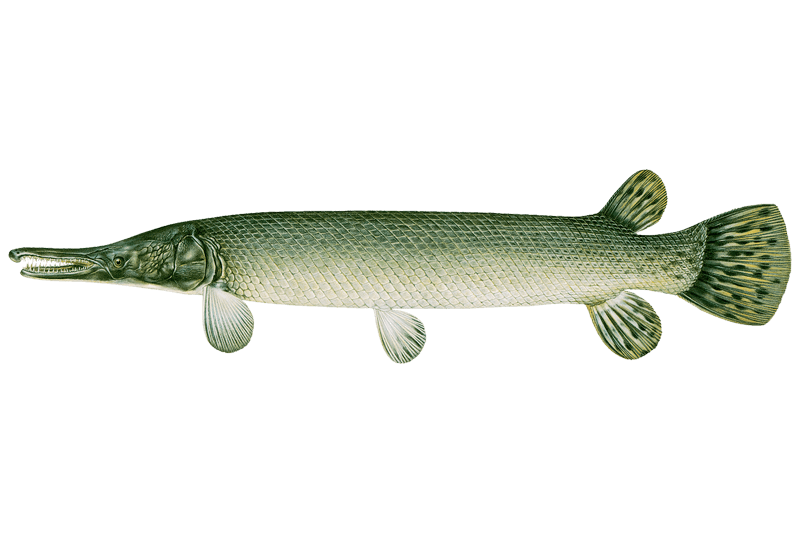
Alligator Gar
Atractosteus spatula

American Eel
Anguilla rostrata

Atlantic Croaker
Micropogonias undulatus

Bighead Carp
Hypophthalmichthys nobilis

Bigmouth Buffalo
Ictiobus cyprinellus

Black Buffalo
Ictiobus niger

Black Bullhead
Ameiurus melas

Black Drum
Pogonias cromis

Blue Catfish
Ictalurus furcatus

Blue Sucker
Cycleptus elongatus

Blue Tilapia
Oreochromis aureus

Bowfin
Amia calva

Brown Bullhead
Ameiurus nebulosus

Chain Pickerel
Esox niger

Channel Catfish
Ictalurus punctatus

Cobia
Rachycentron canadum

Common Carp
Cyprinus carpio

Common Snook
Centropomus undecimalis

Creek Chub
Semotilus atromaculatus

Crevalle Jack
Caranx hippos

Flathead Catfish
Pylodictis olivaris

Flathead Chub
Platygobio gracilis

Flier
Centrarchus macropterus

Freshwater Drum
Aplodinotus grunniens

Gizzard Shad
Dorosoma cepedianum

Grass Carp
Ctenopharyngodon idella

Green Sunfish
Lepomis cyanellus
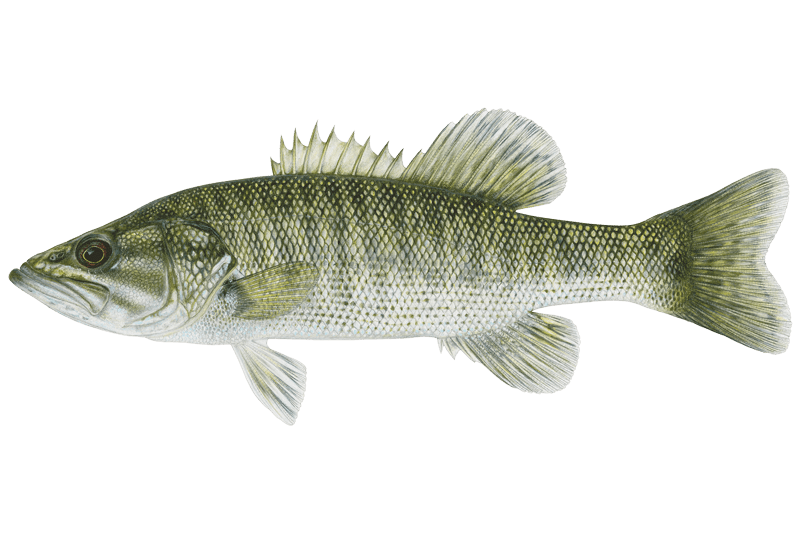
Guadalupe Bass
Micropterus treculii

King Mackerel
Scomberomorus cavalla

Ladyfish
Elops saurus

Longear Sunfish
Lepomis megalotis

Longnose Gar
Lepisosteus osseus
Texas licenses and regulations

Lake Meredith Regulations
Texas Parks & Wildlife

Texas Boating Regulations
When using any type of watercraft to access a body of water, it is important to follow all federal, state, and local rules and regulations. These rules and regulations include boat permitting and licensing, invasive species inspections and stamps, life jacket and PFD rules, motor size and horsepower restrictions, noise limitations, restrictions on personal watercraft, and many more. Visit the web link below for the most current rules and regulations for this body of water.

Texas Fishing License
All residents and visitors over the age of 17 require a Texas fishing license to reel in fish, mussels, clams, and crayfish across the state. In addition, you’ll need specific tags or endorsements based on the size of the catch and its location.

Texas Fishing Regulations
This river has a variety of species and regulations, including potential floating and/or watercraft restrictions. Because this river is specially managed for species, seasons, angling methods, and watercraft, it is strongly encouraged you check all federal, state, and local regulations before fishing. Visit any of the links below, inquire locally, or contact a local fly shop to learn current regulations and restrictions.

Texas Stream Access Laws
Access must usually be obtained through the use of public property. The typical access may be from the right of way of a public road that crosses the stream, through a publicly owned boat launch area, or from some other public land (a park, for example) adjacent to the stream. There is no general right to cross private property to get to a navigable stream. There are a number of privately owned parks or campgrounds where members of the public may have access to a navigable stream by paying a small fee to the landowner. If the private landowner forbids access, an attempt to use the private land would be a trespass. Texas courts have recognized that a member of the public may engage in a variety of lawful activities along a navigable stream. Besides boating, persons may swim, float, walk, wade, picnic, camp, and (with a license) fish. Public use must be confined to the stream bed and, to a limited extent, the banks. State law prohibits parking on a highway bridge and generally forbids (with certain exceptions) parking in the main traveled part of a highway. Within a public road’s right of way, private fencing that restricts public passage to the stream is illegal.
Explore nearby waters
Explore Texas waters
Top fishing waters
Popular Cities
Loading popular cities...

Smarter Fishing Starts in the App.
onWater Fish gives you everything you need to plan smarter, fish better, and own every trip from first cast to last.