Longnose Sucker

Longnose Sucker are not native to New Mexico waters. However, they have been documented in catches from New Mexico and Colorado waters, likely as introduced populations in the upper Colorado River drainage.
Scientific Name: Catostomus catostomus
These bottom-feeding fish are characterized by their distinctive elongated snout, cylindrical body, and inferior sucker mouth with thick papillated lips. They typically reach 8-25 inches in length and weigh 1-6 pounds, with females growing larger than males.
During breeding season, males develop a dark dorsal side with brilliant reddish lateral stripes and white tubercles on their fins.
Fishing in New Mexico
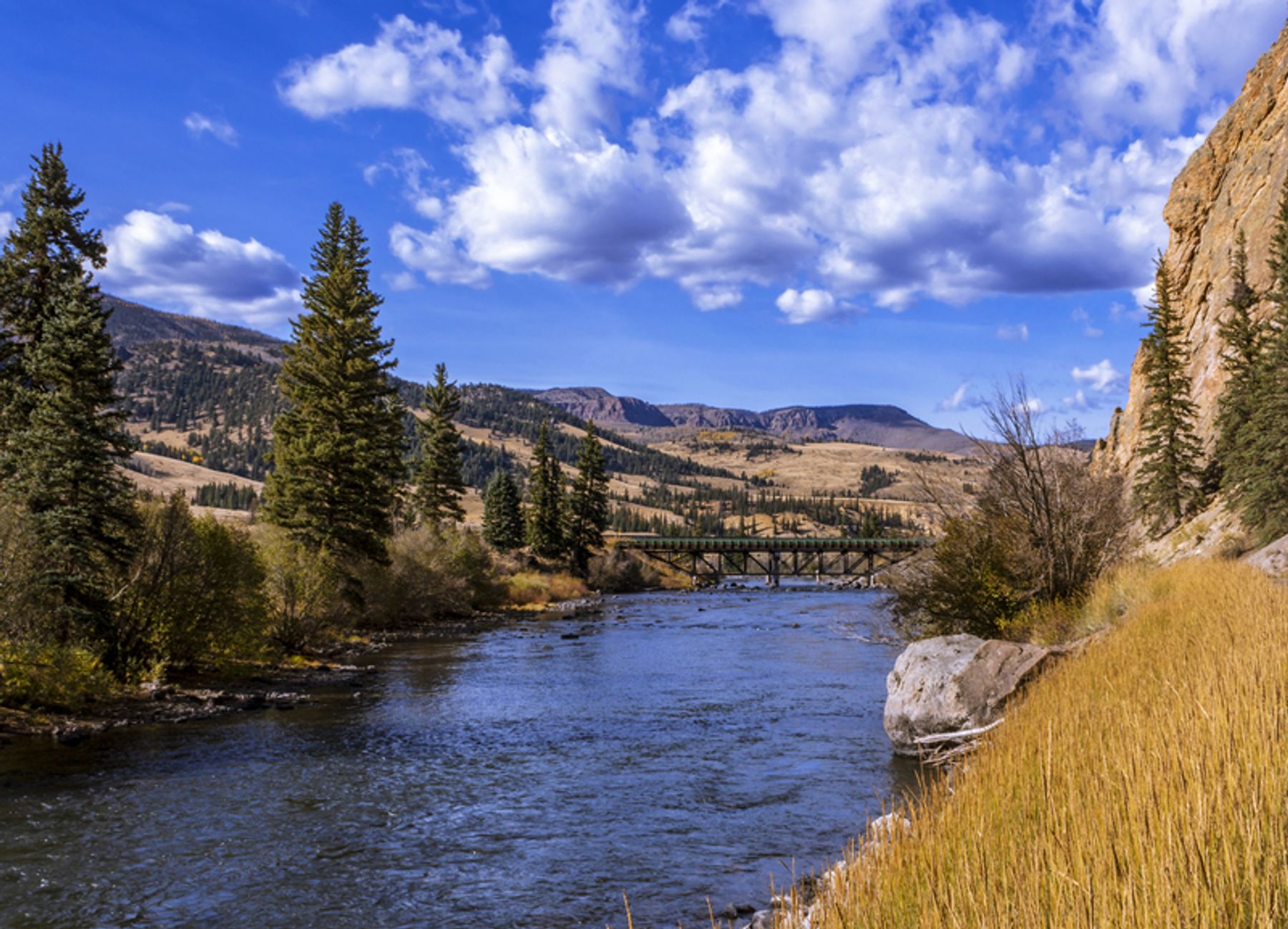
Rio Grande
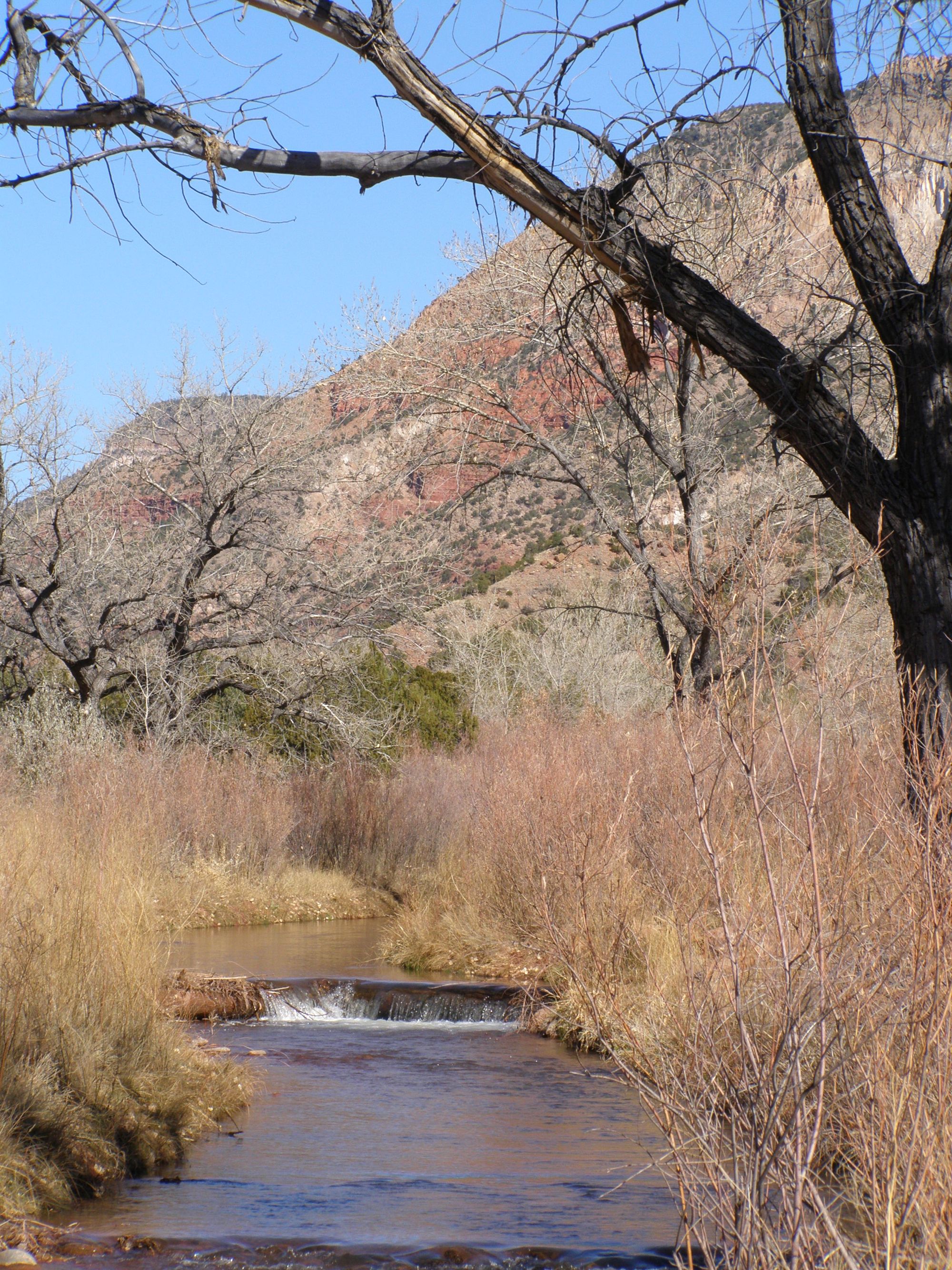
Jemez River
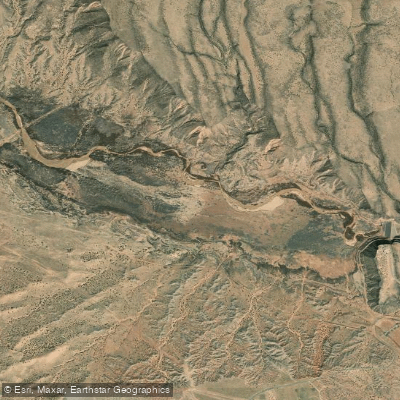
Jemez Canyon Reservoir
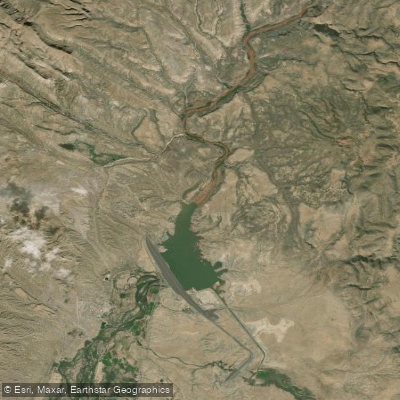
Cochiti Lake
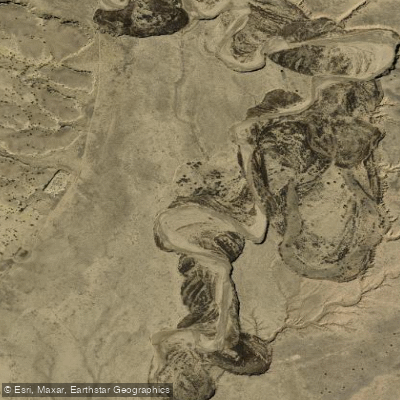
Rio Puerco
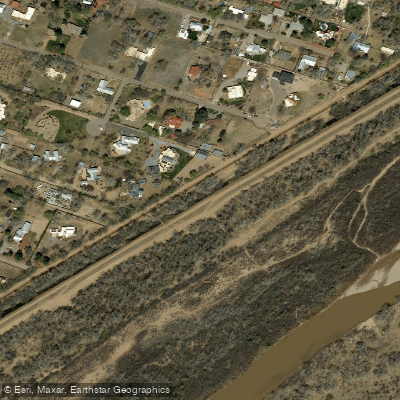
Upper Corrales Riverside Drain

Santa Fe River
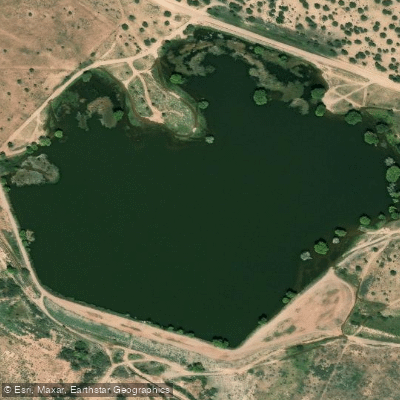
Zia Reservoir
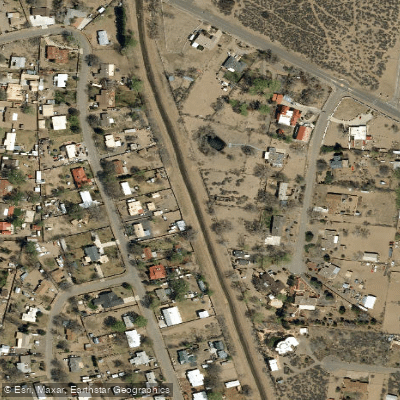
Isleta Drain
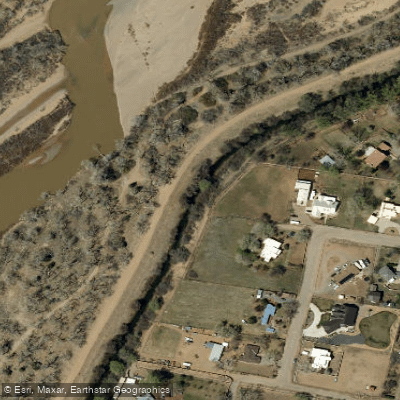
Bernalillo Riverside Drain
What to know
Habitat Distribution
likely as introduced populations in the upper Colorado River drainageKey Locations
In New Mexico, they would likely be found in higher elevation, colder waters of the northern regions.Specific Spots
Focus on deep pools and slower runs below riffles with boulder-rubble substrate or areas with submerged woody debris. They are typically found at depths of 7-180 feet in lakes or in swift rivers with rocky bottoms. They congregate in shallow gravel areas during spawning.Longnose Sucker FAQ
Answers from onWater's species guide.
What flies work for Longnose Sucker in New Mexico?
For fly fishing, use weighted streamers in sizes 4-8, particularly conehead and beadhead patterns in black and brown colors. Sucker spawn egg patterns in natural chartreuse have proven highly effective, especially during fall when other suckers are spawning and eggs are present in the water.
When is the best time to fish for Longnose Sucker in New Mexico?
Target during late summer through fall when they're most accessible and not spawning. They spawn from mid-April through early July when water temperatures reach 50-60°F, during which time they should not be targeted. Winter fishing can be productive in deeper waters as they remain somewhat active year-round.
How do you catch Longnose Sucker in New Mexico?
Sight-fishing is most effective - cast your fly a few inches in front of feeding fish and give it action as they approach. Watch their mouth carefully and set the hook immediately when you see them extend their lips to suck up the fly, as they'll quickly spit out artificial offerings.
What do Longnose Sucker eat?
Longnose Suckers are omnivorous, feeding primarily on benthic invertebrates including chironomid larvae (midges), amphipods, cladocerans, mollusks, and aquatic insects, plus algae, plants, and detritus.
Fish smarter with real-time insights
Whether you're en route and conditions shift or you're looking for the best spot based on current flows, we enable you to make informed decisions on the fly.







See it in the app
Most maps show you water.
onWater shows you Longnose Sucker.



- 01 · Species map filter
Map every Longnose Sucker water
Pick Longnose Sucker and the map zeroes in on the waters they call home. No more guessing which lake holds them.
- 02 · Waterbody species
Tap any water. See what lives there.
Species, behavior and seasonal patterns for every lake, river and pond, before you leave the driveway.
- 03 · Angler Intelligence
Ask how to catch Longnose Sucker
Tactics, gear and timing from onWater's AI fishing guide, tuned to the species and the water you're on.
Stop guessing where Longnose Sucker are.
Open the map, filter by Longnose Sucker, and head to water that holds them. Download onWater and plan your next trip in minutes.
- Species map filter
- Angler Intelligence
- Fishing journal
Explore other species
Trout, bass, salmon, panfish and everything in between. Each guide unpacks the behavior, seasons, and tactics that put fish in the net.

Find which waters have the species you want to catch

Largemouth Bass
Micropterus salmoides

Smallmouth Bass

Rainbow Trout
Oncorhynchus mykiss

Brown Trout
Salmo trutta

Brook Trout
Salvelinus fontinalis

Cutthroat Trout
Oncorhynchus clarkii virginalis

Northern Pike
Esox lucius

Walleye

Black Crappie
Pomoxis nigromaculatus

Black Bullhead
Ameiurus melas

Blue Catfish
Ictalurus furcatus

Brown Bullhead
Ameiurus nebulosus

Channel Catfish
Ictalurus punctatus

Common Carp
Cyprinus carpio

Creek Chub
Semotilus atromaculatus

Flathead Catfish
Pylodictis olivaris

Flathead Chub
Platygobio gracilis

Freshwater Drum
Aplodinotus grunniens
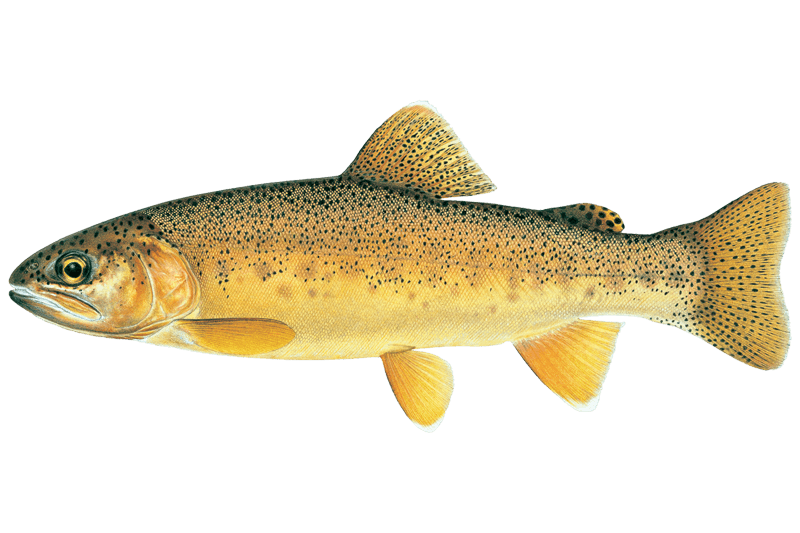
Gila Trout
Oncorhynchus gilae

Gizzard Shad
Dorosoma cepedianum

Green Sunfish
Lepomis cyanellus
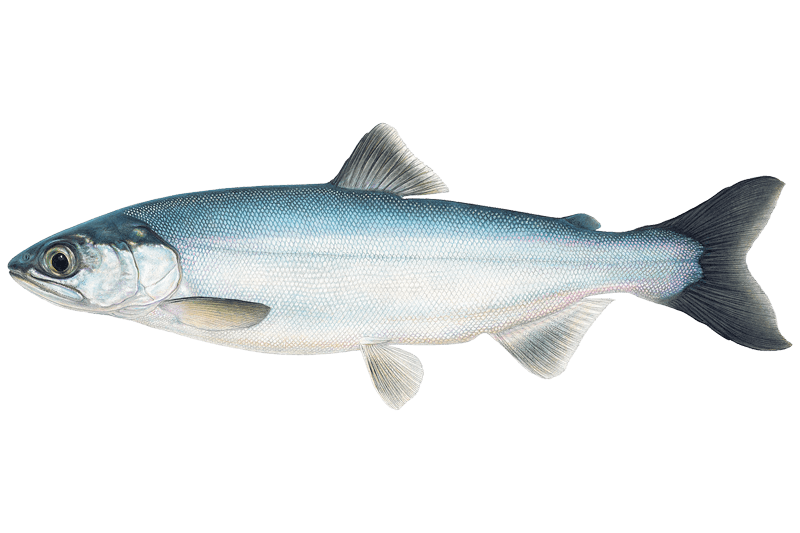
Kokanee Salmon

Lake Trout
Salvelinus namaycush

Longear Sunfish
Lepomis megalotis

Longnose Gar
Lepisosteus osseus
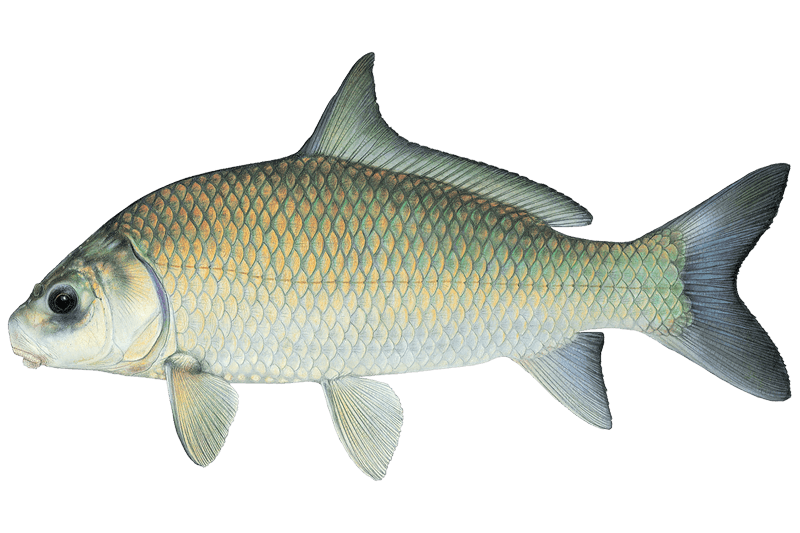
Smallmouth Buffalo
Ictiobus bubalus

Sockeye Salmon
Oncorhynchus nerka
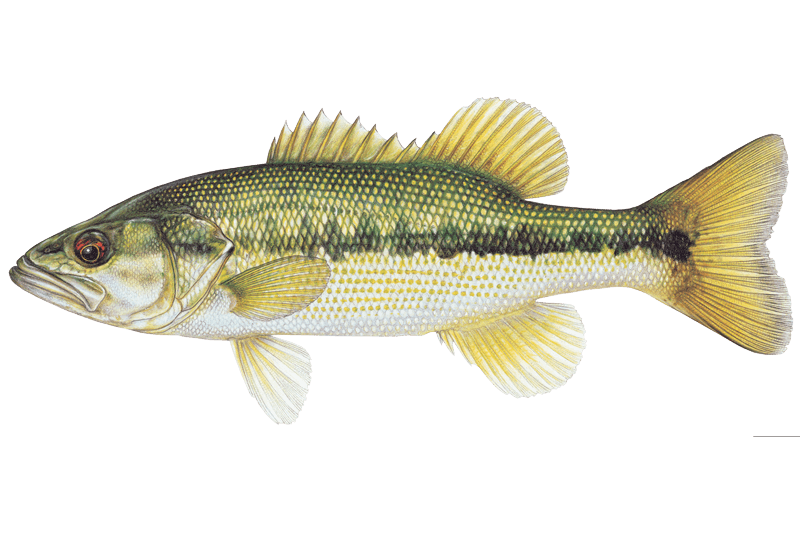
Spotted Bass
Micropterus punctulatus
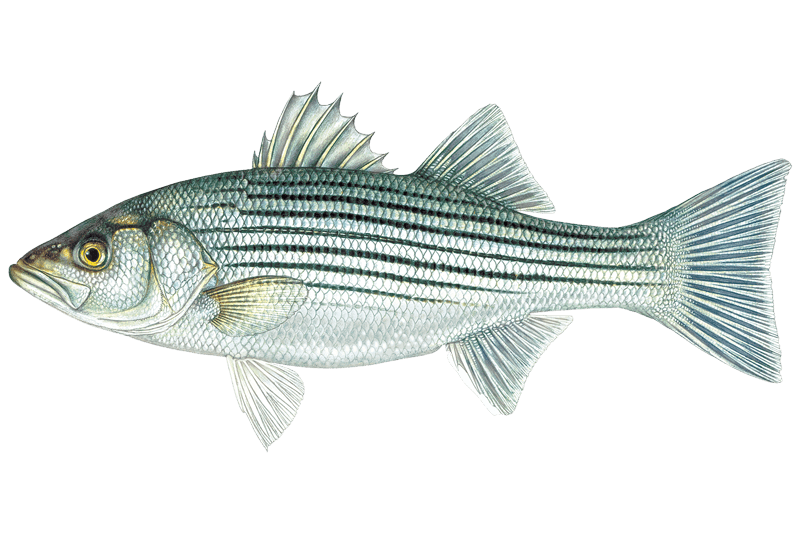
Striped Bass
Morone saxatilis
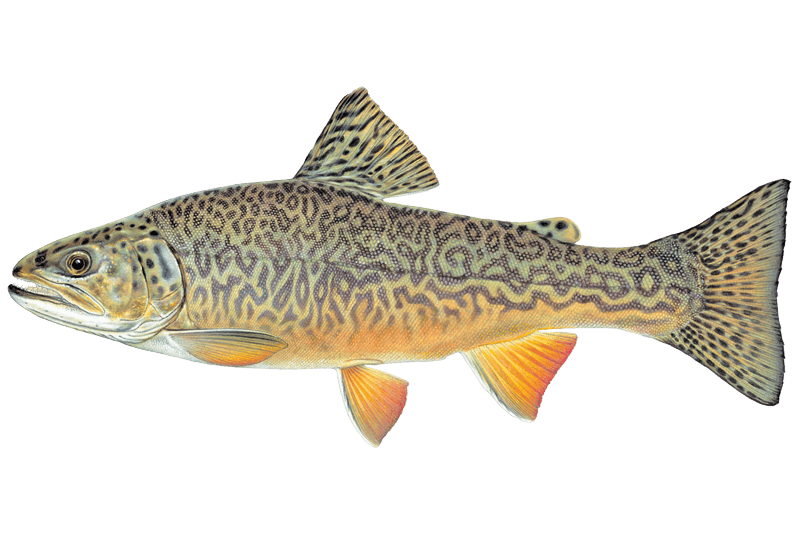
Tiger Trout
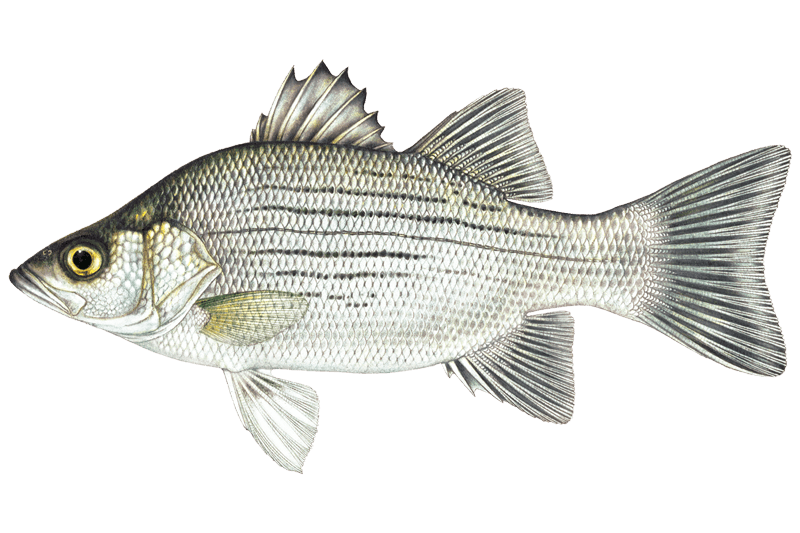
White Bass
Morone chrysops
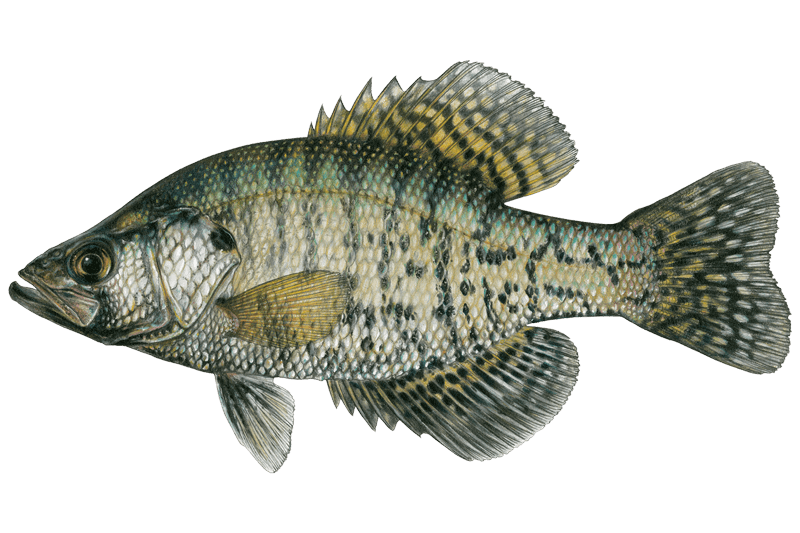
White Crappie
Pomoxis annularis
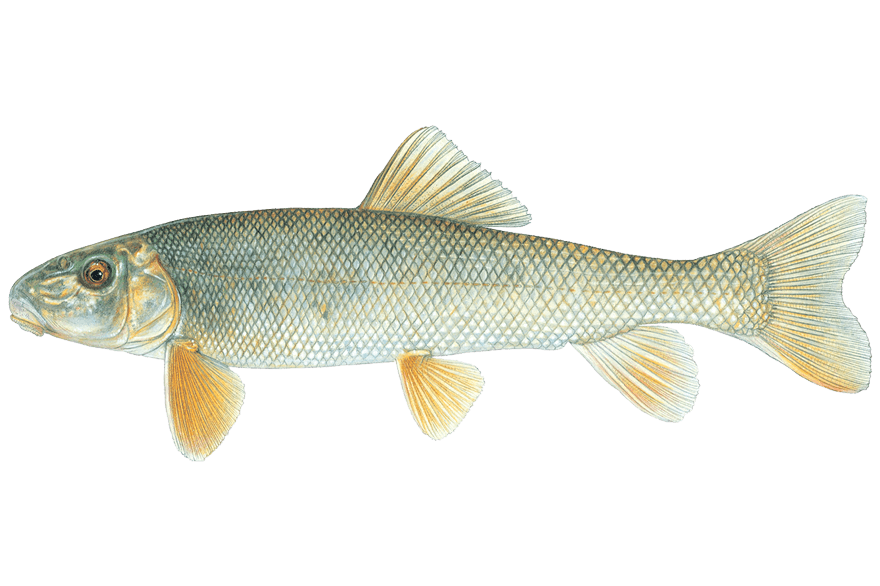
White Sucker
Catostomus commersonii
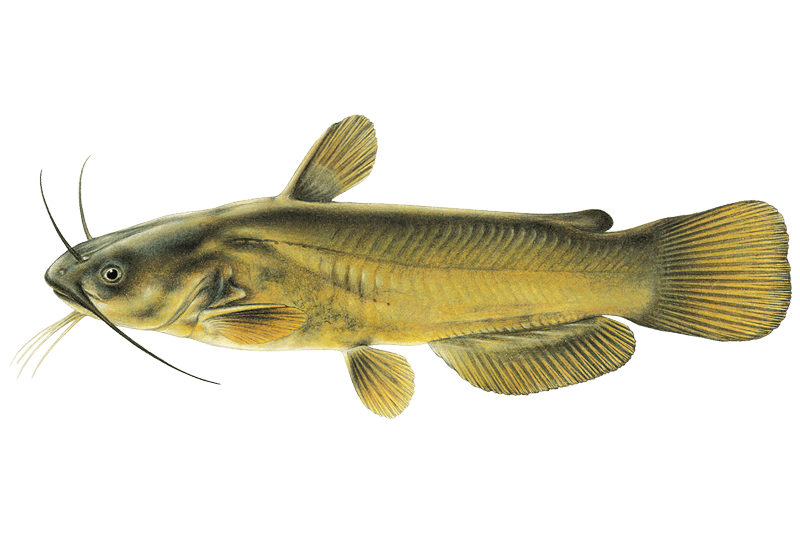
Yellow Bullhead
Ameiurus natalis
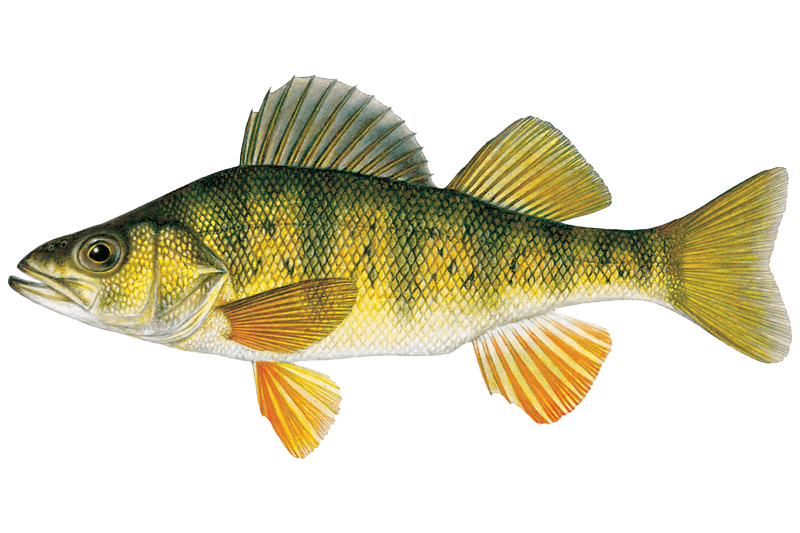
Yellow Perch
Perca flavescens
New Mexico licenses and regulations

New Mexico Boating Regulations
When using any type of watercraft to access a body of water, it is important to follow all federal, state, and local rules and regulations. These rules and regulations include boat permitting and licensing, invasive species inspections and stamps, life jacket and PFD rules, motor size and horsepower restrictions, noise limitations, restrictions on personal watercraft, and many more. Visit the web link below for the most current rules and regulations for this body of water.

New Mexico Fishing License
While fishing in New Mexico, anglers 12 years and older must possess a valid New Mexico Fishing License or Game-hunting & Fishing License. Licenses are valid April 1 through March 31 of the following year. A New Mexico Fishing License is not required on tribal reservations and private Class-A lakes.

New Mexico Fishing Regulations
This river has a variety of species and regulations, including potential floating and/or watercraft restrictions. Because this river is specially managed for species, seasons, angling methods, and watercraft, it is strongly encouraged you check all federal, state, and local regulations before fishing. Visit any of the links below, inquire locally, or contact a local fly shop to learn current regulations and restrictions.

New Mexico Stream Access Laws
Criminal trespass consists of knowingly entering or remaining upon posted private property without possessing written permission from the owner or person in control of the land. The provisions of this subsection do not apply if: 1) the owner or person in control of the land has entered into an agreement with NMDGF granting access to the land to the general public for the purpose of taking any game animals, birds or fish by hunting or fishing; or 2) a person is in possession of a landowner license given to him by the owner or person in control of the land that grants access to that particular private land for the purpose of taking any game animals, birds or fish by hunting or fishing. It is unlawful to knowingly enter upon any private property to hunt, capture, take, attempt to take, or kill any game animal, furbearer, game bird, or game fish without possessing written permission from the landowner or person in control of the land or trespass rights unless otherwise permitted in rule or statute.
Explore nearby waters
Explore New Mexico waters
Top fishing waters
Popular Cities
Loading popular cities...
Smarter Fishing Starts in the App.
onWater Fish gives you everything you need to plan smarter, fish better, and own every trip from first cast to last.