Rainbow Trout

Rainbow Trout are the most commonly stocked trout species in New Mexico, thriving under a wide range of conditions and growing faster than other trout species.
Scientific Name: Oncorhynchus mykiss
- Distinguished by bluish green to brownish coloration on their head, back, and upper sides with numerous small dark spots, silvery gray lower sides, and sometimes a pink to reddish stripe.
- In New Mexico waters, rainbow trout typically average 10-14 inches, with some exceeding 20 inches in larger lakes and reservoirs.
Fishing in New Mexico
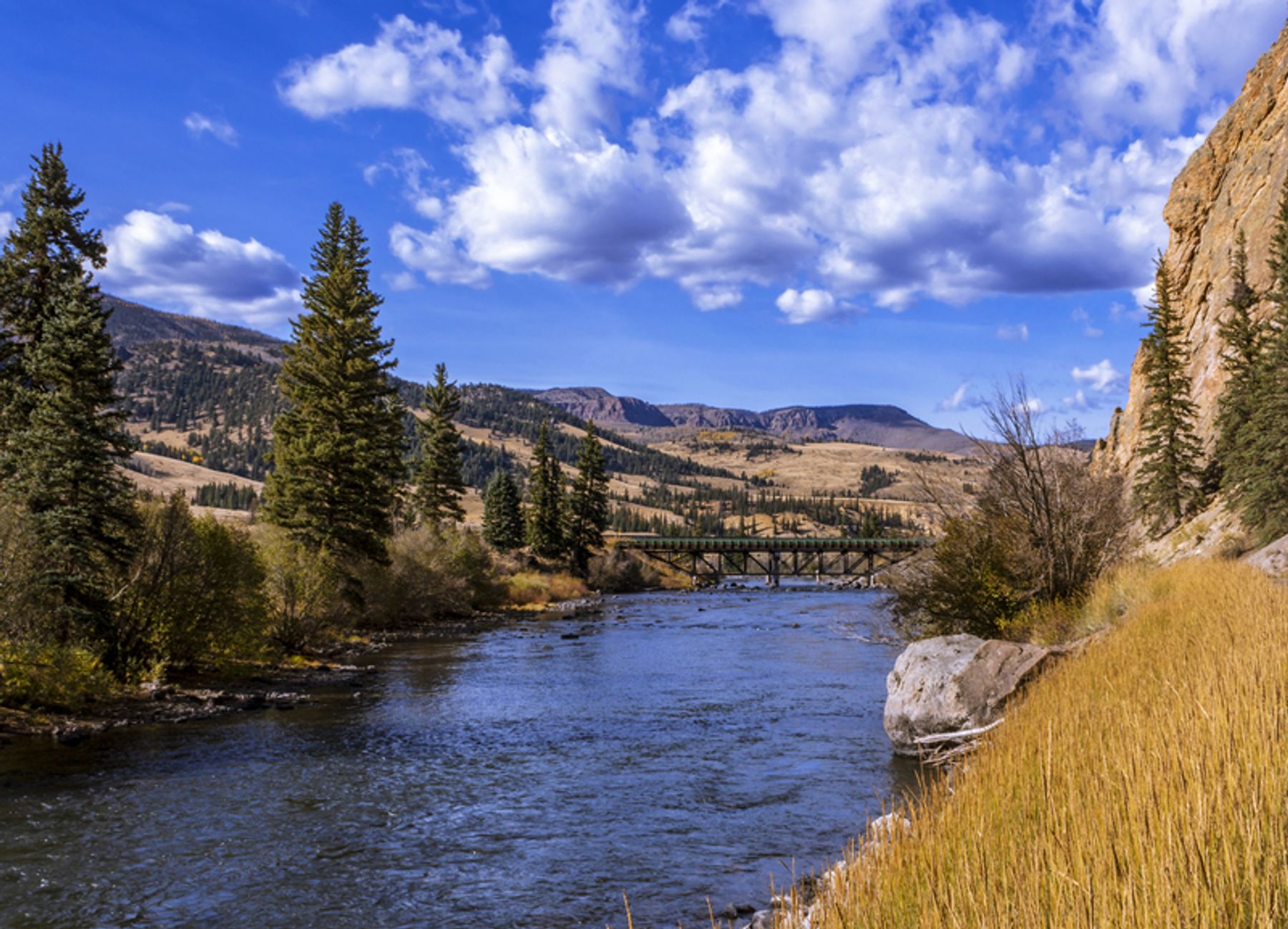
Rio Grande
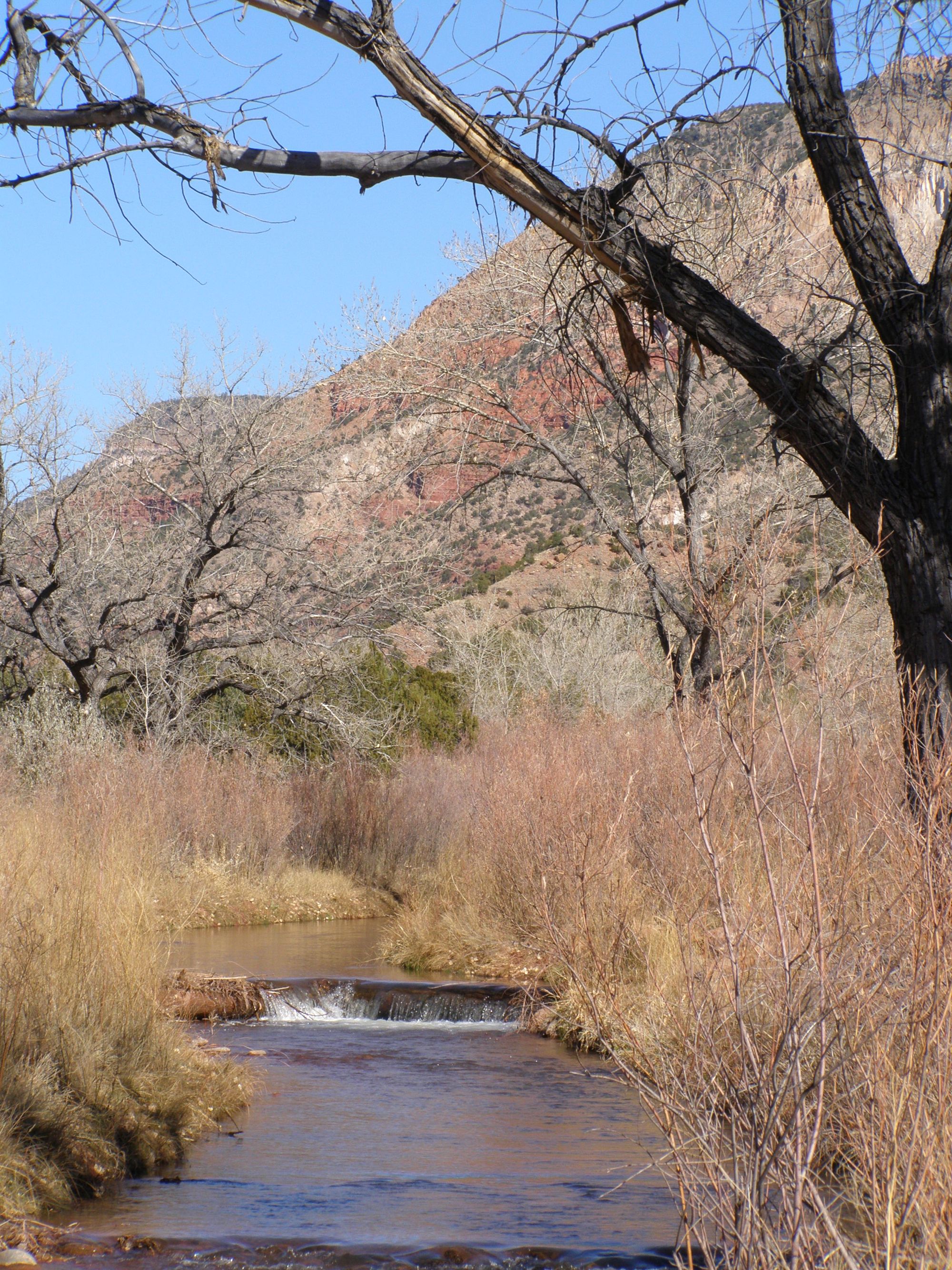
Jemez River
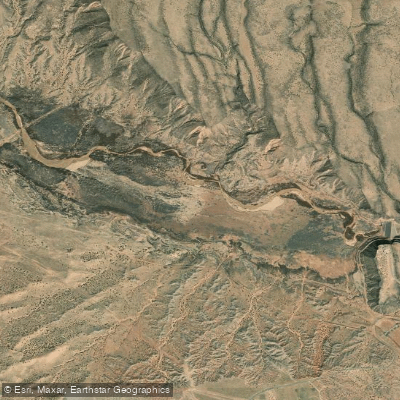
Jemez Canyon Reservoir
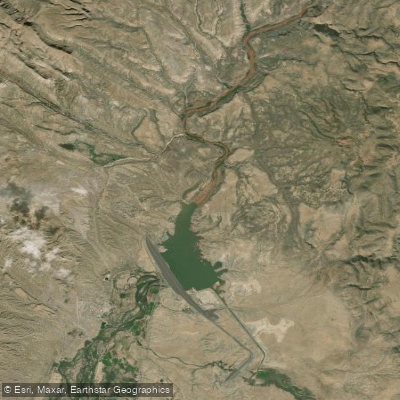
Cochiti Lake
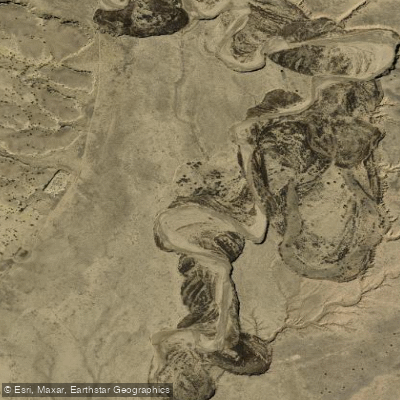
Rio Puerco
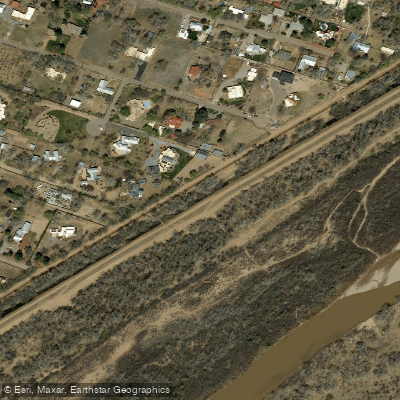
Upper Corrales Riverside Drain
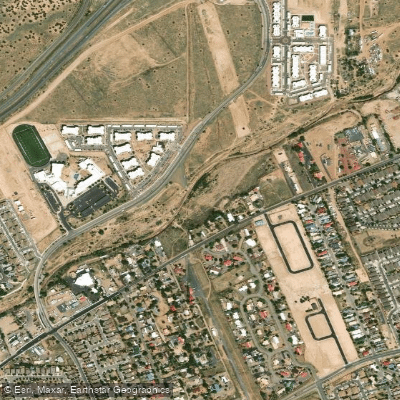
Santa Fe River
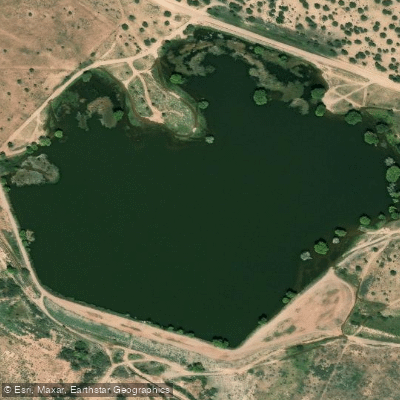
Zia Reservoir
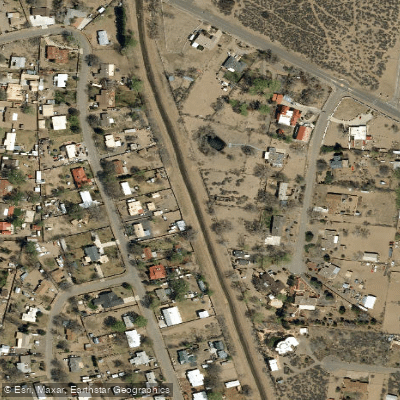
Isleta Drain
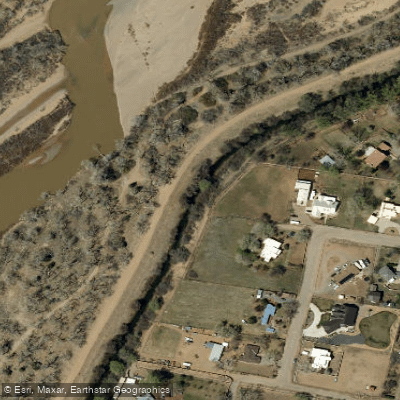
Bernalillo Riverside Drain
What to know
Habitat Distribution
- Found throughout the state in cool, clear lakes, rivers, and streams.
Key Locations
- San Juan River (famous for averaging 17-inch trout with over 7,000 fish per mile), Rio Grande, Rio Chama, Red River, Pecos River, Eagle Nest Lake, Tingley Beach, and numerous mountain lakes and reservoirs.
- Mountain streams accessed via highways like NM 4 in the Jemez Mountains, and stocked urban waters like Tingley Beach in Albuquerque.
Specific Spots
- Tailwater sections below dams for consistent conditions, higher elevation streams and alpine lakes, deeper water for larger fish.
Rainbow Trout FAQ
Answers from onWater's species guide.
What flies work for Rainbow Trout in New Mexico?
Size 20-26 midges (WD-40, Pheasant Tail, black midge patterns), mayfly imitations (BWO, Parachute Adams), stonefly nymphs, caddis patterns, terrestrials (ants, grasshoppers, beetles), e.g.g patterns, San Juan Worms, and small streamers like Woolly Buggers.
When is the best time to fish for Rainbow Trout in New Mexico?
Spring (March-May) offers excellent fishing as trout become more active with longer days and warming water. Summer (June-August) provides the best overall fishing with excellent dry fly opportunities during stonefly hatches in mid-June and grasshopper patterns in July-August.
How do you catch Rainbow Trout in New Mexico?
Dead-drift nymphing being most productive, dry flies during hatches, streamers for larger fish in deeper water. The San Juan River requires specialized techniques with tiny flies and drag-free drifts.
What do Rainbow Trout eat?
Opportunistic feeders with aquatic insects comprising most of their diet, including midges, mayflies, caddisflies, and stoneflies, along with terrestrial insects like ants and grasshoppers.
Fish smarter with real-time insights
Whether you're en route and conditions shift or you're looking for the best spot based on current flows, we enable you to make informed decisions on the fly.




See it in the app
Most maps show you water.
onWater shows you Rainbow Trout.



- 01 · Species map filter
Map every Rainbow Trout water
Pick Rainbow Trout and the map zeroes in on the waters they call home. No more guessing which lake holds them.
- 02 · Waterbody species
Tap any water. See what lives there.
Species, behavior and seasonal patterns for every lake, river and pond, before you leave the driveway.
- 03 · Angler Intelligence
Ask how to catch Rainbow Trout
Tactics, gear and timing from onWater's AI fishing guide, tuned to the species and the water you're on.
Stop guessing where Rainbow Trout are.
Open the map, filter by Rainbow Trout, and head to water that holds them. Download onWater and plan your next trip in minutes.
- Species map filter
- Angler Intelligence
- Fishing journal
Explore other species
Trout, bass, salmon, panfish and everything in between. Each guide unpacks the behavior, seasons, and tactics that put fish in the net.
No species information available.
New Mexico licenses and regulations
Explore nearby waters
Explore New Mexico waters
Top fishing waters
Popular Cities
Loading popular cities...

Smarter Fishing Starts in the App.
onWater Fish gives you everything you need to plan smarter, fish better, and own every trip from first cast to last.