Longnose Gar
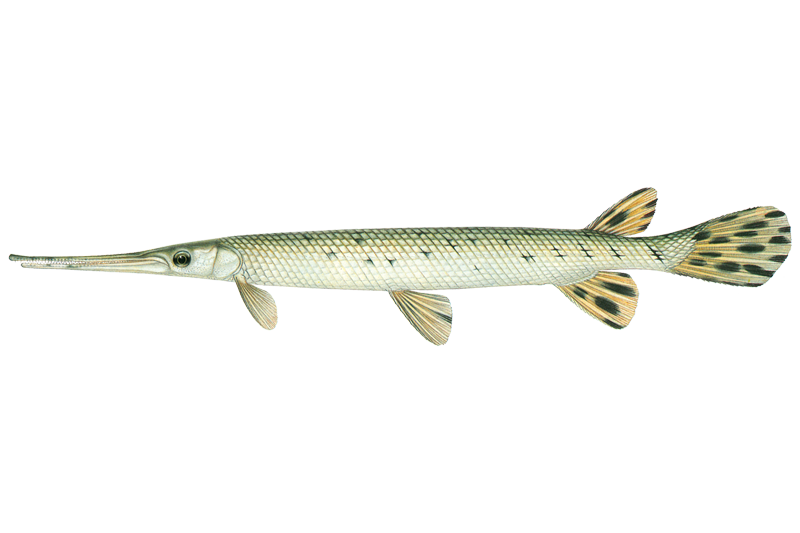
The Longnose Gar is New Mexico's only native gar species and represents the westernmost extent of their natural range.
These prehistoric fish possess a specialized swim bladder that functions as a primitive lung, allowing them to survive in oxygen-poor waters by gulping air at the surface.
Scientific Name: Lepisosteus osseus
- These prehistoric fish are distinguished by their elongated, needle-like snouts that are 18-20 times longer than wide, torpedo-shaped bodies covered in diamond-shaped ganoid scales, and olive-brown to green coloration.
- Adults typically reach 28-48 inches and can live 15-20 years, with females growing larger than males.
Fishing in New Mexico
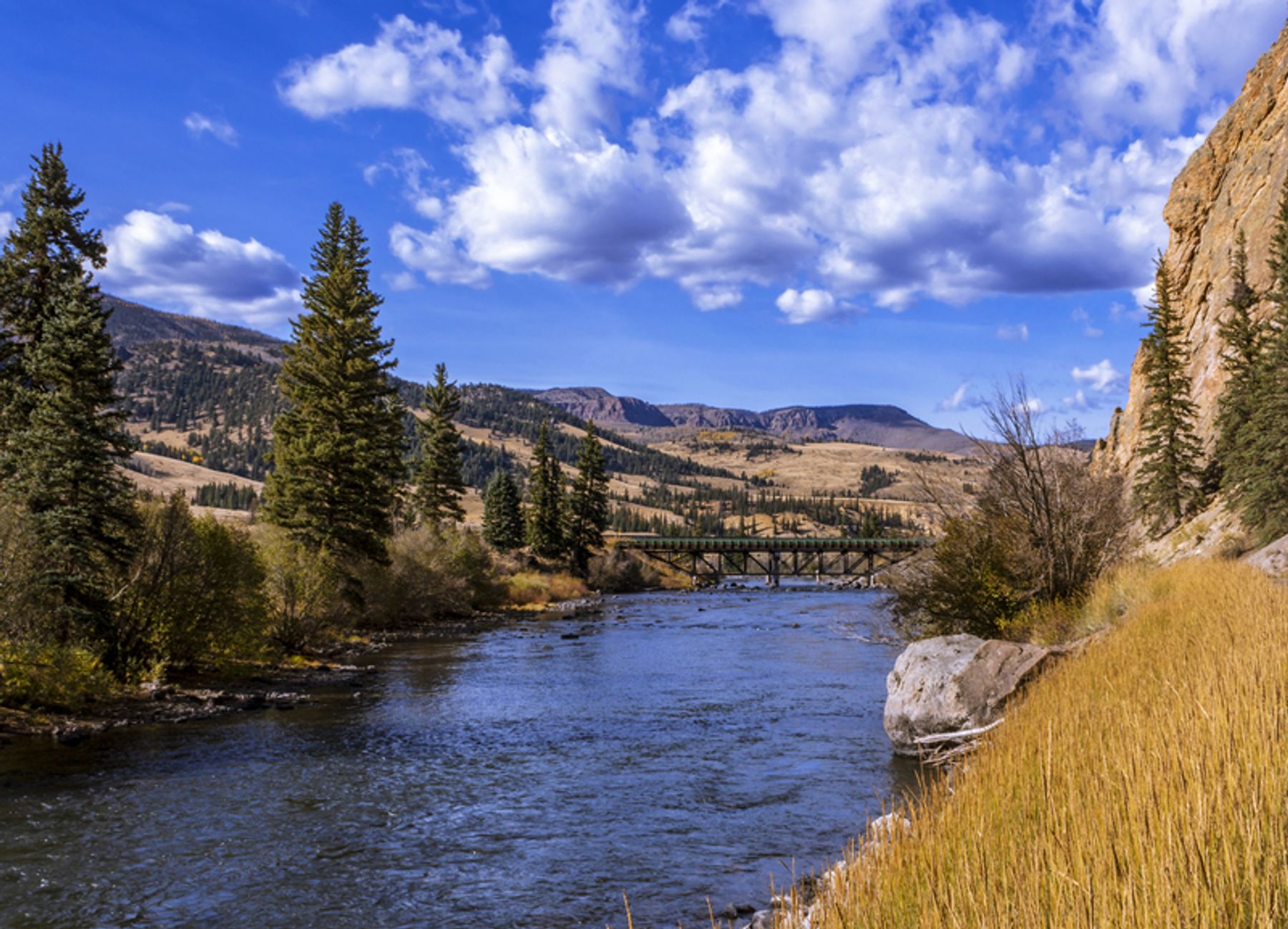
Rio Grande
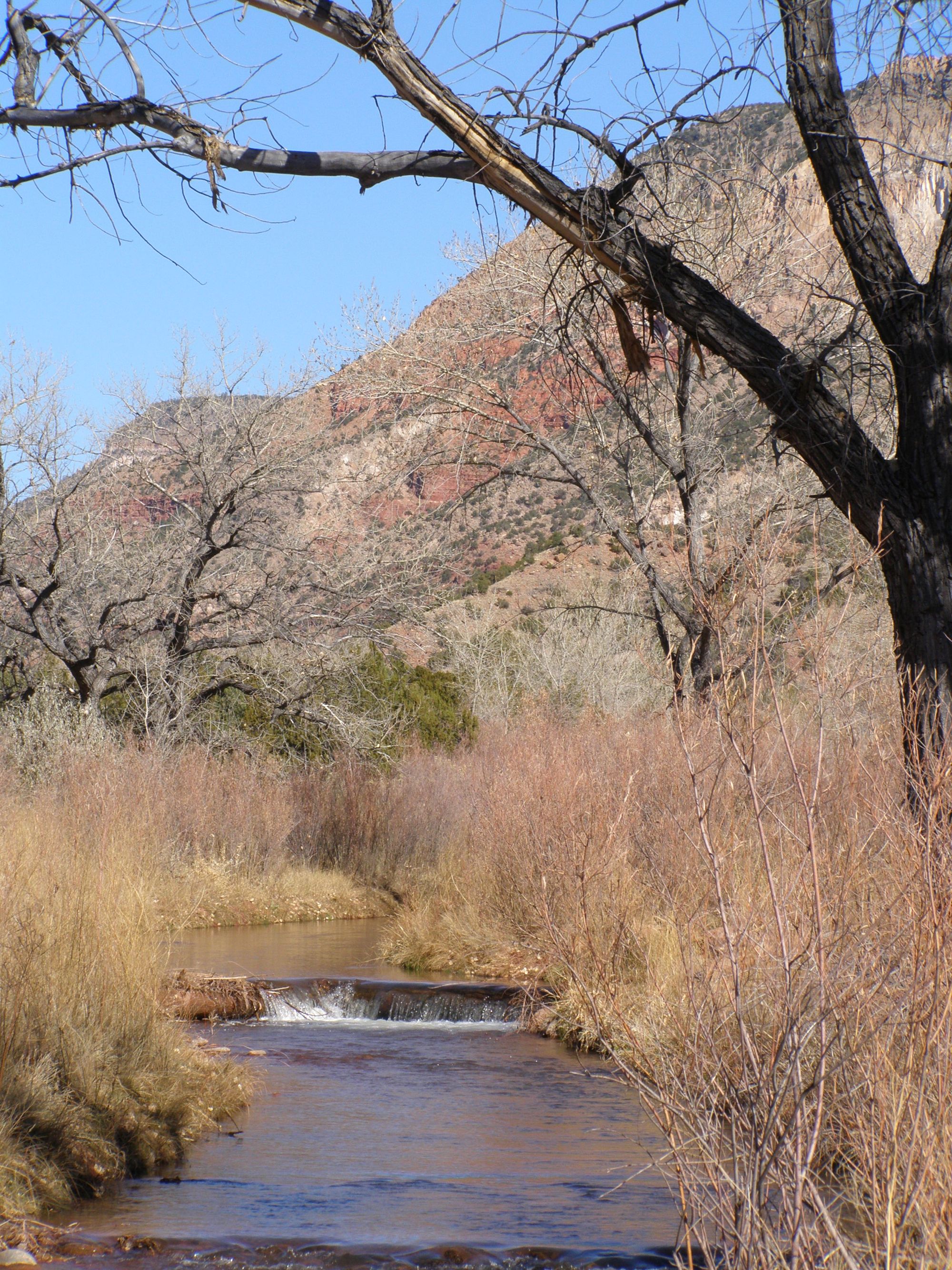
Jemez River
Jemez Canyon Reservoir
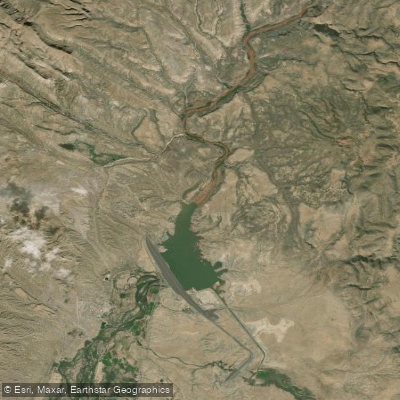
Cochiti Lake
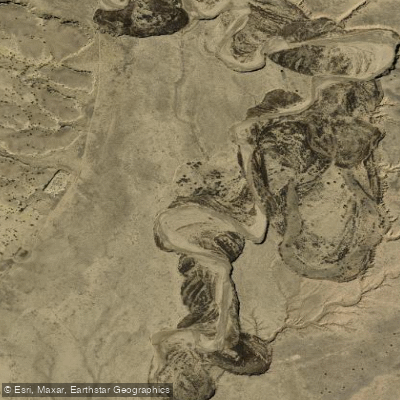
Rio Puerco
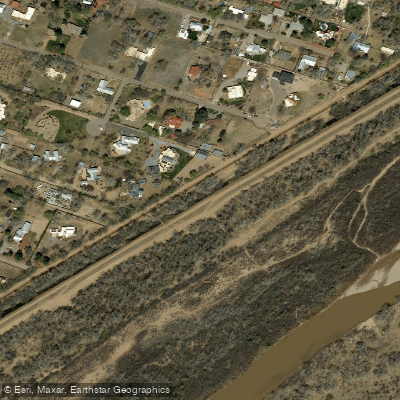
Upper Corrales Riverside Drain
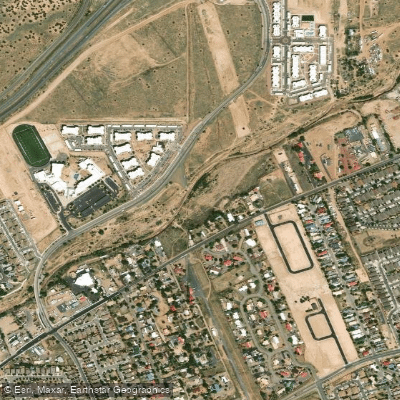
Santa Fe River
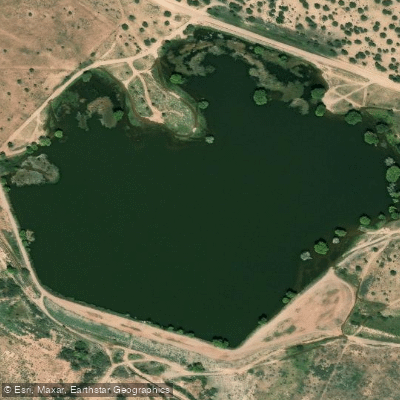
Zia Reservoir
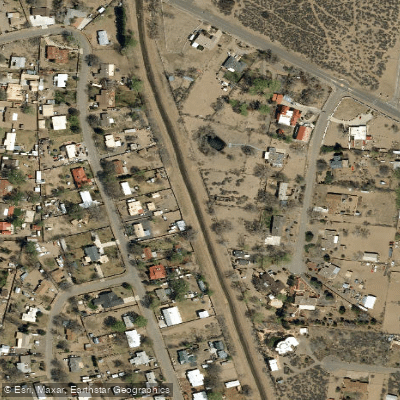
Isleta Drain
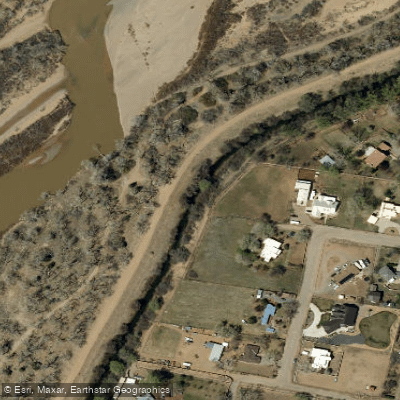
Bernalillo Riverside Drain
What to know
Habitat Distribution
- These fish are found in New Mexico's Rio Grande system and Pecos River system, representing the westernmost extent of their natural range.
Key Locations
- In New Mexico, longnose gar are primarily found in the Rio Grande system, particularly in the slower-moving sections between Truth or Consequences and the Texas border, including areas around Las Cruces and the Rio Grande Project waters.
- They're also documented in the Pecos River system.
- Prime locations include the Rio Grande between Elephant Butte Reservoir and Fort Quitman, Texas.
Specific Spots
- Focus on backwaters, deep eddies, weedy bends, and areas below dams or diversions.
- Longnose gar prefer sluggish backwaters, vegetated areas, and deep pools connected to main river channels.
Longnose Gar FAQ
Answers from onWater's species guide.
What are the best lures and bait for Longnose Gar in New Mexico?
Effective lures include topwater plugs, small in-line spinners, minnowbaits, spoons, and jigs. Live or cut bait works well, particularly small minnows under floats.
What flies work for Longnose Gar in New Mexico?
The most effective approach uses hookless rope flies made from unbraided nylon rope, 6-9 inches long, often dressed with flash or other materials. Alternative fly patterns include streamers with trailer treble hooks, bucktail patterns, or even Woolly Buggers (especially effective in spring).
When is the best time to fish for Longnose Gar in New Mexico?
The best longnose gar fishing occurs during summer months (June-August) when water temperatures are warmest and fish are most active near the surface. During spawning season (April-July), these fish should be left undisturbed.
How do you catch Longnose Gar in New Mexico?
For fly fishing, cast 2-3 feet beyond and in front of visible fish, allowing the gar to chew on the fly for several seconds before applying steady pressure - never set the hook immediately as their bony mouths are difficult to penetrate. For topwater plugs, keep motionless with minor twitches.
What do Longnose Gar eat?
These fish are opportunistic predators feeding primarily on small fish including shiners, catfish, sunfish, and shad, with young gar consuming insects and small crustaceans.
Fish smarter with real-time insights
Whether you're en route and conditions shift or you're looking for the best spot based on current flows, we enable you to make informed decisions on the fly.




See it in the app
Most maps show you water.
onWater shows you Longnose Gar.



- 01 · Species map filter
Map every Longnose Gar water
Pick Longnose Gar and the map zeroes in on the waters they call home. No more guessing which lake holds them.
- 02 · Waterbody species
Tap any water. See what lives there.
Species, behavior and seasonal patterns for every lake, river and pond, before you leave the driveway.
- 03 · Angler Intelligence
Ask how to catch Longnose Gar
Tactics, gear and timing from onWater's AI fishing guide, tuned to the species and the water you're on.
Stop guessing where Longnose Gar are.
Open the map, filter by Longnose Gar, and head to water that holds them. Download onWater and plan your next trip in minutes.
- Species map filter
- Angler Intelligence
- Fishing journal
Explore other species
Trout, bass, salmon, panfish and everything in between. Each guide unpacks the behavior, seasons, and tactics that put fish in the net.
No species information available.
New Mexico licenses and regulations
Explore nearby waters
Explore New Mexico waters
Top fishing waters
Popular Cities
Loading popular cities...

Smarter Fishing Starts in the App.
onWater Fish gives you everything you need to plan smarter, fish better, and own every trip from first cast to last.