Flathead Chub

Flathead Chub (Platygobio gracilis) in New Mexico represents a disjunct population found primarily in the upper Rio Grande drainage, including the Pecos River system.
These native cyprinids are distinguished by their flattened, wedge-shaped head with prominent maxillary barbels, light brown back, and silvery sides with no distinct body markings.
Scientific Name: Platygobio gracilis
- Adults typically reach 6-9.5 inches, though they can grow up to 12+ inches.
- Distinguished by their flattened, wedge-shaped head with prominent maxillary barbels, light brown back, and silvery sides with no distinct body markings.
- Their small eyes make them highly dependent on barbels and external taste buds for feeding in murky conditions.
Fishing in New Mexico
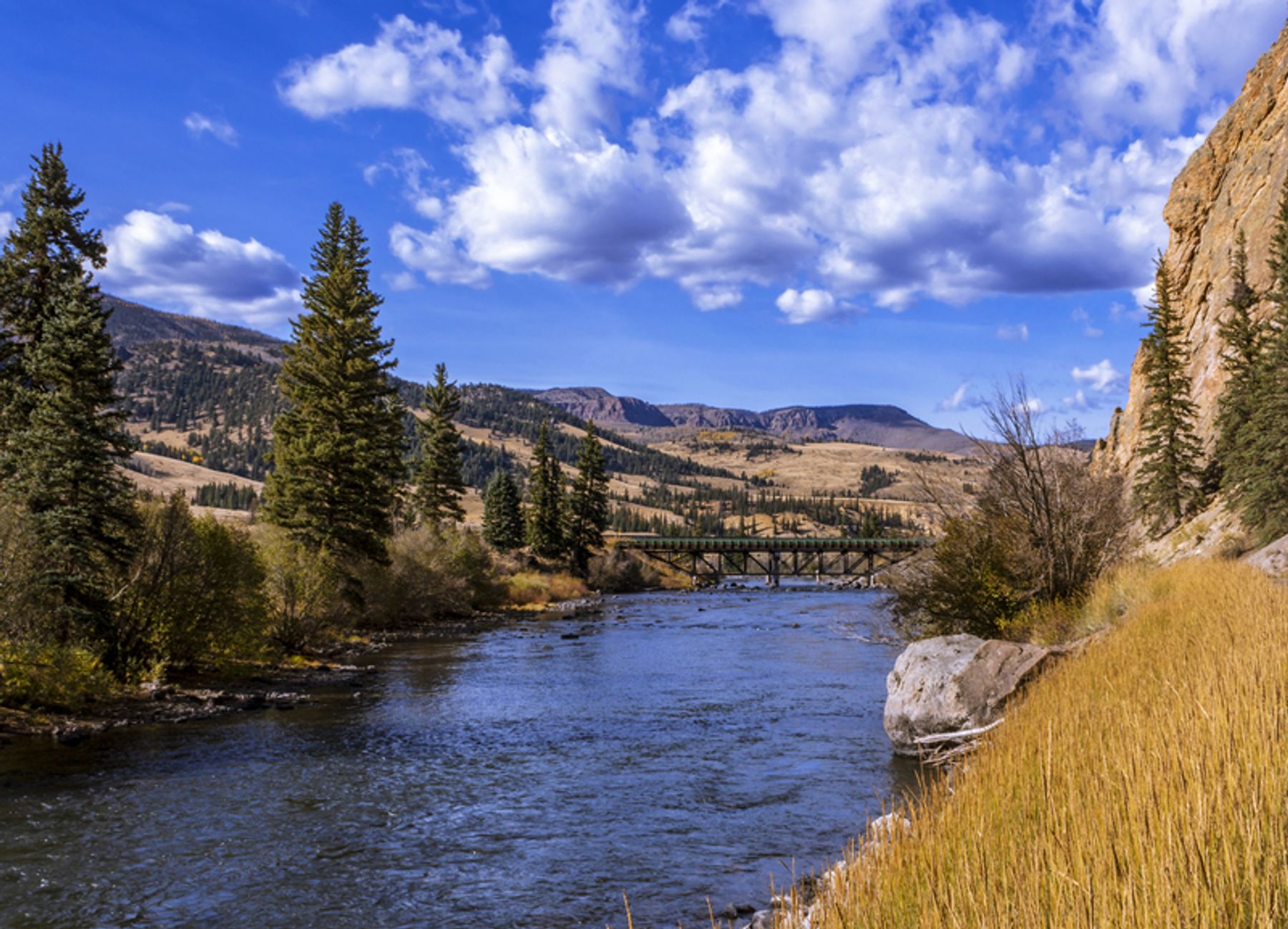
Rio Grande
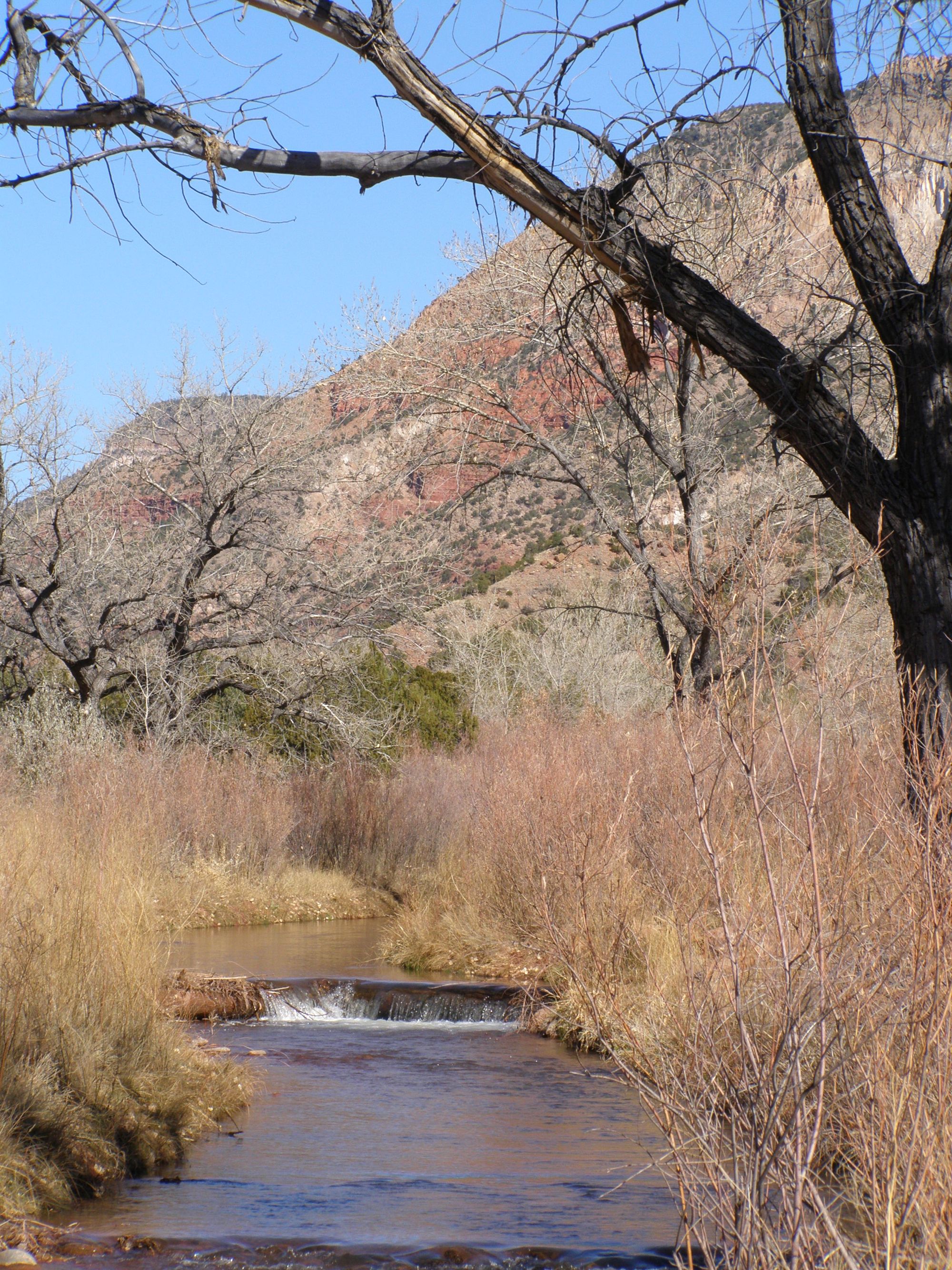
Jemez River
Jemez Canyon Reservoir
Cochiti Lake
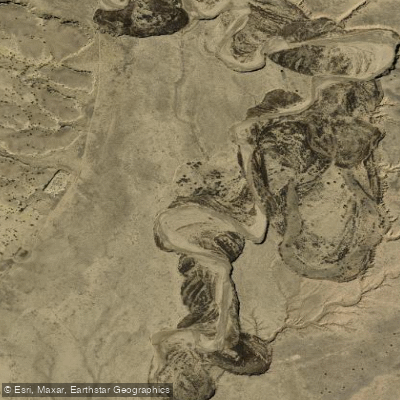
Rio Puerco
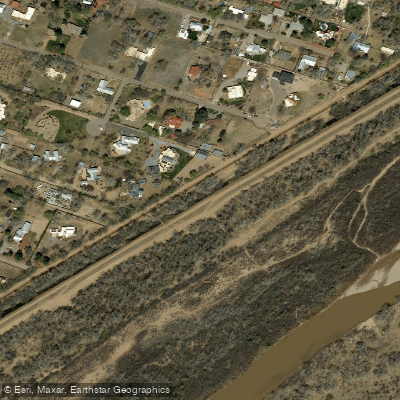
Upper Corrales Riverside Drain
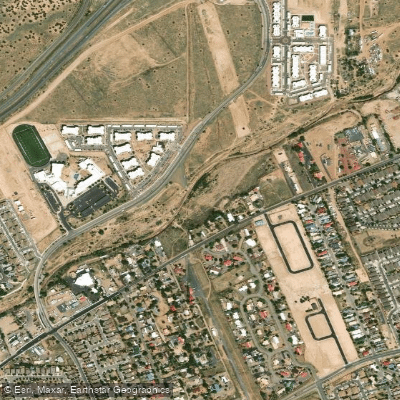
Santa Fe River
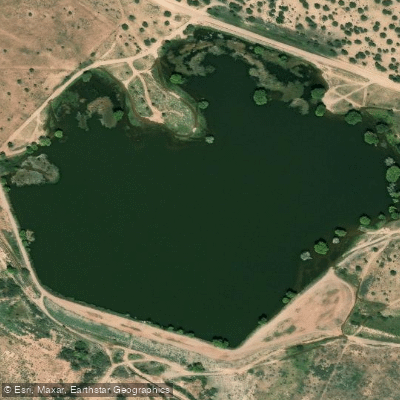
Zia Reservoir
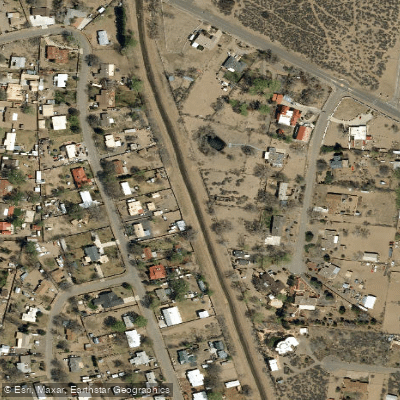
Isleta Drain
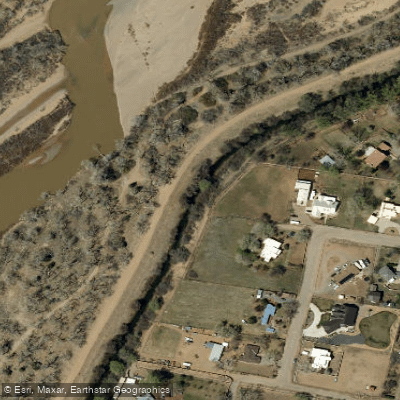
Bernalillo Riverside Drain
What to know
Habitat Distribution
- Found primarily in the upper Rio Grande drainage, including the Pecos River system.
- They inhabit turbid flowing waters in main channels of medium to large rivers, preferring moderate to strong currents over mud, rock, or sand substrates.
- In New Mexico, their range has been significantly reduced from historical levels, and they're found in the lower Pecos River system within areas like Pecos National Historical Park.
Key Locations
- Pecos River system, particularly the lower Pecos River areas and sections within Pecos National Historical Park where populations persist.
Specific Spots
- Target deeper pools and runs, particularly areas where current seams create feeding lanes.
Flathead Chub FAQ
Answers from onWater's species guide.
What flies work for Flathead Chub in New Mexico?
Small ant patterns, beetle imitations, and grasshopper flies work well during summer months. Small nymphs representing aquatic invertebrates are effective year-round.
When is the best time to fish for Flathead Chub in New Mexico?
Late spring through early summer (May-June) when water temperatures exceed 15°C, avoiding their July-August spawning period.
How do you catch Flathead Chub in New Mexico?
Present flies close to the bottom where they actively forage. Use heavier weighted patterns to get down in the current. Early morning and evening can be productive when terrestrial insects are most active near the water.
What do Flathead Chub eat?
As opportunistic invertivores, they primarily consume terrestrial insects and small aquatic invertebrates, with lesser amounts of plant material and algae. They also occasionally feed on small fish.
Where do Flathead Chub live in New Mexico?
Found primarily in the upper Rio Grande drainage, including the Pecos River system. They inhabit turbid flowing waters in main channels of medium to large rivers, preferring moderate to strong currents over mud, rock, or sand substrates.
Fish smarter with real-time insights
Whether you're en route and conditions shift or you're looking for the best spot based on current flows, we enable you to make informed decisions on the fly.







See it in the app
Most maps show you water.
onWater shows you Flathead Chub.



- 01 · Species map filter
Map every Flathead Chub water
Pick Flathead Chub and the map zeroes in on the waters they call home. No more guessing which lake holds them.
- 02 · Waterbody species
Tap any water. See what lives there.
Species, behavior and seasonal patterns for every lake, river and pond, before you leave the driveway.
- 03 · Angler Intelligence
Ask how to catch Flathead Chub
Tactics, gear and timing from onWater's AI fishing guide, tuned to the species and the water you're on.
Stop guessing where Flathead Chub are.
Open the map, filter by Flathead Chub, and head to water that holds them. Download onWater and plan your next trip in minutes.
- Species map filter
- Angler Intelligence
- Fishing journal
Explore other species
Trout, bass, salmon, panfish and everything in between. Each guide unpacks the behavior, seasons, and tactics that put fish in the net.

Find which waters have the species you want to catch

Largemouth Bass
Micropterus salmoides

Smallmouth Bass

Rainbow Trout
Oncorhynchus mykiss

Brown Trout
Salmo trutta

Brook Trout
Salvelinus fontinalis

Cutthroat Trout
Oncorhynchus clarkii virginalis

Northern Pike
Esox lucius

Walleye

Black Crappie
Pomoxis nigromaculatus

Black Bullhead
Ameiurus melas

Blue Catfish
Ictalurus furcatus

Brown Bullhead
Ameiurus nebulosus

Channel Catfish
Ictalurus punctatus

Common Carp
Cyprinus carpio

Creek Chub
Semotilus atromaculatus

Flathead Catfish
Pylodictis olivaris

Freshwater Drum
Aplodinotus grunniens
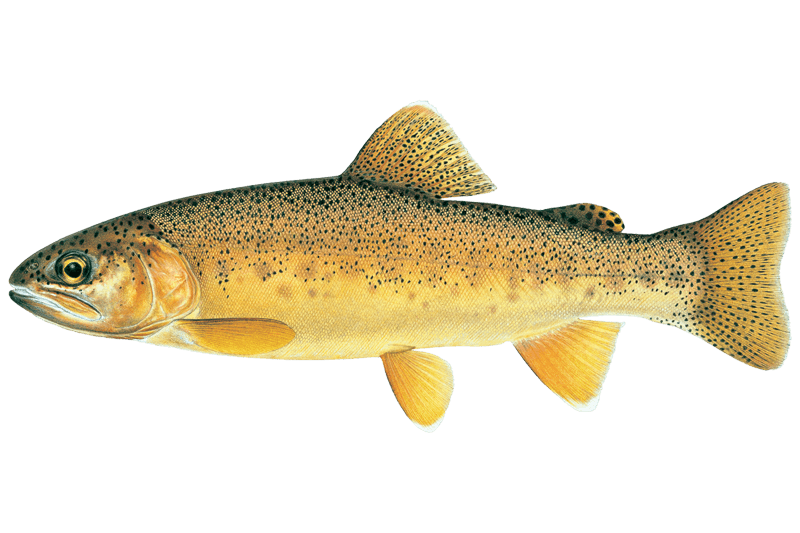
Gila Trout
Oncorhynchus gilae

Gizzard Shad
Dorosoma cepedianum

Green Sunfish
Lepomis cyanellus
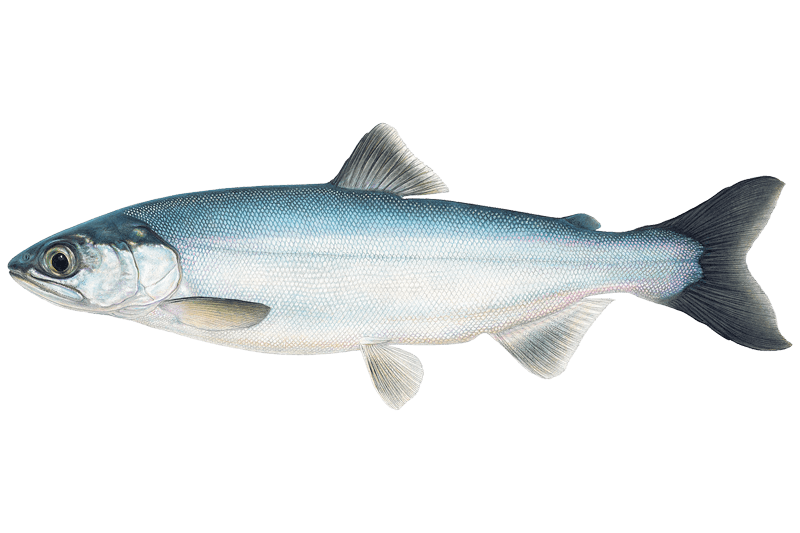
Kokanee Salmon

Lake Trout
Salvelinus namaycush

Longear Sunfish
Lepomis megalotis

Longnose Gar
Lepisosteus osseus

Longnose Sucker
Catostomus catostomus
Smallmouth Buffalo
Ictiobus bubalus

Sockeye Salmon
Oncorhynchus nerka
Spotted Bass
Micropterus punctulatus
Striped Bass
Morone saxatilis
Tiger Trout
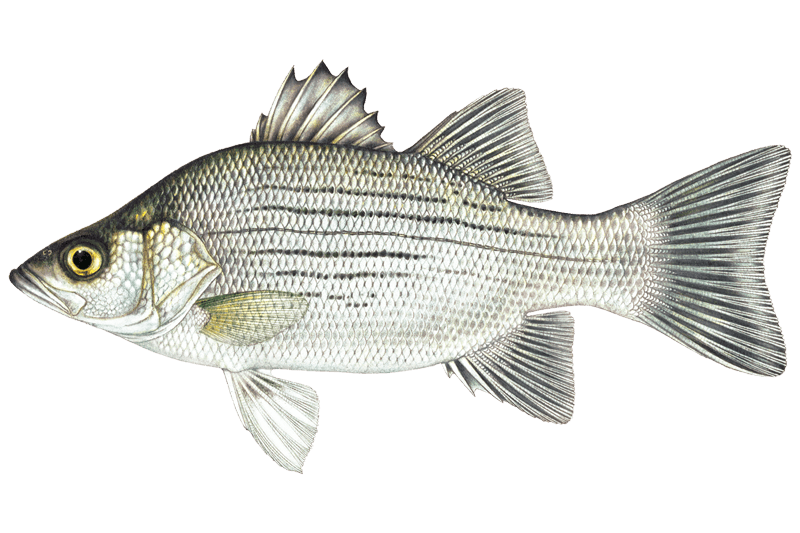
White Bass
Morone chrysops
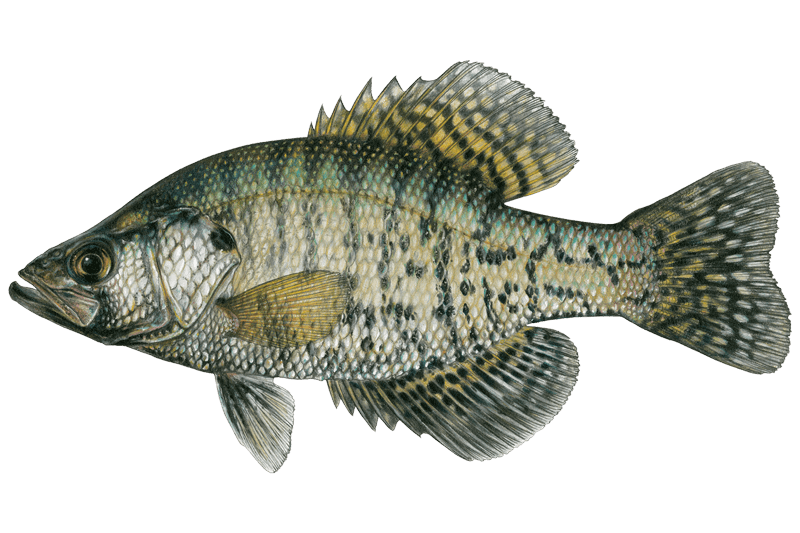
White Crappie
Pomoxis annularis
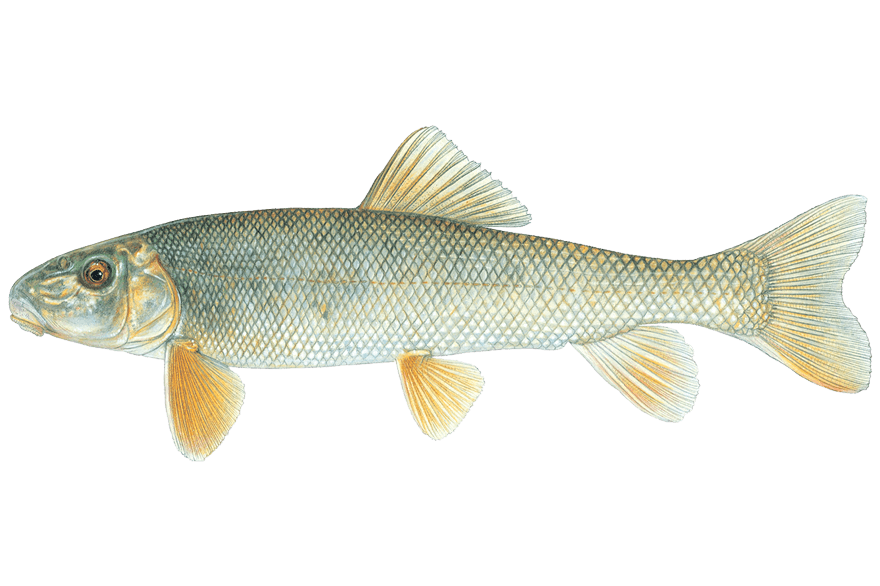
White Sucker
Catostomus commersonii
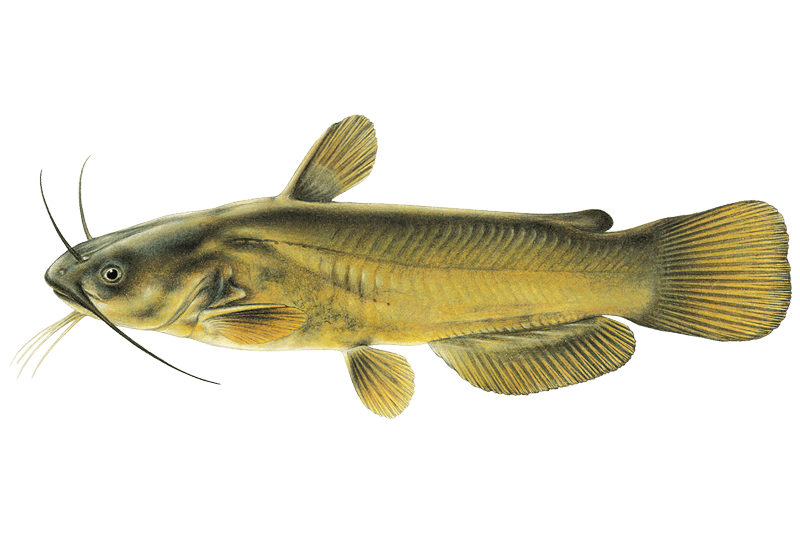
Yellow Bullhead
Ameiurus natalis
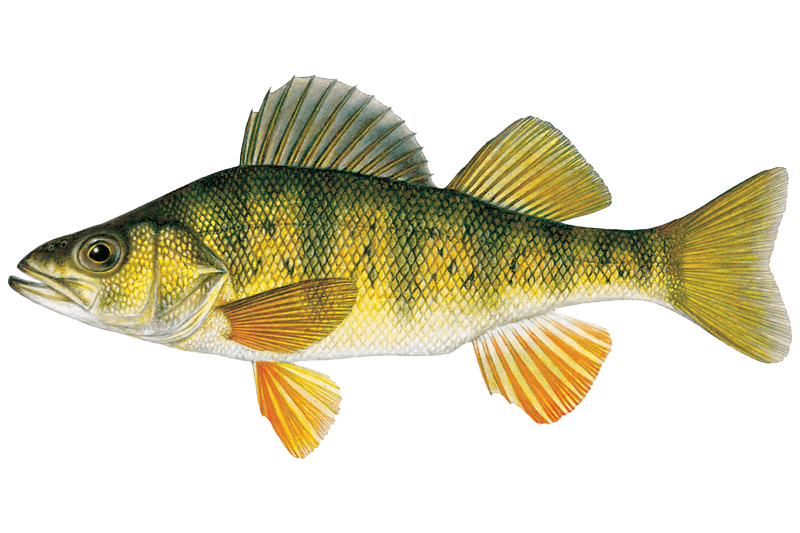
Yellow Perch
Perca flavescens
New Mexico licenses and regulations

New Mexico Boating Regulations
When using any type of watercraft to access a body of water, it is important to follow all federal, state, and local rules and regulations. These rules and regulations include boat permitting and licensing, invasive species inspections and stamps, life jacket and PFD rules, motor size and horsepower restrictions, noise limitations, restrictions on personal watercraft, and many more. Visit the web link below for the most current rules and regulations for this body of water.
New Mexico Fishing License
While fishing in New Mexico, anglers 12 years and older must possess a valid New Mexico Fishing License or Game-hunting & Fishing License. Licenses are valid April 1 through March 31 of the following year. A New Mexico Fishing License is not required on tribal reservations and private Class-A lakes.

New Mexico Fishing Regulations
This river has a variety of species and regulations, including potential floating and/or watercraft restrictions. Because this river is specially managed for species, seasons, angling methods, and watercraft, it is strongly encouraged you check all federal, state, and local regulations before fishing. Visit any of the links below, inquire locally, or contact a local fly shop to learn current regulations and restrictions.

New Mexico Stream Access Laws
Criminal trespass consists of knowingly entering or remaining upon posted private property without possessing written permission from the owner or person in control of the land. The provisions of this subsection do not apply if: 1) the owner or person in control of the land has entered into an agreement with NMDGF granting access to the land to the general public for the purpose of taking any game animals, birds or fish by hunting or fishing; or 2) a person is in possession of a landowner license given to him by the owner or person in control of the land that grants access to that particular private land for the purpose of taking any game animals, birds or fish by hunting or fishing. It is unlawful to knowingly enter upon any private property to hunt, capture, take, attempt to take, or kill any game animal, furbearer, game bird, or game fish without possessing written permission from the landowner or person in control of the land or trespass rights unless otherwise permitted in rule or statute.
Explore nearby waters
Explore New Mexico waters
Top fishing waters
Popular Cities
Loading popular cities...

Smarter Fishing Starts in the App.
onWater Fish gives you everything you need to plan smarter, fish better, and own every trip from first cast to last.