Cutthroat Trout
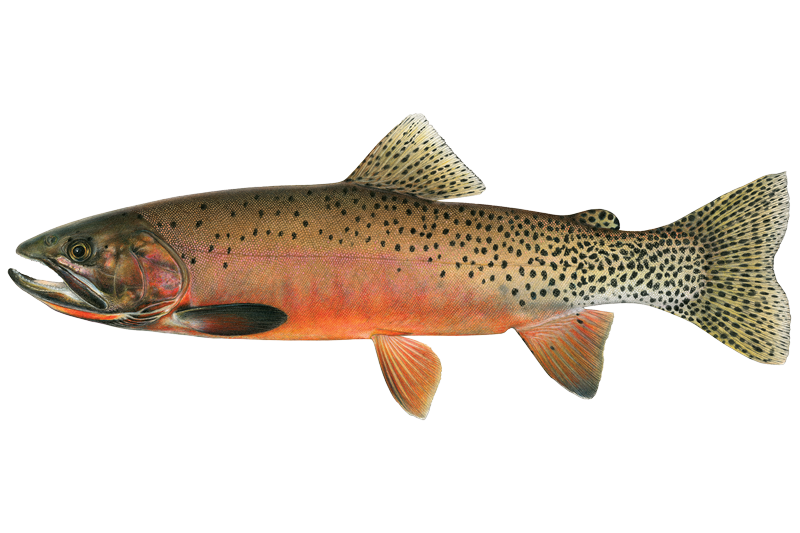
The Rio Grande Cutthroat Trout is New Mexico's state fish and the only cutthroat trout native to the state.
Once abundant throughout the Rio Grande Basin, they now occupy only about 10-12% of their historic range due to competition with non-native trout, habitat loss, and climate change impacts.
Scientific Name: Oncorhynchus clarkii virginalis
- This beautiful trout features a yellowish-green to gray-brown body densely spotted with black spots that concentrate toward the tail, with the characteristic bright red-orange slash beneath the lower jaw and sometimes red patches along the sides.
- During breeding season, males develop intense reddish-orange undersides.
- Adults typically reach 12-13 inches, though some grow larger.
Fishing in New Mexico
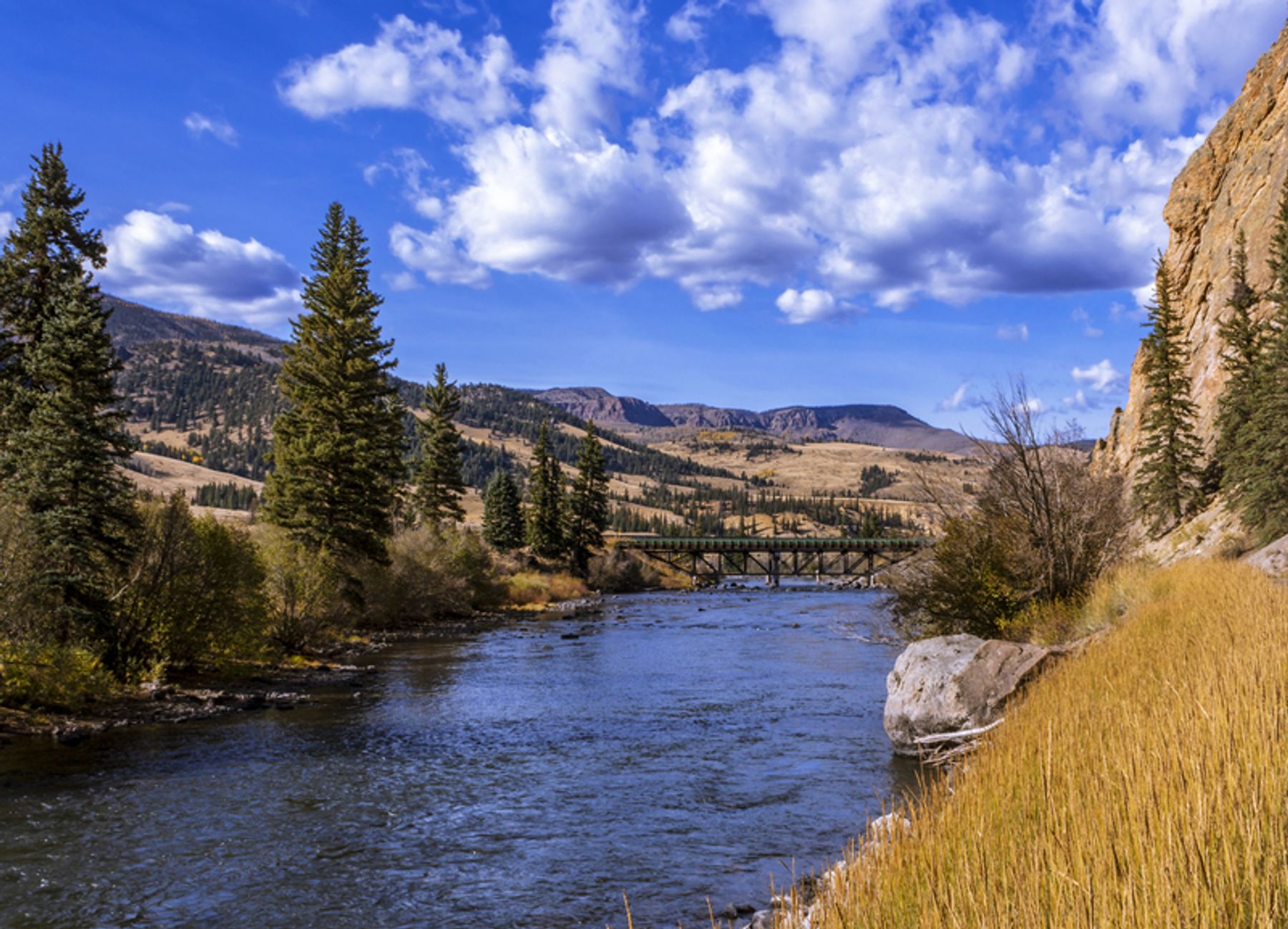
Rio Grande
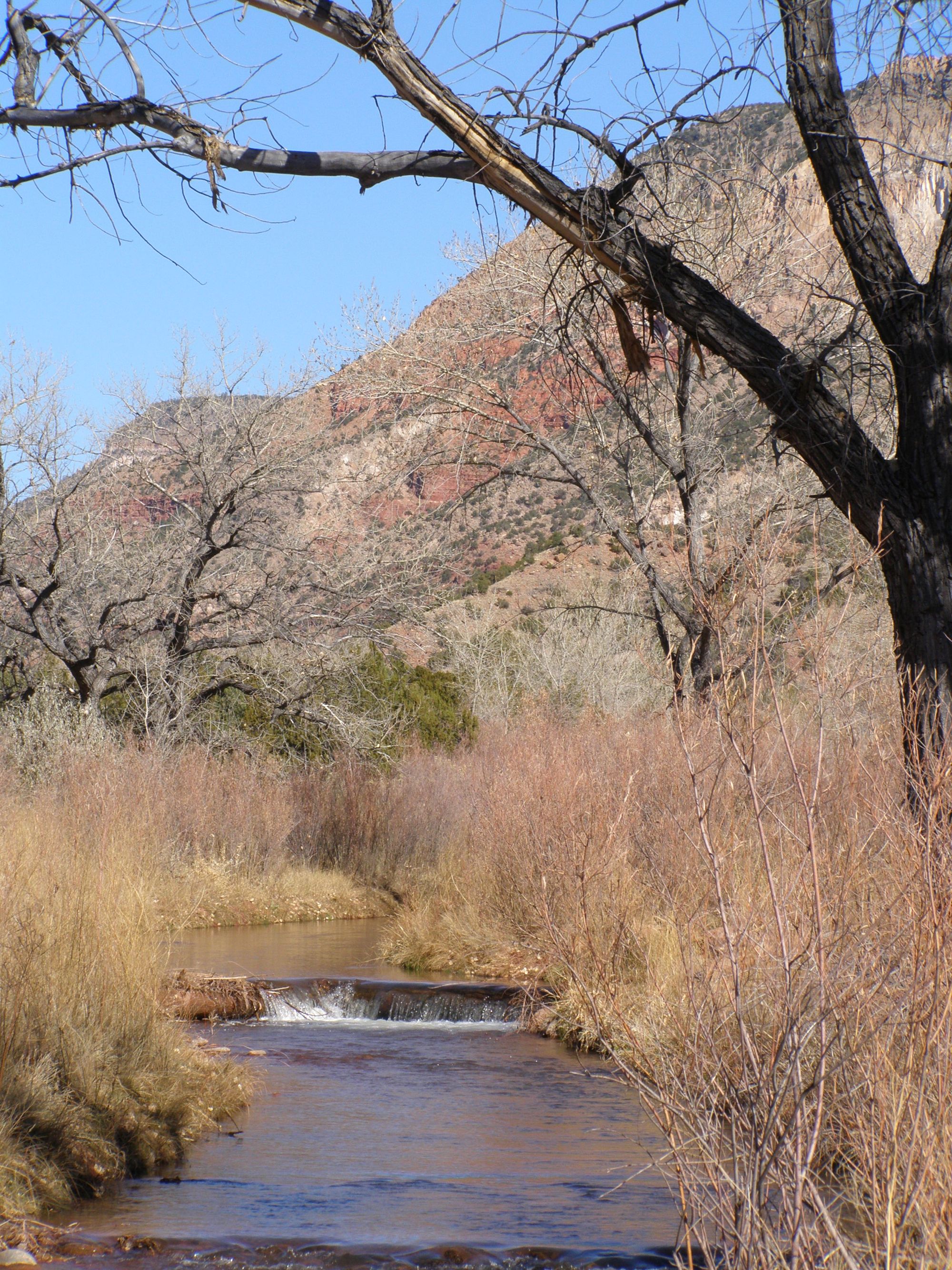
Jemez River
Jemez Canyon Reservoir
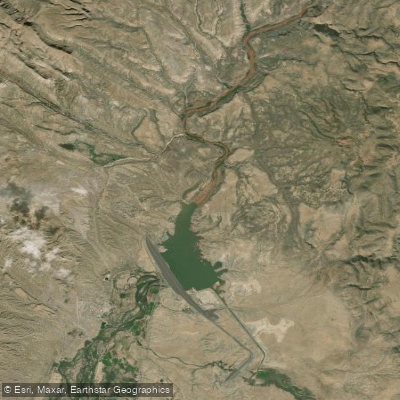
Cochiti Lake
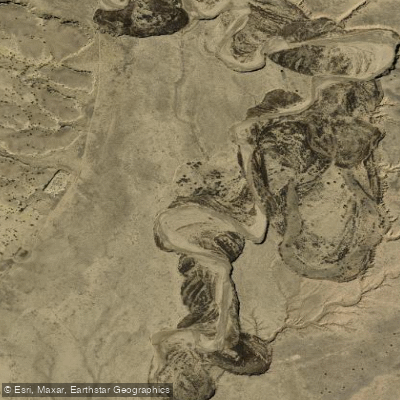
Rio Puerco
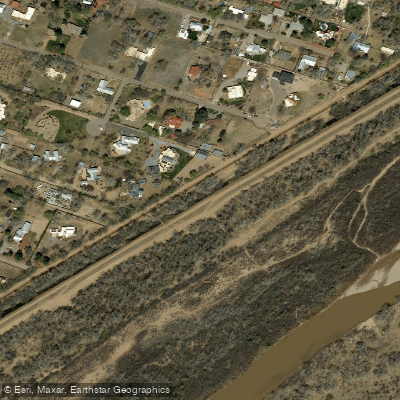
Upper Corrales Riverside Drain

Santa Fe River
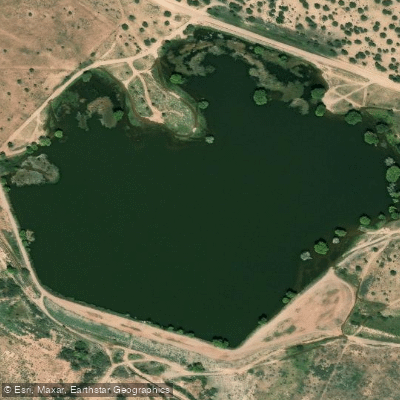
Zia Reservoir
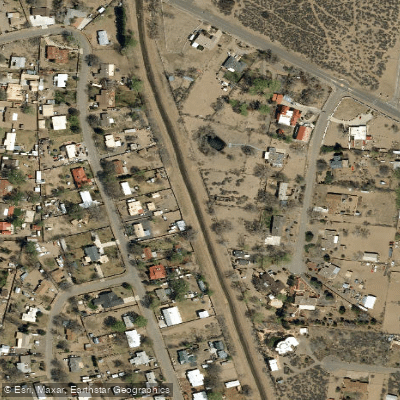
Isleta Drain
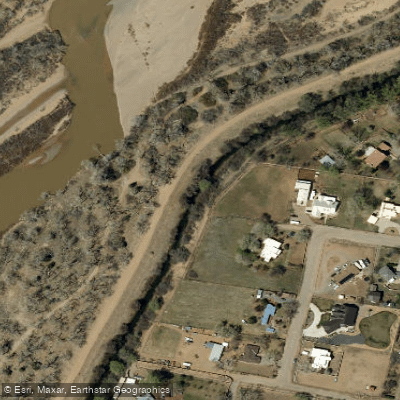
Bernalillo Riverside Drain
What to know
Habitat Distribution
- They inhabit cold, clear, well-oxygenated high-elevation streams typically above 7,000 feet in the Rio Grande, Canadian, and Pecos River basins.
- Four populations are located in New Mexico's Santa Fe National Forest.
Key Locations
- Prime locations include Costilla Creek in the Valle Vidal (considered New Mexico's best wild Rio Grande Cutthroat stream), Jack's Creek above the waterfalls, Rio de las Vacas above the fish barrier, and various streams in the Pecos Wilderness.
- Key populations exist in streams including Jack's Creek, Rio de las Vacas, Rio Cebolla, Costilla Creek, and various tributaries throughout the Sangre de Cristo, Jemez, and San Juan mountain ranges.
Specific Spots
- Target undercut banks, deep pools, slack water areas, and cover like fallen trees or large rocks where these cautious fish conserve energy.
Cutthroat Trout FAQ
Answers from onWater's species guide.
What flies work for Cutthroat Trout in New Mexico?
Top fly patterns include size 18-20 Pheasant Tail Nymphs and Blue Winged Olive patterns in spring, Elk Hair Caddis (size 16-18) during summer caddis hatches, and Chubby Chernobyl grasshopper patterns in late summer.
When is the best time to fish for Cutthroat Trout in New Mexico?
Rio Grande Cutthroat fishing is best from July through October after spawning concludes, with fall (September-October) being particularly productive as fish feed aggressively before winter.
How do you catch Cutthroat Trout in New Mexico?
Target undercut banks, deep pools, slack water areas, and cover like fallen trees or large rocks where these cautious fish conserve energy.
What do Cutthroat Trout eat?
These opportunistic feeders primarily consume aquatic insects (caddisflies, stoneflies, mayflies), terrestrial insects (ants, beetles, grasshoppers), and crustaceans, spending 90% of their time feeding subsurface.
Where do Cutthroat Trout live in New Mexico?
They inhabit cold, clear, well-oxygenated high-elevation streams typically above 7,000 feet in the Rio Grande, Canadian, and Pecos River basins. Four populations are located in New Mexico's Santa Fe National Forest.
Fish smarter with real-time insights
Whether you're en route and conditions shift or you're looking for the best spot based on current flows, we enable you to make informed decisions on the fly.




See it in the app
Most maps show you water.
onWater shows you Cutthroat Trout.



- 01 · Species map filter
Map every Cutthroat Trout water
Pick Cutthroat Trout and the map zeroes in on the waters they call home. No more guessing which lake holds them.
- 02 · Waterbody species
Tap any water. See what lives there.
Species, behavior and seasonal patterns for every lake, river and pond, before you leave the driveway.
- 03 · Angler Intelligence
Ask how to catch Cutthroat Trout
Tactics, gear and timing from onWater's AI fishing guide, tuned to the species and the water you're on.
Stop guessing where Cutthroat Trout are.
Open the map, filter by Cutthroat Trout, and head to water that holds them. Download onWater and plan your next trip in minutes.
- Species map filter
- Angler Intelligence
- Fishing journal
Explore other species
Trout, bass, salmon, panfish and everything in between. Each guide unpacks the behavior, seasons, and tactics that put fish in the net.
No species information available.
New Mexico licenses and regulations
Explore nearby waters
Explore New Mexico waters
Top fishing waters
Popular Cities
Loading popular cities...

Smarter Fishing Starts in the App.
onWater Fish gives you everything you need to plan smarter, fish better, and own every trip from first cast to last.