Black Crappie

Black Crappie are not native to New Mexico and are considered an introduced species in the state. These laterally compressed panfish are opportunistic feeders and schooling fish.
They are considered excellent table fare and are among the most consumed freshwater fish.
Scientific Name: Pomoxis nigromaculatus
- These laterally compressed panfish are identifiable by their 7-8 dorsal spines (versus 5-6 for white crappie) and irregular dark blotches and speckles covering their silver-green bodies.
Fishing in New Mexico
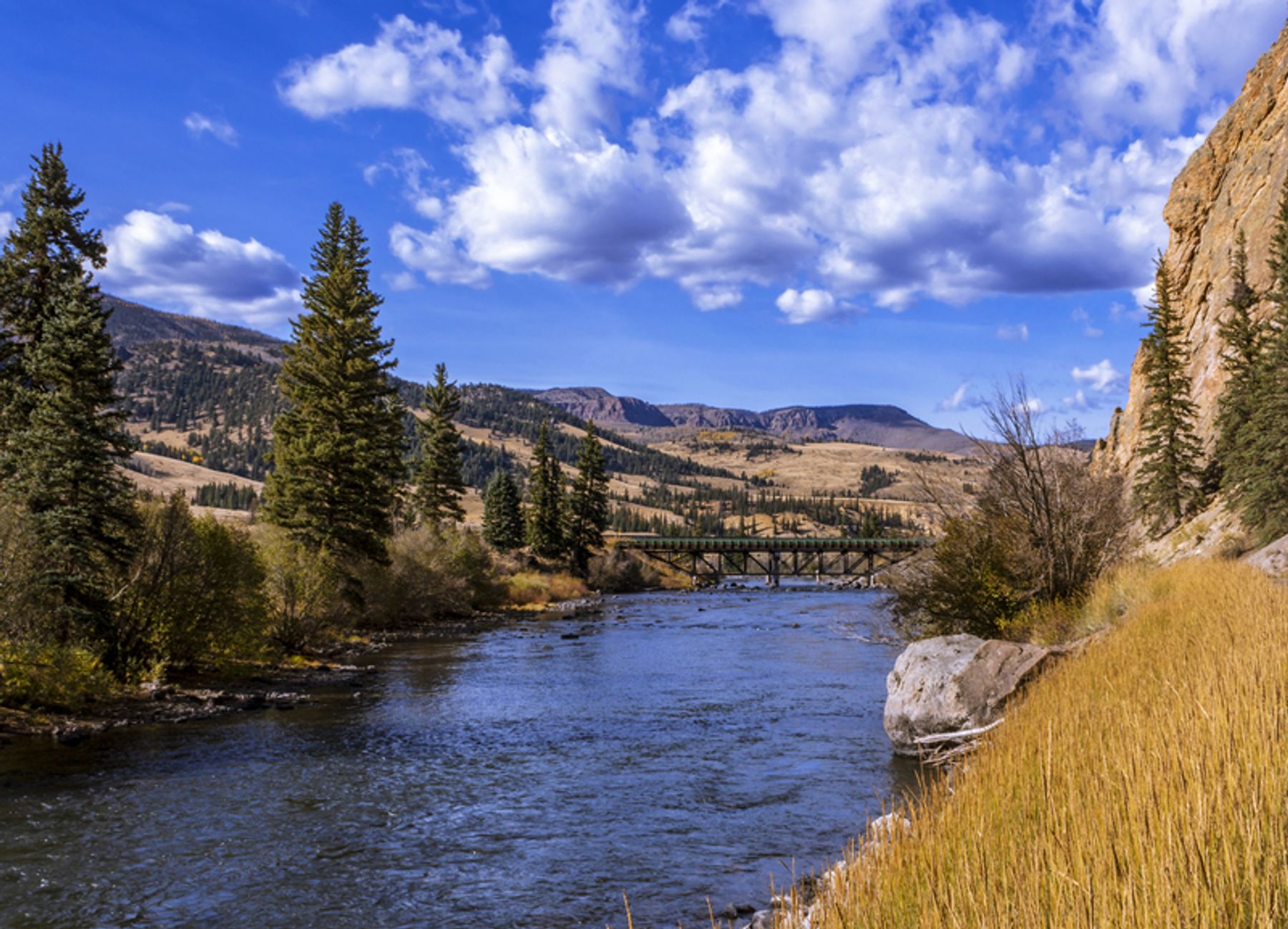
Rio Grande
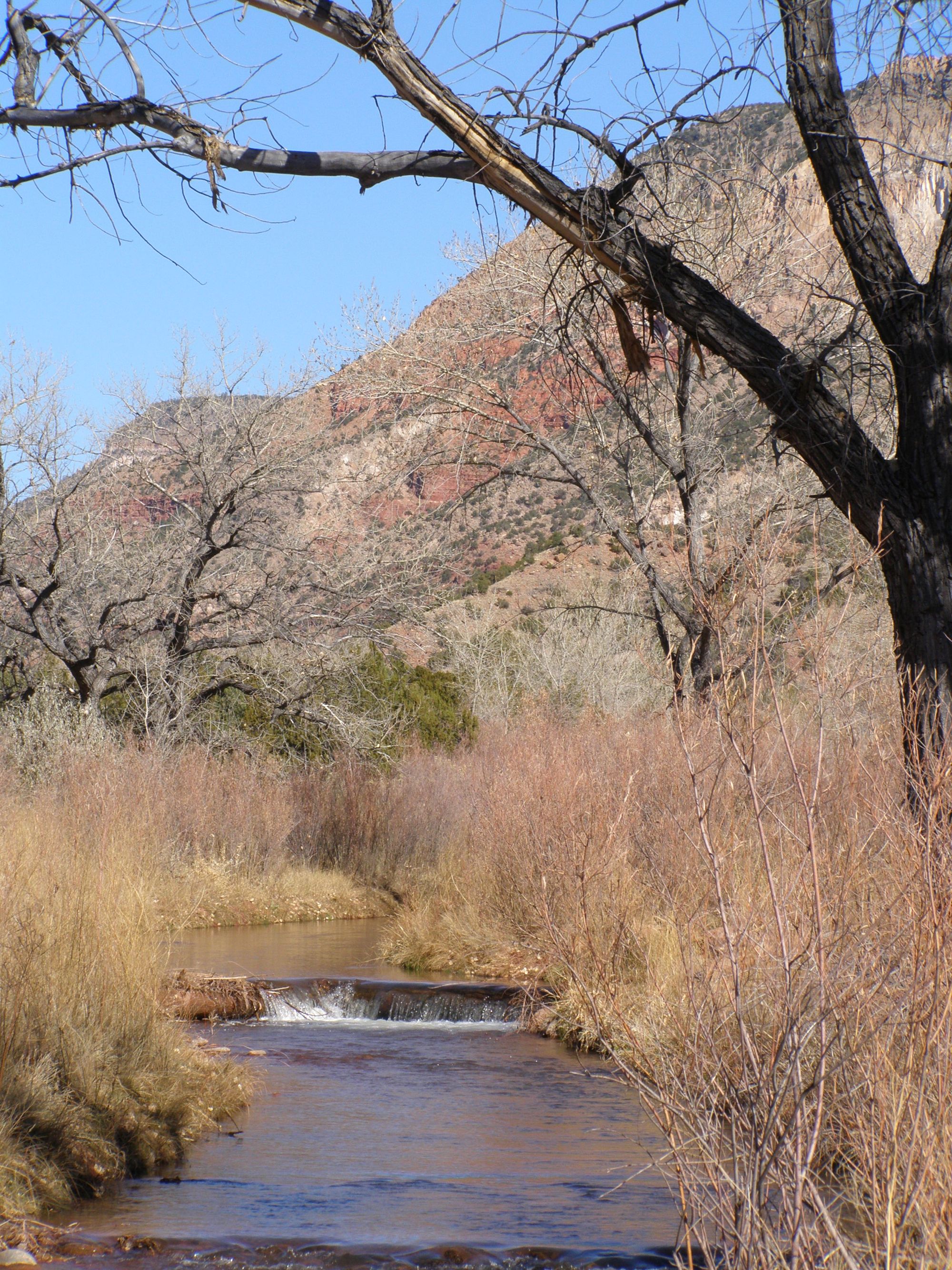
Jemez River
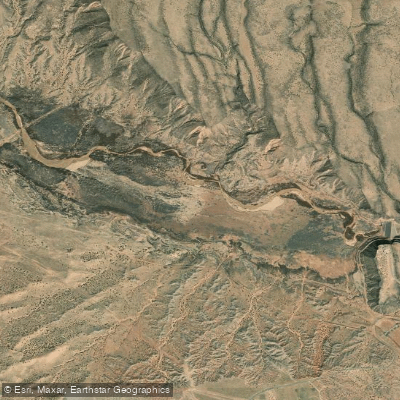
Jemez Canyon Reservoir
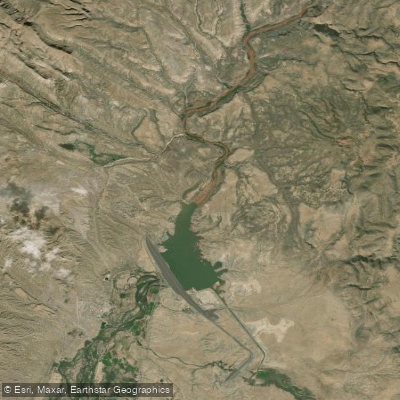
Cochiti Lake
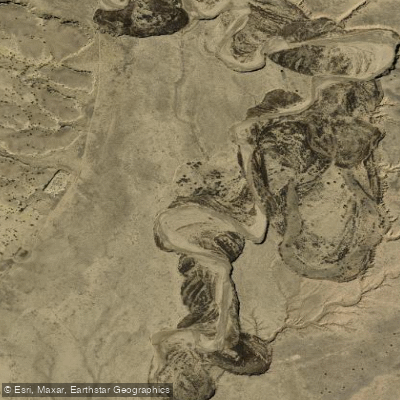
Rio Puerco
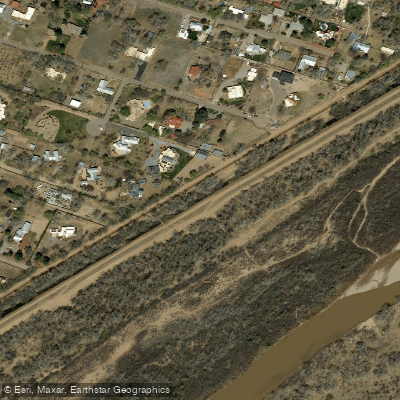
Upper Corrales Riverside Drain
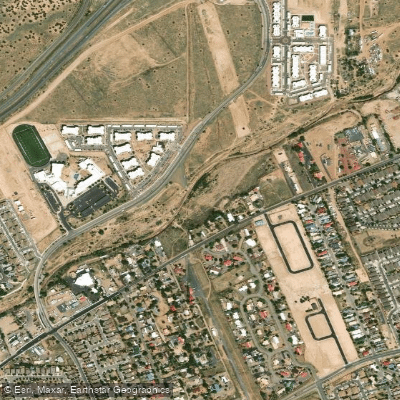
Santa Fe River
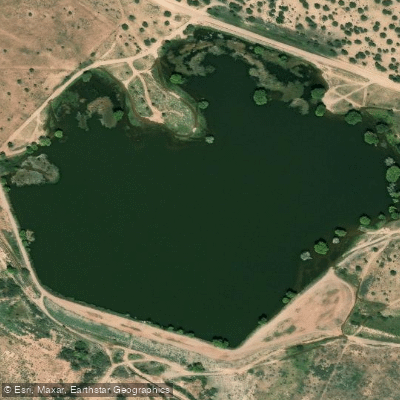
Zia Reservoir
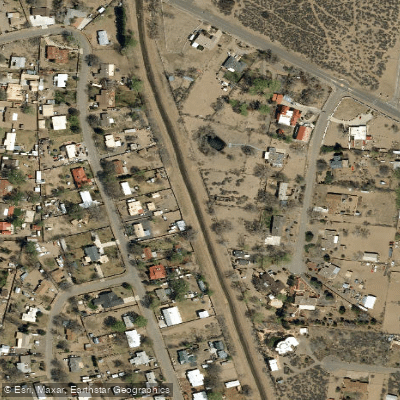
Isleta Drain
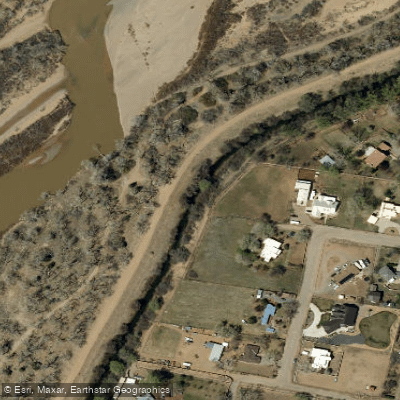
Bernalillo Riverside Drain
What to know
Habitat Distribution
- Black crappie populations exist in select waters in New Mexico.
Key Locations
- Navajo Lake, which offers 14,000 surface acres with 35 miles of shoreline and over 150 miles of shoreline structure.
Specific Spots
- Look for areas with submerged timber, brush piles, docks, and vegetation in depths of 6-20 feet, though they can be found as deep as 25 feet in winter.
- They prefer areas with abundant cover such as submerged timber, aquatic vegetation, brush piles, and structures like docks.
- During summer, target deeper water (15-25 feet) around main channels and structure.
Black Crappie FAQ
Answers from onWater's species guide.
What are the best lures and bait for Black Crappie in New Mexico?
Small jigs (1/32 to 1/16 ounce) with soft plastics like mini-tubes and twister tails, small crankbaits in 1-3 inch sizes, marabou feather jigs, Road Runners with spinners, small crankbaits that dive 8-12 feet, and jig-and-plastic combinations.
When is the best time to fish for Black Crappie in New Mexico?
Black crappie fishing in New Mexico is best during spring and fall when they move to shallower water. During summer, target deeper water (15-25 feet). Fall fishing focuses on points, humps, and contour changes as fish move to replenish energy reserves before winter.
How do you catch Black Crappie in New Mexico?
Effective techniques include bobber fishing with live minnows, casting small jigs, vertical jigging around structure, and trolling small crankbaits. Fish slowly as crappie are deliberate feeders - present baits just above their eye level since they typically feed by looking upward.
What do Black Crappie eat?
Black crappie are opportunistic feeders with juveniles consuming zooplankton and microcrustaceans, while adults primarily eat small fish like minnows, along with insects, crustaceans, and insect larvae.
Fish smarter with real-time insights
Whether you're en route and conditions shift or you're looking for the best spot based on current flows, we enable you to make informed decisions on the fly.




See it in the app
Most maps show you water.
onWater shows you Black Crappie.



- 01 · Species map filter
Map every Black Crappie water
Pick Black Crappie and the map zeroes in on the waters they call home. No more guessing which lake holds them.
- 02 · Waterbody species
Tap any water. See what lives there.
Species, behavior and seasonal patterns for every lake, river and pond, before you leave the driveway.
- 03 · Angler Intelligence
Ask how to catch Black Crappie
Tactics, gear and timing from onWater's AI fishing guide, tuned to the species and the water you're on.
Stop guessing where Black Crappie are.
Open the map, filter by Black Crappie, and head to water that holds them. Download onWater and plan your next trip in minutes.
- Species map filter
- Angler Intelligence
- Fishing journal
Explore other species
Trout, bass, salmon, panfish and everything in between. Each guide unpacks the behavior, seasons, and tactics that put fish in the net.
No species information available.
New Mexico licenses and regulations
Explore nearby waters
Explore New Mexico waters
Top fishing waters
Popular Cities
Loading popular cities...

Smarter Fishing Starts in the App.
onWater Fish gives you everything you need to plan smarter, fish better, and own every trip from first cast to last.