Northern Redbelly Dace

Northern Redbelly Dace are small native minnows in New Hampshire, distinguished by two parallel black lateral bands along their silvery sides and very small, nearly invisible scales. Males develop brilliant red or yellow coloring during breeding season.
Scientific Name: Chrosomus eos
- Small native minnows averaging 2 inches in length, distinguished by two parallel black lateral bands along their silvery sides and very small, nearly invisible scales.
- Males develop brilliant red or yellow coloring during breeding season.
- Adults may live up to 4 years, reaching 4 inches maximum length.
Fishing in New Hampshire
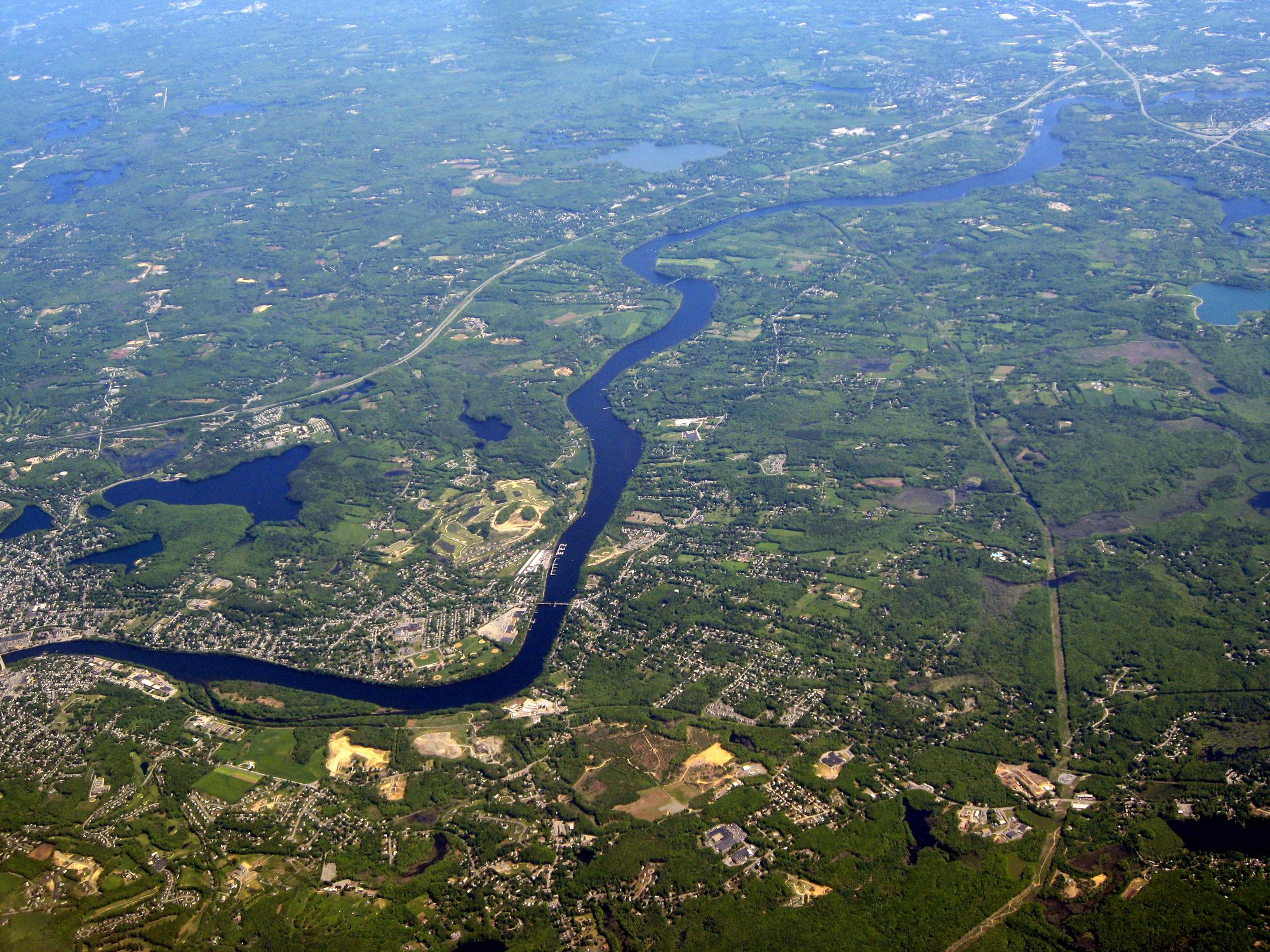
Merrimack River
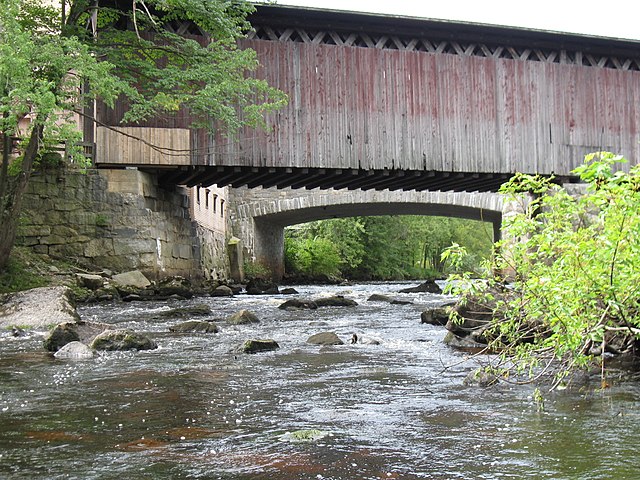
Contoocook River
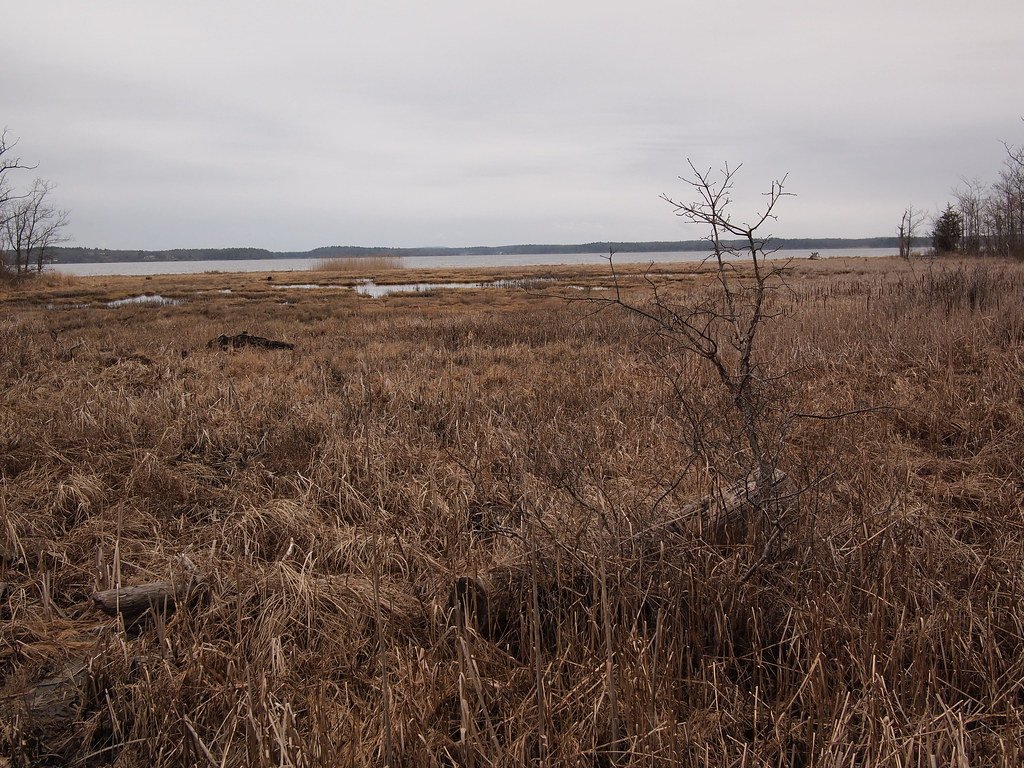
Great Bay
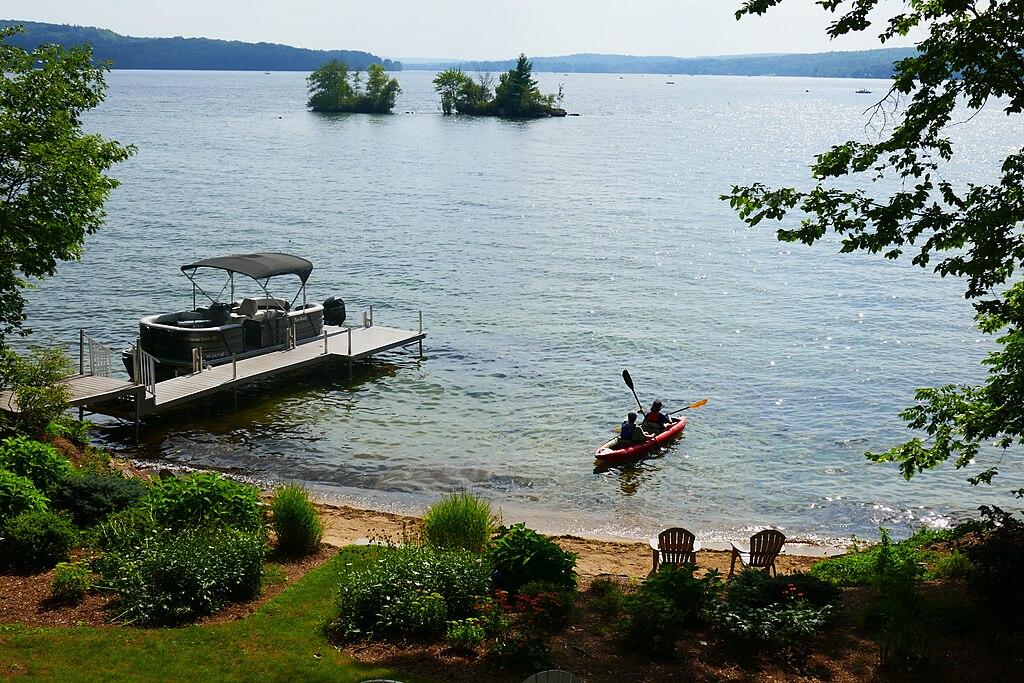
Lake Winnisquam
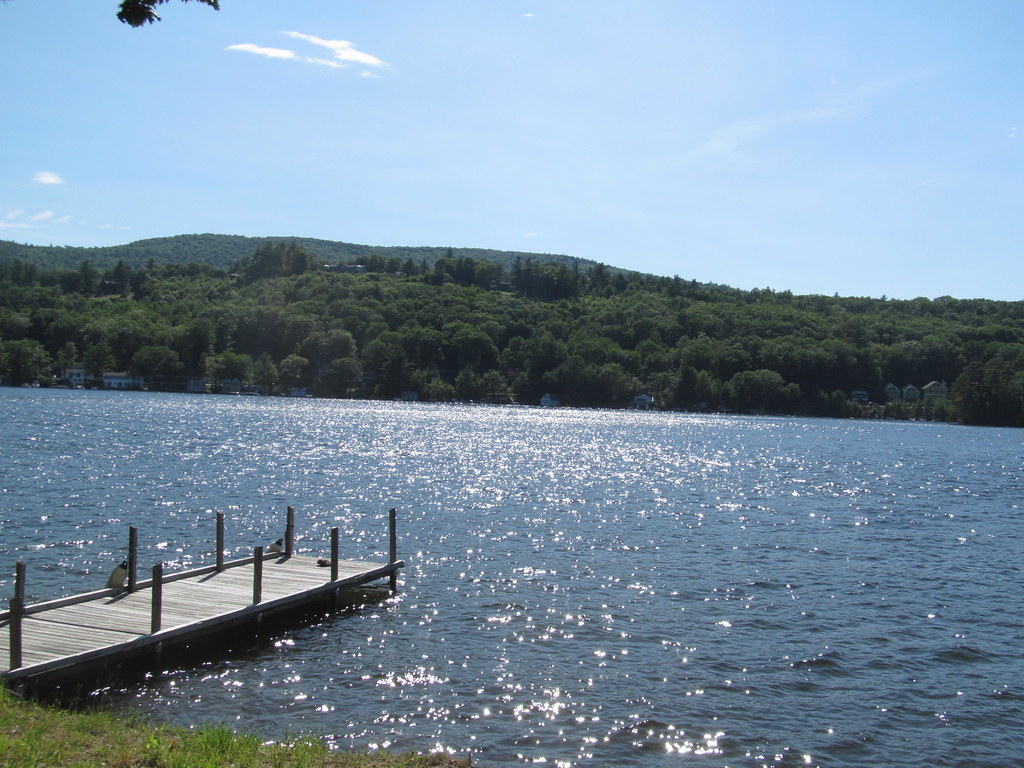
Lake Winnipesaukee
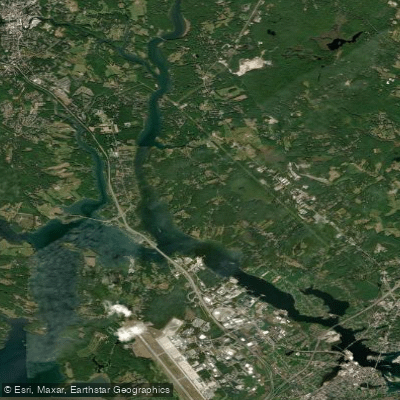
Piscataqua River
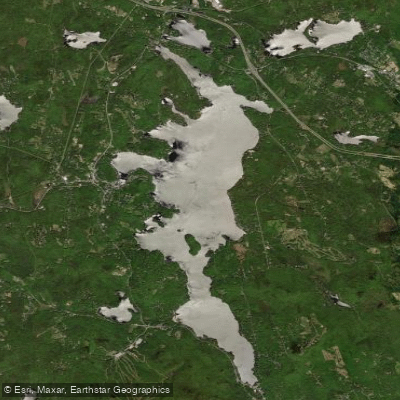
Sunapee Lake
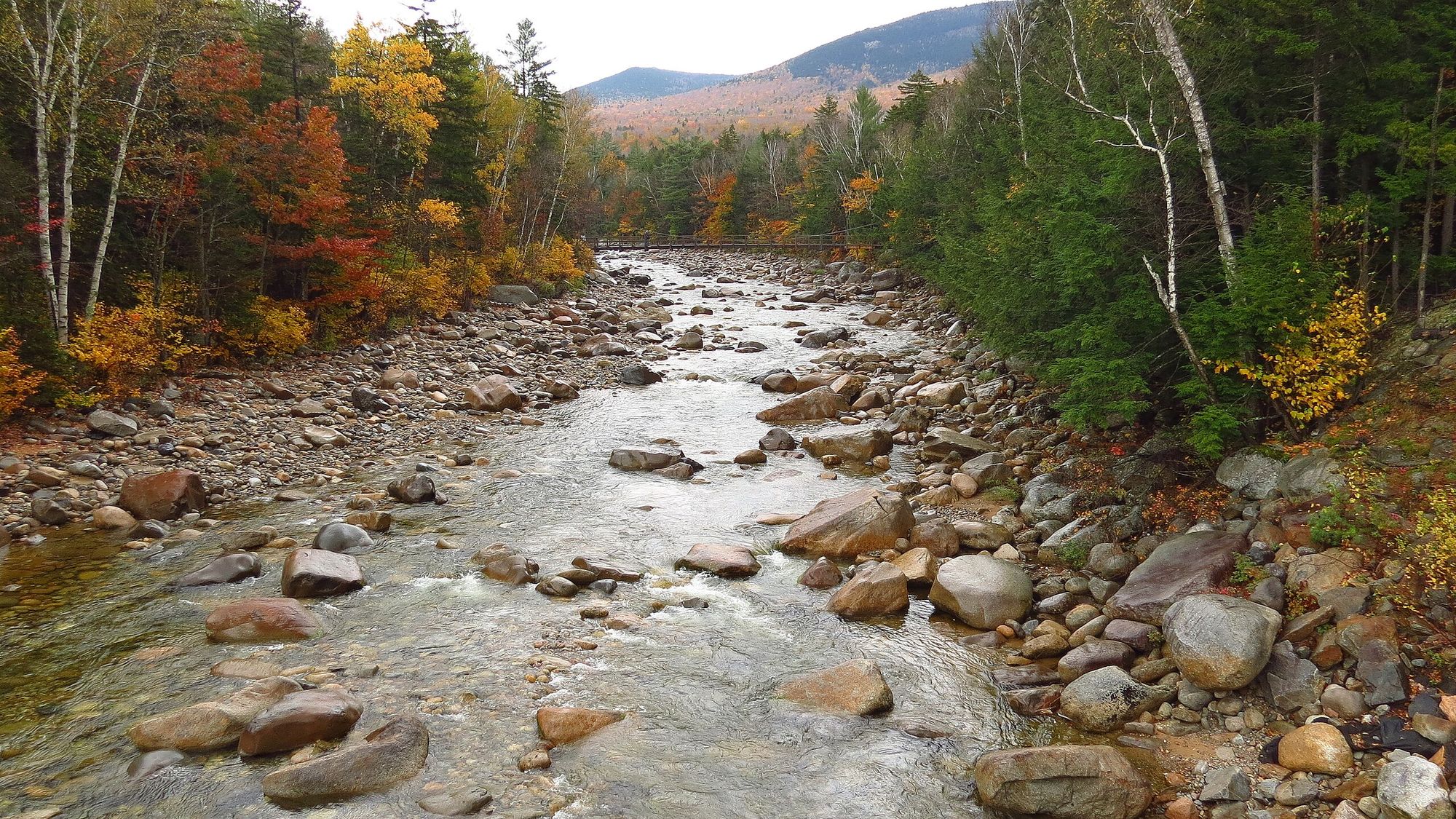
Pemigewasset River
Bellamy River
Squam Lake
What to know
Habitat Distribution
- Populations occur north of the White Mountains in the Androscoggin and upper Connecticut River watersheds, with isolated populations extending south to the Sugar and Cold River watersheds.
- They prefer cool headwater streams and small ponds with sluggish flow, ample cover from overhanging shrubs or aquatic vegetation, and areas with beaver activity history.
Key Locations
- North of the White Mountains in the Androscoggin and upper Connecticut River watersheds, with isolated populations extending south to the Sugar and Cold River watersheds.
Specific Spots
- Areas with beaver activity, sluggish flow, and heavy vegetation cover.
- Fish around overhanging shrubs and aquatic vegetation where they typically hide.
Northern Redbelly Dace FAQ
Answers from onWater's species guide.
When is the best time to fish for Northern Redbelly Dace in New Hampshire?
Avoid fishing during spawning periods from spring through late summer when they're in filamentous algae mats.
How do you catch Northern Redbelly Dace in New Hampshire?
Can be collected using minnow traps, circular drop nets, dip nets, cast nets, umbrella nets, seine nets, or hook and line methods.
What do Northern Redbelly Dace eat?
These omnivorous fish feed primarily on detritus, filamentous algae, diatoms, zooplankton, and small invertebrates - consuming far more plant material than their close relative, the finescale dace.
Where do Northern Redbelly Dace live in New Hampshire?
Populations occur north of the White Mountains in the Androscoggin and upper Connecticut River watersheds, with isolated populations extending south to the Sugar and Cold River watersheds.
Fish smarter with real-time insights
Whether you're en route and conditions shift or you're looking for the best spot based on current flows, we enable you to make informed decisions on the fly.







See it in the app
Most maps show you water.
onWater shows you Northern Redbelly Dace.



- 01 · Species map filter
Map every Northern Redbelly Dace water
Pick Northern Redbelly Dace and the map zeroes in on the waters they call home. No more guessing which lake holds them.
- 02 · Waterbody species
Tap any water. See what lives there.
Species, behavior and seasonal patterns for every lake, river and pond, before you leave the driveway.
- 03 · Angler Intelligence
Ask how to catch Northern Redbelly Dace
Tactics, gear and timing from onWater's AI fishing guide, tuned to the species and the water you're on.
Stop guessing where Northern Redbelly Dace are.
Open the map, filter by Northern Redbelly Dace, and head to water that holds them. Download onWater and plan your next trip in minutes.
- Species map filter
- Angler Intelligence
- Fishing journal
Explore other species
Trout, bass, salmon, panfish and everything in between. Each guide unpacks the behavior, seasons, and tactics that put fish in the net.

Find which waters have the species you want to catch

Largemouth Bass
Micropterus salmoides

Smallmouth Bass
Micropterus dolomieu

Rainbow Trout
Oncorhynchus mykiss

Brown Trout
Salmo trutta

Brook Trout
Salvelinus fontinalis

Northern Pike
Esox lucius

Walleye

Black Crappie
Pomoxis nigromaculatus

Alewife
Alosa pseudoharengus

American Eel
Anguilla rostrata

American Shad
Alosa sapidissima

Atlantic Salmon

Black Bullhead
Ameiurus melas

Blacknose Dace
Rhinichthys atratulus

Bowfin
Amia calva

Brown Bullhead
Ameiurus nebulosus

Burbot
Lota lota

Chain Pickerel
Esox niger

Channel Catfish
Ictalurus punctatus

Common Carp
Cyprinus carpio

Creek Chub
Semotilus atromaculatus
Fallfish
Semotilus corporalis

Gizzard Shad
Dorosoma cepedianum

Green Sunfish
Lepomis cyanellus

Lake Trout
Salvelinus namaycush
Lake Whitefish
Coregonus clupeaformis

Longnose Sucker
Catostomus catostomus

Pumpkinseed
Lepomis gibbosus
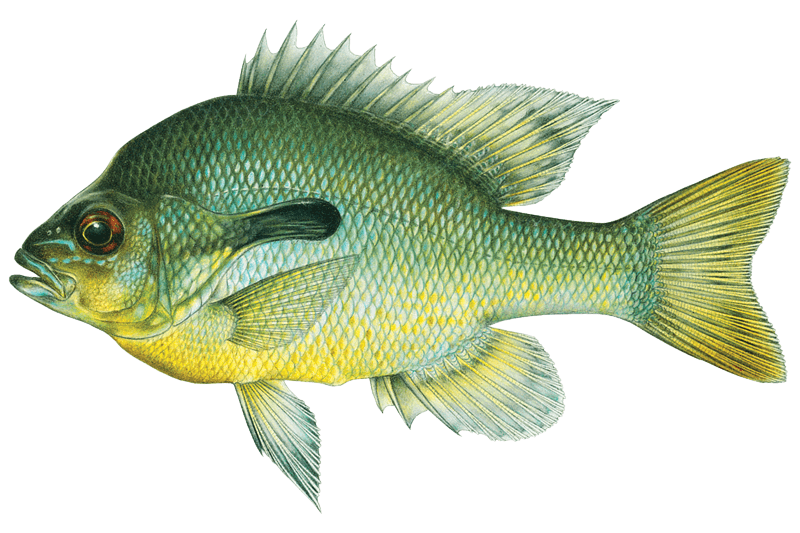
Redbreast Sunfish
Lepomis auritus
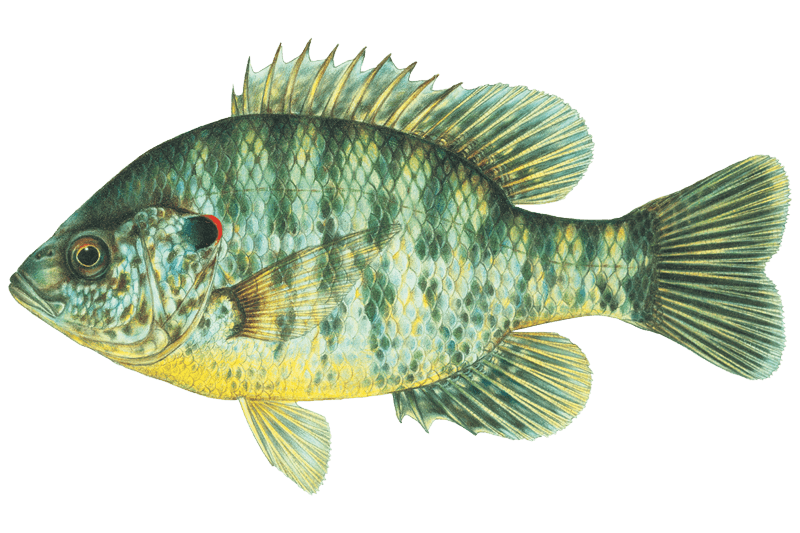
Redear Sunfish
Lepomis microlophus
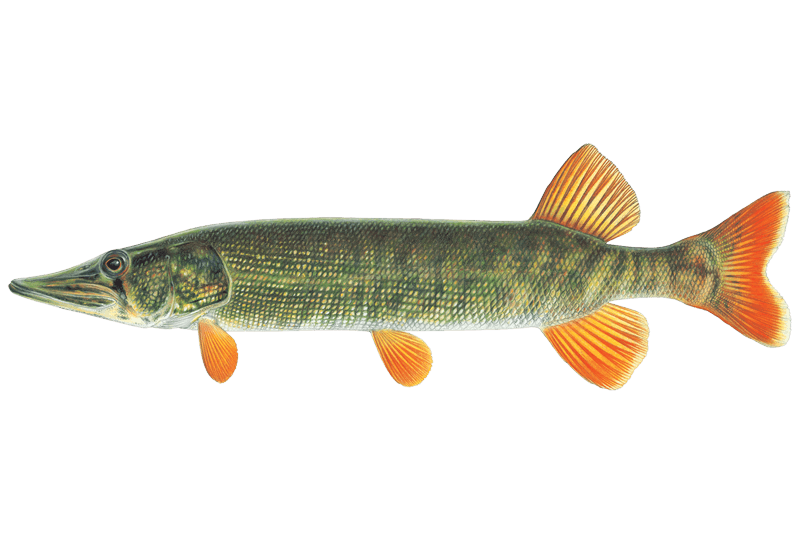
Redfin Pickerel
Esox americanus americanus

Rock Bass
Ambloplites rupestris

Round Whitefish
Prosopium cylindraceum

Steelhead
Oncorhynchus mykiss
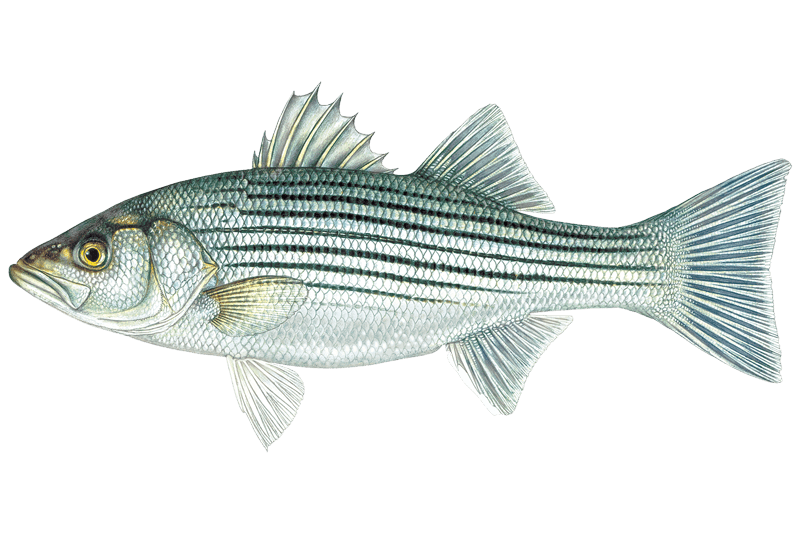
Striped Bass
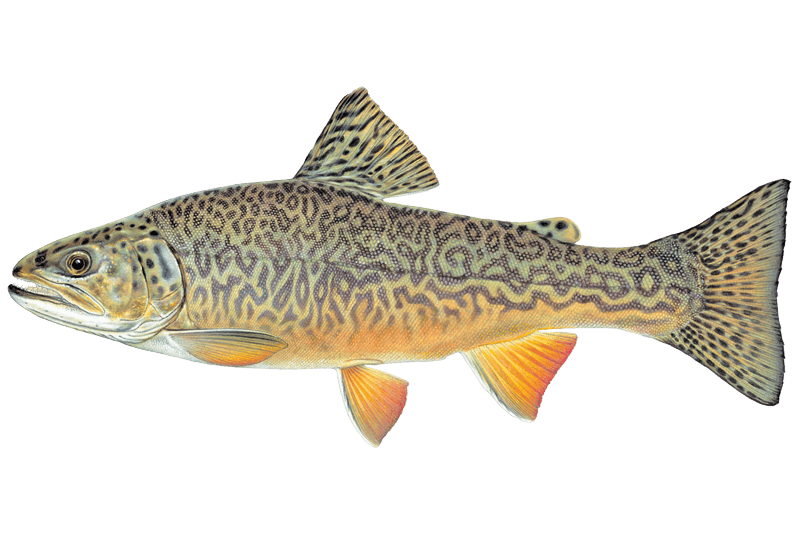
Tiger Trout
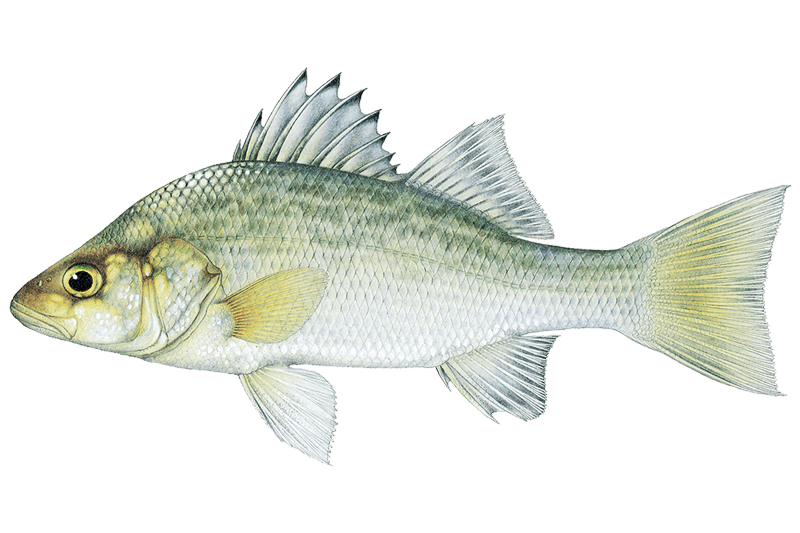
White Perch
Morone americana
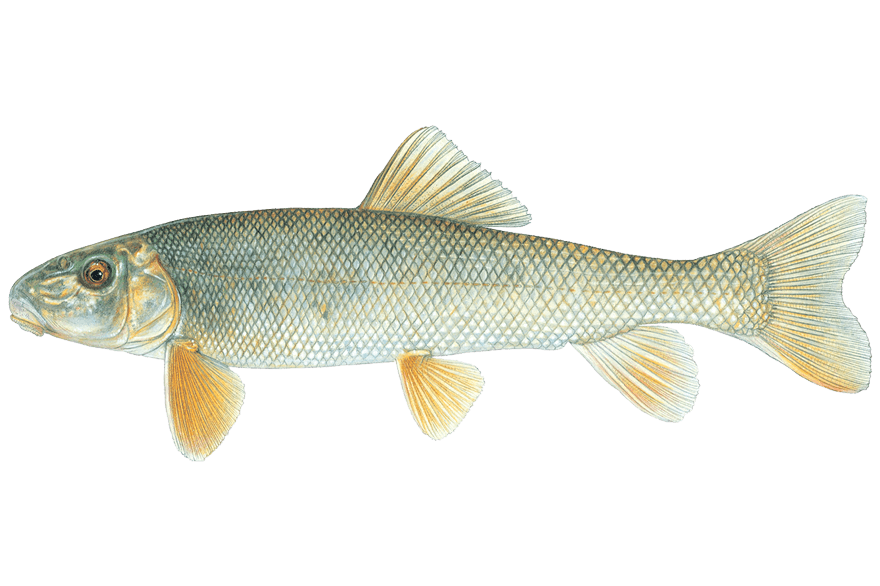
White Sucker
Catostomus commersonii
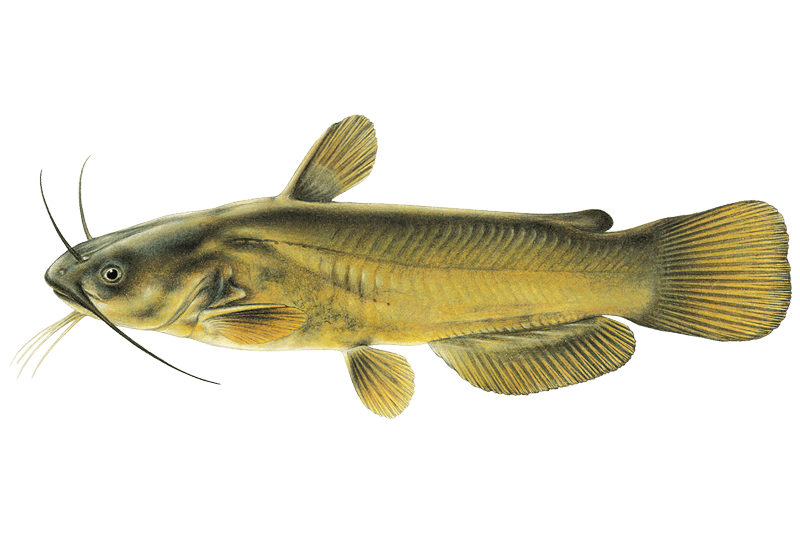
Yellow Bullhead
Ameiurus natalis
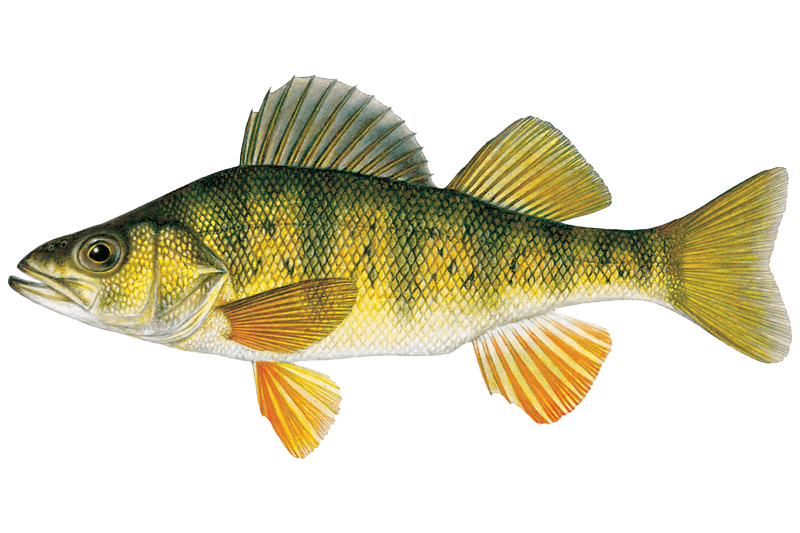
Yellow Perch
Perca flavescens
New Hampshire licenses and regulations
New Hampshire Boating Regulations
When using any type of watercraft to access a body of water, it is important to follow all federal, state, and local rules and regulations. These rules and regulations include boat permitting and licensing, invasive species inspections and stamps, life jacket and PFD rules, motor size and horsepower restrictions, noise limitations, restrictions on personal watercraft, and many more. Visit the web link below for the most current rules and regulations for this body of water.

New Hampshire Fishing License
Persons 16 years or older need a license to fish in freshwater or saltwater in New Hampshire.

New Hampshire Fishing Regulations
This river has a variety of species and regulations, including potential floating and/or watercraft restrictions. Because this river is specially managed for species, seasons, angling methods, and watercraft, it is strongly encouraged you check all federal, state, and local regulations before fishing. Visit any of the links below, inquire locally, or contact a local fly shop to learn current regulations and restrictions.

New Hampshire Stream Access Laws
Fishing is a New Hampshire tradition, one that we strive to pass on to present and future generations. With greater than 70% of New Hampshire’s land under private ownership, access for most shoreline and stream fishing occurs over private property. If we are to maintain the New Hampshire fishing tradition, it is important to remember that access to private land is a privilege provided to us through the generosity of landowners sharing their land. Practicing positive landowner relations is the key to maintaining access for present and future generations of anglers.
Explore nearby waters
Explore New Hampshire waters
Top fishing waters
Popular Cities
Loading popular cities...

Smarter Fishing Starts in the App.
onWater Fish gives you everything you need to plan smarter, fish better, and own every trip from first cast to last.