Smallmouth Bass

Smallmouth Bass are not native to New Hampshire, having been introduced in the mid-1800s from their native range in the Great Lakes and Mississippi drainages. They've since become widespread and naturalized throughout most New Hampshire waters.
These bronze-colored fighters are voracious predators and visual predators using ram-suction feeding, capable of feeding throughout the water column from bottom to surface.
Scientific Name: Micropterus dolomieu
- Distinguished from largemouth bass by their mouth not extending past the eye, vertical body markings that become blotchy with age, and small scales at the base of their dorsal and anal fins.
- Juveniles display distinctive tri-colored tails with orange, black, and white coloring.
Fishing in New Hampshire
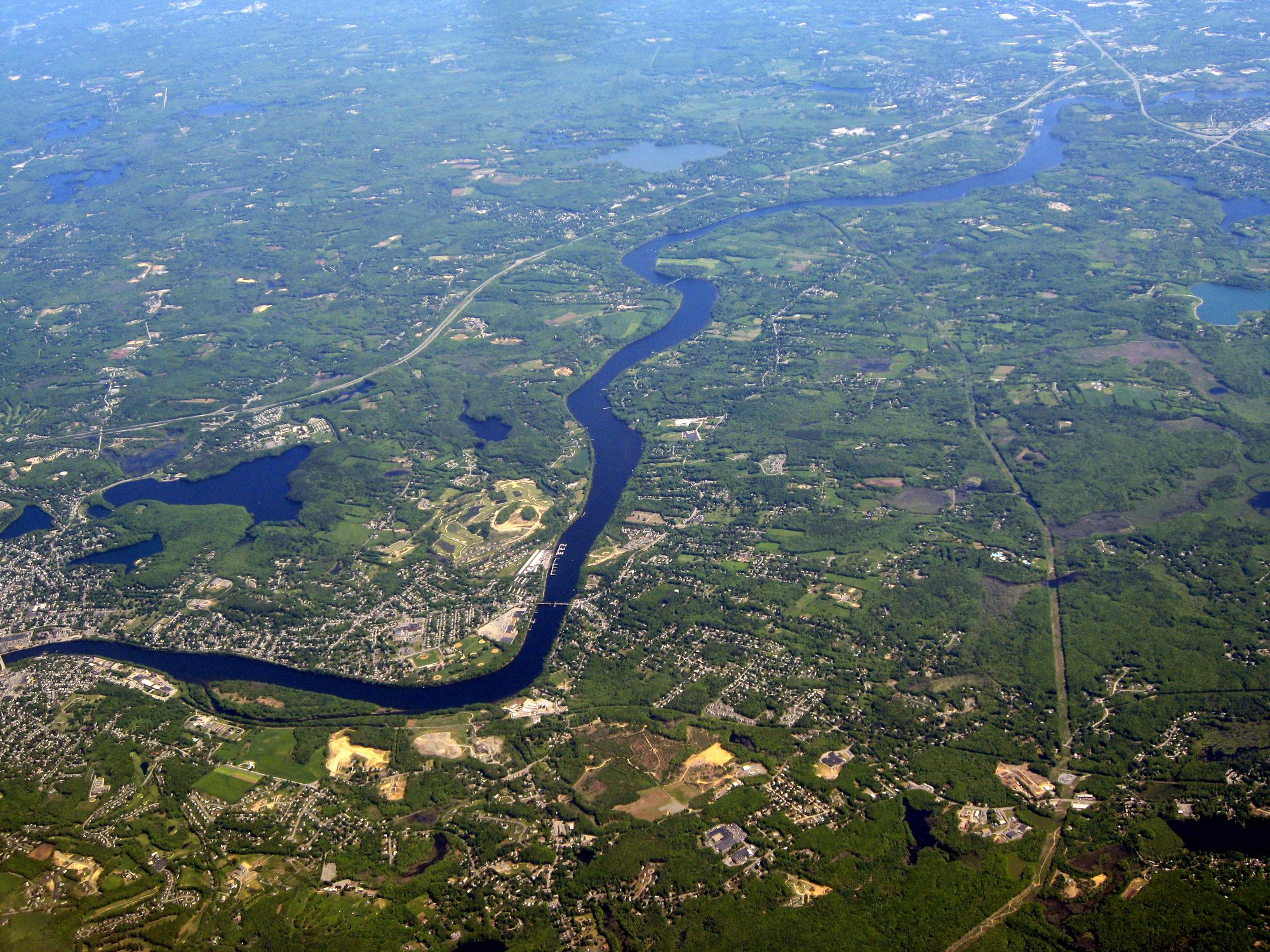
Merrimack River
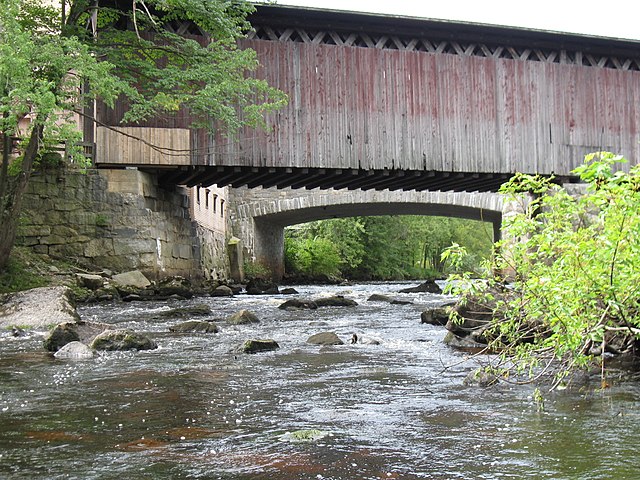
Contoocook River
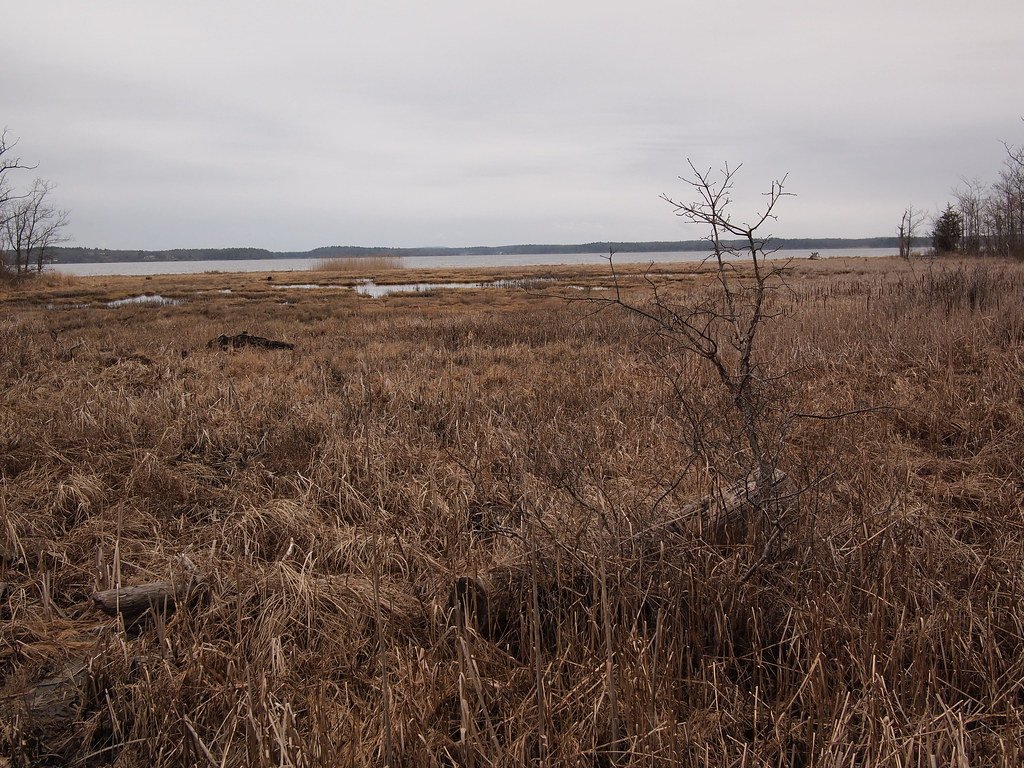
Great Bay
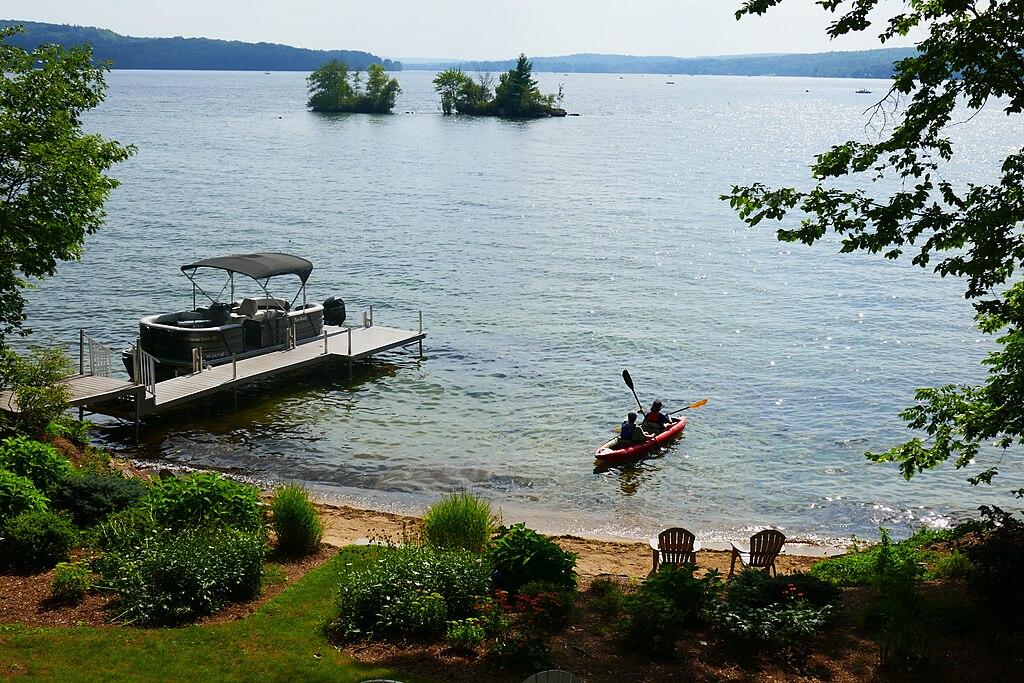
Lake Winnisquam
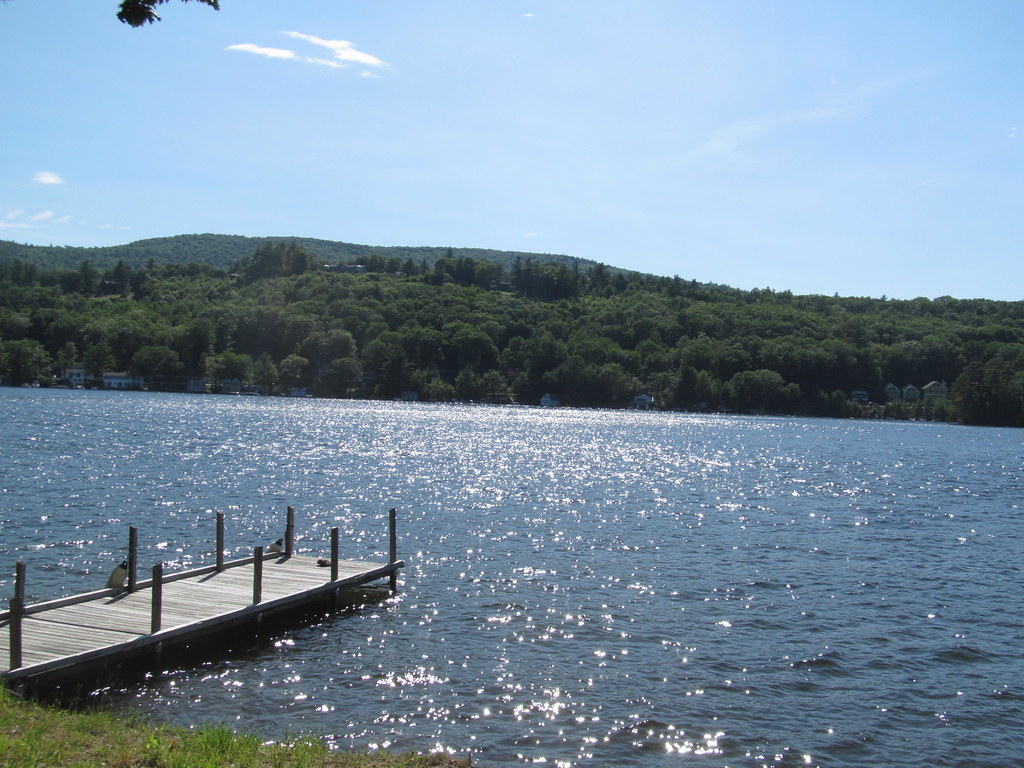
Lake Winnipesaukee
Piscataqua River
Sunapee Lake
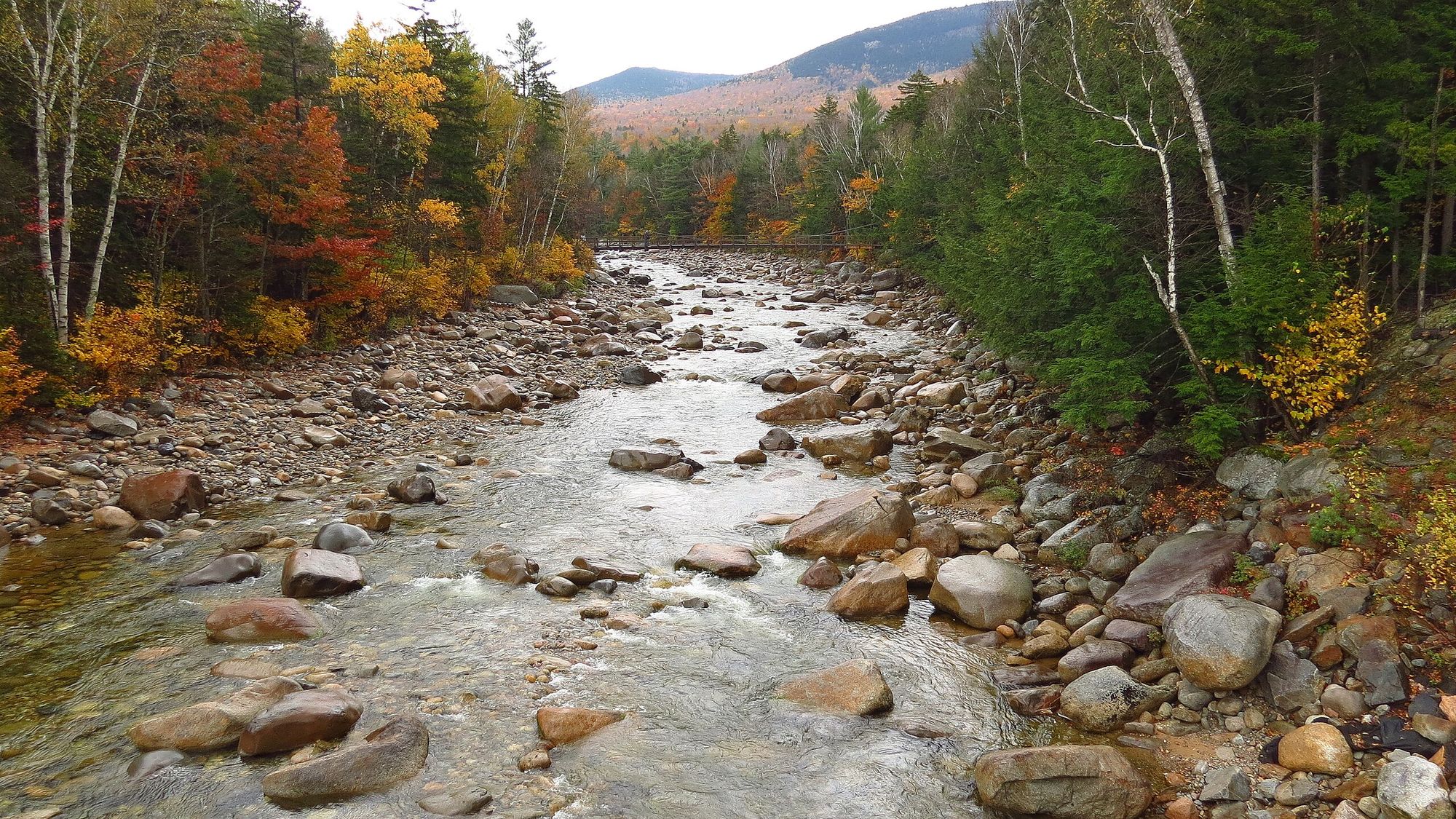
Pemigewasset River
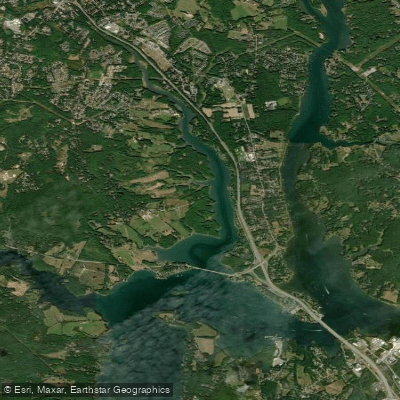
Bellamy River
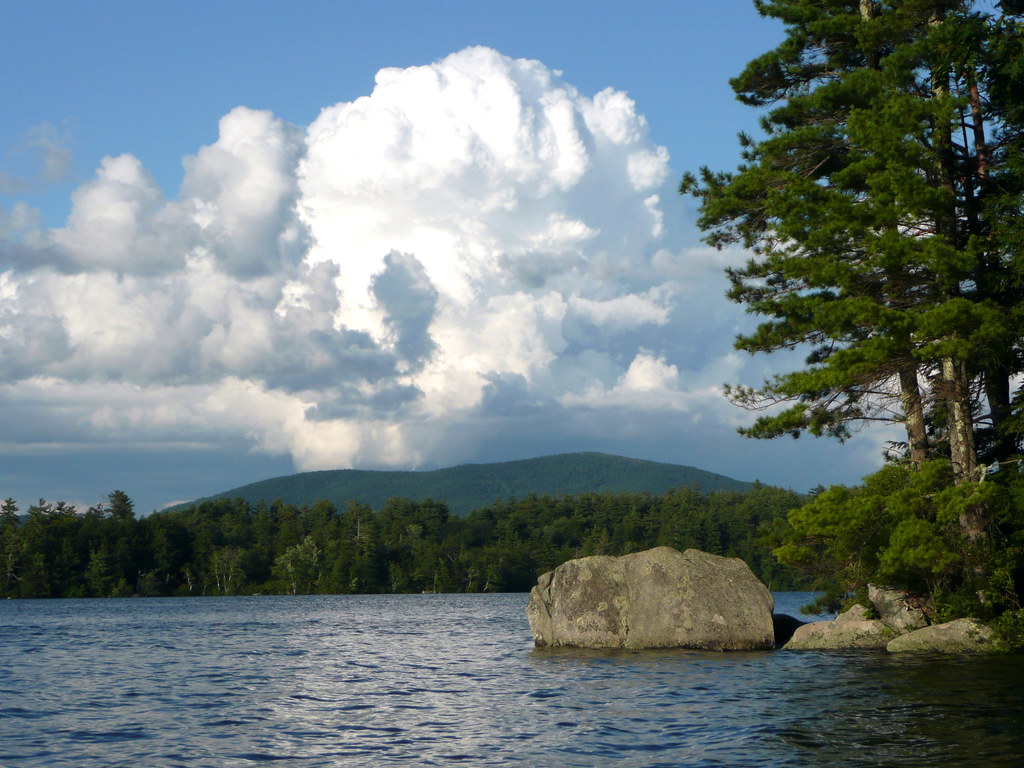
Squam Lake
What to know
Habitat Distribution
- Prefer clear, rocky areas of lake and pond shores, plus medium to larger rivers with good current and oxygen levels.
Key Locations
- Lake Winnipesaukee, Squam Lakes, Winnisquam, Newfound, Sunapee, and numerous other lakes in the Lakes/Central Region.
- Rivers like the Pemigewasset, Merrimack, and Connecticut also hold good populations.
Specific Spots
- Fish rocky shorelines, drop-offs, points, and structure transitions.
- Focus on areas with boulders, fallen trees, and rocky cover where they ambush prey.
Smallmouth Bass FAQ
Answers from onWater's species guide.
What are the best lures and bait for Smallmouth Bass in New Hampshire?
Dr.op shot rigs with 6-inch straight-tail worms (particularly effective), tubes (Strike King Coffee Tubes are excellent), jerkbaits for covering water, swimbaits (2-4 inch paddle tails), Ned rigs, hair jigs for shallow sunny conditions, and topwater lures including walking baits and ploppers.
What flies work for Smallmouth Bass in New Hampshire?
Hellgrammite imitations, crayfish patterns, streamers mimicking sculpins and small baitfish, mayfly patterns during hatches, and terrestrial patterns like cicadas and beetles. Poppers and surface flies work exceptionally well during summer months when water temperatures reach 50°F and above.
When is the best time to fish for Smallmouth Bass in New Hampshire?
The prime smallmouth bass season in New Hampshire runs from late spring through early fall, with peak action from May through September. During summer, they move to deeper, cooler waters as they're less tolerant of warm temperatures than largemouth bass.
How do you catch Smallmouth Bass in New Hampshire?
Dr.op shot rigs, work the area thoroughly when you find one fish since they often school.
What do Smallmouth Bass eat?
Primarily feed on crayfish (which can comprise 60-90% of their diet), small fish, and insect larvae. They also consume mayflies, cicadas, grasshoppers, frogs, salamanders, sculpins, and various other aquatic organisms.
Fish smarter with real-time insights
Whether you're en route and conditions shift or you're looking for the best spot based on current flows, we enable you to make informed decisions on the fly.




See it in the app
Most maps show you water.
onWater shows you Smallmouth Bass.



- 01 · Species map filter
Map every Smallmouth Bass water
Pick Smallmouth Bass and the map zeroes in on the waters they call home. No more guessing which lake holds them.
- 02 · Waterbody species
Tap any water. See what lives there.
Species, behavior and seasonal patterns for every lake, river and pond, before you leave the driveway.
- 03 · Angler Intelligence
Ask how to catch Smallmouth Bass
Tactics, gear and timing from onWater's AI fishing guide, tuned to the species and the water you're on.
Stop guessing where Smallmouth Bass are.
Open the map, filter by Smallmouth Bass, and head to water that holds them. Download onWater and plan your next trip in minutes.
- Species map filter
- Angler Intelligence
- Fishing journal
Explore other species
Trout, bass, salmon, panfish and everything in between. Each guide unpacks the behavior, seasons, and tactics that put fish in the net.
No species information available.
New Hampshire licenses and regulations
Explore nearby waters
Explore New Hampshire waters
Top fishing waters
Popular Cities
Loading popular cities...

Smarter Fishing Starts in the App.
onWater Fish gives you everything you need to plan smarter, fish better, and own every trip from first cast to last.