Burbot

Burbot are New Hampshire's only freshwater member of the cod family. These unique fish have an eel-shaped body with a large mouth and single barbel (whisker) dangling from their chin.
Scientific Name: Lota lota
Also known as freshwater cusk
- Their smooth skin has very small scales with olive brown to black mottled markings over a cream-colored belly.
- The anal and second dorsal fins are elongated, extending from the body's midpoint to the tail base.
- New Hampshire's state record from Lake Winnipesaukee weighing 12.22 pounds and measuring 34.5 inches.
Fishing in New Hampshire

Merrimack River
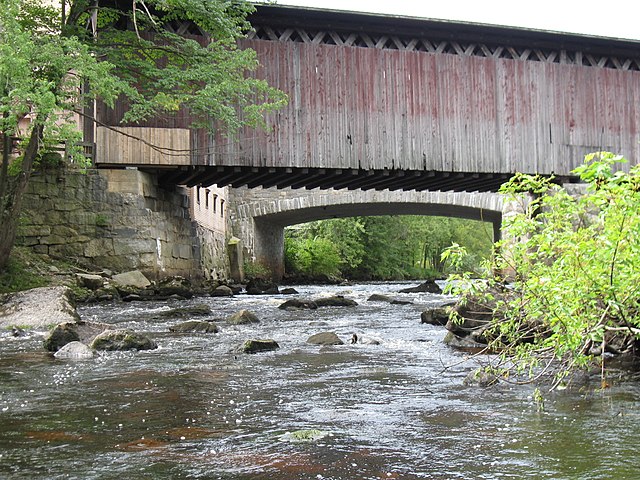
Contoocook River
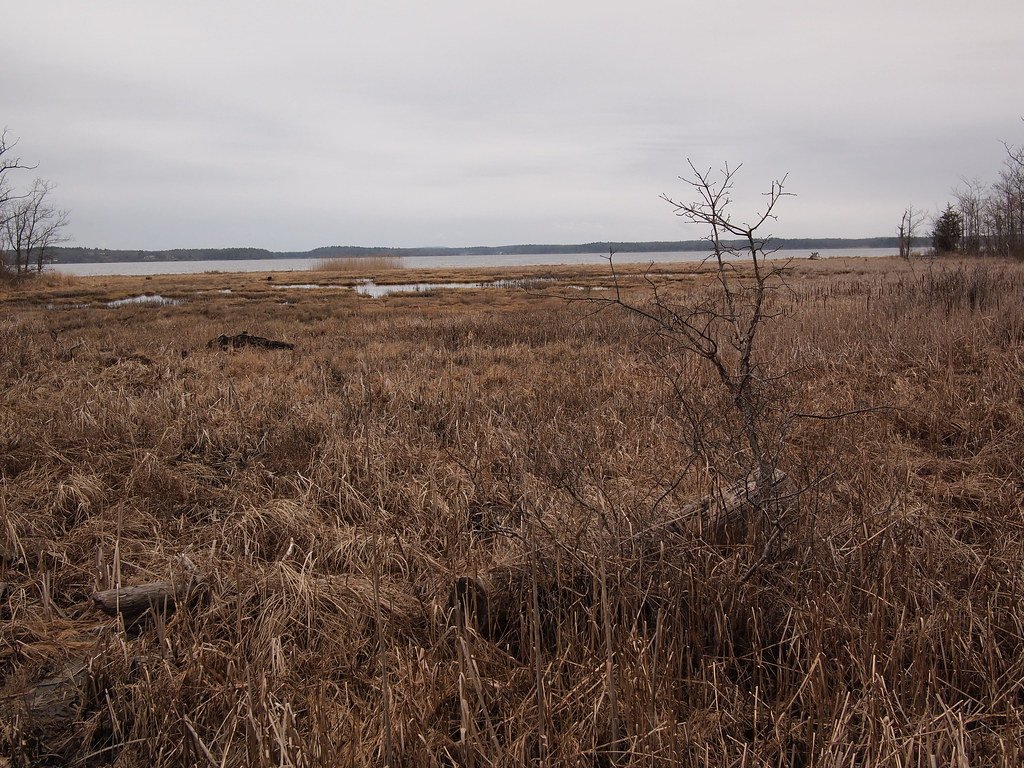
Great Bay
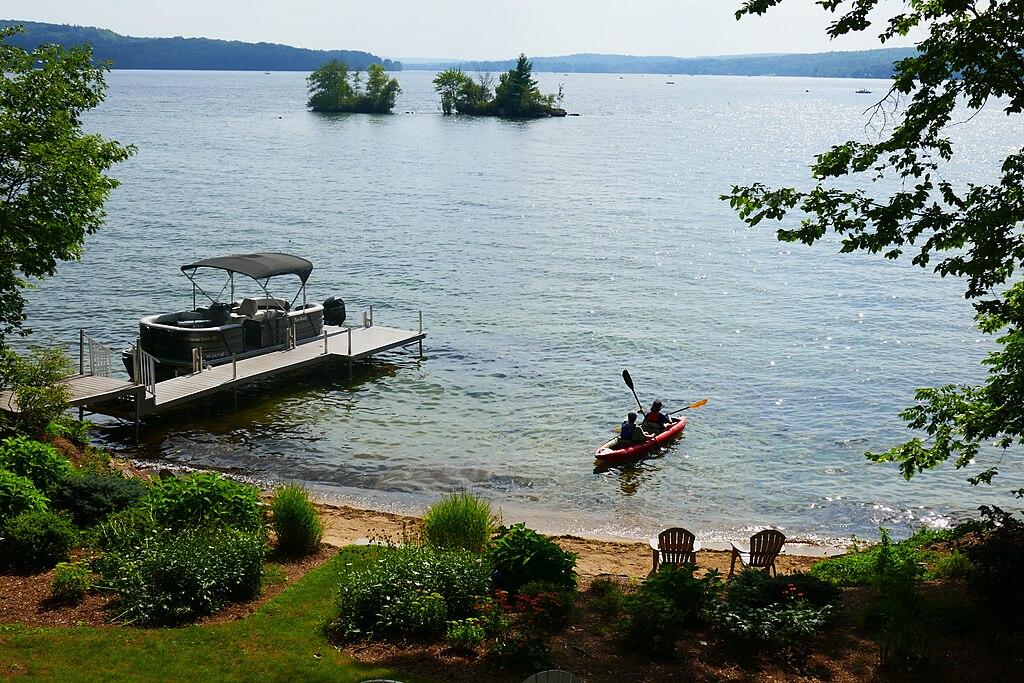
Lake Winnisquam
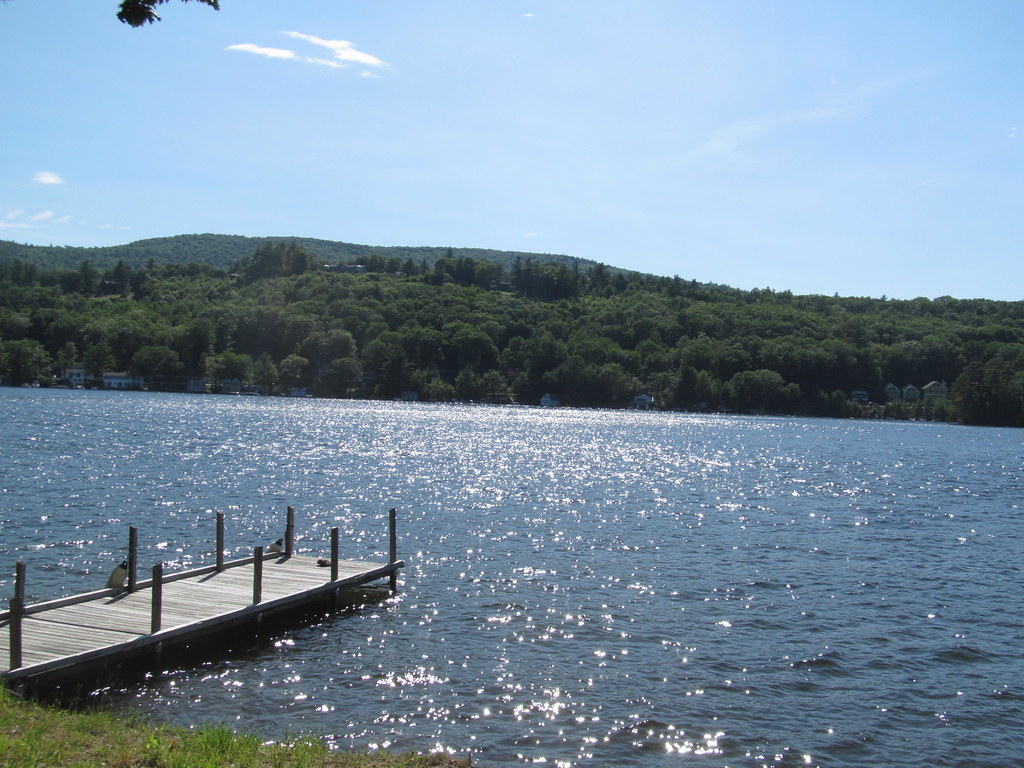
Lake Winnipesaukee
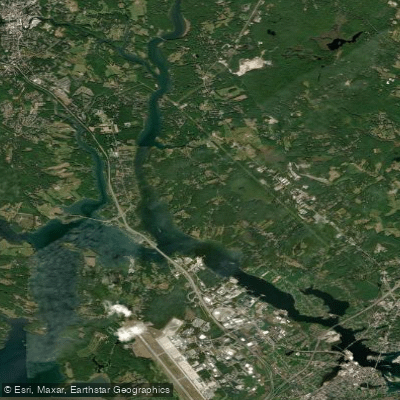
Piscataqua River

Sunapee Lake
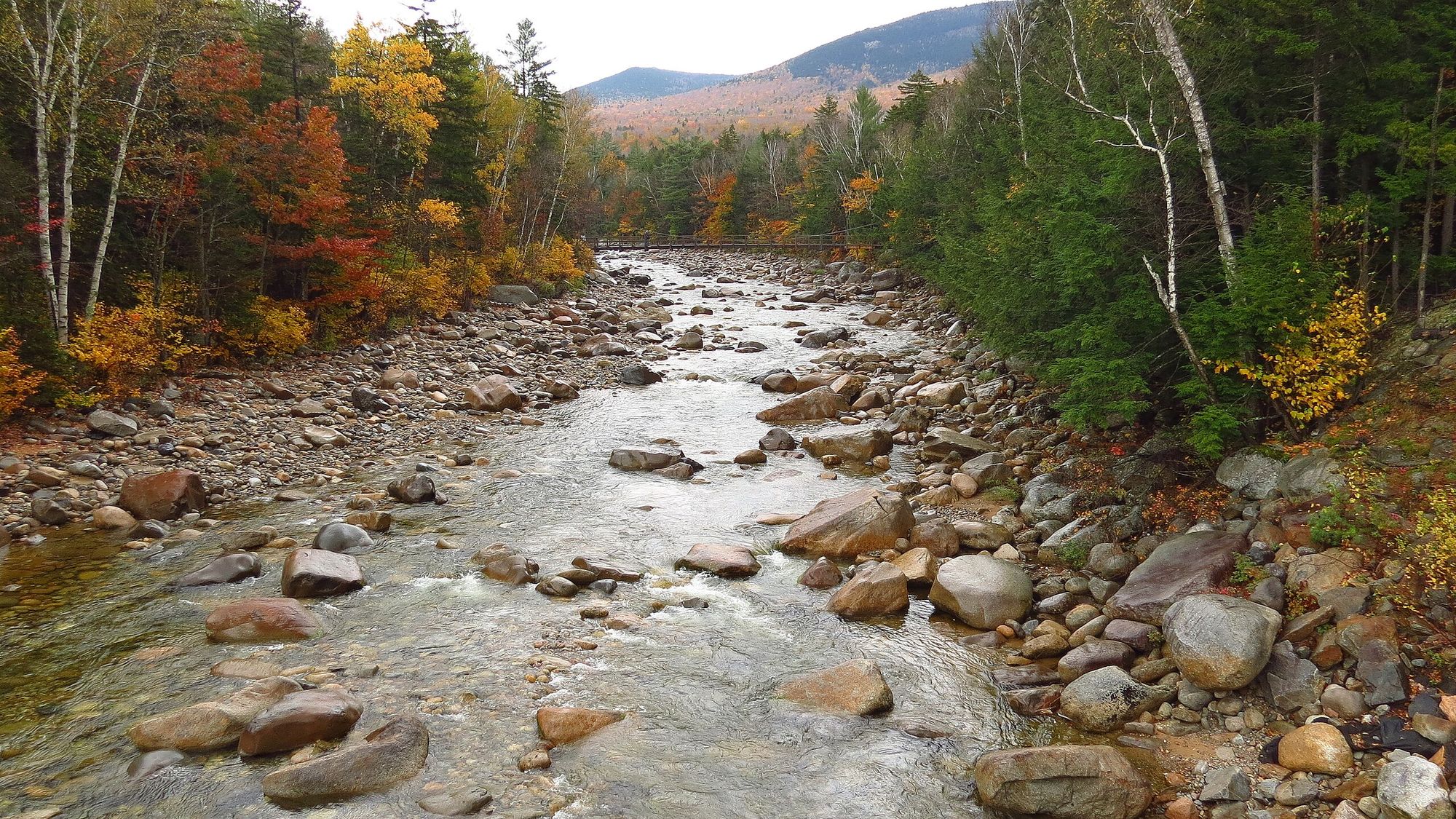
Pemigewasset River
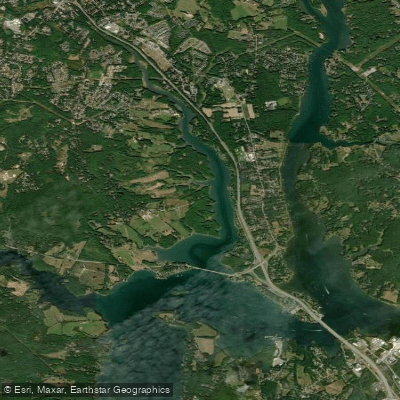
Bellamy River

Squam Lake
What to know
Habitat Distribution
- In New Hampshire, burbot inhabit large, deep lakes that maintain cold temperatures in deep water during warmer months.
- They're also found in cold water rivers and streams.
Key Locations
- Lake Winnipesaukee, Winnisquam, and Newfound lakes.
- Cold water rivers and streams in the Connecticut, upper Merrimack, Saco, and Androscoggin River drainages.
- Second Connecticut Lake and Lake Winnipesaukee are considered top destinations.
Specific Spots
- Target depths of 30 feet or less near-shore during winter months.
- Target sand bars, rocky points, and cobble bottoms near islands and brook mouths, as well as offshore humps in 30-40 feet of water adjacent to deep basins.
Burbot FAQ
Answers from onWater's species guide.
What are the best lures and bait for Burbot in New Hampshire?
Use 3/4 to 1-ounce lead-head bucktail jigs, Swedish Pimples (size 6 or 7), or Crippled Herring jigs. Phosphorescent (glow) jigs are highly effective for night fishing. Tip jigs with white sucker chunks, shiners, or other cut bait - larger baits (3-4 inches) help avoid smaller fish and attract bigger burbot.
When is the best time to fish for Burbot in New Hampshire?
Winter months for ice fishing. Burbot spawn under ice in mid to late winter, making this period unsuitable for targeting them.
How do you catch Burbot in New Hampshire?
For active jigging, slowly lift lures 6-10 inches off bottom then let them drop back down. Burbot typically grab bait as it sits motionless on bottom just before you begin the upward stroke.
What do Burbot eat?
They're primarily nocturnal bottom feeders with invertebrates and fish as main prey - crayfish are particularly important when available.
Where do Burbot live in New Hampshire?
In New Hampshire, burbot inhabit large, deep lakes that maintain cold temperatures in deep water during warmer months. They're also found in cold water rivers and streams.
Fish smarter with real-time insights
Whether you're en route and conditions shift or you're looking for the best spot based on current flows, we enable you to make informed decisions on the fly.




See it in the app
Most maps show you water.
onWater shows you Burbot.



- 01 · Species map filter
Map every Burbot water
Pick Burbot and the map zeroes in on the waters they call home. No more guessing which lake holds them.
- 02 · Waterbody species
Tap any water. See what lives there.
Species, behavior and seasonal patterns for every lake, river and pond, before you leave the driveway.
- 03 · Angler Intelligence
Ask how to catch Burbot
Tactics, gear and timing from onWater's AI fishing guide, tuned to the species and the water you're on.
Stop guessing where Burbot are.
Open the map, filter by Burbot, and head to water that holds them. Download onWater and plan your next trip in minutes.
- Species map filter
- Angler Intelligence
- Fishing journal
Explore other species
Trout, bass, salmon, panfish and everything in between. Each guide unpacks the behavior, seasons, and tactics that put fish in the net.
No species information available.
New Hampshire licenses and regulations
Explore nearby waters
Explore New Hampshire waters
Top fishing waters
Popular Cities
Loading popular cities...

Smarter Fishing Starts in the App.
onWater Fish gives you everything you need to plan smarter, fish better, and own every trip from first cast to last.