Striped Bass
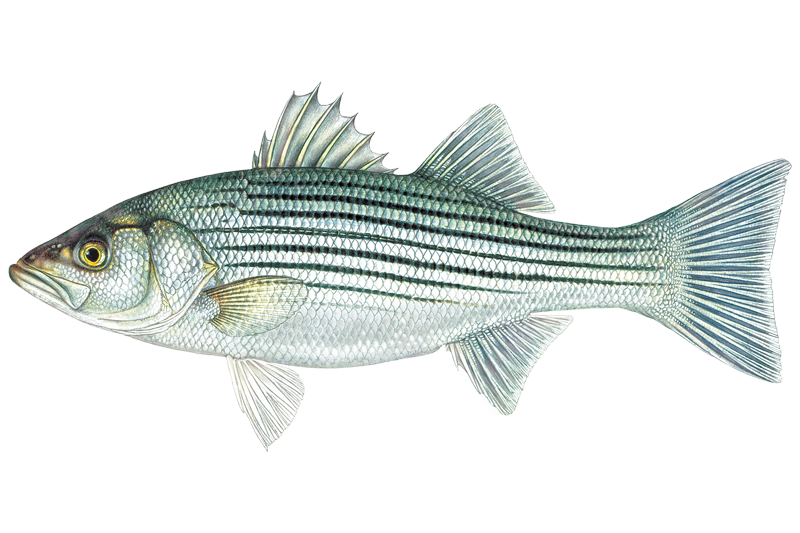
Striped Bass are New Hampshire's most sought-after coastal sportfish and official state saltwater game fish.
These anadromous fish are highly migratory, moving north from the mid-Atlantic during spring and returning south in fall, spending roughly May through October feeding in New Hampshire's coastal waters.
- They're full-bodied fish with bluish to dark olive backs, silvery bellies and sides, and distinctive dark lateral stripes running from gills to tail.
- New Hampshire stripers range from 10 to over 50 inches and can exceed 50 pounds.
- They have large mouths with sharp spines on gill covers and fins.
Fishing in New Hampshire
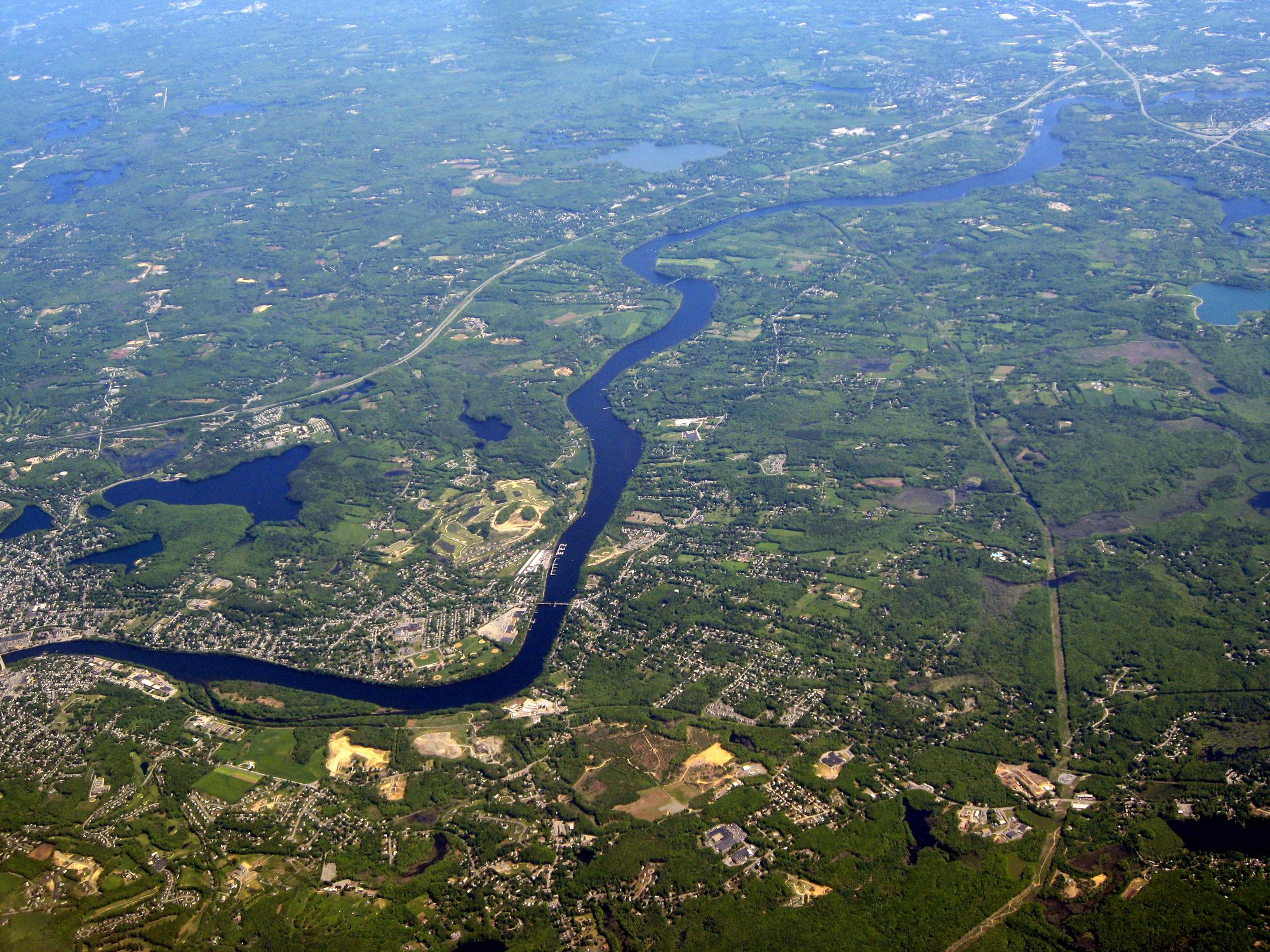
Merrimack River
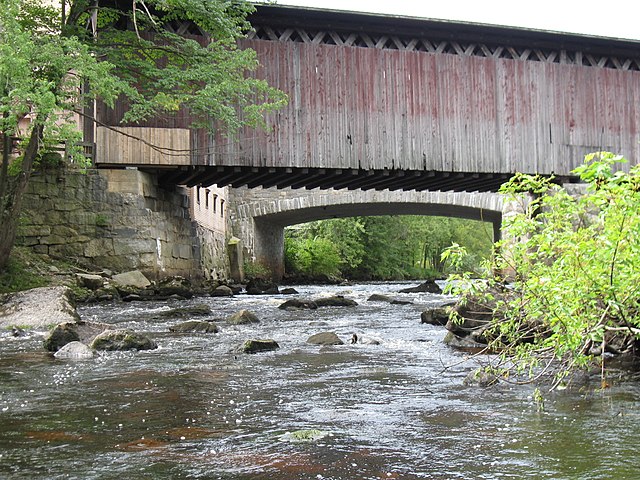
Contoocook River
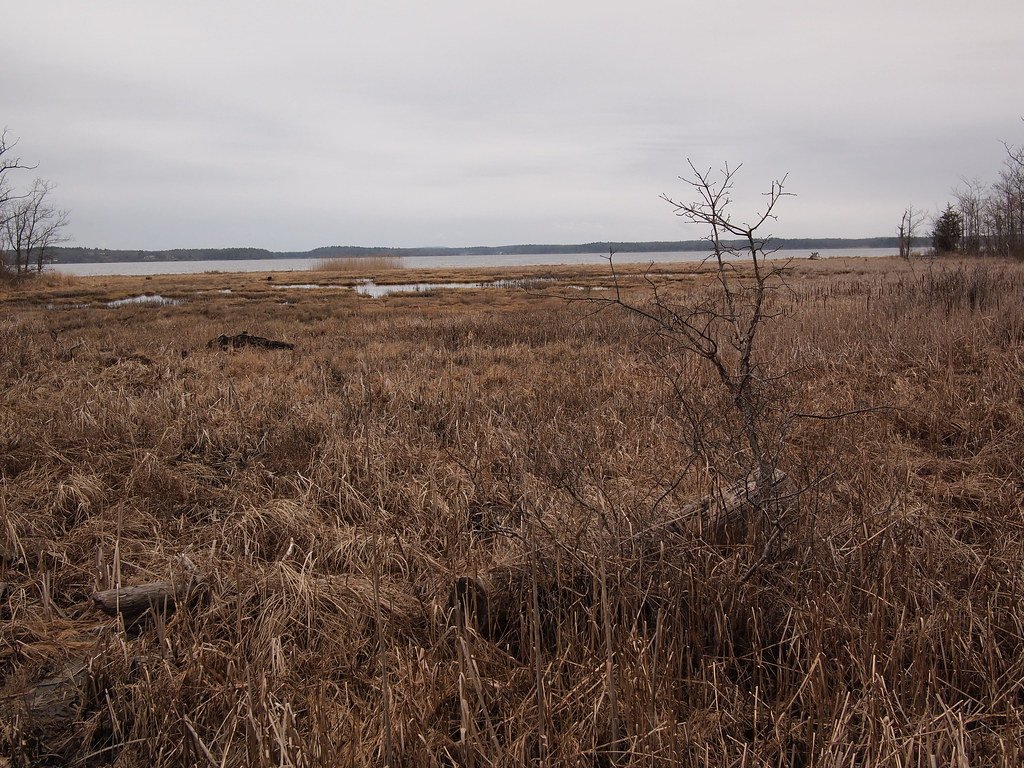
Great Bay
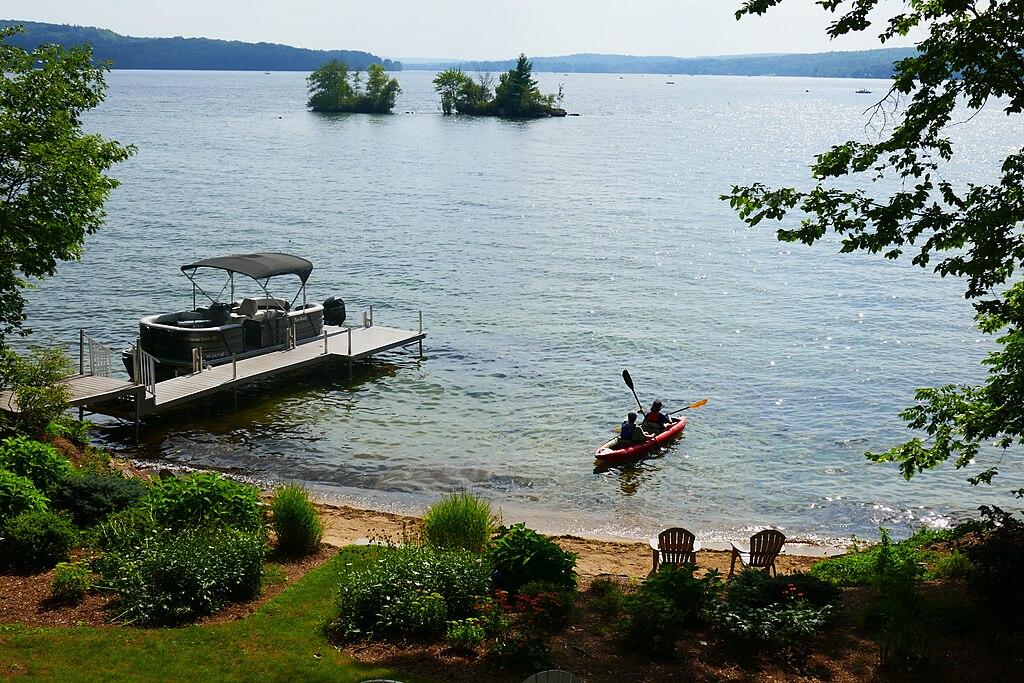
Lake Winnisquam
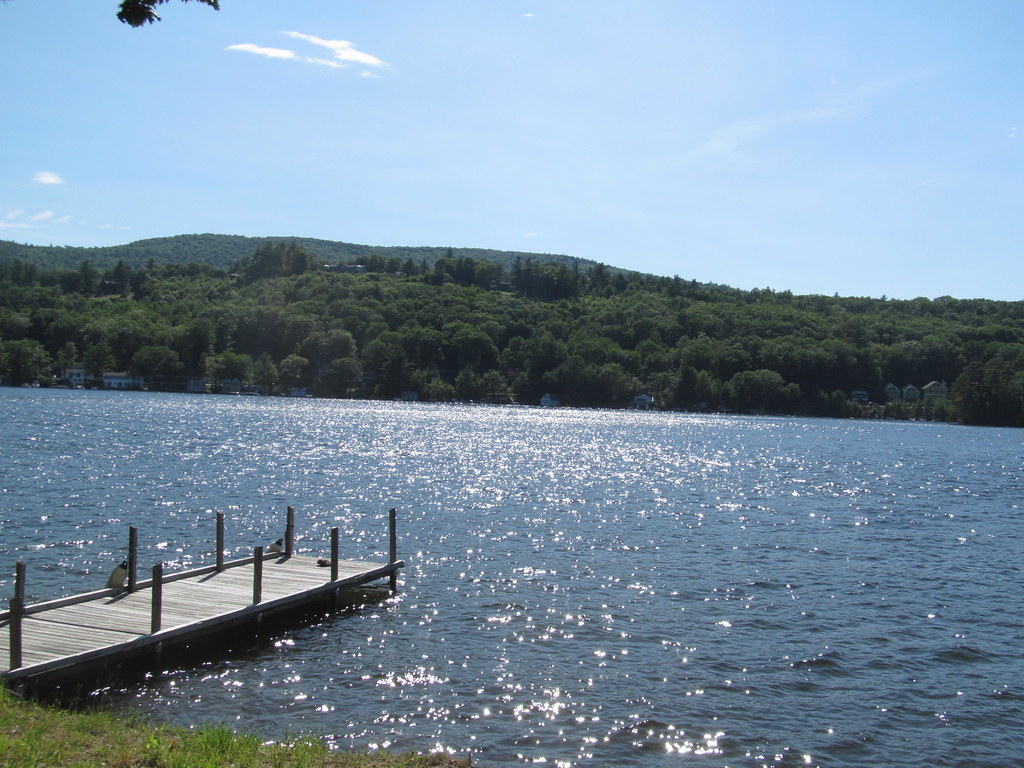
Lake Winnipesaukee
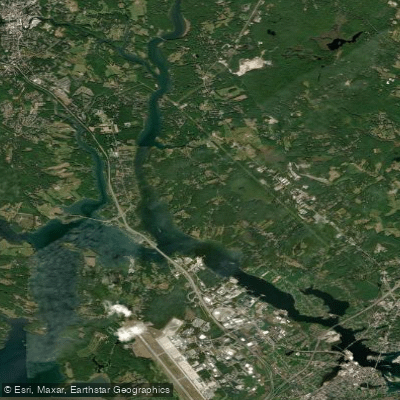
Piscataqua River
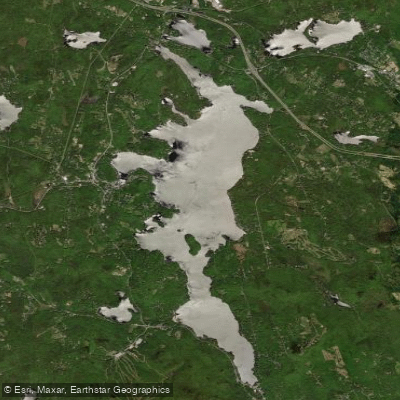
Sunapee Lake
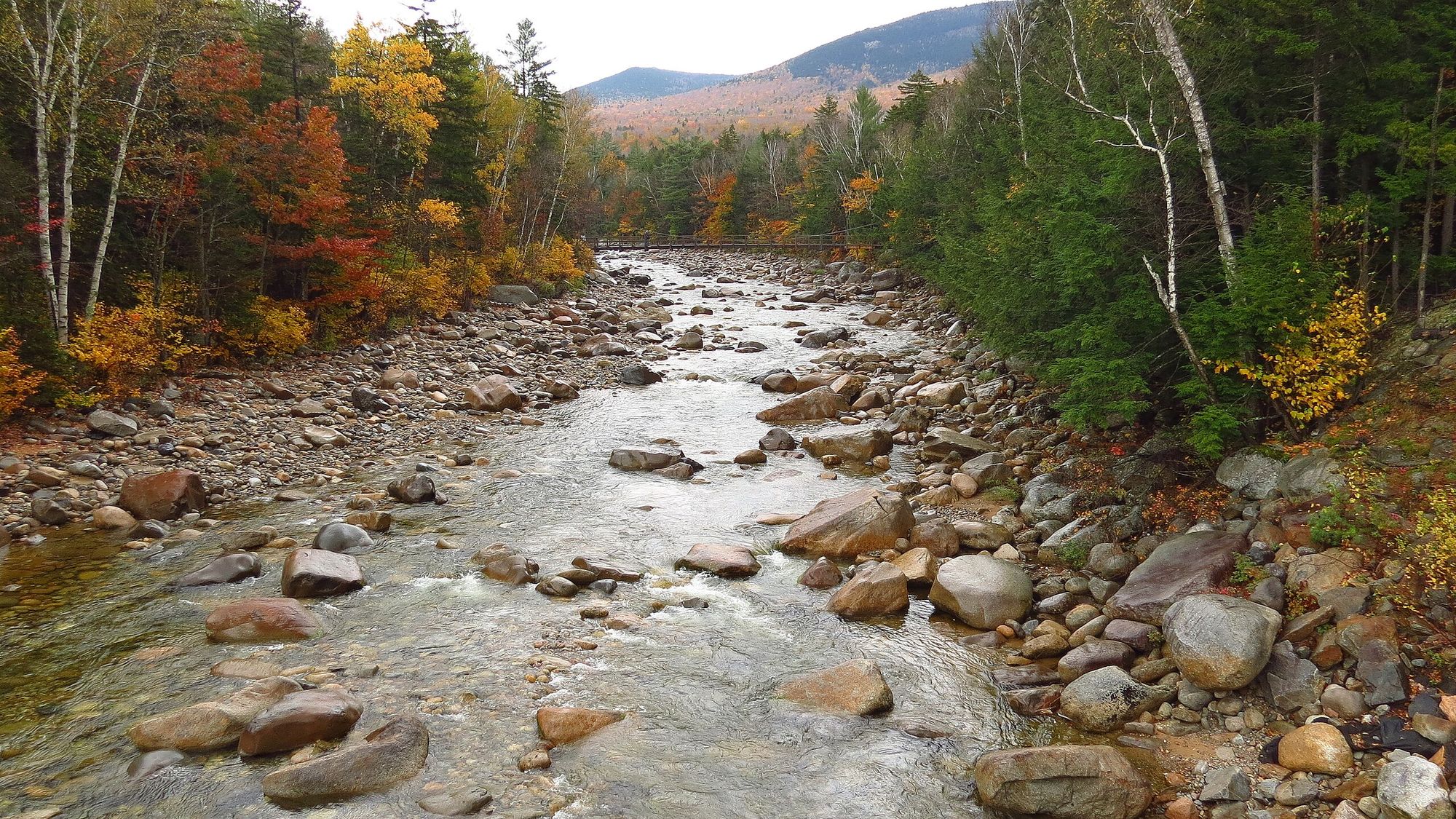
Pemigewasset River
Bellamy River
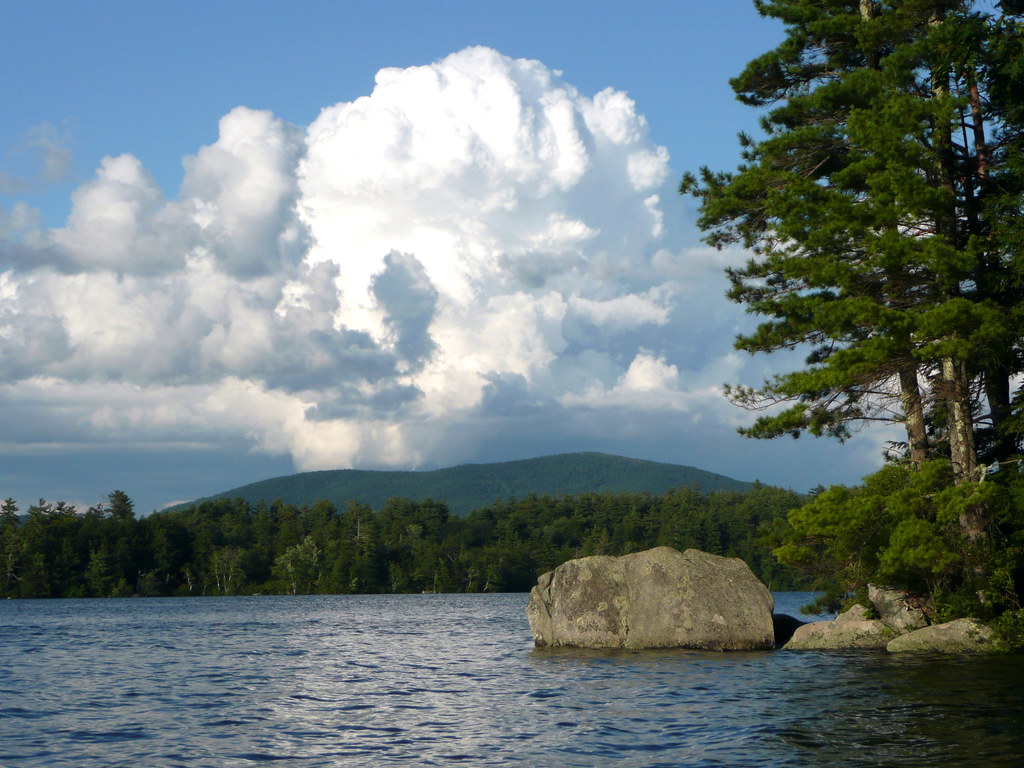
Squam Lake
What to know
Habitat Distribution
- The Great Bay Estuary is their primary New Hampshire habitat, consisting of Great Bay, Little Bay, and the Piscataqua River system, covering over 5,000 acres with 48 miles of shoreline and 9-foot tides.
- Key tributaries include the Squamscott River (formed from the freshwater Exeter River), Lamprey River, Oyster River, Bellamy River, and Winnicut River.
Key Locations
- The Great Bay Estuary system offers the most productive fishing, particularly the Piscataqua River, Squamscott River, Lamprey River, and their outlets.
- The Lamprey River mouth where it enters Little Bay is ideal for kayakers.
- Odiorne State Park provides wade fishing access to tidal flats and Berry Brook/Witch Creek outlet.
- Pierce Island offers access to productive flats near Shapleigh Island and bridge abutments.
- For oceanfront fishing, work rocky points along Route 1A from Hampton Beach north.
Specific Spots
- In May, target herring runs at dam sites in Exeter where stripers stack up like cordwood below the low dam.
- Sod banks holding big stripers hunting crabs, worms, and shrimp.
- Tidal flats and bridge abutments.
Striped Bass FAQ
Answers from onWater's species guide.
What are the best lures and bait for Striped Bass in New Hampshire?
Effective lures include spoons, poppers, lead-head jigs, swimming plugs, and chartreuse/white patterns. Live baits work well including eels, pogies (menhaden), mackerel chunks, squid, and herring.
What flies work for Striped Bass in New Hampshire?
Top flies are chartreuse Snake Flies (sizes 1-2/0), Lefty's Deceivers, Clouser Minnows with gold tinsel, and crab/shrimp imitations for flats fishing. Use 7-10 inch herring imitations.
When is the best time to fish for Striped Bass in New Hampshire?
Best fishing occurs May through October during their residence in local waters. Spring and fall provide peak action during migration periods.
How do you catch Striped Bass in New Hampshire?
In May, target herring runs at dam sites. Work rocky points looking for bird activity - cormorants sitting on water indicate feeding stripers.
What do Striped Bass eat?
Striped bass are opportunistic predators with varied diets including river herring, pollock, silversides, alewives, mackerel, eels, crabs, shrimp, worms, clams, and smaller stripers.
Fish smarter with real-time insights
Whether you're en route and conditions shift or you're looking for the best spot based on current flows, we enable you to make informed decisions on the fly.




See it in the app
Most maps show you water.
onWater shows you Striped Bass.



- 01 · Species map filter
Map every Striped Bass water
Pick Striped Bass and the map zeroes in on the waters they call home. No more guessing which lake holds them.
- 02 · Waterbody species
Tap any water. See what lives there.
Species, behavior and seasonal patterns for every lake, river and pond, before you leave the driveway.
- 03 · Angler Intelligence
Ask how to catch Striped Bass
Tactics, gear and timing from onWater's AI fishing guide, tuned to the species and the water you're on.
Stop guessing where Striped Bass are.
Open the map, filter by Striped Bass, and head to water that holds them. Download onWater and plan your next trip in minutes.
- Species map filter
- Angler Intelligence
- Fishing journal
Explore other species
Trout, bass, salmon, panfish and everything in between. Each guide unpacks the behavior, seasons, and tactics that put fish in the net.
No species information available.
New Hampshire licenses and regulations
Explore nearby waters
Explore New Hampshire waters
Top fishing waters
Popular Cities
Loading popular cities...

Smarter Fishing Starts in the App.
onWater Fish gives you everything you need to plan smarter, fish better, and own every trip from first cast to last.