Blacknose Dace

Blacknose Dace in New Hampshire are small native minnows that inhabit small, rapid streams with rocky or gravelly bottoms throughout the state, commonly found alongside brook trout in cold headwater streams, though they tolerate slightly warmer temperatures than brook trout can handle.
Scientific Name: Rhinichthys atratulus
- Typically 2-3 inches long, distinguished by their prominent black lateral stripe extending from the snout through the eye to the tail.
- During breeding season, males develop rust-red coloration on lower sides and orange/red pectoral fins.
Fishing in New Hampshire
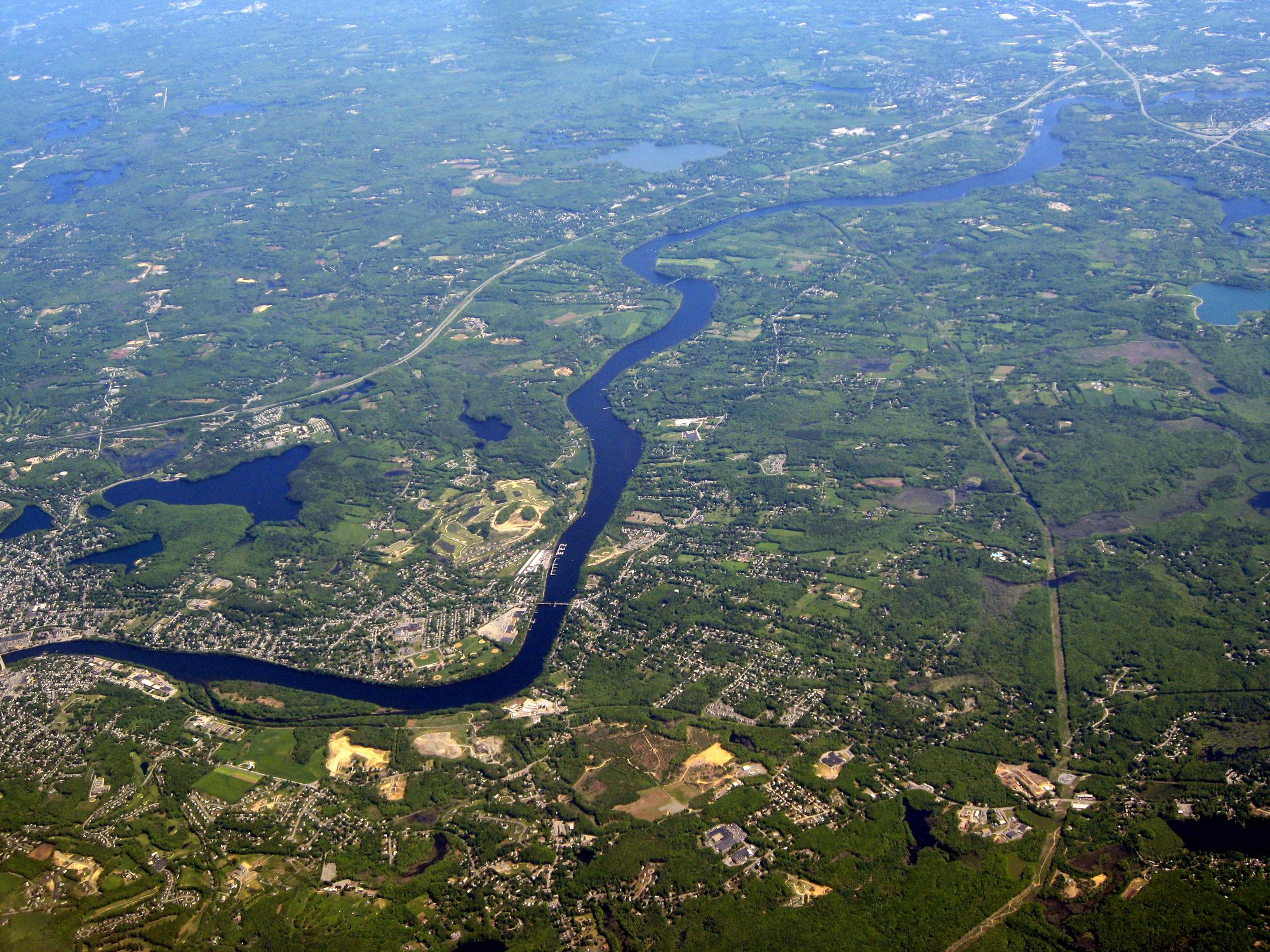
Merrimack River
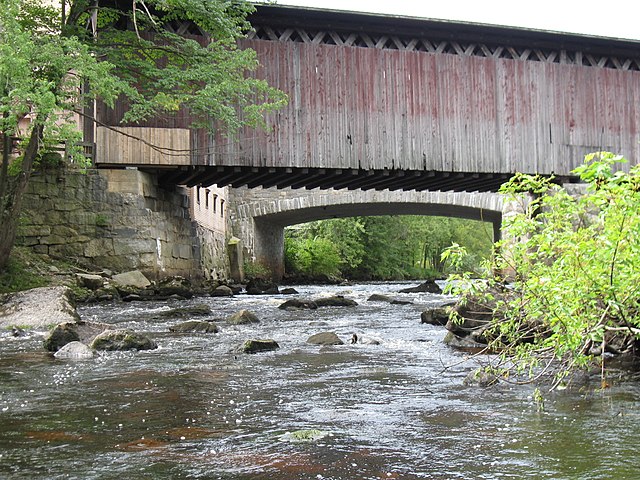
Contoocook River
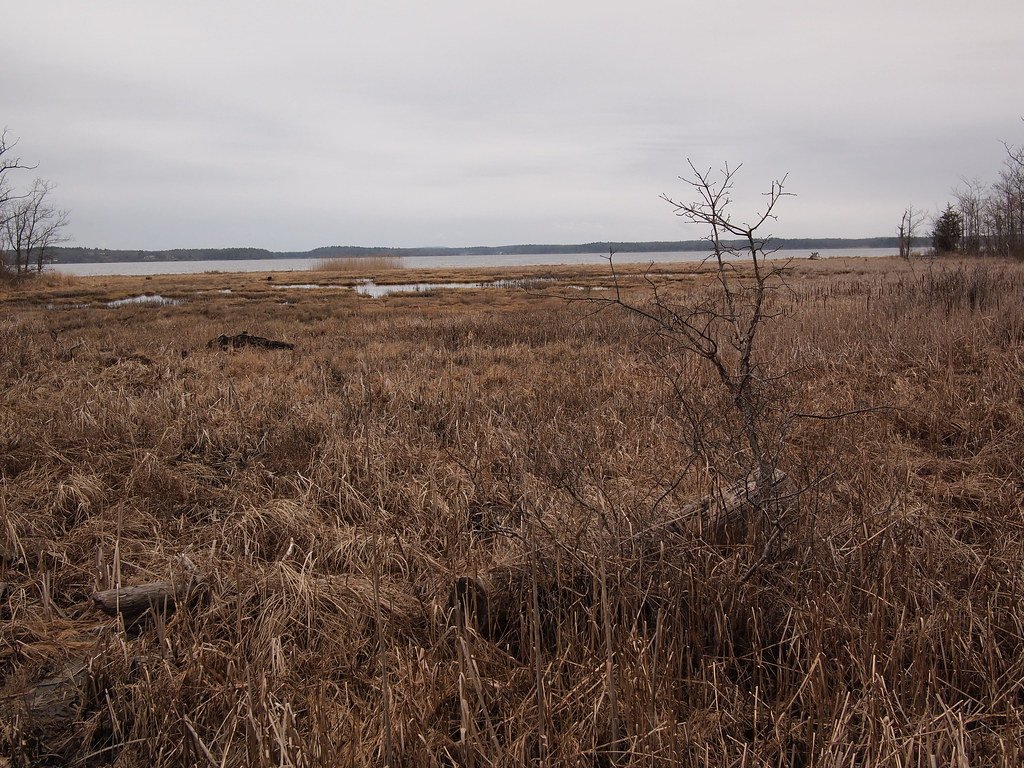
Great Bay
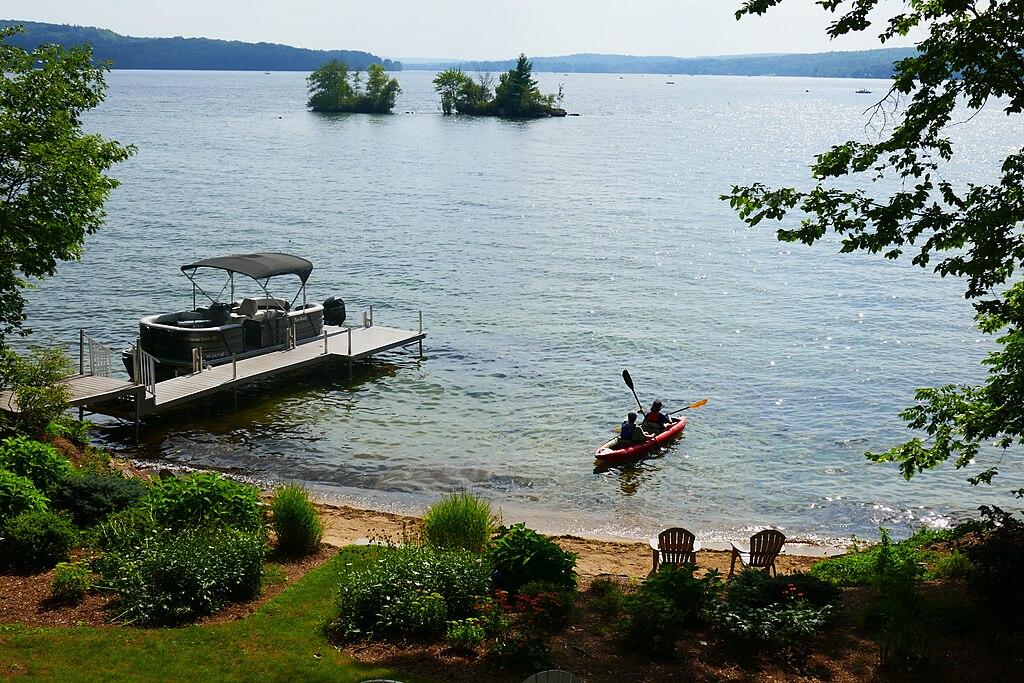
Lake Winnisquam
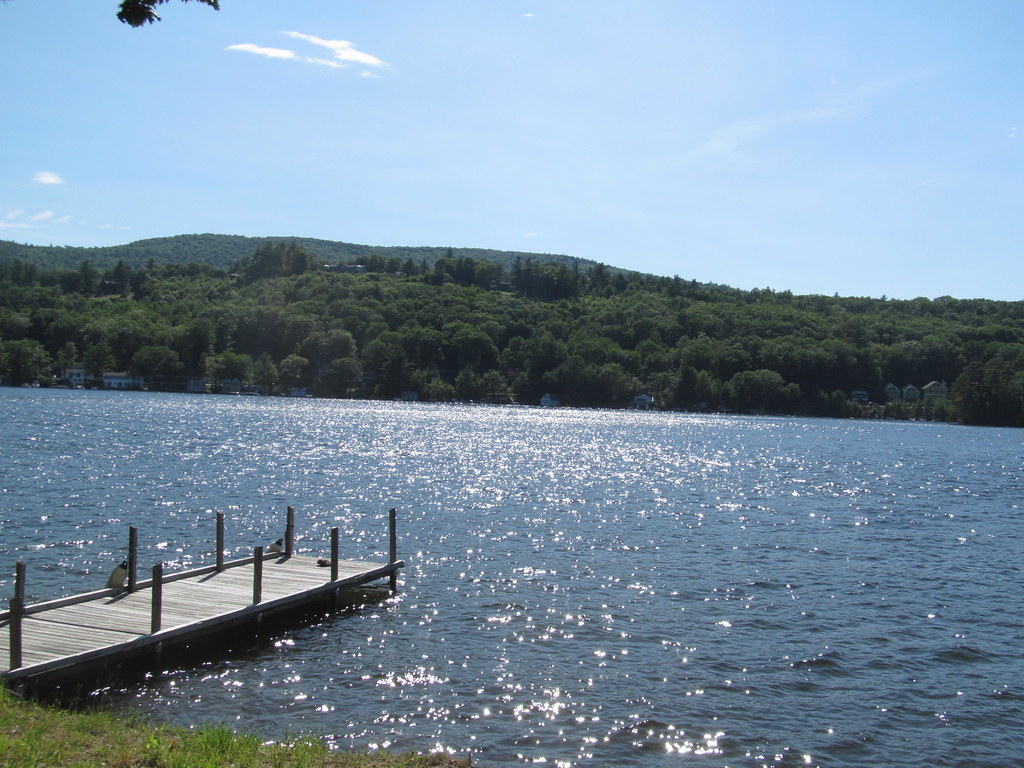
Lake Winnipesaukee
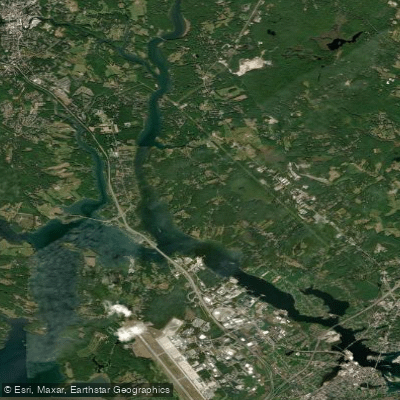
Piscataqua River
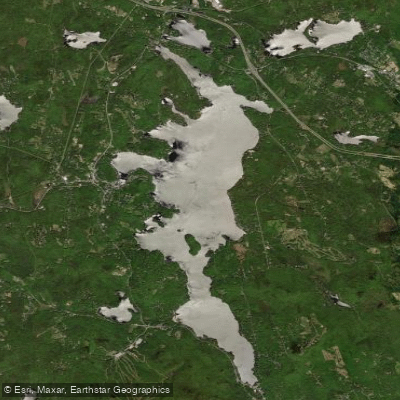
Sunapee Lake
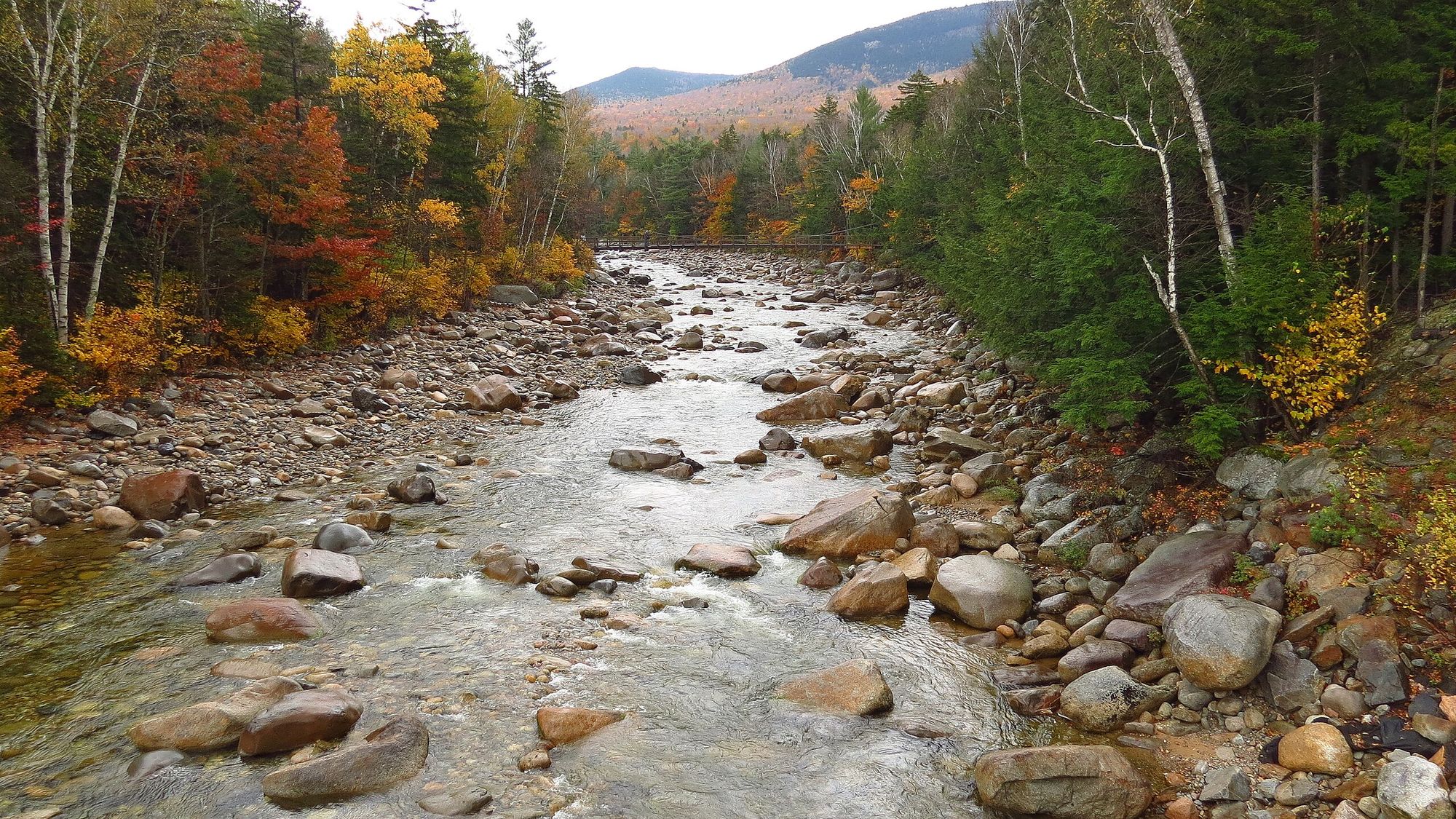
Pemigewasset River
Bellamy River
Squam Lake
What to know
Habitat Distribution
- They prefer cool headwater streams and are more common in small headwater streams than larger rivers, rarely found in lakes and ponds.
Key Locations
- In New Hampshire, they're surprisingly rare in some watersheds like the Lamprey River system, where they were found in only four sites with the largest population (26 individuals) recorded in Hartford Brook.
Specific Spots
- Target areas with riffle-pool systems, undercut banks, and overhanging vegetation.
Blacknose Dace FAQ
Answers from onWater's species guide.
What flies work for Blacknose Dace in New Hampshire?
Classic fly patterns include Art Flick's Bucktail (sizes 4-10) with silver tinsel body, black thread, short red yarn tail, cream throat, and layered wing of white, black, and brown bucktail.
When is the best time to fish for Blacknose Dace in New Hampshire?
Early spring through fall, excluding spawning season, offers the best opportunities when dace are actively feeding and moving between headwater streams and deeper winter refugia. Avoid fishing during spawning periods (May-June) when water temperatures reach 70°F.
How do you catch Blacknose Dace in New Hampshire?
Fish these patterns in rocky streams with moderate to swift current where dace naturally occur alongside brook trout. Target areas with riffle-pool systems, undercut banks, and overhanging vegetation.
What do Blacknose Dace eat?
Blacknose dace are opportunistic feeders with a diet consisting primarily of aquatic chironomid insect larvae, diatoms, small invertebrates including fly larvae (particularly favored), terrestrial insects, algae, and small crustaceans like young crayfish.
Where do Blacknose Dace live in New Hampshire?
They prefer cool headwater streams and are more common in small headwater streams than larger rivers, rarely found in lakes and ponds.
Fish smarter with real-time insights
Whether you're en route and conditions shift or you're looking for the best spot based on current flows, we enable you to make informed decisions on the fly.







See it in the app
Most maps show you water.
onWater shows you Blacknose Dace.



- 01 · Species map filter
Map every Blacknose Dace water
Pick Blacknose Dace and the map zeroes in on the waters they call home. No more guessing which lake holds them.
- 02 · Waterbody species
Tap any water. See what lives there.
Species, behavior and seasonal patterns for every lake, river and pond, before you leave the driveway.
- 03 · Angler Intelligence
Ask how to catch Blacknose Dace
Tactics, gear and timing from onWater's AI fishing guide, tuned to the species and the water you're on.
Stop guessing where Blacknose Dace are.
Open the map, filter by Blacknose Dace, and head to water that holds them. Download onWater and plan your next trip in minutes.
- Species map filter
- Angler Intelligence
- Fishing journal
Explore other species
Trout, bass, salmon, panfish and everything in between. Each guide unpacks the behavior, seasons, and tactics that put fish in the net.

Find which waters have the species you want to catch

Largemouth Bass
Micropterus salmoides

Smallmouth Bass
Micropterus dolomieu

Rainbow Trout
Oncorhynchus mykiss

Brown Trout
Salmo trutta

Brook Trout
Salvelinus fontinalis

Northern Pike
Esox lucius

Walleye

Black Crappie
Pomoxis nigromaculatus

Alewife
Alosa pseudoharengus

American Eel
Anguilla rostrata

American Shad
Alosa sapidissima

Atlantic Salmon

Black Bullhead
Ameiurus melas

Bowfin
Amia calva

Brown Bullhead
Ameiurus nebulosus

Burbot
Lota lota

Chain Pickerel
Esox niger

Channel Catfish
Ictalurus punctatus

Common Carp
Cyprinus carpio

Creek Chub
Semotilus atromaculatus

Fallfish
Semotilus corporalis

Gizzard Shad
Dorosoma cepedianum

Green Sunfish
Lepomis cyanellus

Lake Trout
Salvelinus namaycush
Lake Whitefish
Coregonus clupeaformis

Longnose Sucker
Catostomus catostomus

Pumpkinseed
Lepomis gibbosus
Redbreast Sunfish
Lepomis auritus

Redear Sunfish
Lepomis microlophus
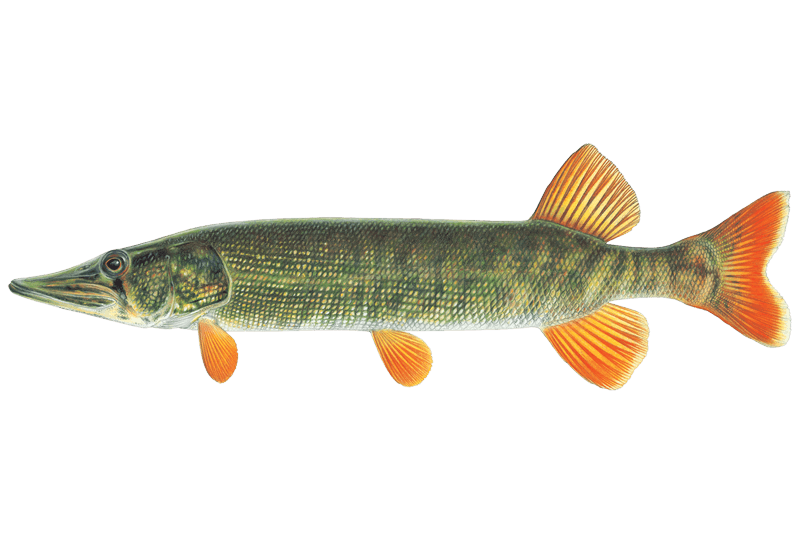
Redfin Pickerel
Esox americanus americanus

Rock Bass
Ambloplites rupestris

Round Whitefish
Prosopium cylindraceum

Steelhead
Oncorhynchus mykiss
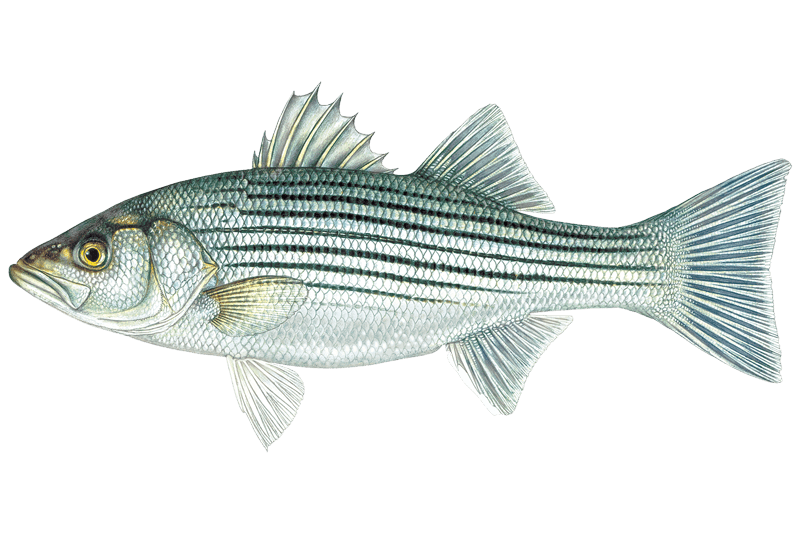
Striped Bass
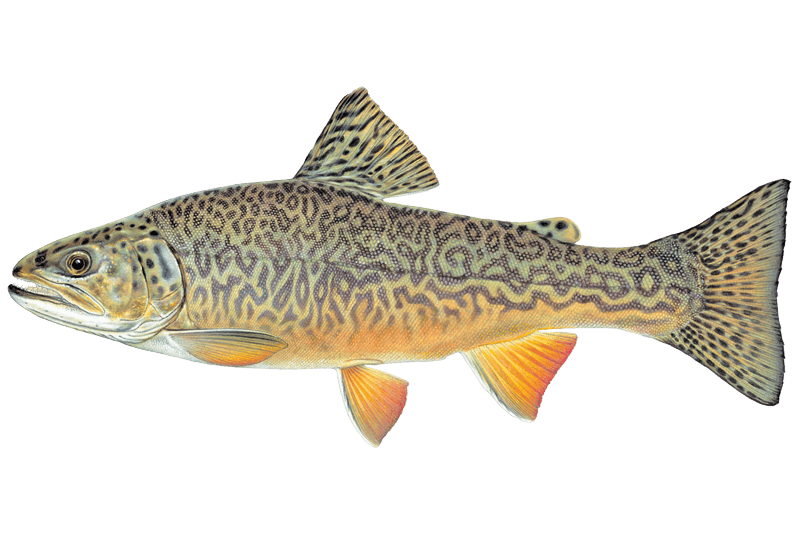
Tiger Trout
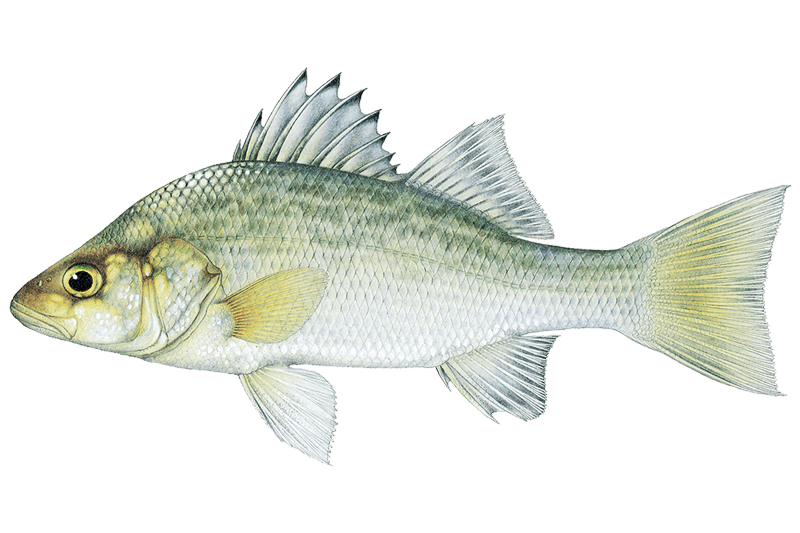
White Perch
Morone americana
White Sucker
Catostomus commersonii
Yellow Bullhead
Ameiurus natalis
Yellow Perch
Perca flavescens
New Hampshire licenses and regulations

New Hampshire Boating Regulations
When using any type of watercraft to access a body of water, it is important to follow all federal, state, and local rules and regulations. These rules and regulations include boat permitting and licensing, invasive species inspections and stamps, life jacket and PFD rules, motor size and horsepower restrictions, noise limitations, restrictions on personal watercraft, and many more. Visit the web link below for the most current rules and regulations for this body of water.

New Hampshire Fishing License
Persons 16 years or older need a license to fish in freshwater or saltwater in New Hampshire.

New Hampshire Fishing Regulations
This river has a variety of species and regulations, including potential floating and/or watercraft restrictions. Because this river is specially managed for species, seasons, angling methods, and watercraft, it is strongly encouraged you check all federal, state, and local regulations before fishing. Visit any of the links below, inquire locally, or contact a local fly shop to learn current regulations and restrictions.

New Hampshire Stream Access Laws
Fishing is a New Hampshire tradition, one that we strive to pass on to present and future generations. With greater than 70% of New Hampshire’s land under private ownership, access for most shoreline and stream fishing occurs over private property. If we are to maintain the New Hampshire fishing tradition, it is important to remember that access to private land is a privilege provided to us through the generosity of landowners sharing their land. Practicing positive landowner relations is the key to maintaining access for present and future generations of anglers.
Explore nearby waters
Explore New Hampshire waters
Top fishing waters
Popular Cities
Loading popular cities...

Smarter Fishing Starts in the App.
onWater Fish gives you everything you need to plan smarter, fish better, and own every trip from first cast to last.