Great Bay
- Saltwater
- Bay
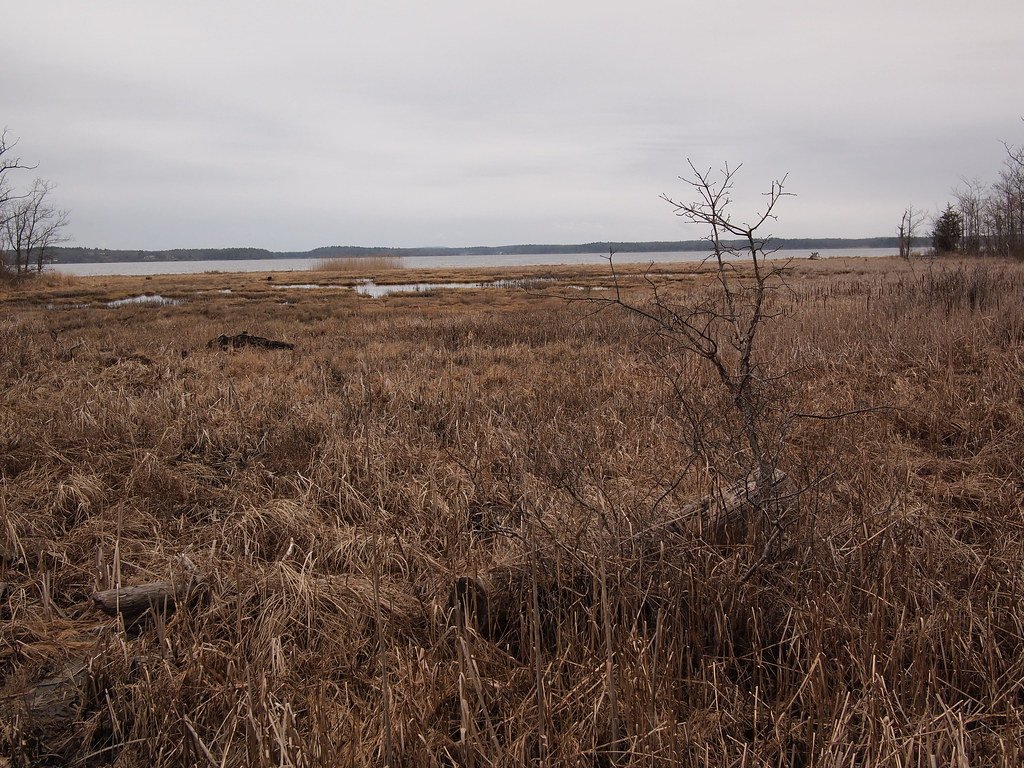
Great Bay
- Saltwater
- Bay
- Sq. miles
- 5.8
- Boat Ramps
- 0
- Access Points
- 0
- Species
- 4
Great Bay is a vast and complex tidal estuary system located in southeastern New Hampshire, extending inland from the mouth of the Piscataqua River. It encompasses over 6,000 acres of open water, including Little Bay and the tidal portions of several major rivers like the Lamprey, Squamscott, Winnicut, Bellamy, Oyster, and Cocheco. As one of the most recessed estuaries on the East Coast, it features a dramatic tidal range that exposes more than 50% of its mudflats at low tide. The average depth is about 9 feet, with deep channels carving through the system to depths of nearly 60 feet. The estuary is a dynamic mix of saltwater from the Gulf of Maine and freshwater from its tributaries, creating a rich mosaic of habitats including salt marshes, eelgrass meadows, rocky shores, and deep channels. The entire system is part of the Great Bay National Estuarine Research Reserve, managed for long-term research, education, and stewardship, and all Reserve lands are open to the public for fishing.
Species & education
Learn what type of fish are at Great Bay and what's needed to catch them.
Find which waters have the species you want to catch

Gray Triggerfish
Balistes capriscus

Haddock
Melanogrammus aeglefinus
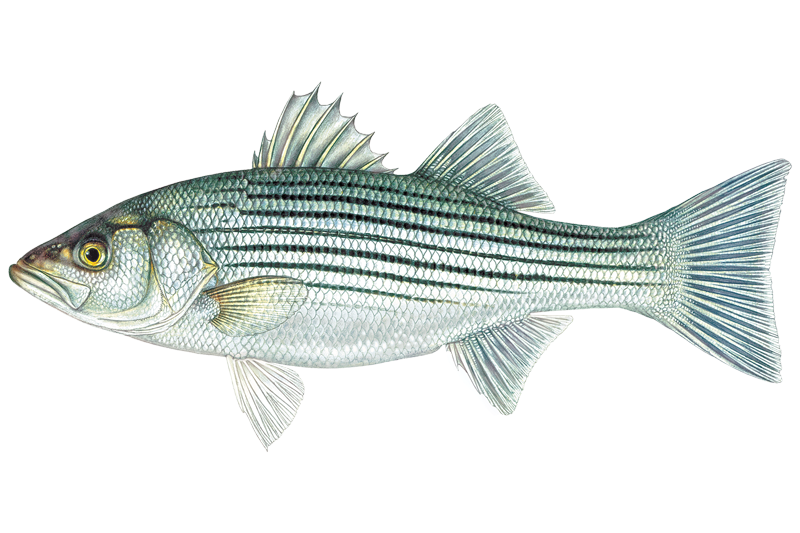
Striped Bass
Morone saxatilis
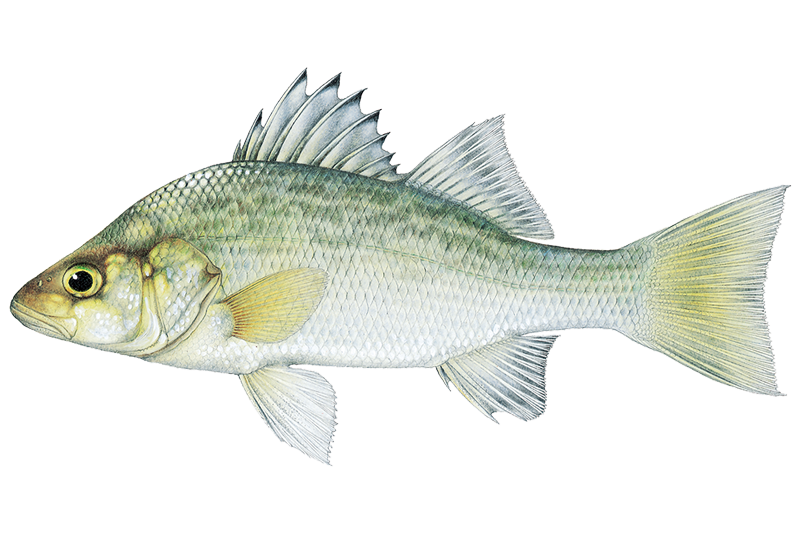
White Perch
Morone americana
Fishing spots, boat ramps & amenities
Learn how to get on Great Bay. Uncover great fishing access points, boat ramps, and all the facilities you need for an unforgettable day on the water. Some locations shown may border or include private property. Always check property boundaries and applicable regulations before visiting. onWater's Public & Private Land layer can help you plan your access with confidence.
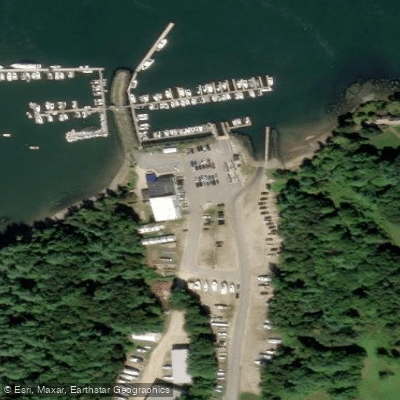
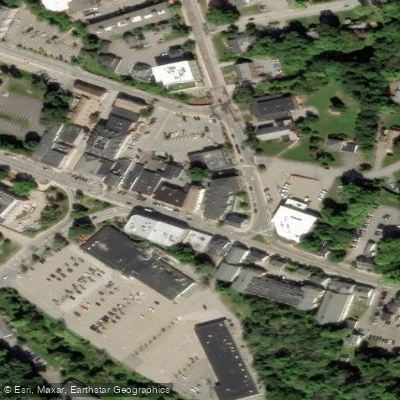
Know where you can legally fish on Great Bay
See public and private land boundaries along the water, turn on private parcels with owner details to know where permission is required, and find land-trust parcels that offer permitted fishing access.
New Hampshire licenses and regulations
New Hampshire Boating Regulations
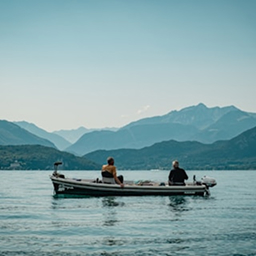
When using any type of watercraft to access a body of water, it is important to follow all federal, state, and local rules and regulations. These rules and regulations include boat permitting and licensing, invasive species inspections and stamps, life jacket and PFD rules, motor size and horsepower restrictions, noise limitations, restrictions on personal watercraft, and many more. Visit the web link below for the most current rules and regulations for this body of water.
New Hampshire Coastal & Inland Waters
A NH Saltwater Recreational Fishing License covers coastal and estuarine waters, while a separate freshwater license applies to inland lakes, rivers, and streams. New Hampshire Fish and Game's Marine Fisheries Division manages the saltwater side, based in Durham. Anglers fishing waters that border Maine should note that fishing licenses issued by either state are recognized on shared border lakes and ponds.

New Hampshire Federal Waters & Offshore Rules
Beyond 3 nautical miles from shore, federal rules take over and NOAA Fisheries manages fisheries out to 200 nautical miles in partnership with regional fishery management councils. Anglers targeting Atlantic highly migratory species such as tuna, billfish, swordfish, or sharks must carry a federal vessel permit issued by NOAA Fisheries regardless of where they depart from. Current federal regulations by species are kept on the NOAA Fisheries recreational fishing regulations page.

New Hampshire Saltwater Fishing License
Anyone age 16 or older must carry a NH Saltwater Recreational Fishing License to fish coastal and estuarine waters. New Hampshire Fish and Game issues the license, which is valid for the calendar year. Designated free fishing days let anglers fish without a license, though tournament participants must still be licensed even on those days.
New Hampshire Saltwater Size & Bag Limits
Size and bag limits apply to individual species and can change throughout the year. New Hampshire Fish and Game's Marine Fisheries Division sets the rules for state waters, covering popular targets such as striped bass, haddock, and flounder. The current species table with all applicable limits is maintained in the state's saltwater regulations guide.
New Hampshire Shellfish Closures & Advisories
Recreational harvesters of oysters and clams in New Hampshire need a license issued by NH Fish and Game, while blue mussels may be taken by residents without a license for personal use only. Harvest areas close regularly due to red tide, biotoxins, rainfall, and pollution, and closures can be called on short notice. Check current open and closed areas through the NH Coastal Atlas online or by calling the NH Clam Flat Hotline at 1-800-43-CLAMS.
Take Great Bay with you
The onWater Fish app keeps this water's access points, species and conditions in your pocket, with the tools you use once you're there.
Use the map without signal
Download the map around Great Bay to use it offline when coverage drops.
Log your catches here
Keep a private fishing journal for Great Bay to find where and when fish are biting for you.
Get the onWater Fish app
Free on iOS and Android
Tides, wind & water conditions (10 day forecast)
On open water, wind and tide matter as much as the weather. See the best times to fish Great Bay and check the marine forecast before you launch.
Loading tide predictions…
Fishing near Great Bay
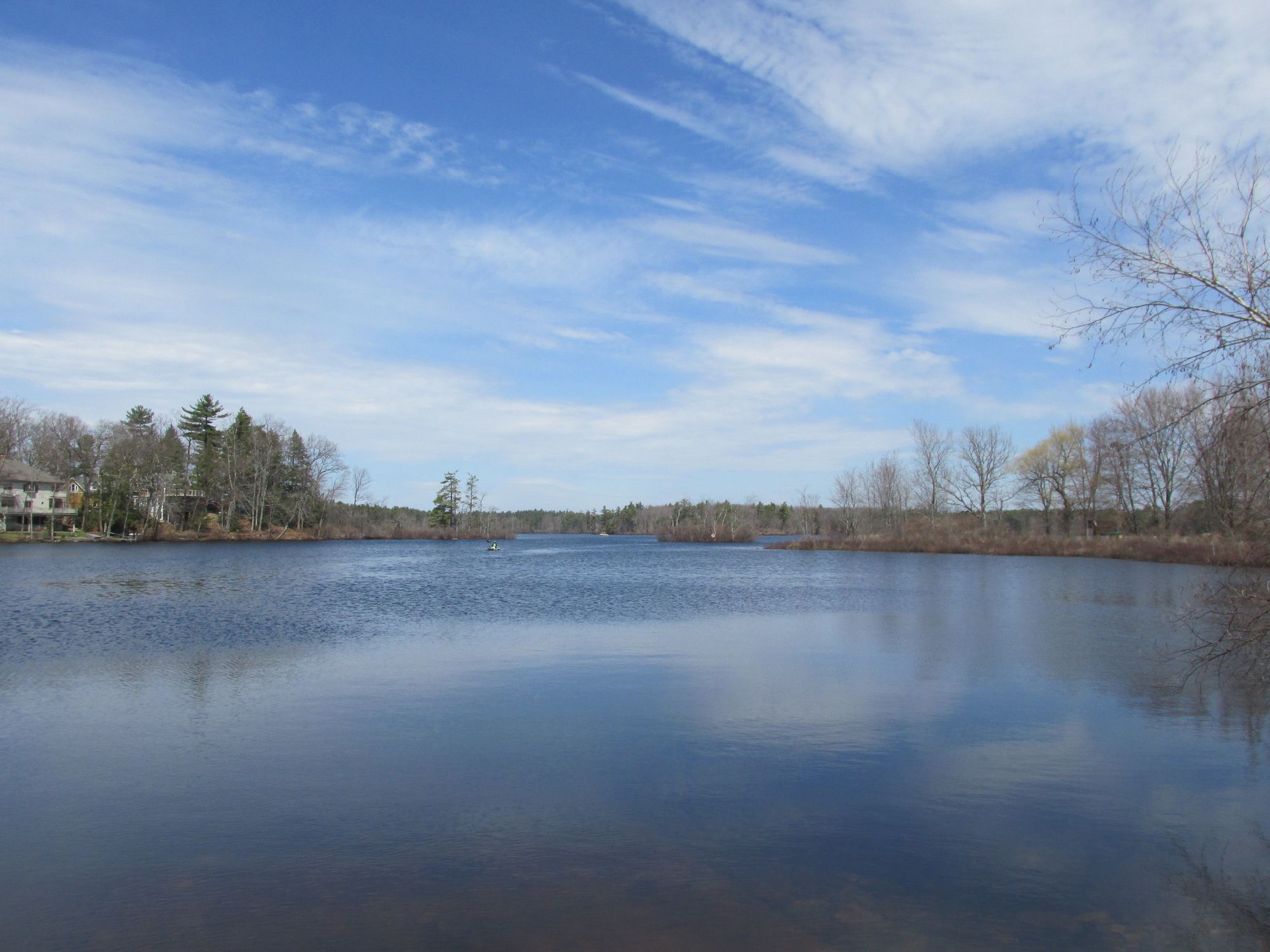
Great Pond
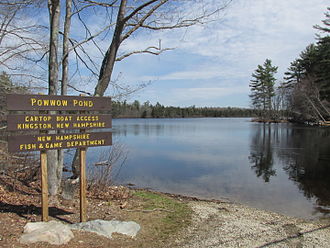
Powwow Pond
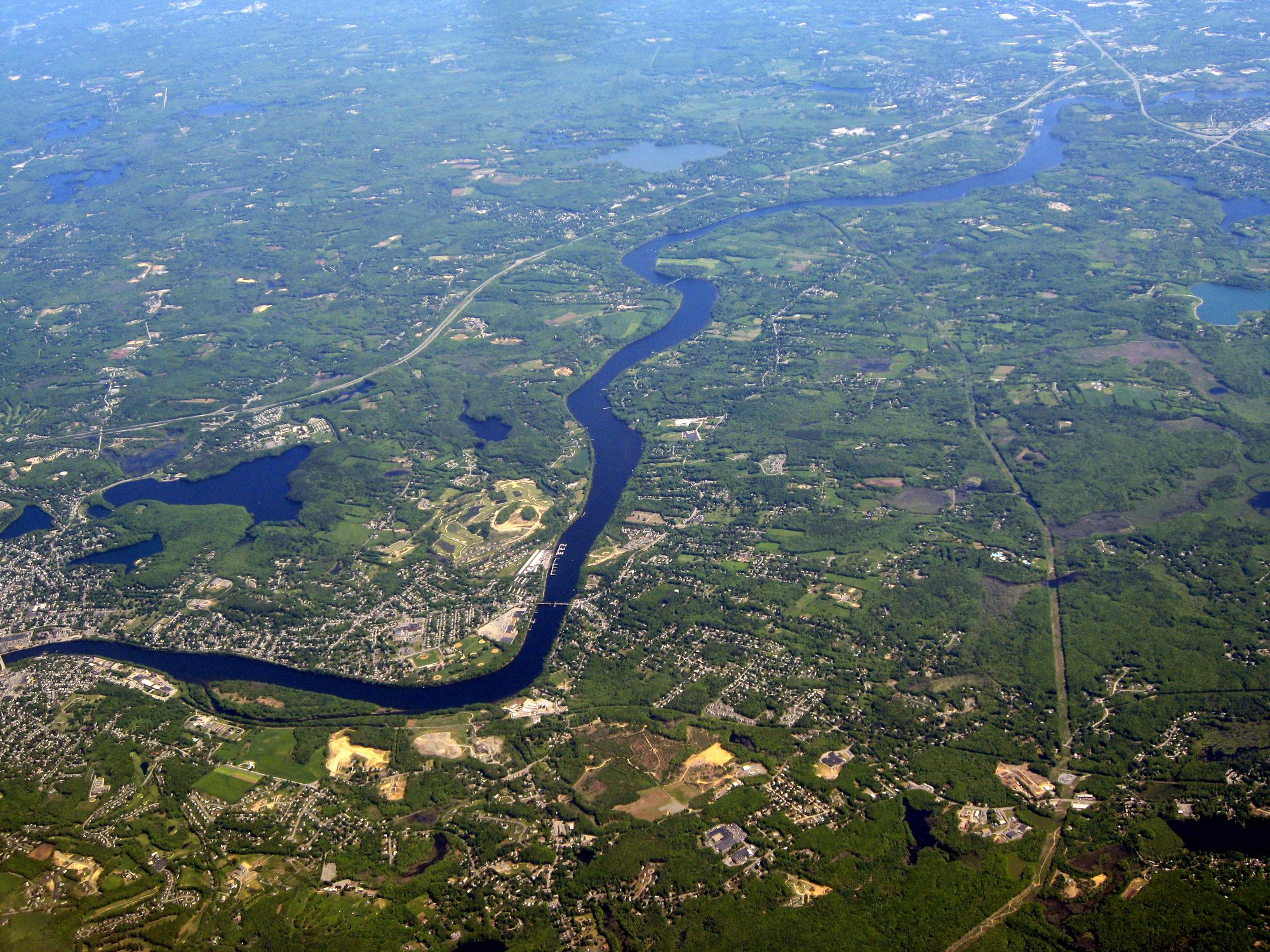
Merrimack River
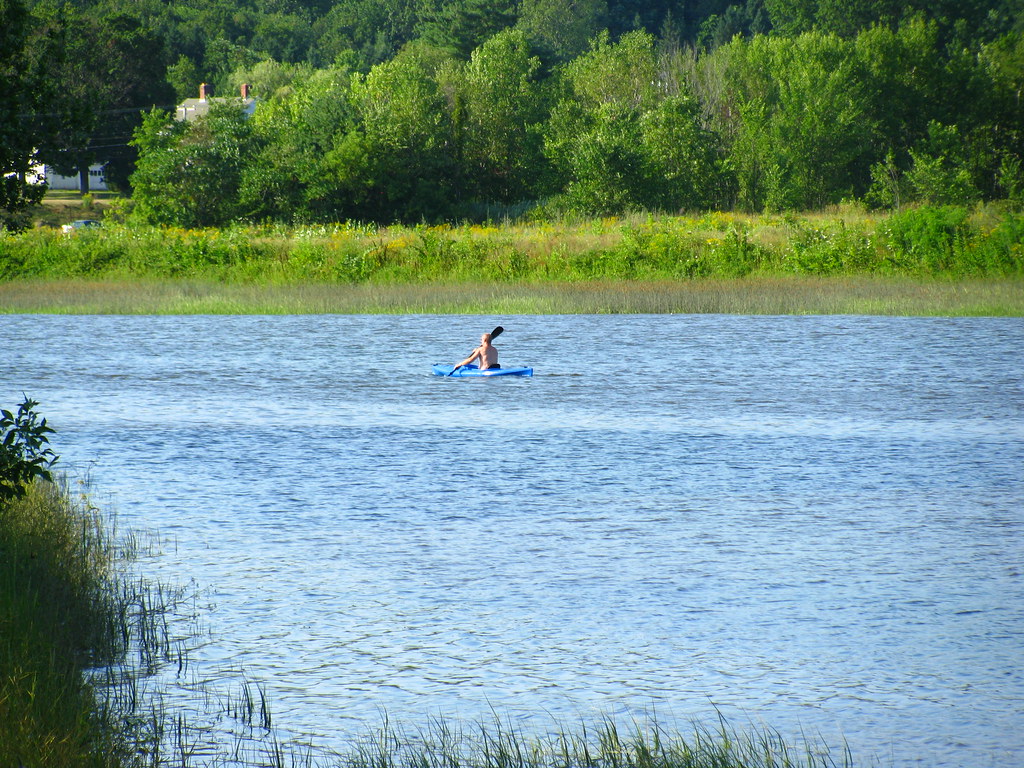
Squamscott River
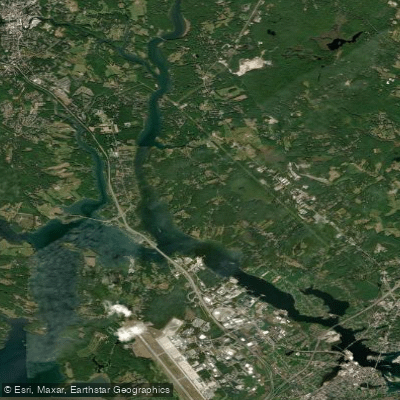
Piscataqua River
Lamprey River
Exeter River
Portsmouth Harbor
Lake Winnipesaukee
Explore New Hampshire waters
Top fishing waters
Popular Cities
Loading popular cities...
Explore near Great Bay
Fish species
Fishing spots
Nearby waters
More in New Hampshire

Smarter Fishing Starts in the App.
onWater Fish gives you everything you need to plan smarter, fish better, and own every trip from first cast to last.