Rainbow Trout

Rainbow Trout were introduced to New Hampshire in 1878 from California and are not native to the state.
New Hampshire's acidic waters generally don't support natural rainbow trout reproduction, though juvenile rainbows have been captured in some Connecticut River tributaries in Pittsburg and Clarksville.
In New Hampshire, rainbow trout are annually stocked in numerous waters with very little natural reproduction occurring.
Scientific Name: Oncorhynchus mykiss
- They typically display blue-green or yellow-green coloration with a distinctive pink streak along their sides, white underbelly, and small black spots on their back and fins.
Fishing in New Hampshire
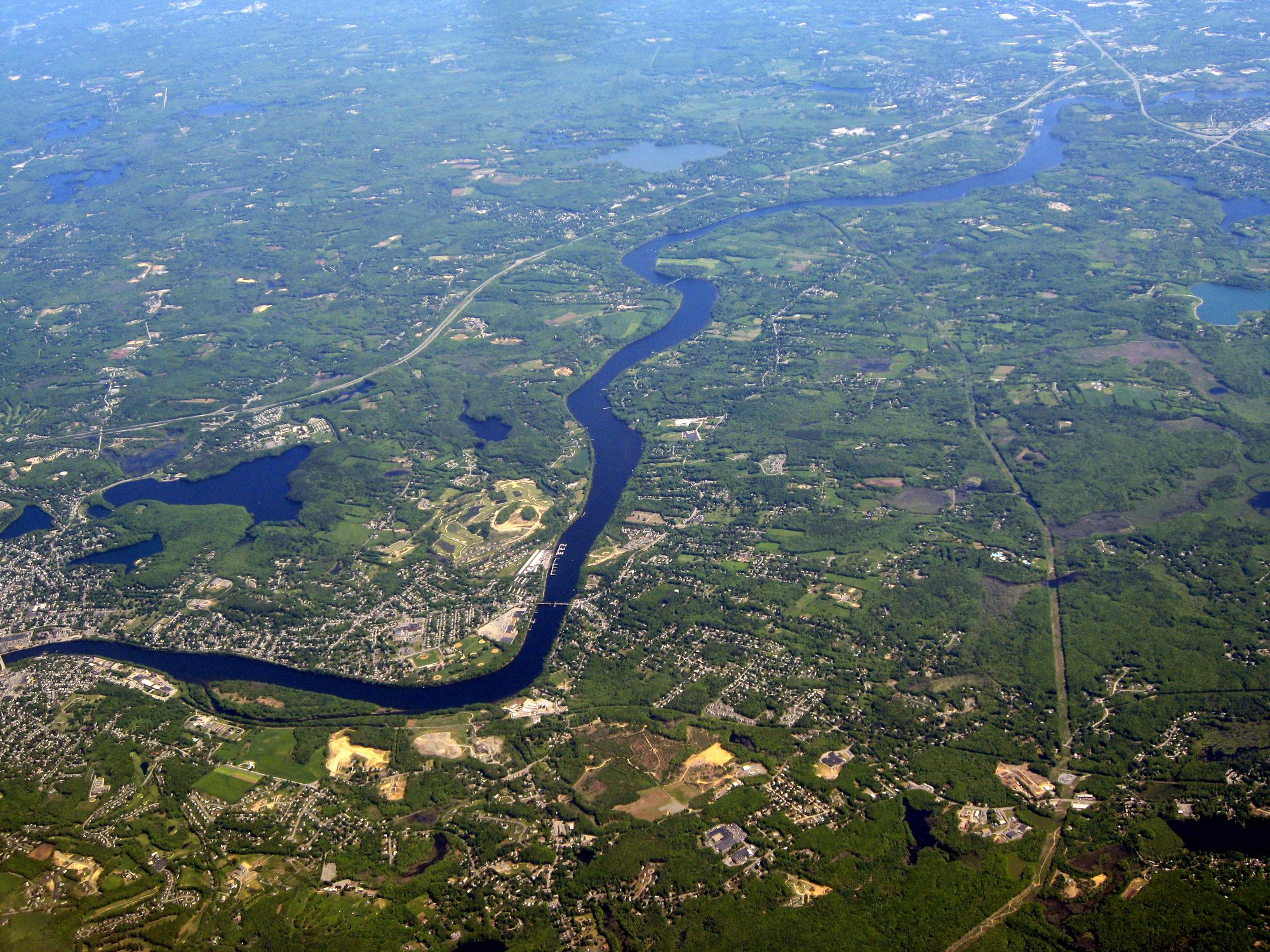
Merrimack River
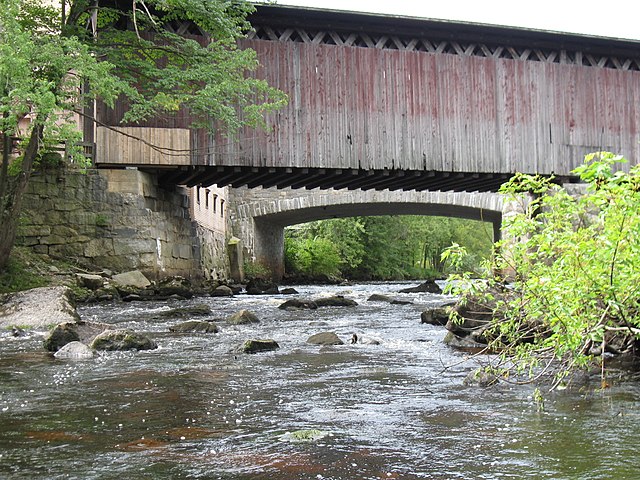
Contoocook River
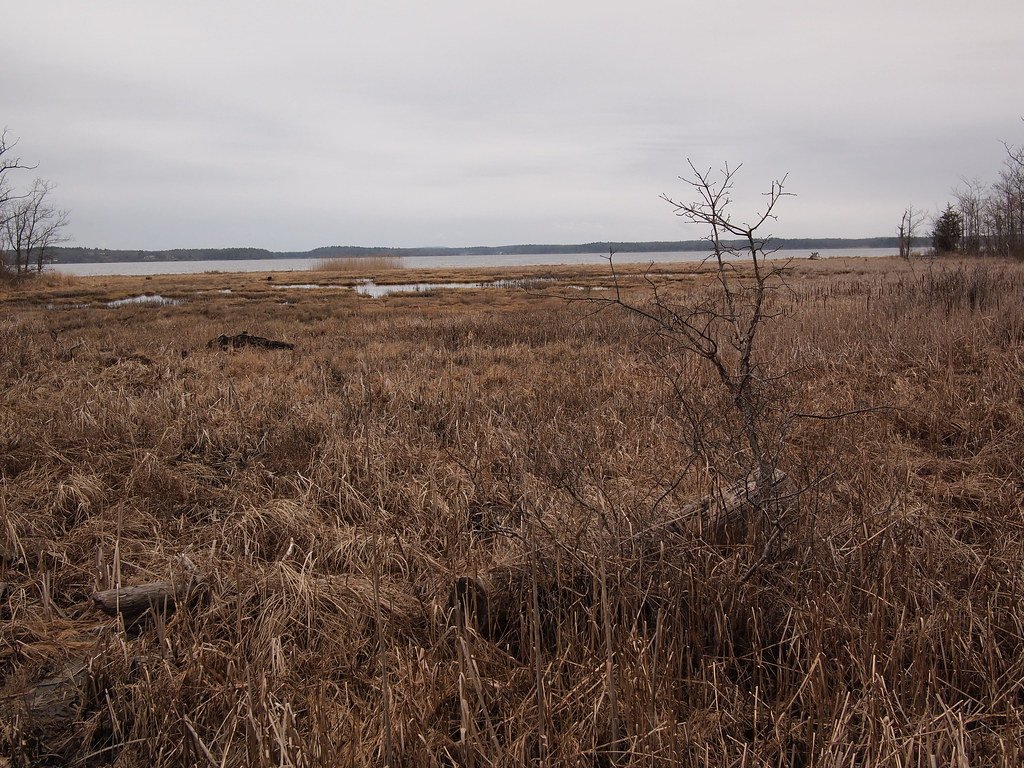
Great Bay
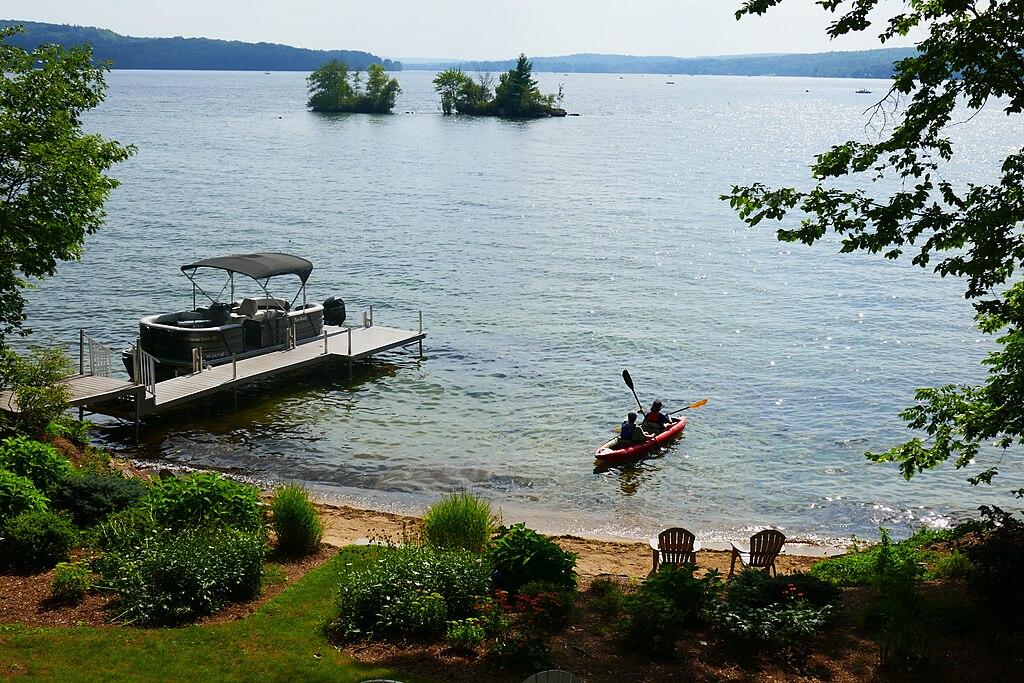
Lake Winnisquam
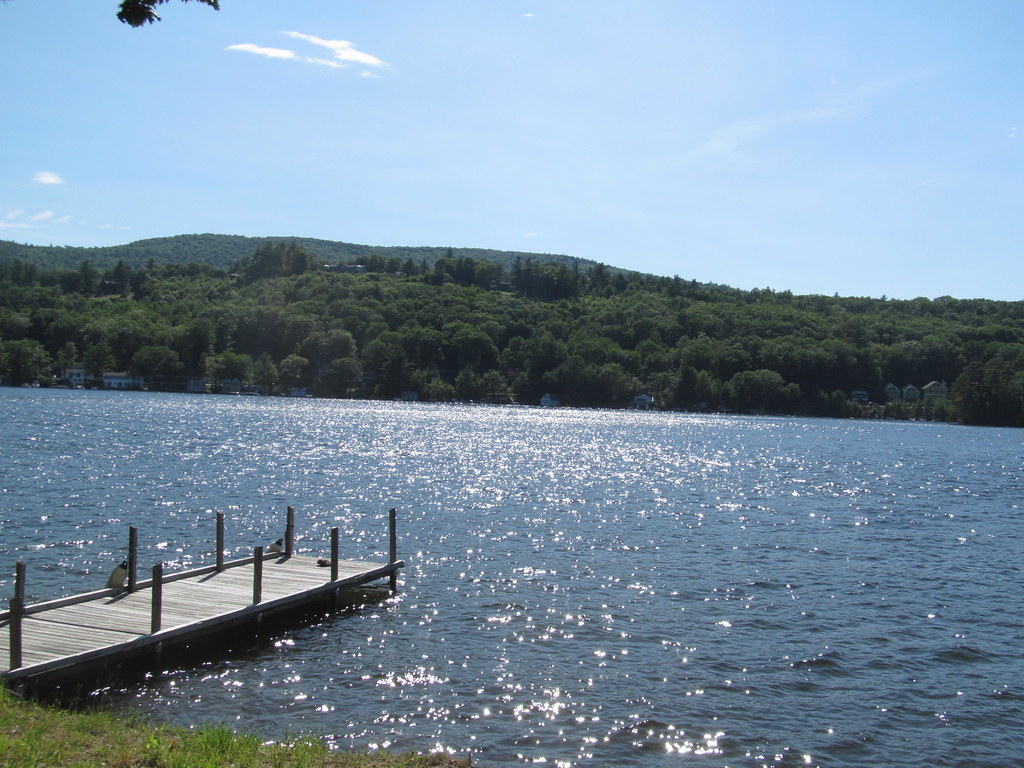
Lake Winnipesaukee
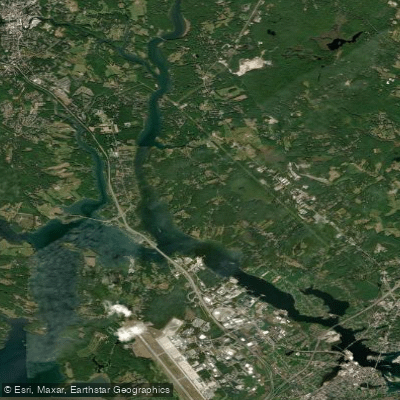
Piscataqua River
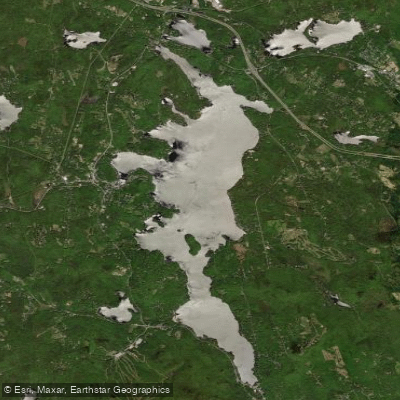
Sunapee Lake
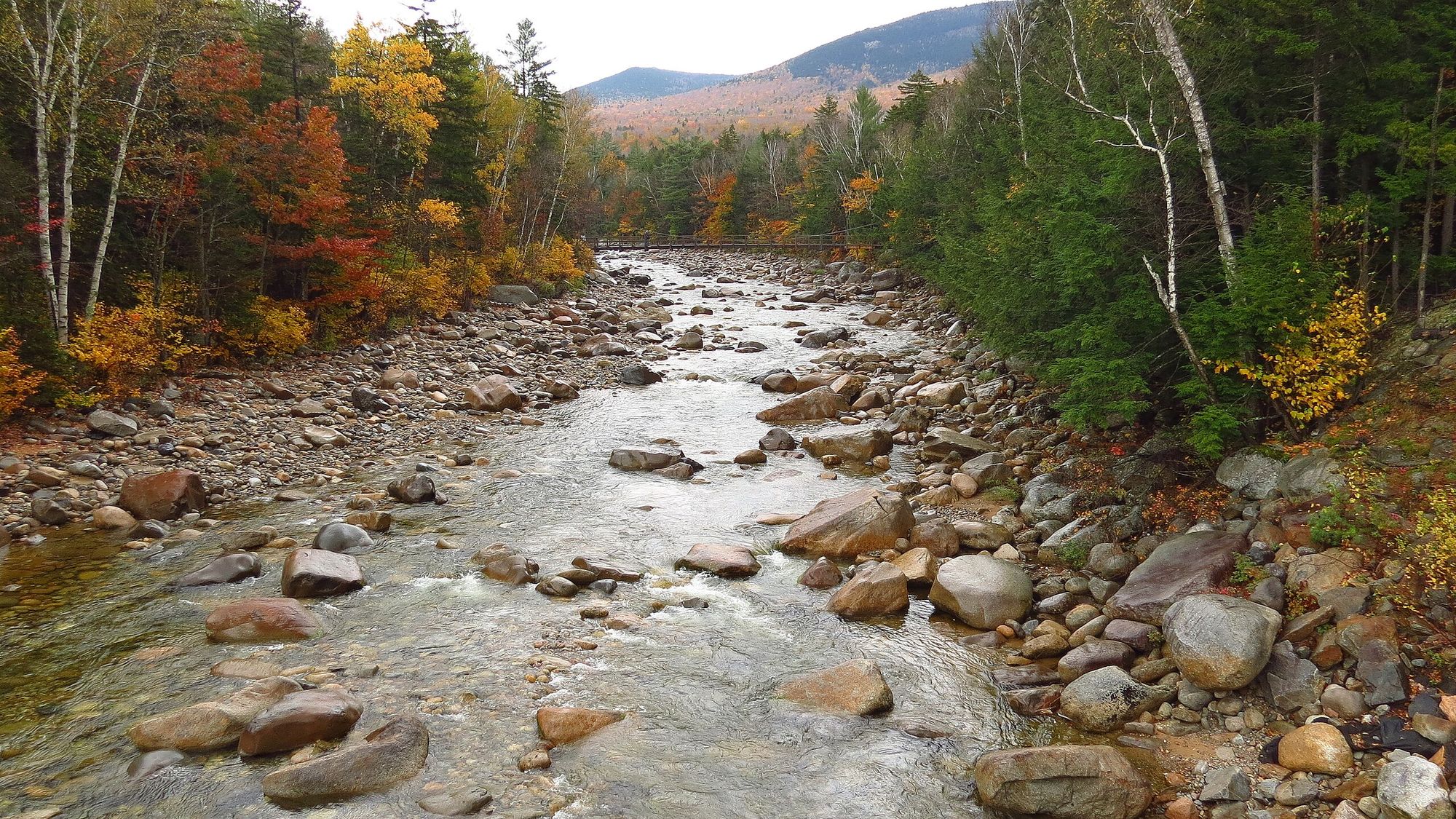
Pemigewasset River
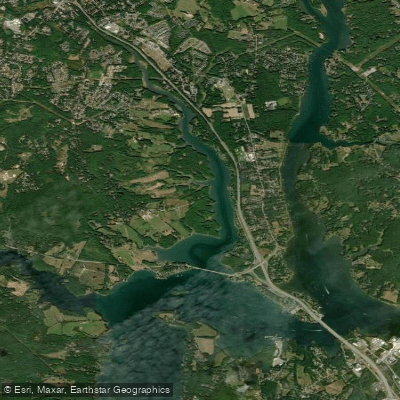
Bellamy River
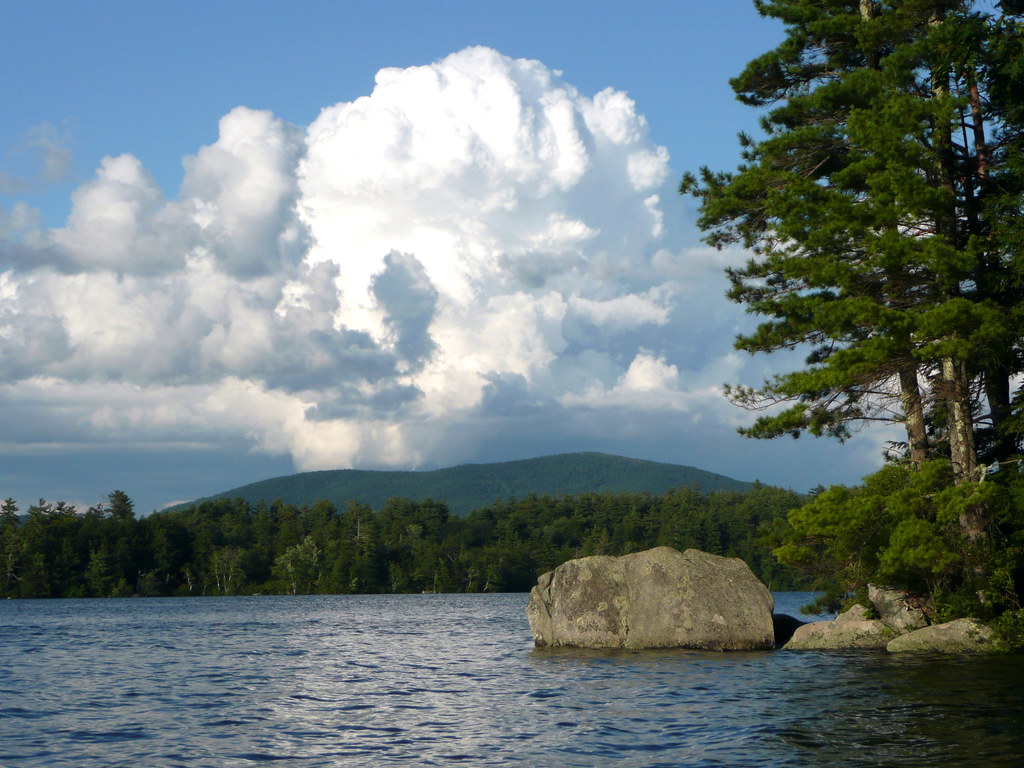
Squam Lake
What to know
Habitat Distribution
- Rainbow trout prefer cool, clear rivers, streams, and lakes with swift-flowing sections for young fish and deeper water for adults.
- They're highly migratory and mobile, moving between different habitat types.
Key Locations
- Prime locations include the Connecticut River's trophy stretch, Pemigewasset River from headwaters to Plymouth, Androscoggin River, Saco River, Swift River along the Kancamagus Highway, and numerous stocked lakes like Winnipesaukee, Newfound, Winnisquam, Big and Little Squam, Crystal Lake, Mascoma, and many designated trout ponds.
Specific Spots
- Target swift-flowing riffle habitat in streams and deeper water in lakes.
Rainbow Trout FAQ
Answers from onWater's species guide.
What flies work for Rainbow Trout in New Hampshire?
Top fly patterns include Copper Johns (size 14), Pheasant Tail Nymphs, Wooly Buggers in olive or white, Elk Hair Caddis for dry fly fishing, and small Zebra Midges (size 18-20) in winter.
When is the best time to fish for Rainbow Trout in New Hampshire?
Rainbow trout fishing in New Hampshire is best from April through October, with prime action in spring (April-May) and fall (September-October) when water temperatures are optimal.
How do you catch Rainbow Trout in New Hampshire?
For fly fishing, essential techniques include nymphing and using streamers. For trolling in lakes, use traditional streamers.
What do Rainbow Trout eat?
These fish are typical salmonid predators, feeding heavily on aquatic and terrestrial insects, other fish, crustaceans, and various organisms.
Where do Rainbow Trout live in New Hampshire?
Rainbow trout prefer cool, clear rivers, streams, and lakes with swift-flowing sections for young fish and deeper water for adults. They're highly migratory and mobile, moving between different habitat types.
Fish smarter with real-time insights
Whether you're en route and conditions shift or you're looking for the best spot based on current flows, we enable you to make informed decisions on the fly.




See it in the app
Most maps show you water.
onWater shows you Rainbow Trout.



- 01 · Species map filter
Map every Rainbow Trout water
Pick Rainbow Trout and the map zeroes in on the waters they call home. No more guessing which lake holds them.
- 02 · Waterbody species
Tap any water. See what lives there.
Species, behavior and seasonal patterns for every lake, river and pond, before you leave the driveway.
- 03 · Angler Intelligence
Ask how to catch Rainbow Trout
Tactics, gear and timing from onWater's AI fishing guide, tuned to the species and the water you're on.
Stop guessing where Rainbow Trout are.
Open the map, filter by Rainbow Trout, and head to water that holds them. Download onWater and plan your next trip in minutes.
- Species map filter
- Angler Intelligence
- Fishing journal
Explore other species
Trout, bass, salmon, panfish and everything in between. Each guide unpacks the behavior, seasons, and tactics that put fish in the net.
No species information available.
New Hampshire licenses and regulations
Explore nearby waters
Explore New Hampshire waters
Top fishing waters
Popular Cities
Loading popular cities...

Smarter Fishing Starts in the App.
onWater Fish gives you everything you need to plan smarter, fish better, and own every trip from first cast to last.