American Shad

American Shad in New Hampshire are anadromous members of the herring family that historically supported major runs in the Connecticut and Merrimack Rivers, though populations remain severely depleted from colonial times.
Scientific Name: Alosa sapidissima
- Adult females reach up to 30 inches and 8+ pounds, while males are smaller at 1-3 pounds.
- They're silvery with bluish-green backs, laterally compressed bodies, and a distinctive row of dark spots behind the gill plate.
Fishing in New Hampshire
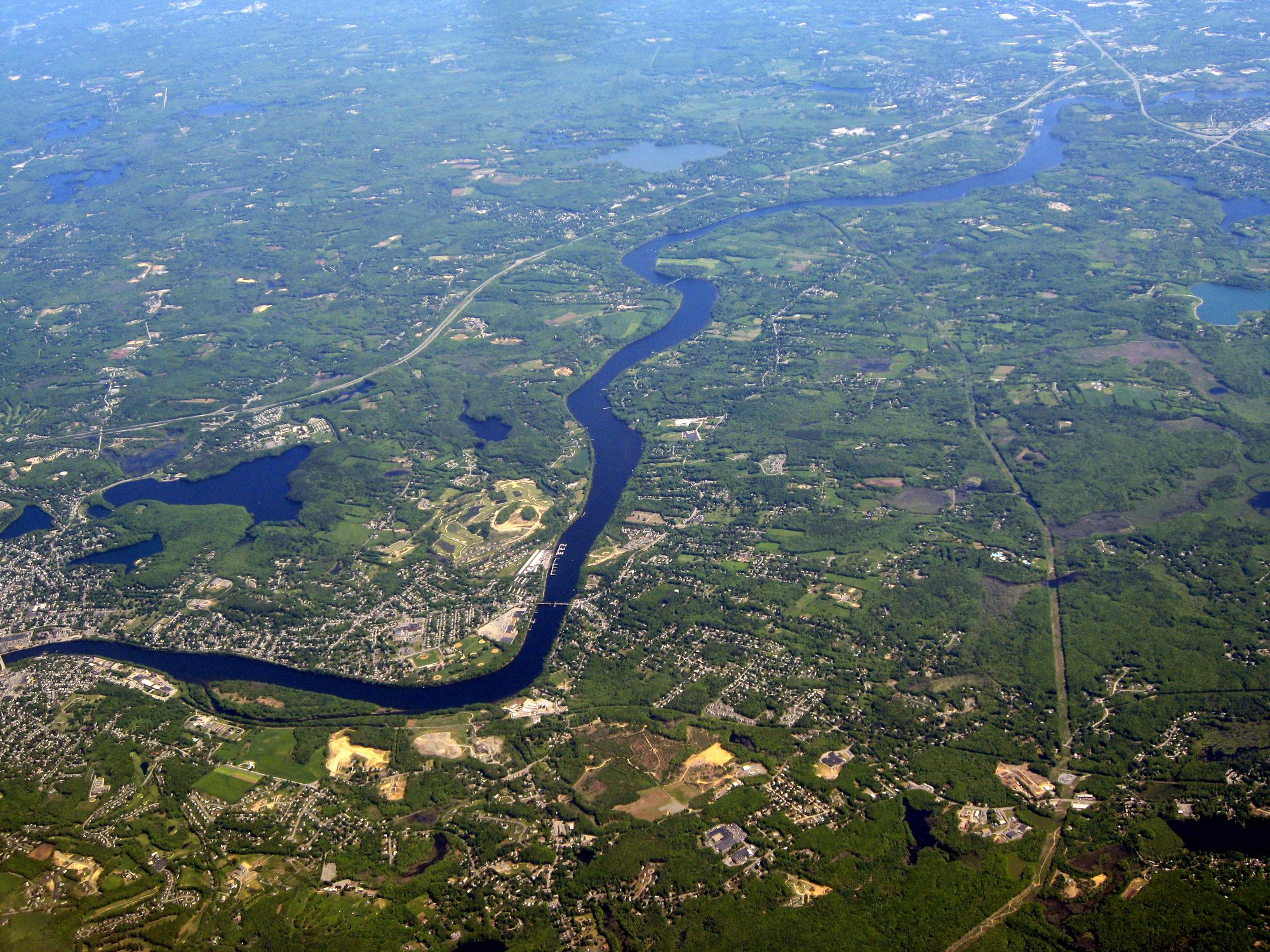
Merrimack River
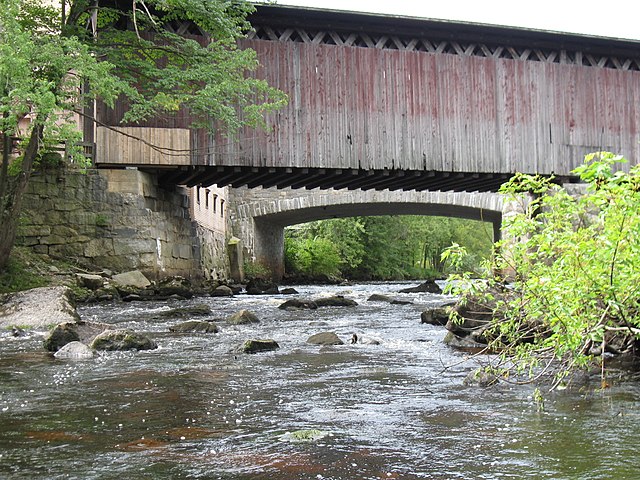
Contoocook River
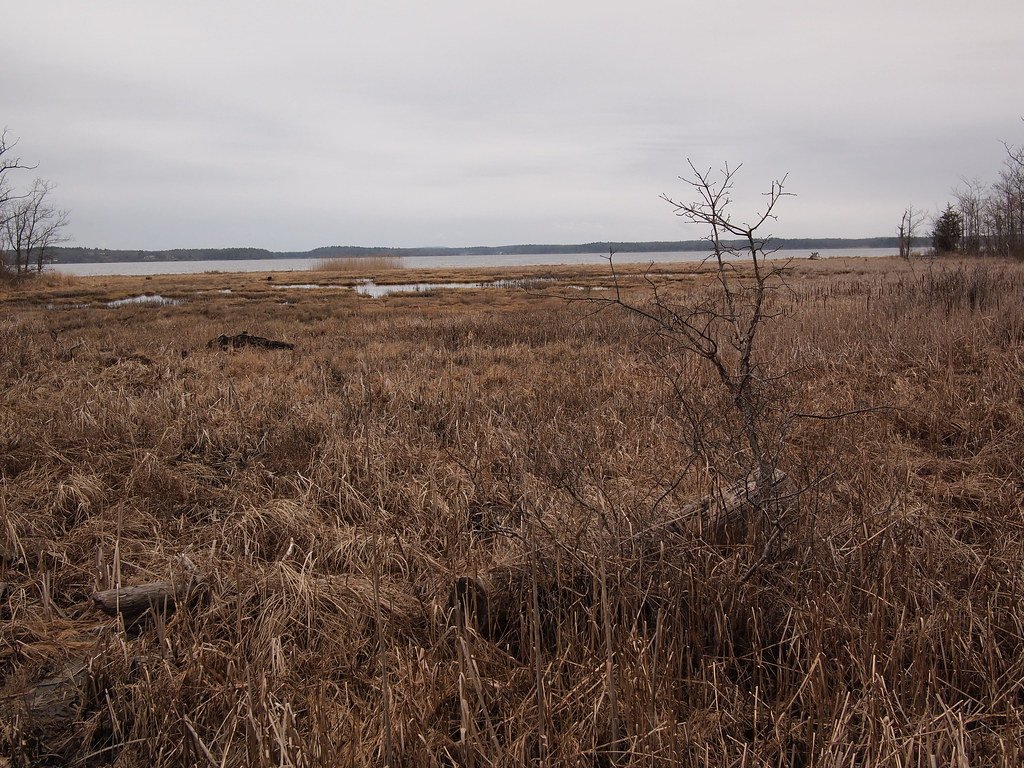
Great Bay
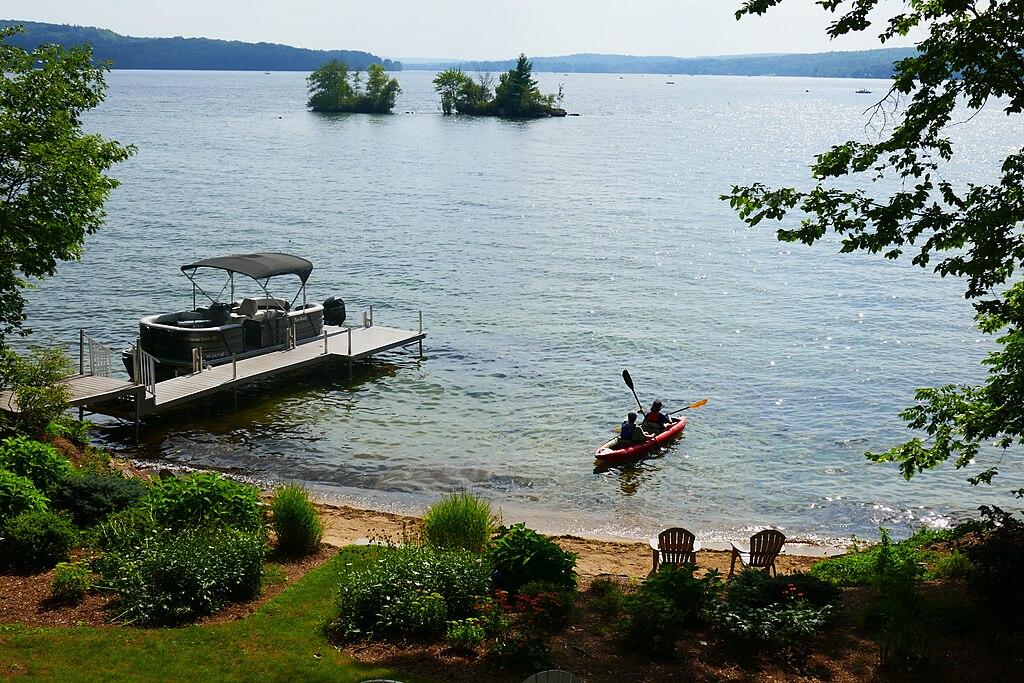
Lake Winnisquam
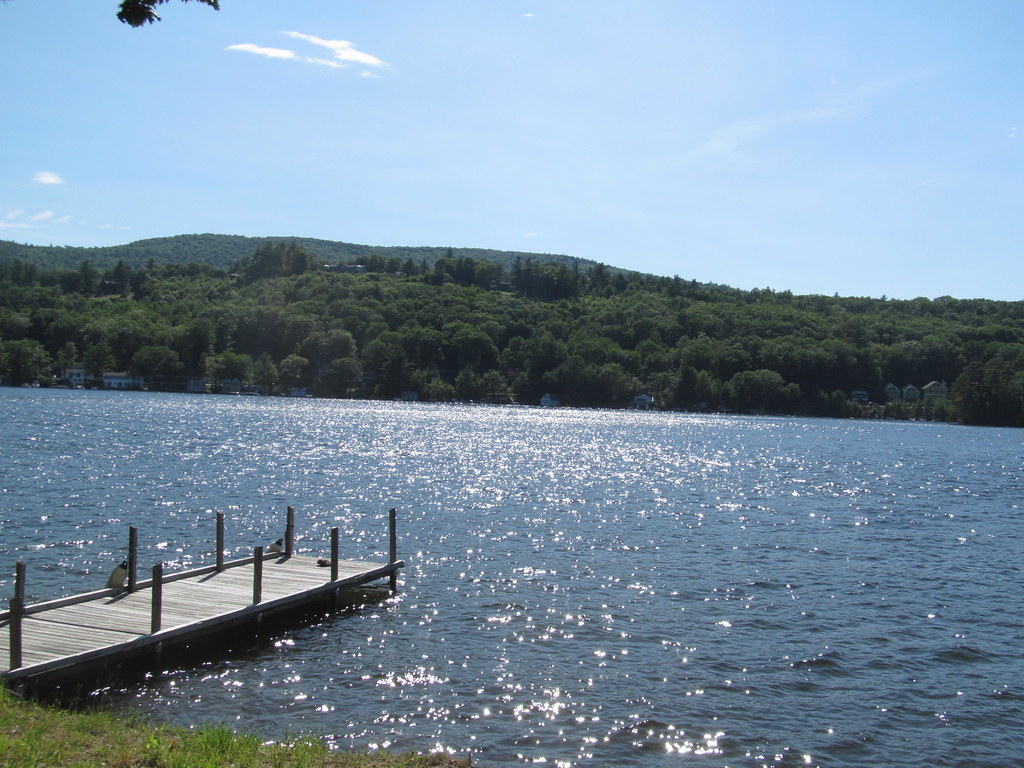
Lake Winnipesaukee
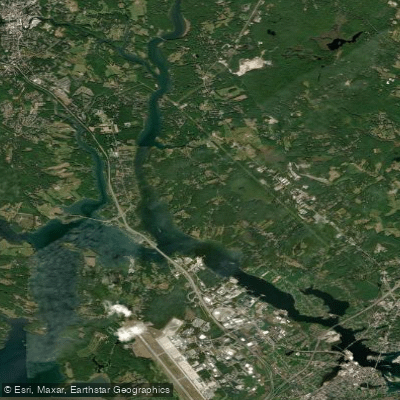
Piscataqua River
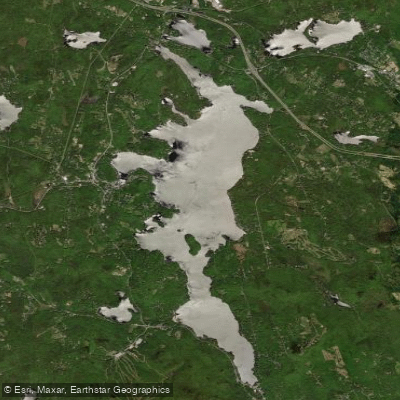
Sunapee Lake
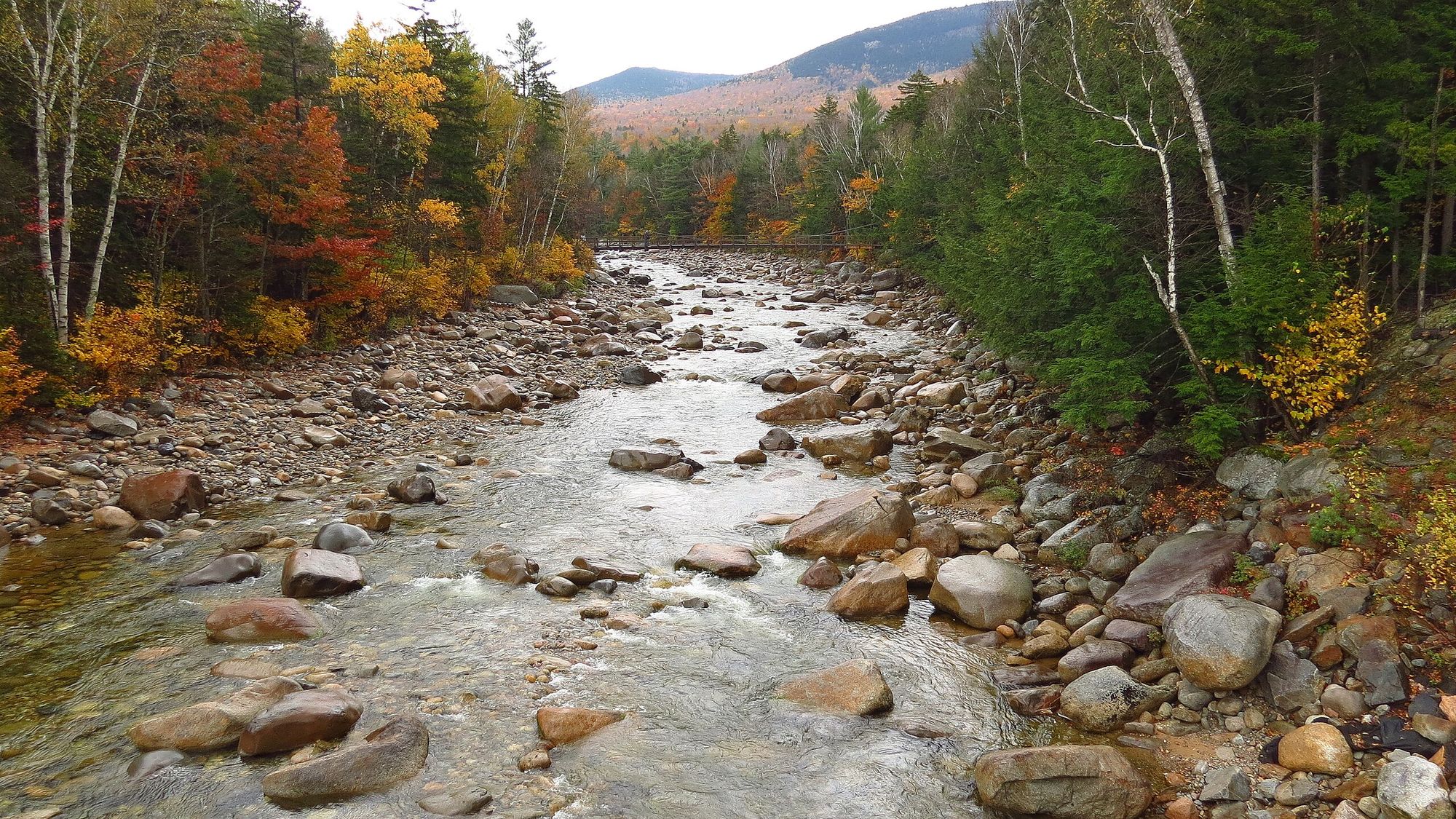
Pemigewasset River
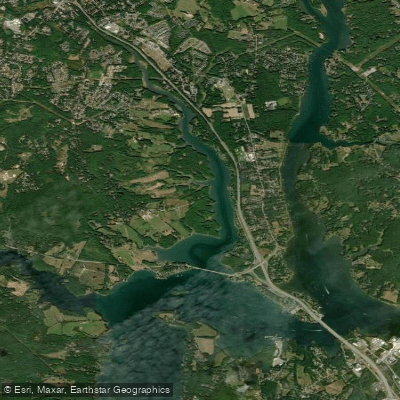
Bellamy River
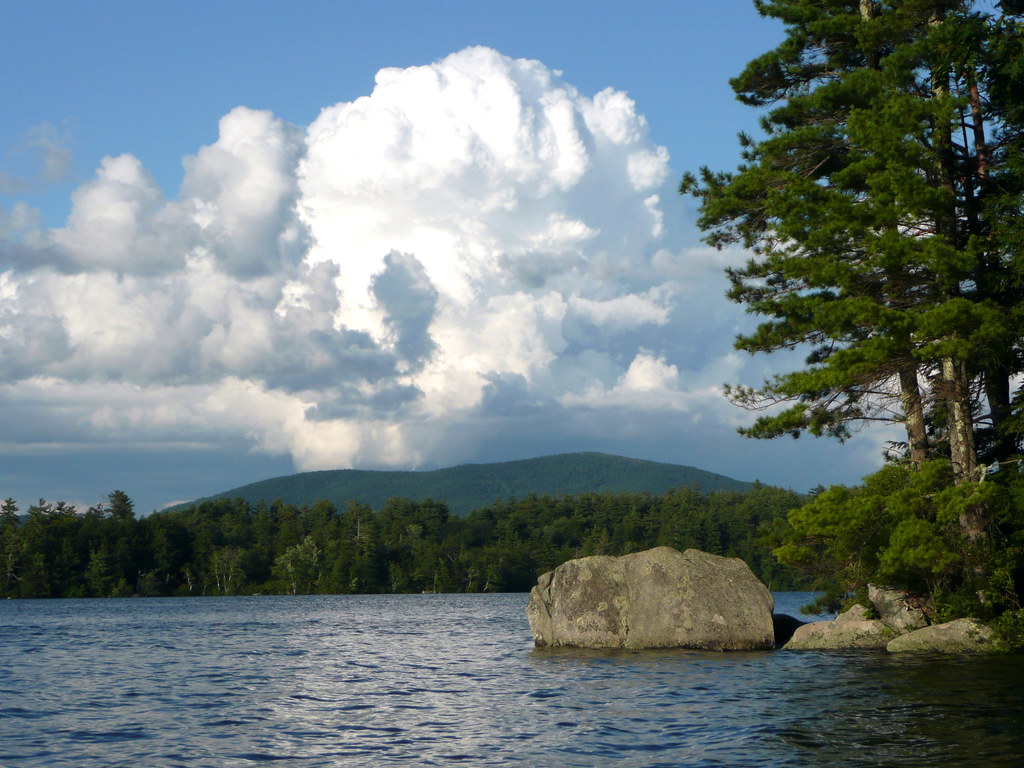
Squam Lake
What to know
Habitat Distribution
- Historically supported major runs in the Connecticut and Merrimack Rivers.
- Coastal rivers like the Exeter and Lamprey have virtually extirpated populations, though restoration efforts continue.
- After spawning, adults return to ocean waters in the Gulf of Maine and Bay of Fundy.
Key Locations
- The Connecticut River offers the best opportunities, particularly below Vernon Dam and in the Ashuelot River area.
- The Merrimack River near Manchester and the Salmon Falls River also hold fish, though in smaller numbers.
Specific Spots
- Target deep, slow pools, long flats with moderate current, areas below dams and rapids, tributary mouths, and current seams where shad stack up.
American Shad FAQ
Answers from onWater's species guide.
What are the best lures and bait for American Shad in New Hampshire?
Shad darts in traditional red/white, chartreuse, and hot pink are proven lures, along with small flutter spoons and 1/32-ounce jig heads with curly-tailed grubs.
What flies work for American Shad in New Hampshire?
Use flies sizes 8-10 with fluorescent colors - pink, orange, chartreuse, green, blue, and red are most effective. Productive patterns include simple soft hackles with wool yarn bodies, UV resin-coated flies for extra weight, and bead-head soft hackles (brass or tungsten beads) for low/pressured water.
When is the best time to fish for American Shad in New Hampshire?
Prime season runs from late April through June when water temperatures reach 55-68°F. During spawning period, anglers should avoid targeting them to protect spawning activities.
How do you catch American Shad in New Hampshire?
Present lures with downstream drifts near bottom, adding jigging motion every 3-5 seconds. Use tandem rigs with heavy flies to reach the zone.
What do American Shad eat?
Shad are filter feeders that consume zooplankton (particularly copepods, mysids, Daphnia, and Bosmina) in the ocean but don't actively feed during freshwater spawning runs, striking lures out of curiosity or aggression.
Fish smarter with real-time insights
Whether you're en route and conditions shift or you're looking for the best spot based on current flows, we enable you to make informed decisions on the fly.




See it in the app
Most maps show you water.
onWater shows you American Shad.



- 01 · Species map filter
Map every American Shad water
Pick American Shad and the map zeroes in on the waters they call home. No more guessing which lake holds them.
- 02 · Waterbody species
Tap any water. See what lives there.
Species, behavior and seasonal patterns for every lake, river and pond, before you leave the driveway.
- 03 · Angler Intelligence
Ask how to catch American Shad
Tactics, gear and timing from onWater's AI fishing guide, tuned to the species and the water you're on.
Stop guessing where American Shad are.
Open the map, filter by American Shad, and head to water that holds them. Download onWater and plan your next trip in minutes.
- Species map filter
- Angler Intelligence
- Fishing journal
Explore other species
Trout, bass, salmon, panfish and everything in between. Each guide unpacks the behavior, seasons, and tactics that put fish in the net.
No species information available.
New Hampshire licenses and regulations
Explore nearby waters
Explore New Hampshire waters
Top fishing waters
Popular Cities
Loading popular cities...

Smarter Fishing Starts in the App.
onWater Fish gives you everything you need to plan smarter, fish better, and own every trip from first cast to last.