Channel Catfish

Channel catfish are not native to New Hampshire and have a very limited distribution in the state. The only known fishable population exists in the Connecticut River, specifically from the Bellows Falls Dam (Walpole, NH) downstream to the Massachusetts border.
Over the past decade, fish from Massachusetts have gradually moved upstream, slowly establishing this New Hampshire population.
Scientific Name: Ictalurus punctatus
- These fish are typically slender with deeply forked tails and slightly protruding upper jaws, displaying dark gray backs with light yellow or greenish-yellow sides and white bellies - characteristics that help distinguish them from brown bullheads.
Fishing in New Hampshire
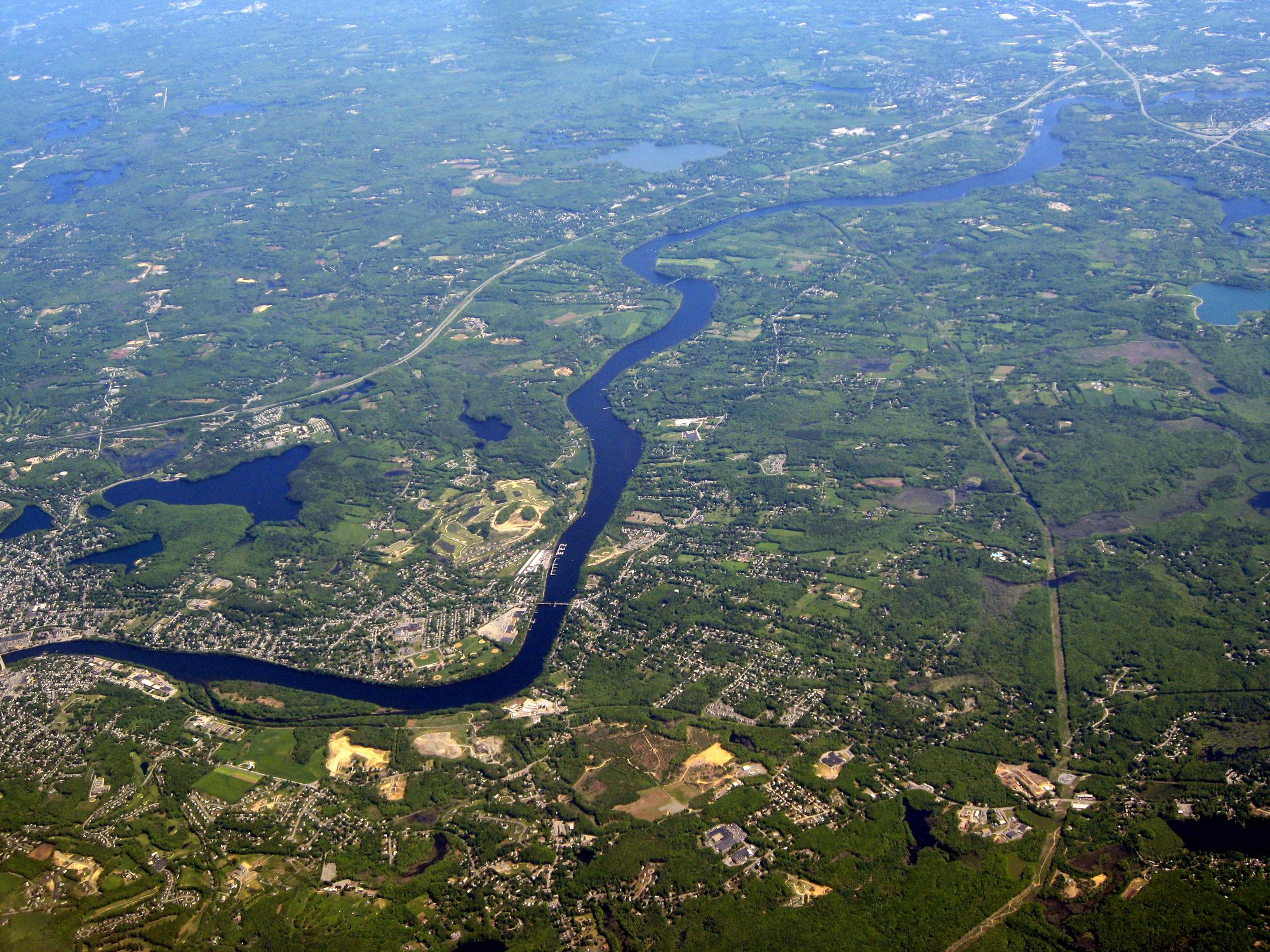
Merrimack River
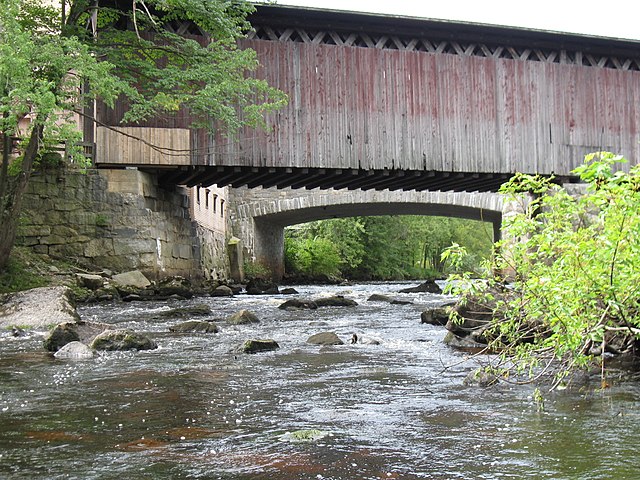
Contoocook River
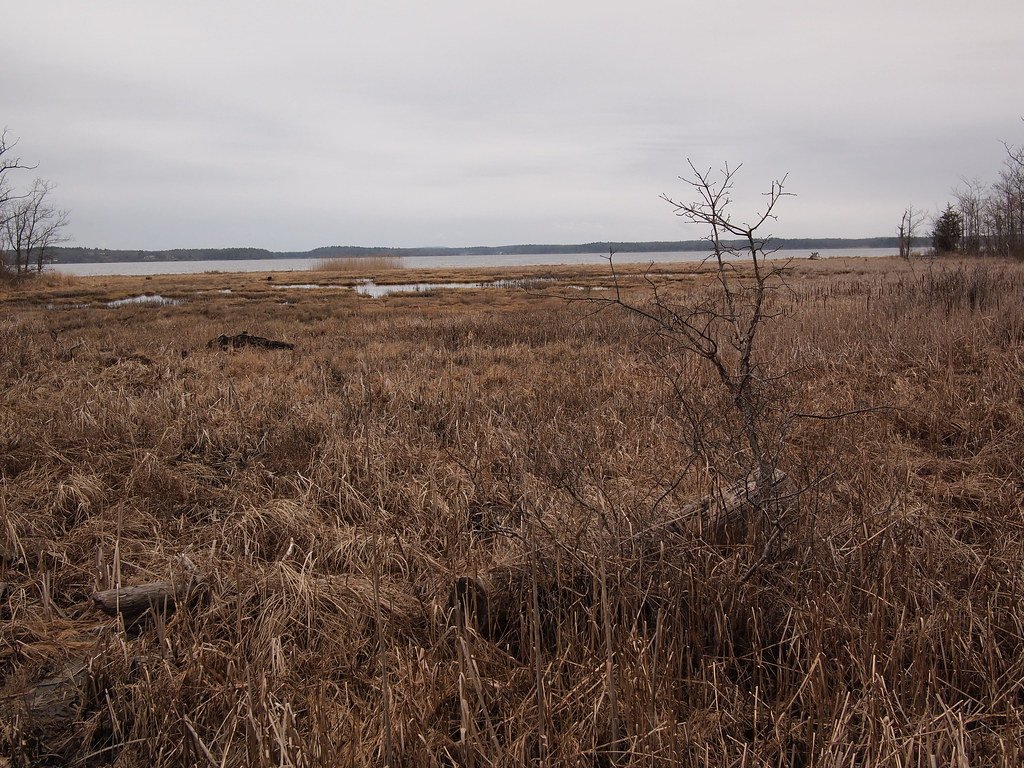
Great Bay
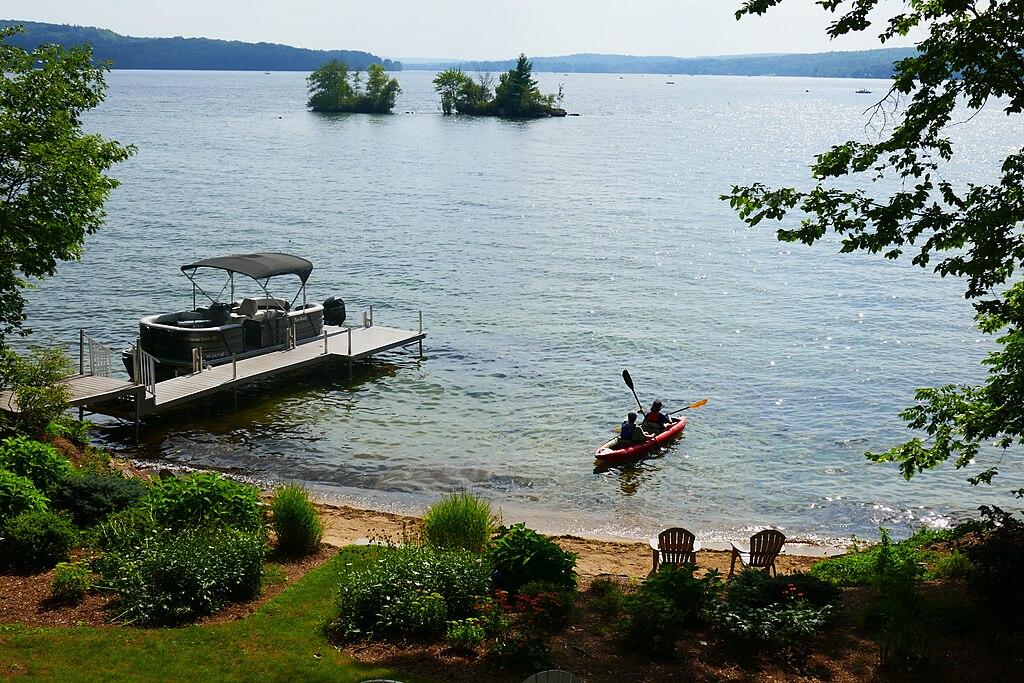
Lake Winnisquam
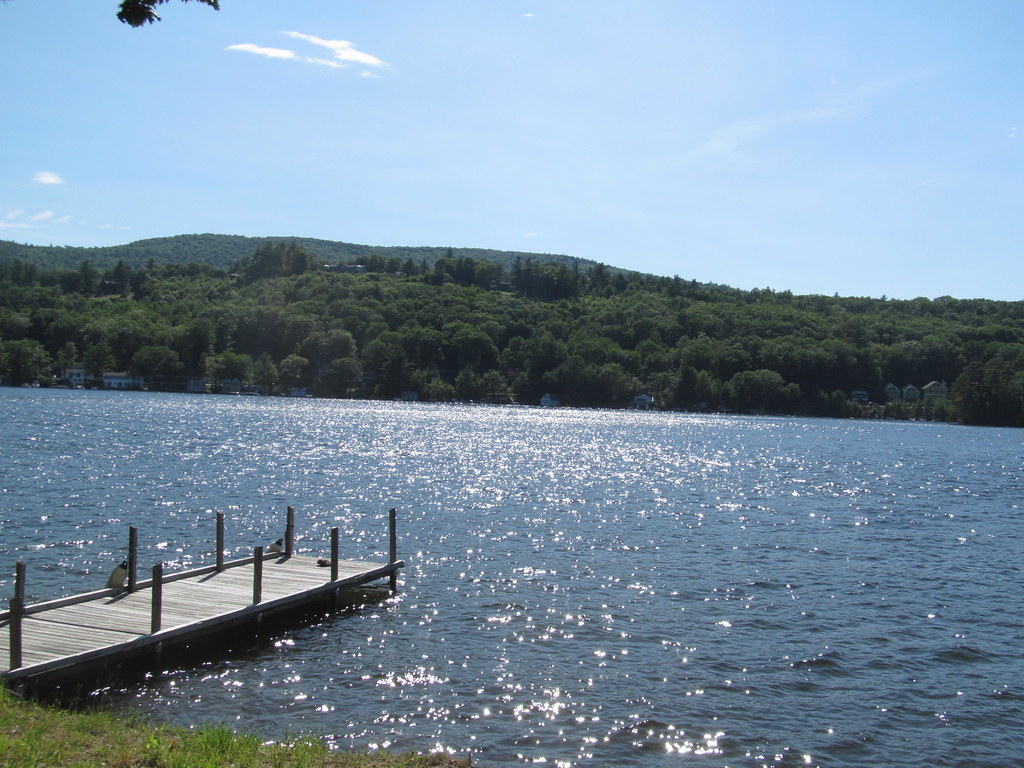
Lake Winnipesaukee
Piscataqua River
Sunapee Lake
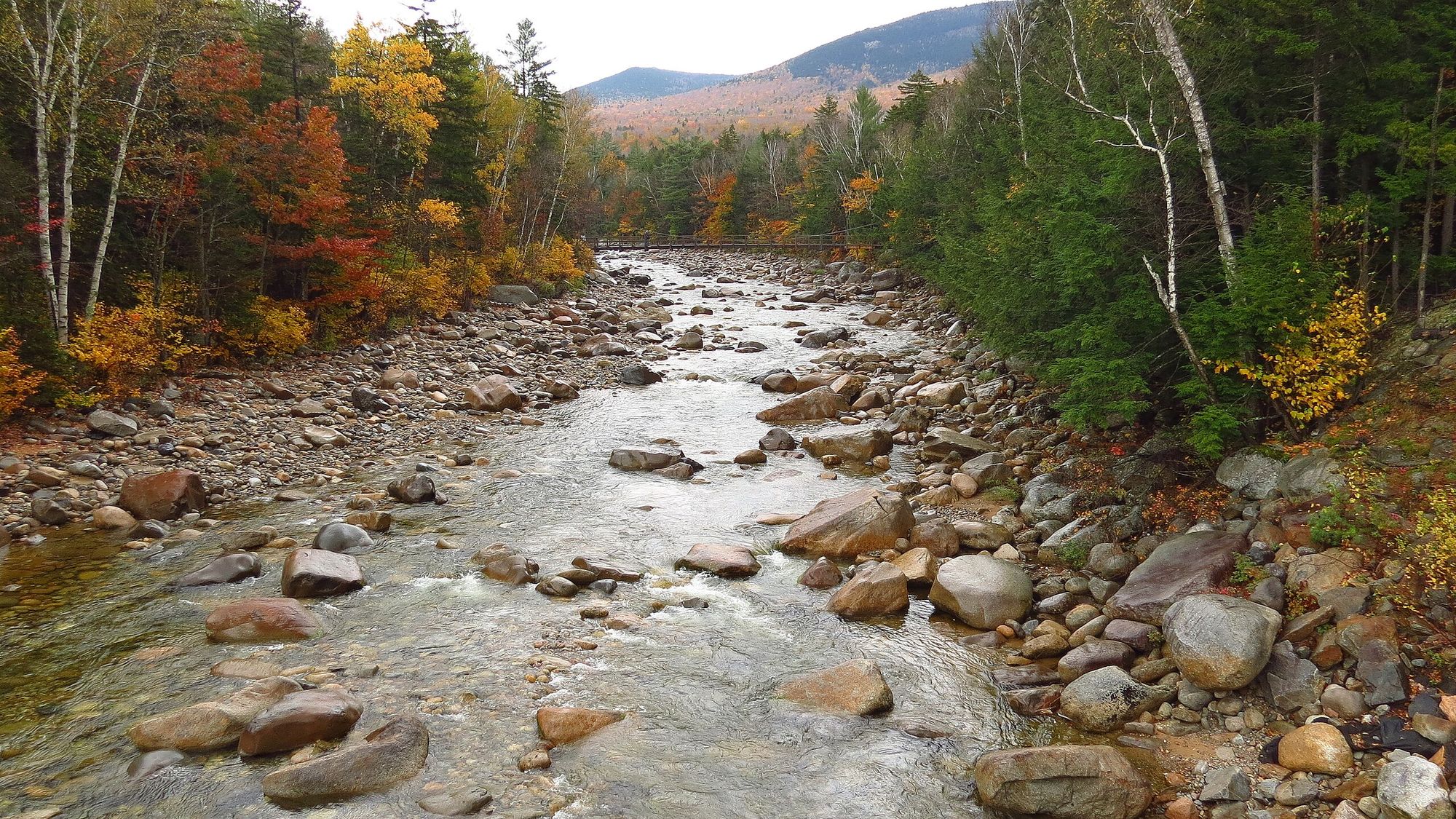
Pemigewasset River
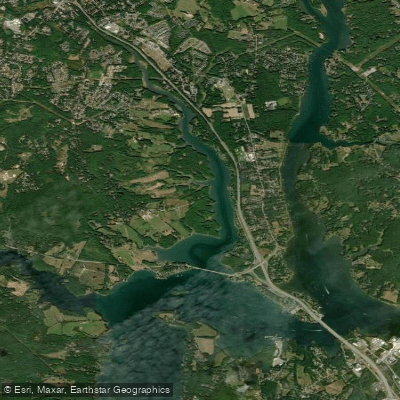
Bellamy River
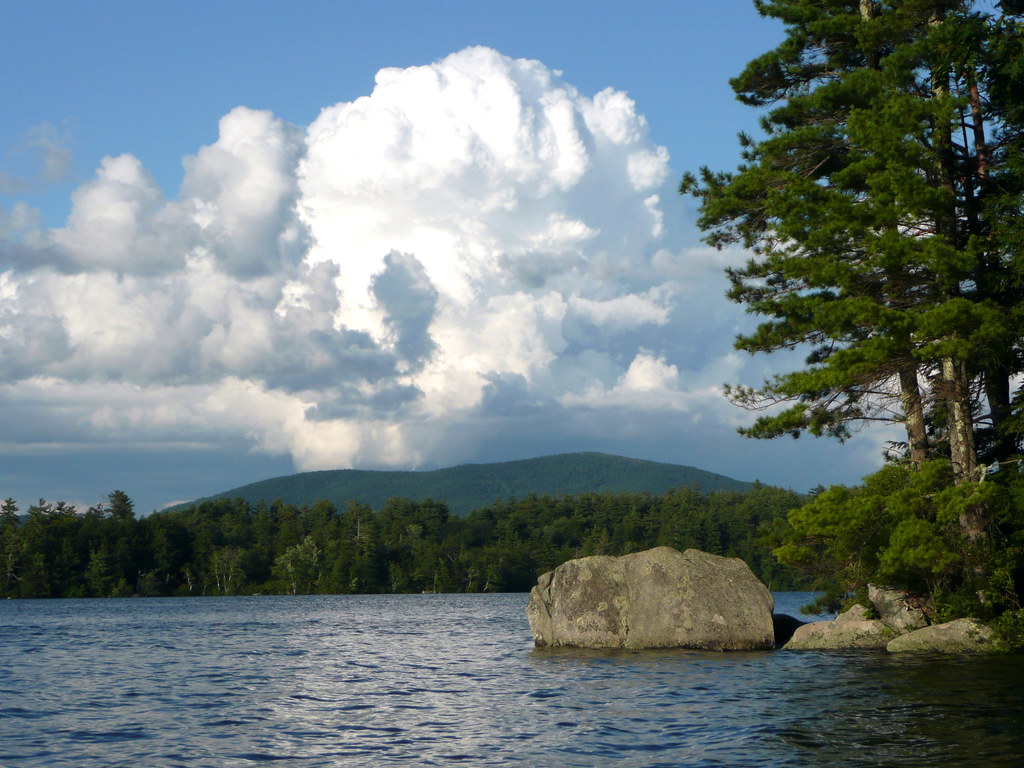
Squam Lake
What to know
Habitat Distribution
- In New Hampshire's Connecticut River habitat, they prefer deep pools and areas with reduced flows, particularly nutrient-rich setbacks or eddies with fallen trees or root masses that provide ambush points.
Key Locations
- Connecticut River from the Bellows Falls Dam (Walpole, NH) downstream to the Massachusetts border.
Specific Spots
- Focus on deep pools and current breaks, particularly areas with fallen trees or root masses where catfish ambush prey.
- In the Connecticut River, concentrate on areas with reduced current flow, eddies, and structural elements that create feeding opportunities.
Channel Catfish FAQ
Answers from onWater's species guide.
What are the best lures and bait for Channel Catfish in New Hampshire?
The most effective baits are prepared 'punch baits' - thick, fiber-laden stink baits that stick to treble hooks without additional devices. Quality brands include CJ's Catfish Punch Bait, Team Catfish Sudden Impact Fiber Bait, and Sure Shot Catfish Punch Bait.
When is the best time to fish for Channel Catfish in New Hampshire?
The best fishing occurs from late spring through early fall, with summer offering peak action when water temperatures are consistently warm.
How do you catch Channel Catfish in New Hampshire?
Fish near the bottom using minimal weight to detect their characteristically light bites. Set hooks quickly as channel cats are known to drop baits when they feel resistance.
What do Channel Catfish eat?
Channel catfish are opportunistic omnivores. Their diet varies by size: juveniles feed on aquatic detritus, insects, and zooplankton, while adults consume insects, snails, crayfish, small fish, aquatic plants, seeds, and occasionally small mammals and birds.
Where do Channel Catfish live in New Hampshire?
In New Hampshire's Connecticut River habitat, they prefer deep pools and areas with reduced flows, particularly nutrient-rich setbacks or eddies with fallen trees or root masses that provide ambush points.
Fish smarter with real-time insights
Whether you're en route and conditions shift or you're looking for the best spot based on current flows, we enable you to make informed decisions on the fly.




See it in the app
Most maps show you water.
onWater shows you Channel Catfish.



- 01 · Species map filter
Map every Channel Catfish water
Pick Channel Catfish and the map zeroes in on the waters they call home. No more guessing which lake holds them.
- 02 · Waterbody species
Tap any water. See what lives there.
Species, behavior and seasonal patterns for every lake, river and pond, before you leave the driveway.
- 03 · Angler Intelligence
Ask how to catch Channel Catfish
Tactics, gear and timing from onWater's AI fishing guide, tuned to the species and the water you're on.
Stop guessing where Channel Catfish are.
Open the map, filter by Channel Catfish, and head to water that holds them. Download onWater and plan your next trip in minutes.
- Species map filter
- Angler Intelligence
- Fishing journal
Explore other species
Trout, bass, salmon, panfish and everything in between. Each guide unpacks the behavior, seasons, and tactics that put fish in the net.
No species information available.
New Hampshire licenses and regulations
Explore nearby waters
Explore New Hampshire waters
Top fishing waters
Popular Cities
Loading popular cities...

Smarter Fishing Starts in the App.
onWater Fish gives you everything you need to plan smarter, fish better, and own every trip from first cast to last.