Walleye

Walleye in New Hampshire are non-native fish introduced from Lake Champlain stock that have established themselves primarily in the Connecticut River system from Monroe to Hinsdale, with occasional catches in the lower Contoocook and Merrimack Rivers.
- These torpedo-shaped predatory fish feature large, pearlescent eyes with reflective pupils that give them their name, sharp canine teeth, and olive to dark brown coloration with yellowish-brown to brassy green sides.
- Their reflective eyes are specially adapted for feeding in low-light conditions.
Fishing in New Hampshire
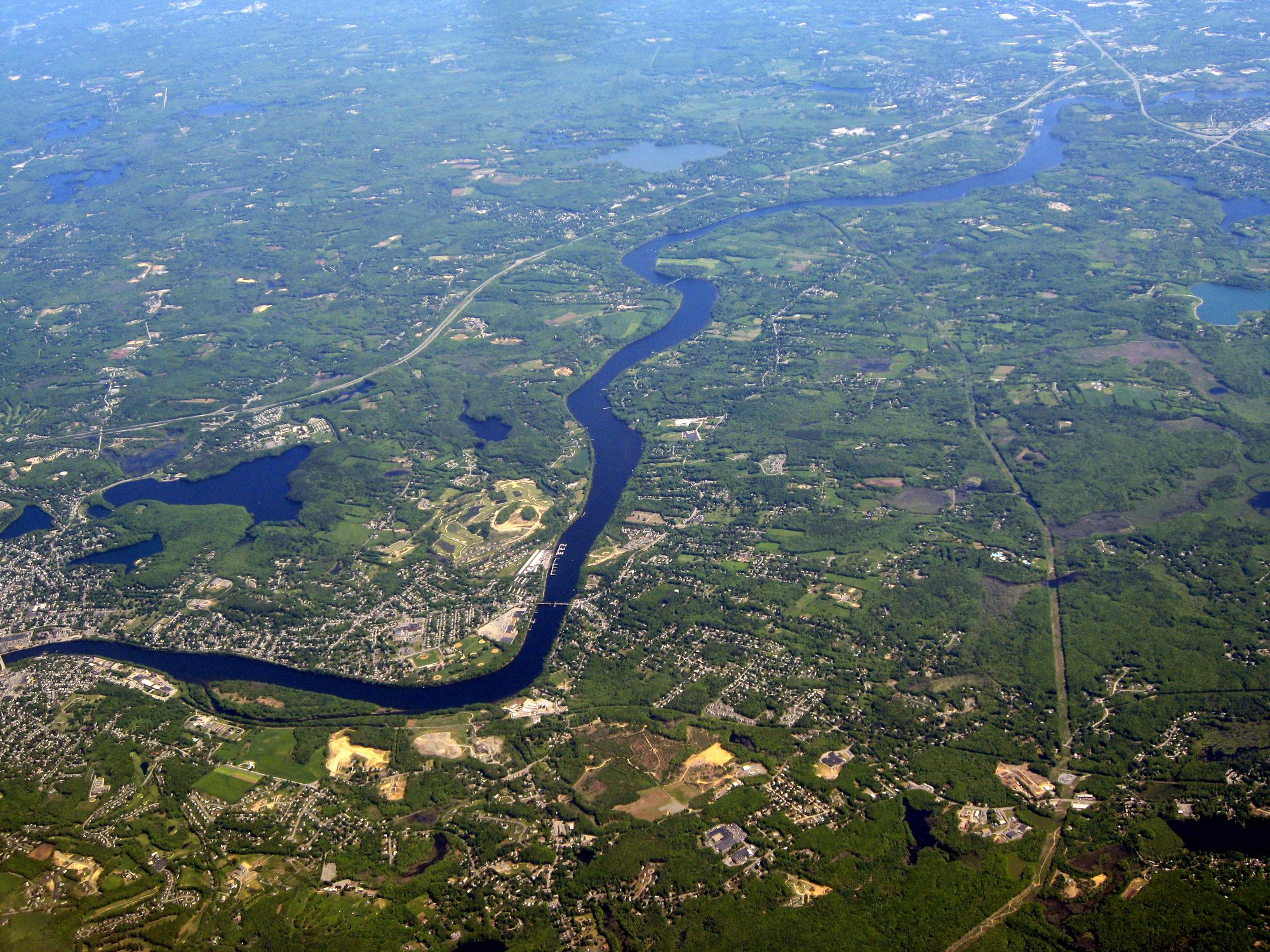
Merrimack River
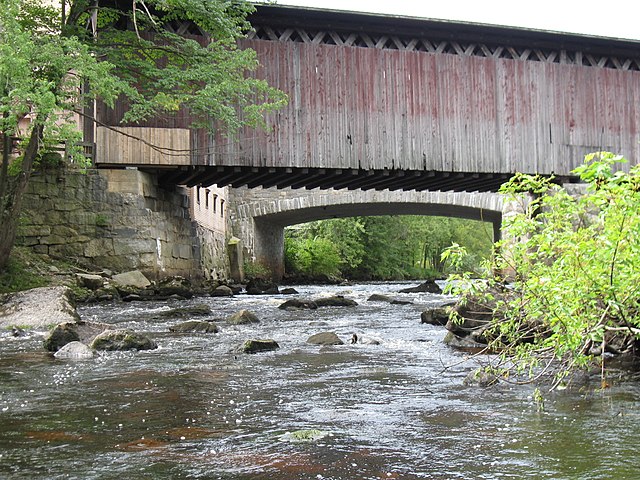
Contoocook River
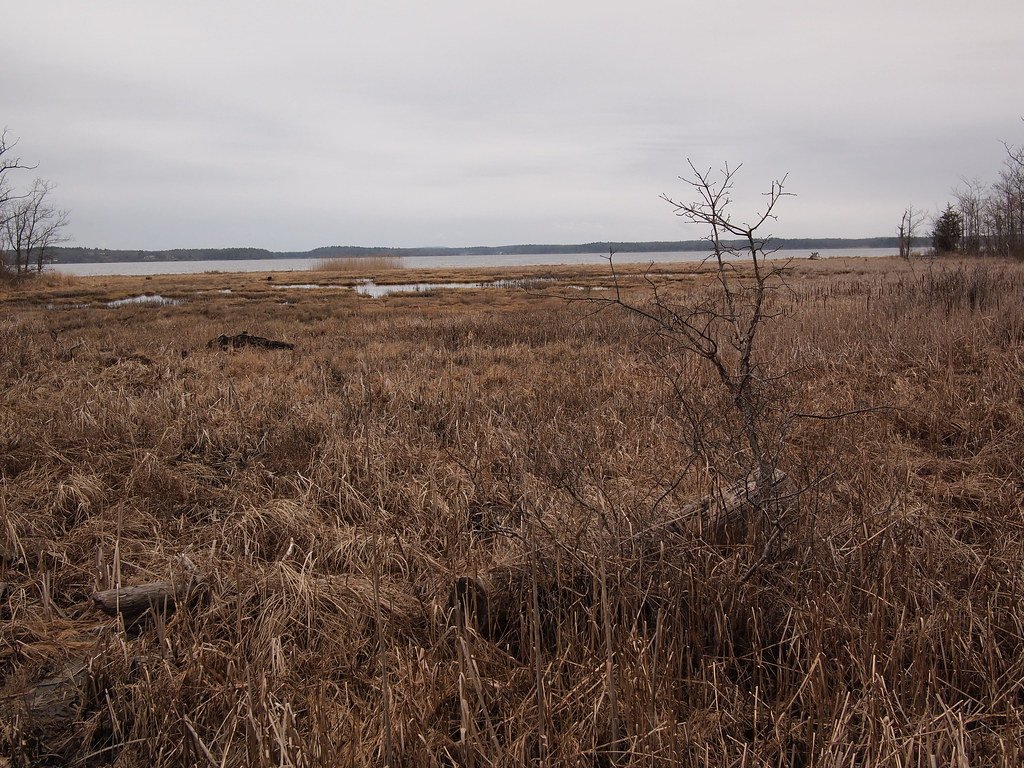
Great Bay
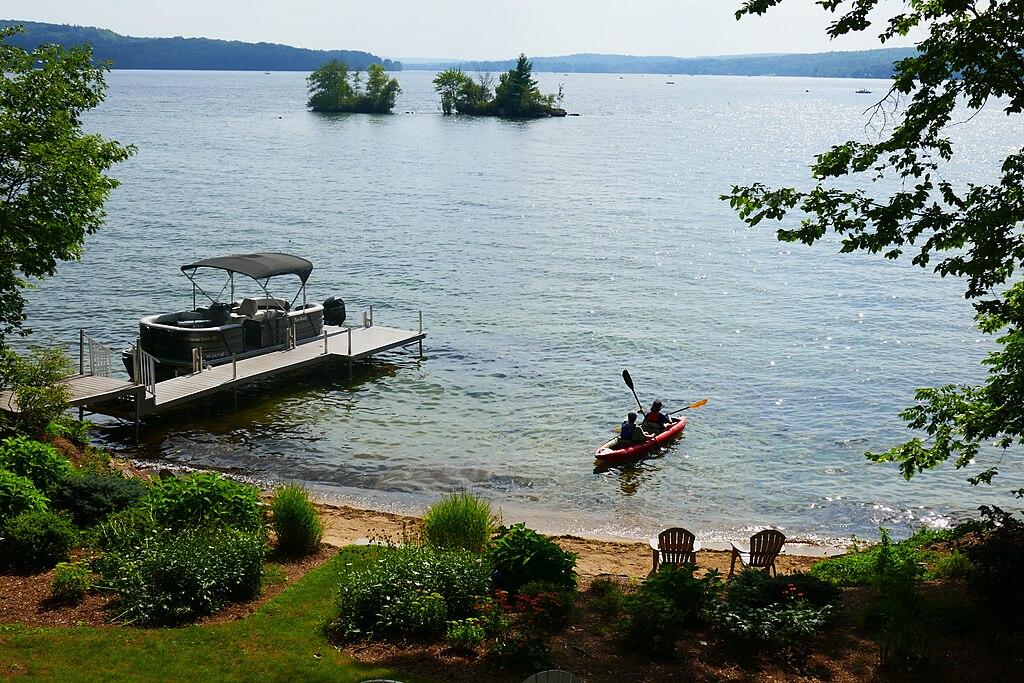
Lake Winnisquam
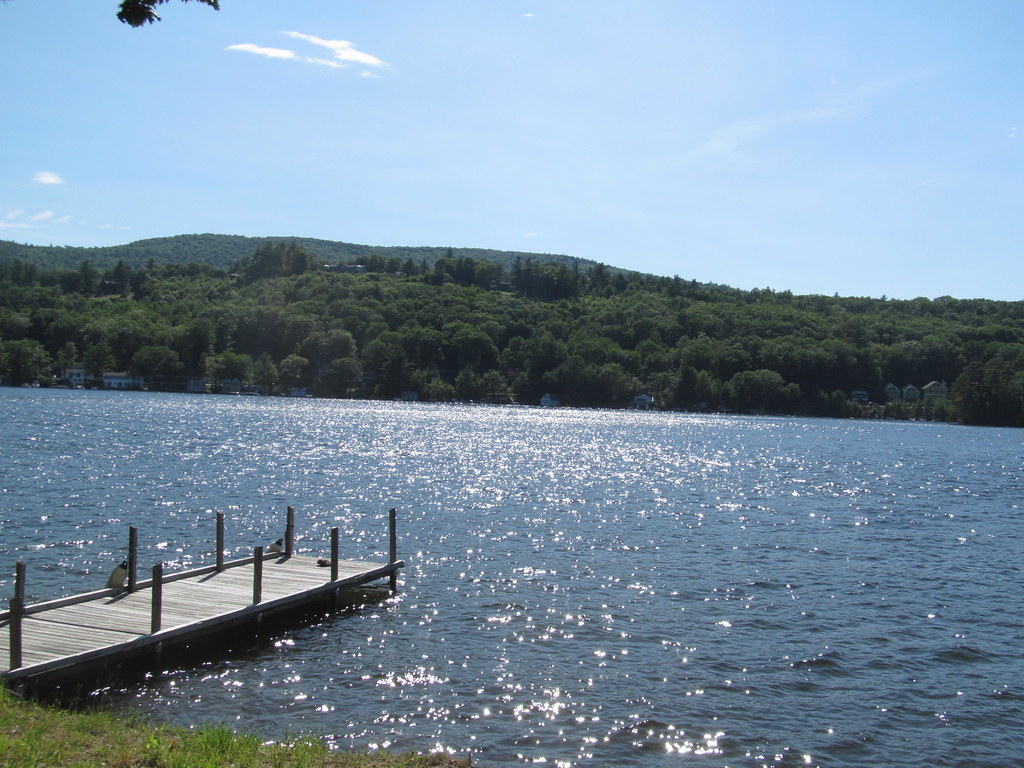
Lake Winnipesaukee
Piscataqua River
Sunapee Lake
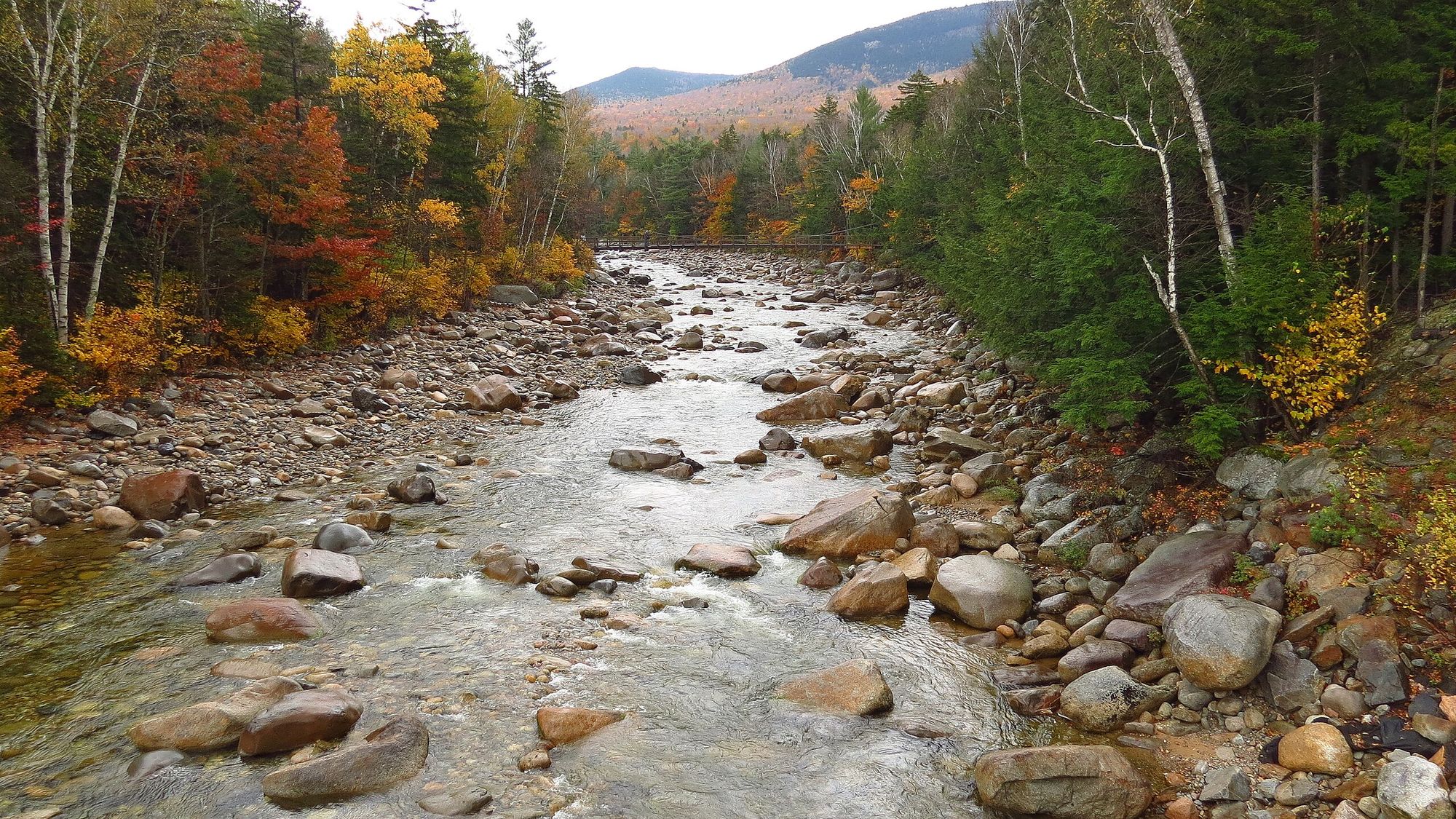
Pemigewasset River
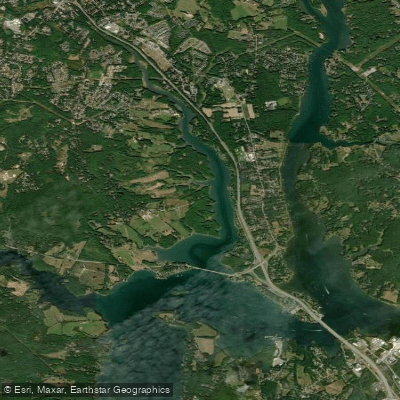
Bellamy River
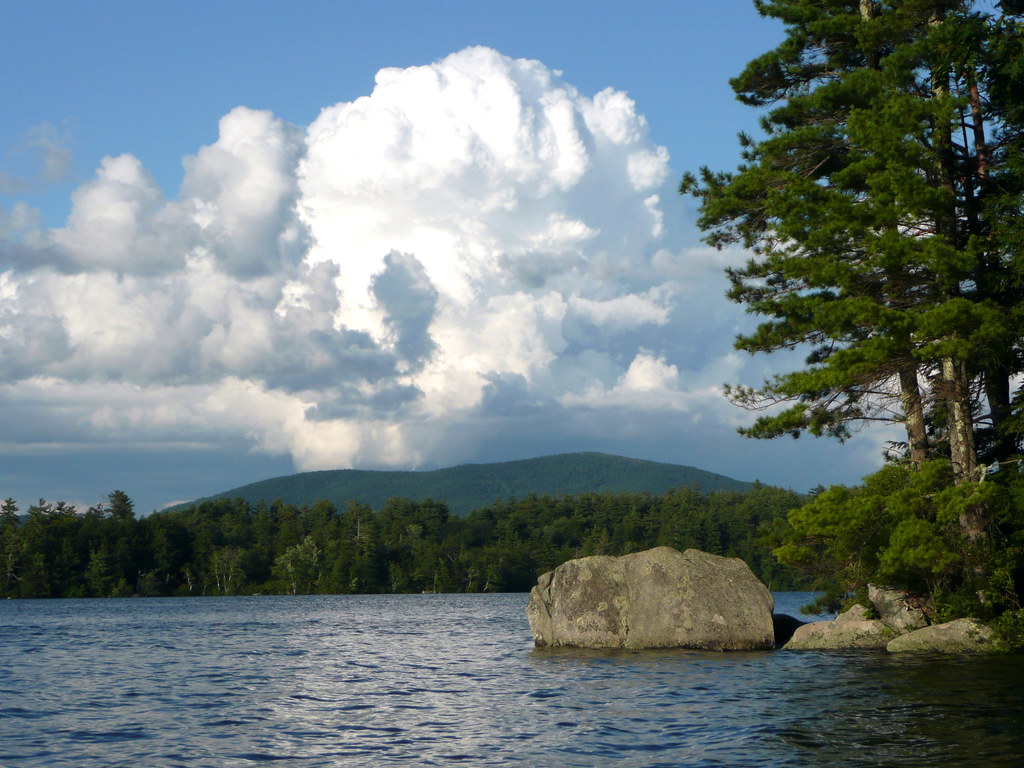
Squam Lake
What to know
Habitat Distribution
- Walleye are classified as a 'cool water' species, preferring temperatures between bass and trout habitats.
- They prefer firm bottoms of sand, gravel, or rock.
Key Locations
- Connecticut River system from Monroe to Hinsdale, with occasional catches in the lower Contoocook and Merrimack Rivers.
- Connecticut River tailraces below dams and tributary stream mouths.
Specific Spots
- Focus fishing efforts around structure like boulders, sunken trees, vegetation, rock piles, sand flats, weed lines, transition areas, underwater humps, and current seams.
Walleye FAQ
Answers from onWater's species guide.
What are the best lures and bait for Walleye in New Hampshire?
Curly tail grubs or soft plastics tipped with live shiners, crawler harnesses with nightcrawlers, crankbaits.
What flies work for Walleye in New Hampshire?
Woolly Buggers, Clouser Minnows, deceivers, and half/half patterns in colors like white, brown, black, purple, olive, orange/chartreuse, chartreuse/yellow, black/red, chartreuse/pink, red/white, red/black, and all black. Sculpin patterns in brown, black, and olive. Crawfish patterns in tan, brown, olive, or orange.
When is the best time to fish for Walleye in New Hampshire?
Most productive during spring and early summer (April-July). Spring fishing in the Connecticut River tailraces below dams and tributary stream mouths is highly effective. Target depths vary seasonally, with walleye found in shallow water during spring and moving to deeper, cooler water during summer heat.
How do you catch Walleye in New Hampshire?
Spring fishing using jig heads with soft plastics drifted along the bottom to bounce naturally with the current. Summer trolling becomes the most popular method, using crawler harnesses with nightcrawlers attached to bottom bouncers, or trolling/casting crankbaits. Balanced leeches work well under indicators.
What do Walleye eat?
Fish are their primary forage, followed by invertebrates, with yellow perch being a preferred prey species. In New Hampshire waters, walleye feed on threadfin shad, various minnows, crayfish, leeches, worms, and insects.
Fish smarter with real-time insights
Whether you're en route and conditions shift or you're looking for the best spot based on current flows, we enable you to make informed decisions on the fly.




See it in the app
Most maps show you water.
onWater shows you Walleye.



- 01 · Species map filter
Map every Walleye water
Pick Walleye and the map zeroes in on the waters they call home. No more guessing which lake holds them.
- 02 · Waterbody species
Tap any water. See what lives there.
Species, behavior and seasonal patterns for every lake, river and pond, before you leave the driveway.
- 03 · Angler Intelligence
Ask how to catch Walleye
Tactics, gear and timing from onWater's AI fishing guide, tuned to the species and the water you're on.
Stop guessing where Walleye are.
Open the map, filter by Walleye, and head to water that holds them. Download onWater and plan your next trip in minutes.
- Species map filter
- Angler Intelligence
- Fishing journal
Explore other species
Trout, bass, salmon, panfish and everything in between. Each guide unpacks the behavior, seasons, and tactics that put fish in the net.
No species information available.
New Hampshire licenses and regulations
Explore nearby waters
Explore New Hampshire waters
Top fishing waters
Popular Cities
Loading popular cities...

Smarter Fishing Starts in the App.
onWater Fish gives you everything you need to plan smarter, fish better, and own every trip from first cast to last.