Fishing in Yukon
- Lakes
- 1,182
- Rivers
- 1,488
- Access
- 0
- Boat Ramps
- 30
- Shops
- 0
Yukon sits in Canada's northwest corner, sharing borders with Alaska, British Columbia, and the Northwest Territories. It's a place where the road network thins out fast and most of the territory is accessible only by floatplane or on foot.
The water here is cold, clear, and largely unfished — not because it's hard to find, but because there simply aren't many people around to fish it.
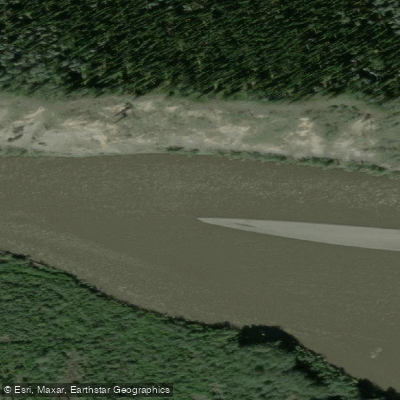
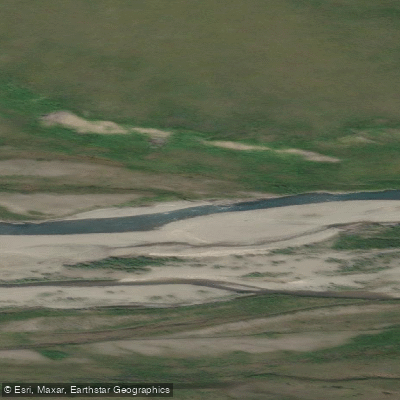
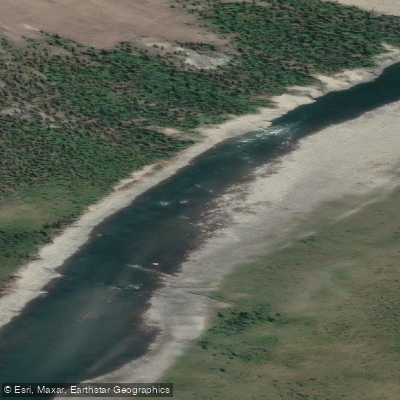
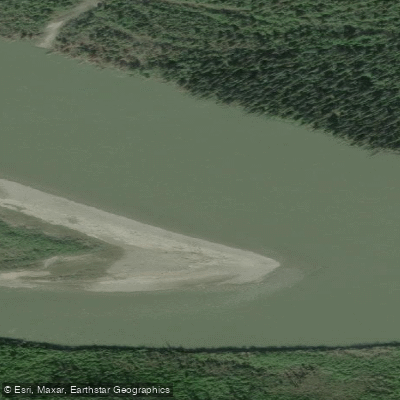
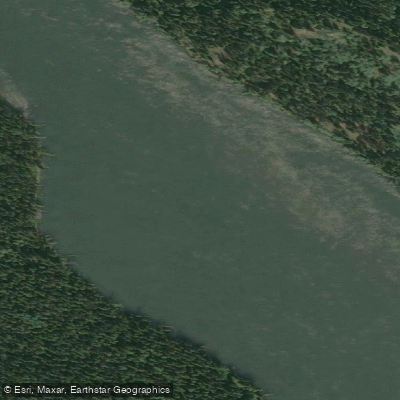
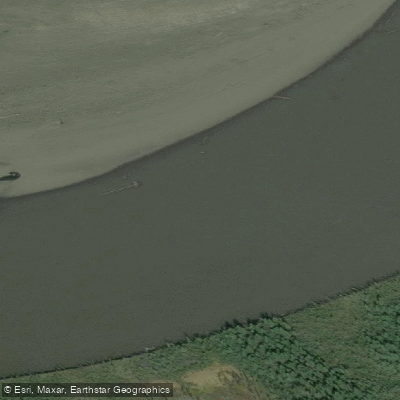
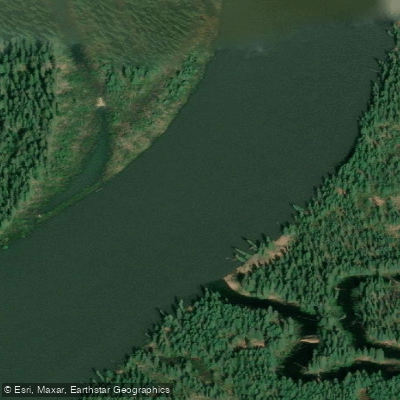
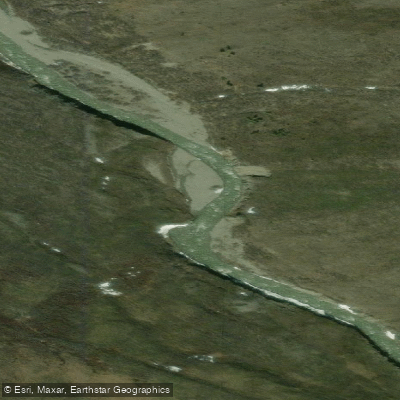
The backbone of the system is the Yukon River and its tributaries, draining a vast interior of boreal forest, tundra, and glacier-fed mountains.
Arctic grayling are the fish you'll encounter most consistently — in rivers, in streams, at the mouths of clear-water tributaries where they pour into silt-laden mainstems.
Around Dawson City, the confluence of the Klondike and Yukon Rivers is a reliable spot to find them from shore, and grayling average around half a kilogram, though they run bigger.
They're a willing fish on a dry fly and a good introduction to what Yukon water feels like. Lake trout are the other constant.
In southern Yukon, around Kluane National Park near Haines Junction, the lakes are shallow enough that lakers can't go deep to find cold water — instead they stack up near glacier- and snowmelt-fed inflows all summer long, which makes them genuinely accessible on a fly rod in a way they rarely are further south.
Dezadeash Lake is one of the better-known waters in this area. The Yukon Fish and Game Association closes portions of it to lake trout fishing in midsummer near the creek inlets to protect fish during that period — worth checking current rules before you go.
Northern pike show up in river sloughs and backwaters, and inconnu — a large, predatory whitefish that not many anglers outside the north have chased — are present in the Yukon and Klondike systems.
Salmon fishing is possible but limited, and targeting them requires a Salmon Conservation Catch Card in addition to a standard Yukon fishing licence, both available through the Yukon government.
Waters inside Kluane and Ivvavik National Parks require a separate Parks Canada fishing licence. The fishing season runs roughly from late May through September, with ice fishing extending the calendar into winter.
The long summer days mean you can fish at midnight with full light — which sounds like a novelty until you're actually doing it and realize you've lost track of time entirely.
Cell service disappears quickly outside of communities, and rural stores are limited; Whitehorse is the place to sort out gear, licences, and communications equipment before heading out.
Most of the territory's best water rewards the angler who's willing to get off the road. That's not a warning — it's the point.
Species & education
Learn what type of fish are in Yukon and what's needed to catch them.
Find which waters have the species you want to catch

Largemouth Bass
Micropterus salmoides

Smallmouth Bass
Micropterus dolomieu

Rainbow Trout
Oncorhynchus mykiss

Brown Trout
Salmo trutta

Brook Trout
Salvelinus fontinalis
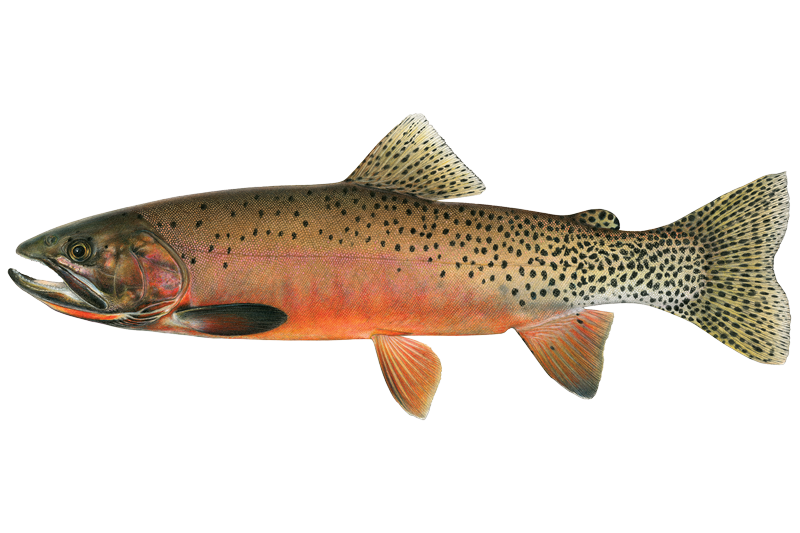
Cutthroat Trout
Oncorhynchus clarkii

Northern Pike
Esox lucius

Muskellunge
Esox masquinongy

Walleye
Sander vitreus

Black Crappie
Pomoxis nigromaculatus

Acadian Redfish
Sebastes fasciatus

Alaska Whitefish
Coregonus nelsonii

Albacore
Thunnus alalunga

Alewife
Alosa pseudoharengus

American Eel
Anguilla rostrata

American Plaice
Hippoglossoides platessoides

American Shad
Alosa sapidissima

Anadromous Bull Trout

Arctic Char
Salvelinus alpinus

Arctic Grayling
Thymallus arcticus

Arctic Lamprey

Athabasca Rainbow Trout

Atlantic Bluefin Tuna
Thunnus thynnus

Atlantic Cod
Gadus morhua

Atlantic Halibut
Hippoglossus hippoglossus

Atlantic Herring
Clupea harengus

Atlantic Mackerel
Scomber scombrus

Atlantic Salmon
Salmo salar

Atlantic Sturgeon
Acipenser oxyrinchus

Atlantic Tomcod
Microgadus tomcod

Atlantic Wolffish
Anarhichas lupus

Bighead Carp
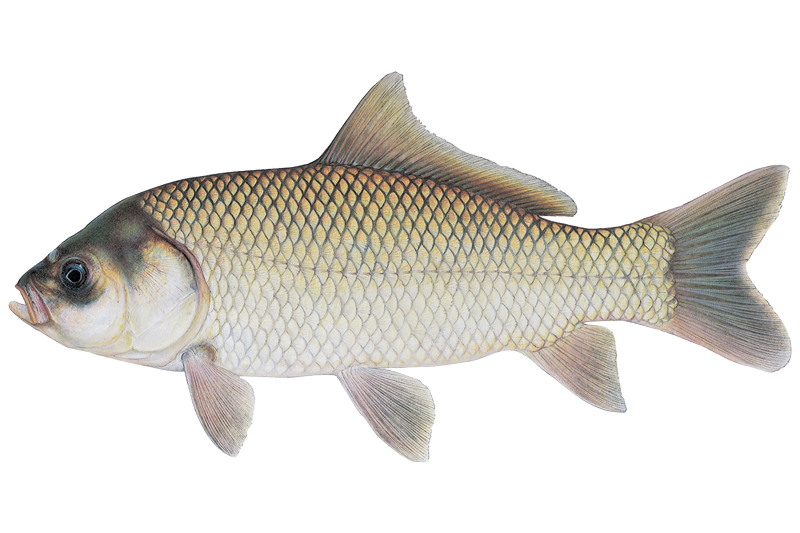
Bigmouth Buffalo
Ictiobus cyprinellus

Black Bullhead
Ameiurus melas

Blacknose Dace

Black Redhorse
Moxostoma duquesnei

Black Rockfish
Sebastes melanops

Black Sea Bass
Centropristis striata

Bloater

Bluefin Tuna
Thunnus thynnus
Fish smarter with real-time insights
Whether you're en route and conditions shift or you're looking for the best spot based on current flows, we enable you to make informed decisions on the fly.




Yukon licenses and regulations
Explore Yukon waters
Top fishing waters
Popular Cities
Loading popular cities...

Smarter Fishing Starts in the App.
onWater Fish gives you everything you need to plan smarter, fish better, and own every trip from first cast to last.