Fishing in Northwest Territories
- Lakes
- 2,087
- Rivers
- 629
- Access
- 0
- Boat Ramps
- 2
- Shops
- 0
The Northwest Territories covers a vast stretch of subarctic and arctic Canada, most of it water.
Lakes without names outnumber the ones on maps, rivers run for hundreds of kilometres before meeting another road, and the fish — lake trout, northern pike, arctic grayling, arctic char, inconnu, walleye — have had generations to grow large and largely undisturbed.
This is not a place you drive to on a whim. Getting around is expensive, and much of the best fishing is only reachable by float plane. Great Slave Lake, close to Yellowknife, is the most accessible starting point for visiting anglers.
It holds lake trout, walleye, inconnu, and arctic grayling, and the tributary rivers that feed it — including the Yellowknife River — fish well for grayling.
Great Bear Lake, farther north and harder to reach, has a reputation built on lake trout of a size that's difficult to take seriously until you've seen one.
Trout over 60 pounds have come out of these waters, and the fish grow slowly in the cold — a big one may be 50 years old, which is part of why catch-and-release is standard practice at the lodges that operate there.
Barbless hooks are mandatory for sport fishing across the territory. For fly fishing, the Kakisa River is worth knowing about.
It's typically the first water to thaw in spring, usually around early May, and the arctic grayling run there draws anglers from as far as southern Alberta.
The fish are coloured up, the males showing their full sail-like dorsal fins, and the river has converted more than a few spin anglers to the fly.
The South Nahanni River, in the southwest, and the broader Dehcho region offer a different character — big river country with pike and grayling in the mix.
Further into the barrenlands, lakes like Aylmer Lake and Point Lake sit well past the end of any road, accessible only by float plane out of Yellowknife. The fishing pressure on these waters is close to zero.
Lake trout there feed near the surface through the short summer because the water stays cold enough that they never need to go deep — no downriggers required.
Sport fishing licences are issued by the Government of the Northwest Territories Department of Environment and Climate Change, and annual licences expire March 31. Special Management Areas and national parks may require additional permits.
The regulations vary by water and species — the Mackenzie River Management Area has specific restrictions for arctic grayling and northern pike, and parts of Great Slave Lake have separate rules for lake trout — so checking the current chart for the specific water you plan to fish is worth doing before you go, not after you arrive.
The NWT fishes best in summer, when the days are long and the lodges are open, but ice fishing is possible for those willing to deal with the cold and the dark. Most people who make the trip once start thinking about coming back before they've even left.
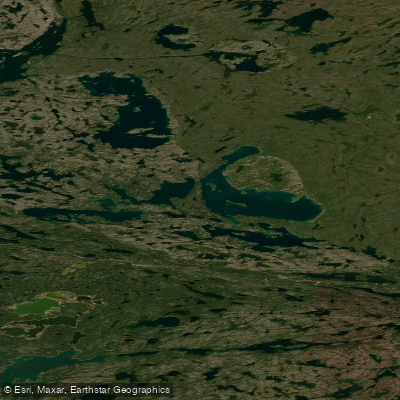
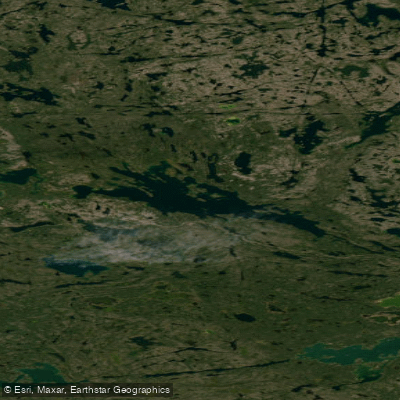
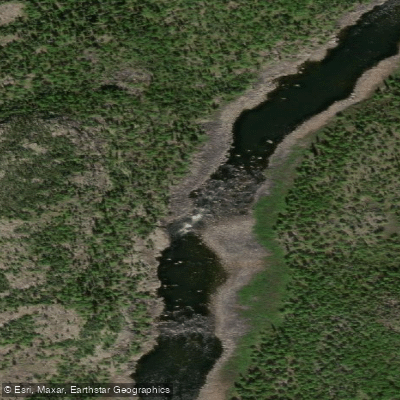
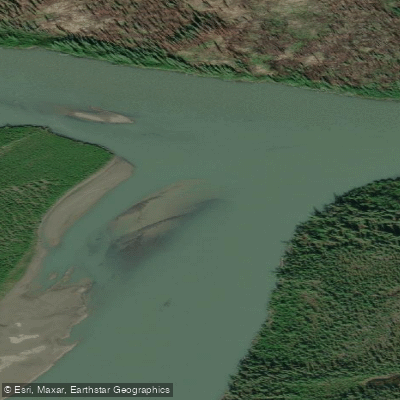
Top waters to fish near Northwest Territories
Species & education
Learn what type of fish are in Northwest Territories and what's needed to catch them.
Find which waters have the species you want to catch

Largemouth Bass
Micropterus salmoides

Smallmouth Bass
Micropterus dolomieu

Rainbow Trout
Oncorhynchus mykiss

Brown Trout
Salmo trutta

Brook Trout
Salvelinus fontinalis
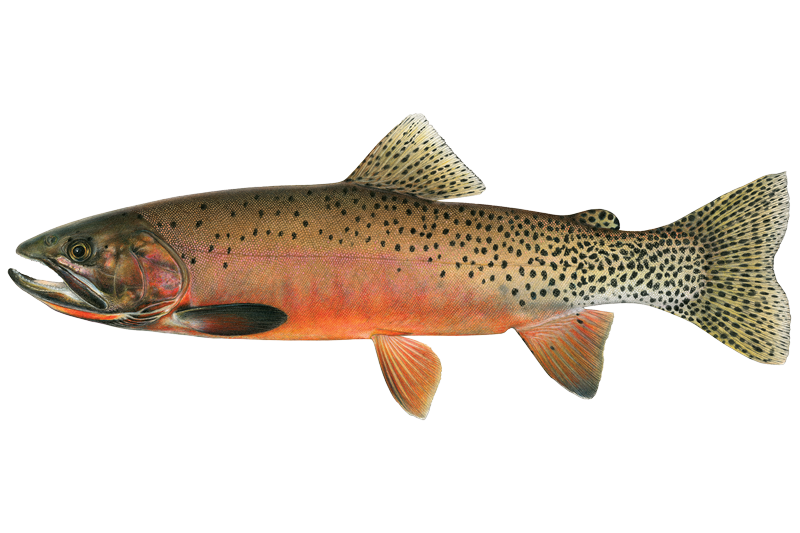
Cutthroat Trout
Oncorhynchus clarkii

Northern Pike
Esox lucius

Muskellunge
Esox masquinongy

Walleye
Sander vitreus

Black Crappie
Pomoxis nigromaculatus

Acadian Redfish
Sebastes fasciatus

Alaska Whitefish
Coregonus nelsonii

Albacore
Thunnus alalunga

Alewife
Alosa pseudoharengus

American Eel
Anguilla rostrata

American Plaice
Hippoglossoides platessoides

American Shad
Alosa sapidissima

Anadromous Bull Trout

Arctic Char
Salvelinus alpinus

Arctic Grayling
Thymallus arcticus

Arctic Lamprey

Athabasca Rainbow Trout

Atlantic Bluefin Tuna
Thunnus thynnus

Atlantic Cod
Gadus morhua

Atlantic Halibut
Hippoglossus hippoglossus

Atlantic Herring
Clupea harengus

Atlantic Mackerel
Scomber scombrus

Atlantic Salmon
Salmo salar

Atlantic Sturgeon
Acipenser oxyrinchus

Atlantic Tomcod
Microgadus tomcod

Atlantic Wolffish
Anarhichas lupus

Bighead Carp
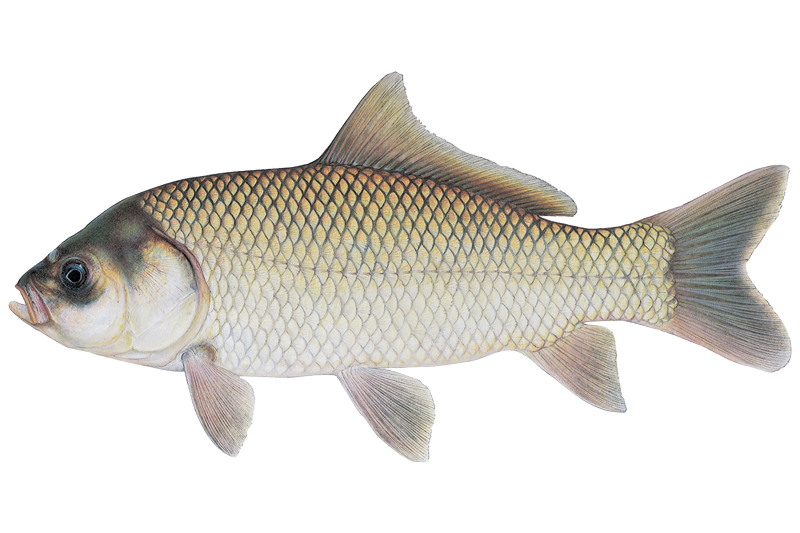
Bigmouth Buffalo
Ictiobus cyprinellus

Black Bullhead
Ameiurus melas

Blacknose Dace

Black Redhorse
Moxostoma duquesnei

Black Rockfish
Sebastes melanops

Black Sea Bass
Centropristis striata

Bloater

Bluefin Tuna
Thunnus thynnus
Fish smarter with real-time insights
Whether you're en route and conditions shift or you're looking for the best spot based on current flows, we enable you to make informed decisions on the fly.




Northwest Territories licenses and regulations
Explore Northwest Territories waters
Top fishing waters
Popular Cities
Loading popular cities...

Smarter Fishing Starts in the App.
onWater Fish gives you everything you need to plan smarter, fish better, and own every trip from first cast to last.