Fishing in Newfoundland and Labrador
- Lakes
- 6,665
- Rivers
- 1,643
- Access
- 8
- Boat Ramps
- 709
- Shops
- 0
Newfoundland and Labrador is a vast, mostly roadless province at the eastern edge of Canada — part island, part mainland — where the fishing is shaped by cold Atlantic currents, thousands of kilometres of river, and a culture that has been pulling fish from the water for centuries.
The landscape runs from boreal forest and bog to subarctic tundra, and the water is everywhere: coastal bays, deep interior lakes, and rivers that drain into both the Atlantic and the Labrador Sea. The freshwater scene is anchored by Atlantic salmon.
The province holds over 60% of North America's best Atlantic salmon rivers, with nearly 200 of them, including the Humber, Exploits, Gander, and Eagle.
The main angling season runs June through September, with catch-and-release fishing extending into October on the Gander, Exploits, and Humber. Some fish push 30 pounds.
Non-residents are required to fish inland waters with a licensed guide or outfitter — that's not a suggestion, it's the rule — and salmon angling requires a licence plus tags and a logbook.
Fisheries and Oceans Canada manages the inland fishery and publishes the annual Anglers' Guide, which is where you check current season dates, river classifications, and retention rules before you go. Brook trout are the other reason people make the trip.
Wild fish running up to eight pounds show up in rivers and ponds across the island and into Labrador. The Ouananiche — landlocked Atlantic salmon — add another dimension, particularly in Labrador. Arctic char are present in northern Labrador waters.
The season on insular Newfoundland runs in two windows: a short ice-fishing period in late winter, then the main run from mid-May through early September. Labrador zones open earlier and run later depending on where you are.
On the coast, cod fishing has a complicated recent history. The 1992 moratorium shut down commercial fishing after stocks collapsed from overfishing, and recreational fishing was tightly restricted for decades.
By 2024, the Canadian government lifted the commercial ban off the north and east coasts, setting a total allowable catch of 18,000 tonnes — a sign the stocks are rebuilding, slowly.
Recreational cod fishing is allowed but strictly regulated; check current rules before targeting them. Mackerel and squid don't require a licence for saltwater fishing, though rules still apply.
Boat tours along the coast offer traditional-style fishing alongside whale watching and lobster hauls — a different kind of day on the water, but one that connects to what this place actually is.
The interior of Labrador and the more remote parts of the island are genuinely hard to reach. Fly-in access opens up rivers and ponds that see very little pressure.
If you're after that kind of fishing, an outfitter is the practical path as much as the legal one. The guides know which pools are holding fish and which flies are working — and in a province this size, that knowledge matters more than it does most places.
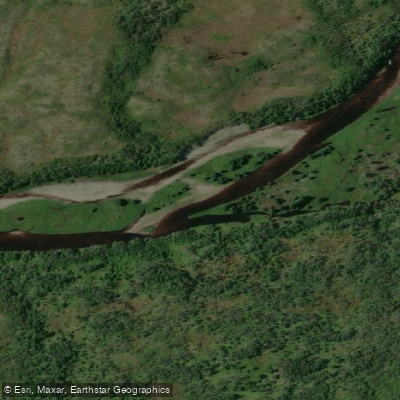
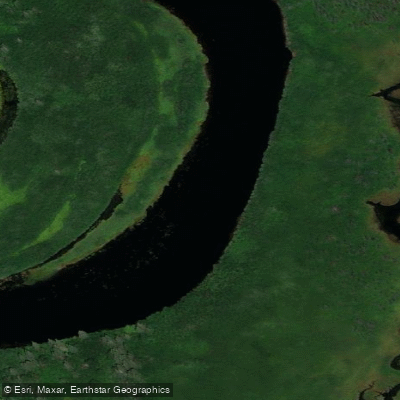
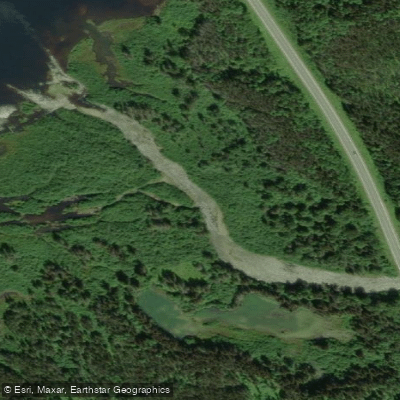
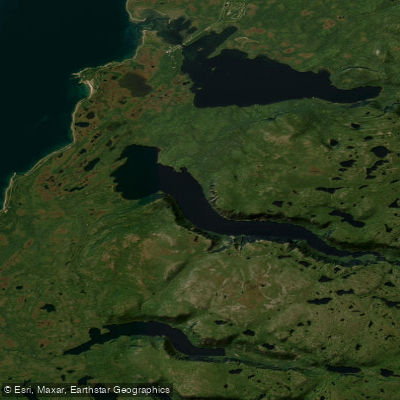
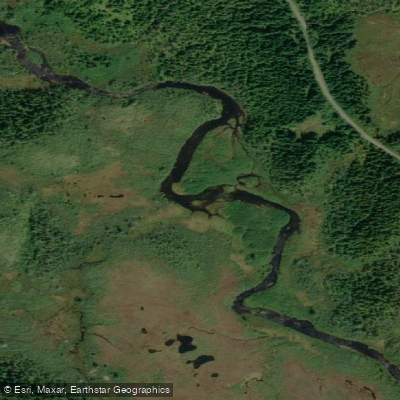
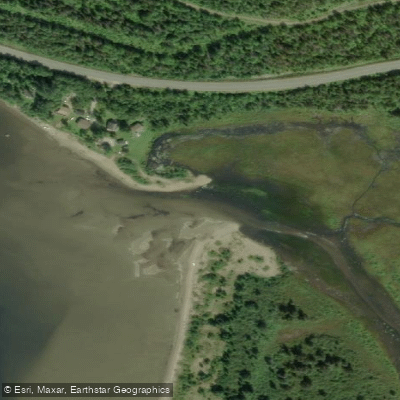
Top waters to fish near Newfoundland And Labrador
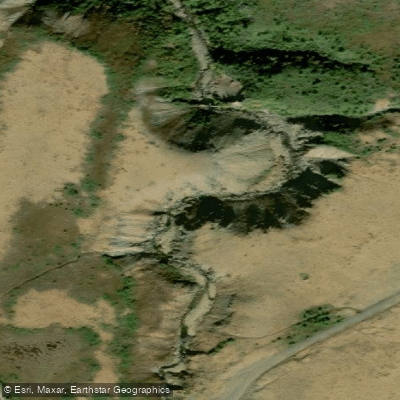

Species & education
Learn what type of fish are in Newfoundland and Labrador and what's needed to catch them.
Find which waters have the species you want to catch

Largemouth Bass
Micropterus salmoides

Smallmouth Bass
Micropterus dolomieu

Rainbow Trout
Oncorhynchus mykiss

Brown Trout
Salmo trutta

Brook Trout
Salvelinus fontinalis
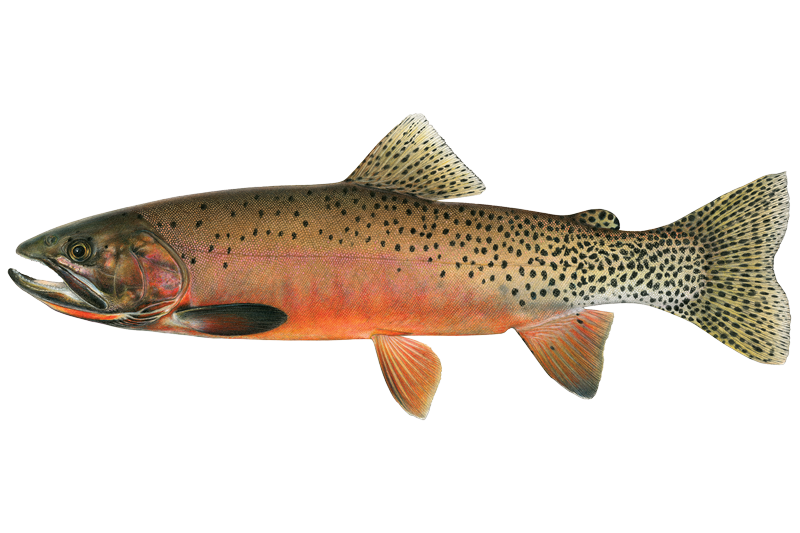
Cutthroat Trout
Oncorhynchus clarkii

Northern Pike
Esox lucius

Muskellunge
Esox masquinongy

Walleye
Sander vitreus

Black Crappie
Pomoxis nigromaculatus

Acadian Redfish
Sebastes fasciatus

Alaska Whitefish
Coregonus nelsonii

Albacore
Thunnus alalunga

Alewife
Alosa pseudoharengus

American Eel
Anguilla rostrata

American Plaice
Hippoglossoides platessoides

American Shad
Alosa sapidissima

Anadromous Bull Trout

Arctic Char
Salvelinus alpinus

Arctic Grayling
Thymallus arcticus

Arctic Lamprey

Athabasca Rainbow Trout

Atlantic Bluefin Tuna
Thunnus thynnus

Atlantic Cod
Gadus morhua

Atlantic Halibut
Hippoglossus hippoglossus

Atlantic Herring
Clupea harengus

Atlantic Mackerel
Scomber scombrus

Atlantic Salmon
Salmo salar

Atlantic Sturgeon
Acipenser oxyrinchus

Atlantic Tomcod
Microgadus tomcod

Atlantic Wolffish
Anarhichas lupus

Bighead Carp
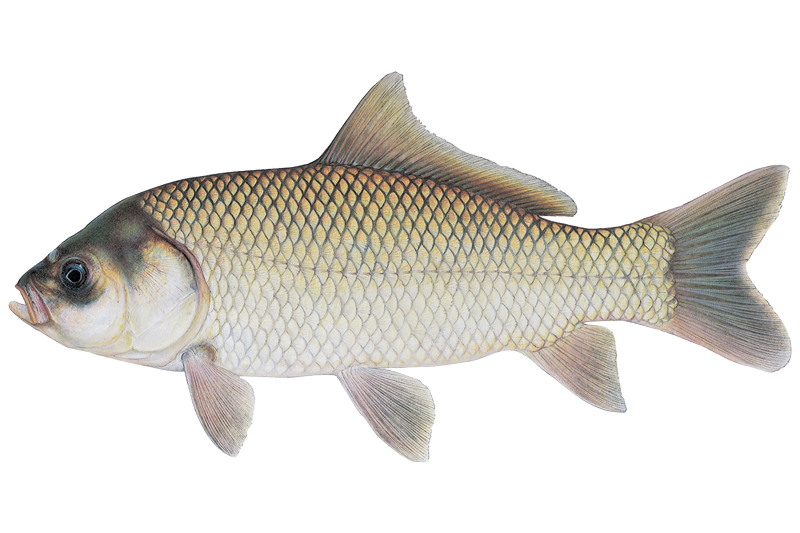
Bigmouth Buffalo
Ictiobus cyprinellus

Black Bullhead
Ameiurus melas

Blacknose Dace

Black Redhorse
Moxostoma duquesnei

Black Rockfish
Sebastes melanops

Black Sea Bass
Centropristis striata

Bloater

Bluefin Tuna
Thunnus thynnus
Fish smarter with real-time insights
Whether you're en route and conditions shift or you're looking for the best spot based on current flows, we enable you to make informed decisions on the fly.




Newfoundland and Labrador licenses and regulations
Explore Newfoundland and Labrador waters
Top fishing waters
Popular Cities
Loading popular cities...

Smarter Fishing Starts in the App.
onWater Fish gives you everything you need to plan smarter, fish better, and own every trip from first cast to last.