Sheepshead

Sheepshead are members of the porgy family that are non-migratory and present in Virginia waters year-round, with distribution primarily temperature-dependent.
Scientific Name: Archosargus probatocephalus
- Sheepshead in Virginia are distinguished by their distinctive black and white vertical bars resembling convict stripes, along with human-like teeth adapted for crushing shells.
Fishing in Virginia
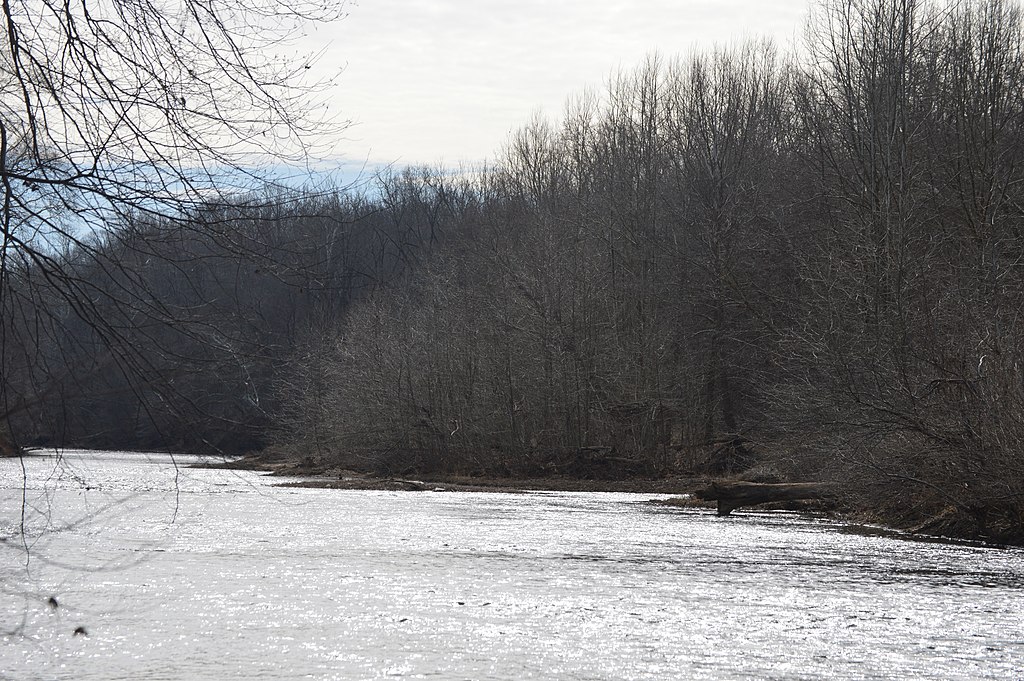
Rivanna River
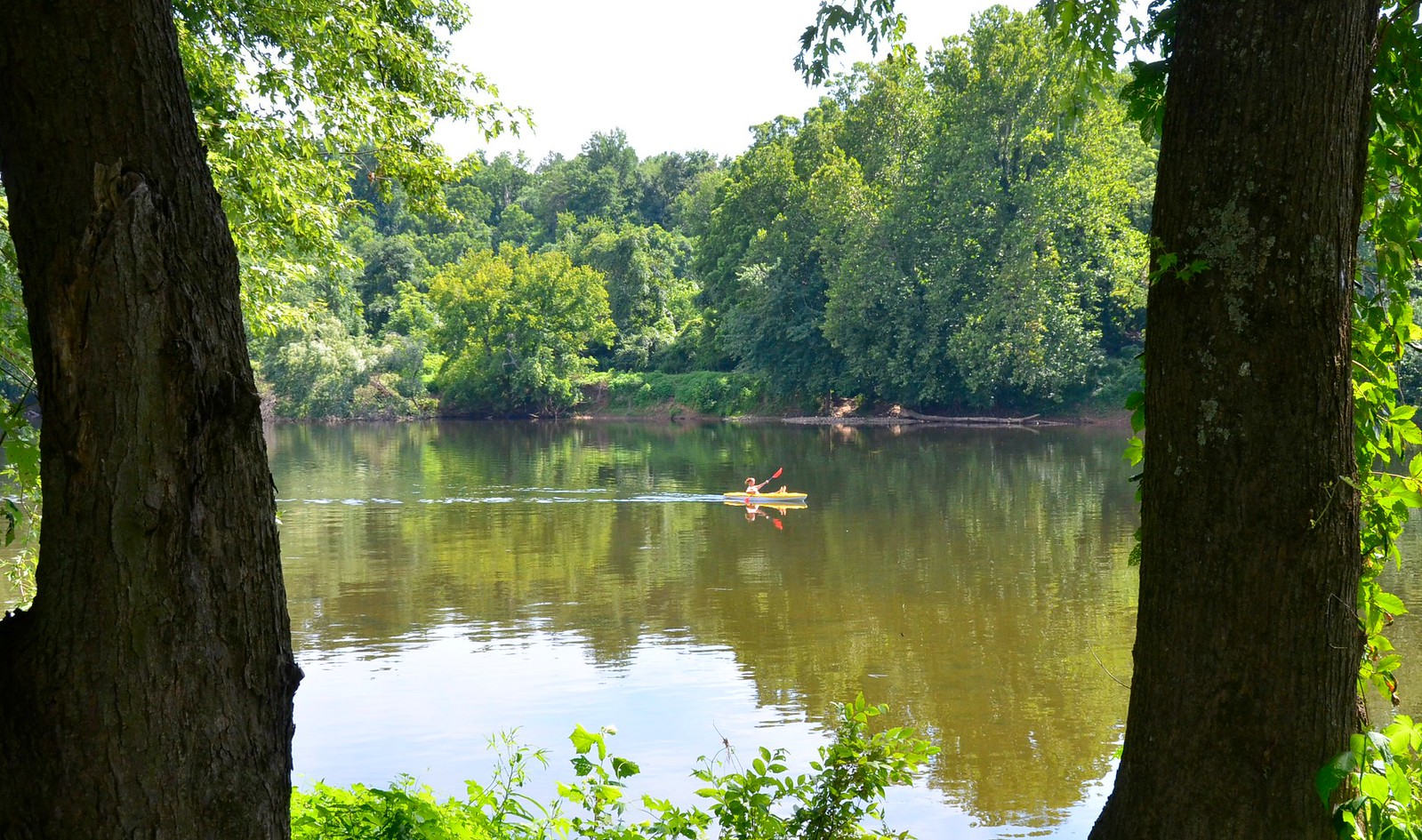
James River
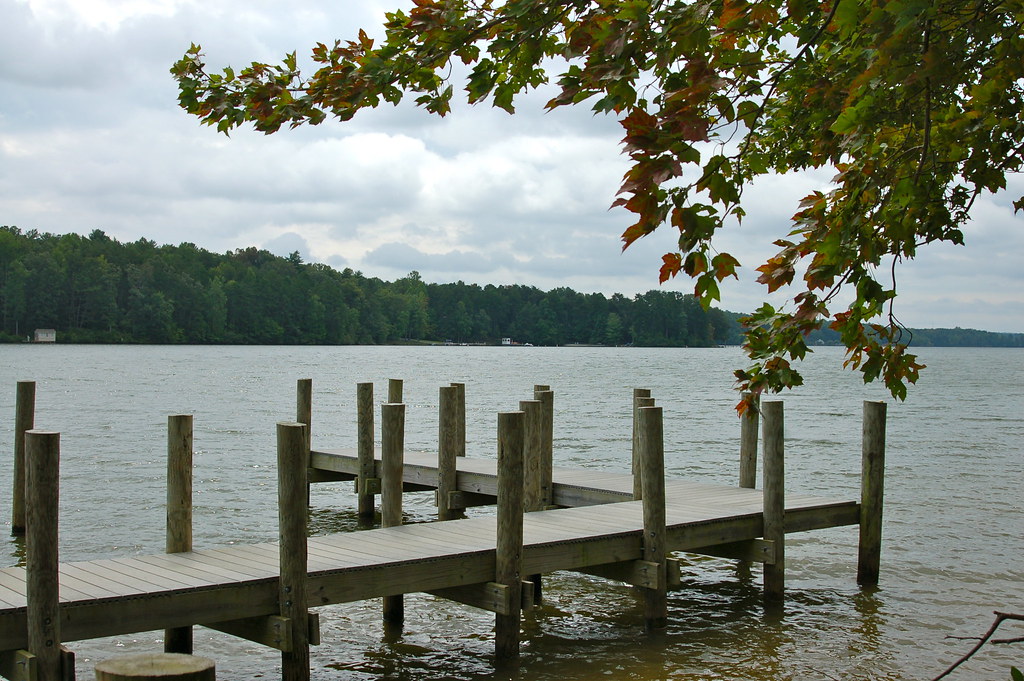
Lake Anna
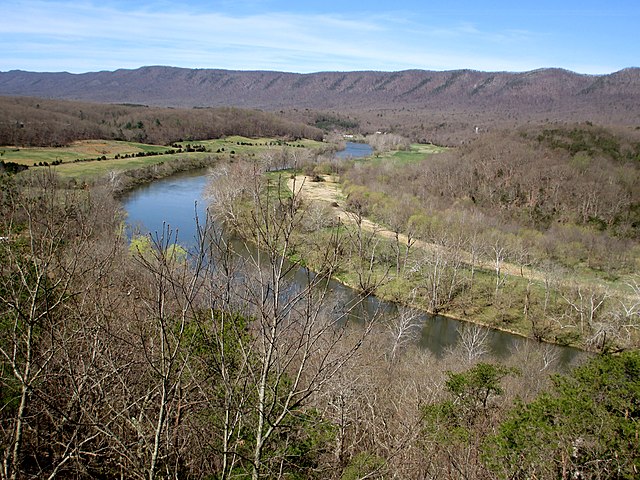
South Fork Shenandoah River
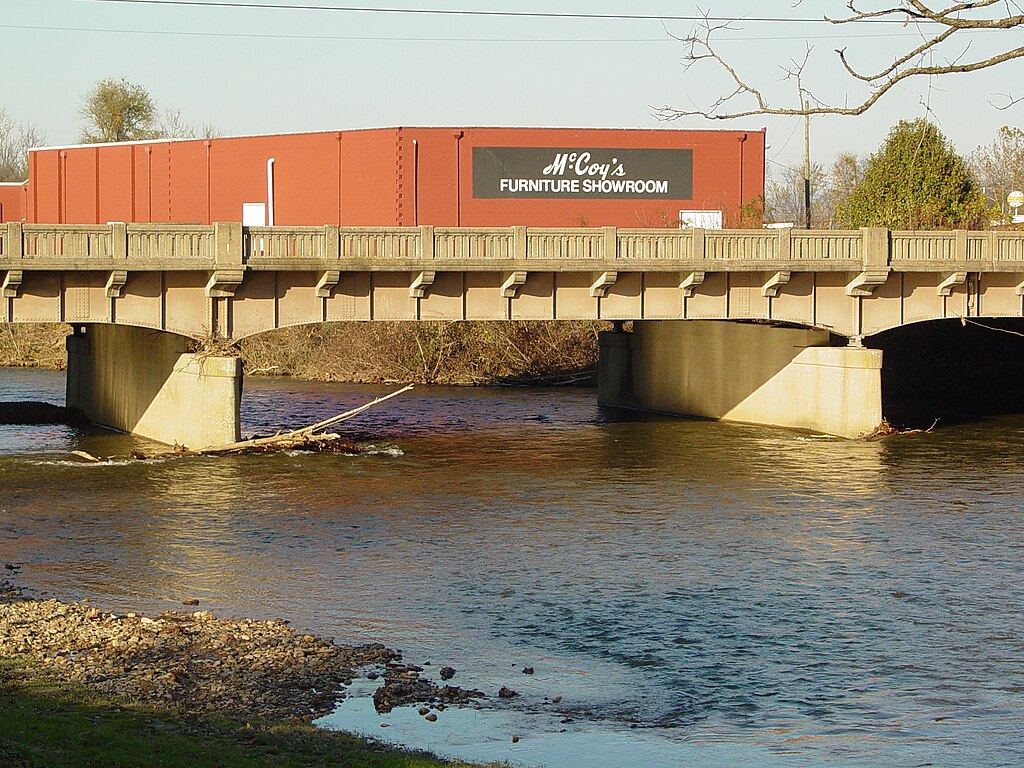
South River
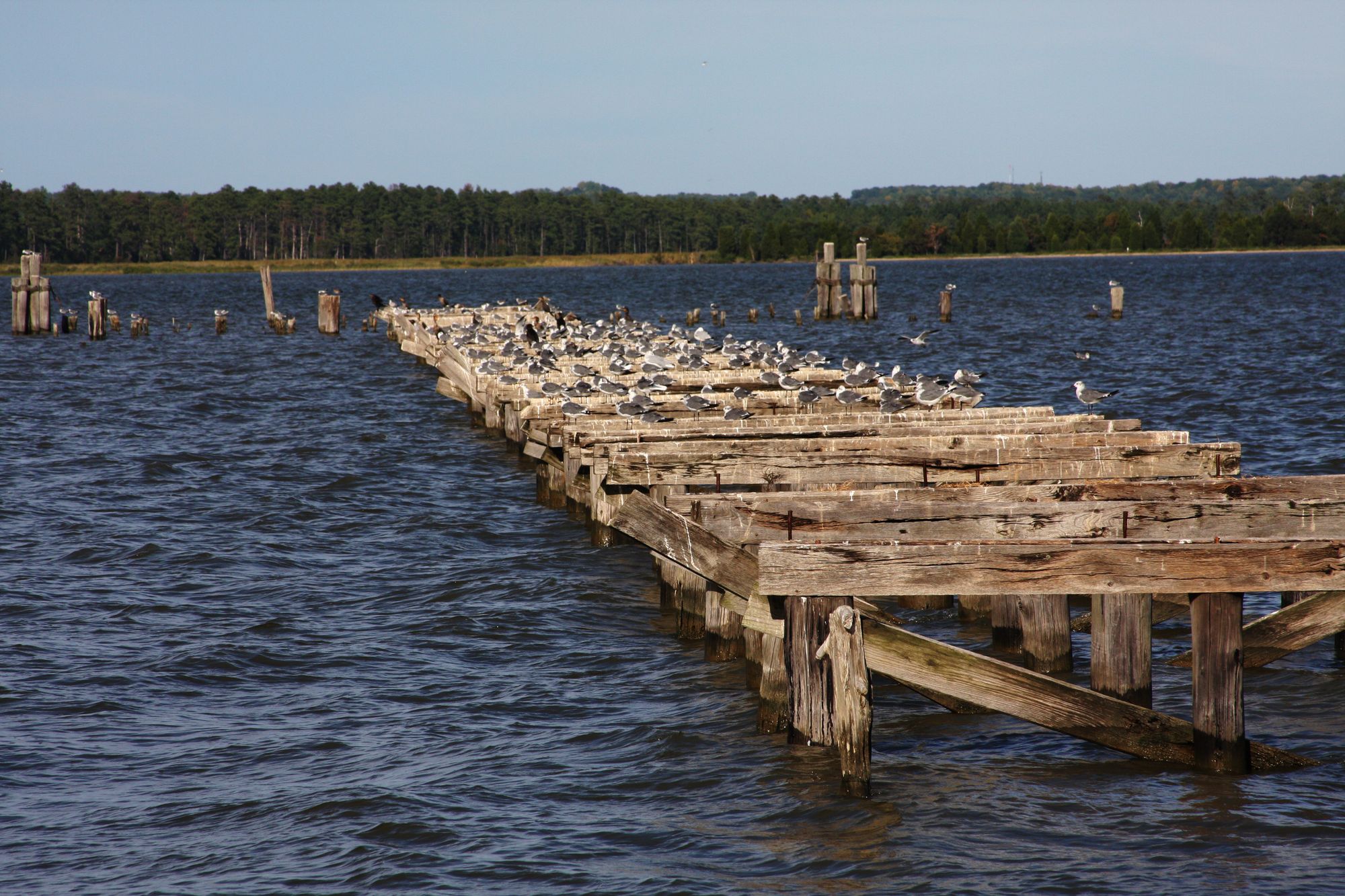
Rappahannock River
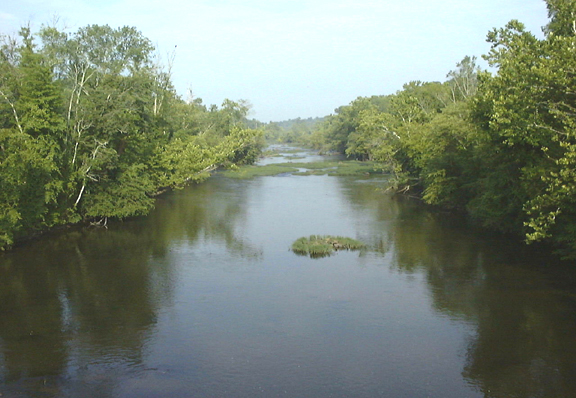
Appomattox River
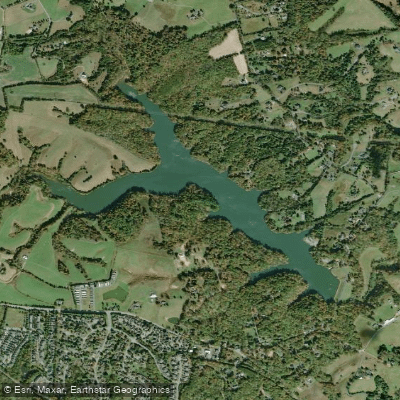
Beaver Creek Reservoir
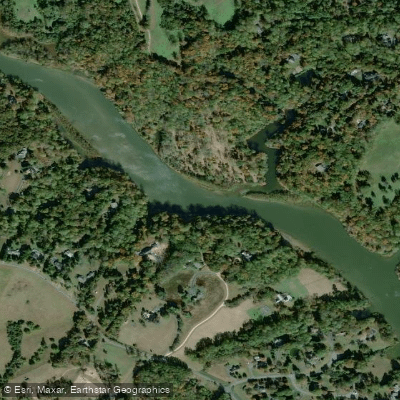
South Fork Rivanna River
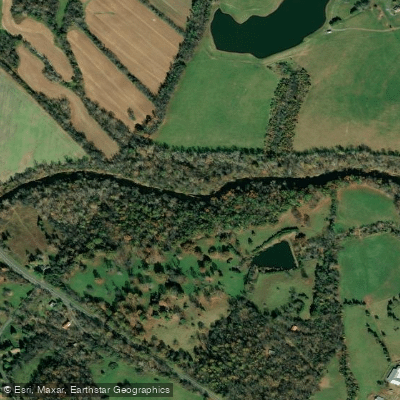
Rapidan River
What to know
Habitat Distribution
- In Virginia waters, sheepshead are found in nearshore coastal waters, bays, sounds, and estuaries, particularly around the Chesapeake Bay Bridge Tunnel, wrecks in nearshore coastal waters, and lower Chesapeake Bay.
Key Locations
- Chesapeake Bay Bridge Tunnel, wrecks in nearshore coastal waters, and lower Chesapeake Bay.
- Target structures like the Chesapeake Bay Bridge Tunnel, nearshore wrecks, lower Chesapeake Bay reefs.
Specific Spots
- They associate with reefs, live bottom areas, wrecks, piers, pilings, rocks, and jetties where barnacles and other prey are abundant.
- Target any hard structure covered with barnacles including docks, bridge pilings, jetties, and oyster beds.
- Juveniles inhabit grass beds, muddy bottoms, and oyster reefs within estuaries before moving to harder structures.
Sheepshead FAQ
Answers from onWater's species guide.
What are the best lures and bait for Sheepshead in Virginia?
Essential baits include fiddler crabs (hook through the corner of the shell), live or dead shrimp, clams, mole crabs (sand fleas), and cut clams or mussels. Carolina rigs using 1/2 to 2-ounce sliding sinkers, knocker rigs, or sheepshead jigs in 1/4 to 1-ounce weights depending on depth and current.
When is the best time to fish for Sheepshead in Virginia?
Prime sheepshead fishing in Virginia occurs May through October, with winter and spring being the most productive seasons overall. During winter, they move from nearshore habitats to offshore reefs, concentrating in shallow waters during late spring and late fall/early winter.
How do you catch Sheepshead in Virginia?
Bottom fishing with natural baits, vertical jigging with bucktail or soft plastic jigs that mimic crabs, and sight fishing in clear water. Chumming works exceptionally well - scrape barnacles off pilings or use crushed oyster shells to create a feeding slick. Use Carolina rigs, knocker rigs, or sheepshead jigs.
What do Sheepshead eat?
These omnivorous grazers use their unique dental structure to crush barnacles, oysters, clams, mussels, crabs, and shrimp found on hard structures. Adults feed primarily on mussels, clams, small oysters, barnacles, crabs, shrimp, and small fish, while also consuming tunicates, polychaete worms, amphipods, and algae.
Where do Sheepshead live in Virginia?
In Virginia waters, sheepshead are found in nearshore coastal waters, bays, sounds, and estuaries, particularly around the Chesapeake Bay Bridge Tunnel, wrecks in nearshore coastal waters, and lower Chesapeake Bay.
Fish smarter with real-time insights
Whether you're en route and conditions shift or you're looking for the best spot based on current flows, we enable you to make informed decisions on the fly.







See it in the app
Most maps show you water.
onWater shows you Sheepshead.



- 01 · Species map filter
Map every Sheepshead water
Pick Sheepshead and the map zeroes in on the waters they call home. No more guessing which lake holds them.
- 02 · Waterbody species
Tap any water. See what lives there.
Species, behavior and seasonal patterns for every lake, river and pond, before you leave the driveway.
- 03 · Angler Intelligence
Ask how to catch Sheepshead
Tactics, gear and timing from onWater's AI fishing guide, tuned to the species and the water you're on.
Stop guessing where Sheepshead are.
Open the map, filter by Sheepshead, and head to water that holds them. Download onWater and plan your next trip in minutes.
- Species map filter
- Angler Intelligence
- Fishing journal
Explore other species
Trout, bass, salmon, panfish and everything in between. Each guide unpacks the behavior, seasons, and tactics that put fish in the net.

Find which waters have the species you want to catch

Largemouth Bass
Micropterus salmoides

Smallmouth Bass
Micropterus dolomieu

Rainbow Trout

Brown Trout

Brook Trout
Salvelinus fontinalis

Northern Pike
Esox lucius

Muskellunge

Walleye
Sander vitreus

Black Crappie
Pomoxis nigromaculatus

Alewife
Alosa pseudoharengus

American Eel
Anguilla rostrata

American Shad
Alosa sapidissima

Atlantic Croaker
Micropogonias undulatus

Atlantic Sturgeon
Acipenser oxyrinchus oxyrinchus

Black Bullhead
Ameiurus melas

Black Drum
Pogonias cromis

Blacknose Dace
Rhinichthys atratulus

Blue Catfish
Ictalurus furcatus

Bluefish
Pomatomus saltatrix

Bowfin
Amia calva

Brown Bullhead
Ameiurus nebulosus

Chain Pickerel
Esox niger

Channel Catfish
Ictalurus punctatus

Cobia
Rachycentron canadum

Common Carp
Cyprinus carpio

Creek Chub
Semotilus atromaculatus

Fallfish
Semotilus corporalis

Flathead Catfish
Pylodictis olivaris

Flier
Centrarchus macropterus

Freshwater Drum
Aplodinotus grunniens

Gizzard Shad
Dorosoma cepedianum

Golden Trout

Grass Carp
Ctenopharyngodon idella

Green Sunfish
Lepomis cyanellus

Hickory Shad
Alosa mediocris

Longear Sunfish
Lepomis megalotis

Longnose Gar
Lepisosteus osseus

Northern Hogsucker
Hypentelium nigricans
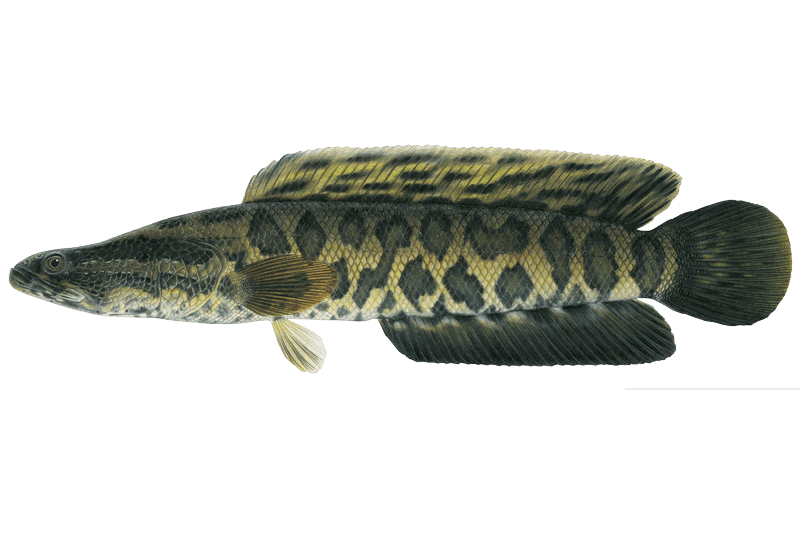
Northern Snakehead
Channa argus
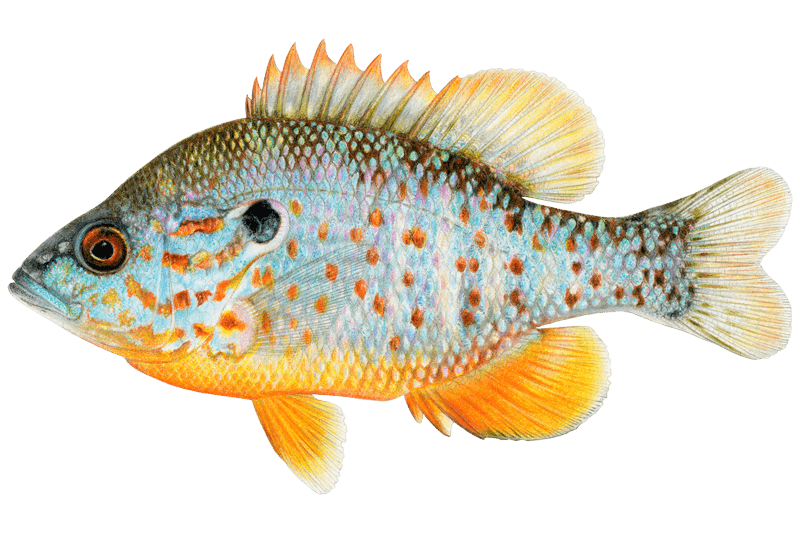
Orangespotted Sunfish
Lepomis humilis
Virginia licenses and regulations

Virginia Boating Regulations
When using any type of watercraft to access a body of water, it is important to follow all federal, state, and local rules and regulations. These rules and regulations include boat permitting and licensing, invasive species inspections and stamps, life jacket and PFD rules, motor size and horsepower restrictions, noise limitations, restrictions on personal watercraft, and many more. Visit the web link below for the most current rules and regulations for this body of water.

Virginia Stream Access Laws
Virginia uses a strict navigable in fact test, where waterways must be capable of commercial trade and travel in their natural condition and public access is limited where navigable waters border private land. The state law isn’t fully developed and is arguably stricter than the federal title test. While state law is confusing and hasn’t been friendly to public access in the past, a 2015 court case opened up 14 rivers to public use that were previously off limits.

Virginia Fishing License
A Virginia fishing license is required for residents and non-residents, age 16 and over.

Virginia Fishing Regulations
This river has a variety of species and regulations, including potential floating and/or watercraft restrictions. Because this river is specially managed for species, seasons, angling methods, and watercraft, it is strongly encouraged you check all federal, state, and local regulations before fishing. Visit any of the links below, inquire locally, or contact a local fly shop to learn current regulations and restrictions.
Explore nearby waters
Explore Virginia waters
Top fishing waters
Popular Cities
Loading popular cities...
Smarter Fishing Starts in the App.
onWater Fish gives you everything you need to plan smarter, fish better, and own every trip from first cast to last.