Largemouth Bass

Largemouth Bass are Virginia's premier freshwater gamefish, with the Northern Largemouth Bass subspecies being native to Atlantic drainages from North Carolina to Florida.
Scientific Name: Micropterus salmoides
- These predatory fish feature an elongate body ranging from silvery-white to brassy-green, with a distinctive broad black stripe often broken into blotches along their sides.
- Adults typically reach 16 inches with a common weight of 3-5 pounds, though Virginia waters regularly produce citation-sized fish over 22 inches and 8 pounds.
Fishing in Virginia
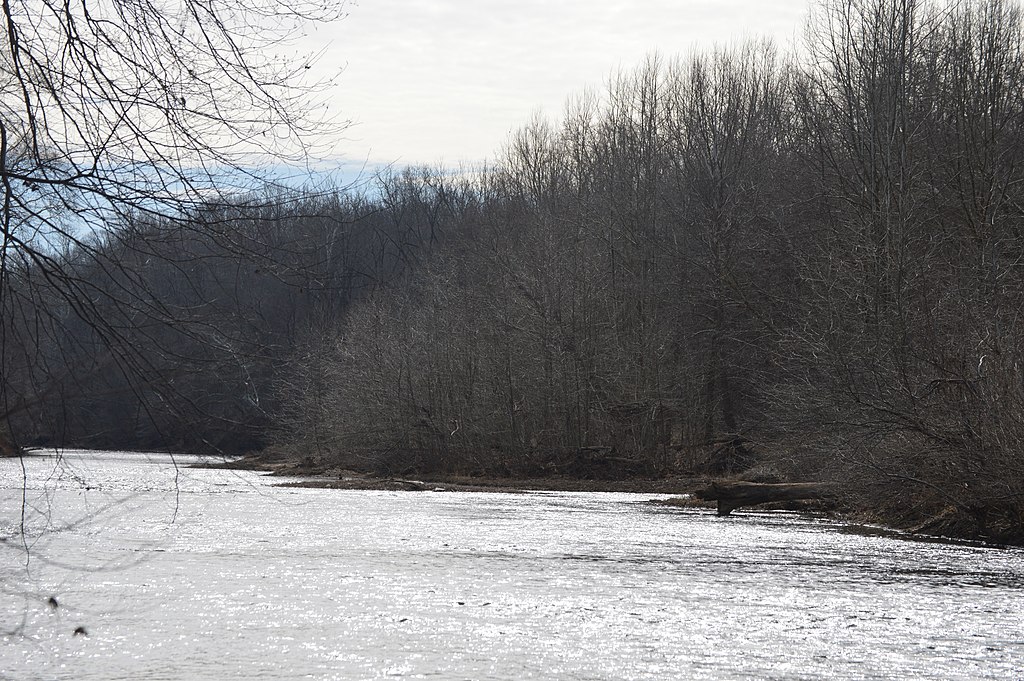
Rivanna River
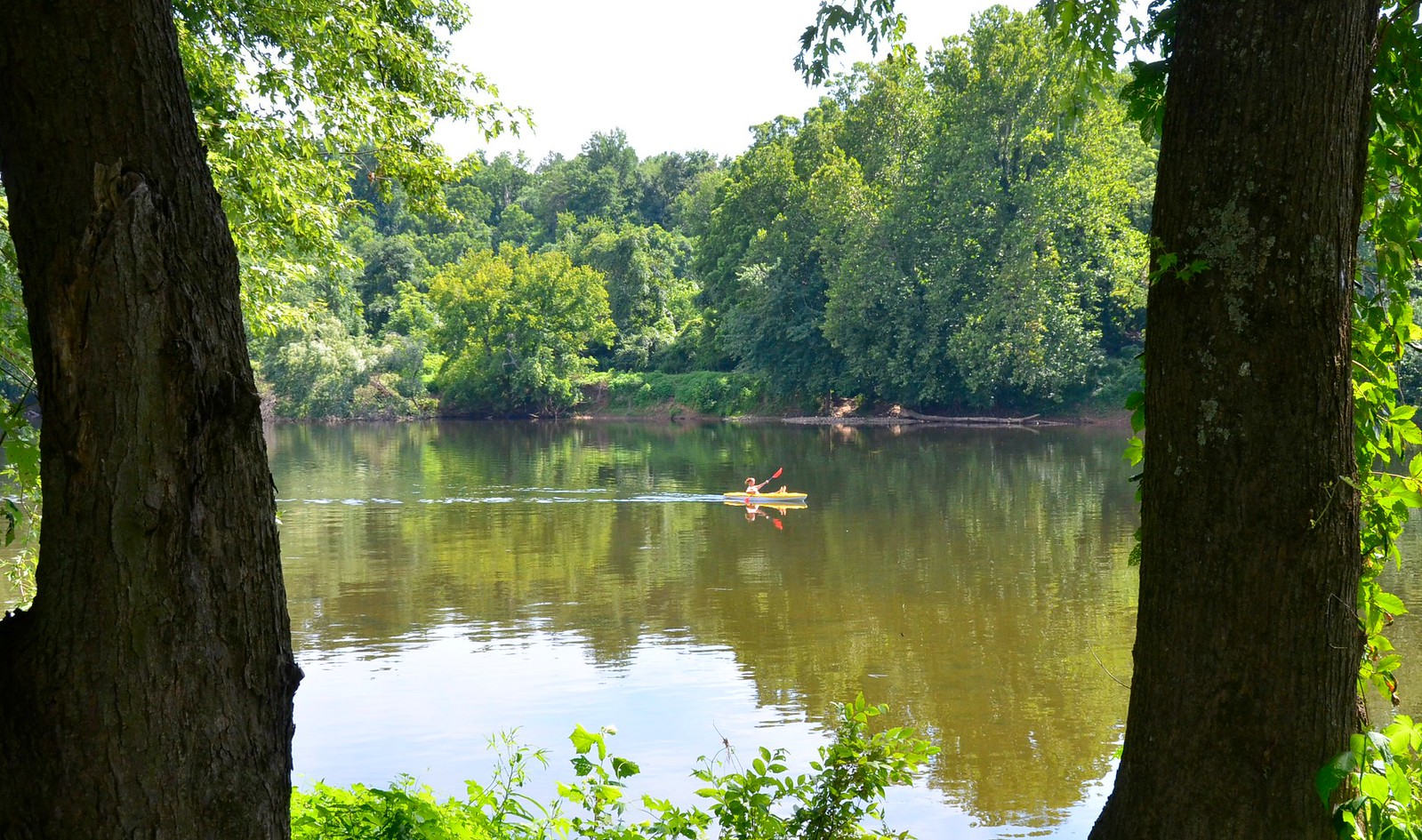
James River
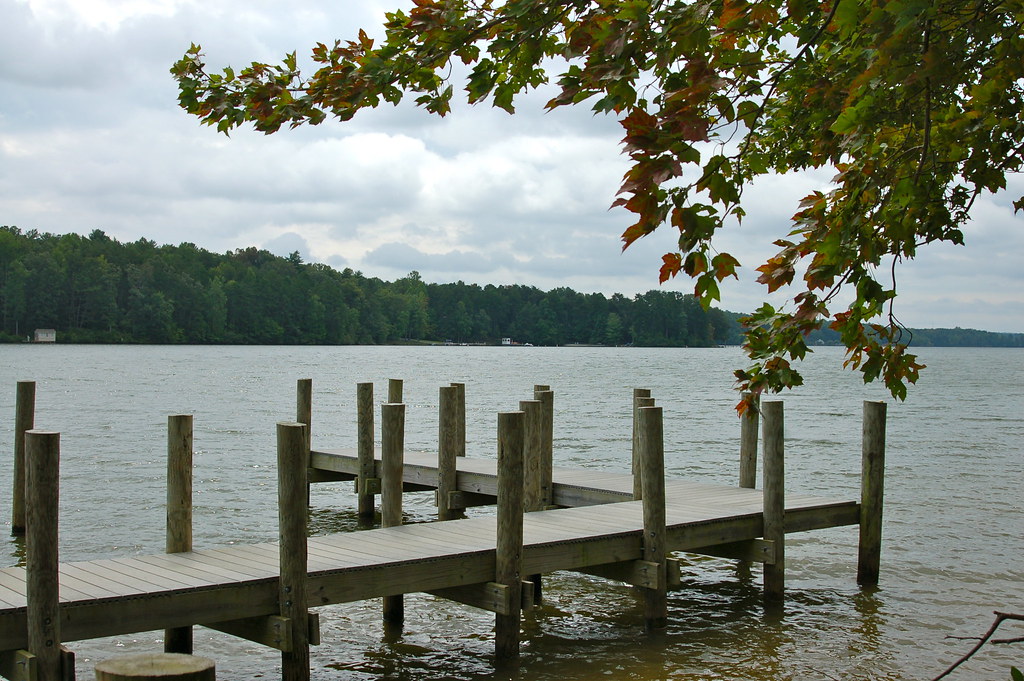
Lake Anna
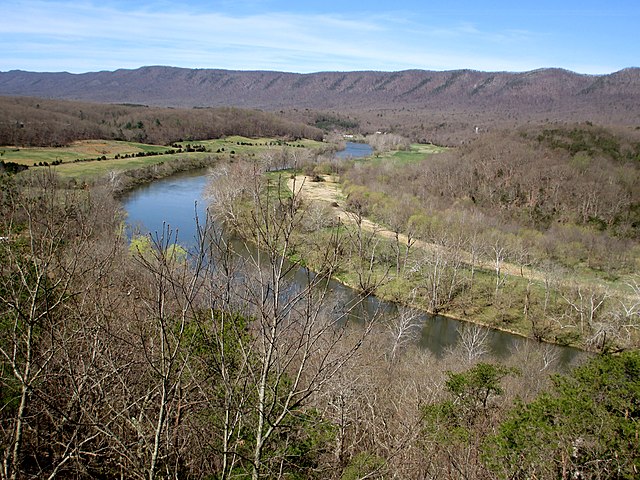
South Fork Shenandoah River
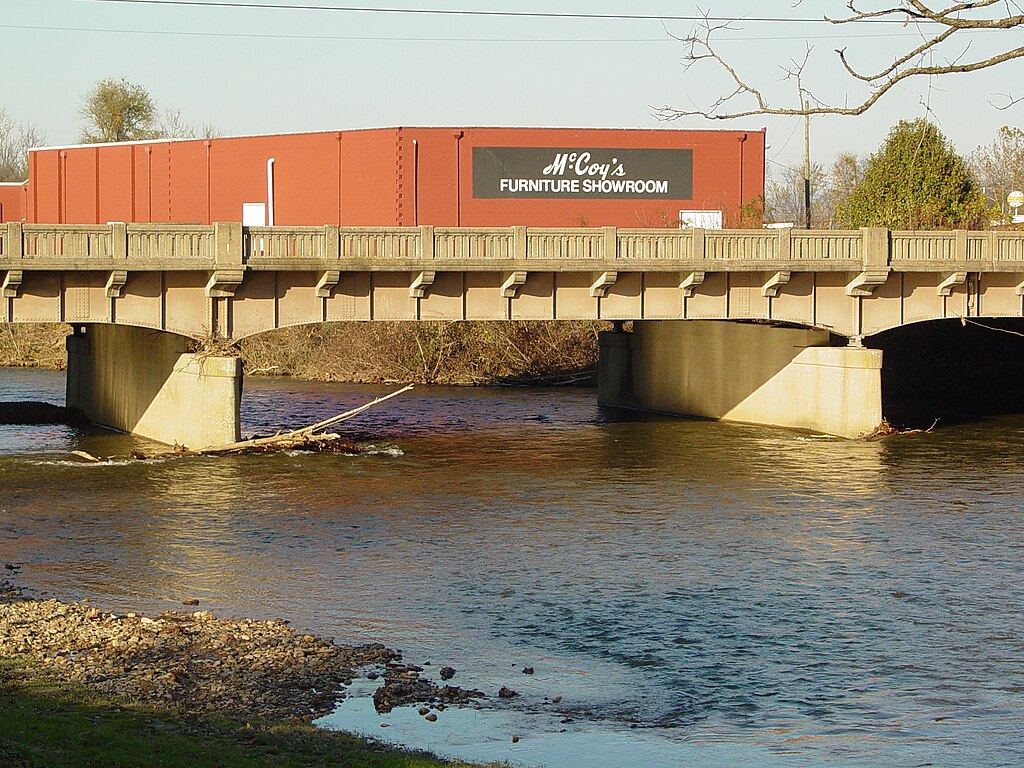
South River
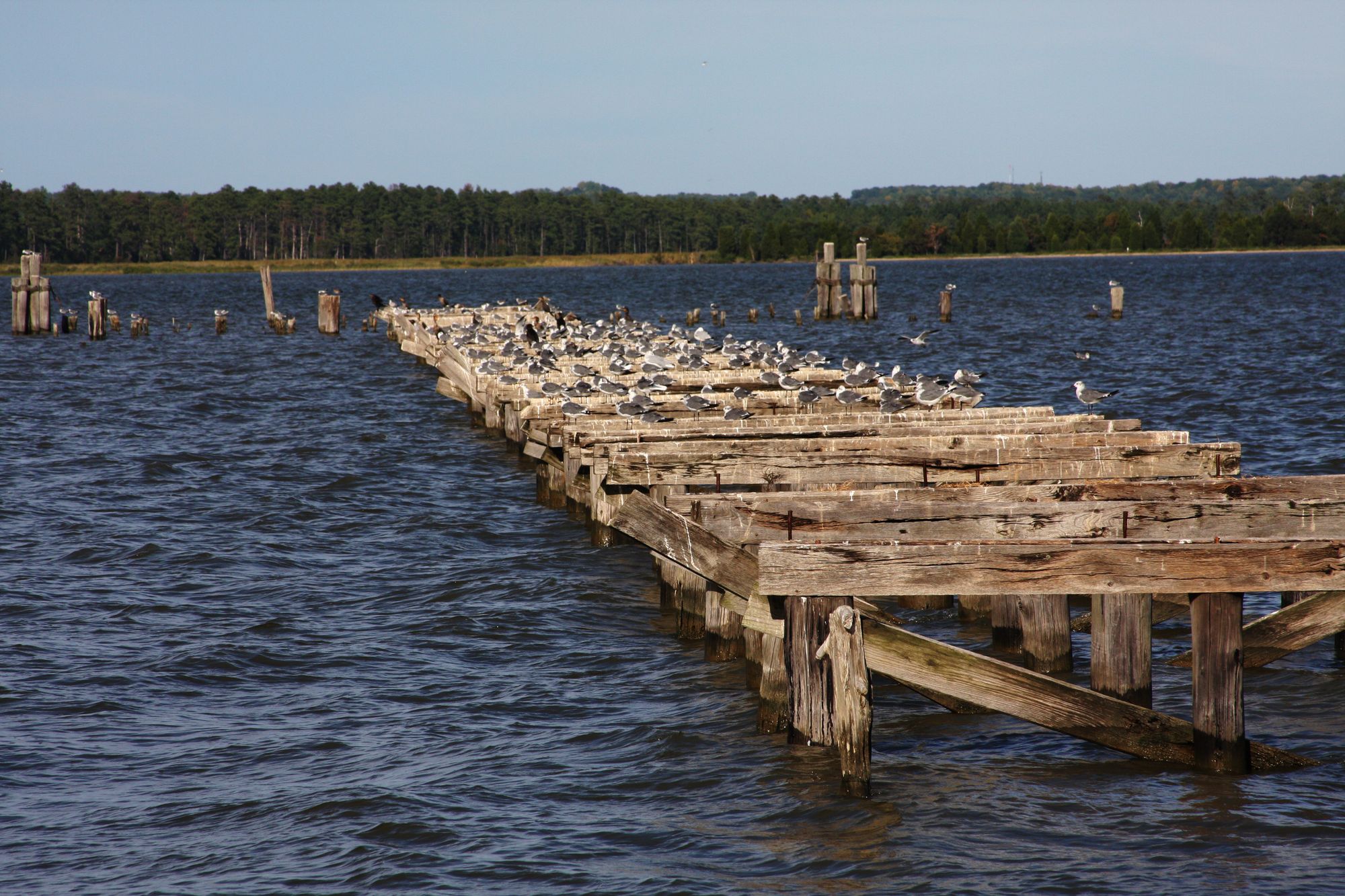
Rappahannock River
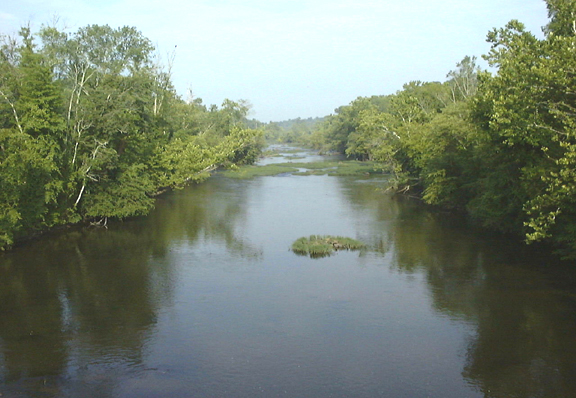
Appomattox River
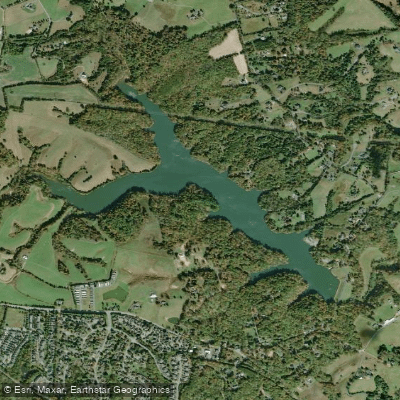
Beaver Creek Reservoir
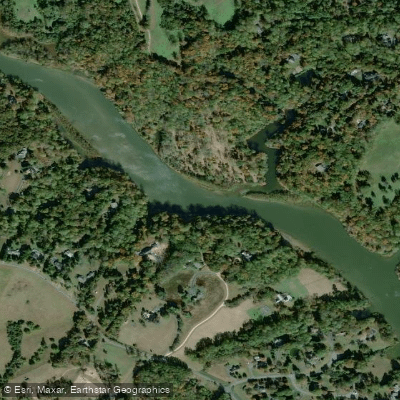
South Fork Rivanna River
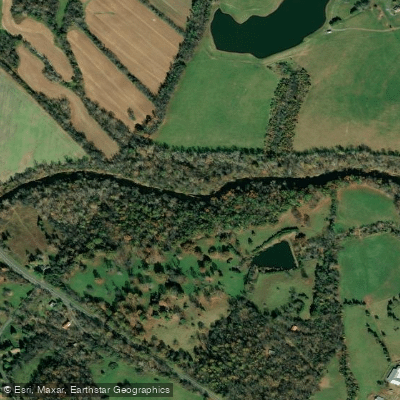
Rapidan River
What to know
Habitat Distribution
- Virginia's bass inhabit clear, vegetated lakes, ponds, reservoirs, and the backwaters of rivers.
- They're found across major reservoirs from the mountain lakes to the massive impoundments.
Key Locations
- Sandy River Reservoir, Smith Mountain Lake, Hunting Run Reservoir, Briery Creek Lake, Western Branch Reservoir, James River, New River, Rappahannock River, Potomac River systems, South Holston, Claytor Lake, Kerr Reservoir, Lake Anna, Chickahominy River.
Specific Spots
- Shallow cover in 1-5 feet of water, scattered vegetation, sticks, docks, matted vegetation, water willow, lily pads, cover edges, deeper creek channels, steep drop-offs, current breaks, fallen timber, creek mouths where moving water concentrates baitfish, rocky banks, extensive shallow cover.
Largemouth Bass FAQ
Answers from onWater's species guide.
What are the best lures and bait for Largemouth Bass in Virginia?
Chartreuse-and-white buzz baits, shad-colored poppers, square-bill crankbaits in natural bream or river minnow patterns, topwater crawlers, frogs and toads, small stick worms rigged wacky-style, medium-diving crankbaits, lipless crankbaits, jerkbaits.
What flies work for Largemouth Bass in Virginia?
White stealth bombers for topwater, olive dredge flies for bottom work, white or white/chartreuse clouser minnows for mid-column jigging, white gamechanger streamers for swimming presentations.
When is the best time to fish for Largemouth Bass in Virginia?
Prime seasons are spring (March-May) and fall (September-November). Spring pre-spawn fishing excels from mid-April through early May. Fall fishing heats up once water drops to 55°F. Summer tactics focus on shade and deeper structure.
How do you catch Largemouth Bass in Virginia?
Spring pre-spawn fishing with lures worked around shallow cover in 1-5 feet of water. Target scattered vegetation, sticks, and docks before sunrise. Summer tactics focus on throwing frogs and toads into matted vegetation.
What do Largemouth Bass eat?
They're voracious ambush predators with a diet including fish, crayfish, frogs, insects, and even terrestrial animals like snakes and mice. Virginia's bass benefit from excellent forage bases including shad, bluegill, and crayfish.
Fish smarter with real-time insights
Whether you're en route and conditions shift or you're looking for the best spot based on current flows, we enable you to make informed decisions on the fly.




See it in the app
Most maps show you water.
onWater shows you Largemouth Bass.



- 01 · Species map filter
Map every Largemouth Bass water
Pick Largemouth Bass and the map zeroes in on the waters they call home. No more guessing which lake holds them.
- 02 · Waterbody species
Tap any water. See what lives there.
Species, behavior and seasonal patterns for every lake, river and pond, before you leave the driveway.
- 03 · Angler Intelligence
Ask how to catch Largemouth Bass
Tactics, gear and timing from onWater's AI fishing guide, tuned to the species and the water you're on.
Stop guessing where Largemouth Bass are.
Open the map, filter by Largemouth Bass, and head to water that holds them. Download onWater and plan your next trip in minutes.
- Species map filter
- Angler Intelligence
- Fishing journal
Explore other species
Trout, bass, salmon, panfish and everything in between. Each guide unpacks the behavior, seasons, and tactics that put fish in the net.
No species information available.
Virginia licenses and regulations
Explore nearby waters
Explore Virginia waters
Top fishing waters
Popular Cities
Loading popular cities...

Smarter Fishing Starts in the App.
onWater Fish gives you everything you need to plan smarter, fish better, and own every trip from first cast to last.