Walleye
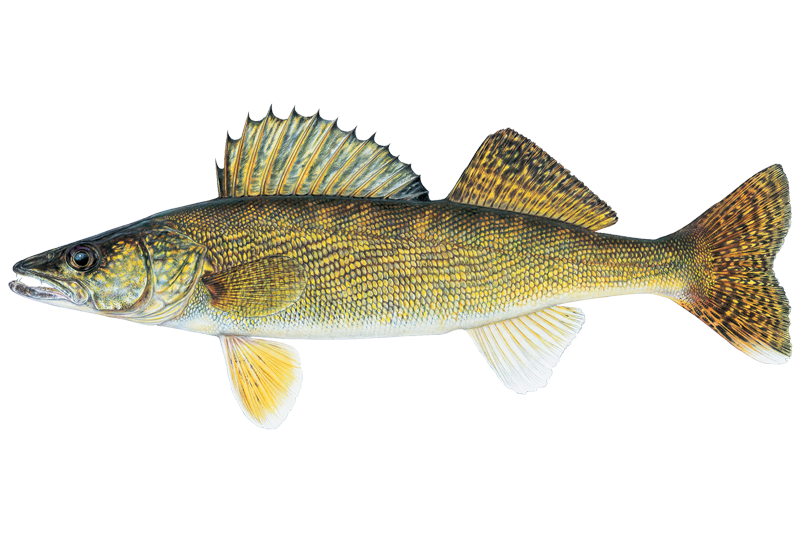
Walleye are the largest member of the perch family and one of Virginia's premier freshwater gamefish, capable of growing beyond 20 inches with some exceeding 30 inches in prime locations.
Virginia hosts some of the largest walleye available anywhere in the country, with fish commonly ranging from 4-10 pounds. They typically live about 10 years in Virginia waters.
Scientific Name: Sander vitreus
- Capable of growing beyond 20 inches with some exceeding 30 inches in prime locations.
- Fish commonly ranging from 4-10 pounds.
- Have photosensitive eyes with a reflective layer (tapetum lucidum) that gives them superior low-light vision.
Fishing in Virginia
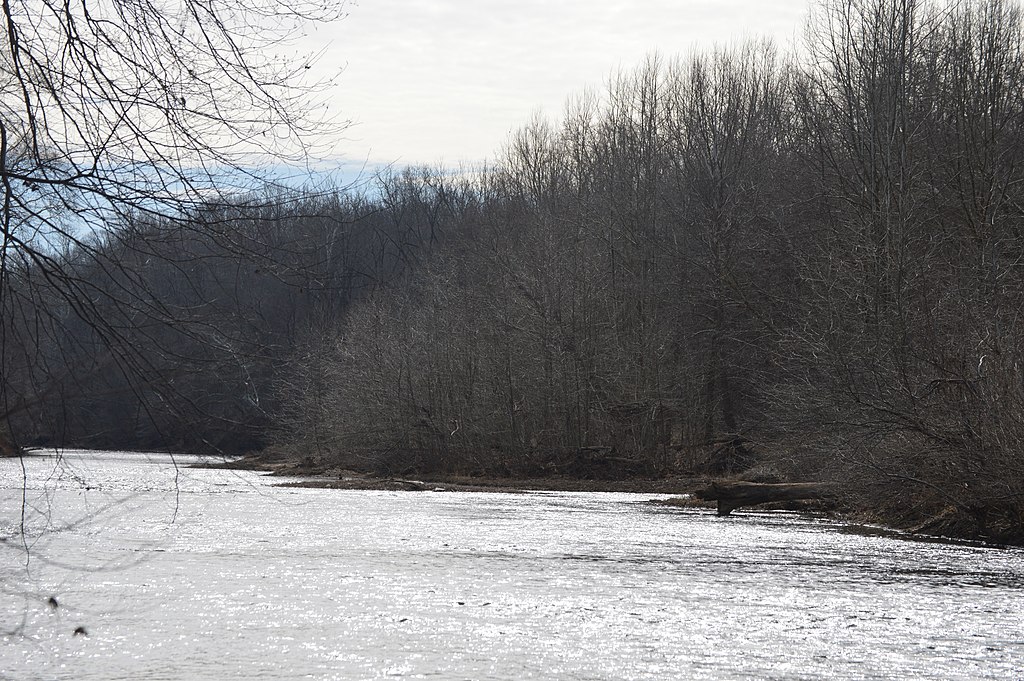
Rivanna River
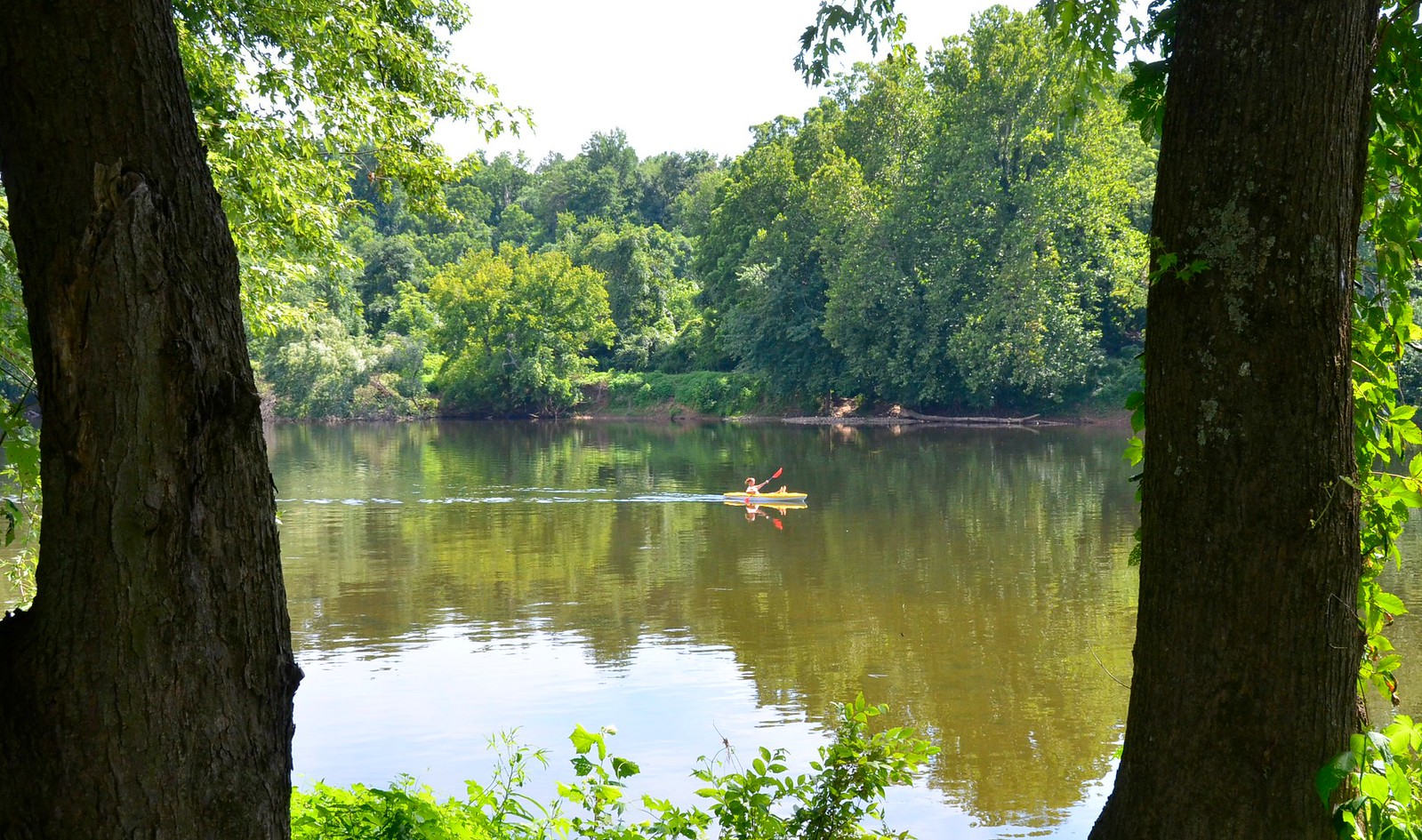
James River
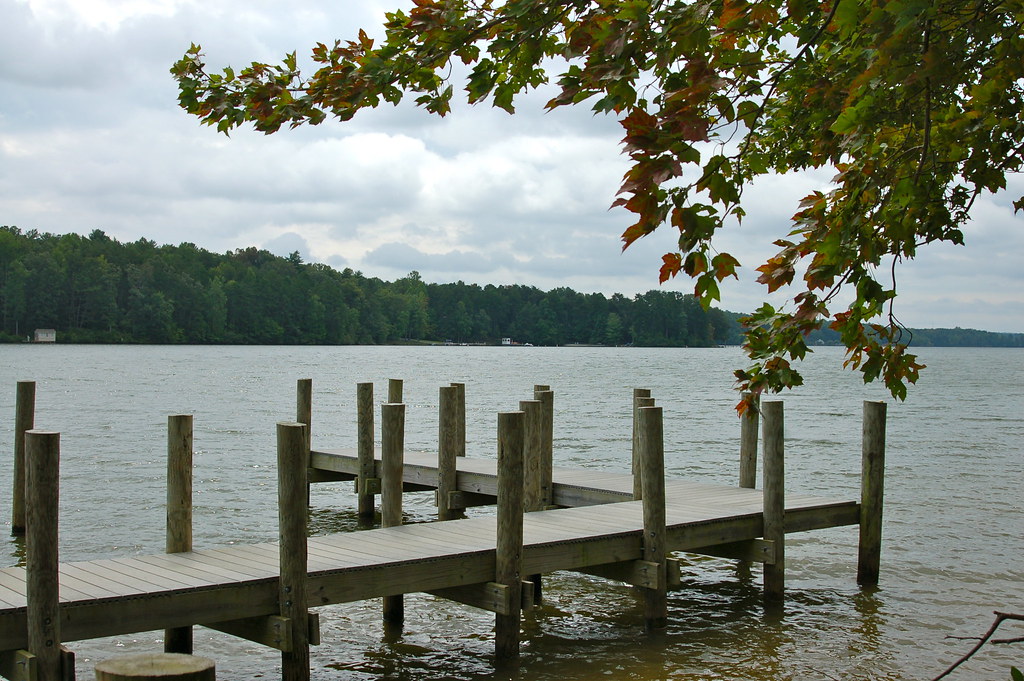
Lake Anna
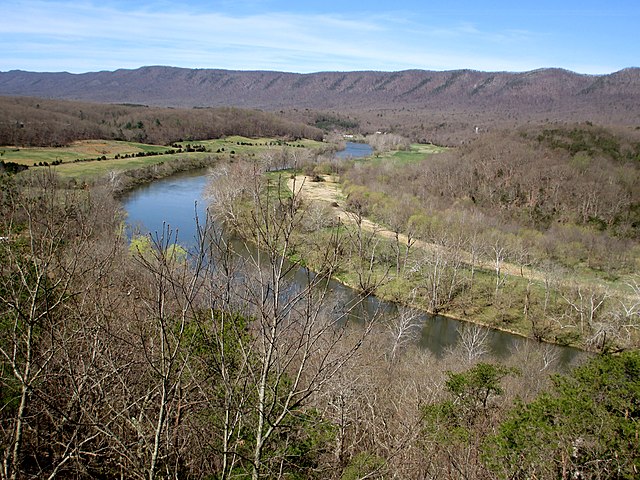
South Fork Shenandoah River
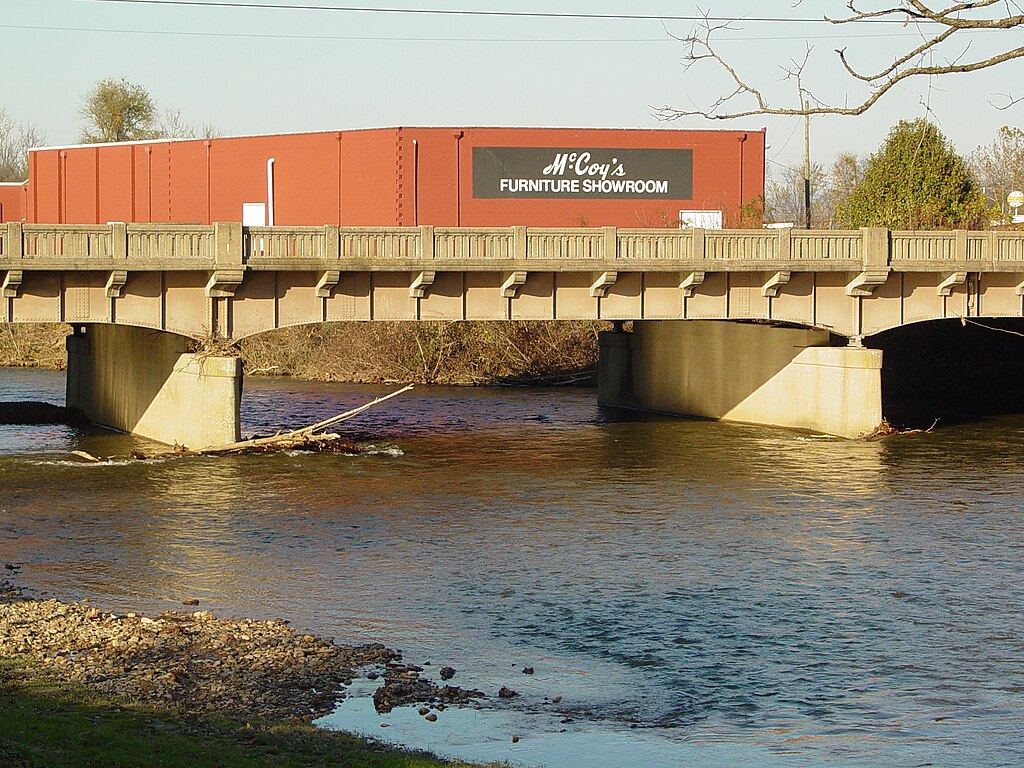
South River
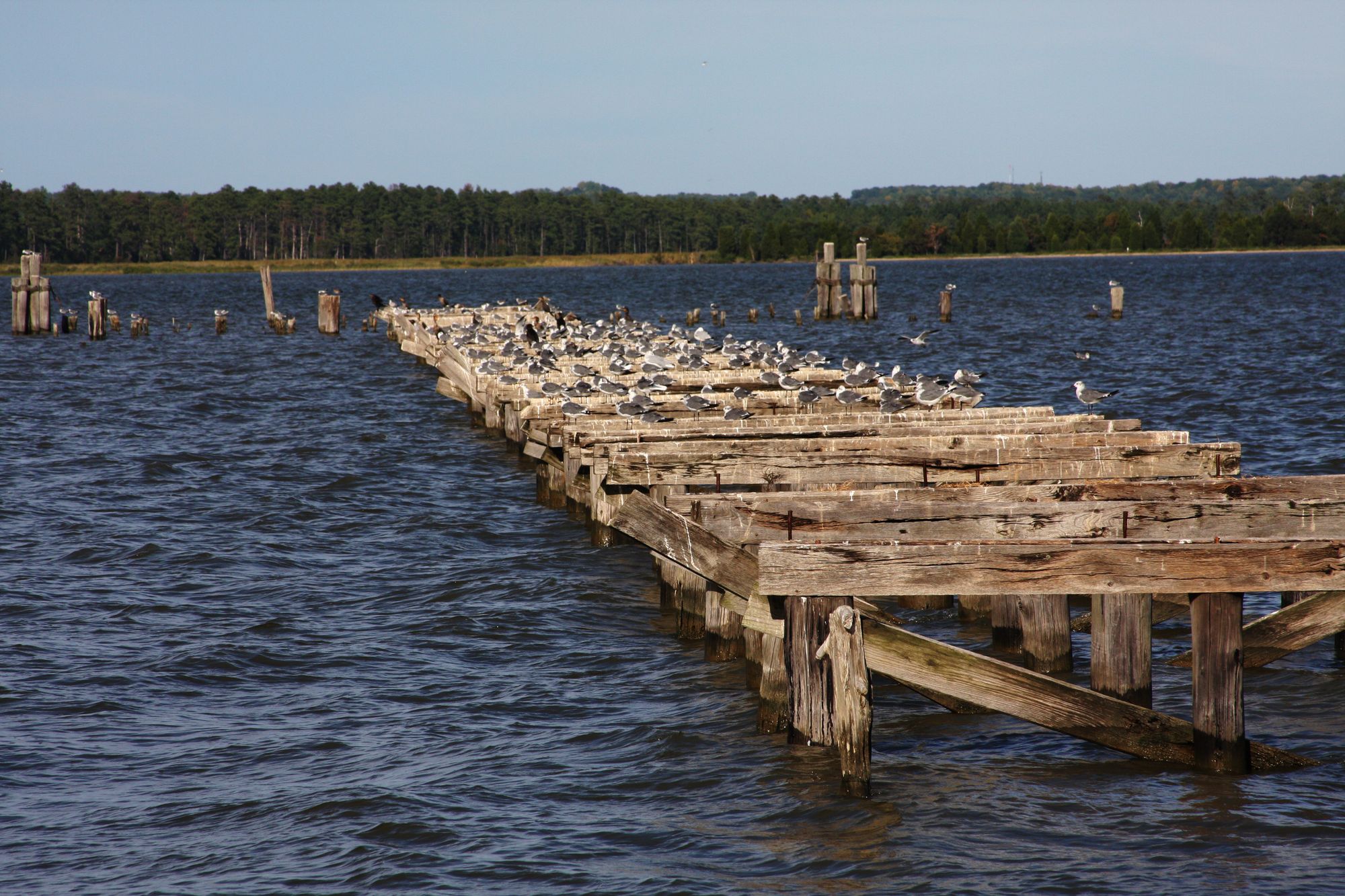
Rappahannock River
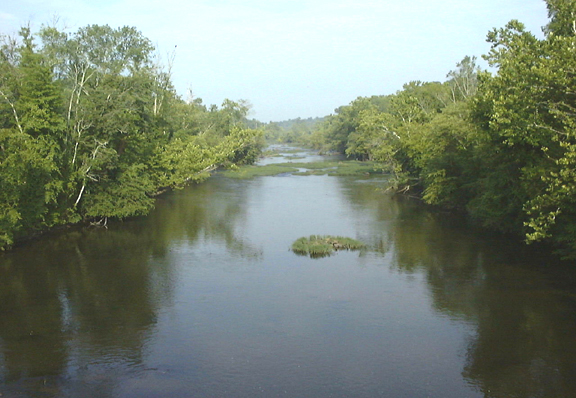
Appomattox River
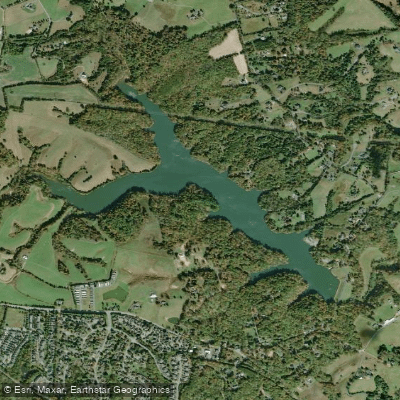
Beaver Creek Reservoir
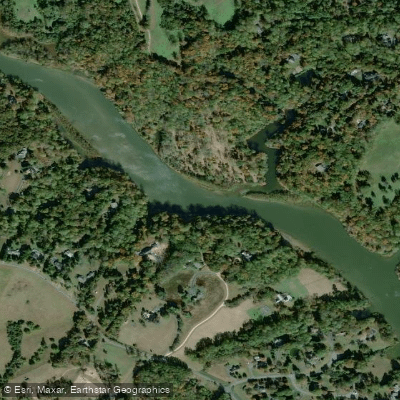
South Fork Rivanna River
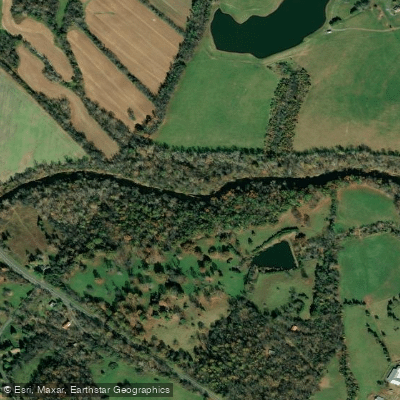
Rapidan River
What to know
Habitat Distribution
- Native to the Big Sandy, Tennessee, and New River drainages of Virginia, with naturalized populations established in the Roanoke and Nottoway drainages through stocking efforts by Virginia DWR.
- Most Virginia walleye populations are maintained through supplemental stocking, as they rarely reproduce successfully in lake environments.
Key Locations
- New River system (excellent), South Holston Lake (excellent), Flannagan Reservoir (excellent), Staunton River (excellent), Lake Anna (excellent), Lake Chesdin (excellent), Smith Mountain Lake, Claytor Lake, Philpott Reservoir, Hungry Mother Lake, Burke Lake, and portions of the Shenandoah River.
- Specific hotspots include Foster Falls, Ivanhoe, and Allisonia on the New River; the Alvarado area on South Holston from February-April; the Staunton River from Leesville Dam to Altavista; and Cranesnest and Pound River arms of Flannagan Reservoir during spring spawning runs.
Specific Spots
- Orient to submerged hard structures like boulders, logs, and rock ledges.
- Target areas where creeks enter rivers, pools below ledges and shoals, current seams, underwater humps, rock piles, sand flats, weed edges, and transition areas.
Walleye FAQ
Answers from onWater's species guide.
What are the best lures and bait for Walleye in Virginia?
Jigs, minnow-imitating plugs, spoons, crankbaits, spinner rigs with nightcrawler harnesses. Live baits such as minnows, shad, nightcrawlers, and crayfish.
What flies work for Walleye in Virginia?
Clouser minnows (especially blue/white, firetiger, and all-black), woolly buggers, deceivers, half/half patterns, sculpin patterns in brown/black/olive, balanced leeches, large hex patterns during mayfly hatches, and crawfish flies (Dave Whitlock's Near Nuff, Super Bugger, Morlock Craw) in tan, brown, olive, or orange.
When is the best time to fish for Walleye in Virginia?
Prime walleye fishing occurs during late winter and early spring (February-April), with late fall also productive. Fish deeper water as water temperatures increase through summer.
How do you catch Walleye in Virginia?
Casting to structure during dawn/dusk, trolling nightcrawler harnesses in summer, jigging spoons in deeper water, topwater fishing during alewife spawns in May-June, use lead core lines or jigging spoons as water temperatures increase through summer.
What do Walleye eat?
Highly piscivorous predators that primarily feed on other fish species, but also consume crayfish, amphibians, insects (especially mayflies), leeches, snails, mudpuppies, salamanders, and frogs as opportunistic feeders.
Fish smarter with real-time insights
Whether you're en route and conditions shift or you're looking for the best spot based on current flows, we enable you to make informed decisions on the fly.







See it in the app
Most maps show you water.
onWater shows you Walleye.



- 01 · Species map filter
Map every Walleye water
Pick Walleye and the map zeroes in on the waters they call home. No more guessing which lake holds them.
- 02 · Waterbody species
Tap any water. See what lives there.
Species, behavior and seasonal patterns for every lake, river and pond, before you leave the driveway.
- 03 · Angler Intelligence
Ask how to catch Walleye
Tactics, gear and timing from onWater's AI fishing guide, tuned to the species and the water you're on.
Stop guessing where Walleye are.
Open the map, filter by Walleye, and head to water that holds them. Download onWater and plan your next trip in minutes.
- Species map filter
- Angler Intelligence
- Fishing journal
Explore other species
Trout, bass, salmon, panfish and everything in between. Each guide unpacks the behavior, seasons, and tactics that put fish in the net.

Find which waters have the species you want to catch

Largemouth Bass
Micropterus salmoides

Smallmouth Bass
Micropterus dolomieu

Rainbow Trout

Brown Trout

Brook Trout
Salvelinus fontinalis

Northern Pike
Esox lucius

Muskellunge

Black Crappie
Pomoxis nigromaculatus

Alewife
Alosa pseudoharengus

American Eel
Anguilla rostrata

American Shad
Alosa sapidissima

Atlantic Croaker
Micropogonias undulatus

Atlantic Sturgeon
Acipenser oxyrinchus oxyrinchus

Black Bullhead
Ameiurus melas

Black Drum
Pogonias cromis

Blacknose Dace
Rhinichthys atratulus

Blue Catfish
Ictalurus furcatus

Bluefish
Pomatomus saltatrix

Bowfin
Amia calva

Brown Bullhead
Ameiurus nebulosus

Chain Pickerel
Esox niger

Channel Catfish
Ictalurus punctatus

Cobia
Rachycentron canadum

Common Carp
Cyprinus carpio

Creek Chub
Semotilus atromaculatus

Fallfish
Semotilus corporalis

Flathead Catfish
Pylodictis olivaris

Flier
Centrarchus macropterus

Freshwater Drum
Aplodinotus grunniens

Gizzard Shad
Dorosoma cepedianum

Golden Trout

Grass Carp
Ctenopharyngodon idella

Green Sunfish
Lepomis cyanellus

Hickory Shad
Alosa mediocris

Longear Sunfish
Lepomis megalotis

Longnose Gar
Lepisosteus osseus

Northern Hogsucker
Hypentelium nigricans
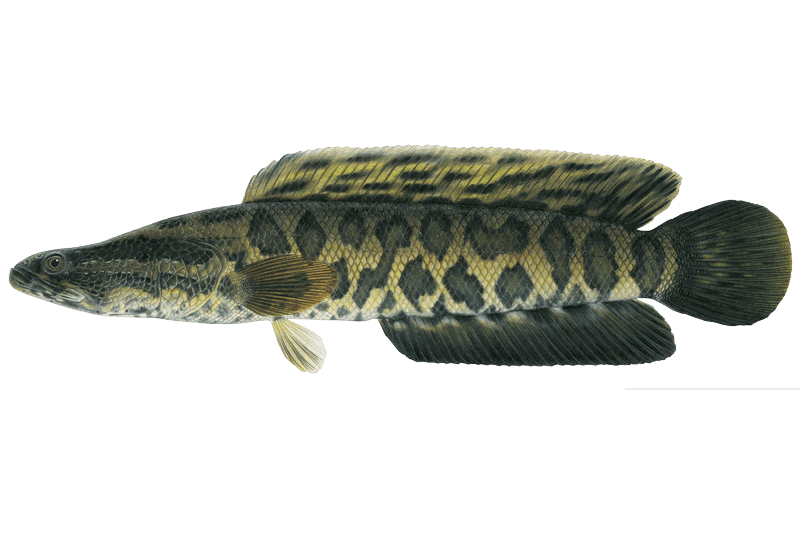
Northern Snakehead
Channa argus
Orangespotted Sunfish
Lepomis humilis

Pumpkinseed
Lepomis gibbosus
Virginia licenses and regulations

Virginia Boating Regulations
When using any type of watercraft to access a body of water, it is important to follow all federal, state, and local rules and regulations. These rules and regulations include boat permitting and licensing, invasive species inspections and stamps, life jacket and PFD rules, motor size and horsepower restrictions, noise limitations, restrictions on personal watercraft, and many more. Visit the web link below for the most current rules and regulations for this body of water.

Virginia Stream Access Laws
Virginia uses a strict navigable in fact test, where waterways must be capable of commercial trade and travel in their natural condition and public access is limited where navigable waters border private land. The state law isn’t fully developed and is arguably stricter than the federal title test. While state law is confusing and hasn’t been friendly to public access in the past, a 2015 court case opened up 14 rivers to public use that were previously off limits.

Virginia Fishing License
A Virginia fishing license is required for residents and non-residents, age 16 and over.

Virginia Fishing Regulations
This river has a variety of species and regulations, including potential floating and/or watercraft restrictions. Because this river is specially managed for species, seasons, angling methods, and watercraft, it is strongly encouraged you check all federal, state, and local regulations before fishing. Visit any of the links below, inquire locally, or contact a local fly shop to learn current regulations and restrictions.
Explore nearby waters
Explore Virginia waters
Top fishing waters
Popular Cities
Loading popular cities...
Smarter Fishing Starts in the App.
onWater Fish gives you everything you need to plan smarter, fish better, and own every trip from first cast to last.