Black Drum

Black Drum are Virginia's largest member of the drum family, reaching over 46 inches and 120 pounds with lifespans up to 67 years. These powerful bottom-feeders are opportunistic with powerful jaws capable of crushing hard-shelled prey.
Scientific Name: Pogonias cromis
- Distinguished by their dark silvery-gray bodies with brassy sheens, multiple barbels under their chins, and cobblestone-like pharyngeal teeth plates used to crush shellfish.
- Juveniles display 4-5 vertical black bars that fade with age.
Fishing in Virginia
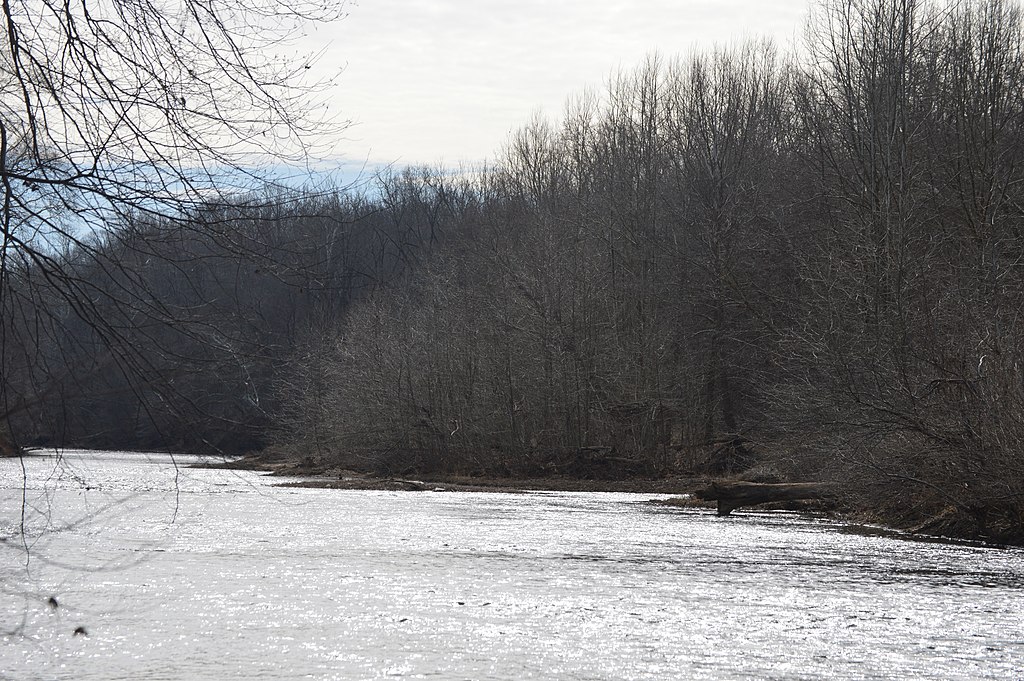
Rivanna River
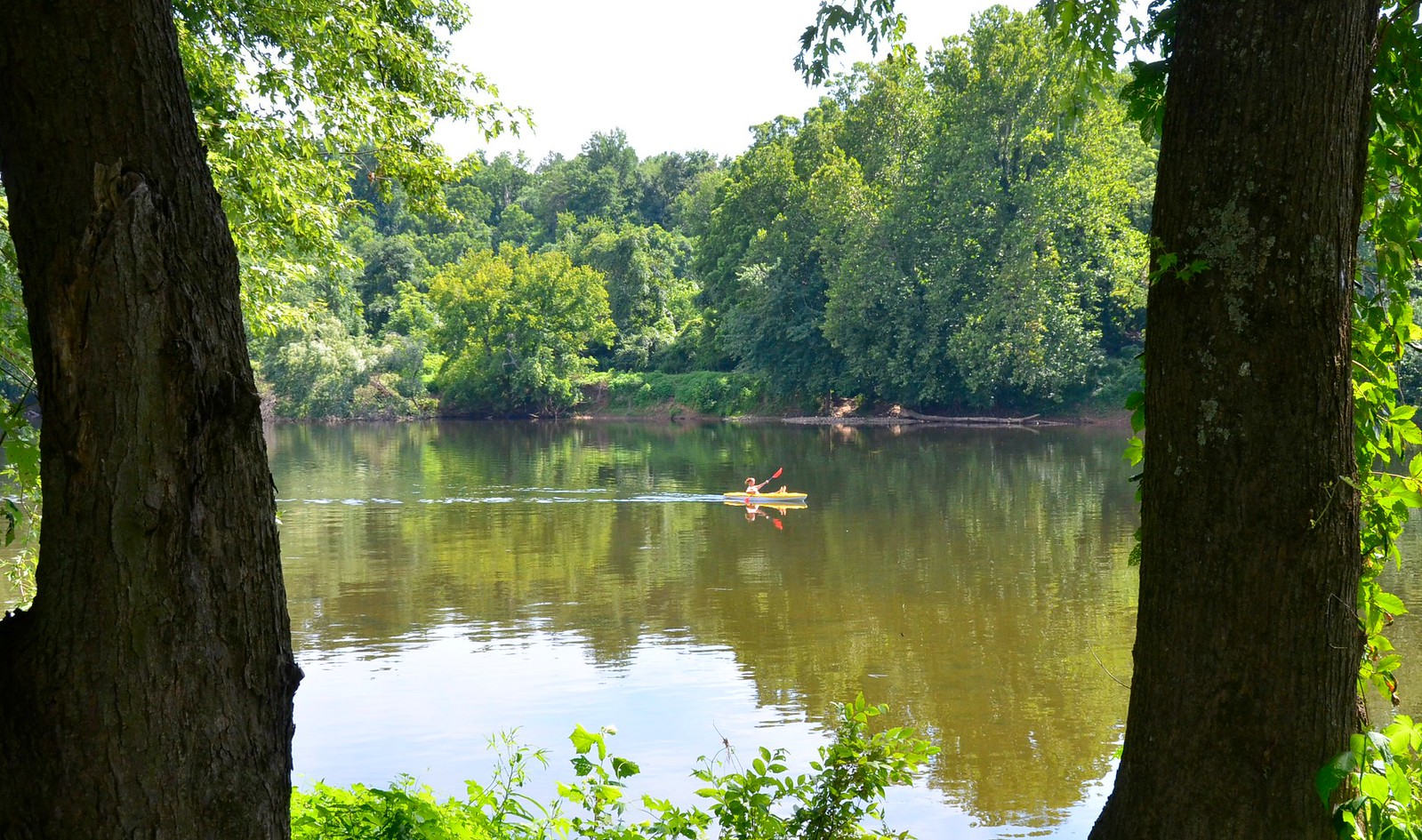
James River
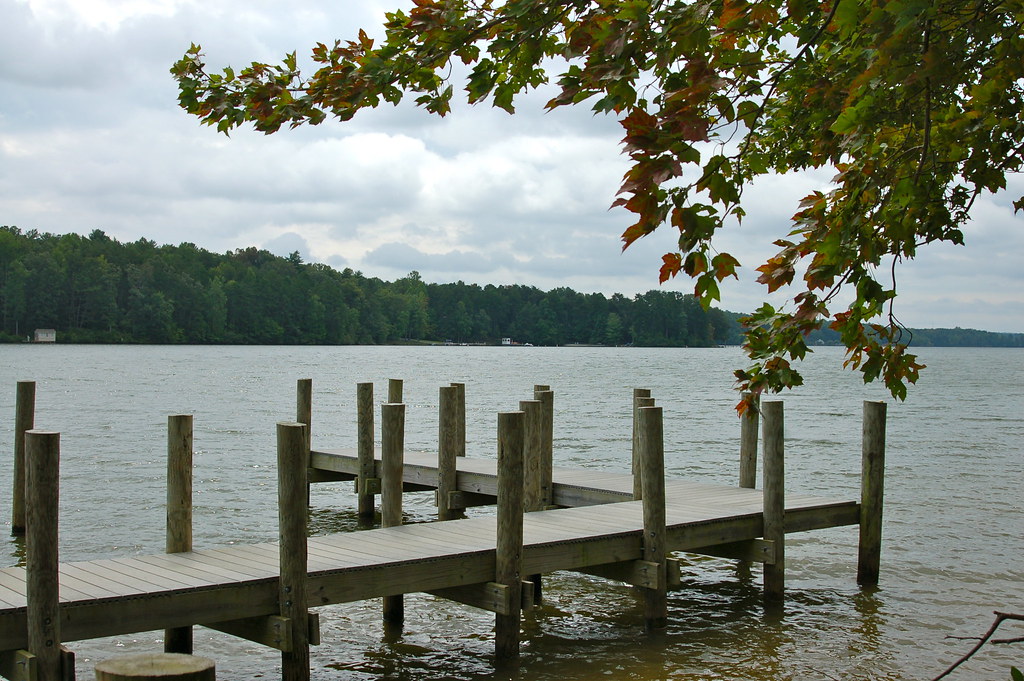
Lake Anna
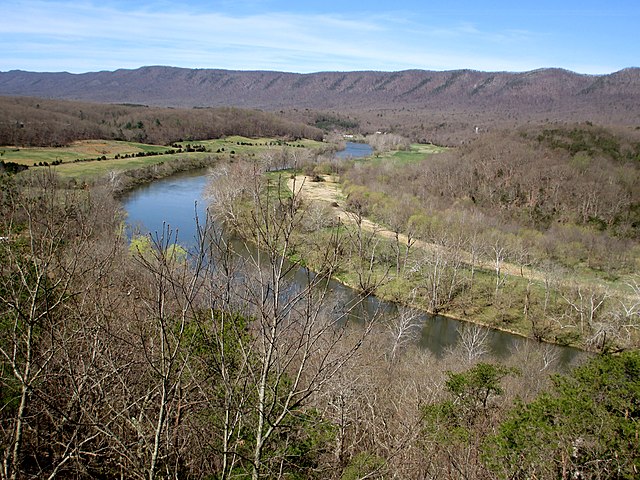
South Fork Shenandoah River
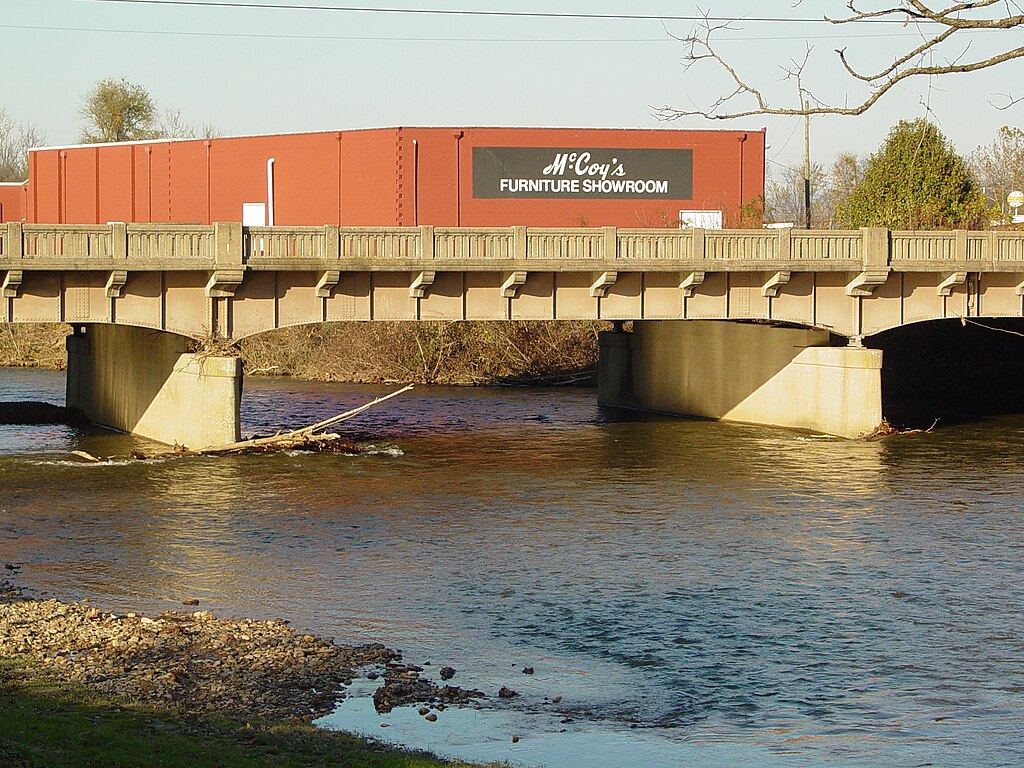
South River
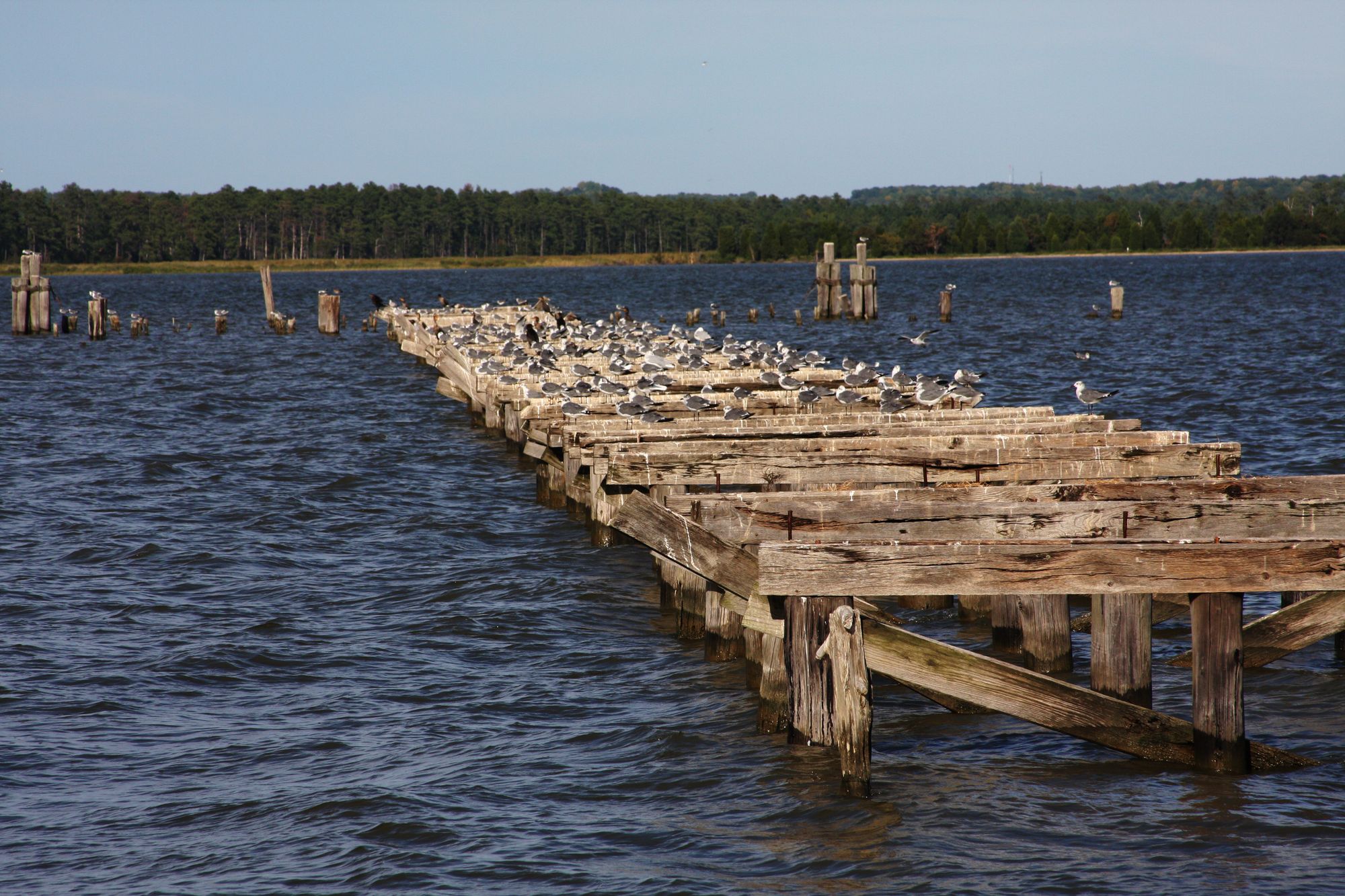
Rappahannock River
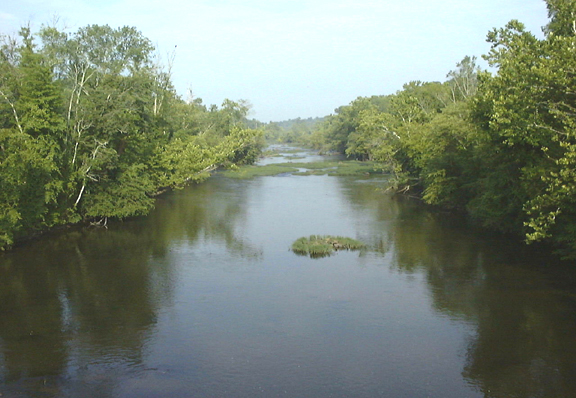
Appomattox River
Beaver Creek Reservoir
South Fork Rivanna River
Rapidan River
What to know
Habitat Distribution
- In Virginia waters, Black Dr.um are distributed throughout the Chesapeake Bay system, from the lower bay near Cape Charles and the Chesapeake Bay Bridge Tunnel complex, extending into tributaries like the York River where populations have been recovering.
- They're also found in Eastern Shore seaside inlets and barrier island waters.
Key Locations
- Prime Virginia locations include the Chesapeake Bay Bridge Tunnel (especially 2nd and 3rd islands), Cape Charles area including Kiptopeake and the Cabbage Patch, buoys C-10 and C-12, York Spit area, and Eastern Shore seaside inlets.
Specific Spots
- They prefer shallow to moderate depths around oyster reefs, shell banks, bridge pilings, channel edges, and soft bottom areas where prey is abundant.
- Fish the shallow portions of channel ledges, oyster beds near drop-offs, and around any underwater structure.
- Adults typically inhabit deeper waters while juveniles use estuarine shallows as nursery areas.
Black Drum FAQ
Answers from onWater's species guide.
What are the best lures and bait for Black Drum in Virginia?
Top baits include fresh blue crabs (whole or halved), sea clams, peeler crabs, and crab/clam 'sandwiches.' Live spot, croaker, and menhaden also produce. Fresh bait is critical as Black Dr.um have excellent scent detection. Cut bait to release more odor and blood.
What flies work for Black Drum in Virginia?
Heavy weighted patterns in dark colors (black, purple, dark green). Target shallow flats and grass beds with small buggy patterns that imitate crabs and shrimp.
When is the best time to fish for Black Drum in Virginia?
Peak Black Dr.um fishing in Virginia occurs from May through September, with the best action in May-June (post-spawn) and again in late June through August around structures like the Chesapeake Bay Bridge Tunnel.
How do you catch Black Drum in Virginia?
Use a knocker rig (sliding sinker) to maintain bottom contact and detect subtle bites. When fishing from boats, use fish finders to locate schools over structure. For fly fishing, strip flies slowly along bottom to create puffs of sediment that attract feeding drum.
What do Black Drum eat?
Adults primarily consume benthic crustaceans (blue crabs, fiddler crabs), mollusks (clams, oysters), and occasionally surface-feed on menhaden. Juveniles start with smaller prey like amphipods, polychaetes, and small fish before transitioning to larger crustaceans and mollusks as their pharyngeal teeth develop.
Fish smarter with real-time insights
Whether you're en route and conditions shift or you're looking for the best spot based on current flows, we enable you to make informed decisions on the fly.




See it in the app
Most maps show you water.
onWater shows you Black Drum.



- 01 · Species map filter
Map every Black Drum water
Pick Black Drum and the map zeroes in on the waters they call home. No more guessing which lake holds them.
- 02 · Waterbody species
Tap any water. See what lives there.
Species, behavior and seasonal patterns for every lake, river and pond, before you leave the driveway.
- 03 · Angler Intelligence
Ask how to catch Black Drum
Tactics, gear and timing from onWater's AI fishing guide, tuned to the species and the water you're on.
Stop guessing where Black Drum are.
Open the map, filter by Black Drum, and head to water that holds them. Download onWater and plan your next trip in minutes.
- Species map filter
- Angler Intelligence
- Fishing journal
Explore other species
Trout, bass, salmon, panfish and everything in between. Each guide unpacks the behavior, seasons, and tactics that put fish in the net.
No species information available.
Virginia licenses and regulations
Explore nearby waters
Explore Virginia waters
Top fishing waters
Popular Cities
Loading popular cities...

Smarter Fishing Starts in the App.
onWater Fish gives you everything you need to plan smarter, fish better, and own every trip from first cast to last.