Alewife

Alewife are anadromous members of the herring family that are native to tributaries of the Albemarle Sound, Chesapeake Bay, and Atlantic Ocean, though have been introduced to numerous inland waters throughout Virginia as a forage species.
Scientific Name: Alosa pseudoharengus
- Average 10 inches in Virginia but can exceed 16 inches in length.
- These silvery fish have grayish-green backs, large eyes, and a distinctive dark shoulder spot behind the head.
- At Lake Moomaw, they average 4-5 inches but can reach 7 inches.
Fishing in Virginia
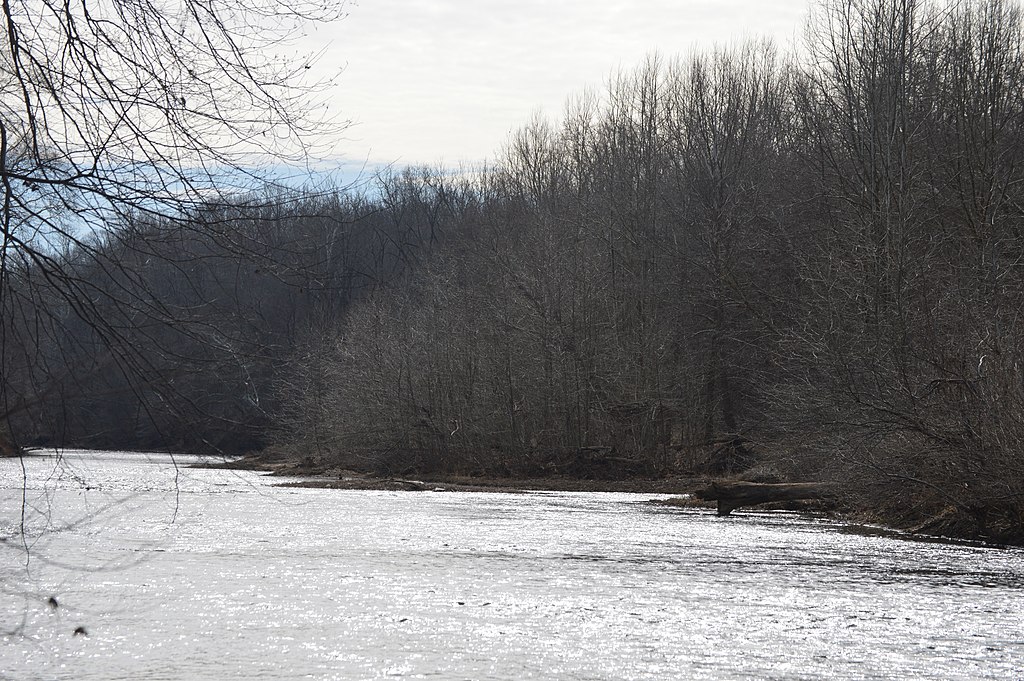
Rivanna River
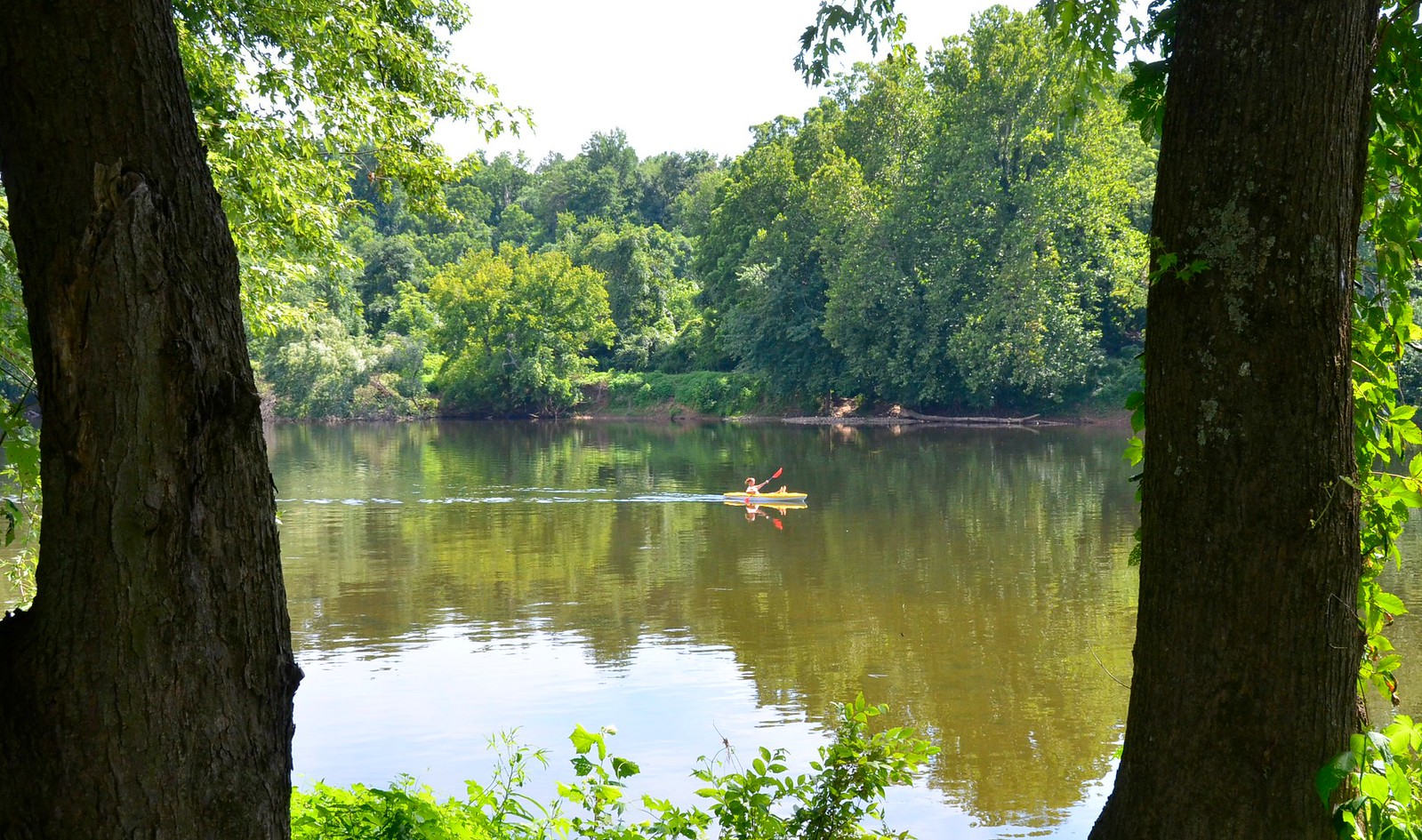
James River
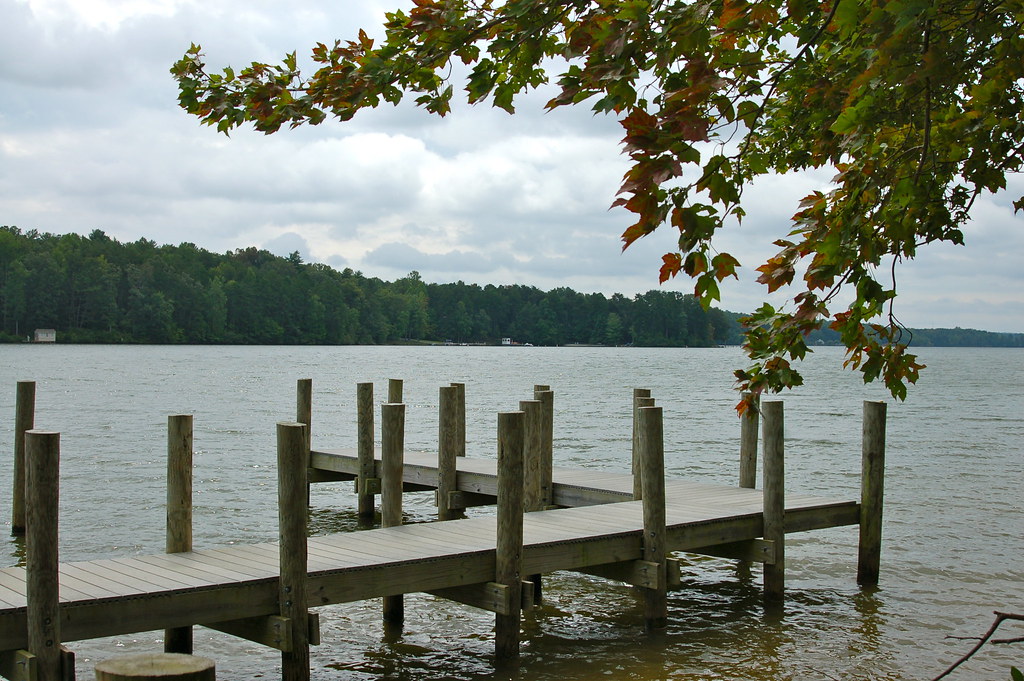
Lake Anna
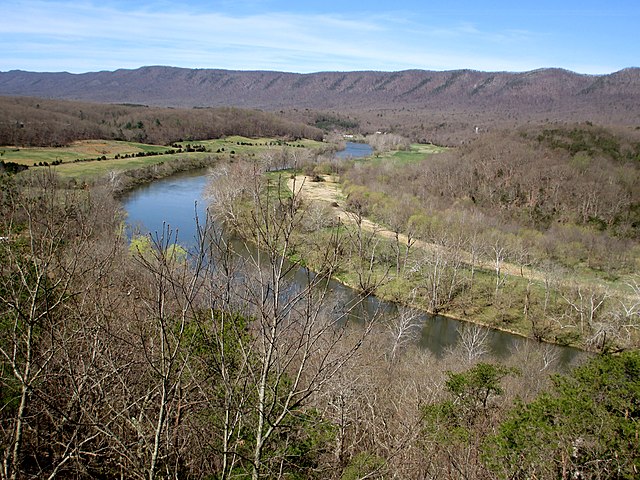
South Fork Shenandoah River
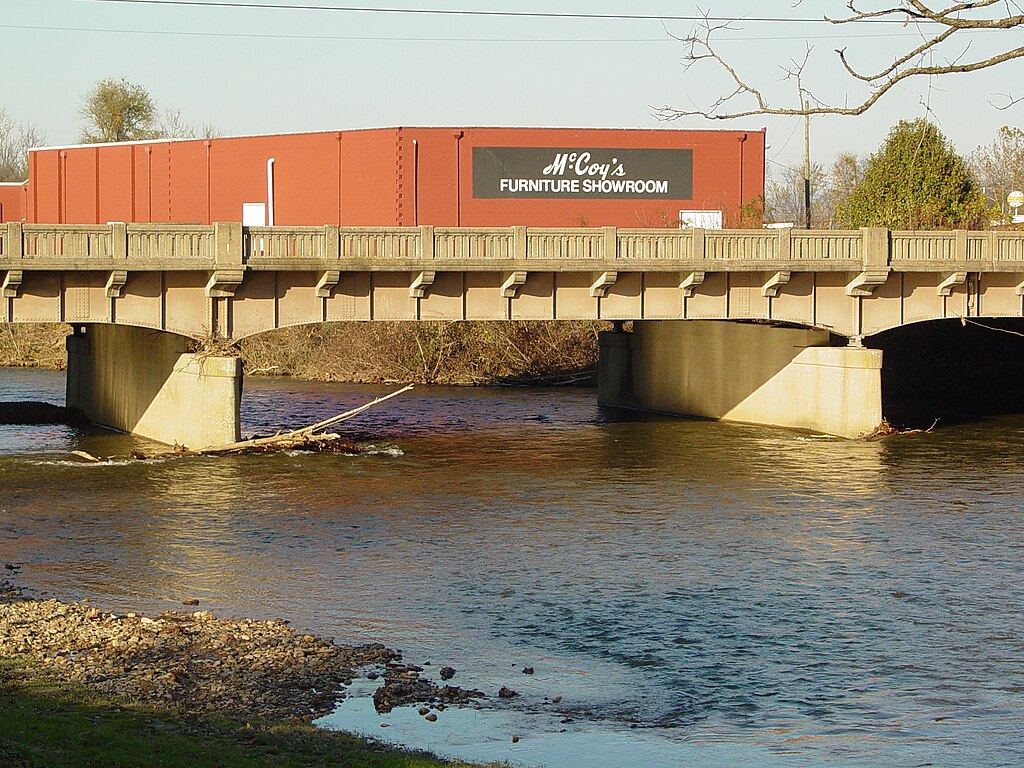
South River
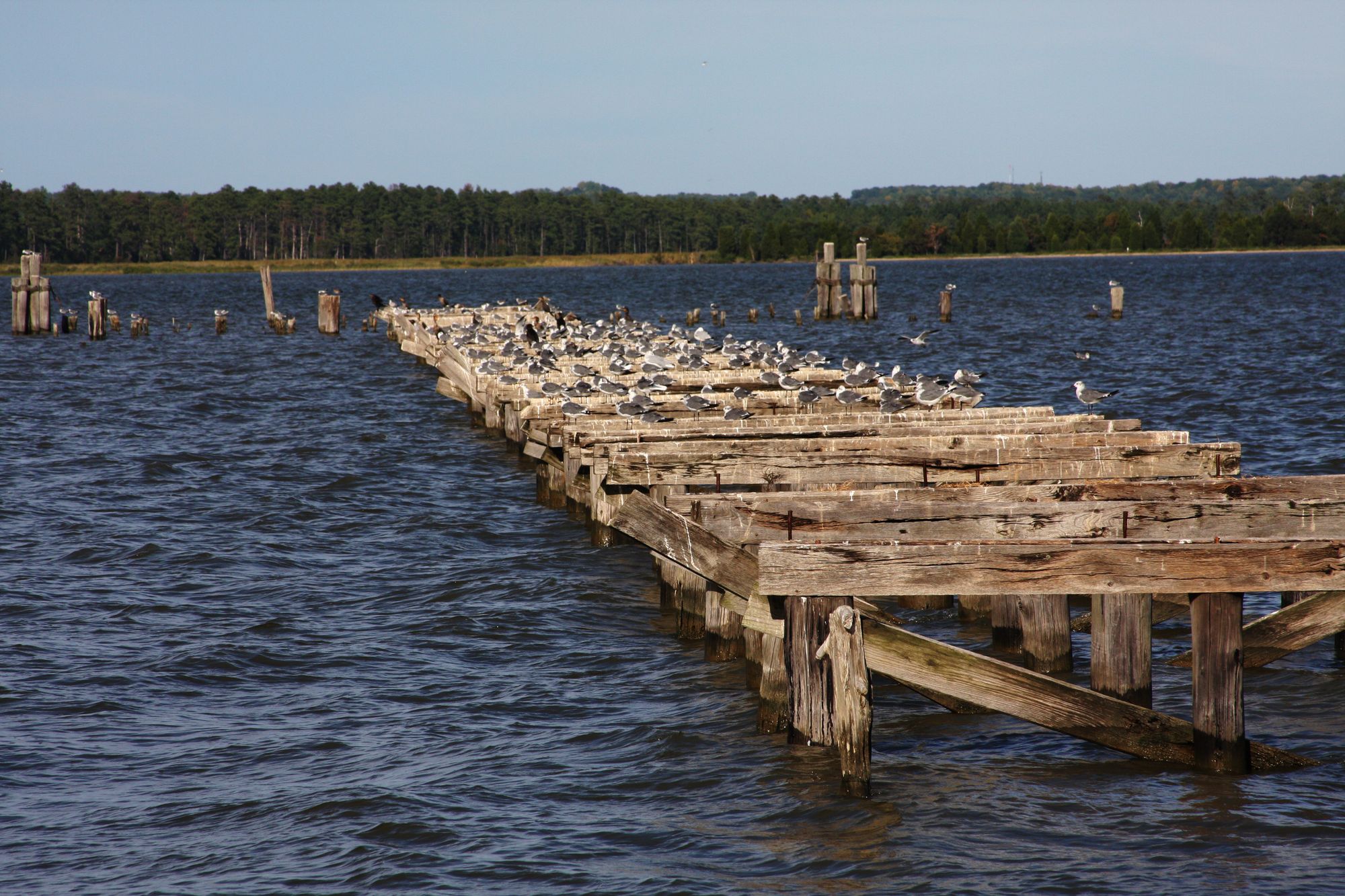
Rappahannock River
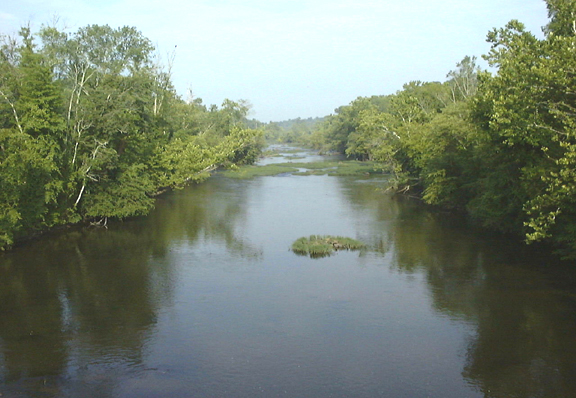
Appomattox River
Beaver Creek Reservoir
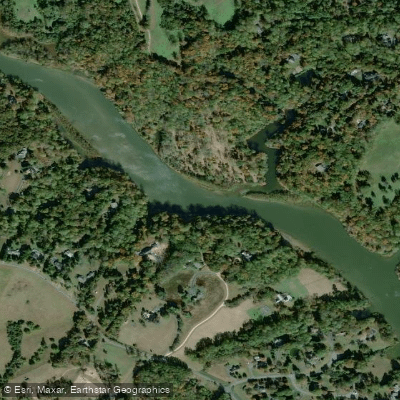
South Fork Rivanna River
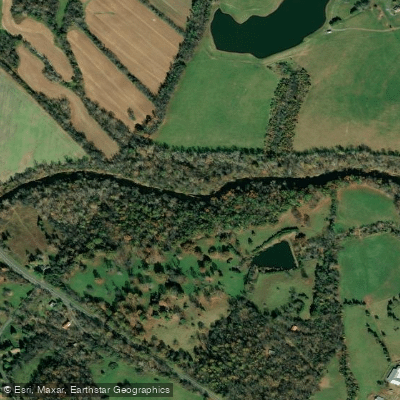
Rapidan River
What to know
Habitat Distribution
- They're native to tributaries of the Albemarle Sound, Chesapeake Bay, and Atlantic Ocean, though have been introduced to numerous inland waters throughout Virginia as a forage species.
- Their distribution extends throughout Virginia's river systems including the James, York, Rappahannock, and other Chesapeake Bay tributaries, though populations beyond the coastal plain are introduced.
- In Virginia's inland waters, alewife populations have been established in several reservoirs.
Key Locations
- Lake Moomaw, James, York, Rappahannock, and other Chesapeake Bay tributaries, tidal tributaries, Chesapeake Bay, and along the Atlantic Coast.
Specific Spots
- They prefer shallow, sluggish waters with gravel substrates in upper reaches of tidal systems and quieter river backwaters.
- Target open water areas, particularly suspended fish around deep humps, points, and thermocline depths of 20-25 feet during midday.
- Look for schools on electronics - they often appear as dense clouds in mid-water.
Alewife FAQ
Answers from onWater's species guide.
What are the best lures and bait for Alewife in Virginia?
Small lures are key to success - use tiny jigs, flies, spoons, and minnow imitations. Cured fish roe and small minnows can also be effective baits.
When is the best time to fish for Alewife in Virginia?
Most productive from June through August when they're actively schooling in open water. Adults return to Virginia's freshwater tributaries to spawn between February and May, typically earlier than blueback herring when water temperatures reach 15-17°C. Peak spawning occurs from late March through April.
How do you catch Alewife in Virginia?
The most effective methods include casting and vertical jigging using Sabiki rigs, which work exceptionally well from late June through the rest of the fishing season. Cast nets can be effective in rivers or during dark conditions, though regulations vary by location.
What do Alewife eat?
Alewife are pelagic schooling fish that feed heavily on zooplankton, shrimp, small crustaceans, and small fish in open water near the surface.
Where do Alewife live in Virginia?
They're native to tributaries of the Albemarle Sound, Chesapeake Bay, and Atlantic Ocean, though have been introduced to numerous inland waters throughout Virginia as a forage species.
Fish smarter with real-time insights
Whether you're en route and conditions shift or you're looking for the best spot based on current flows, we enable you to make informed decisions on the fly.




See it in the app
Most maps show you water.
onWater shows you Alewife.
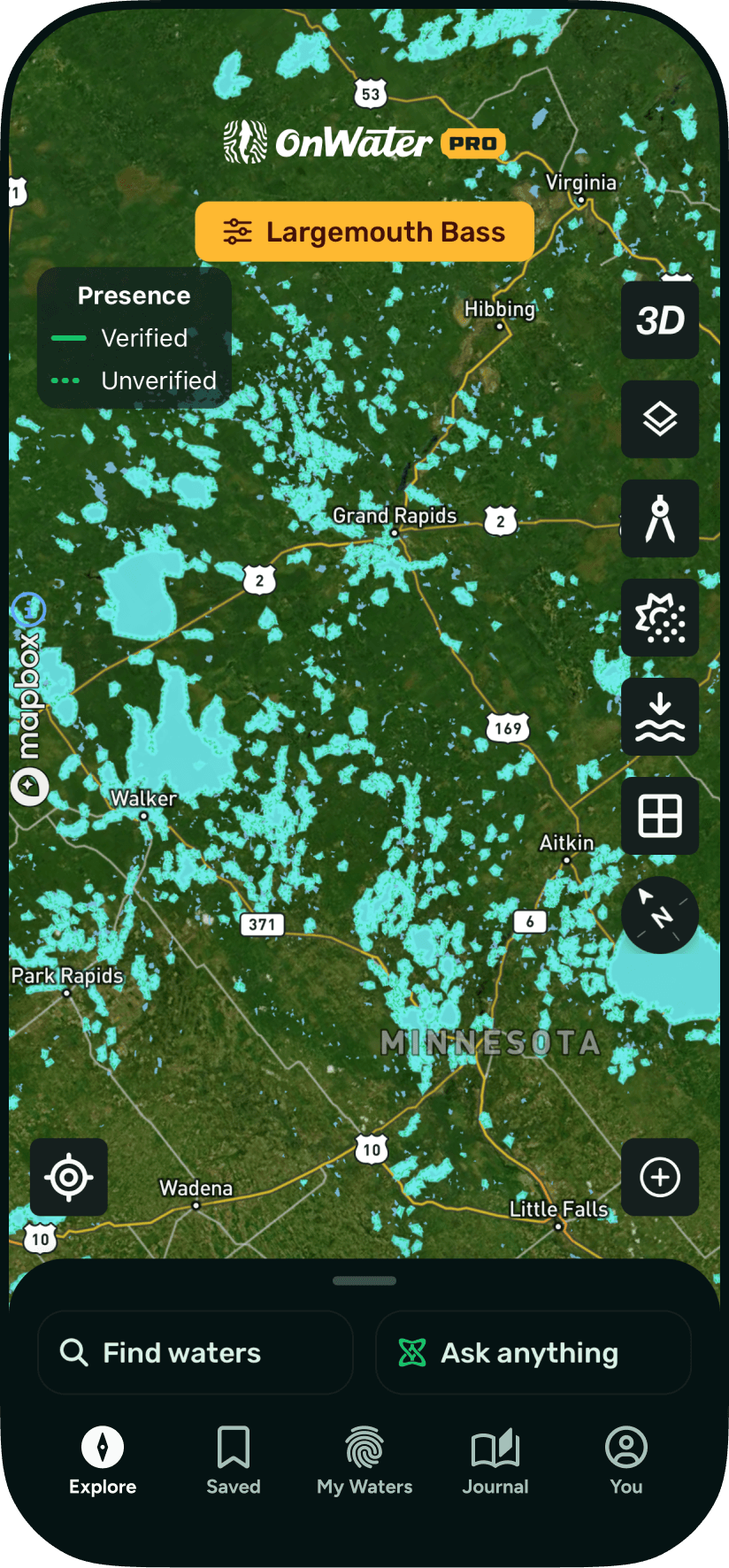
- 01 · Species map filter
Map every Alewife water
Pick Alewife and the map zeroes in on the waters they call home. No more guessing which lake holds them.
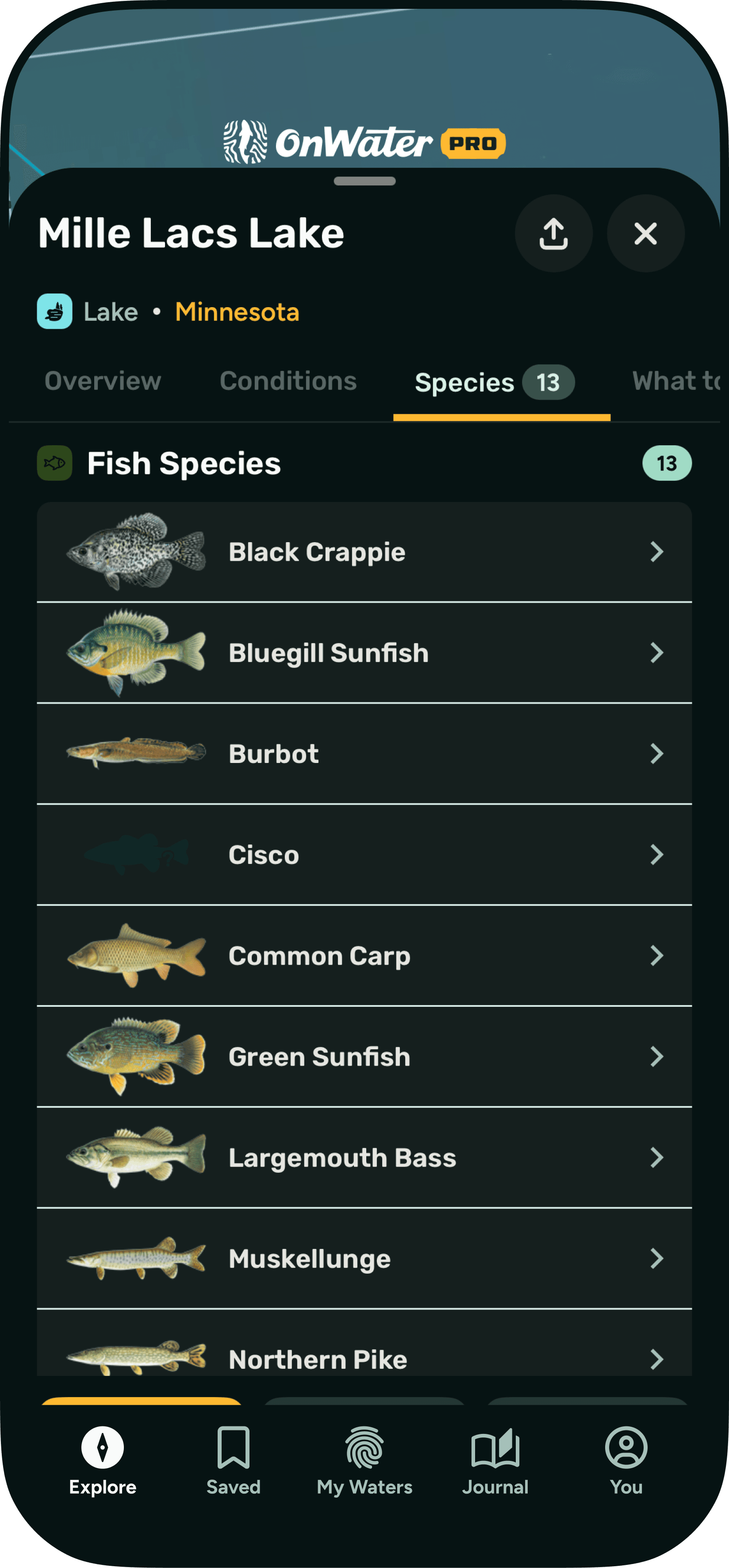
- 02 · Waterbody species
Tap any water. See what lives there.
Species, behavior and seasonal patterns for every lake, river and pond, before you leave the driveway.
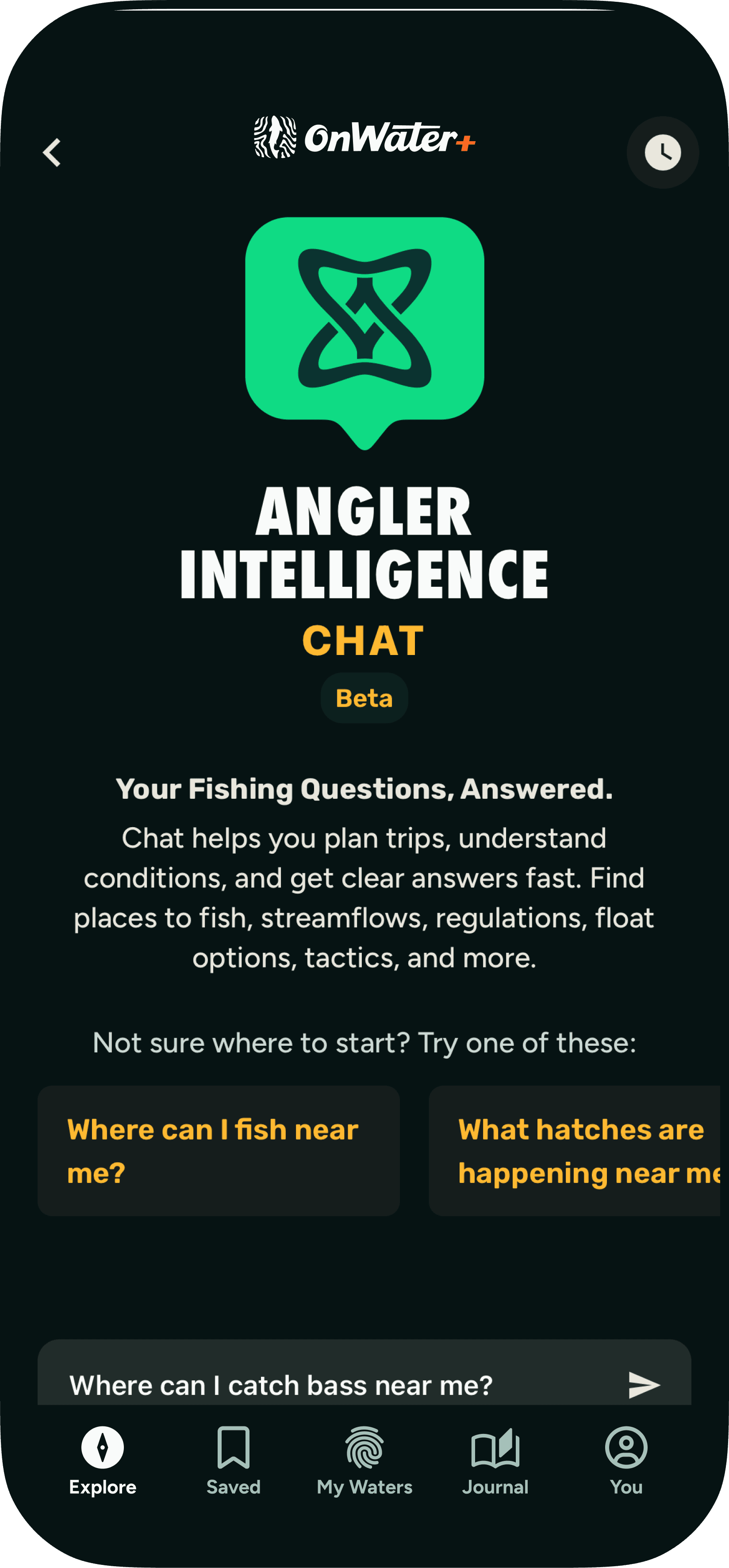
- 03 · Angler Intelligence
Ask how to catch Alewife
Tactics, gear and timing from onWater's AI fishing guide, tuned to the species and the water you're on.
Stop guessing where Alewife are.
Open the map, filter by Alewife, and head to water that holds them. Download onWater and plan your next trip in minutes.
- Species map filter
- Angler Intelligence
- Fishing journal
Explore other species
Trout, bass, salmon, panfish and everything in between. Each guide unpacks the behavior, seasons, and tactics that put fish in the net.
Find which waters have the species you want to catch
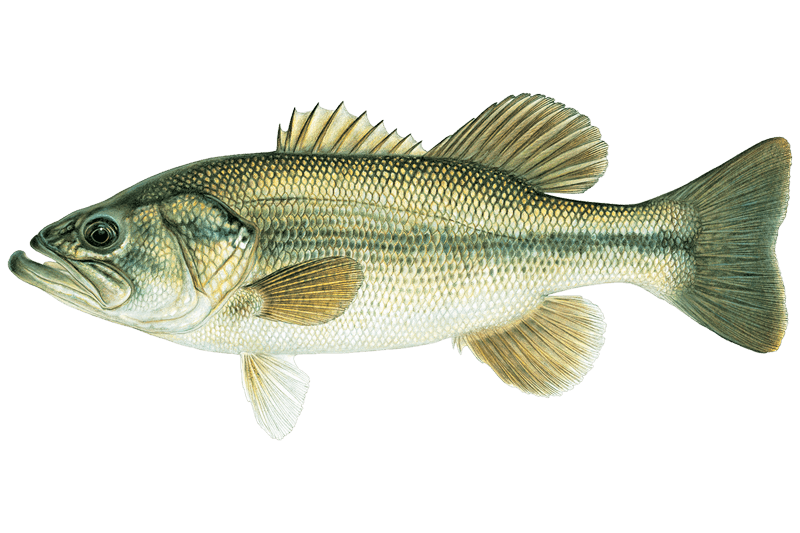
Largemouth Bass
Micropterus salmoides
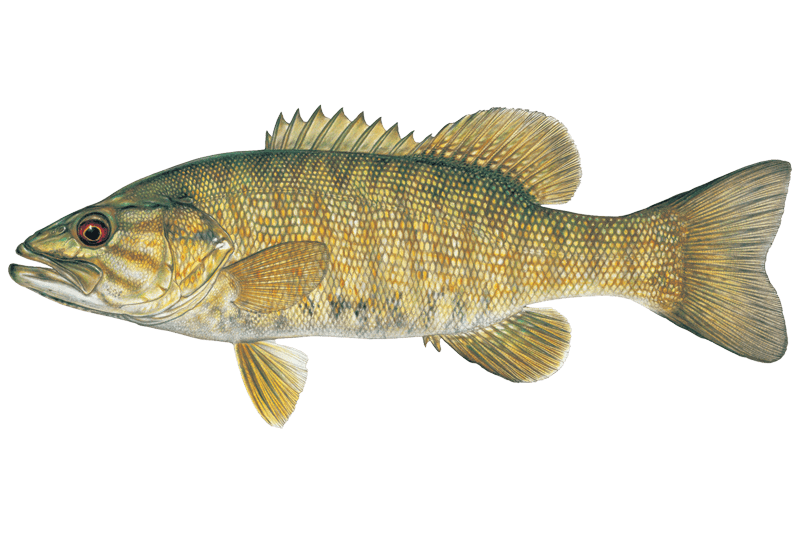
Smallmouth Bass
Micropterus dolomieu
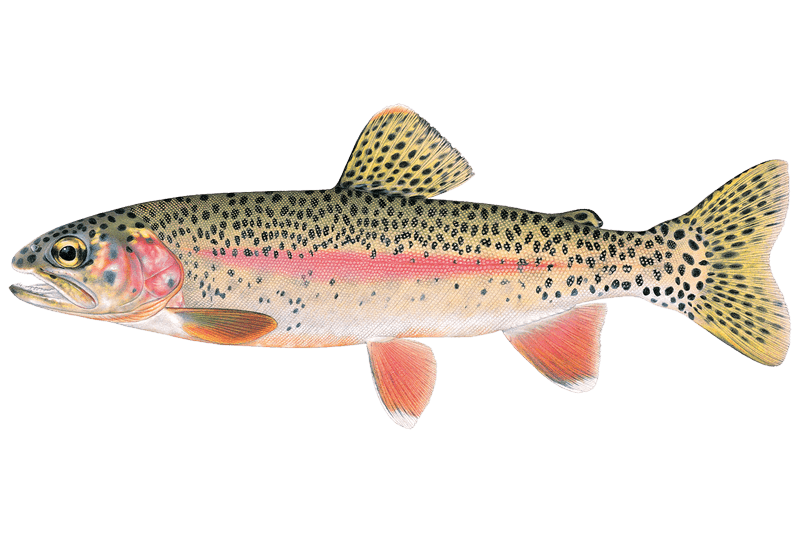
Rainbow Trout
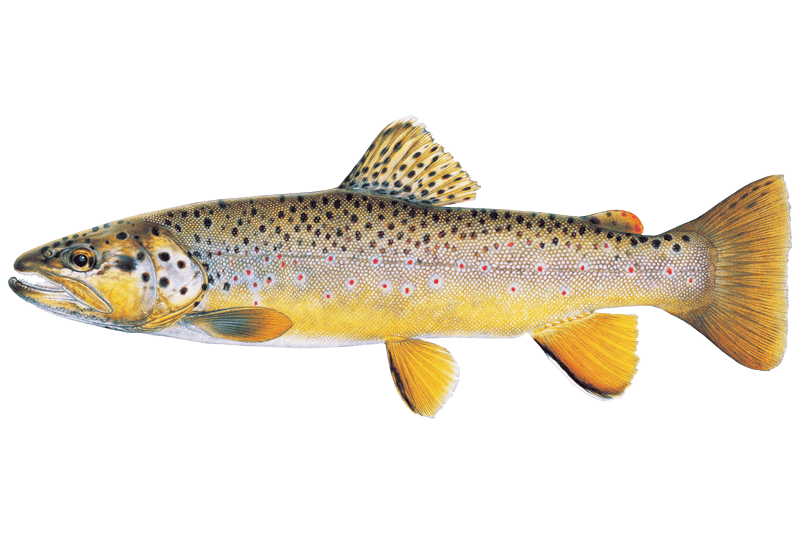
Brown Trout
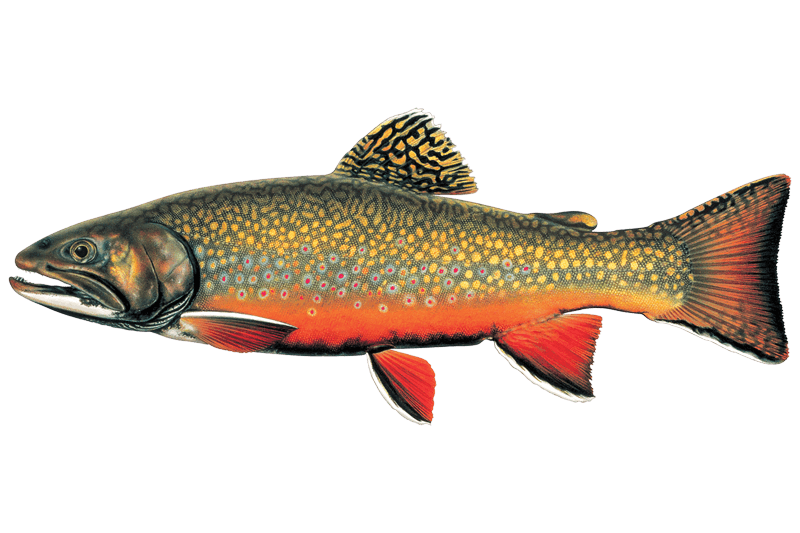
Brook Trout
Salvelinus fontinalis
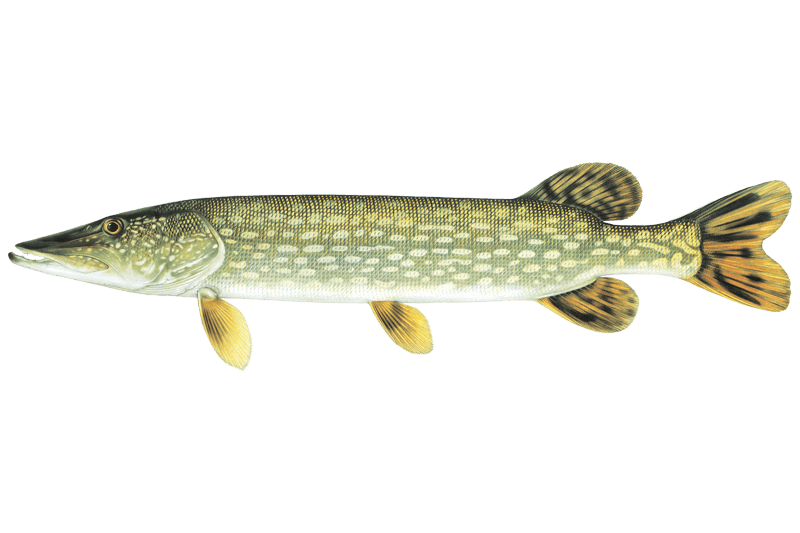
Northern Pike
Esox lucius
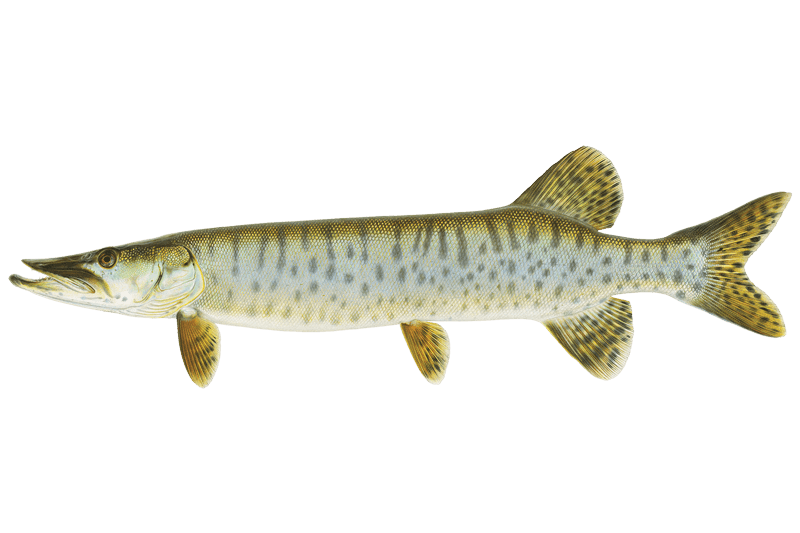
Muskellunge
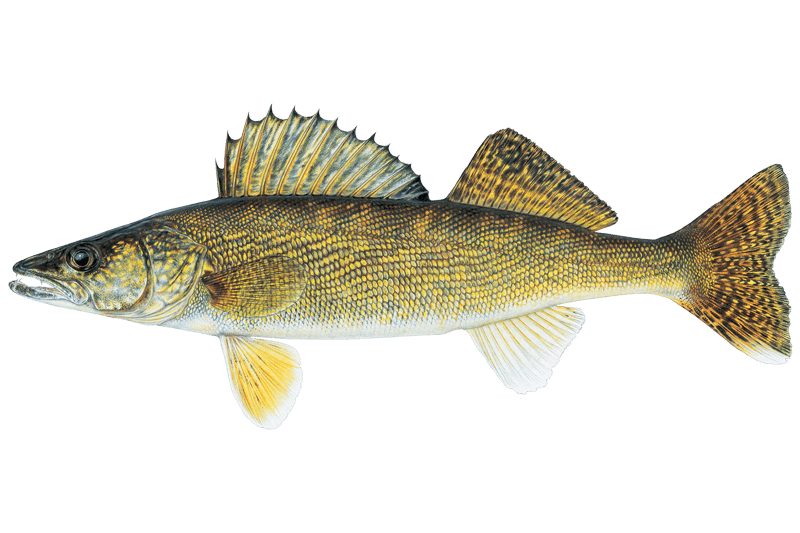
Walleye
Sander vitreus
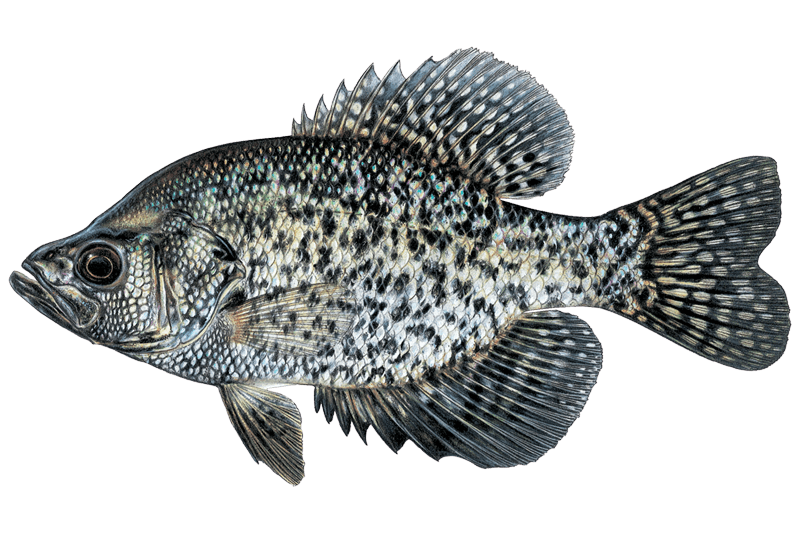
Black Crappie
Pomoxis nigromaculatus

American Eel
Anguilla rostrata
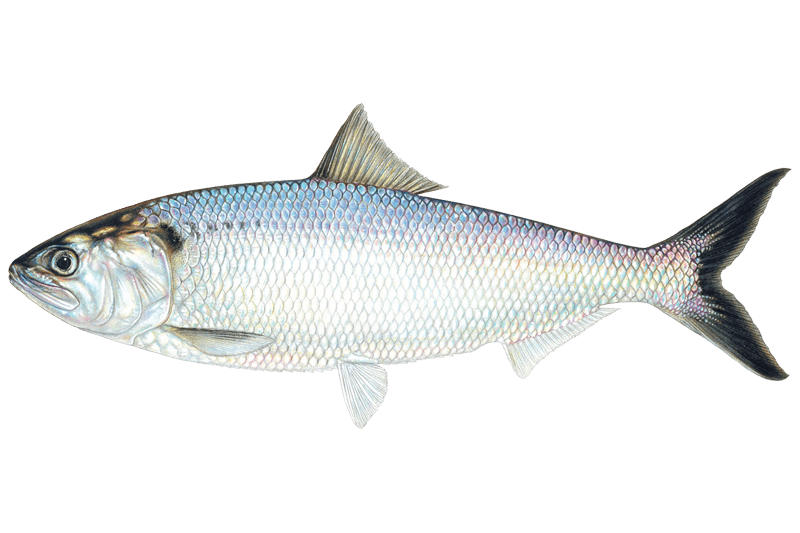
American Shad
Alosa sapidissima

Atlantic Croaker
Micropogonias undulatus

Atlantic Sturgeon
Acipenser oxyrinchus oxyrinchus

Black Bullhead
Ameiurus melas

Black Drum
Pogonias cromis

Blacknose Dace
Rhinichthys atratulus
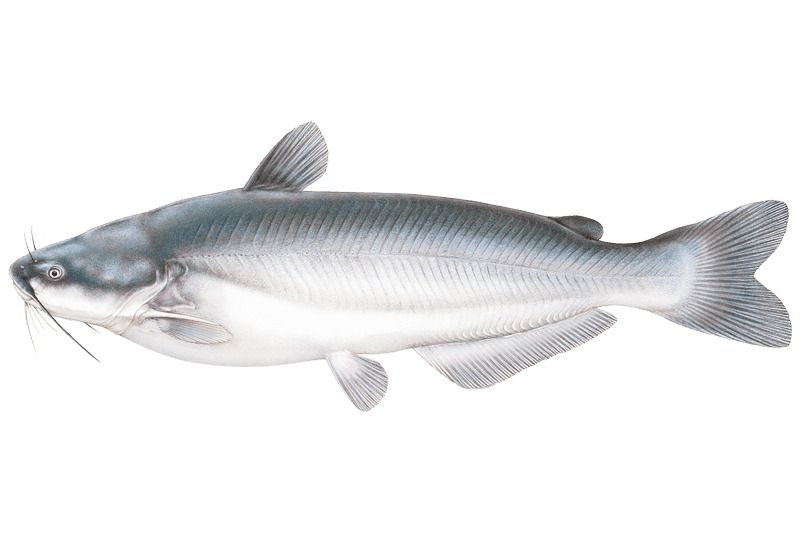
Blue Catfish
Ictalurus furcatus

Bluefish
Pomatomus saltatrix

Bowfin
Amia calva
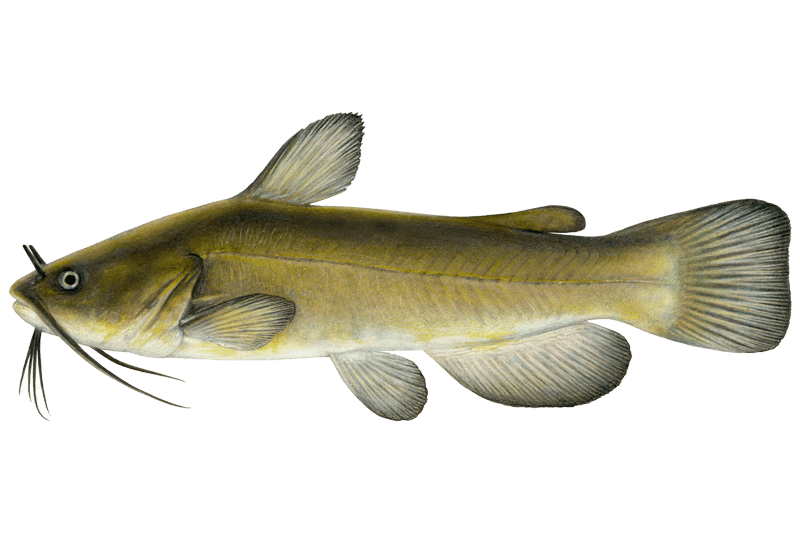
Brown Bullhead
Ameiurus nebulosus
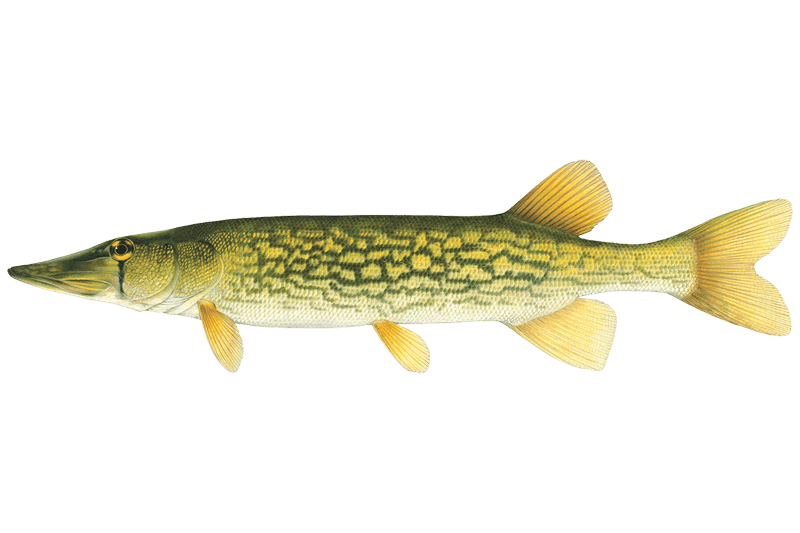
Chain Pickerel
Esox niger
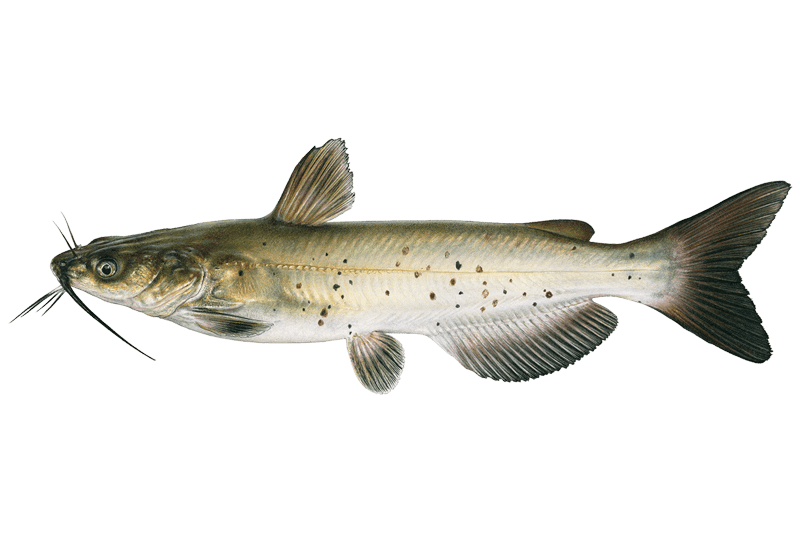
Channel Catfish
Ictalurus punctatus

Cobia
Rachycentron canadum
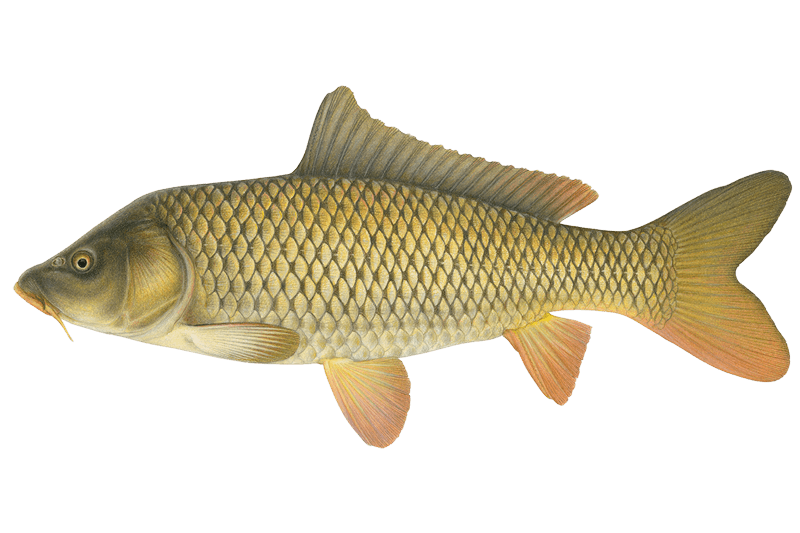
Common Carp
Cyprinus carpio

Creek Chub
Semotilus atromaculatus
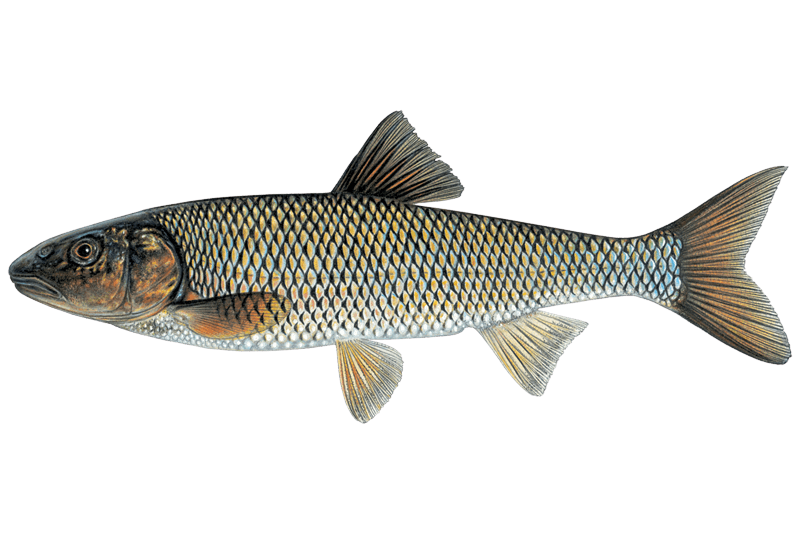
Fallfish
Semotilus corporalis
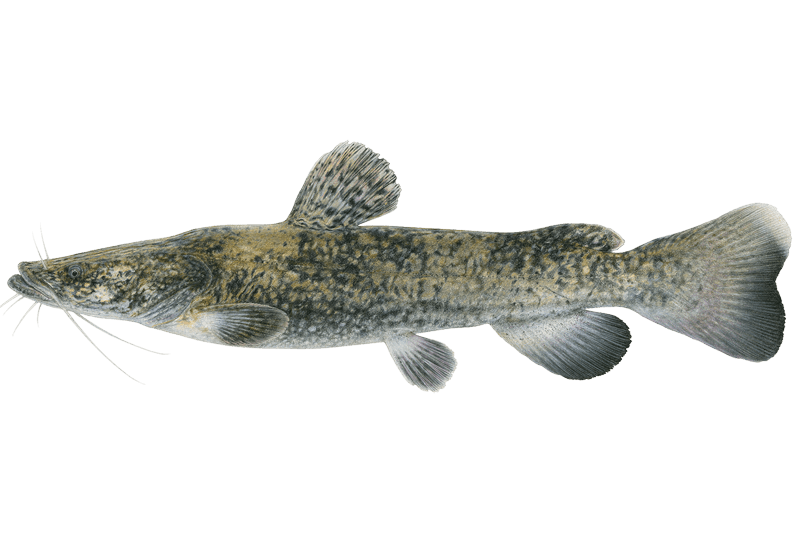
Flathead Catfish
Pylodictis olivaris
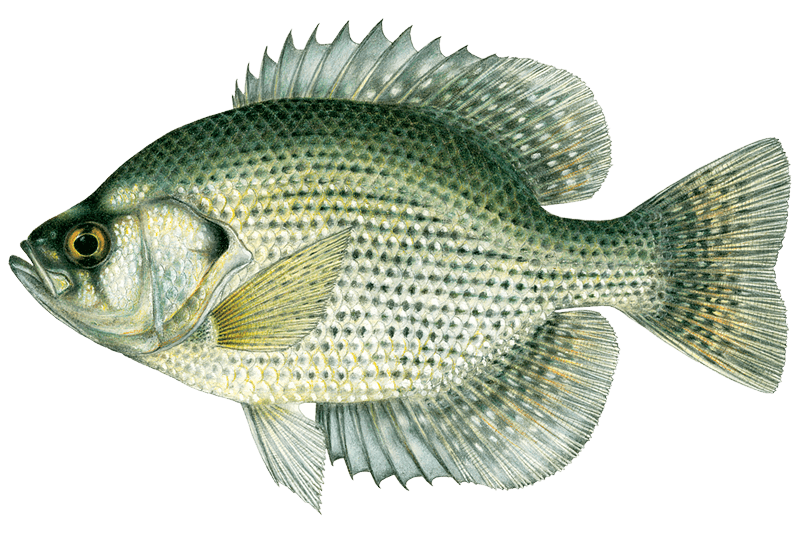
Flier
Centrarchus macropterus
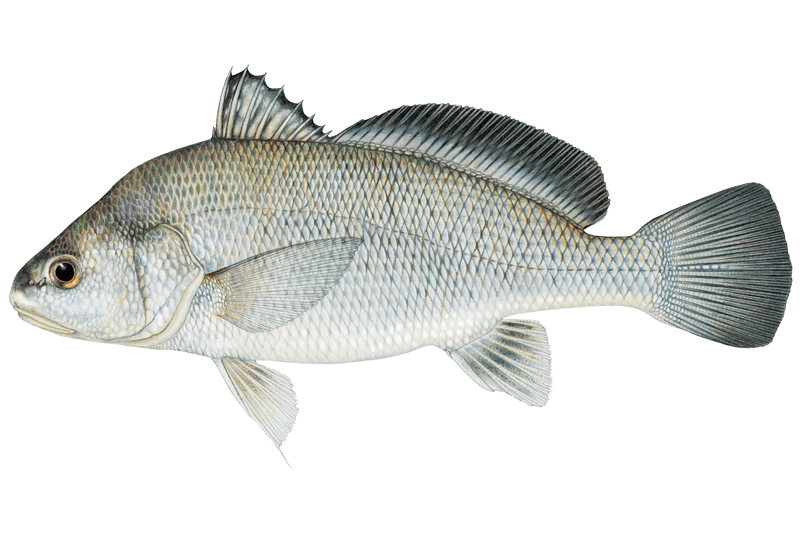
Freshwater Drum
Aplodinotus grunniens

Gizzard Shad
Dorosoma cepedianum
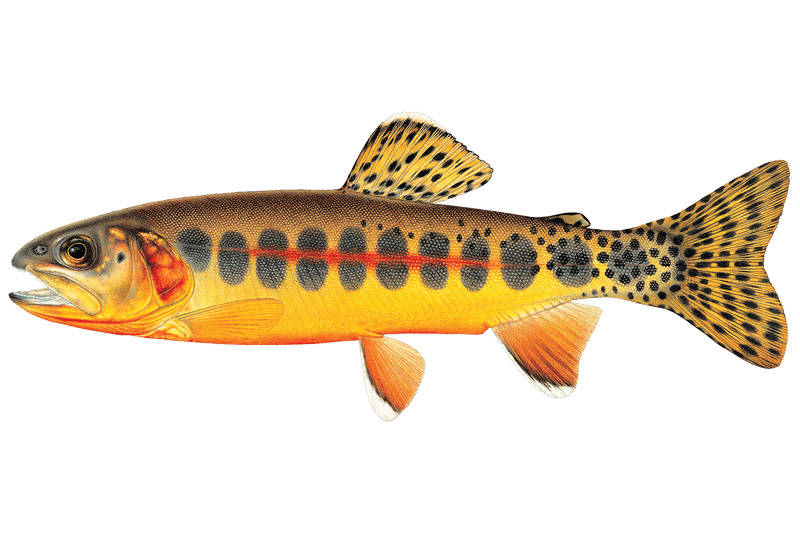
Golden Trout
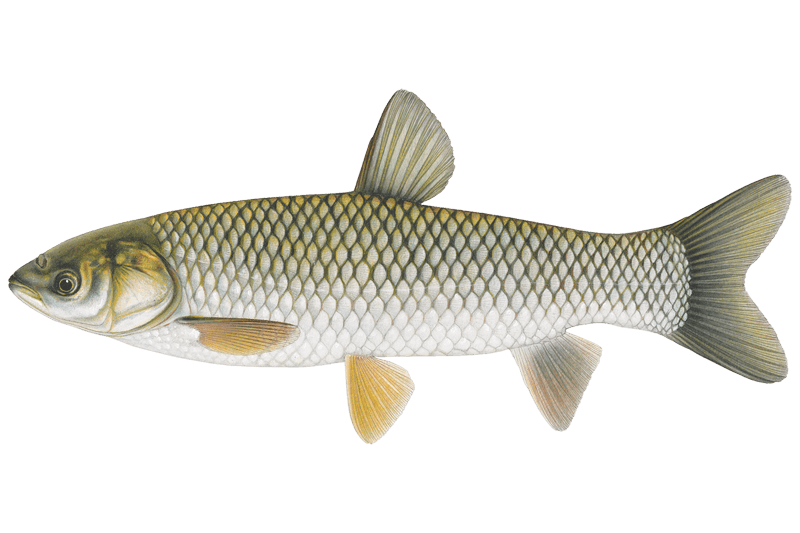
Grass Carp
Ctenopharyngodon idella
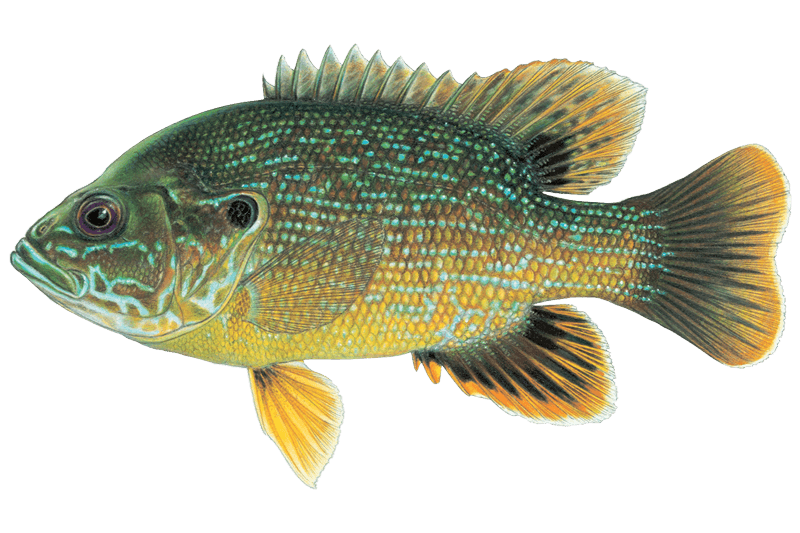
Green Sunfish
Lepomis cyanellus

Hickory Shad
Alosa mediocris
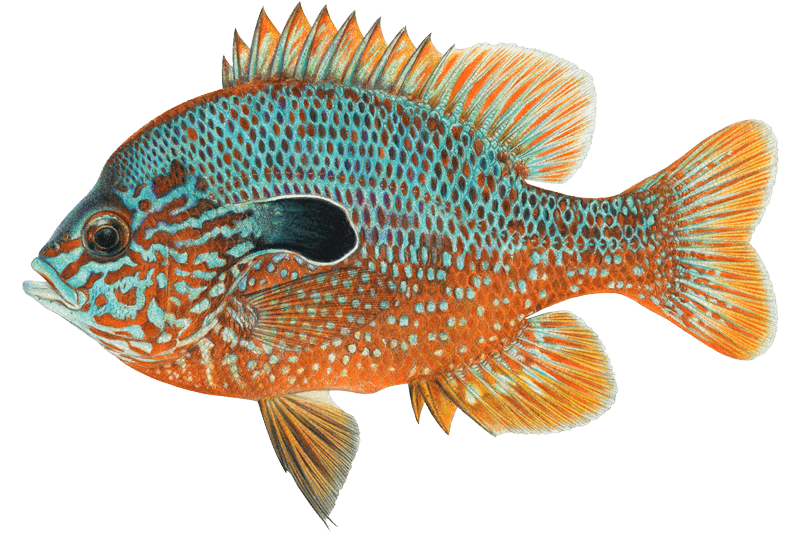
Longear Sunfish
Lepomis megalotis
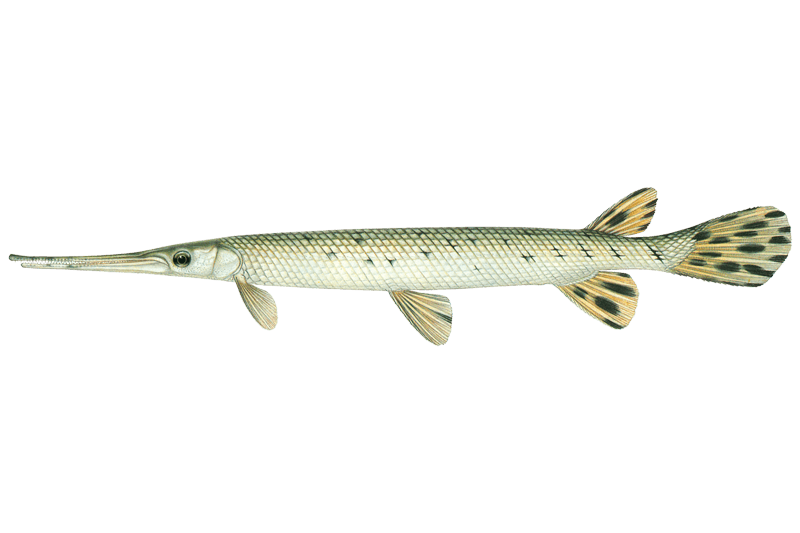
Longnose Gar
Lepisosteus osseus
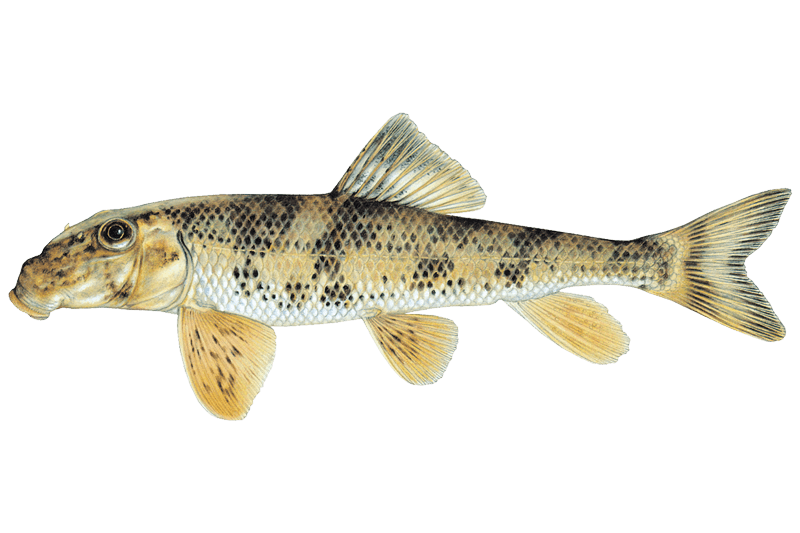
Northern Hogsucker
Hypentelium nigricans
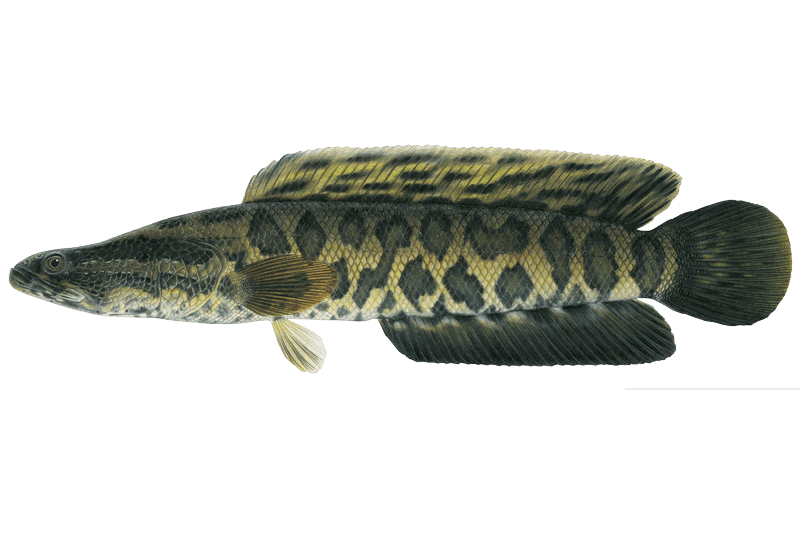
Northern Snakehead
Channa argus
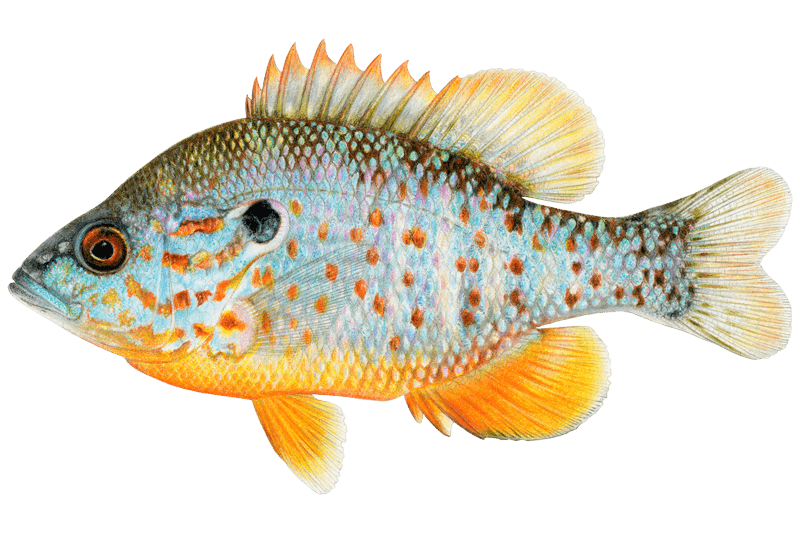
Orangespotted Sunfish
Lepomis humilis
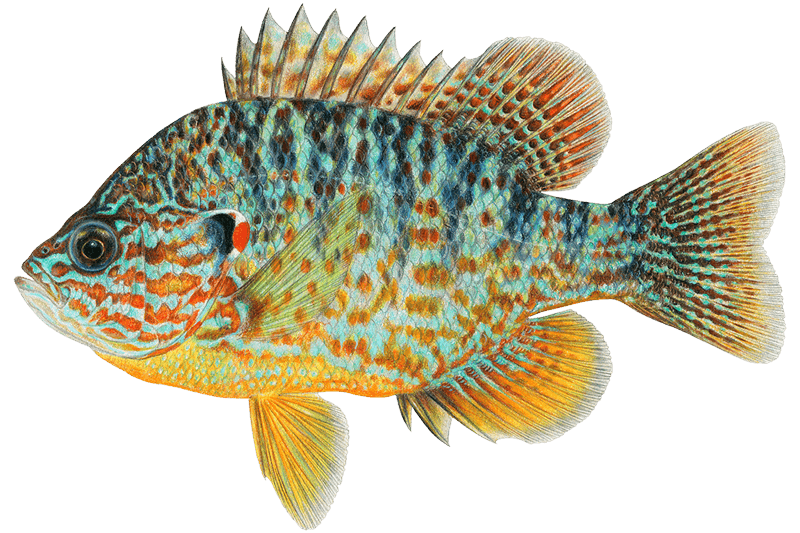
Pumpkinseed
Lepomis gibbosus
Virginia licenses and regulations
Virginia Boating Regulations
When using any type of watercraft to access a body of water, it is important to follow all federal, state, and local rules and regulations. These rules and regulations include boat permitting and licensing, invasive species inspections and stamps, life jacket and PFD rules, motor size and horsepower restrictions, noise limitations, restrictions on personal watercraft, and many more. Visit the web link below for the most current rules and regulations for this body of water.
Virginia Stream Access Laws
Virginia uses a strict navigable in fact test, where waterways must be capable of commercial trade and travel in their natural condition and public access is limited where navigable waters border private land. The state law isn’t fully developed and is arguably stricter than the federal title test. While state law is confusing and hasn’t been friendly to public access in the past, a 2015 court case opened up 14 rivers to public use that were previously off limits.
Virginia Fishing License
A Virginia fishing license is required for residents and non-residents, age 16 and over.
Virginia Fishing Regulations
This river has a variety of species and regulations, including potential floating and/or watercraft restrictions. Because this river is specially managed for species, seasons, angling methods, and watercraft, it is strongly encouraged you check all federal, state, and local regulations before fishing. Visit any of the links below, inquire locally, or contact a local fly shop to learn current regulations and restrictions.
Explore nearby waters
Explore Virginia waters
Top fishing waters
Popular Cities
Loading popular cities...
Smarter Fishing Starts in the App.
onWater Fish gives you everything you need to plan smarter, fish better, and own every trip from first cast to last.