Rainbow Trout
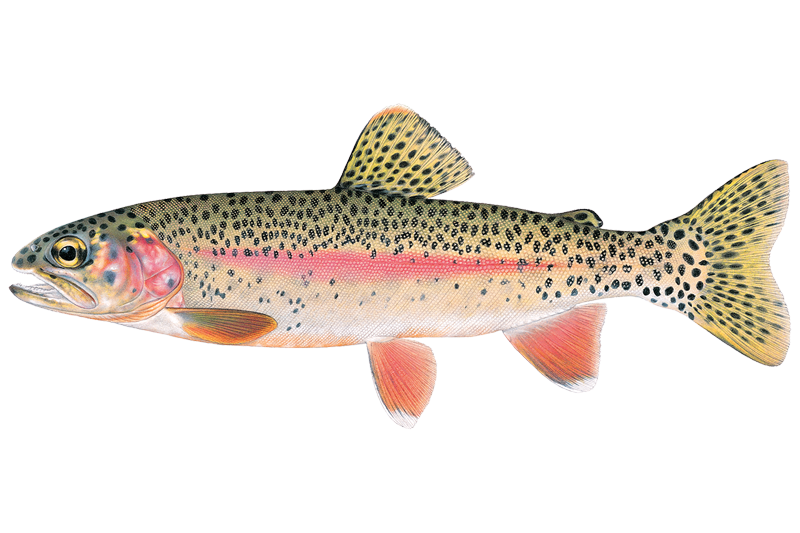
Rainbow Trout in Virginia are non-native salmonids originally introduced from the Pacific Coast, now established in 163 streams covering approximately 700 miles of water.
They're opportunistic feeders that display more aggressive feeding behavior than other trout species due to their faster metabolism.
- Rainbow Trout are distinguished by dark spots on a light background throughout the body, a forked tail fin, black spots on dorsal and tail fins, rosy-colored gill plates, and white leading edges on lower fins.
- They can exceed 20 inches in Virginia waters.
Fishing in Virginia
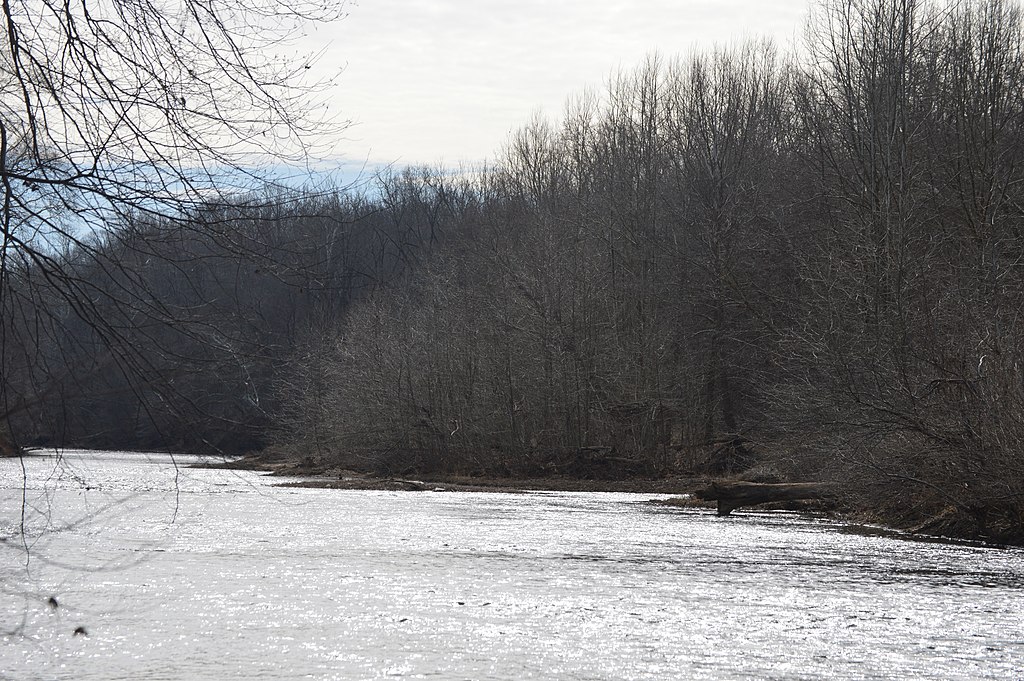
Rivanna River
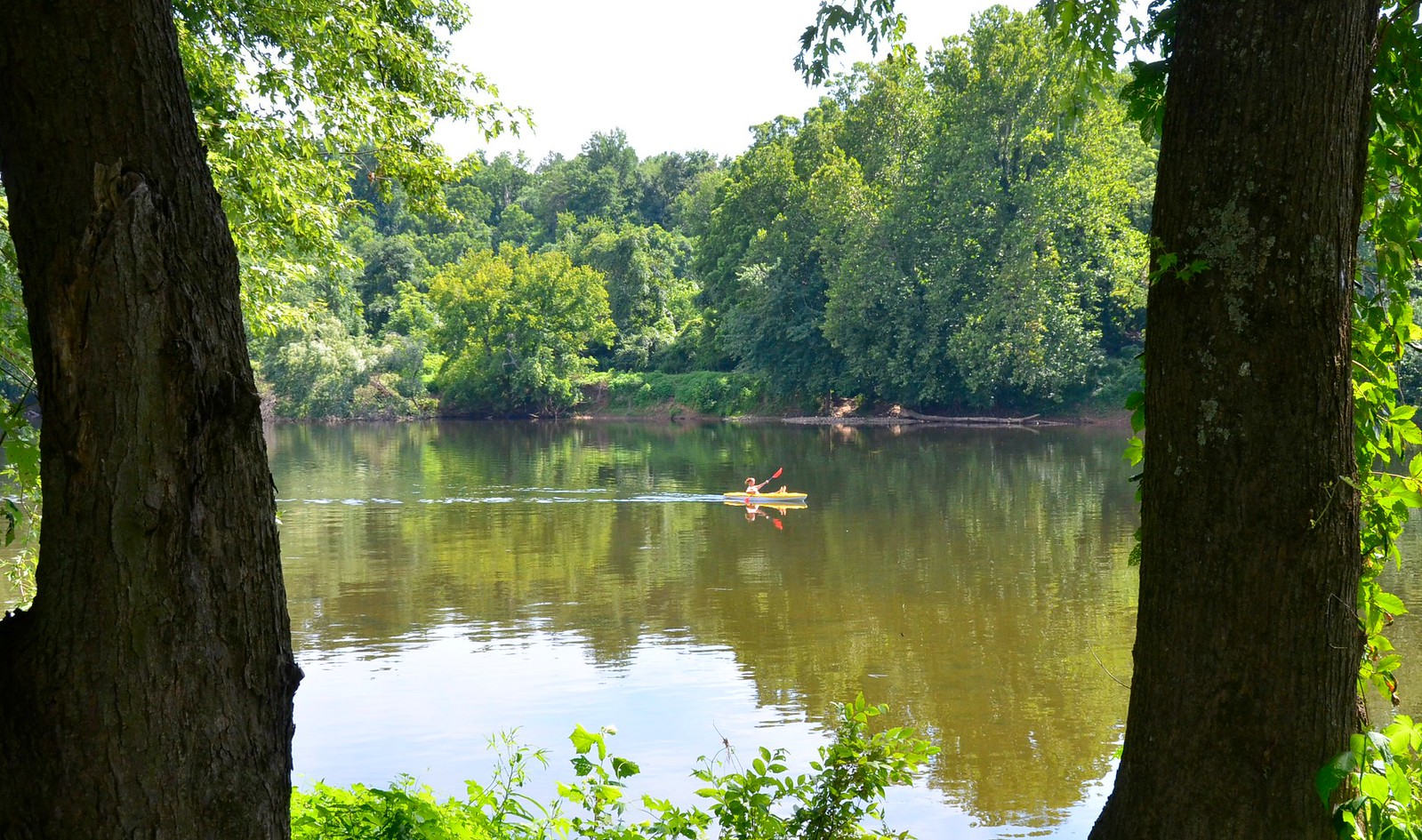
James River
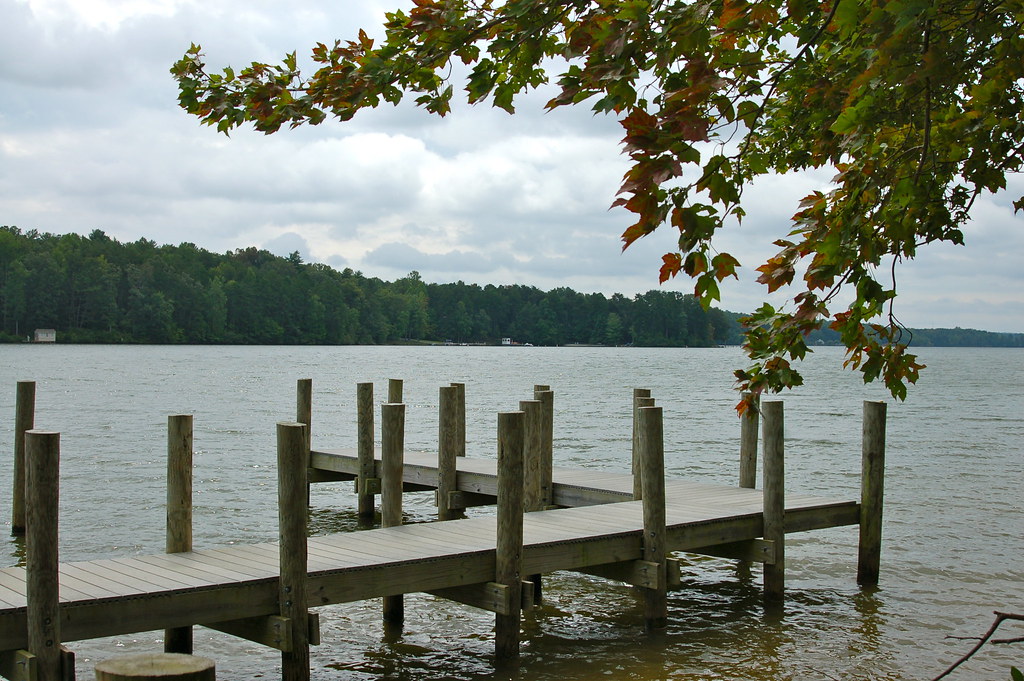
Lake Anna
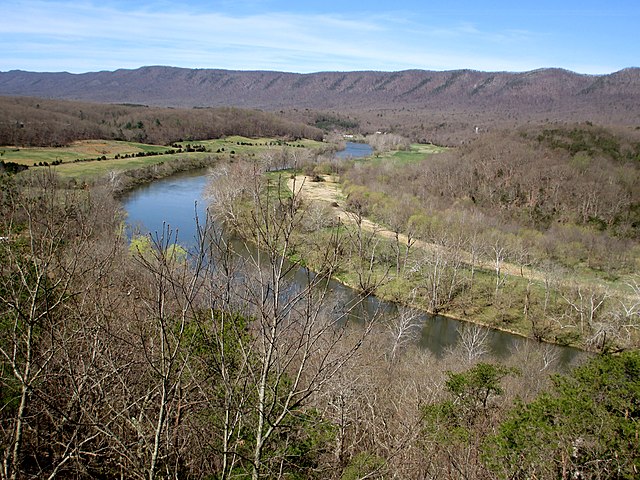
South Fork Shenandoah River
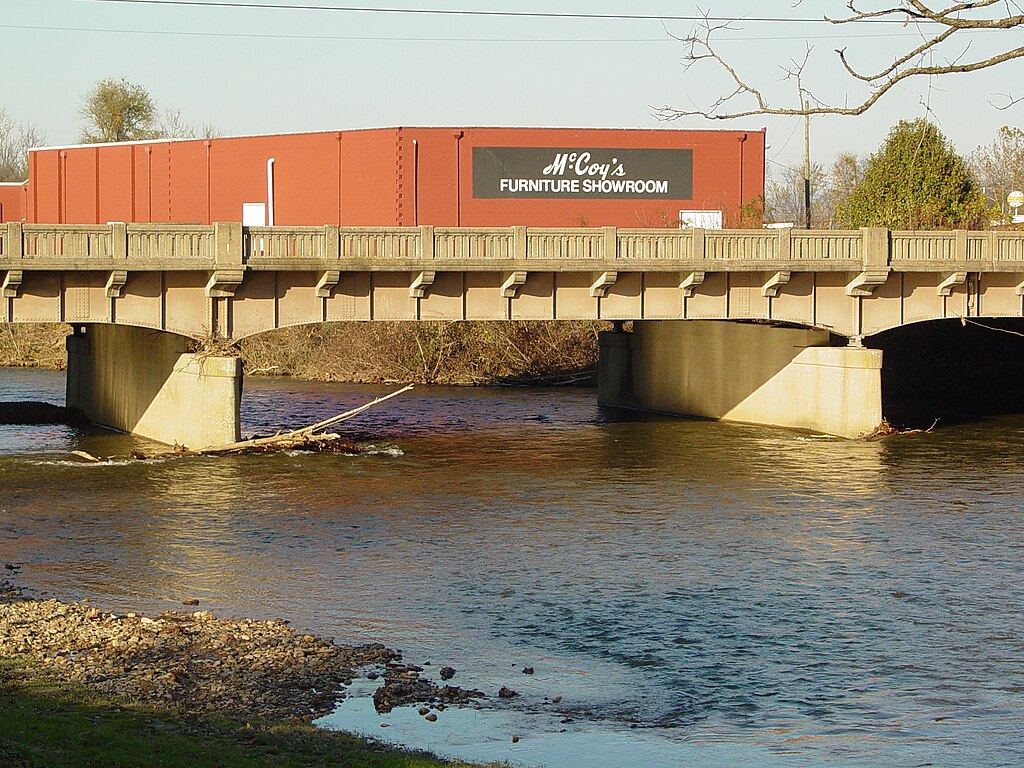
South River
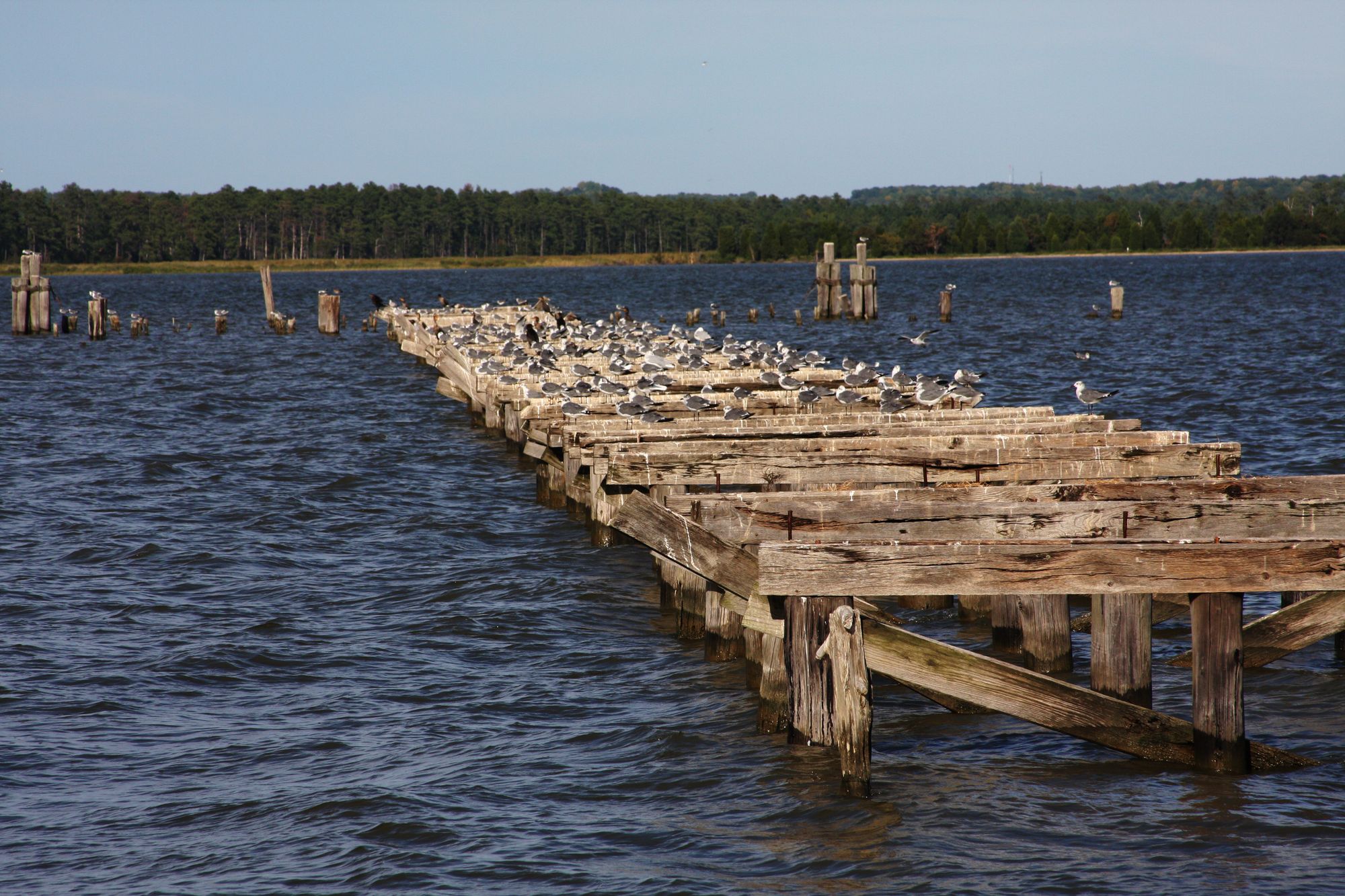
Rappahannock River
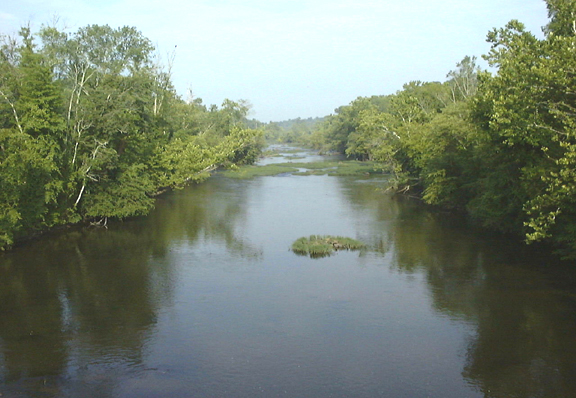
Appomattox River
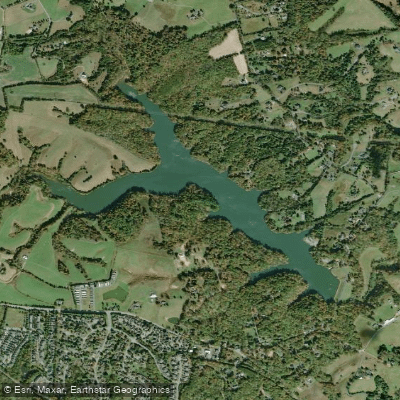
Beaver Creek Reservoir
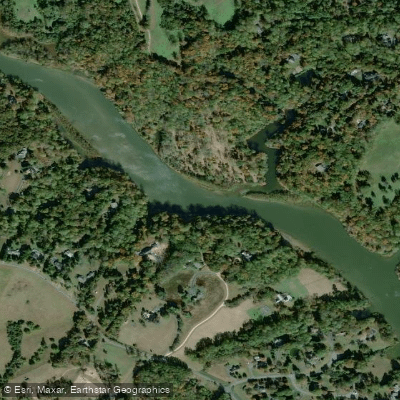
South Fork Rivanna River
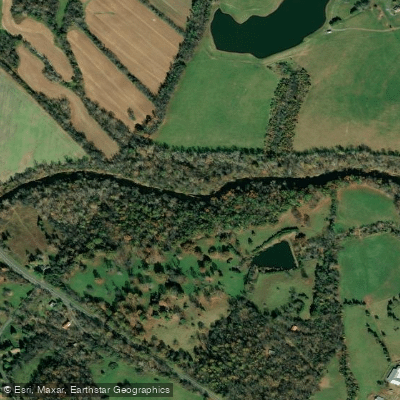
Rapidan River
What to know
Habitat Distribution
- They inhabit freestone streams, spring creeks, and coldwater tailwaters.
Key Locations
- Prime Virginia waters include the Jackson River (especially the tailwater below Gathright Dam), Whitetop Laurel Creek, South River near Waynesboro, Conway River, Rose River, and sections of the Rapidan River in Shenandoah National Park.
- On the Jackson River, fish the tailwater section below Gathright Dam for holdover trout.
- The South River's Special Regulation and Delayed Harvest sections near Waynesboro provide excellent opportunities.
Specific Spots
- Preferring areas with large woody debris, root wads, undercut banks, and forested canopies.
- Target structure like undercut banks, root balls, behind boulders, and current edges.
Rainbow Trout FAQ
Answers from onWater's species guide.
What are the best lures and bait for Rainbow Trout in Virginia?
Small spinners like Mepps #2, Panther Martin (sizes 1-2), small spoons, jigs with 1/64oz micro-jigs, and soft plastic worms or crayfish imitations. Bait fishing is effective with Powerbait trout nuggets, worms, salmon e.g.gs, corn, and colored marshmallows for stocked fish.
What flies work for Rainbow Trout in Virginia?
Woolly Buggers (black, olive, brown in sizes 4-10), Gold-Ribbed Hare's Ear nymphs (sizes 6-18), Adams dry flies (sizes 12-18), Elk Hair Caddis, and Parachute Adams.
When is the best time to fish for Rainbow Trout in Virginia?
Fall through early spring when water temperatures are optimal, with winter and spring being most productive seasons. Focus on spring-fed streams during summer months when other waters warm.
How do you catch Rainbow Trout in Virginia?
Present lures and flies with active retrieval - cast upstream or across-stream and retrieve as they drift downstream to mimic natural food movement. During spring hatches, match mayflies and caddisflies with appropriately sized patterns.
What do Rainbow Trout eat?
They regularly consume benthic macroinvertebrates, crustaceans, and other fish. They respond well to mayfly, caddisfly, and midge hatches throughout the fishing season.
Fish smarter with real-time insights
Whether you're en route and conditions shift or you're looking for the best spot based on current flows, we enable you to make informed decisions on the fly.







See it in the app
Most maps show you water.
onWater shows you Rainbow Trout.



- 01 · Species map filter
Map every Rainbow Trout water
Pick Rainbow Trout and the map zeroes in on the waters they call home. No more guessing which lake holds them.
- 02 · Waterbody species
Tap any water. See what lives there.
Species, behavior and seasonal patterns for every lake, river and pond, before you leave the driveway.
- 03 · Angler Intelligence
Ask how to catch Rainbow Trout
Tactics, gear and timing from onWater's AI fishing guide, tuned to the species and the water you're on.
Stop guessing where Rainbow Trout are.
Open the map, filter by Rainbow Trout, and head to water that holds them. Download onWater and plan your next trip in minutes.
- Species map filter
- Angler Intelligence
- Fishing journal
Explore other species
Trout, bass, salmon, panfish and everything in between. Each guide unpacks the behavior, seasons, and tactics that put fish in the net.

Find which waters have the species you want to catch

Largemouth Bass
Micropterus salmoides

Smallmouth Bass
Micropterus dolomieu

Brown Trout

Brook Trout
Salvelinus fontinalis

Northern Pike
Esox lucius

Muskellunge

Walleye
Sander vitreus

Black Crappie
Pomoxis nigromaculatus

Alewife
Alosa pseudoharengus

American Eel
Anguilla rostrata

American Shad
Alosa sapidissima

Atlantic Croaker
Micropogonias undulatus

Atlantic Sturgeon
Acipenser oxyrinchus oxyrinchus

Black Bullhead
Ameiurus melas

Black Drum
Pogonias cromis

Blacknose Dace
Rhinichthys atratulus

Blue Catfish
Ictalurus furcatus

Bluefish
Pomatomus saltatrix

Bowfin
Amia calva

Brown Bullhead
Ameiurus nebulosus

Chain Pickerel
Esox niger

Channel Catfish
Ictalurus punctatus

Cobia
Rachycentron canadum

Common Carp
Cyprinus carpio

Creek Chub
Semotilus atromaculatus

Fallfish
Semotilus corporalis

Flathead Catfish
Pylodictis olivaris

Flier
Centrarchus macropterus

Freshwater Drum
Aplodinotus grunniens

Gizzard Shad
Dorosoma cepedianum

Golden Trout

Grass Carp
Ctenopharyngodon idella

Green Sunfish
Lepomis cyanellus

Hickory Shad
Alosa mediocris

Longear Sunfish
Lepomis megalotis

Longnose Gar
Lepisosteus osseus

Northern Hogsucker
Hypentelium nigricans
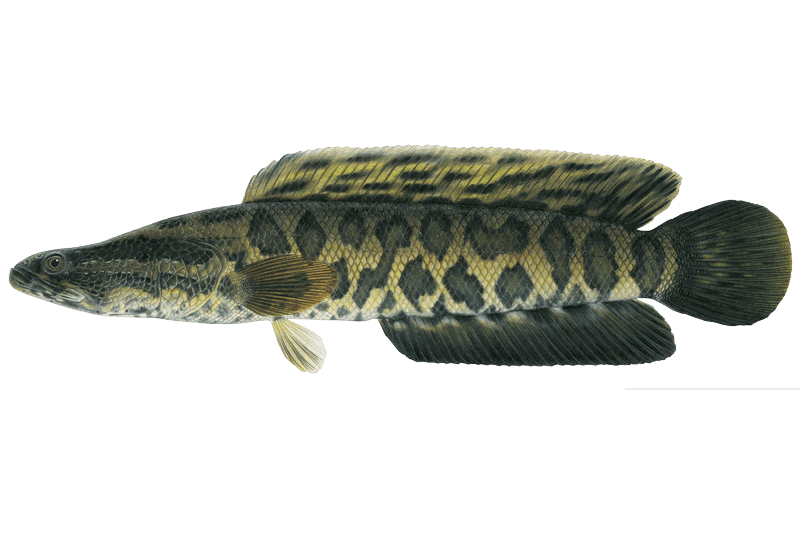
Northern Snakehead
Channa argus
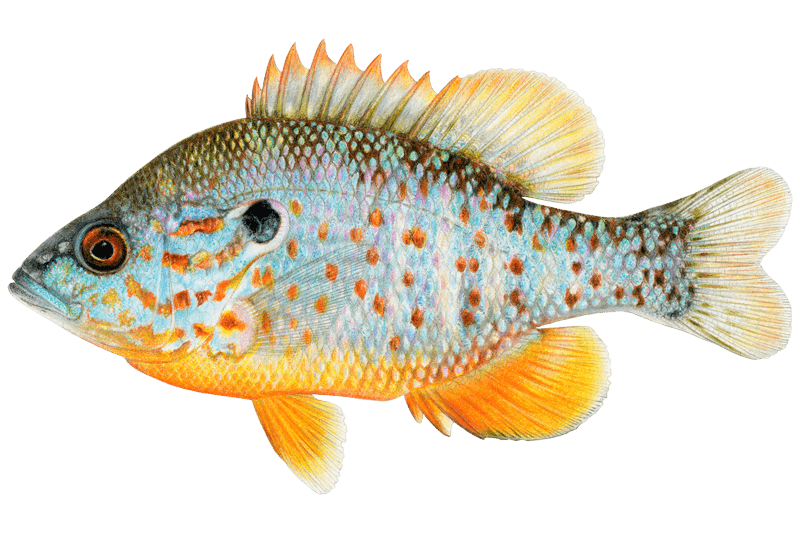
Orangespotted Sunfish
Lepomis humilis

Pumpkinseed
Lepomis gibbosus
Virginia licenses and regulations

Virginia Boating Regulations
When using any type of watercraft to access a body of water, it is important to follow all federal, state, and local rules and regulations. These rules and regulations include boat permitting and licensing, invasive species inspections and stamps, life jacket and PFD rules, motor size and horsepower restrictions, noise limitations, restrictions on personal watercraft, and many more. Visit the web link below for the most current rules and regulations for this body of water.

Virginia Stream Access Laws
Virginia uses a strict navigable in fact test, where waterways must be capable of commercial trade and travel in their natural condition and public access is limited where navigable waters border private land. The state law isn’t fully developed and is arguably stricter than the federal title test. While state law is confusing and hasn’t been friendly to public access in the past, a 2015 court case opened up 14 rivers to public use that were previously off limits.

Virginia Fishing License
A Virginia fishing license is required for residents and non-residents, age 16 and over.

Virginia Fishing Regulations
This river has a variety of species and regulations, including potential floating and/or watercraft restrictions. Because this river is specially managed for species, seasons, angling methods, and watercraft, it is strongly encouraged you check all federal, state, and local regulations before fishing. Visit any of the links below, inquire locally, or contact a local fly shop to learn current regulations and restrictions.
Explore nearby waters
Explore Virginia waters
Top fishing waters
Popular Cities
Loading popular cities...
Smarter Fishing Starts in the App.
onWater Fish gives you everything you need to plan smarter, fish better, and own every trip from first cast to last.