Chain Pickerel
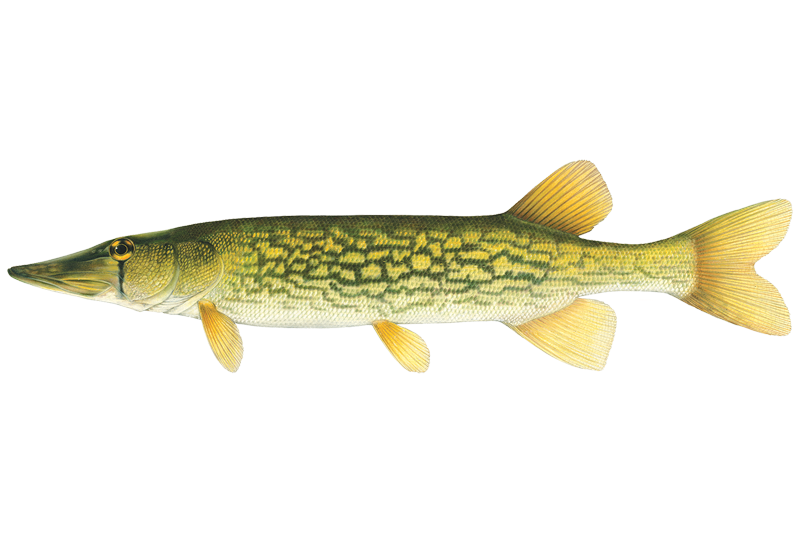
Chain Pickerel are native throughout most of Virginia's Albemarle and Chesapeake Bay watersheds, thriving in the piedmont and coastal plain regions.
These torpedo-shaped predators are top-level ambush predators that serve an important ecological role controlling small sunfish populations.
Scientific Name: Esox niger
- These torpedo-shaped predators can exceed 20 inches in length and are distinguished by their distinctive chain-like pattern on greenish sides and a vertical black bar underneath the eye.
- They have sharp teeth.
Fishing in Virginia
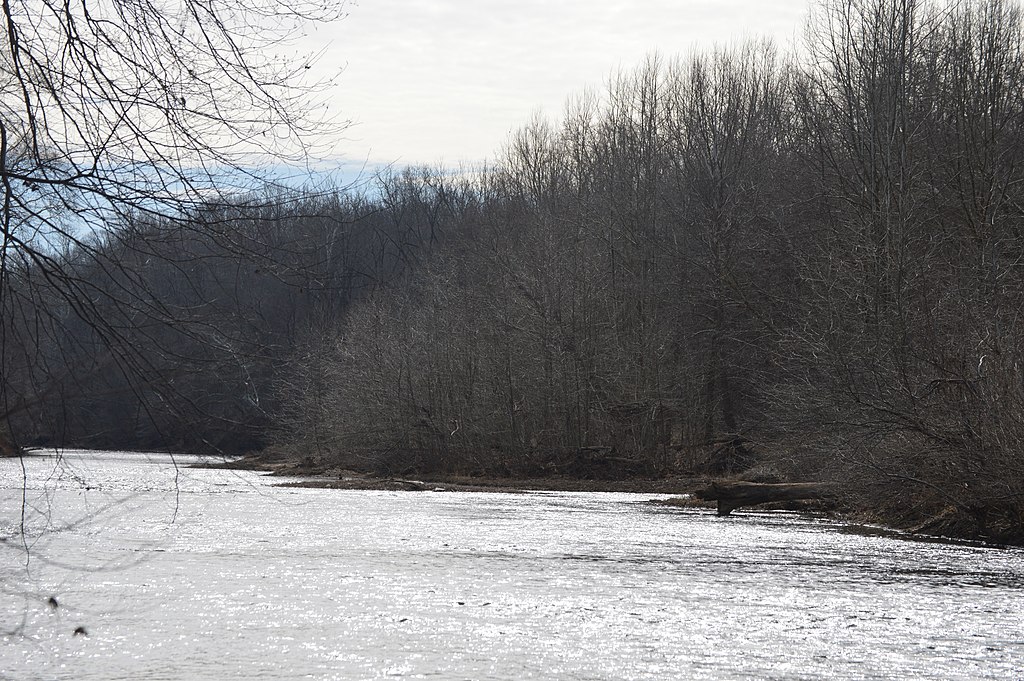
Rivanna River
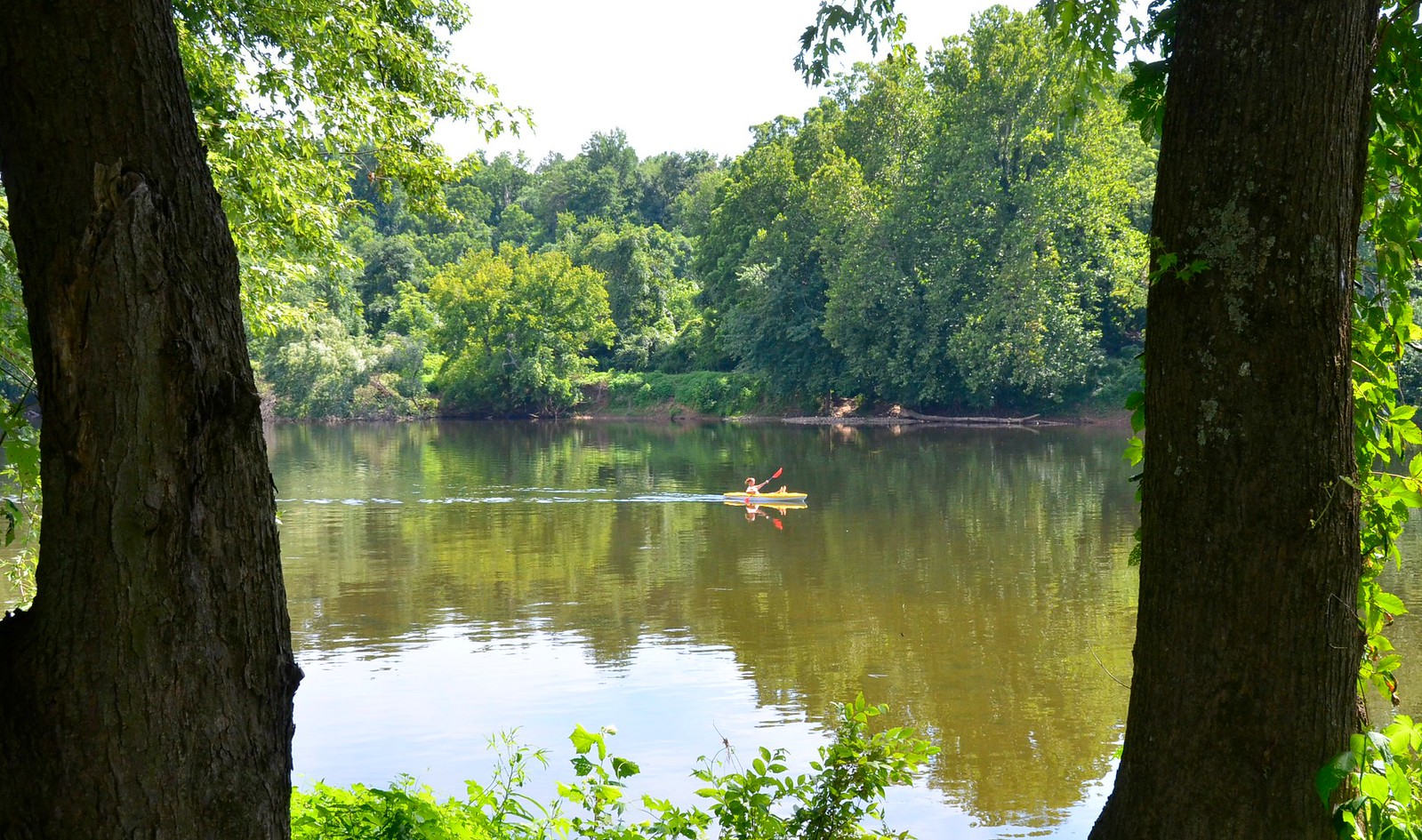
James River
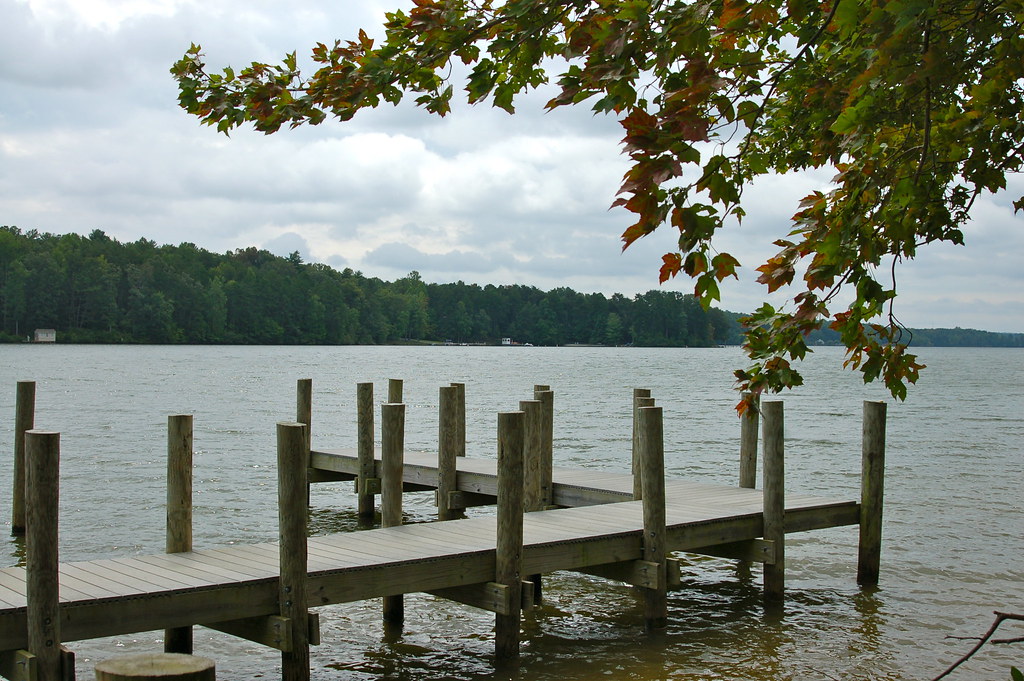
Lake Anna
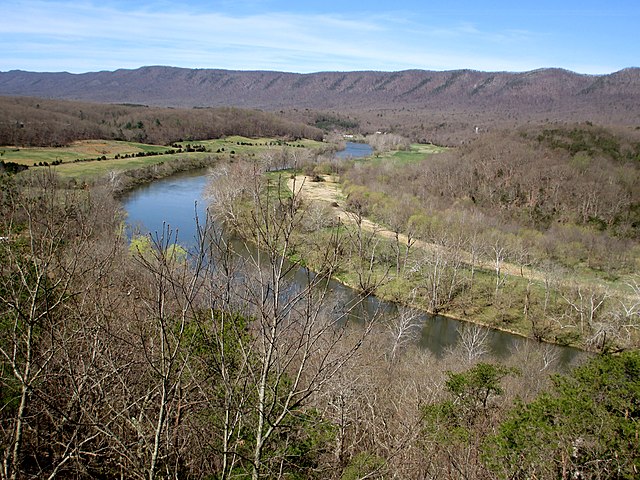
South Fork Shenandoah River
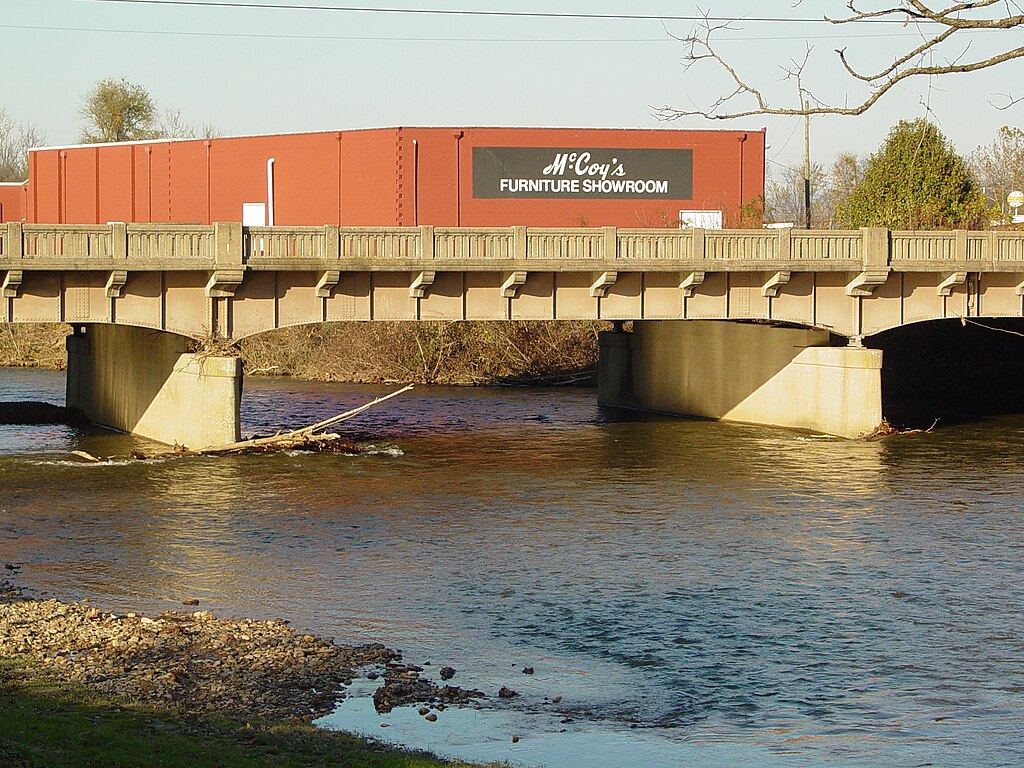
South River
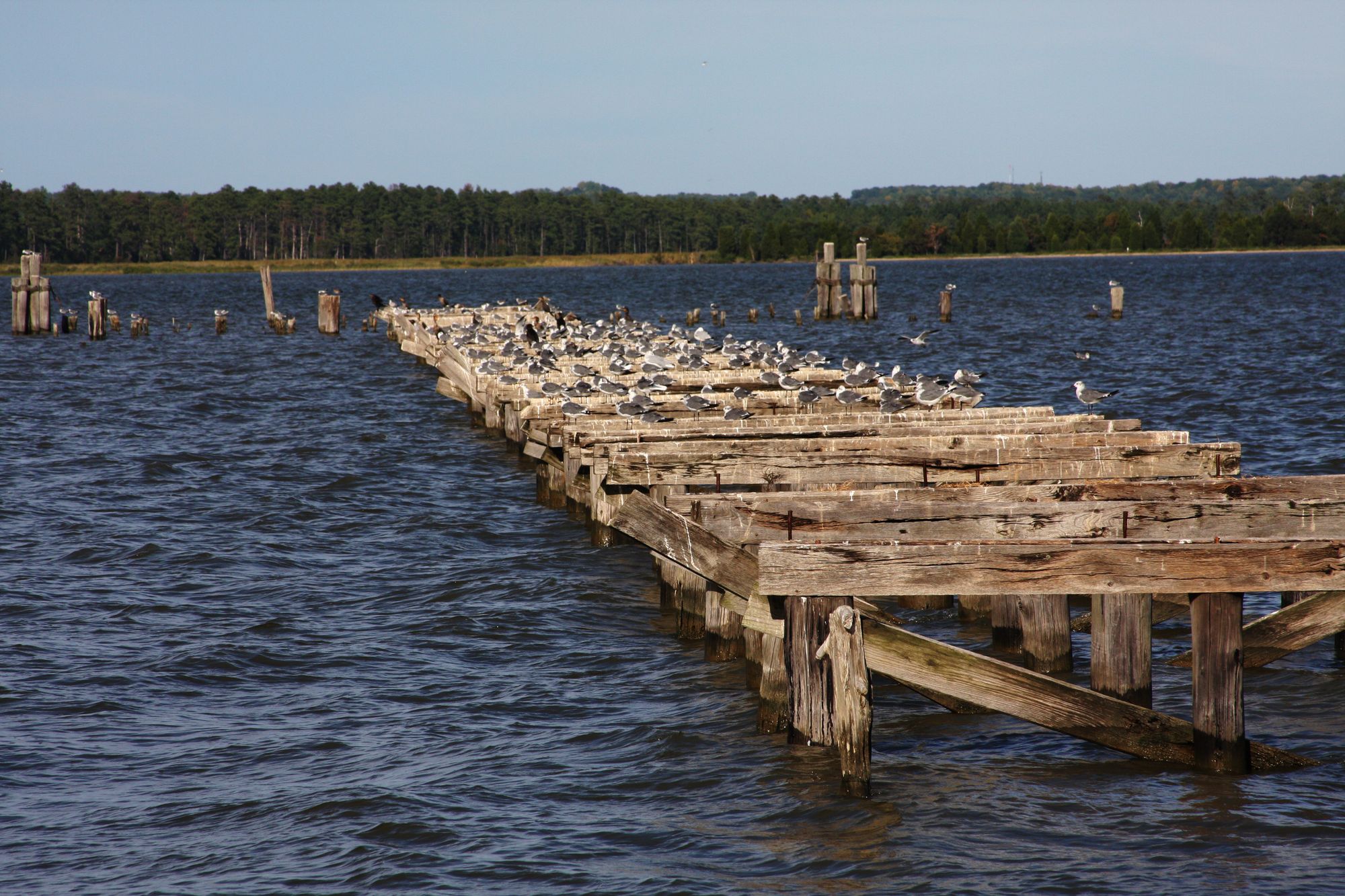
Rappahannock River
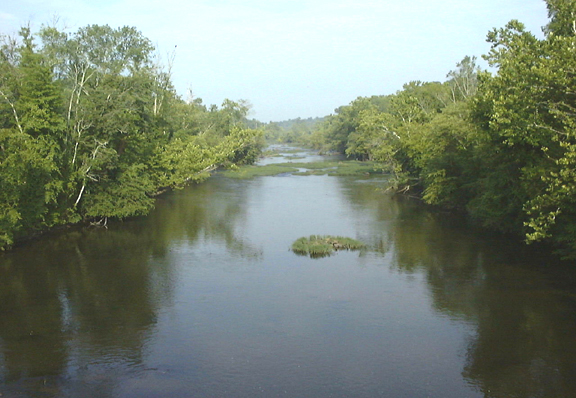
Appomattox River
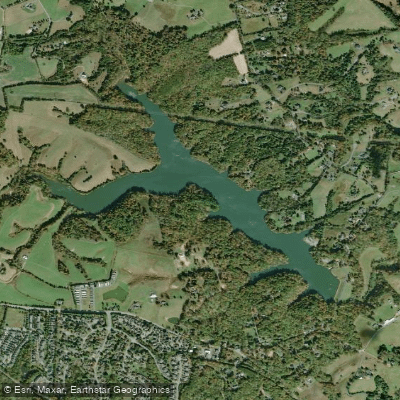
Beaver Creek Reservoir
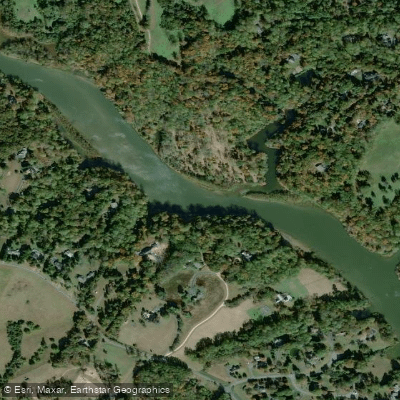
South Fork Rivanna River
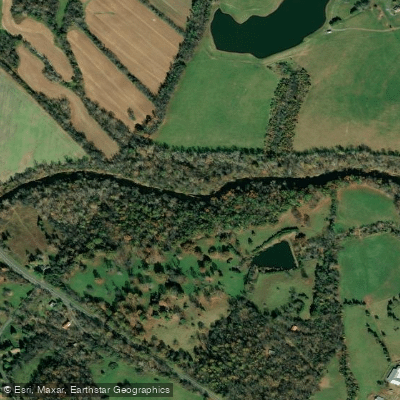
Rapidan River
What to know
Habitat Distribution
- Native throughout most of Virginia's Albemarle and Chesapeake Bay watersheds, thriving in the piedmont and coastal plain regions.
- They inhabit small stream pools, abandoned channels, backwaters, floodplain wetlands, vegetated lakes, ponds, swamps, and other wetlands.
Key Locations
- Little Creek in James City County.
Specific Spots
- Areas with cover adjacent to open water, concealing themselves in undercut banks, downed logs, or submerged aquatic vegetation to ambush unsuspecting prey.
- On reservoirs focus on the 15-20 foot depth range and hydrilla flats in coves.
Chain Pickerel FAQ
Answers from onWater's species guide.
What are the best lures and bait for Chain Pickerel in Virginia?
Lipless crankbaits, crankbaits with flash, spinnerbaits (especially red and white), inline spinners like Mepps Aglia #2-4, spoons, soft plastic flukes on quarter-ounce jig heads, twitch baits that dive about a foot subsurface, topwater frogs, buzz baits, jerkbaits like Smithwick Rattlin' Rogues, and live minnows...
What flies work for Chain Pickerel in Virginia?
Flashy Clouser Minnows, multi-section Game-Changers (Blane Chocklett pattern), Woolly Buggers, streamers with tinsel, poppers, and patterns tied with feather or bucktail material.
When is the best time to fish for Chain Pickerel in Virginia?
October through March is the best time to fish for Chain Pickerel in Virginia. Chain Pickerel remain active during cooler months and can be found in shallow water from late fall through early spring.
How do you catch Chain Pickerel in Virginia?
Retrieve lures with moderate to fast, steady motion, though sometimes erratic, jerky retrieves trigger strikes. Work lures through weeds in shallow water with side-to-side jerking to simulate injured prey. Use flashy presentations.
What do Chain Pickerel eat?
Feed primarily on fish, but also consume amphibians, reptiles, small mammals, crayfish, frogs, mice, worms, and snakes.
Fish smarter with real-time insights
Whether you're en route and conditions shift or you're looking for the best spot based on current flows, we enable you to make informed decisions on the fly.




See it in the app
Most maps show you water.
onWater shows you Chain Pickerel.



- 01 · Species map filter
Map every Chain Pickerel water
Pick Chain Pickerel and the map zeroes in on the waters they call home. No more guessing which lake holds them.
- 02 · Waterbody species
Tap any water. See what lives there.
Species, behavior and seasonal patterns for every lake, river and pond, before you leave the driveway.
- 03 · Angler Intelligence
Ask how to catch Chain Pickerel
Tactics, gear and timing from onWater's AI fishing guide, tuned to the species and the water you're on.
Stop guessing where Chain Pickerel are.
Open the map, filter by Chain Pickerel, and head to water that holds them. Download onWater and plan your next trip in minutes.
- Species map filter
- Angler Intelligence
- Fishing journal
Explore other species
Trout, bass, salmon, panfish and everything in between. Each guide unpacks the behavior, seasons, and tactics that put fish in the net.
No species information available.
Virginia licenses and regulations
Explore nearby waters
Explore Virginia waters
Top fishing waters
Popular Cities
Loading popular cities...

Smarter Fishing Starts in the App.
onWater Fish gives you everything you need to plan smarter, fish better, and own every trip from first cast to last.