Blue Catfish

Blue Catfish are Virginia's largest freshwater predator fish.
Originally native only to the upper Tennessee River Basin in Virginia, they were introduced by Virginia DWR into the James and Rappahannock Rivers in 1974 and the York River watershed in 1985 to create recreational trophy fisheries during striped bass population crashes.
However, they've since expanded throughout all of Virginia's Chesapeake Bay tributaries and are now classified as an invasive species.
Scientific Name: Ictalurus furcatus
- These heavy-bodied fish have bluish-gray coloration above fading to white below, deeply forked tails, straight-edged anal fins, and whisker-like barbels.
- They lack the spots found on channel catfish.
- Current world and Virginia record of 143 pounds.
Fishing in Virginia
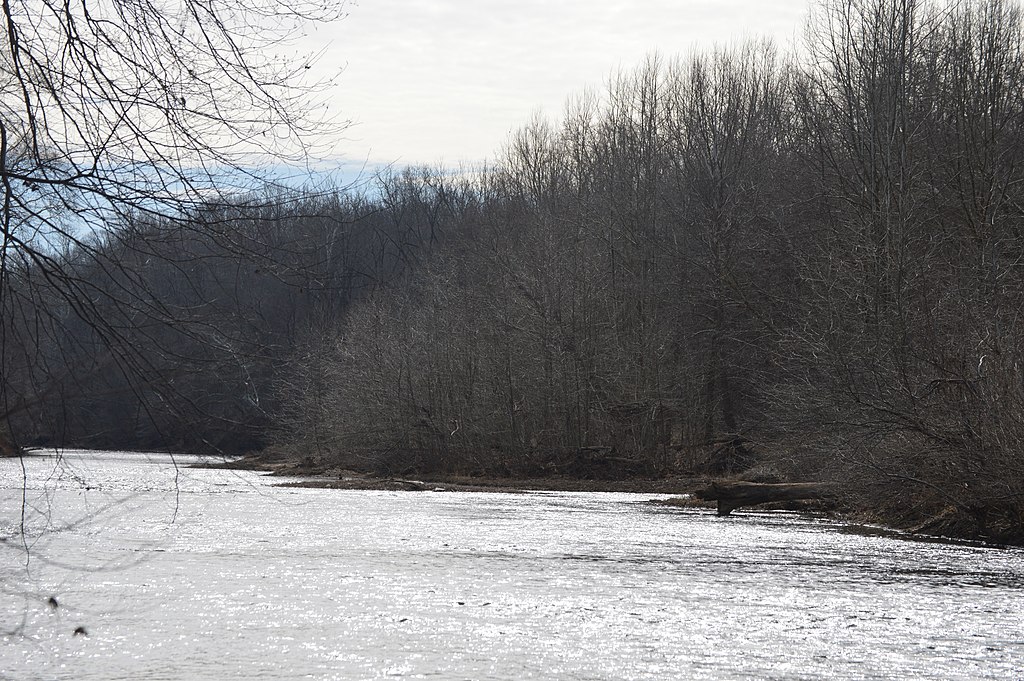
Rivanna River
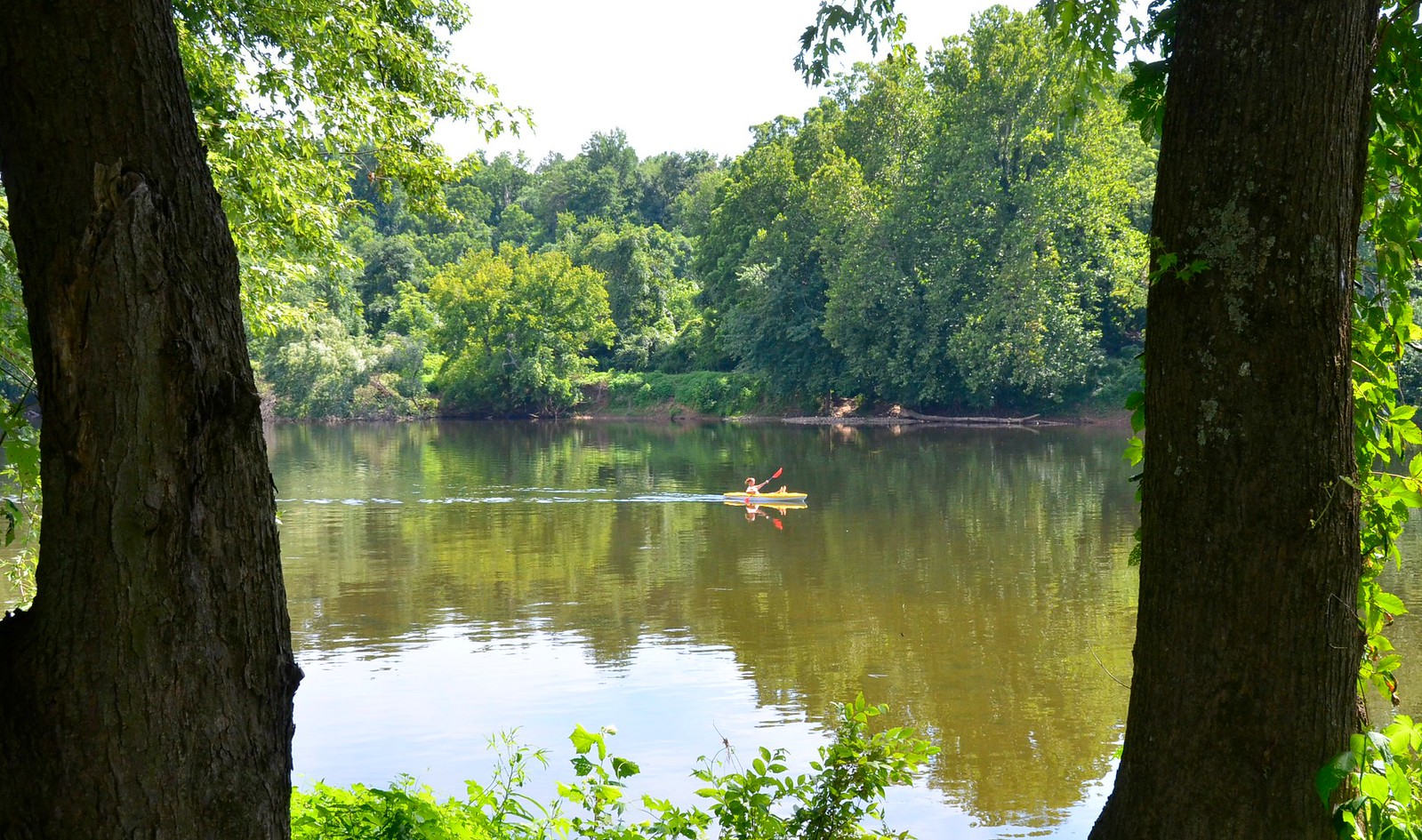
James River
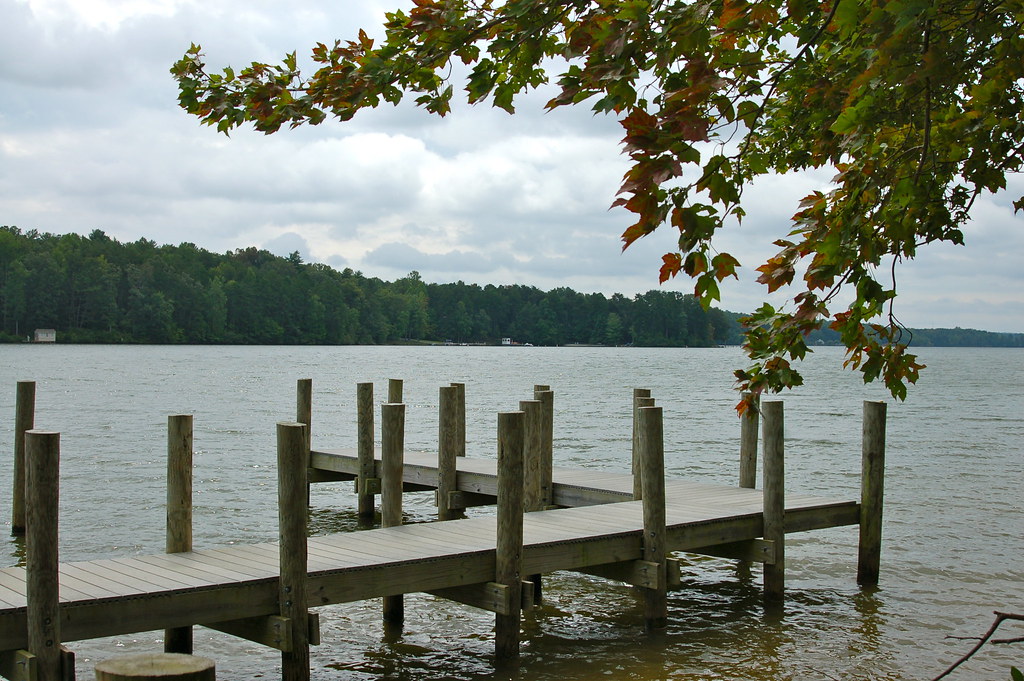
Lake Anna
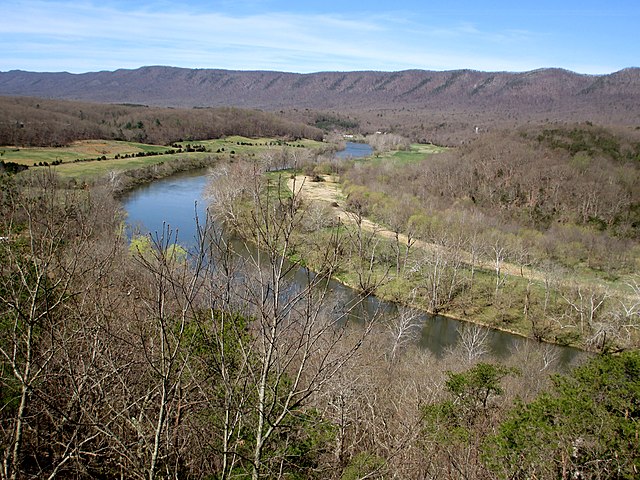
South Fork Shenandoah River
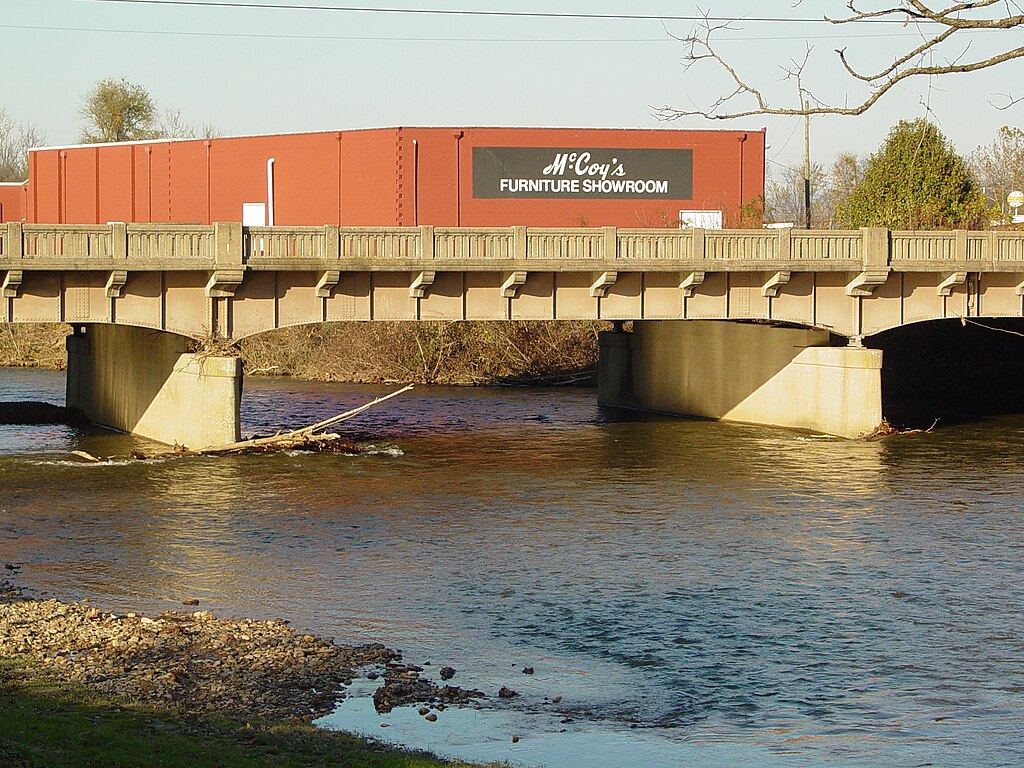
South River
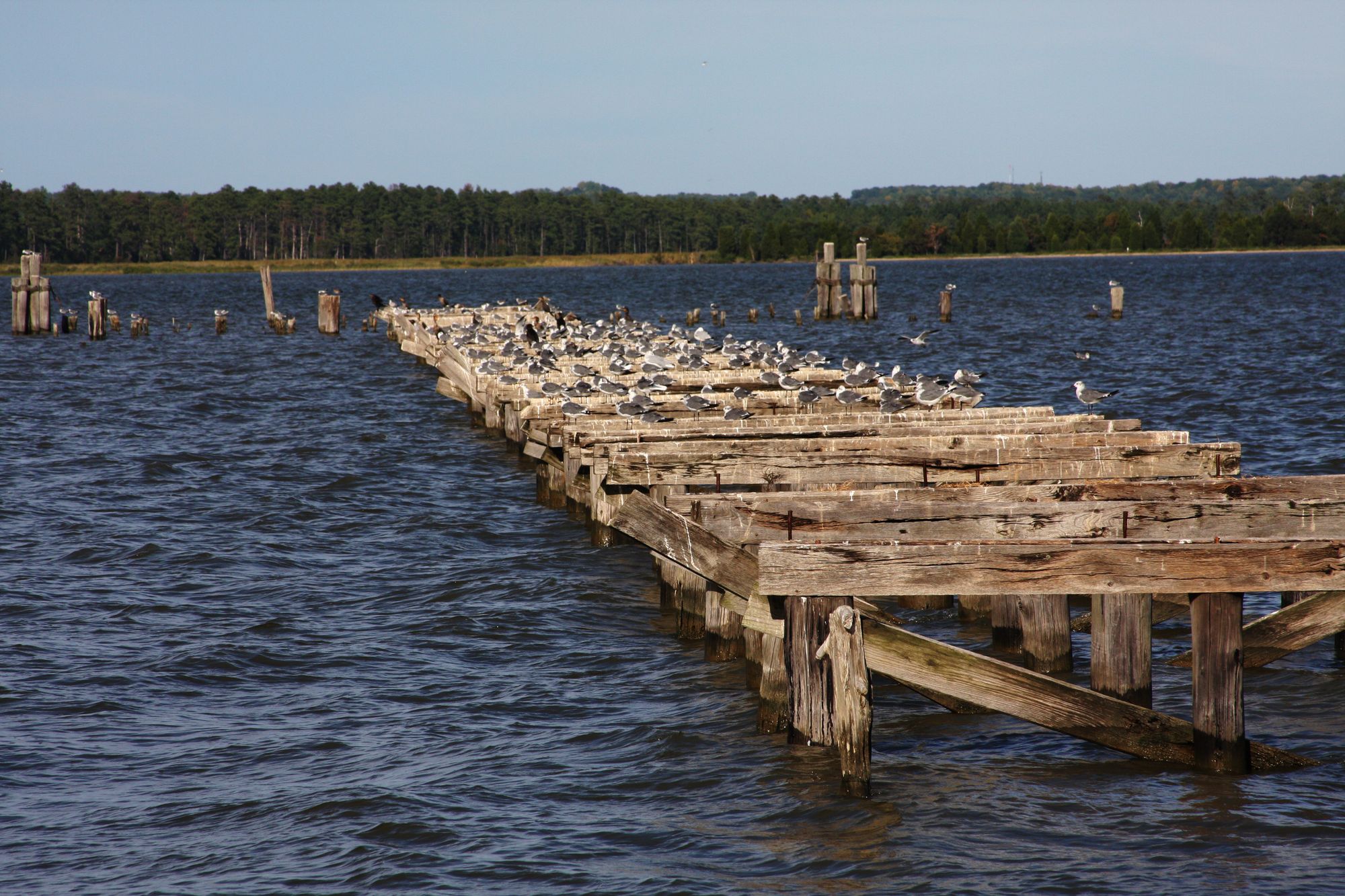
Rappahannock River
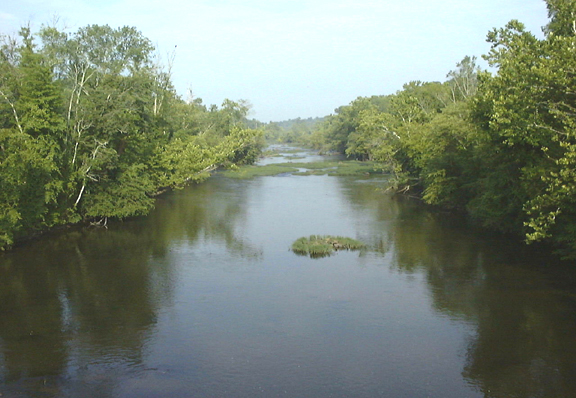
Appomattox River
Beaver Creek Reservoir
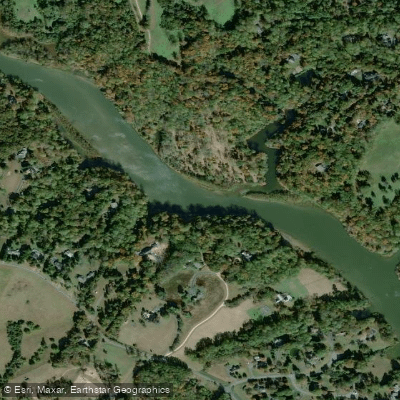
South Fork Rivanna River
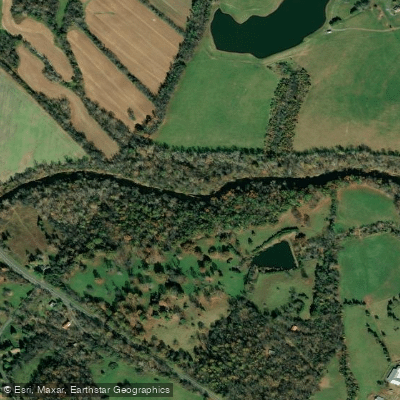
Rapidan River
What to know
Habitat Distribution
- They've expanded throughout all of Virginia's Chesapeake Bay tributaries.
- In Virginia, they're found in the tidal James River, Potomac River, Rappahannock River, York River, Dan River, Nottoway River, and various reservoirs and impoundments throughout the state.
Key Locations
- Key Virginia locations include the tidal James River (especially productive), Potomac River, Dan River, Nottoway River, Rappahannock River, York River, and other major Chesapeake Bay tributaries.
- Found in various reservoirs and impoundments throughout the state.
- Buggs Island Lake (where the current world and Virginia record of 143 pounds was caught in 2011).
Specific Spots
- Fish 30-45 feet deep in winter, 15-25 feet in spring, targeting outside river channel bends with mud bottoms near submerged cover like stumps, laydown logs, and large rocks.
- In reservoirs, target points, ledges, and deep timber.
- Target deep holes with structure.
Blue Catfish FAQ
Answers from onWater's species guide.
What are the best lures and bait for Blue Catfish in Virginia?
Cut fresh gizzard shad is the premier bait, though cut white perch, mud shad, herring, bunker, and live bait like sunfish also produce.
When is the best time to fish for Blue Catfish in Virginia?
Winter (December-March) offers the best trophy fishing. March through May provides exceptional action for both numbers and trophy fish. Excellent year-round except during spawning periods (late spring/early summer when water reaches 70-75°F).
How do you catch Blue Catfish in Virginia?
The most effective technique is bottom fishing with Carolina rigs (fish finder rigs). Anchor above deep holes with structure and fan-cast 4-5 rods in different directions. Dr.ift fishing is effective in fall using cut bait over channel edges and drop-offs.
What do Blue Catfish eat?
Blue catfish are omnivorous trophic generalists that transition from eating small fish, crayfish, mollusks, and plant matter to becoming increasingly piscivorous at larger sizes.
Where do Blue Catfish live in Virginia?
They've expanded throughout all of Virginia's Chesapeake Bay tributaries. In Virginia, they're found in the tidal James River, Potomac River, Rappahannock River, York River, Dan River, Nottoway River, and various reservoirs and impoundments throughout the state.
Fish smarter with real-time insights
Whether you're en route and conditions shift or you're looking for the best spot based on current flows, we enable you to make informed decisions on the fly.




See it in the app
Most maps show you water.
onWater shows you Blue Catfish.



- 01 · Species map filter
Map every Blue Catfish water
Pick Blue Catfish and the map zeroes in on the waters they call home. No more guessing which lake holds them.
- 02 · Waterbody species
Tap any water. See what lives there.
Species, behavior and seasonal patterns for every lake, river and pond, before you leave the driveway.
- 03 · Angler Intelligence
Ask how to catch Blue Catfish
Tactics, gear and timing from onWater's AI fishing guide, tuned to the species and the water you're on.
Stop guessing where Blue Catfish are.
Open the map, filter by Blue Catfish, and head to water that holds them. Download onWater and plan your next trip in minutes.
- Species map filter
- Angler Intelligence
- Fishing journal
Explore other species
Trout, bass, salmon, panfish and everything in between. Each guide unpacks the behavior, seasons, and tactics that put fish in the net.
No species information available.
Virginia licenses and regulations
Explore nearby waters
Explore Virginia waters
Top fishing waters
Popular Cities
Loading popular cities...

Smarter Fishing Starts in the App.
onWater Fish gives you everything you need to plan smarter, fish better, and own every trip from first cast to last.