Northern Snakehead

Northern Snakehead are invasive predatory fish native to Asia that were first discovered in Virginia in 2004 in the Potomac River. They have since established populations throughout most major Virginia river drainages.
Scientific Name: Channa argus
- Can reach lengths up to 36 inches and weights around 20 pounds in Virginia.
- They have elongate bodies with long dorsal and anal fins, brown coloration with dark snakelike mottling, sharp teeth, and scales covering their head and body.
Fishing in Virginia
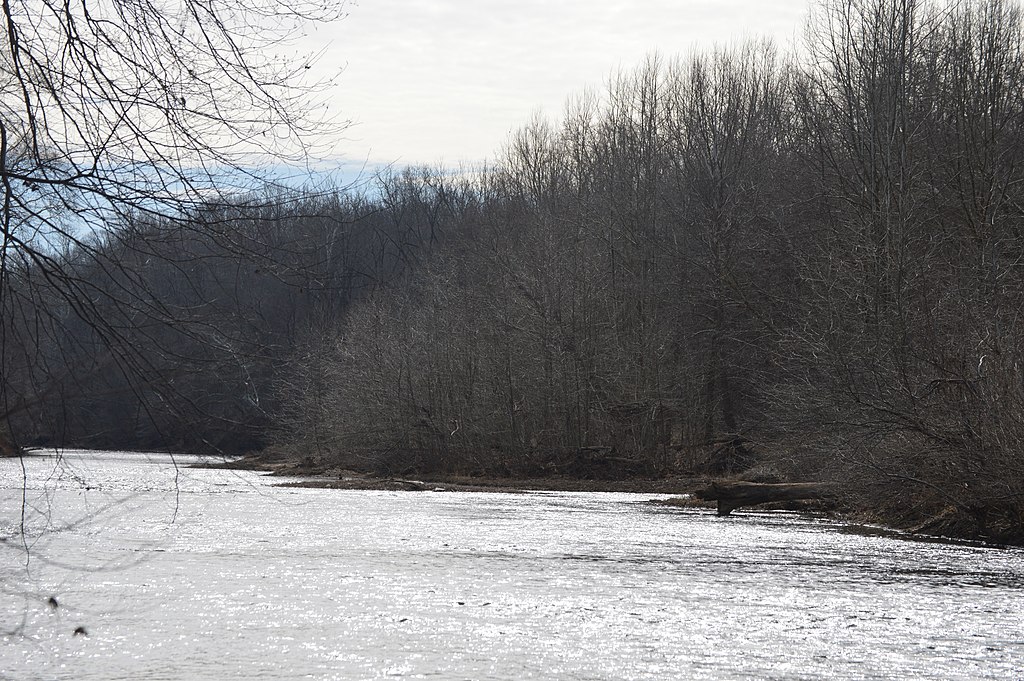
Rivanna River
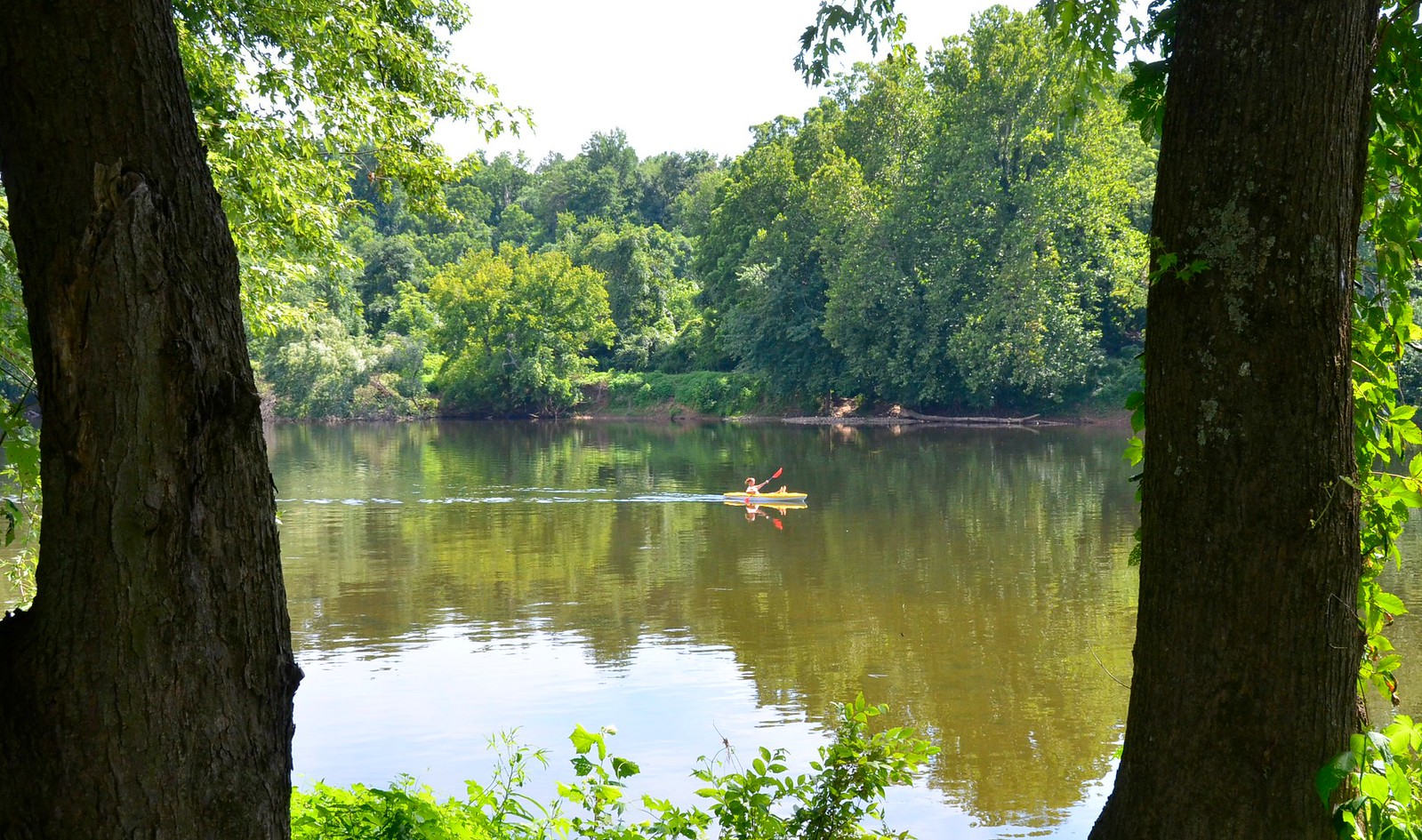
James River
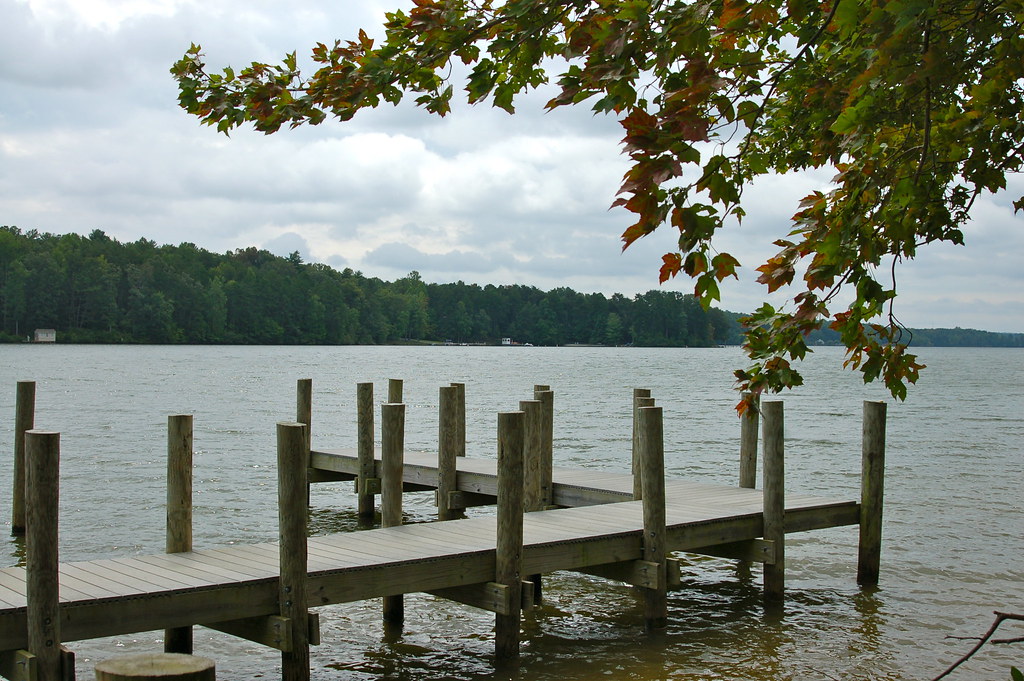
Lake Anna
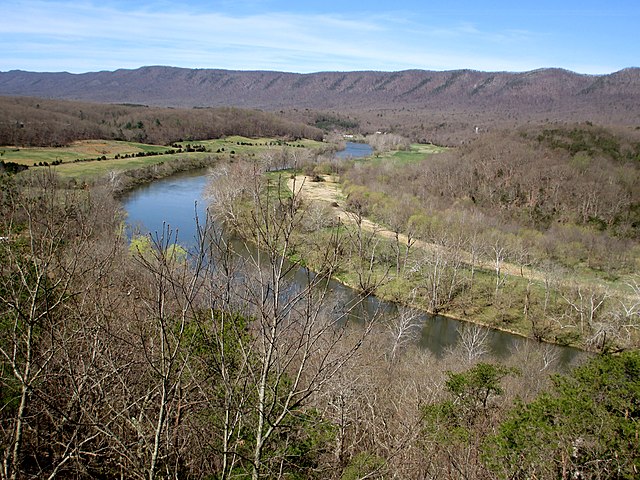
South Fork Shenandoah River
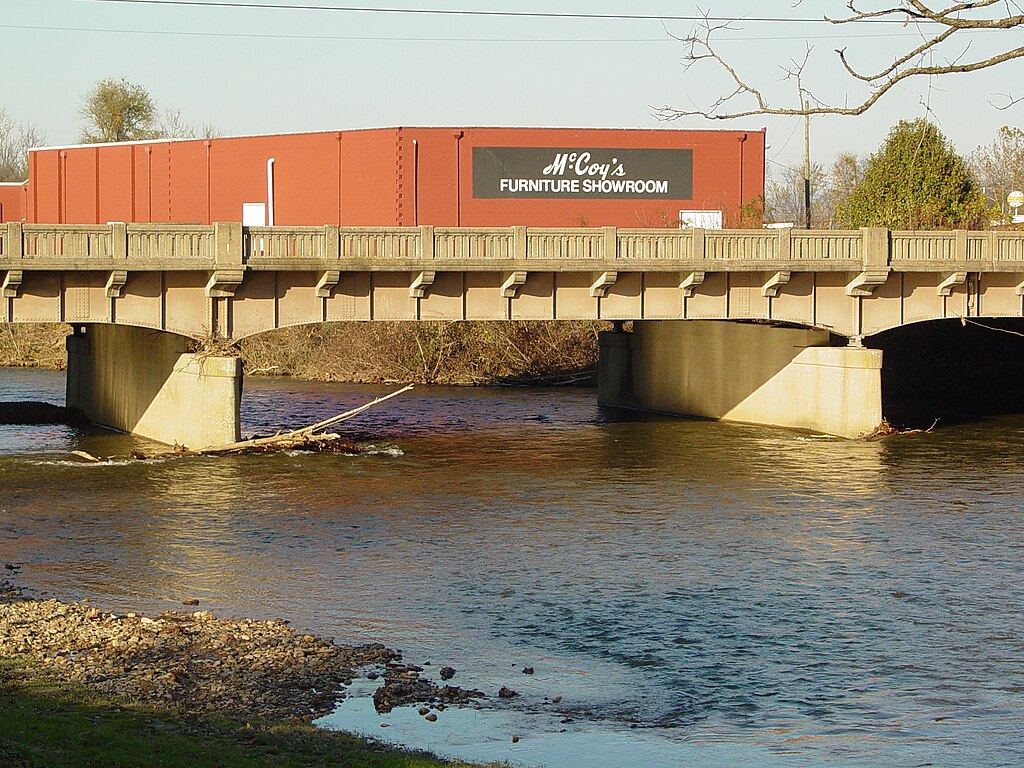
South River
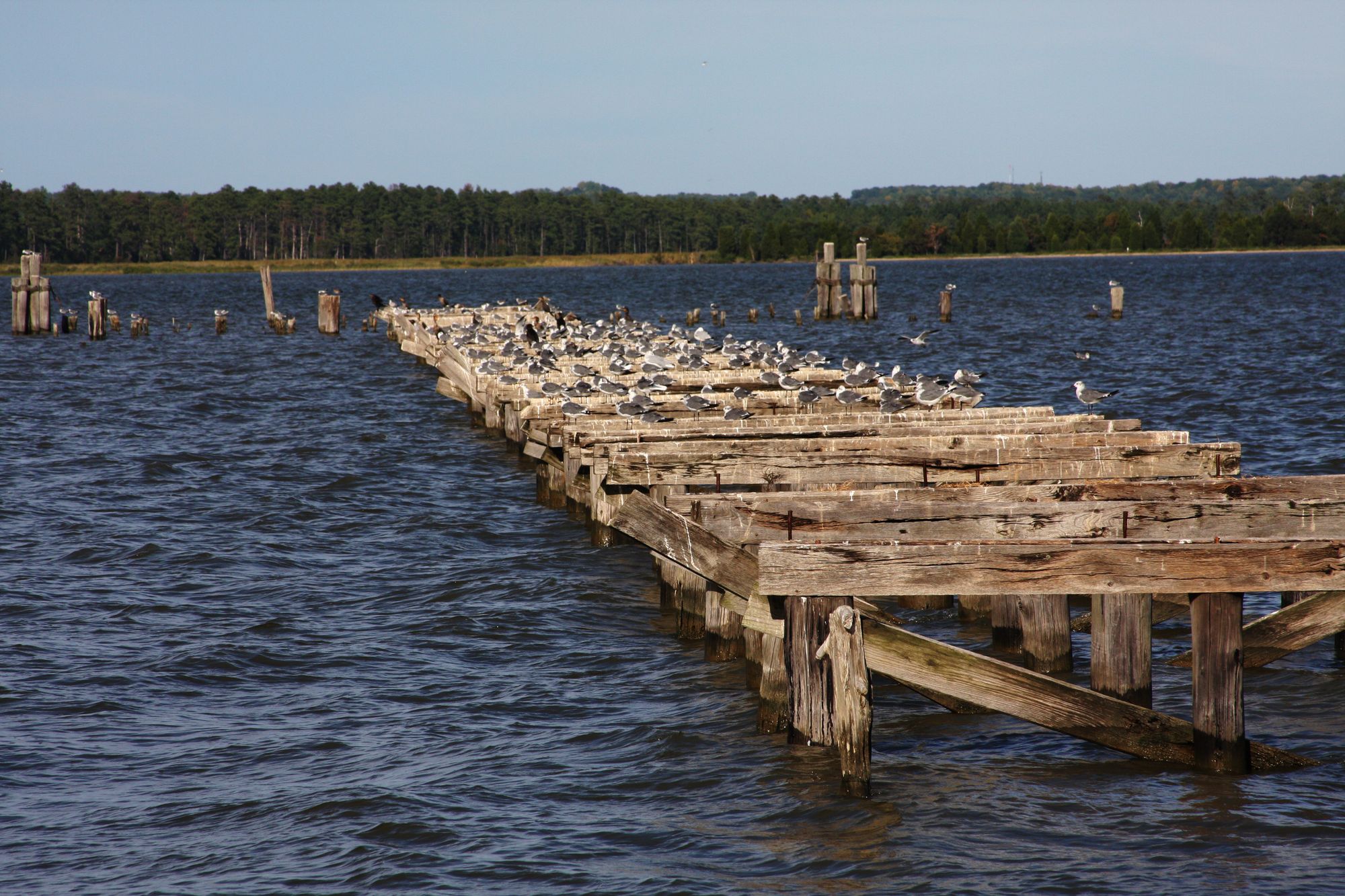
Rappahannock River
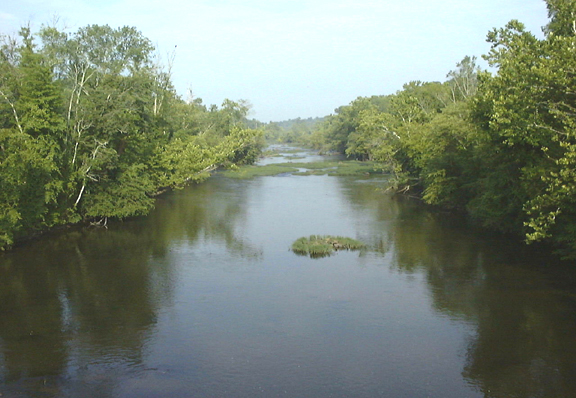
Appomattox River
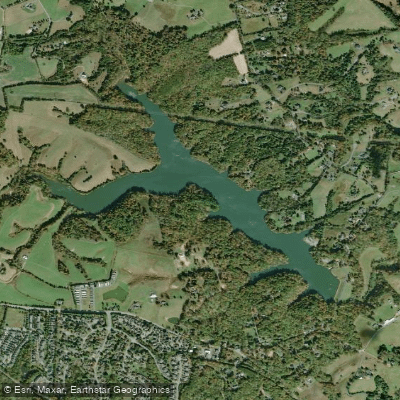
Beaver Creek Reservoir
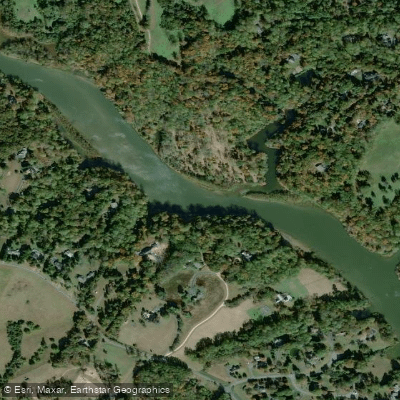
South Fork Rivanna River
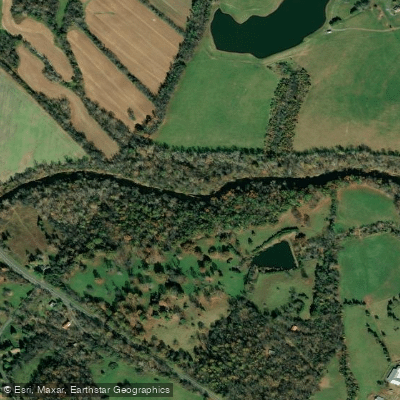
Rapidan River
What to know
Habitat Distribution
- Established populations throughout most major Virginia river drainages.
- They prefer sluggish waters with dense submerged aquatic vegetation (SAV), spatterdock beds, and muddy or silty bottoms.
Key Locations
- Potomac, Rappahannock, York, and James Rivers, along with numerous reservoirs.
- Tidal Potomac tributaries (Little Hunting Creek, Dogue Creek, Pohick Creek, Occoquan River, Aquia Creek), the Rappahannock River system, Lake Anna, Burke Lake, and various reservoirs that received illegal stockings.
Specific Spots
- Target spatterdock edges, fallen trees, and woody debris in early spring.
- As vegetation grows, focus on SAV beds, hydrilla mats, and lily pad edges in 1-3 feet of water.
Northern Snakehead FAQ
Answers from onWater's species guide.
What are the best lures and bait for Northern Snakehead in Virginia?
Hollow-bodied frogs (Ribbit Frogs, Googan Filthy Frogs), buzzbaits, soft plastic frogs, topwater poppers, spinnerbaits, chatterbaits, swimbaits, and weightless soft plastics like Zoom Flukes rigged Texas-style.
What flies work for Northern Snakehead in Virginia?
Topwater mouse and frog patterns, Clouser Minnows, zonkers, Game Changers (various sizes), Finesse Game Changers, and foam divers.
When is the best time to fish for Northern Snakehead in Virginia?
Spring through summer (April-September) offers the best fishing, with peak activity when water temperatures reach 57-77°F. Pre-spawn fishing begins around 57°F in spring.
How do you catch Northern Snakehead in Virginia?
Use weedless presentations and fish slowly with repeated casts to the same spots - snakehead often need to be "angered" into striking. Fish early spring before vegetation emerges by targeting spatterdock edges, fallen trees, and woody debris.
What do Northern Snakehead eat?
Diet consists primarily of killifish, sunfish, and other small fish (over 97% of diet), plus crustaceans, frogs, and occasionally small terrestrial wildlife.
Fish smarter with real-time insights
Whether you're en route and conditions shift or you're looking for the best spot based on current flows, we enable you to make informed decisions on the fly.




See it in the app
Most maps show you water.
onWater shows you Northern Snakehead.



- 01 · Species map filter
Map every Northern Snakehead water
Pick Northern Snakehead and the map zeroes in on the waters they call home. No more guessing which lake holds them.
- 02 · Waterbody species
Tap any water. See what lives there.
Species, behavior and seasonal patterns for every lake, river and pond, before you leave the driveway.
- 03 · Angler Intelligence
Ask how to catch Northern Snakehead
Tactics, gear and timing from onWater's AI fishing guide, tuned to the species and the water you're on.
Stop guessing where Northern Snakehead are.
Open the map, filter by Northern Snakehead, and head to water that holds them. Download onWater and plan your next trip in minutes.
- Species map filter
- Angler Intelligence
- Fishing journal
Explore other species
Trout, bass, salmon, panfish and everything in between. Each guide unpacks the behavior, seasons, and tactics that put fish in the net.
No species information available.
Virginia licenses and regulations
Explore nearby waters
Explore Virginia waters
Top fishing waters
Popular Cities
Loading popular cities...

Smarter Fishing Starts in the App.
onWater Fish gives you everything you need to plan smarter, fish better, and own every trip from first cast to last.