Hickory Shad

Hickory Shad are anadromous fish native to Virginia's tributaries of the Albemarle Sound, Chesapeake Bay, and Atlantic Ocean.
Often called the 'poor man's tarpon' for their acrobatic fighting ability, they jump repeatedly and tail-walk across the surface when hooked.
Scientific Name: Alosa mediocris
Also known as poor man's tarpon
- Smaller than American shad, typically reaching 1-3 pounds and up to 20 inches, with females averaging 15 inches and males 13 inches.
- Distinguished by their protruding lower jaw that extends past the upper jaw when closed, they have a silver body with gray-green back and dark spots along the shoulder.
Fishing in Virginia
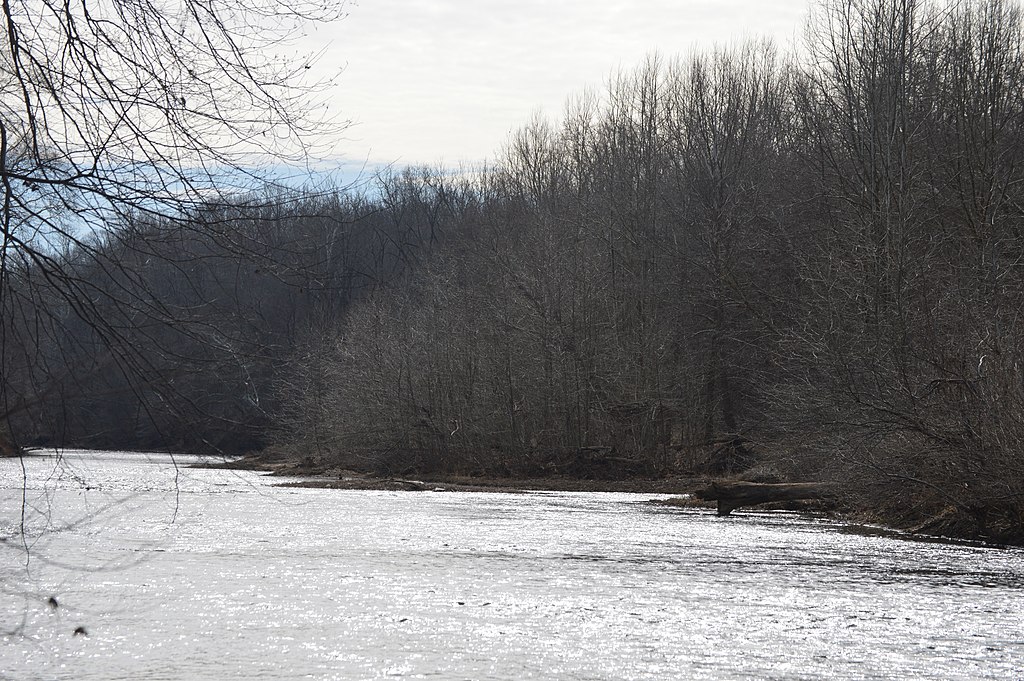
Rivanna River
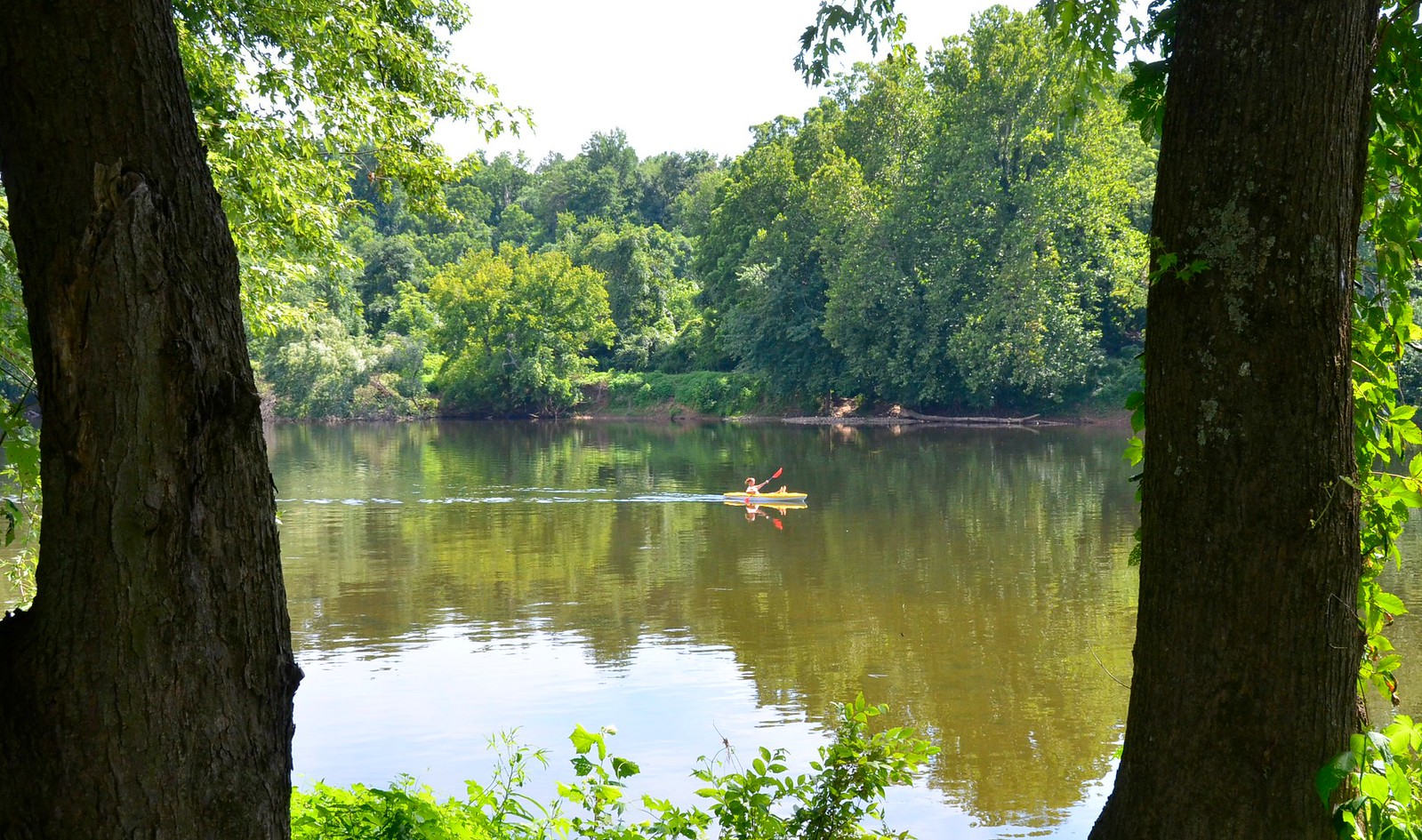
James River
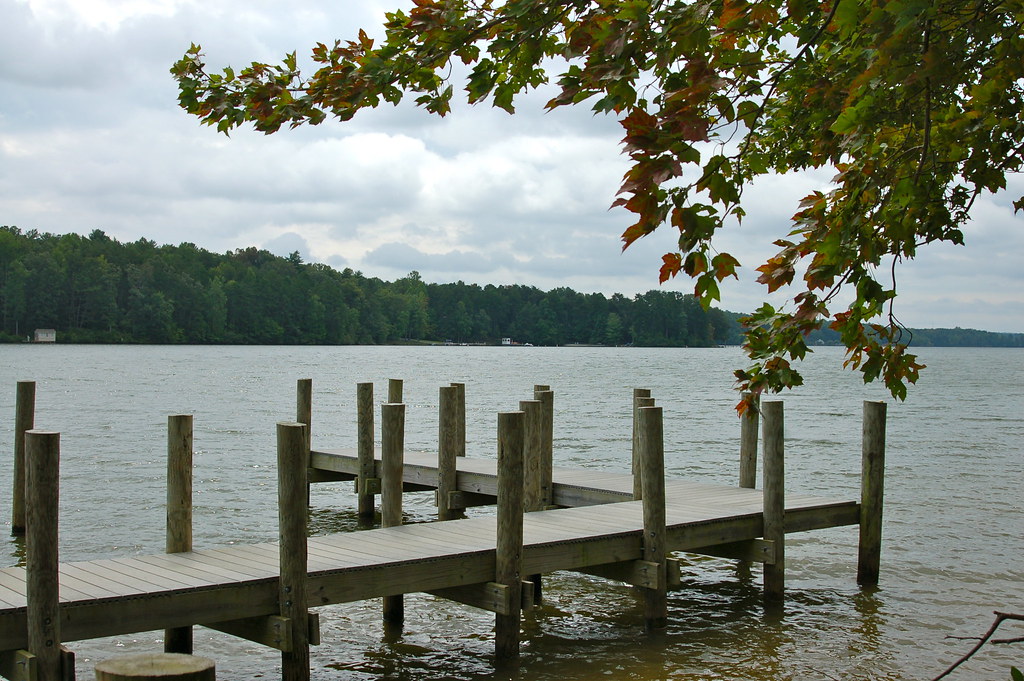
Lake Anna
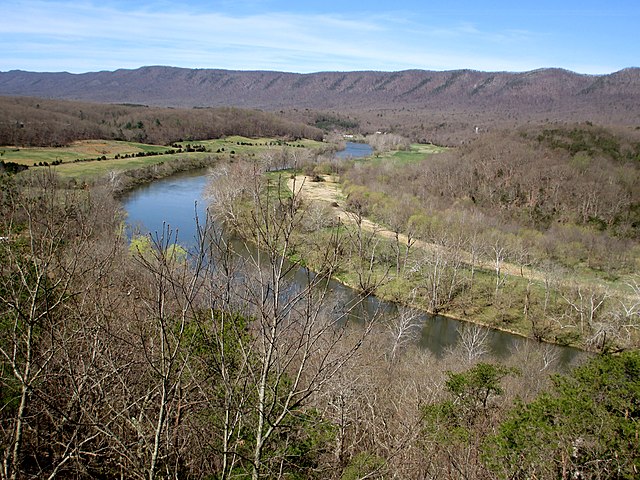
South Fork Shenandoah River
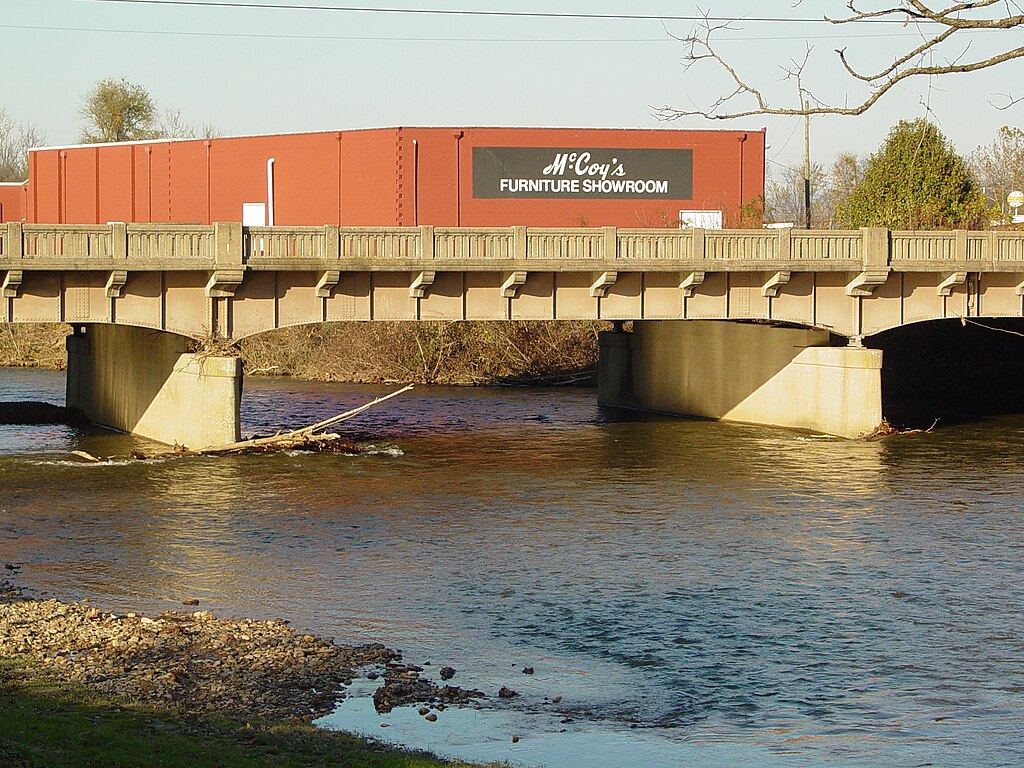
South River
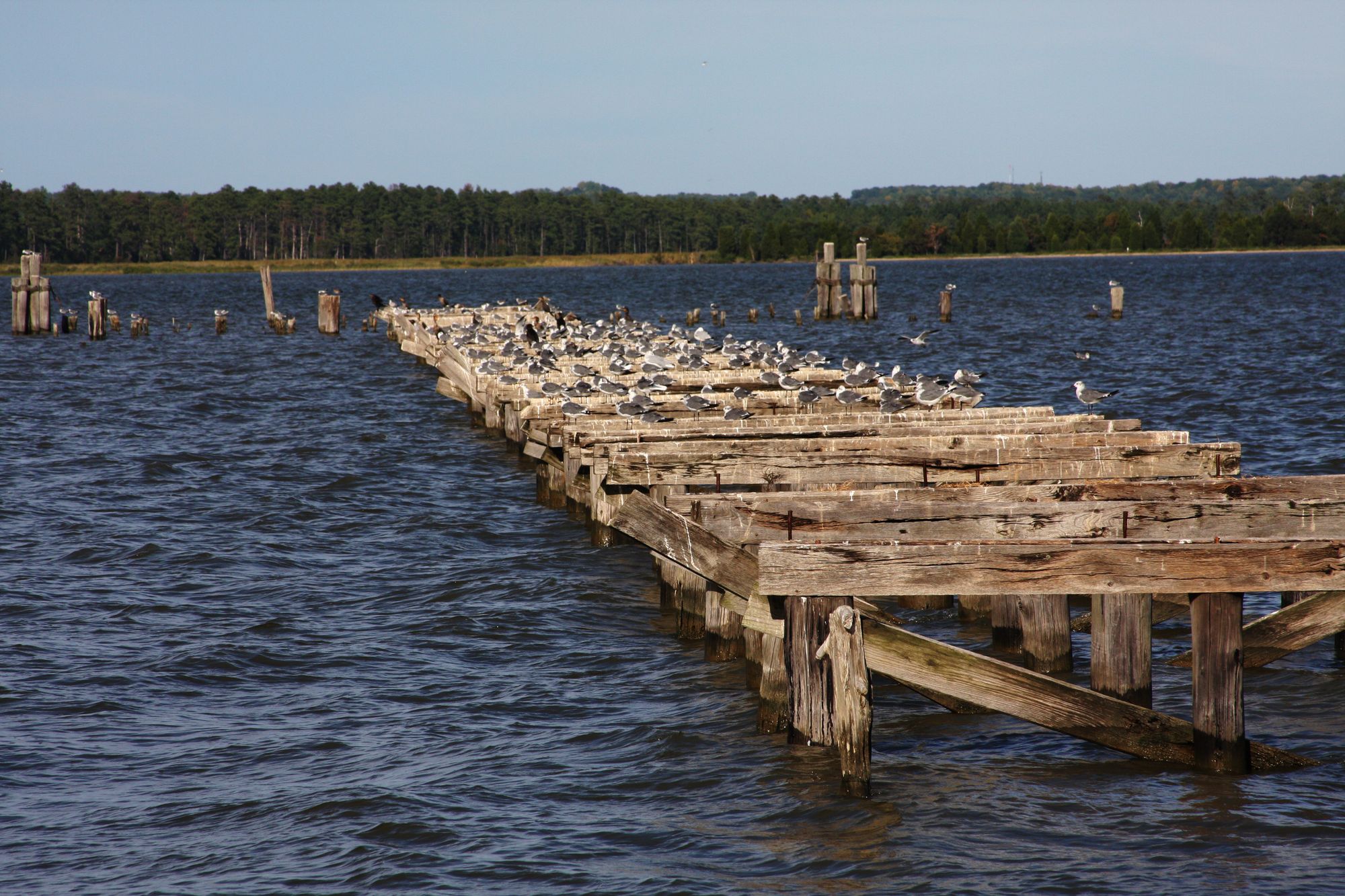
Rappahannock River
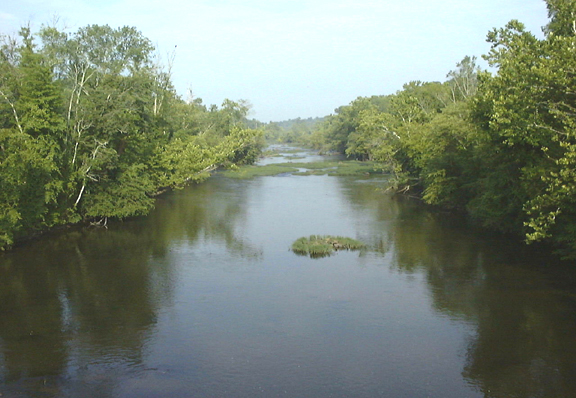
Appomattox River
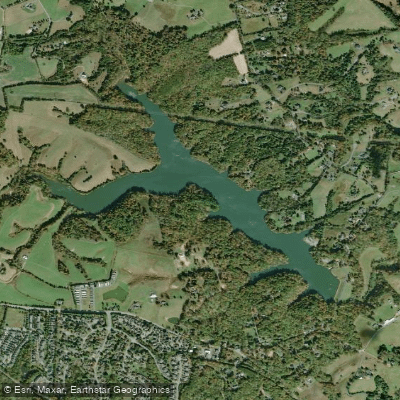
Beaver Creek Reservoir
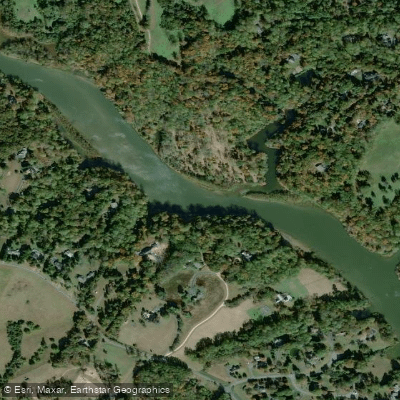
South Fork Rivanna River
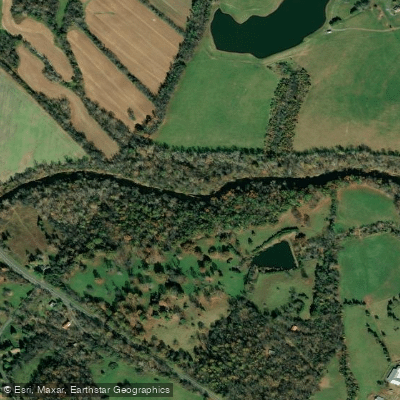
Rapidan River
What to know
Habitat Distribution
- Native to Virginia's tributaries of the Albemarle Sound, Chesapeake Bay, and Atlantic Ocean.
- Adults spend most of their lives in saltwater but migrate to Virginia's freshwater tributaries each spring to spawn.
Key Locations
- Rappahannock River near Fredericksburg (Old Mill Park area), James River in Richmond near the fall line, Nottoway River system, James, Rappahannock, Potomac, York, Appomattox, Nottoway, Blackwater, and Meherrin rivers.
Specific Spots
- Prefer deeper runs, river bends, and areas with clean flowing water near the fall line.
- Focus on current breaks, eddies, drop-offs behind structure, deeper runs, and inside turns where fish rest.
Hickory Shad FAQ
Answers from onWater's species guide.
What are the best lures and bait for Hickory Shad in Virginia?
Shad darts in chartreuse, red/white, or green/black (1/32 to 1/8 ounce), silver and gold spoons, and compact spinners in chartreuse or orange.
What flies work for Hickory Shad in Virginia?
Clouser Minnows, Marauders, shad flies with dumbbell eyes or coneheads, Crazy Charlie bonefish flies, and cone-head Woolly Buggers in bright colors like chartreuse, yellow, orange, red, and white.
When is the best time to fish for Hickory Shad in Virginia?
Mid-March through early May, with peak activity when water temperatures reach 55-65°F for spawning migration, best fishing when temperatures reach 55-60°F.
How do you catch Hickory Shad in Virginia?
Cast across current and retrieve with short strips or steady retrieval, keeping lures/flies near bottom. Fish tandem rigs when legal. Bank fishing is productive at public access points, with wading possible using proper safety gear.
What do Hickory Shad eat?
Juvenile hickory shad feed on zooplankton and insect larvae in freshwater and tidal estuaries, while adults primarily consume shrimp, small fish, and occasionally crustaceans and squid in the ocean. During spawning runs, they don't actively feed but strike lures defensively.
Fish smarter with real-time insights
Whether you're en route and conditions shift or you're looking for the best spot based on current flows, we enable you to make informed decisions on the fly.




See it in the app
Most maps show you water.
onWater shows you Hickory Shad.



- 01 · Species map filter
Map every Hickory Shad water
Pick Hickory Shad and the map zeroes in on the waters they call home. No more guessing which lake holds them.
- 02 · Waterbody species
Tap any water. See what lives there.
Species, behavior and seasonal patterns for every lake, river and pond, before you leave the driveway.
- 03 · Angler Intelligence
Ask how to catch Hickory Shad
Tactics, gear and timing from onWater's AI fishing guide, tuned to the species and the water you're on.
Stop guessing where Hickory Shad are.
Open the map, filter by Hickory Shad, and head to water that holds them. Download onWater and plan your next trip in minutes.
- Species map filter
- Angler Intelligence
- Fishing journal
Explore other species
Trout, bass, salmon, panfish and everything in between. Each guide unpacks the behavior, seasons, and tactics that put fish in the net.
No species information available.
Virginia licenses and regulations
Explore nearby waters
Explore Virginia waters
Top fishing waters
Popular Cities
Loading popular cities...

Smarter Fishing Starts in the App.
onWater Fish gives you everything you need to plan smarter, fish better, and own every trip from first cast to last.