Bluehead Chub

The Bluehead Chub is a native freshwater minnow that reaches up to 26 cm in length and lives about 4 years maximum.
These remarkable fish are ecosystem engineers that construct elaborate gravel mound nests by moving 20,000-100,000 individual pebbles up to 10 feet away using their mouths.
Scientific Name: Nocomis leptocephalus
- Reaches up to 26 cm in length.
- During spawning season, males develop breeding tubercles.
Fishing in Virginia
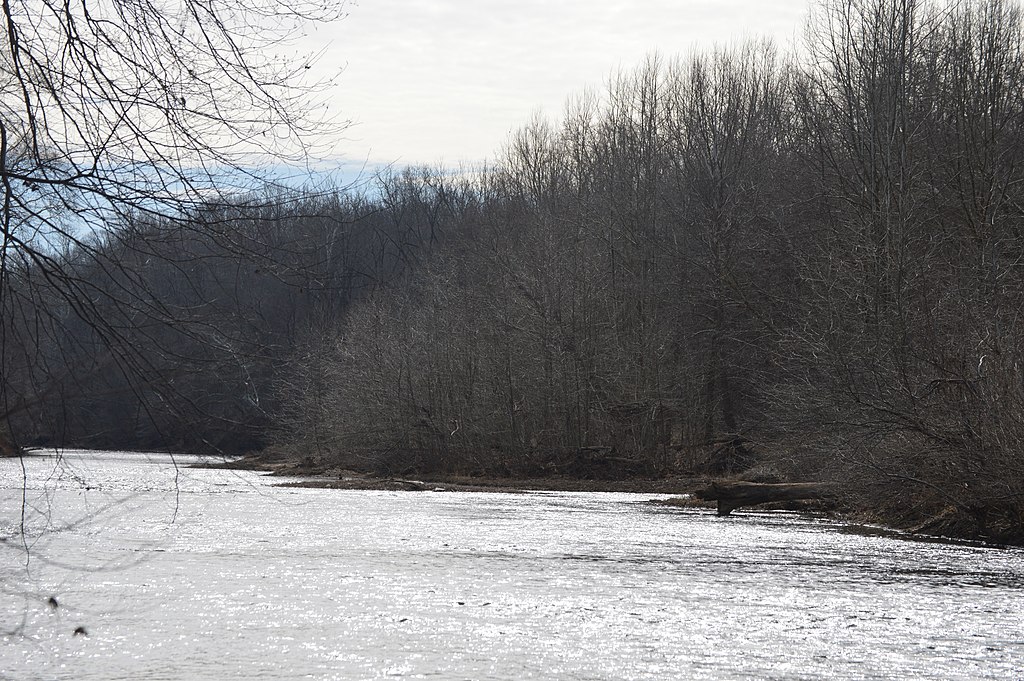
Rivanna River
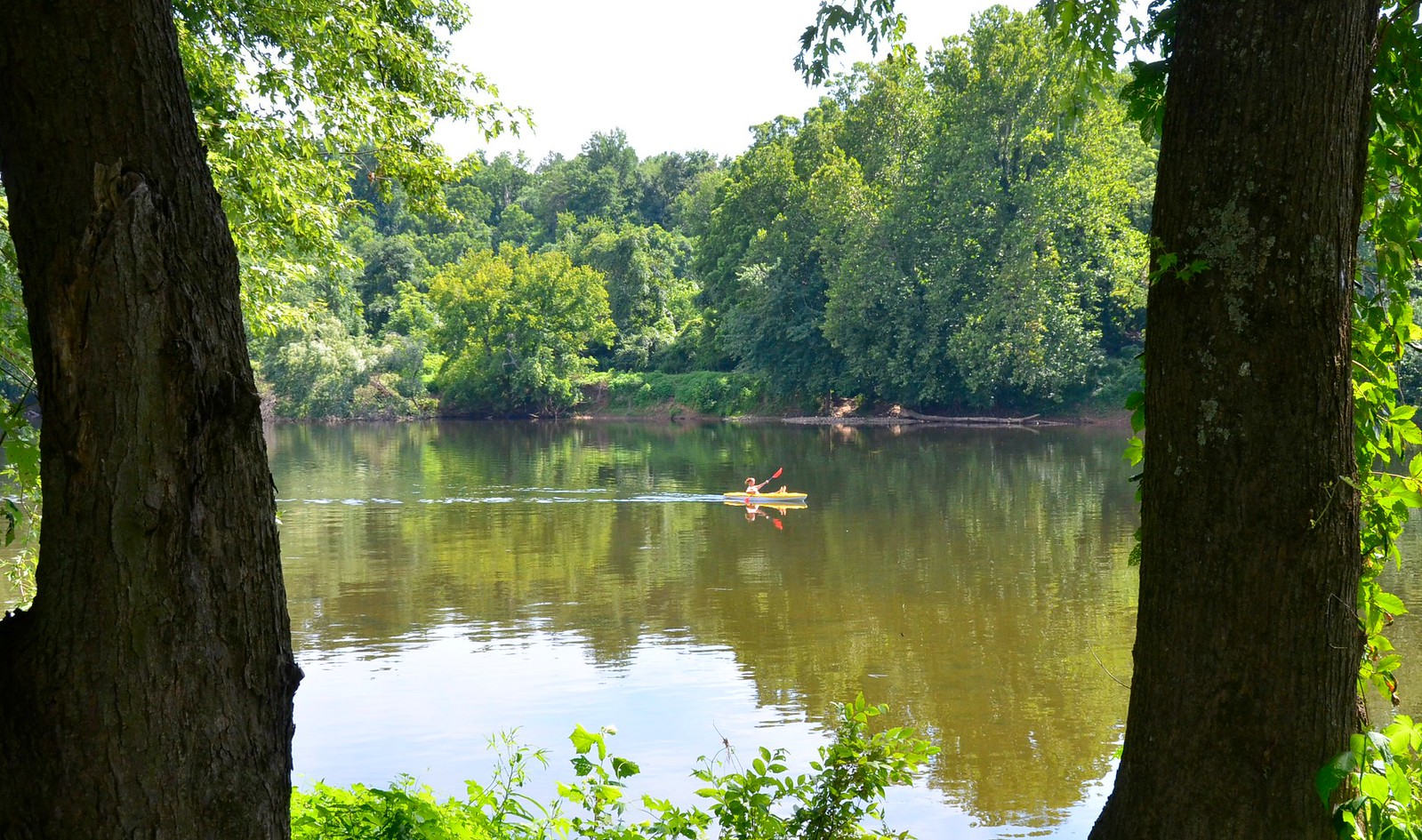
James River
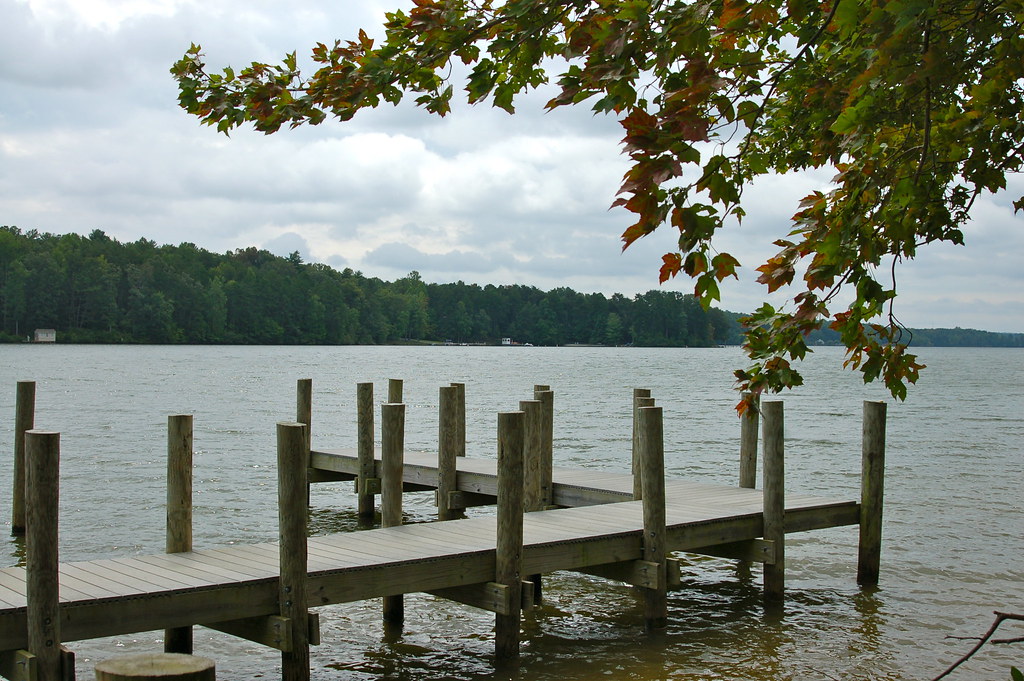
Lake Anna
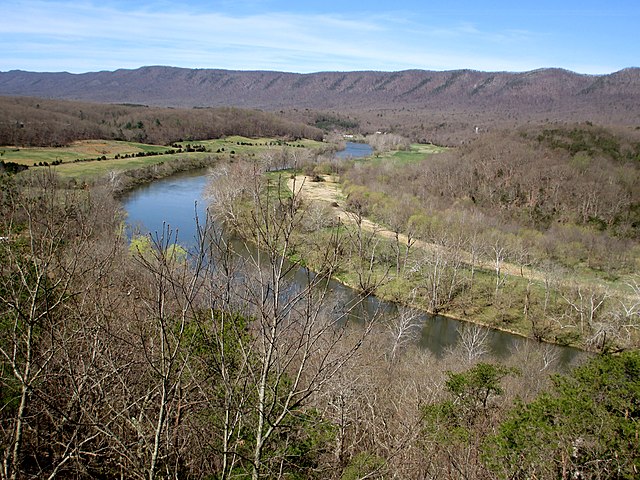
South Fork Shenandoah River
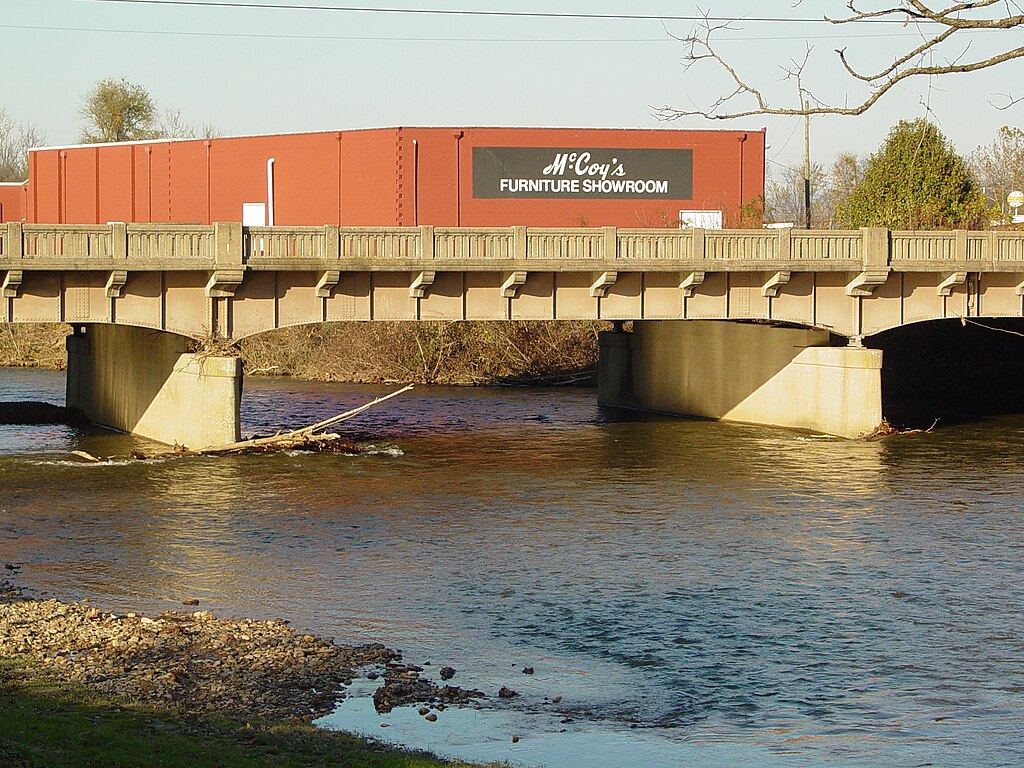
South River
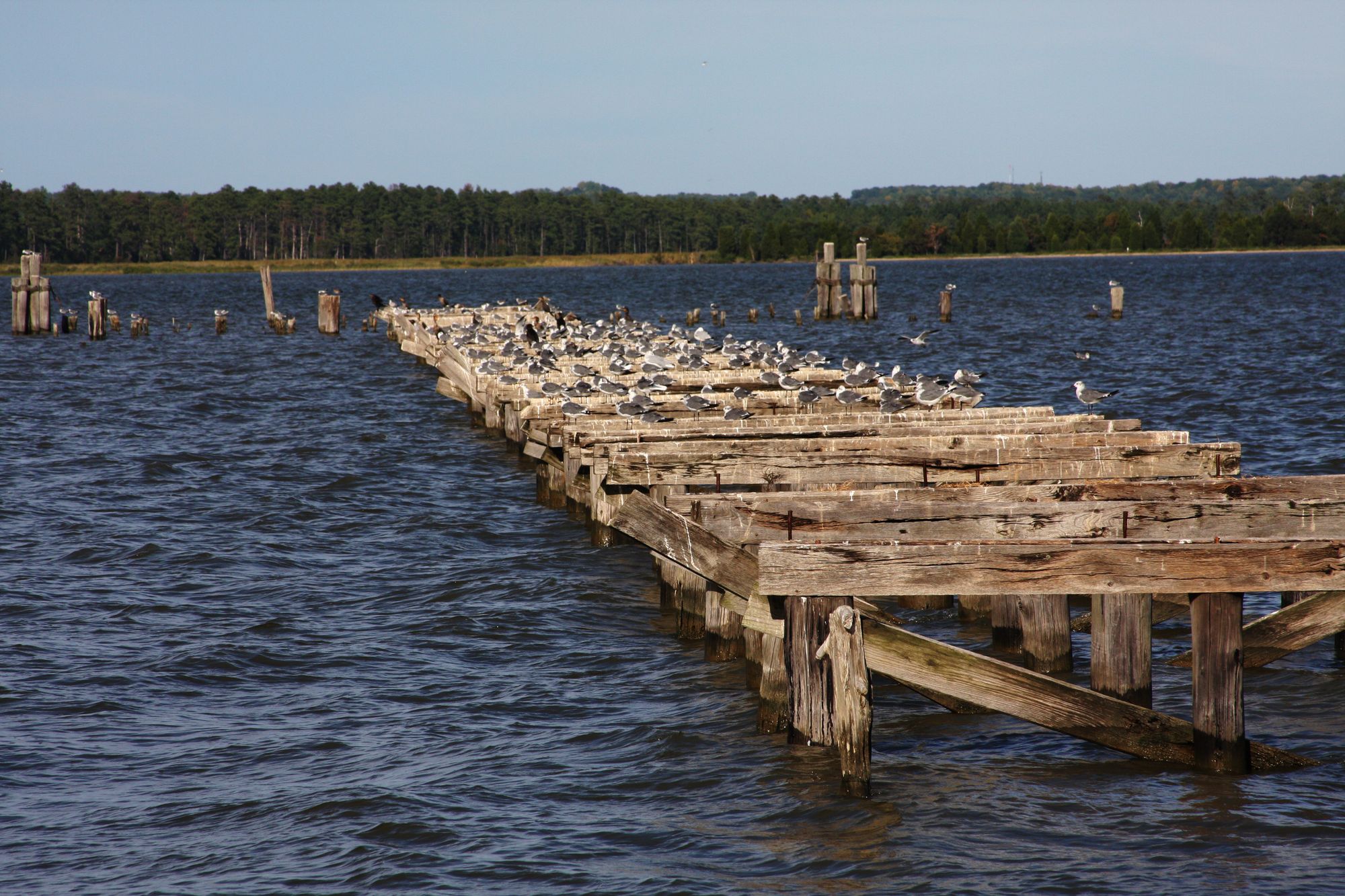
Rappahannock River
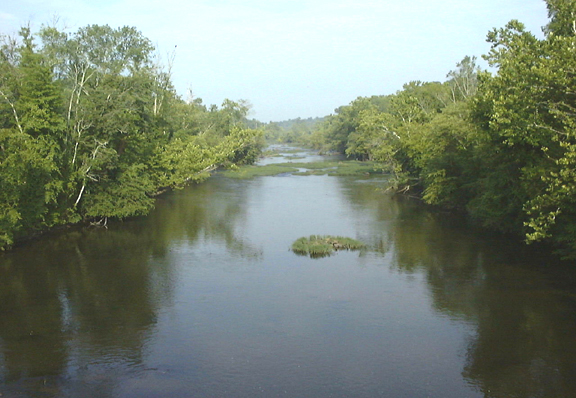
Appomattox River
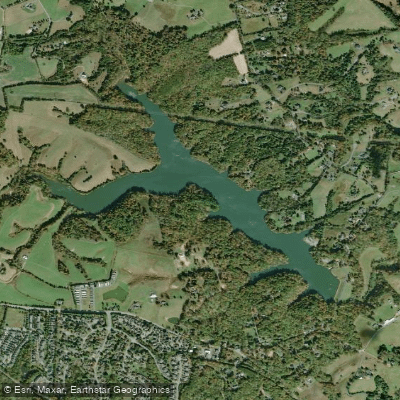
Beaver Creek Reservoir
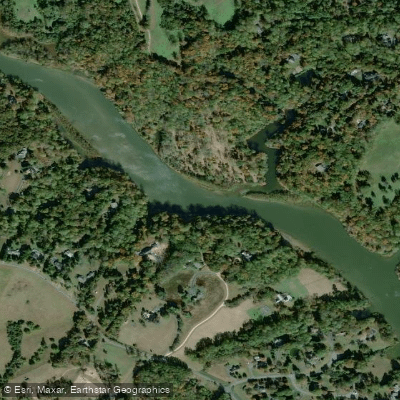
South Fork Rivanna River
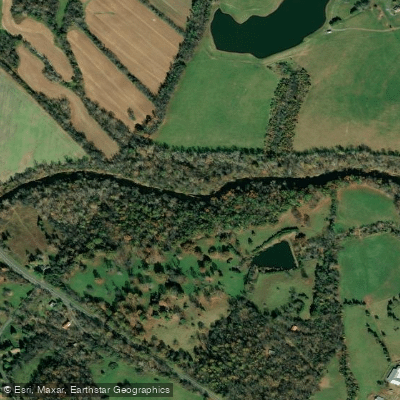
Rapidan River
What to know
Habitat Distribution
- They inhabit rocky and sandy pools and runs of headwaters, creeks, and small to medium rivers with highly varied substrate from bedrock to gravel.
- Virginia populations are established in 10 HUCs including Lower Chesapeake Bay, Lower Potomac, Middle New, North Fork Shenandoah, South Branch Potomac, Upper James, and Upper Clinch systems.
Key Locations
- In Virginia, productive waters include streams in the Shenandoah system, New River drainage, and various Potomac and Rappahannock tributaries.
- Found in Atlantic and Gulf Slope drainages from the Shenandoah River system, as well as in the upper New River drainage.
Specific Spots
- Focus on clear, rocky streams and small to medium rivers with gravel and pebble substrate, particularly in swift current areas and pools.
- Look for them in areas with mixed substrate including bedrock, cobble, pebble combinations where they naturally feed.
Bluehead Chub FAQ
Answers from onWater's species guide.
What are the best lures and bait for Bluehead Chub in Virginia?
Small spoons, feather lures, and surface plugs can be effective when cast to visible fish or worked around rocky areas and structure.
How do you catch Bluehead Chub in Virginia?
For fly fishing, present flies by slapping them onto the water surface initially to attract fish from cover, then dropping the fly delicately in front of visible chub. Unlike trout fishing, you want to make noise with the initial presentation since chub respond to sound and movement rather than scent.
What do Bluehead Chub eat?
Their diet consists primarily of insects, crustaceans, and especially algae - they're herbivorous-invertivorous feeders with a trophic level of 3.1.
Where do Bluehead Chub live in Virginia?
They inhabit rocky and sandy pools and runs of headwaters, creeks, and small to medium rivers with highly varied substrate from bedrock to gravel.
Fish smarter with real-time insights
Whether you're en route and conditions shift or you're looking for the best spot based on current flows, we enable you to make informed decisions on the fly.







See it in the app
Most maps show you water.
onWater shows you Bluehead Chub.



- 01 · Species map filter
Map every Bluehead Chub water
Pick Bluehead Chub and the map zeroes in on the waters they call home. No more guessing which lake holds them.
- 02 · Waterbody species
Tap any water. See what lives there.
Species, behavior and seasonal patterns for every lake, river and pond, before you leave the driveway.
- 03 · Angler Intelligence
Ask how to catch Bluehead Chub
Tactics, gear and timing from onWater's AI fishing guide, tuned to the species and the water you're on.
Stop guessing where Bluehead Chub are.
Open the map, filter by Bluehead Chub, and head to water that holds them. Download onWater and plan your next trip in minutes.
- Species map filter
- Angler Intelligence
- Fishing journal
Explore other species
Trout, bass, salmon, panfish and everything in between. Each guide unpacks the behavior, seasons, and tactics that put fish in the net.

Find which waters have the species you want to catch

Largemouth Bass
Micropterus salmoides

Smallmouth Bass
Micropterus dolomieu

Rainbow Trout

Brown Trout

Brook Trout
Salvelinus fontinalis

Northern Pike
Esox lucius

Muskellunge

Walleye
Sander vitreus

Black Crappie
Pomoxis nigromaculatus

Alewife
Alosa pseudoharengus

American Eel
Anguilla rostrata

American Shad
Alosa sapidissima

Atlantic Croaker
Micropogonias undulatus

Atlantic Sturgeon
Acipenser oxyrinchus oxyrinchus

Black Bullhead
Ameiurus melas

Black Drum
Pogonias cromis

Blacknose Dace
Rhinichthys atratulus

Blue Catfish
Ictalurus furcatus

Bluefish
Pomatomus saltatrix

Bowfin
Amia calva

Brown Bullhead
Ameiurus nebulosus

Chain Pickerel
Esox niger

Channel Catfish
Ictalurus punctatus

Cobia
Rachycentron canadum

Common Carp
Cyprinus carpio

Creek Chub
Semotilus atromaculatus
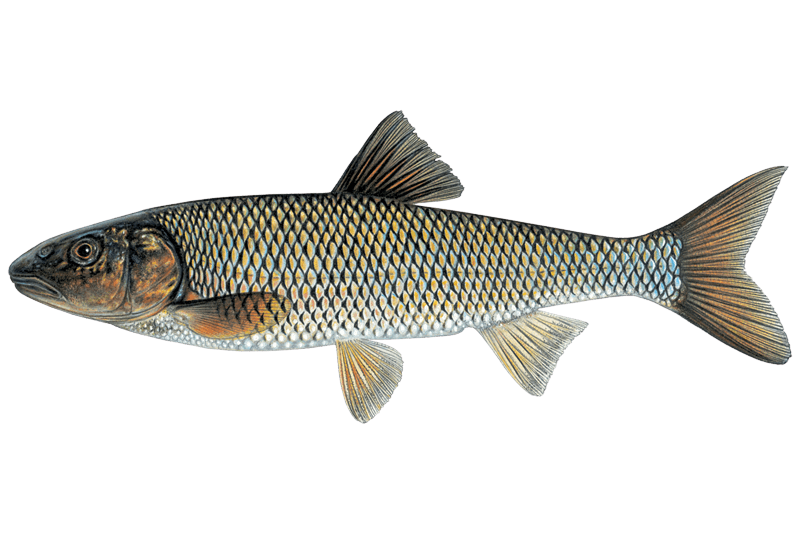
Fallfish
Semotilus corporalis

Flathead Catfish
Pylodictis olivaris

Flier
Centrarchus macropterus

Freshwater Drum
Aplodinotus grunniens

Gizzard Shad
Dorosoma cepedianum
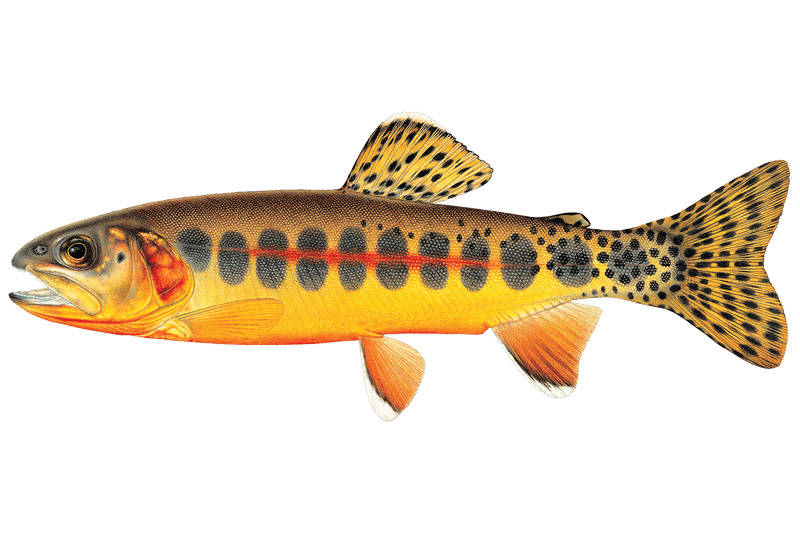
Golden Trout

Grass Carp
Ctenopharyngodon idella

Green Sunfish
Lepomis cyanellus

Hickory Shad
Alosa mediocris

Longear Sunfish
Lepomis megalotis

Longnose Gar
Lepisosteus osseus

Northern Hogsucker
Hypentelium nigricans
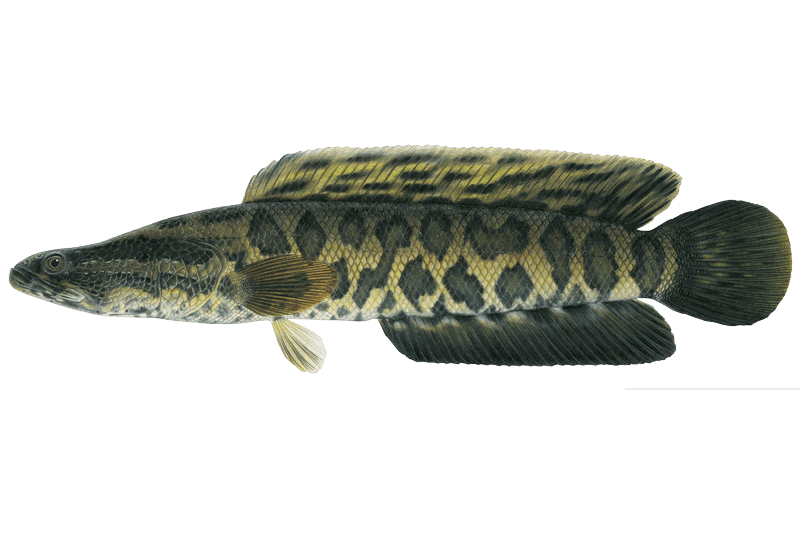
Northern Snakehead
Channa argus
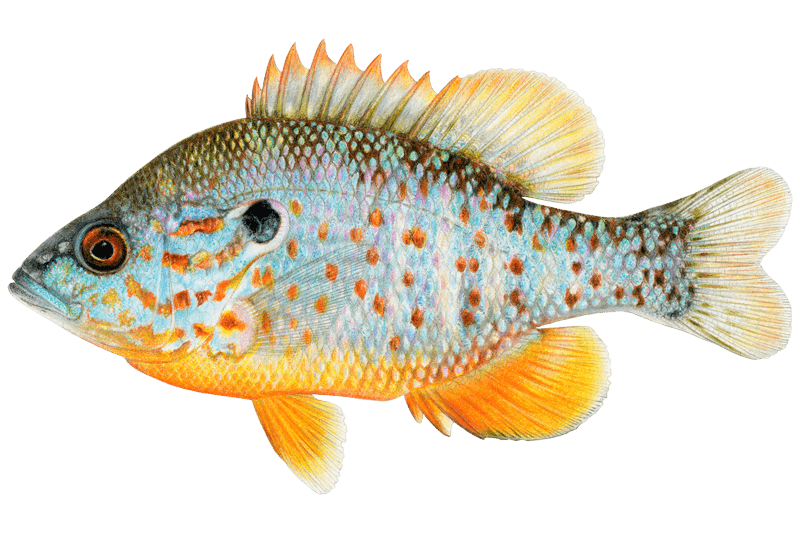
Orangespotted Sunfish
Lepomis humilis
Virginia licenses and regulations

Virginia Boating Regulations
When using any type of watercraft to access a body of water, it is important to follow all federal, state, and local rules and regulations. These rules and regulations include boat permitting and licensing, invasive species inspections and stamps, life jacket and PFD rules, motor size and horsepower restrictions, noise limitations, restrictions on personal watercraft, and many more. Visit the web link below for the most current rules and regulations for this body of water.

Virginia Stream Access Laws
Virginia uses a strict navigable in fact test, where waterways must be capable of commercial trade and travel in their natural condition and public access is limited where navigable waters border private land. The state law isn’t fully developed and is arguably stricter than the federal title test. While state law is confusing and hasn’t been friendly to public access in the past, a 2015 court case opened up 14 rivers to public use that were previously off limits.

Virginia Fishing License
A Virginia fishing license is required for residents and non-residents, age 16 and over.

Virginia Fishing Regulations
This river has a variety of species and regulations, including potential floating and/or watercraft restrictions. Because this river is specially managed for species, seasons, angling methods, and watercraft, it is strongly encouraged you check all federal, state, and local regulations before fishing. Visit any of the links below, inquire locally, or contact a local fly shop to learn current regulations and restrictions.
Explore nearby waters
Explore Virginia waters
Top fishing waters
Popular Cities
Loading popular cities...
Smarter Fishing Starts in the App.
onWater Fish gives you everything you need to plan smarter, fish better, and own every trip from first cast to last.