Gizzard Shad

Gizzard Shad are a native herring family species that first appeared in Connecticut waters during the late 1970s as part of a natural range expansion from Hudson River populations.
They became well-established in all three of Connecticut's major river systems during the 1980s, with populations likely still increasing.
Scientific Name: Dorosoma cepedianum
- Deep-bodied fish with distinctive characteristics including a small head with blunt snout, greatly elongated last dorsal ray, and a single faint shoulder spot.
- They typically range 6-18 inches, with Connecticut's maximum recorded size being 21 inches.
Fishing in Connecticut
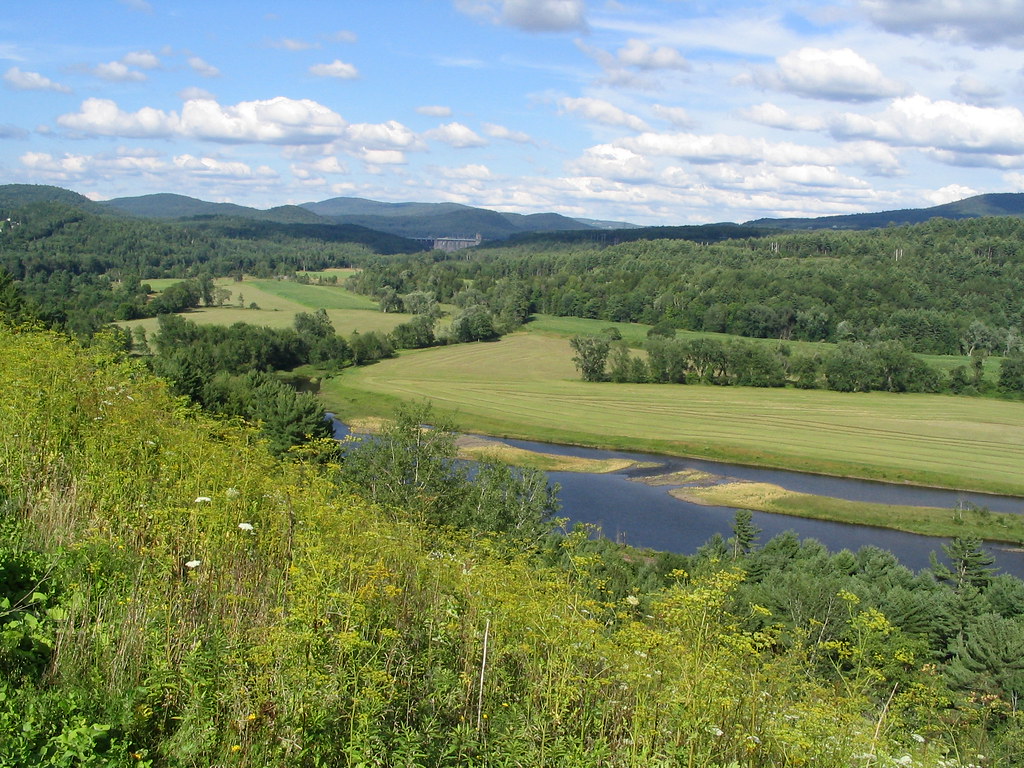
Connecticut River
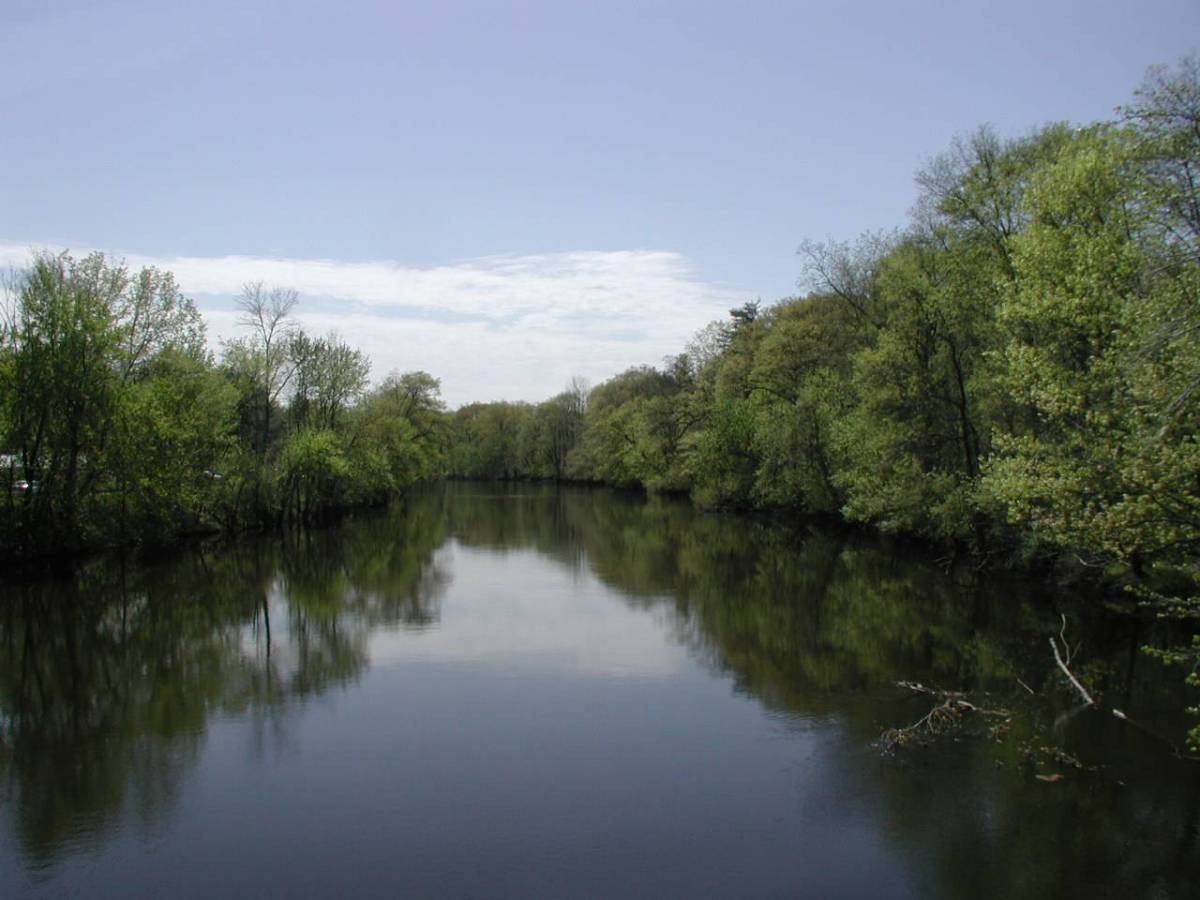
Farmington River
North Atlantic Ocean
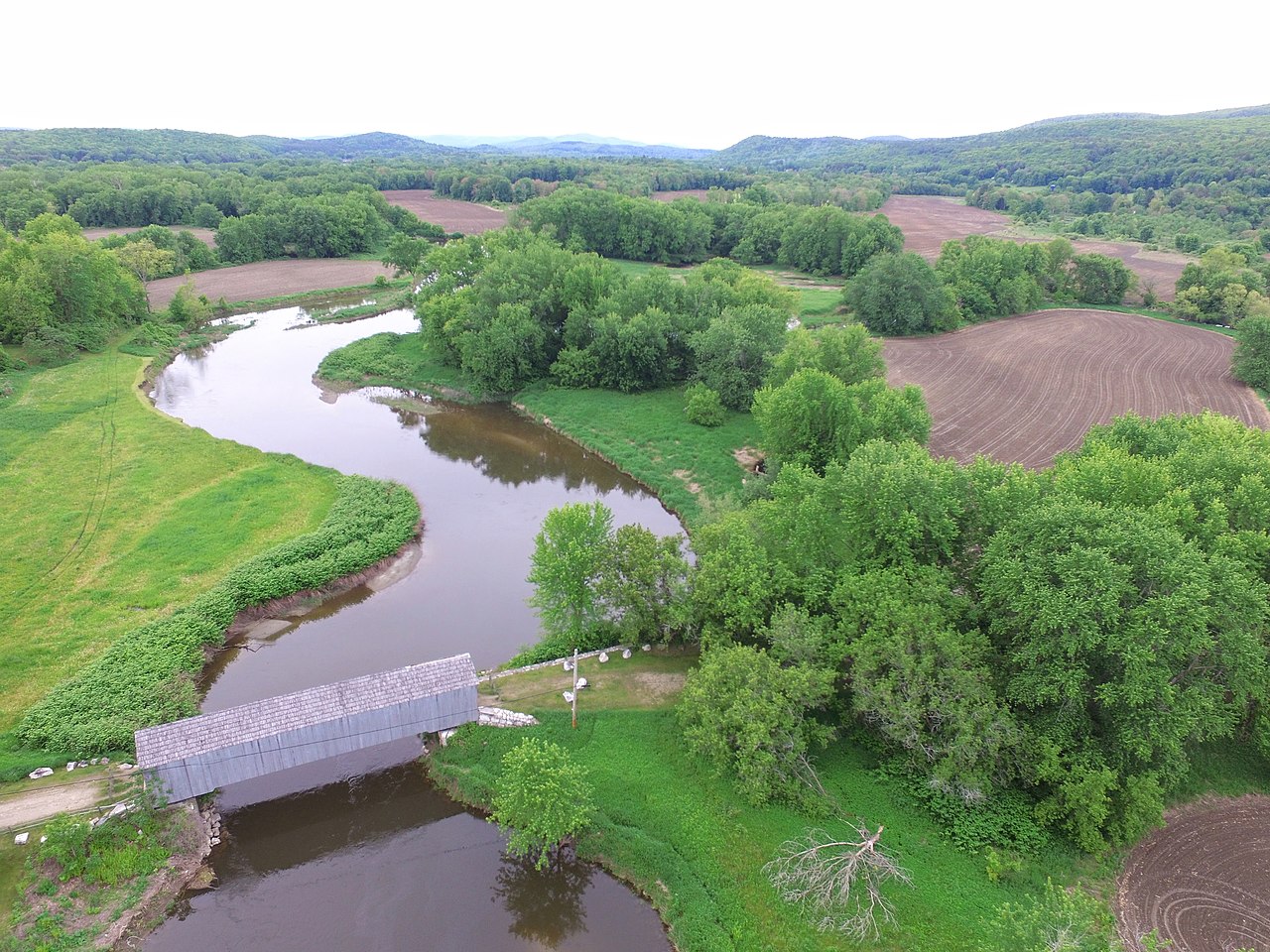
Housatonic River
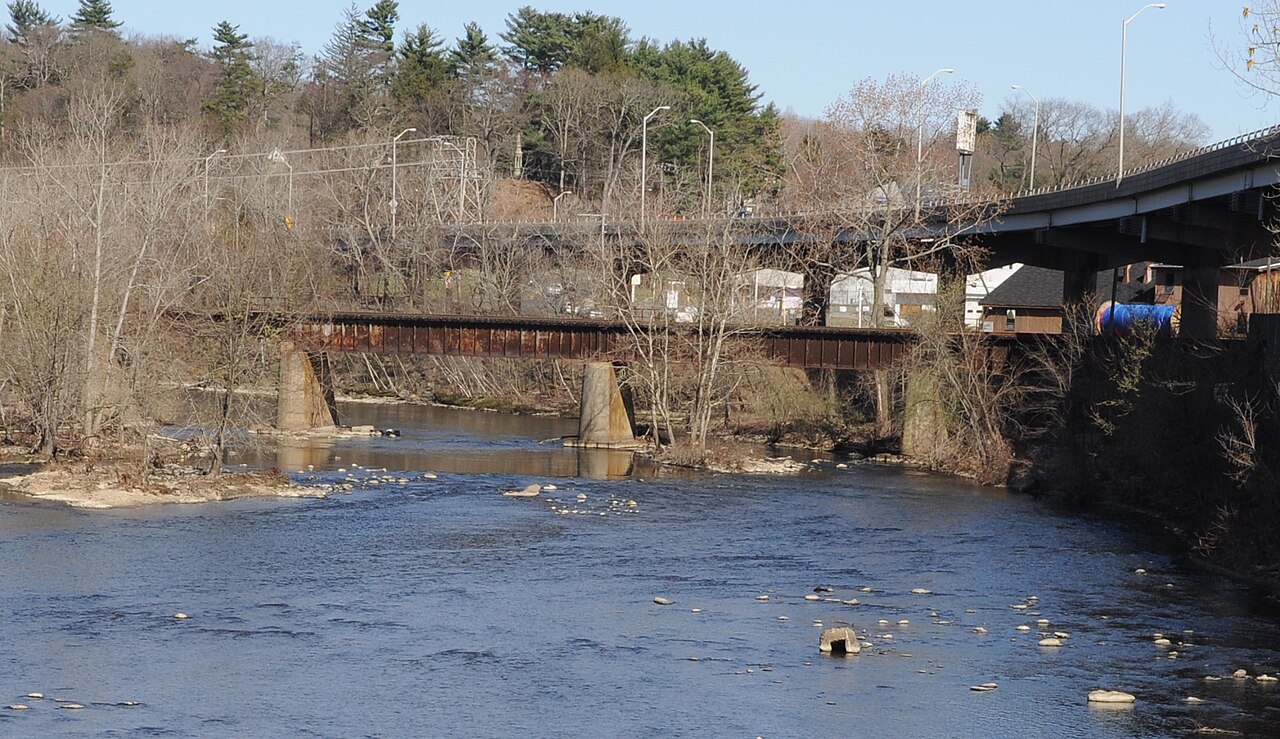
Naugatuck River
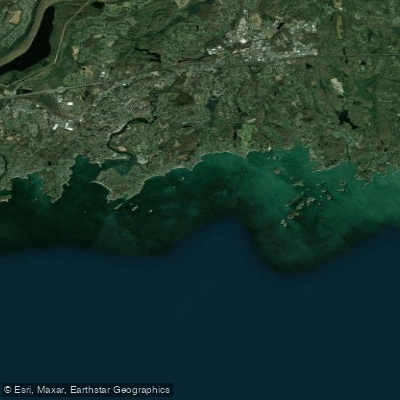
The Thimbles
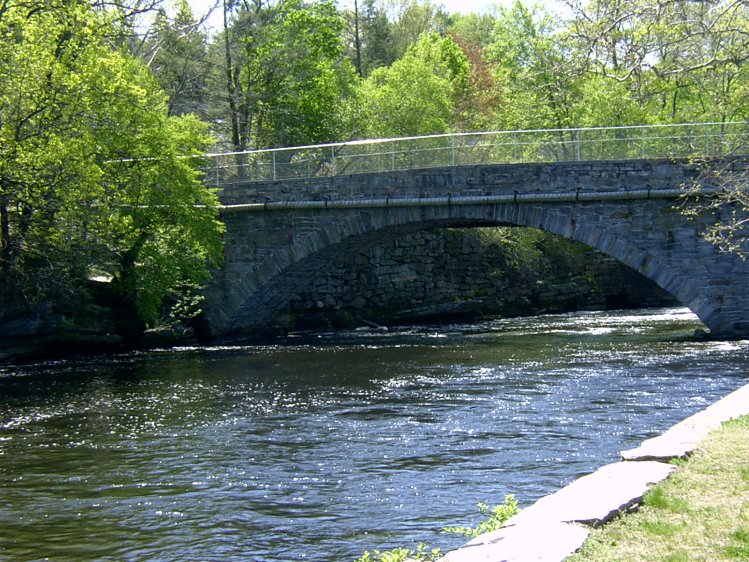
Willimantic River
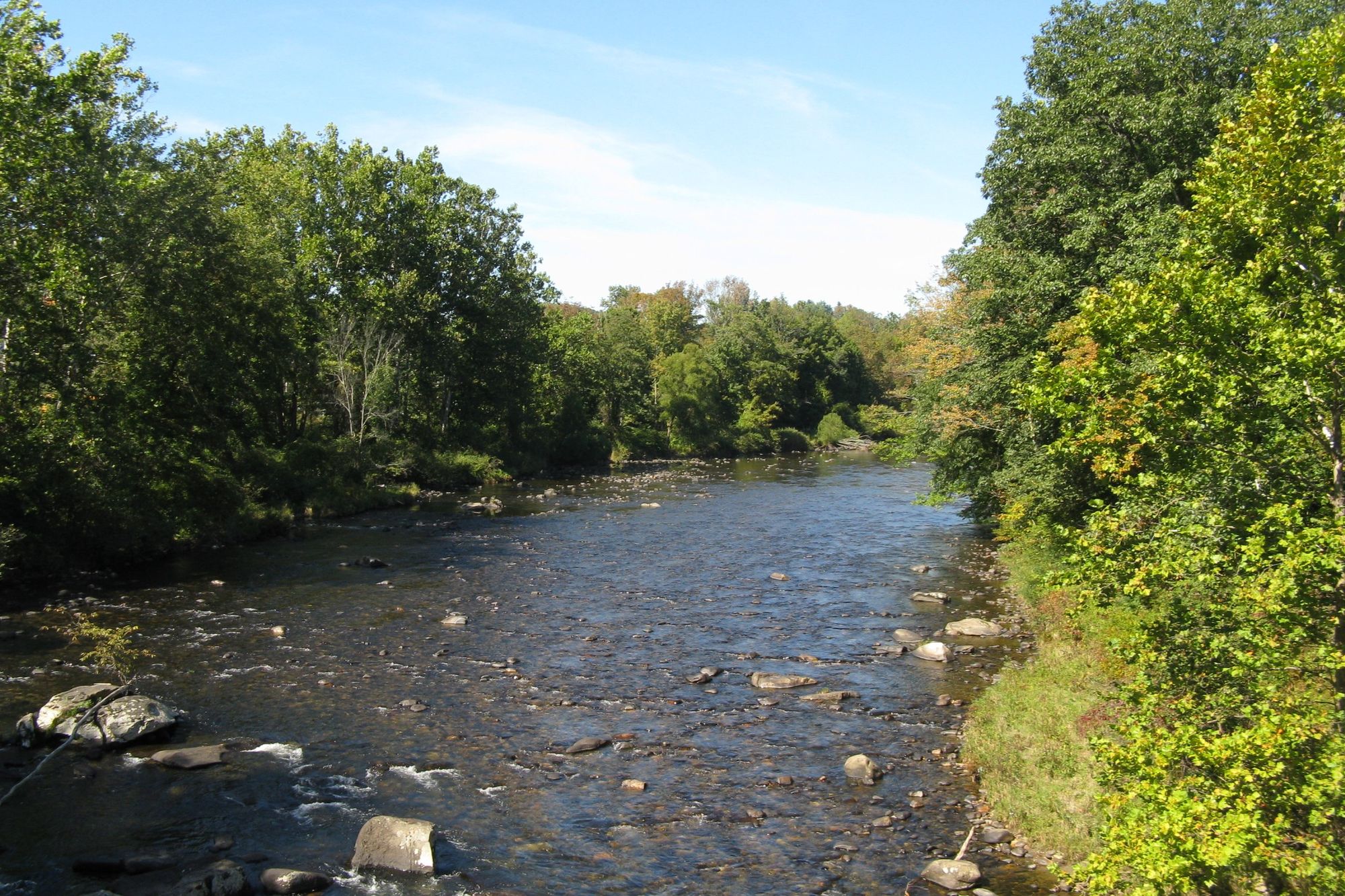
Westfield River
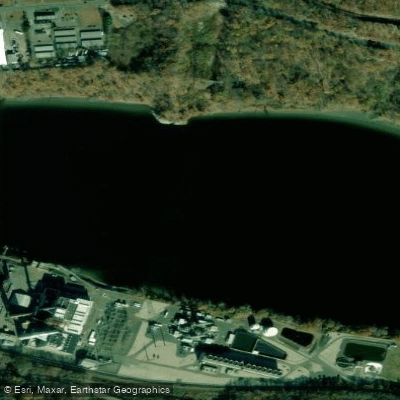
Paper Rock Shoal
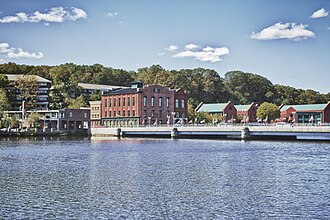
Saugatuck River
What to know
Habitat Distribution
- Schooling fish that prefer quiet areas of large rivers and estuaries, occasionally entering marine waters.
- They use fishways to expand beyond barrier dams.
Key Locations
- Connecticut's major river systems - the Housatonic, Connecticut, and Thames rivers.
- They've been documented as far upstream as the Bellows Falls Dam (175 miles from the Connecticut River mouth).
Specific Spots
- Quiet backwater areas and deeper pools where they school.
- Often visible at the surface in large groups during feeding.
Gizzard Shad FAQ
Answers from onWater's species guide.
What are the best lures and bait for Gizzard Shad in Connecticut?
Small baitfish imitations may occasionally result in incidental catches while fishing for other species.
What flies work for Gizzard Shad in Connecticut?
Small flies that might accidentally interfere with their filter feeding could potentially result in a rare catch.
When is the best time to fish for Gizzard Shad in Connecticut?
During spawning period (mid- to late spring, typically April through June), avoid targeting them as they focus on reproduction rather than feeding. The best chance of an incidental catch would be during their active feeding periods in warmer months when they're filtering near the surface.
How do you catch Gizzard Shad in Connecticut?
Small flies or lures that might accidentally interfere with their filter feeding could potentially result in a rare catch, but this species simply doesn't respond to typical fishing presentations.
What do Gizzard Shad eat?
Feed almost entirely by filtering phytoplankton from the water, making them filter feeders.
Fish smarter with real-time insights
Whether you're en route and conditions shift or you're looking for the best spot based on current flows, we enable you to make informed decisions on the fly.







See it in the app
Most maps show you water.
onWater shows you Gizzard Shad.



- 01 · Species map filter
Map every Gizzard Shad water
Pick Gizzard Shad and the map zeroes in on the waters they call home. No more guessing which lake holds them.
- 02 · Waterbody species
Tap any water. See what lives there.
Species, behavior and seasonal patterns for every lake, river and pond, before you leave the driveway.
- 03 · Angler Intelligence
Ask how to catch Gizzard Shad
Tactics, gear and timing from onWater's AI fishing guide, tuned to the species and the water you're on.
Stop guessing where Gizzard Shad are.
Open the map, filter by Gizzard Shad, and head to water that holds them. Download onWater and plan your next trip in minutes.
- Species map filter
- Angler Intelligence
- Fishing journal
Explore other species
Trout, bass, salmon, panfish and everything in between. Each guide unpacks the behavior, seasons, and tactics that put fish in the net.

Find which waters have the species you want to catch

Largemouth Bass
Micropterus salmoides

Smallmouth Bass
Micropterus dolomieu

Rainbow Trout
Oncorhynchus mykiss

Brown Trout
Salmo trutta

Brook Trout
Salvelinus fontinalis

Northern Pike
Esox lucius

Walleye
Sander vitreus

Black Crappie
Pomoxis nigromaculatus

Alewife
Alosa pseudoharengus

American Eel
Anguilla rostrata

American Shad
Alosa sapidissima

Atlantic Salmon
Salmo salar

Atlantic Sturgeon
Acipenser oxyrinchus

Black Bullhead
Ameiurus melas

Bluefish
Pomatomus saltatrix

Bowfin
Amia calva

Brown Bullhead
Ameiurus nebulosus

Chain Pickerel
Esox niger

Channel Catfish
Ictalurus punctatus

Common Carp
Cyprinus carpio

Creek Chub
Semotilus atromaculatus

Fallfish
Semotilus corporalis

Grass Carp
Ctenopharyngodon idella

Green Sunfish
Lepomis cyanellus

Hickory Shad
Alosa mediocris

Pumpkinseed
Lepomis gibbosus

Rainbow Smelt
Osmerus mordax
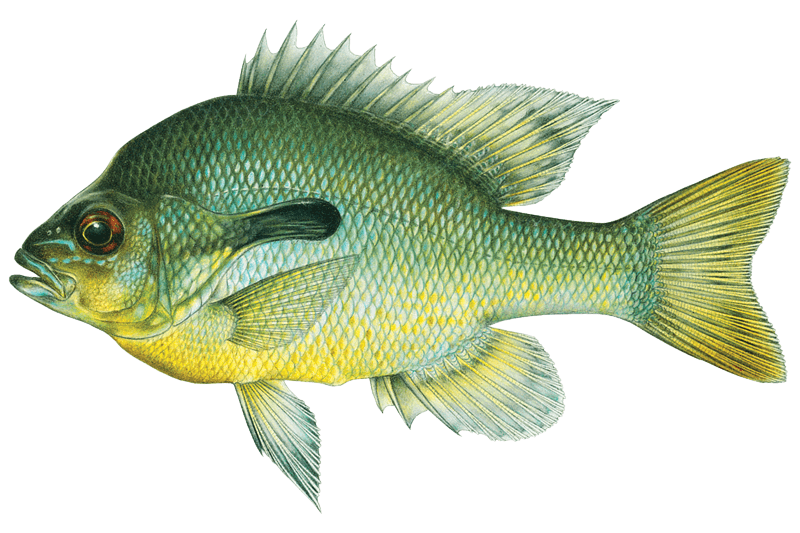
Redbreast Sunfish
Lepomis auritus
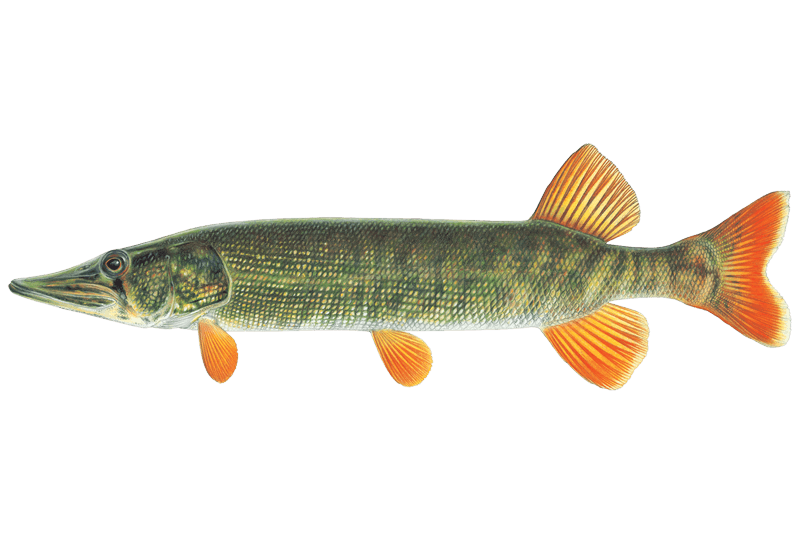
Redfin Pickerel
Esox americanus americanus

Rock Bass
Ambloplites rupestris
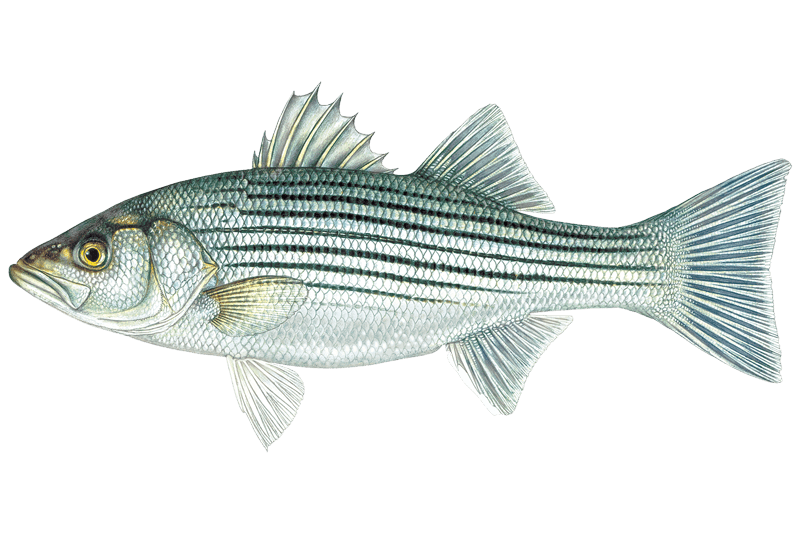
Striped Bass
Morone saxatilis

Tench
Tinca tinca
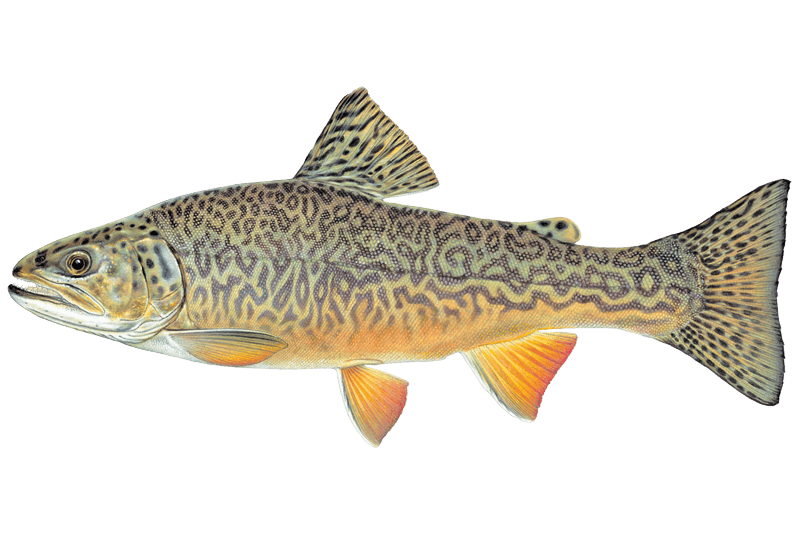
Tiger Trout
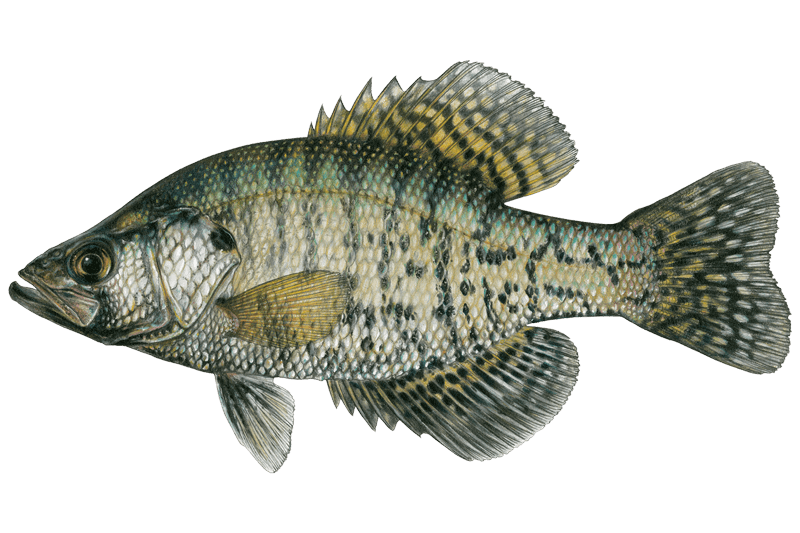
White Crappie
Pomoxis annularis
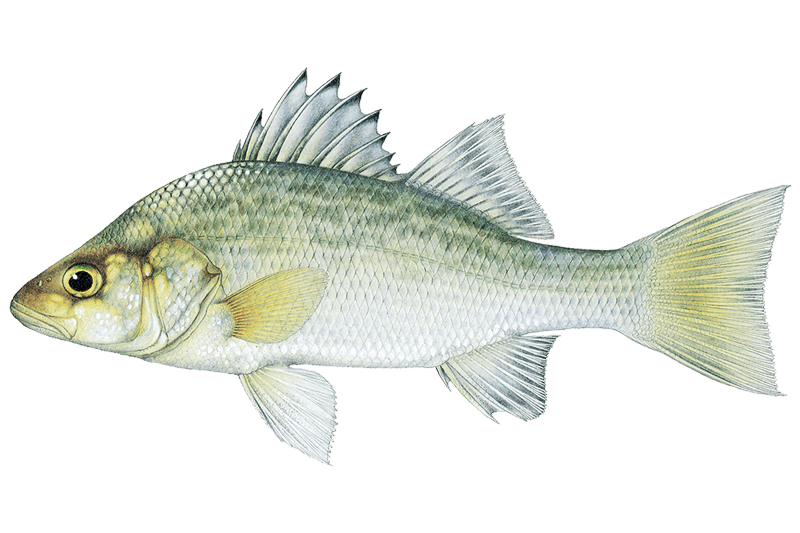
White Perch
Morone americana
White Sucker
Catostomus commersonii
Yellow Bullhead
Ameiurus natalis
Yellow Perch
Perca flavescens
Connecticut licenses and regulations

Connecticut Boating Regulations
When using any type of watercraft to access a body of water, it is important to follow all federal, state, and local rules and regulations. These rules and regulations include boat permitting and licensing, invasive species inspections and stamps, life jacket and PFD rules, motor size and horsepower restrictions, noise limitations, restrictions on personal watercraft, and many more. Visit the web link below for the most current rules and regulations for this body of water.

Connecticut Fishing License
Inland fishing licenses are required for anyone 16 years of age or older fishing in the Inland District . Licenses are issued on a calendar year basis and expire on December 31st.

Connecticut Fishing Regulations
This river has a variety of species and regulations, including potential floating and/or watercraft restrictions. Because this river is specially managed for species, seasons, angling methods, and watercraft, it is strongly encouraged you check all federal, state, and local regulations before fishing. Visit any of the links below, inquire locally, or contact a local fly shop to learn current regulations and restrictions.

Connecticut Stream Access Laws
The public may recreate on both navigable and non-navigable waters. Navigable waters are defined as those subject to the ebb and flow of the tide and used for trade or commerce. On navigable waterways, the public has streambed access and a right to portage below the high watermark.
Explore nearby waters
Explore Connecticut waters
Top fishing waters
Popular Cities
Loading popular cities...

Smarter Fishing Starts in the App.
onWater Fish gives you everything you need to plan smarter, fish better, and own every trip from first cast to last.