Rainbow Trout

Rainbow Trout in Connecticut are an introduced species native to the Pacific Northwest, widely stocked throughout the state but with limited natural reproduction. Only one known self-sustaining population exists at Hubbard Brook in Hartland.
These coldwater fish prefer well-oxygenated lakes and streams, moving to faster, well-aerated areas as temperatures rise.
Rainbow Trout in Connecticut seldom survive summer conditions and rarely reproduce naturally, as domestic hatchery strains aren't well-suited for local spawning conditions.
Scientific Name: Oncorhynchus mykiss
- Fish typically ranging 8-16 inches (though specimens up to 24 inches occur).
- The state record is 14.6 pounds.
Fishing in Connecticut

Connecticut River
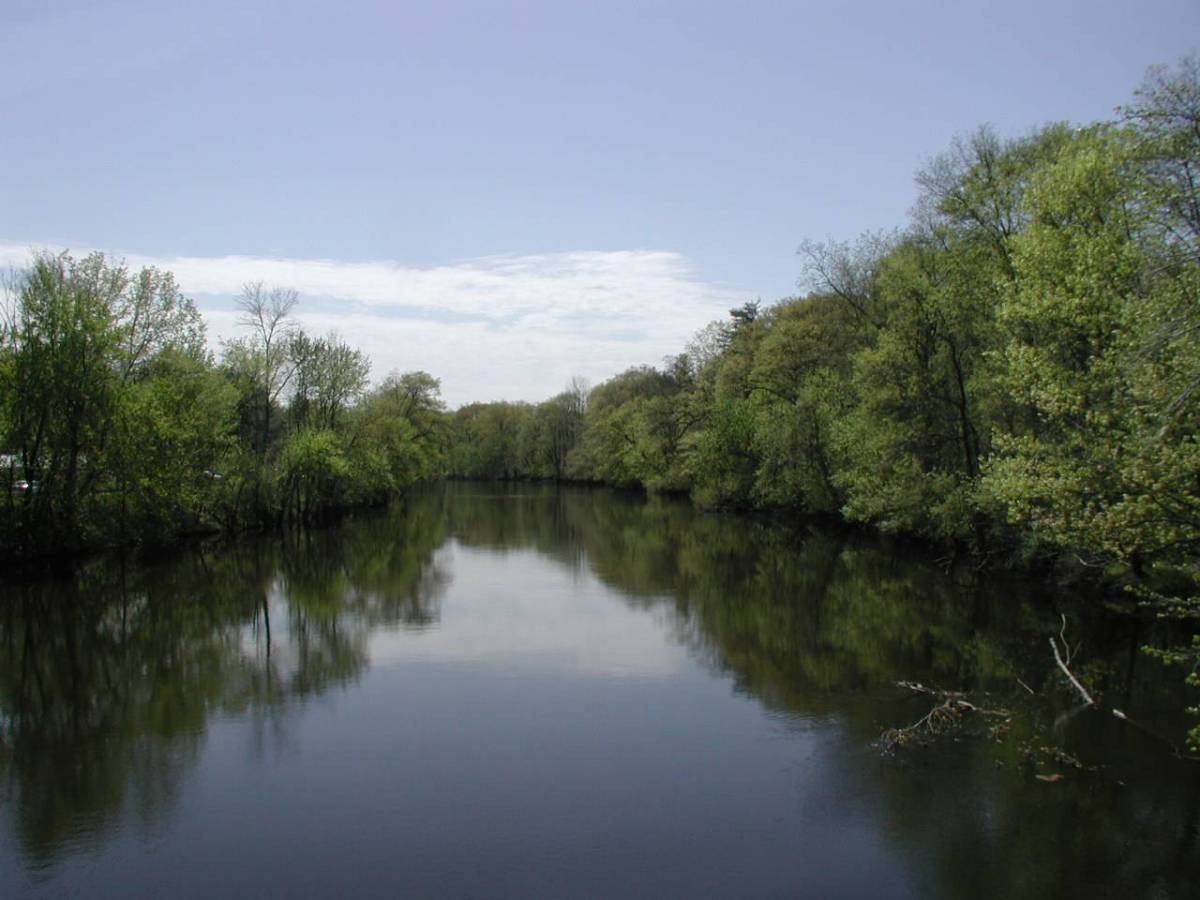
Farmington River
North Atlantic Ocean

Housatonic River
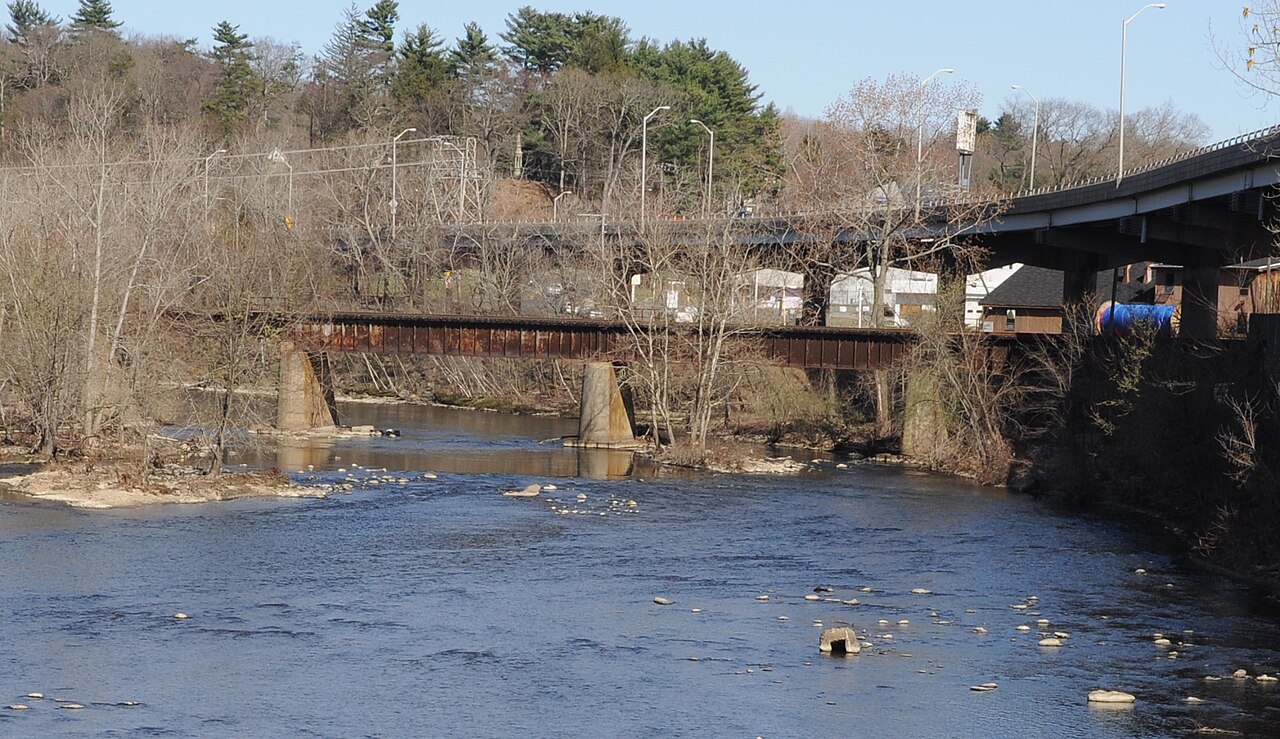
Naugatuck River
The Thimbles

Willimantic River
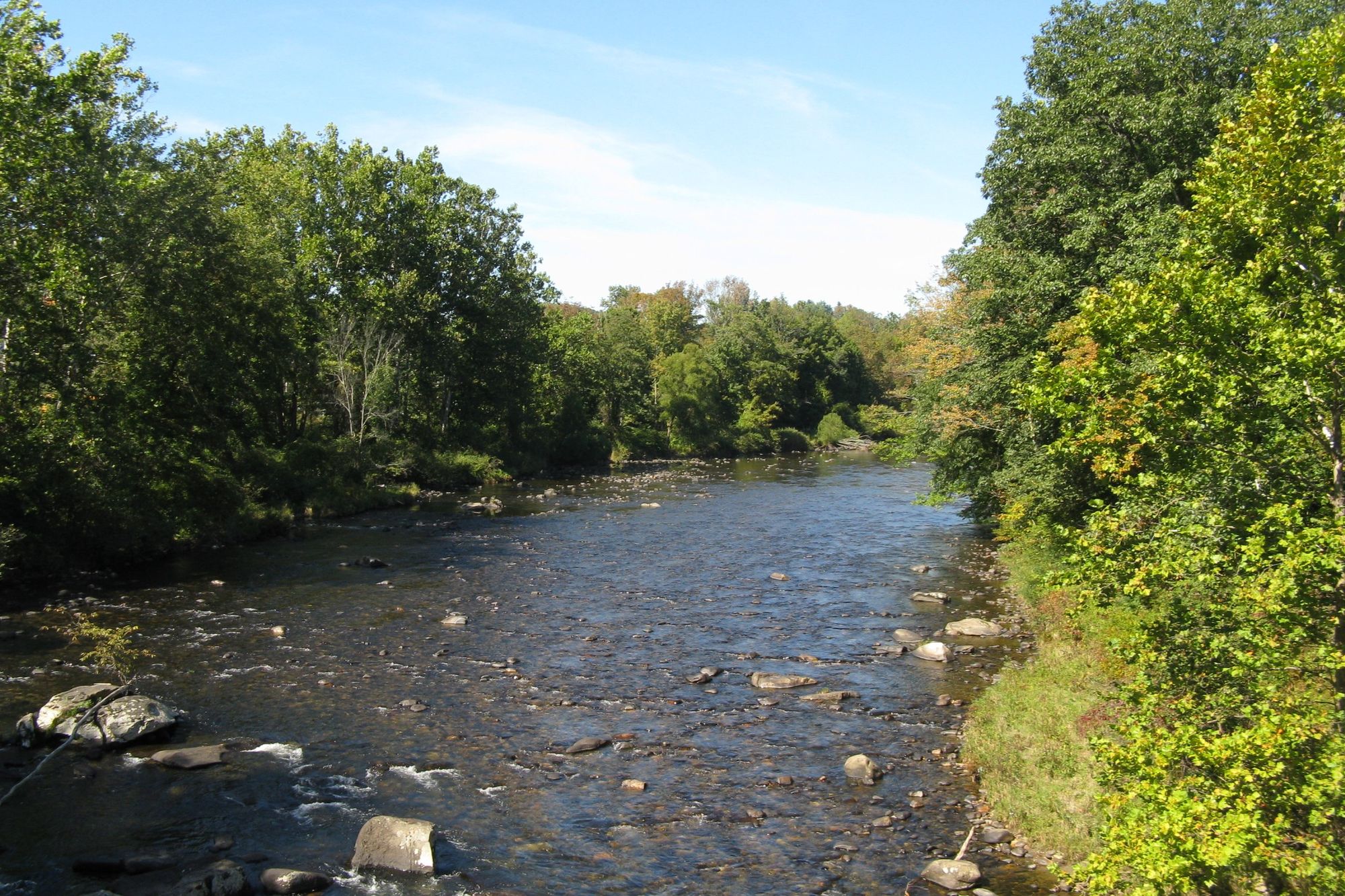
Westfield River
Paper Rock Shoal

Saugatuck River
What to know
Habitat Distribution
- Well-oxygenated lakes and streams throughout Connecticut.
Key Locations
- Farmington River (particularly the West Branch from Riverton to New Hartford), Salmon River (Trout Management Area), Housatonic River, Highland Lake, Crystal Lake, West Hill Pond, East Twin Lake, Candlewood Lake, and Trout Management Lakes.
- Connecticut's Trout Parks like Black Rock, Stratton Brook, and Wharton Brook.
Specific Spots
- Pools, eddies, undercut banks, and areas with cover.
Rainbow Trout FAQ
Answers from onWater's species guide.
What are the best lures and bait for Rainbow Trout in Connecticut?
Small Roostertails (especially firetiger, rainbow, and brown/pink patterns), Mepps #2 spinners, small Countdown Rapalas (Size 1), and PowerBait.
What flies work for Rainbow Trout in Connecticut?
Woolly Buggers, Prince Nymphs, Pheasant Tail Nymphs, Elk Hair Caddis, and Parachute Adams.
When is the best time to fish for Rainbow Trout in Connecticut?
Prime Rainbow Trout fishing in Connecticut occurs from April through June when water temperatures are ideal (55-65°F range), with excellent action also in fall and winter.
How do you catch Rainbow Trout in Connecticut?
Fish deeper, well-oxygenated waters during summer heat, and focus on pools, eddies, undercut banks, and areas with cover.
What do Rainbow Trout eat?
Opportunistic feeders consuming aquatic insects like mayflies, caddisflies, stoneflies, and midges, as well as terrestrial insects, small fish, crayfish, and various invertebrates.
Fish smarter with real-time insights
Whether you're en route and conditions shift or you're looking for the best spot based on current flows, we enable you to make informed decisions on the fly.




See it in the app
Most maps show you water.
onWater shows you Rainbow Trout.



- 01 · Species map filter
Map every Rainbow Trout water
Pick Rainbow Trout and the map zeroes in on the waters they call home. No more guessing which lake holds them.
- 02 · Waterbody species
Tap any water. See what lives there.
Species, behavior and seasonal patterns for every lake, river and pond, before you leave the driveway.
- 03 · Angler Intelligence
Ask how to catch Rainbow Trout
Tactics, gear and timing from onWater's AI fishing guide, tuned to the species and the water you're on.
Stop guessing where Rainbow Trout are.
Open the map, filter by Rainbow Trout, and head to water that holds them. Download onWater and plan your next trip in minutes.
- Species map filter
- Angler Intelligence
- Fishing journal
Explore other species
Trout, bass, salmon, panfish and everything in between. Each guide unpacks the behavior, seasons, and tactics that put fish in the net.
No species information available.
Connecticut licenses and regulations
Explore nearby waters
Explore Connecticut waters
Top fishing waters
Popular Cities
Loading popular cities...

Smarter Fishing Starts in the App.
onWater Fish gives you everything you need to plan smarter, fish better, and own every trip from first cast to last.