Alewife

Alewife (Alosa pseudoharengus) are native anadromous herring found throughout Connecticut's coastal rivers and lakes. In Connecticut, both anadromous and landlocked populations exist.
Scientific Name: Alosa pseudoharengus
- Anadromous alewives commonly measure 9-11 inches, while landlocked populations typically run 3-6 inches, with Connecticut's maximum observed size reaching 12.6 inches for anadromous fish.
- They're distinguished from blueback herring by their wider-than-deep cheek patch, eye width greater than snout length, and grayish-green back fading to silver sides.
Fishing in Connecticut
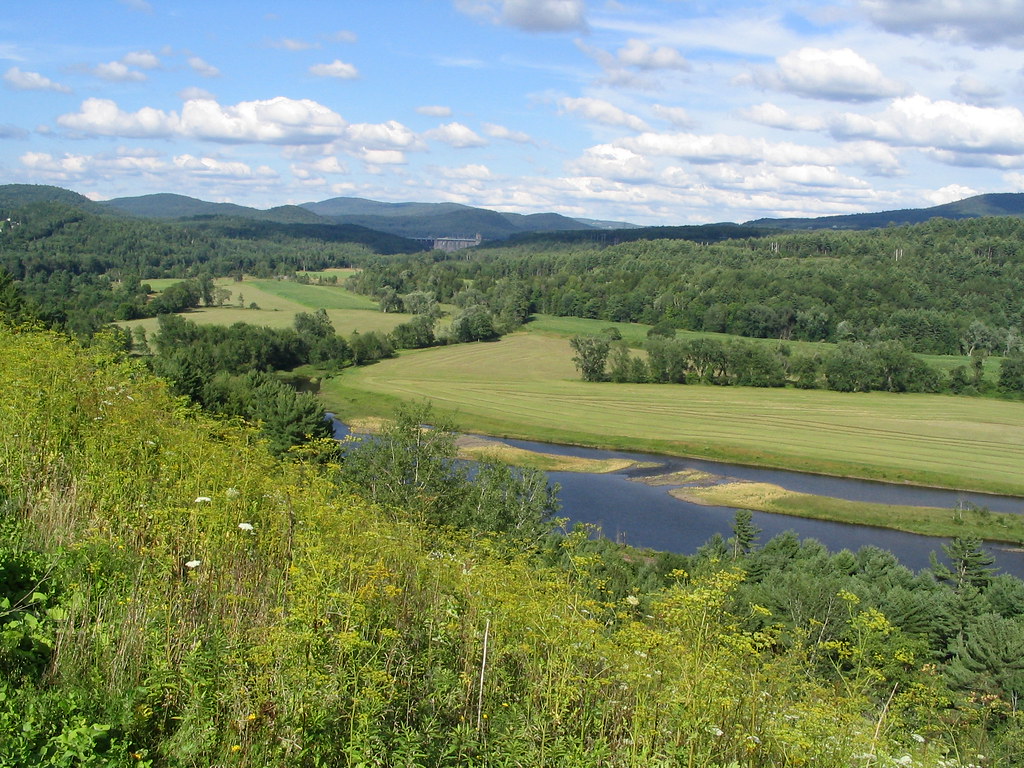
Connecticut River
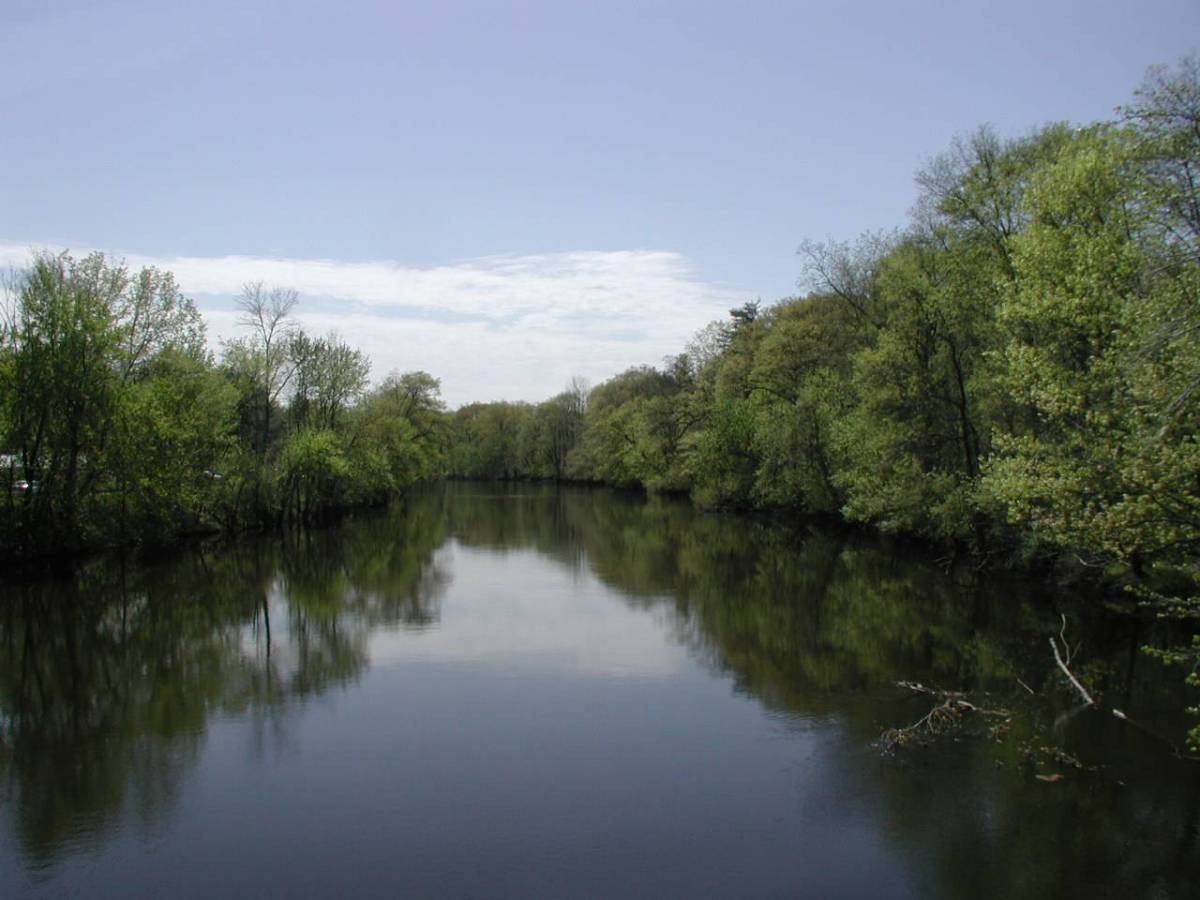
Farmington River
North Atlantic Ocean
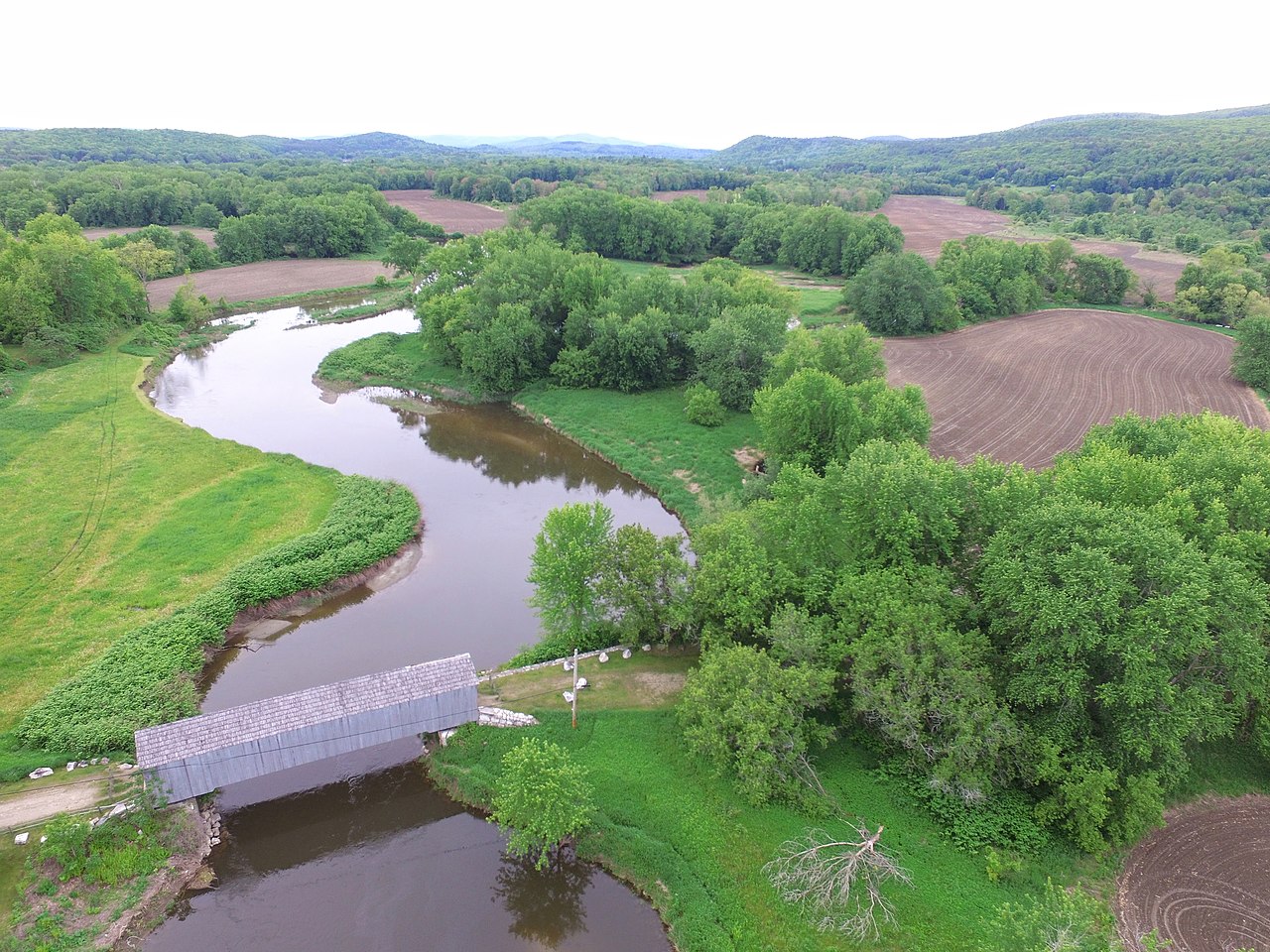
Housatonic River
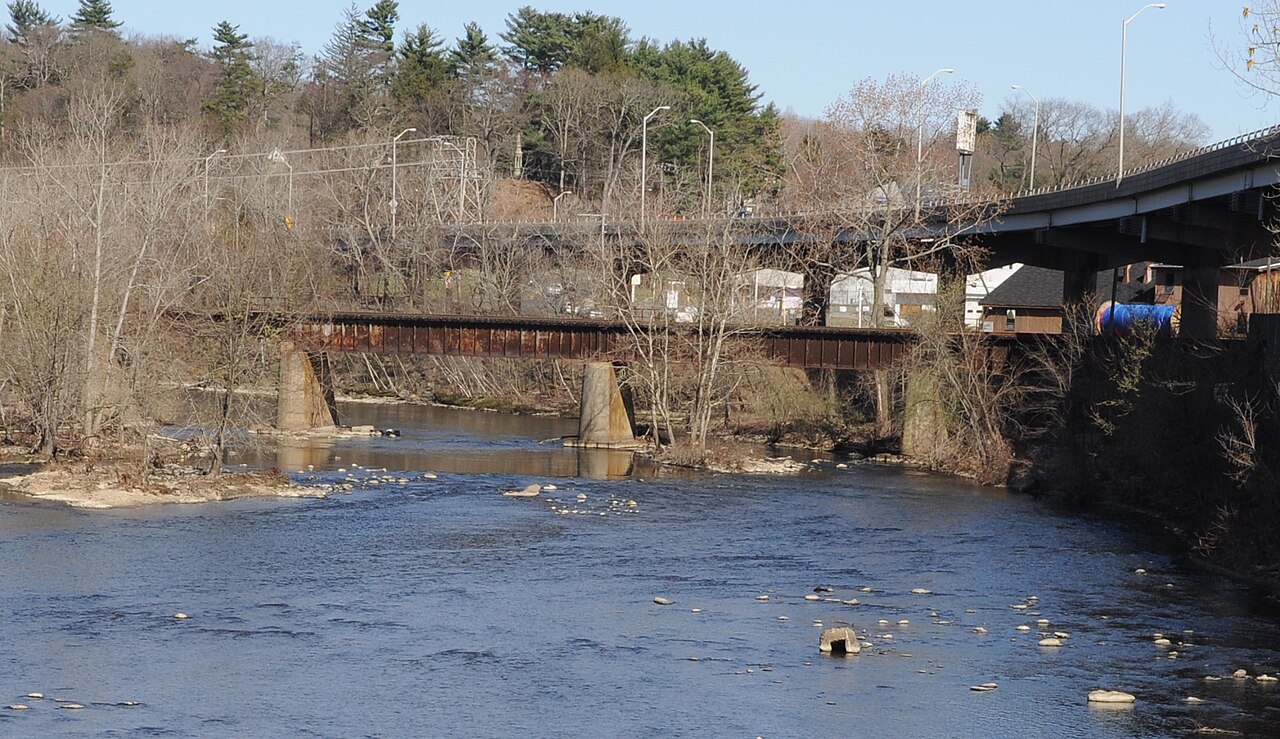
Naugatuck River
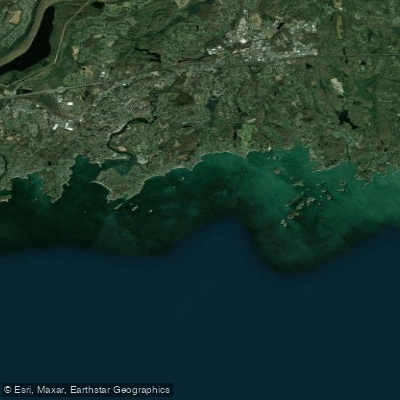
The Thimbles
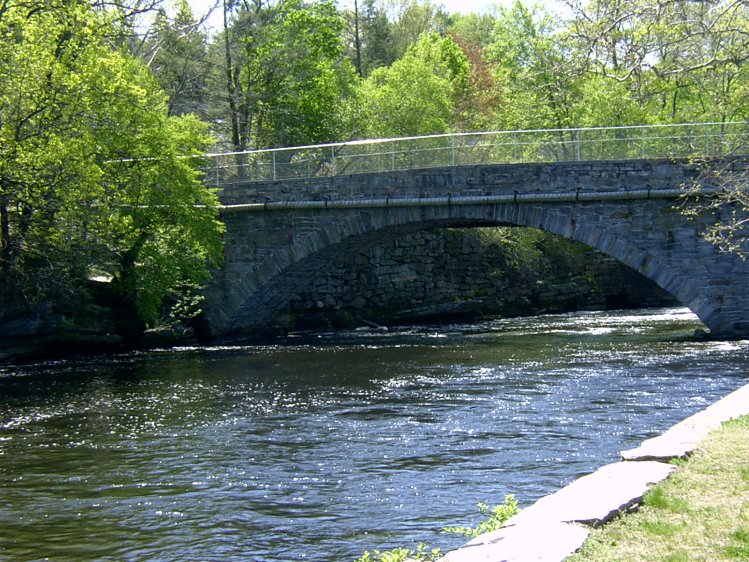
Willimantic River
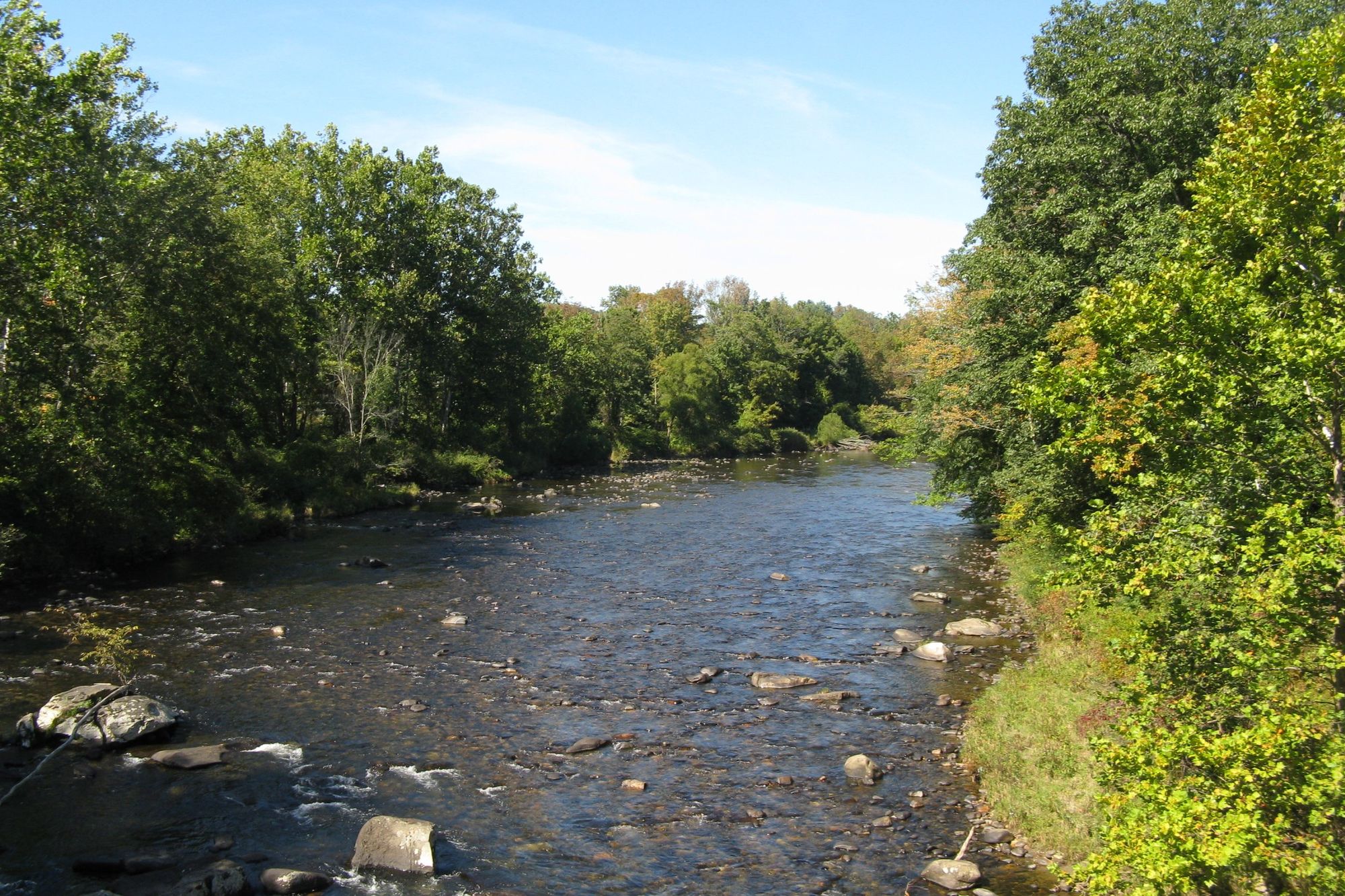
Westfield River
Paper Rock Shoal
Saugatuck River
What to know
Habitat Distribution
- Connecticut's coastal rivers and lakes.
- Landlocked populations exist in several Connecticut lakes, most introduced during the 1960s-1970s.
- Connecticut's alewives make early spring spawning runs up rivers and coastal streams flowing into Long Island Sound, typically spawning in ponds or backwaters of larger streams.
Key Locations
- Connecticut River system, coastal streams flowing into Long Island Sound, Rogers Lake in Old Lyme, Pattagansett Lake, and Quonnipaug Lake.
Specific Spots
- Spawning in ponds or backwaters of larger streams.
- Landlocked alewives form large schools that often come into shallows at night.
Alewife FAQ
Answers from onWater's species guide.
What flies work for Alewife in Connecticut?
Small patterns that imitate zooplankton or tiny baitfish would be most effective.
When is the best time to fish for Alewife in Connecticut?
Spring migration from late March through mid-May, particularly during warm nights in April when spawning runs are most active. Evening hours when they can be seen 'popping' on the surface.
How do you catch Alewife in Connecticut?
Popular historical methods included snagging in mainstem river sections and dip netting in spawning streams, though these are no longer permitted.
What do Alewife eat?
They feed primarily on zooplankton throughout their lives, with landlocked alewives consuming nearly 100% pelagic prey while anadromous juveniles can shift to littoral prey depending on density.
Where do Alewife live in Connecticut?
Connecticut's coastal rivers and lakes. Landlocked populations exist in several Connecticut lakes, most introduced during the 1960s-1970s. Connecticut's alewives make early spring spawning runs up rivers and coastal streams flowing into Long Island Sound, typically spawning in ponds or backwaters of larger streams.
Fish smarter with real-time insights
Whether you're en route and conditions shift or you're looking for the best spot based on current flows, we enable you to make informed decisions on the fly.







See it in the app
Most maps show you water.
onWater shows you Alewife.



- 01 · Species map filter
Map every Alewife water
Pick Alewife and the map zeroes in on the waters they call home. No more guessing which lake holds them.
- 02 · Waterbody species
Tap any water. See what lives there.
Species, behavior and seasonal patterns for every lake, river and pond, before you leave the driveway.
- 03 · Angler Intelligence
Ask how to catch Alewife
Tactics, gear and timing from onWater's AI fishing guide, tuned to the species and the water you're on.
Stop guessing where Alewife are.
Open the map, filter by Alewife, and head to water that holds them. Download onWater and plan your next trip in minutes.
- Species map filter
- Angler Intelligence
- Fishing journal
Explore other species
Trout, bass, salmon, panfish and everything in between. Each guide unpacks the behavior, seasons, and tactics that put fish in the net.

Find which waters have the species you want to catch

Largemouth Bass
Micropterus salmoides

Smallmouth Bass
Micropterus dolomieu

Rainbow Trout
Oncorhynchus mykiss

Brown Trout
Salmo trutta

Brook Trout
Salvelinus fontinalis

Northern Pike
Esox lucius

Walleye
Sander vitreus

Black Crappie
Pomoxis nigromaculatus

American Eel
Anguilla rostrata

American Shad
Alosa sapidissima

Atlantic Salmon
Salmo salar

Atlantic Sturgeon
Acipenser oxyrinchus

Black Bullhead
Ameiurus melas

Bluefish
Pomatomus saltatrix

Bowfin
Amia calva

Brown Bullhead
Ameiurus nebulosus

Chain Pickerel
Esox niger

Channel Catfish
Ictalurus punctatus

Common Carp
Cyprinus carpio

Creek Chub
Semotilus atromaculatus
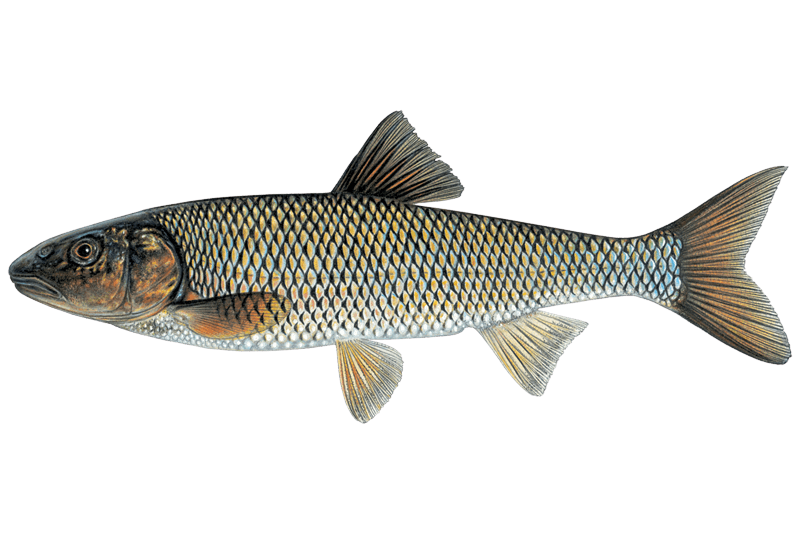
Fallfish
Semotilus corporalis

Gizzard Shad
Dorosoma cepedianum

Grass Carp
Ctenopharyngodon idella

Green Sunfish
Lepomis cyanellus

Hickory Shad
Alosa mediocris

Pumpkinseed
Lepomis gibbosus

Rainbow Smelt
Osmerus mordax
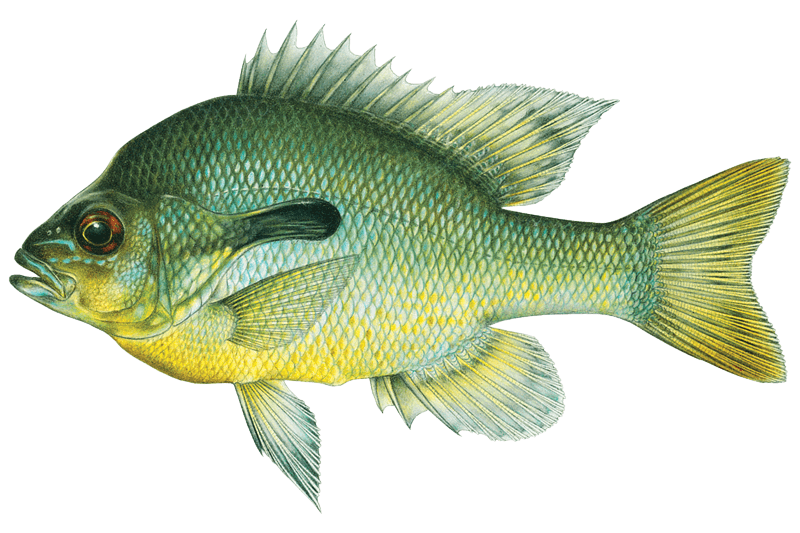
Redbreast Sunfish
Lepomis auritus
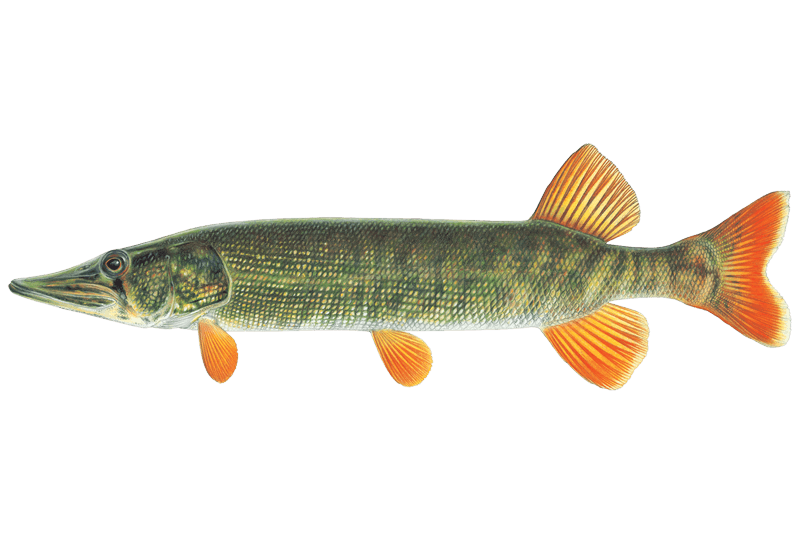
Redfin Pickerel
Esox americanus americanus

Rock Bass
Ambloplites rupestris
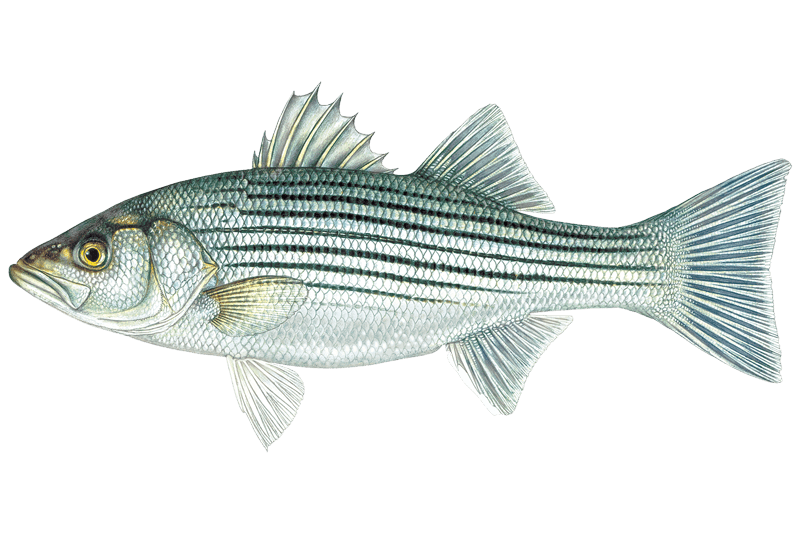
Striped Bass
Morone saxatilis

Tench
Tinca tinca
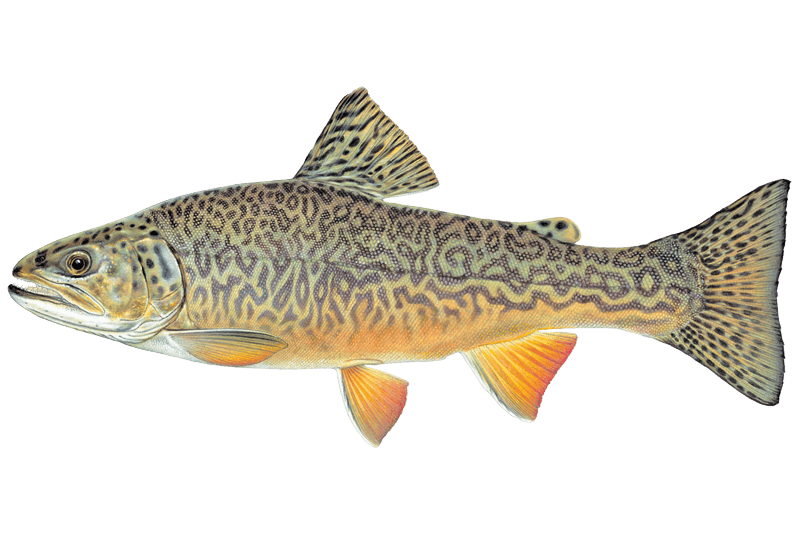
Tiger Trout
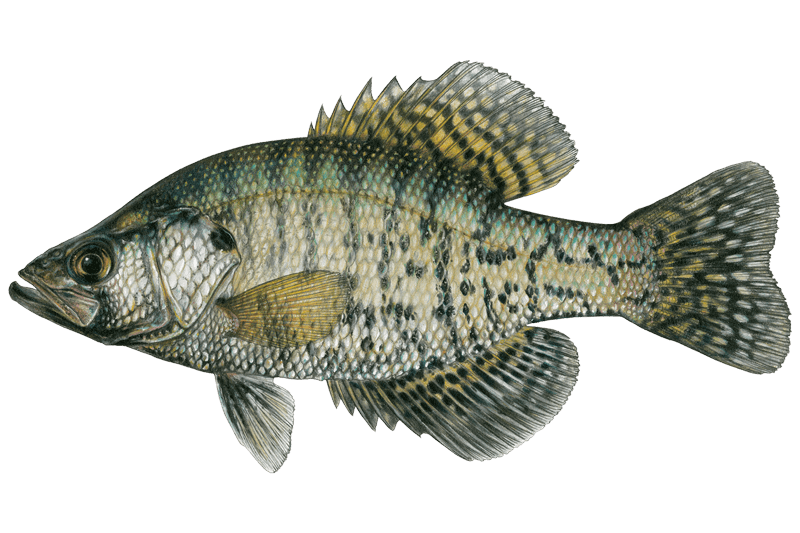
White Crappie
Pomoxis annularis
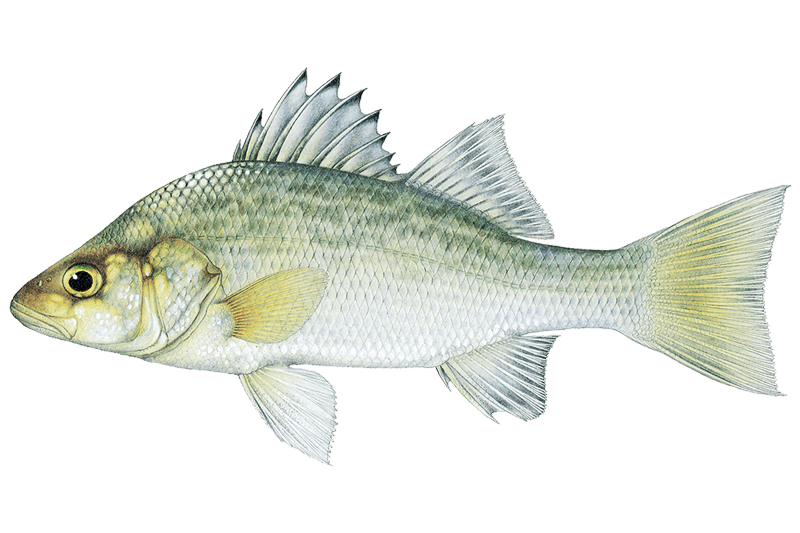
White Perch
Morone americana
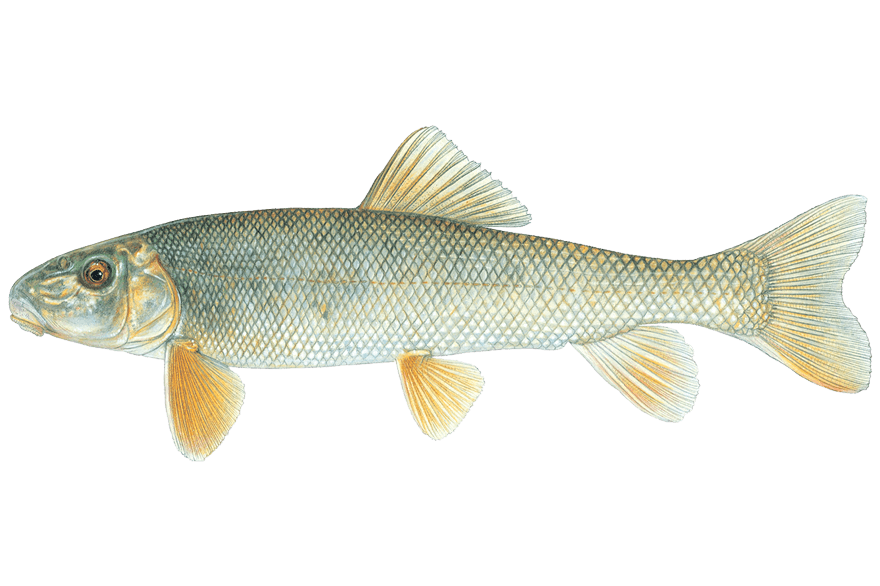
White Sucker
Catostomus commersonii
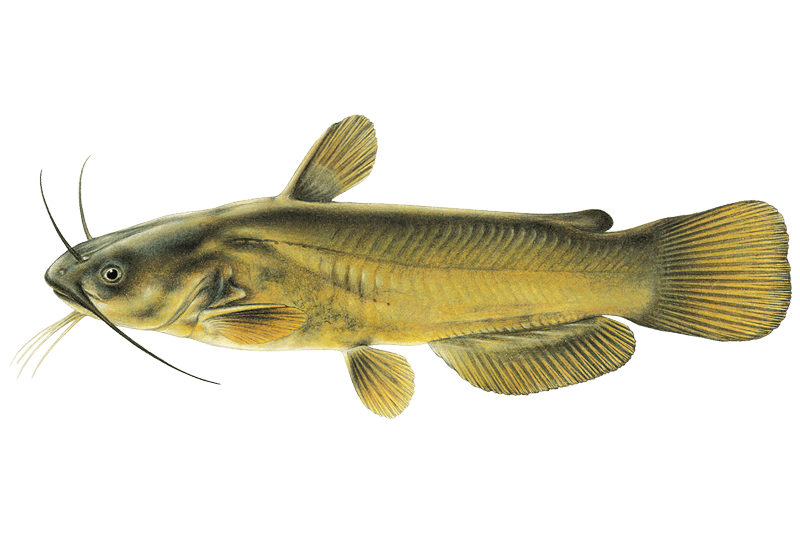
Yellow Bullhead
Ameiurus natalis
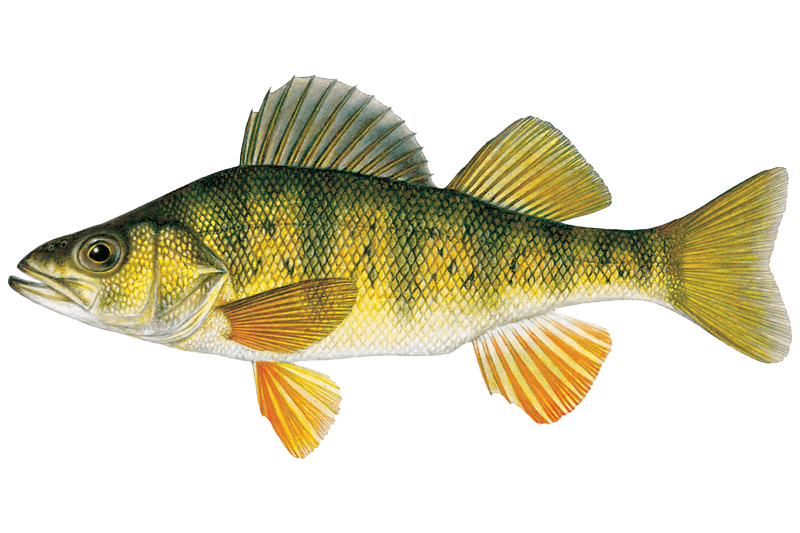
Yellow Perch
Perca flavescens
Connecticut licenses and regulations

Connecticut Boating Regulations
When using any type of watercraft to access a body of water, it is important to follow all federal, state, and local rules and regulations. These rules and regulations include boat permitting and licensing, invasive species inspections and stamps, life jacket and PFD rules, motor size and horsepower restrictions, noise limitations, restrictions on personal watercraft, and many more. Visit the web link below for the most current rules and regulations for this body of water.

Connecticut Fishing License
Inland fishing licenses are required for anyone 16 years of age or older fishing in the Inland District . Licenses are issued on a calendar year basis and expire on December 31st.

Connecticut Fishing Regulations
This river has a variety of species and regulations, including potential floating and/or watercraft restrictions. Because this river is specially managed for species, seasons, angling methods, and watercraft, it is strongly encouraged you check all federal, state, and local regulations before fishing. Visit any of the links below, inquire locally, or contact a local fly shop to learn current regulations and restrictions.

Connecticut Stream Access Laws
The public may recreate on both navigable and non-navigable waters. Navigable waters are defined as those subject to the ebb and flow of the tide and used for trade or commerce. On navigable waterways, the public has streambed access and a right to portage below the high watermark.
Explore nearby waters
Explore Connecticut waters
Top fishing waters
Popular Cities
Loading popular cities...

Smarter Fishing Starts in the App.
onWater Fish gives you everything you need to plan smarter, fish better, and own every trip from first cast to last.