Atlantic Sturgeon

Atlantic Sturgeon are massive prehistoric fish that once supported significant fisheries in the Connecticut River but are now extremely rare in Connecticut waters.
These federally endangered fish are completely protected under both federal and Connecticut state endangered species laws.
Scientific Name: Acipenser oxyrinchus
- Distinguished by their narrow mouth (less than 55% of width between eyes), 26-28 anal rays, and 2-6 bony plates (scutes) near the base of the anal fin.
- Connecticut specimens tend to be 2-4 foot juveniles, though elsewhere they commonly reach 4-8 feet and 70-100 pounds, with maximum sizes of 14 feet.
Fishing in Connecticut
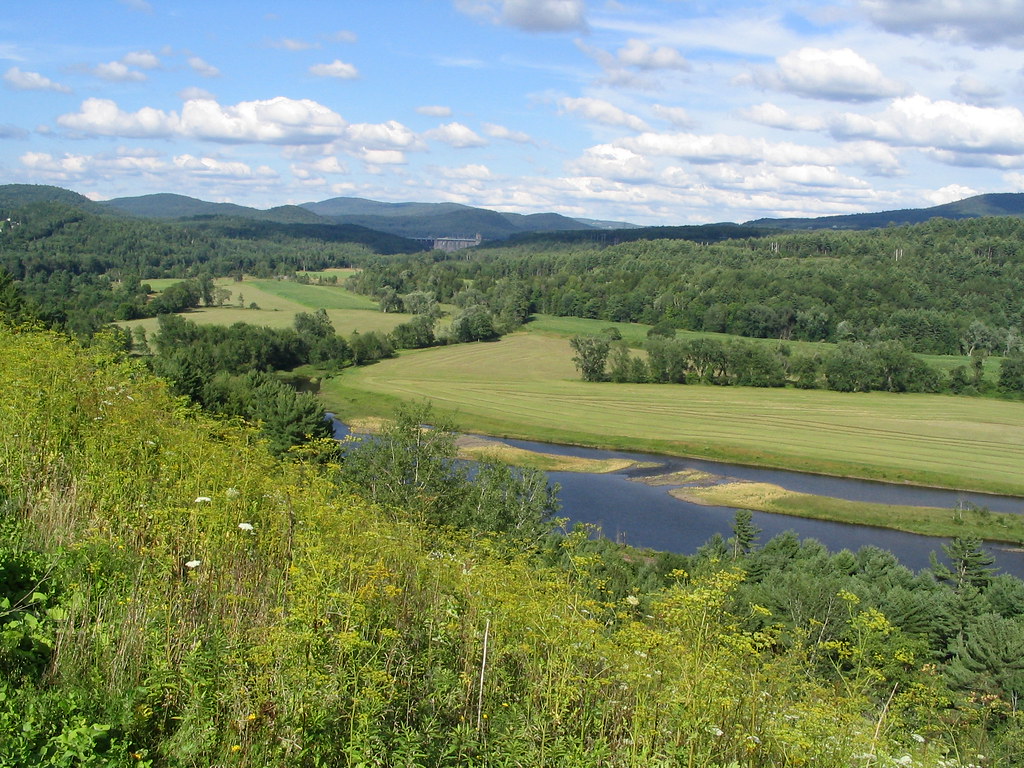
Connecticut River
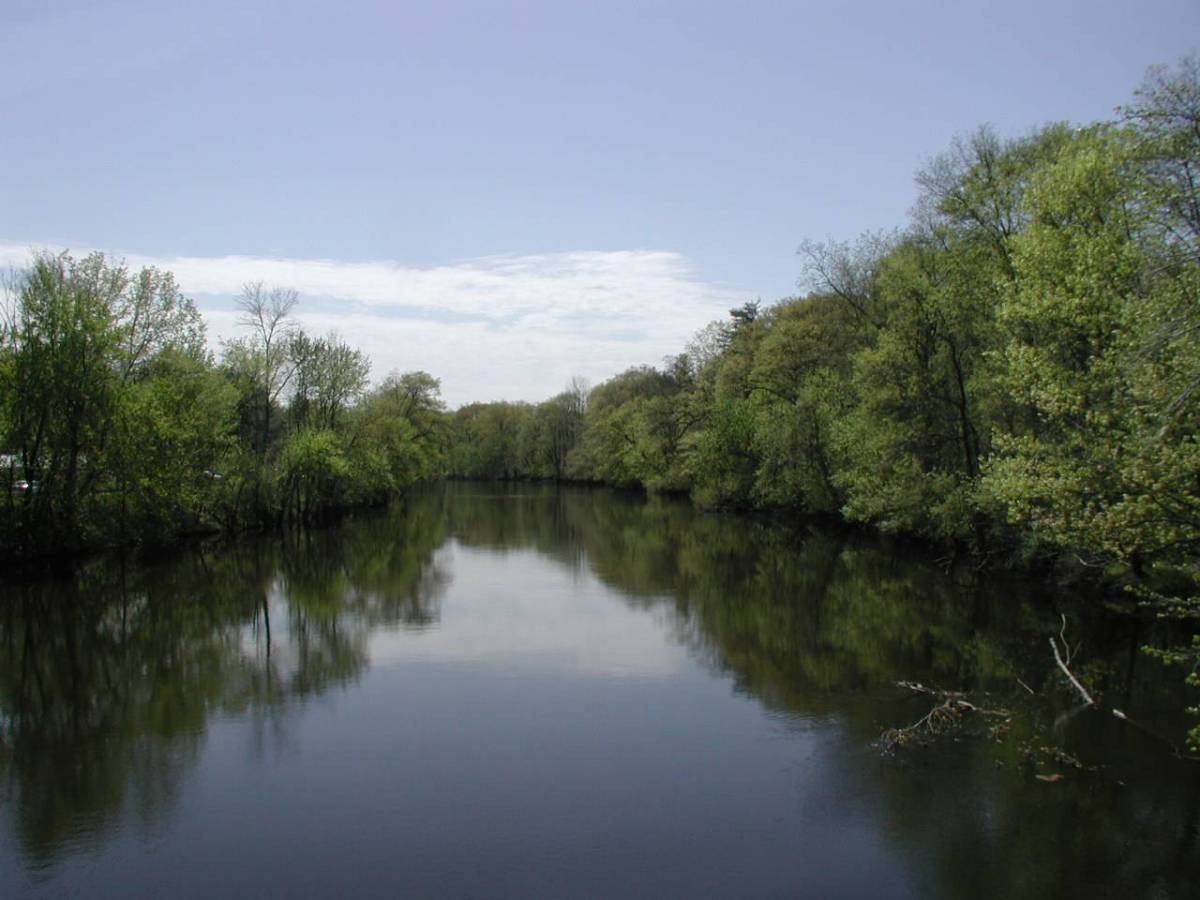
Farmington River
North Atlantic Ocean
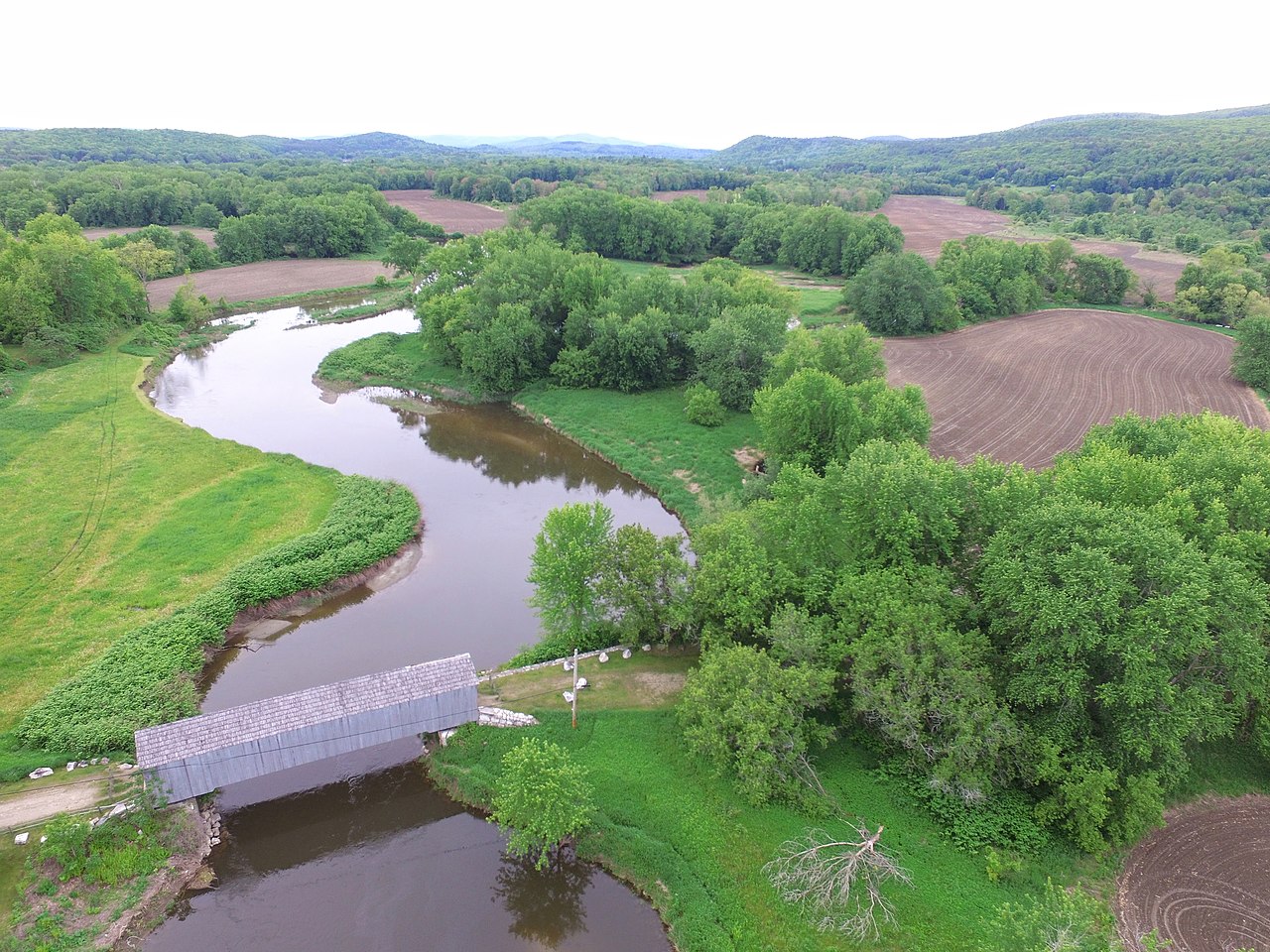
Housatonic River
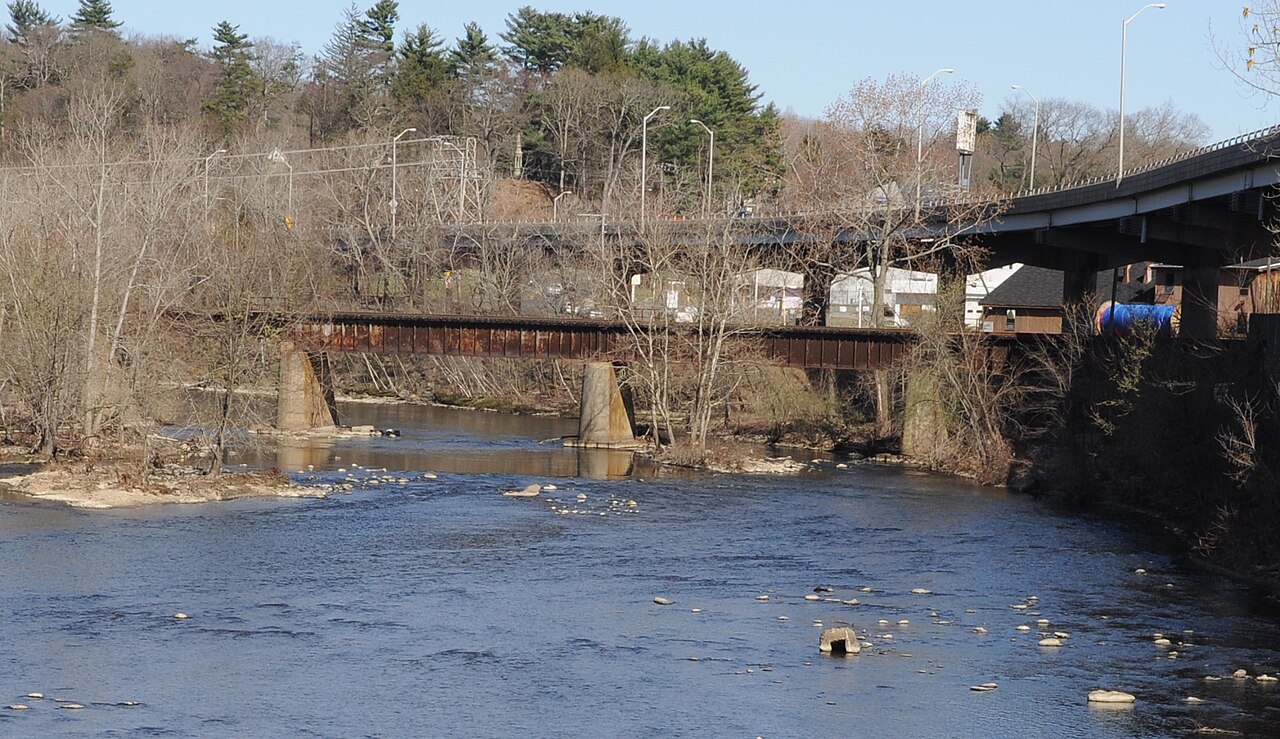
Naugatuck River
The Thimbles
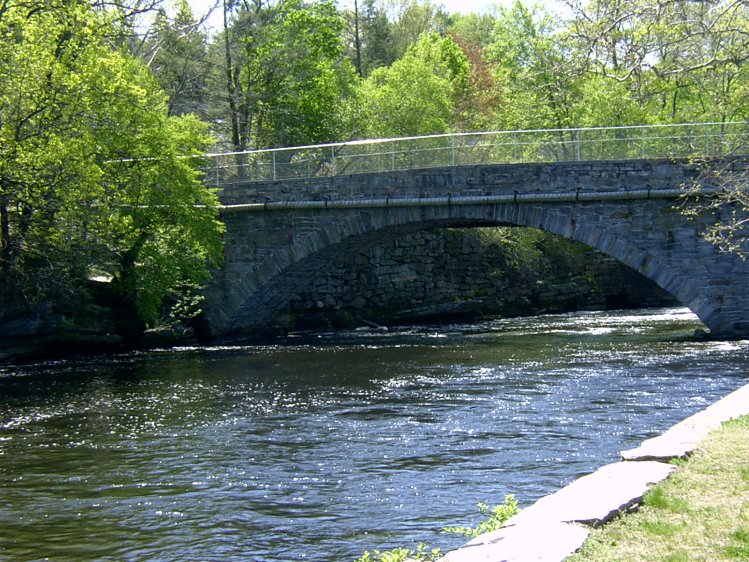
Willimantic River
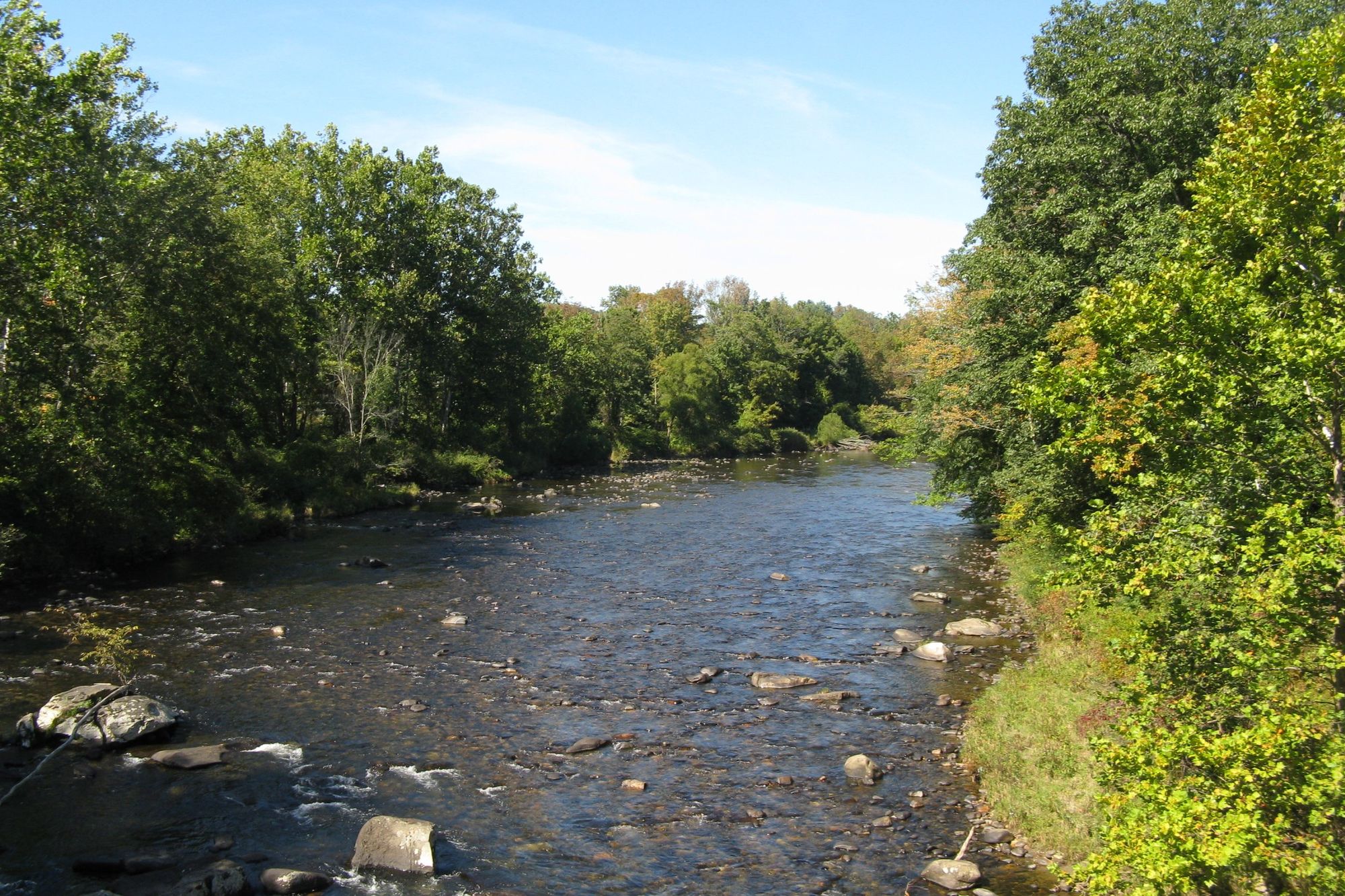
Westfield River
Paper Rock Shoal
Saugatuck River
What to know
Habitat Distribution
- Adults live in saltwater but historically entered freshwater rivers to spawn over rocky substrates just above the salt front.
- Current Connecticut observations are likely strays from the Hudson River population.
Key Locations
- Long Island Sound, Connecticut River, Housatonic River downstream of Derby Dam, Quinnipiac River downstream of Wallace Dam in Wallingford, Thames River upriver to Norwich, and Shetucket River downstream of Greenville Dam in Norwich.
Specific Spots
- Utilize both the brackish estuary (river kilometers 3-19) and freshwater upper Connecticut River (river kilometers 22-52) as seasonal feeding habitats.
- Spawn over rocky substrates just above the salt front.
Atlantic Sturgeon FAQ
Answers from onWater's species guide.
When is the best time to fish for Atlantic Sturgeon in Connecticut?
Found seasonally from March through November in Long Island Sound and the Connecticut River. Adults historically entered freshwater rivers during April-June to spawn. 35-66% of individuals make upriver excursions into freshwater during late summer when river temperatures are warm and flows are low.
How do you catch Atlantic Sturgeon in Connecticut?
If accidentally hooked, they must be released immediately without injury. Anglers should be prepared for proper catch-and-release procedures if an Atlantic Sturgeon is accidentally encountered.
What do Atlantic Sturgeon eat?
Benthic feeders consuming worms, amphipods, isopods, shrimps, mollusks, and sand lance using their barbels to locate food.
Where do Atlantic Sturgeon live in Connecticut?
Adults live in saltwater but historically entered freshwater rivers to spawn over rocky substrates just above the salt front. Current Connecticut observations are likely strays from the Hudson River population.
Fish smarter with real-time insights
Whether you're en route and conditions shift or you're looking for the best spot based on current flows, we enable you to make informed decisions on the fly.







See it in the app
Most maps show you water.
onWater shows you Atlantic Sturgeon.



- 01 · Species map filter
Map every Atlantic Sturgeon water
Pick Atlantic Sturgeon and the map zeroes in on the waters they call home. No more guessing which lake holds them.
- 02 · Waterbody species
Tap any water. See what lives there.
Species, behavior and seasonal patterns for every lake, river and pond, before you leave the driveway.
- 03 · Angler Intelligence
Ask how to catch Atlantic Sturgeon
Tactics, gear and timing from onWater's AI fishing guide, tuned to the species and the water you're on.
Stop guessing where Atlantic Sturgeon are.
Open the map, filter by Atlantic Sturgeon, and head to water that holds them. Download onWater and plan your next trip in minutes.
- Species map filter
- Angler Intelligence
- Fishing journal
Explore other species
Trout, bass, salmon, panfish and everything in between. Each guide unpacks the behavior, seasons, and tactics that put fish in the net.

Find which waters have the species you want to catch

Largemouth Bass
Micropterus salmoides

Smallmouth Bass
Micropterus dolomieu

Rainbow Trout
Oncorhynchus mykiss

Brown Trout
Salmo trutta

Brook Trout
Salvelinus fontinalis

Northern Pike
Esox lucius

Walleye
Sander vitreus

Black Crappie
Pomoxis nigromaculatus

Alewife
Alosa pseudoharengus

American Eel
Anguilla rostrata

American Shad
Alosa sapidissima

Atlantic Salmon
Salmo salar

Black Bullhead
Ameiurus melas

Bluefish
Pomatomus saltatrix

Bowfin
Amia calva

Brown Bullhead
Ameiurus nebulosus

Chain Pickerel
Esox niger

Channel Catfish
Ictalurus punctatus

Common Carp
Cyprinus carpio

Creek Chub
Semotilus atromaculatus
Fallfish
Semotilus corporalis

Gizzard Shad
Dorosoma cepedianum

Grass Carp
Ctenopharyngodon idella

Green Sunfish
Lepomis cyanellus

Hickory Shad
Alosa mediocris

Pumpkinseed
Lepomis gibbosus

Rainbow Smelt
Osmerus mordax
Redbreast Sunfish
Lepomis auritus
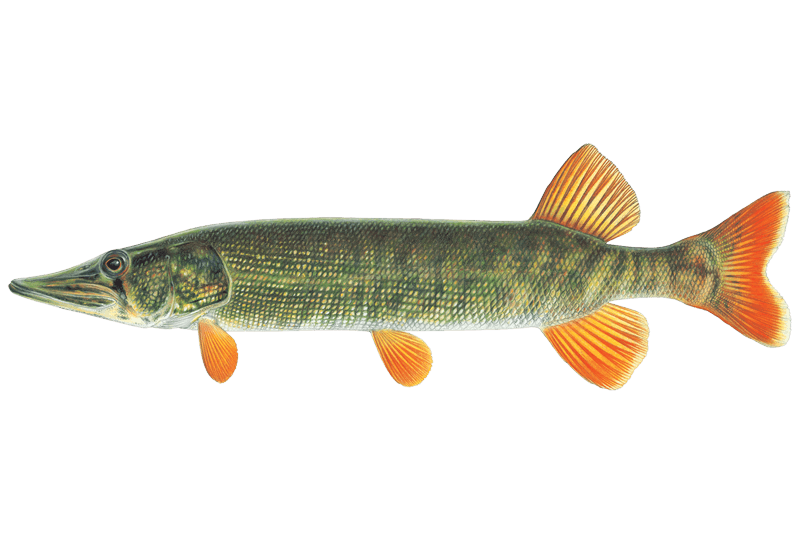
Redfin Pickerel
Esox americanus americanus

Rock Bass
Ambloplites rupestris
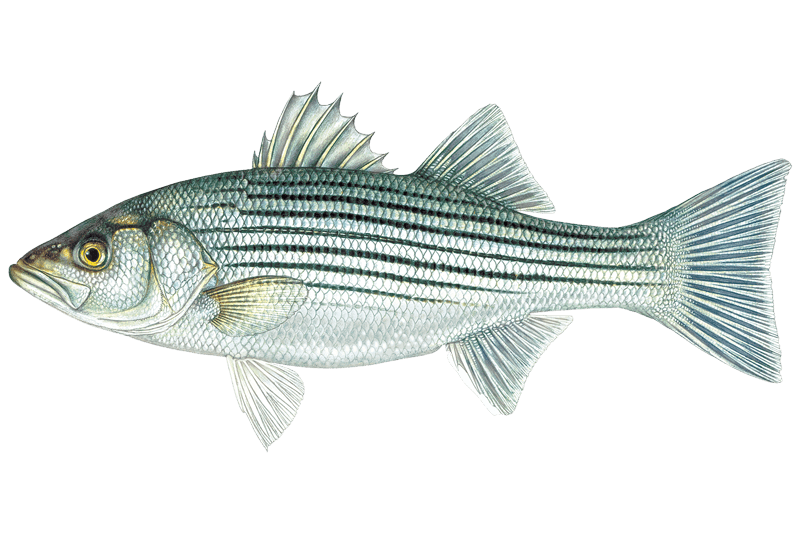
Striped Bass
Morone saxatilis

Tench
Tinca tinca
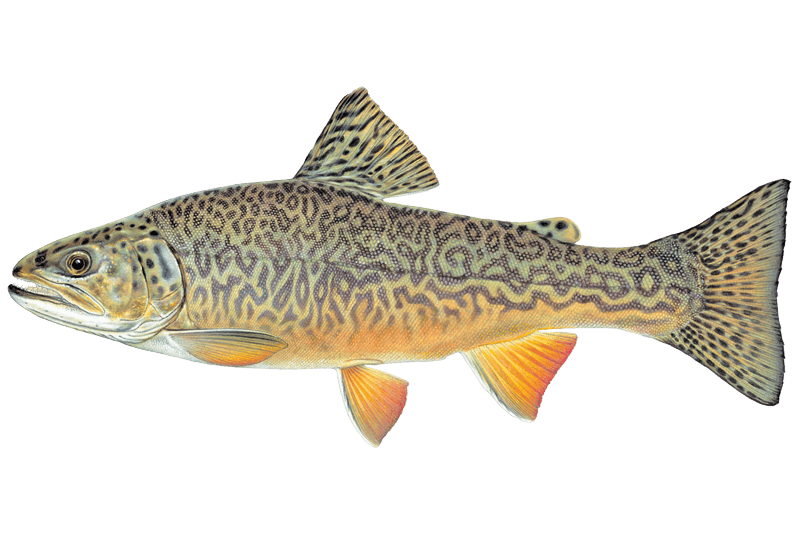
Tiger Trout
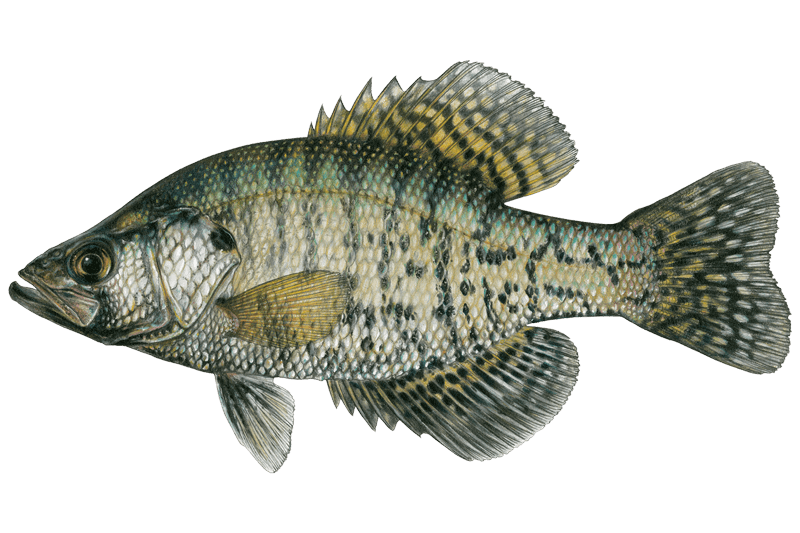
White Crappie
Pomoxis annularis
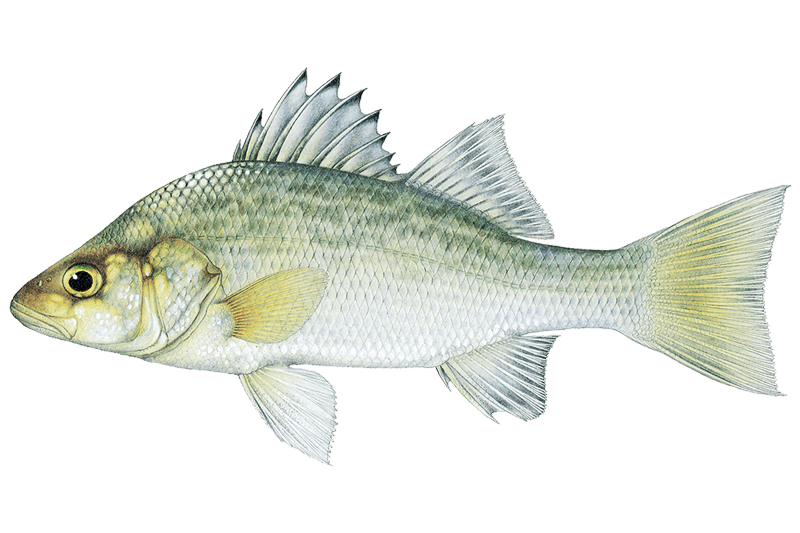
White Perch
Morone americana
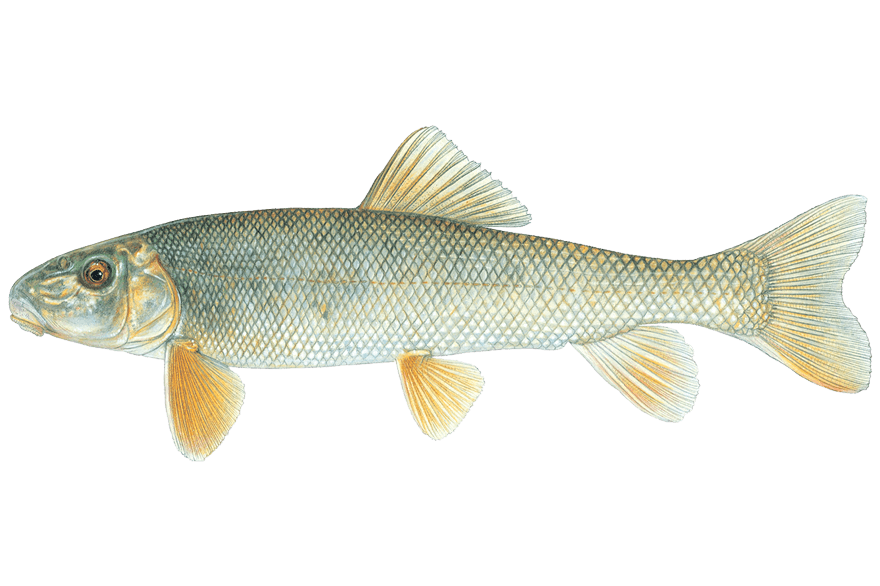
White Sucker
Catostomus commersonii
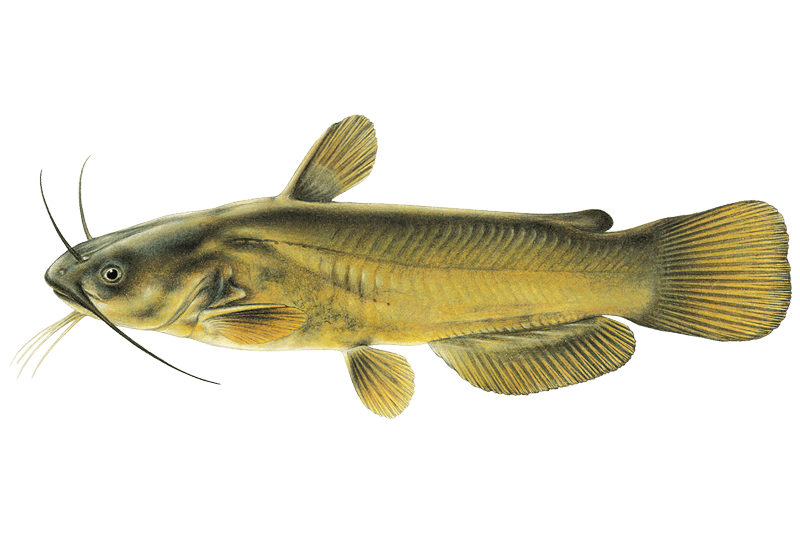
Yellow Bullhead
Ameiurus natalis
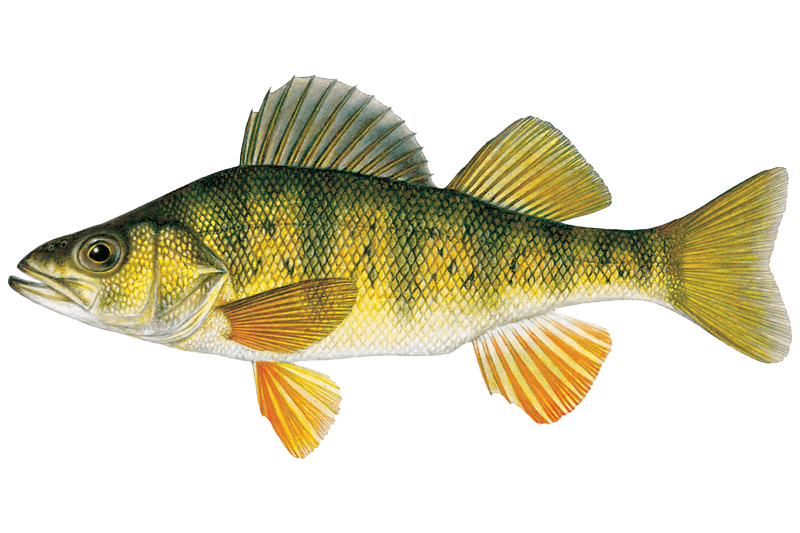
Yellow Perch
Perca flavescens
Connecticut licenses and regulations

Connecticut Boating Regulations
When using any type of watercraft to access a body of water, it is important to follow all federal, state, and local rules and regulations. These rules and regulations include boat permitting and licensing, invasive species inspections and stamps, life jacket and PFD rules, motor size and horsepower restrictions, noise limitations, restrictions on personal watercraft, and many more. Visit the web link below for the most current rules and regulations for this body of water.

Connecticut Fishing License
Inland fishing licenses are required for anyone 16 years of age or older fishing in the Inland District . Licenses are issued on a calendar year basis and expire on December 31st.

Connecticut Fishing Regulations
This river has a variety of species and regulations, including potential floating and/or watercraft restrictions. Because this river is specially managed for species, seasons, angling methods, and watercraft, it is strongly encouraged you check all federal, state, and local regulations before fishing. Visit any of the links below, inquire locally, or contact a local fly shop to learn current regulations and restrictions.

Connecticut Stream Access Laws
The public may recreate on both navigable and non-navigable waters. Navigable waters are defined as those subject to the ebb and flow of the tide and used for trade or commerce. On navigable waterways, the public has streambed access and a right to portage below the high watermark.
Explore nearby waters
Explore Connecticut waters
Top fishing waters
Popular Cities
Loading popular cities...
Smarter Fishing Starts in the App.
onWater Fish gives you everything you need to plan smarter, fish better, and own every trip from first cast to last.