Fallfish

Fallfish are Connecticut's largest native minnow species and an underappreciated gamefish found in most Connecticut streams where they can be common to abundant.
They are voracious predators that were the original apex predators in many Connecticut streams before invasive species arrived.
Scientific Name: Semotilus corporalis
- These streamlined, silvery fish commonly reach 4-9 inches but can grow up to 20 inches, with the state survey maximum recorded at 16.5 inches.
- They're distinguished by large scales (fewer than 50 lateral line scales), no black spot on the dorsal fin, a forked tail, and a small barbel near the jaw.
- Adults often display distinctive dark pigment along scale edges, with generally dark gray backs fading to silver sides and white bellies.
- During spawning season, males develop a brownish to reddish hue with small horny bumps (nuptial tubercles) on their heads.
Fishing in Connecticut
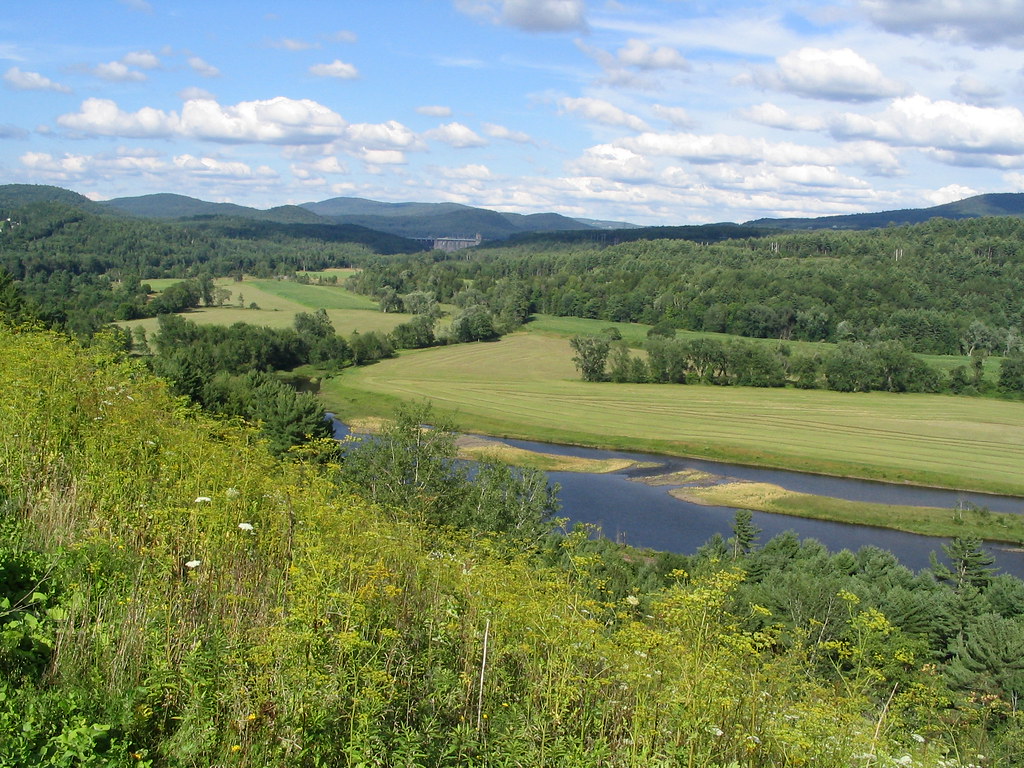
Connecticut River
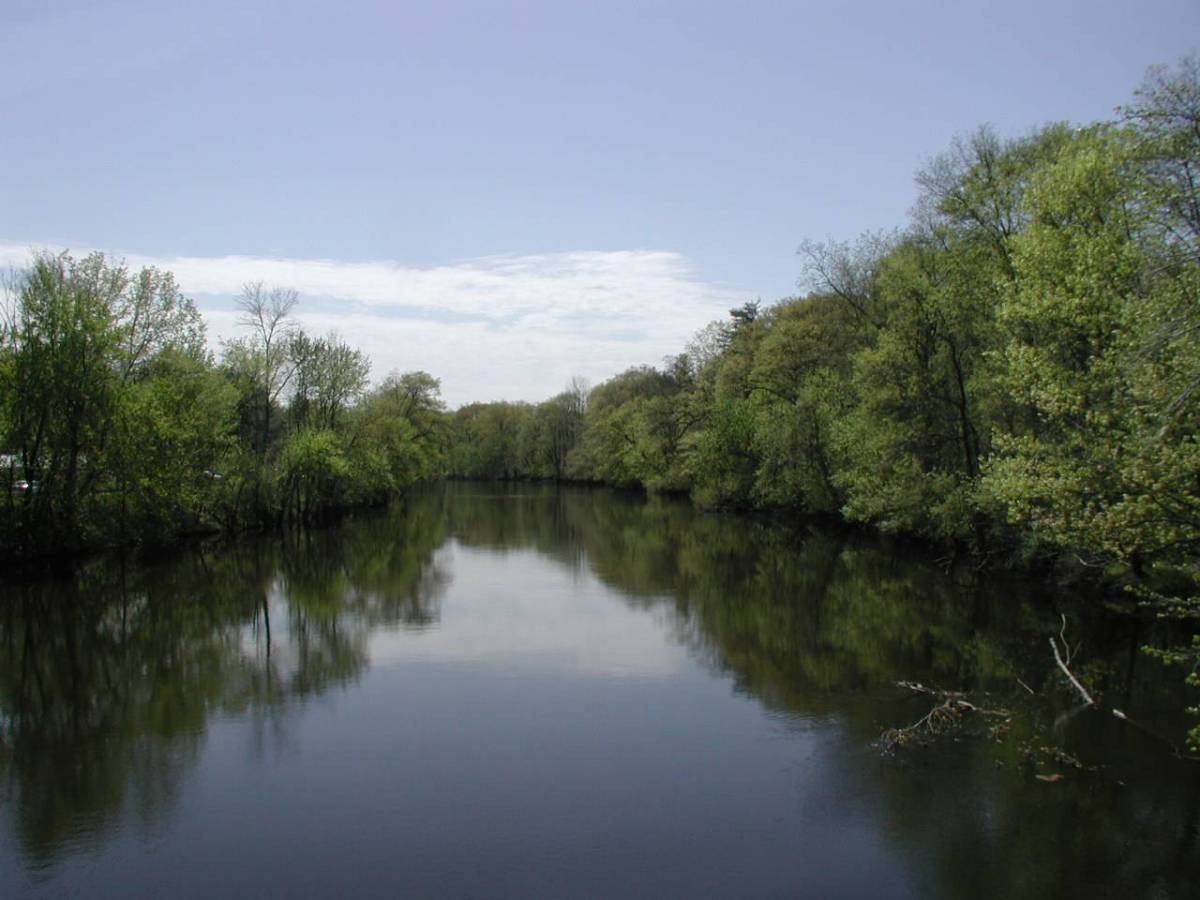
Farmington River
North Atlantic Ocean
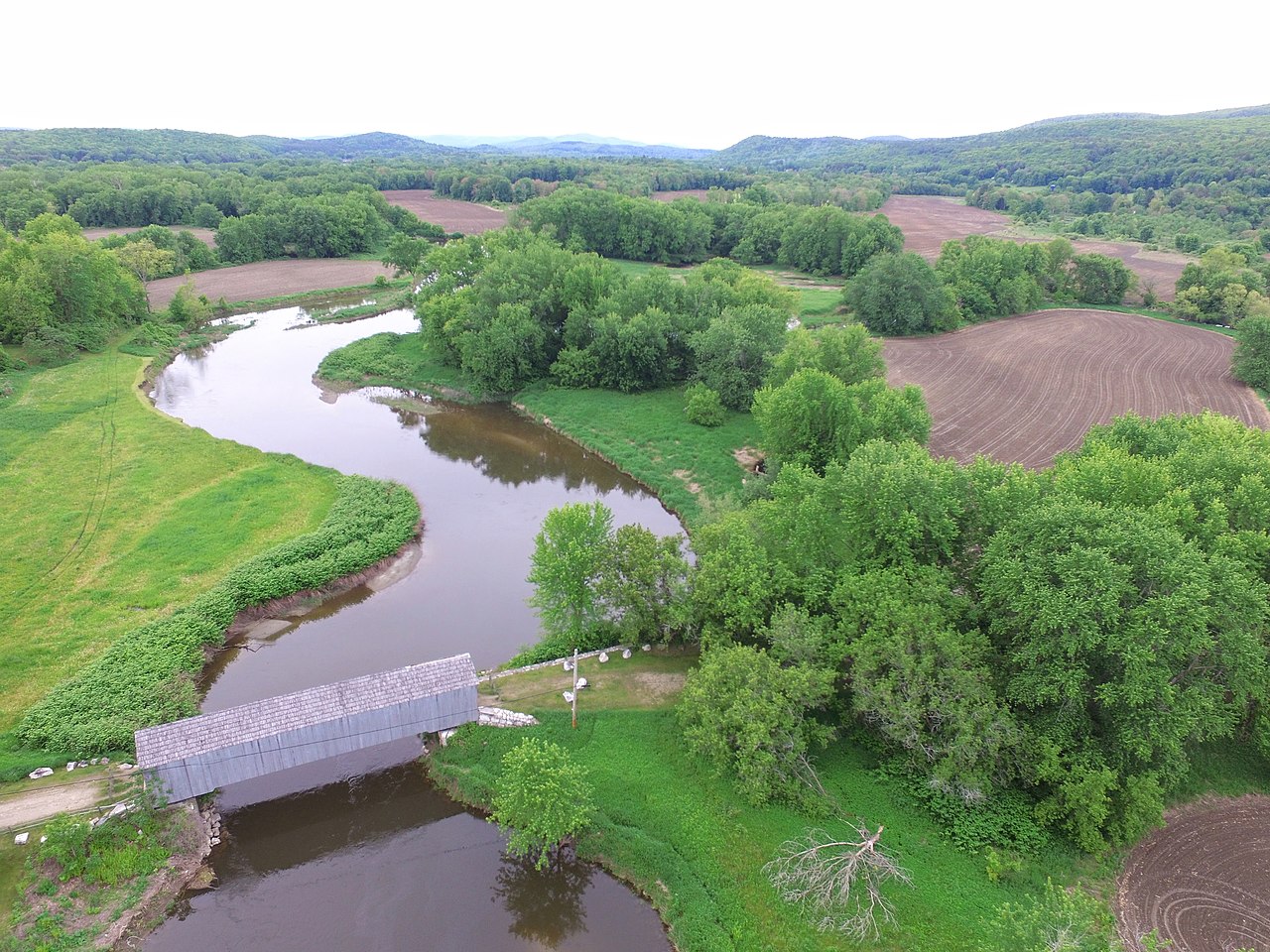
Housatonic River
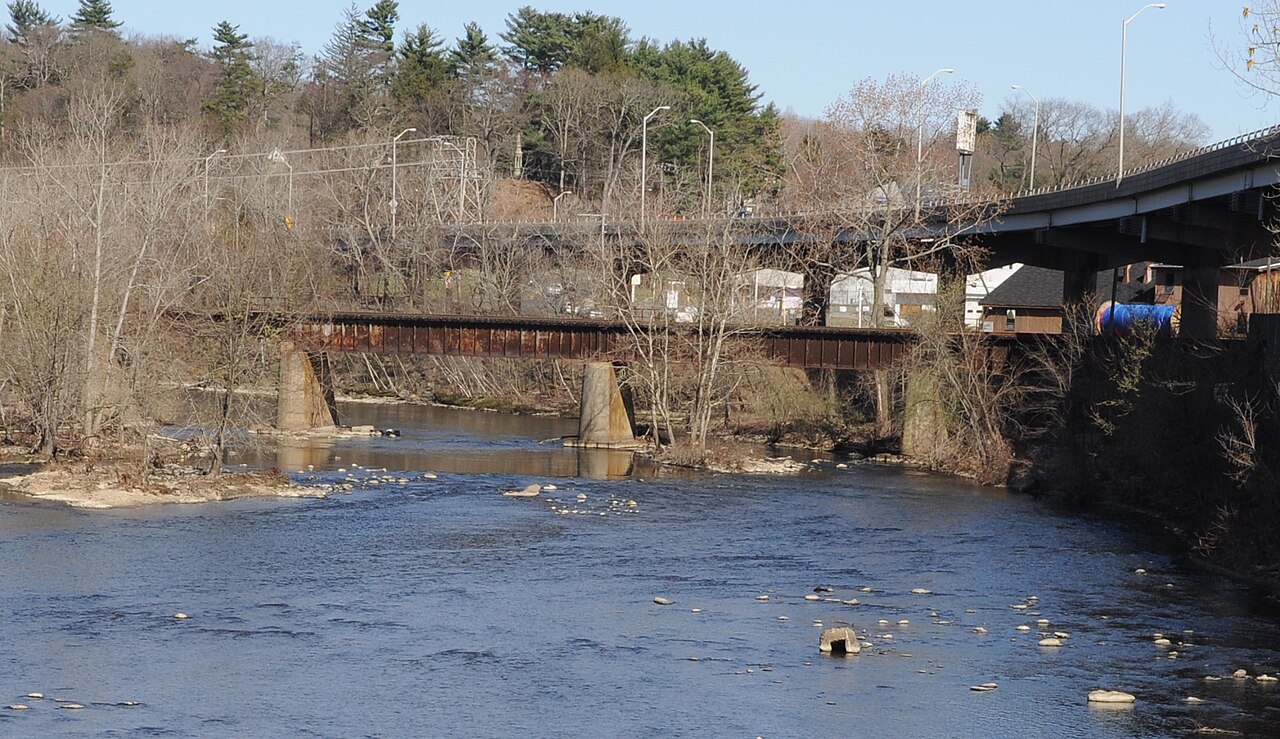
Naugatuck River
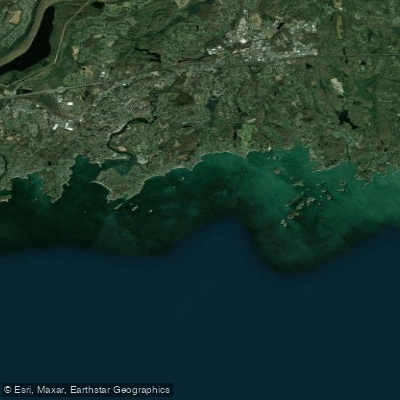
The Thimbles
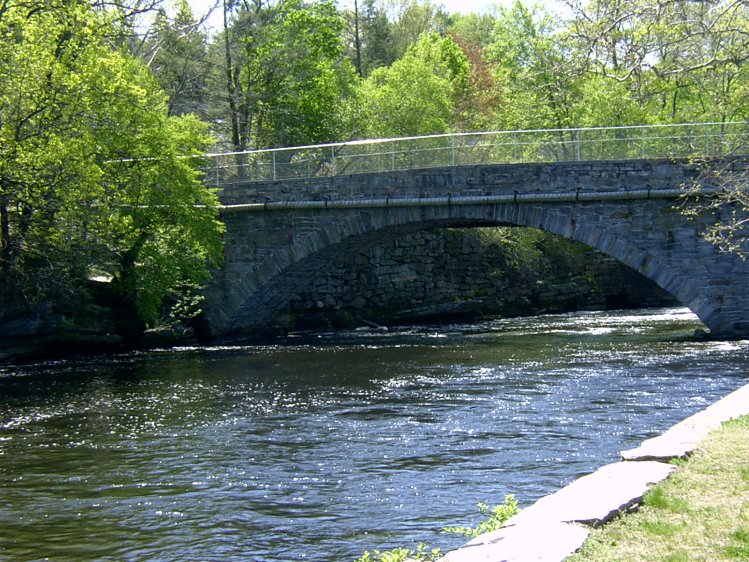
Willimantic River
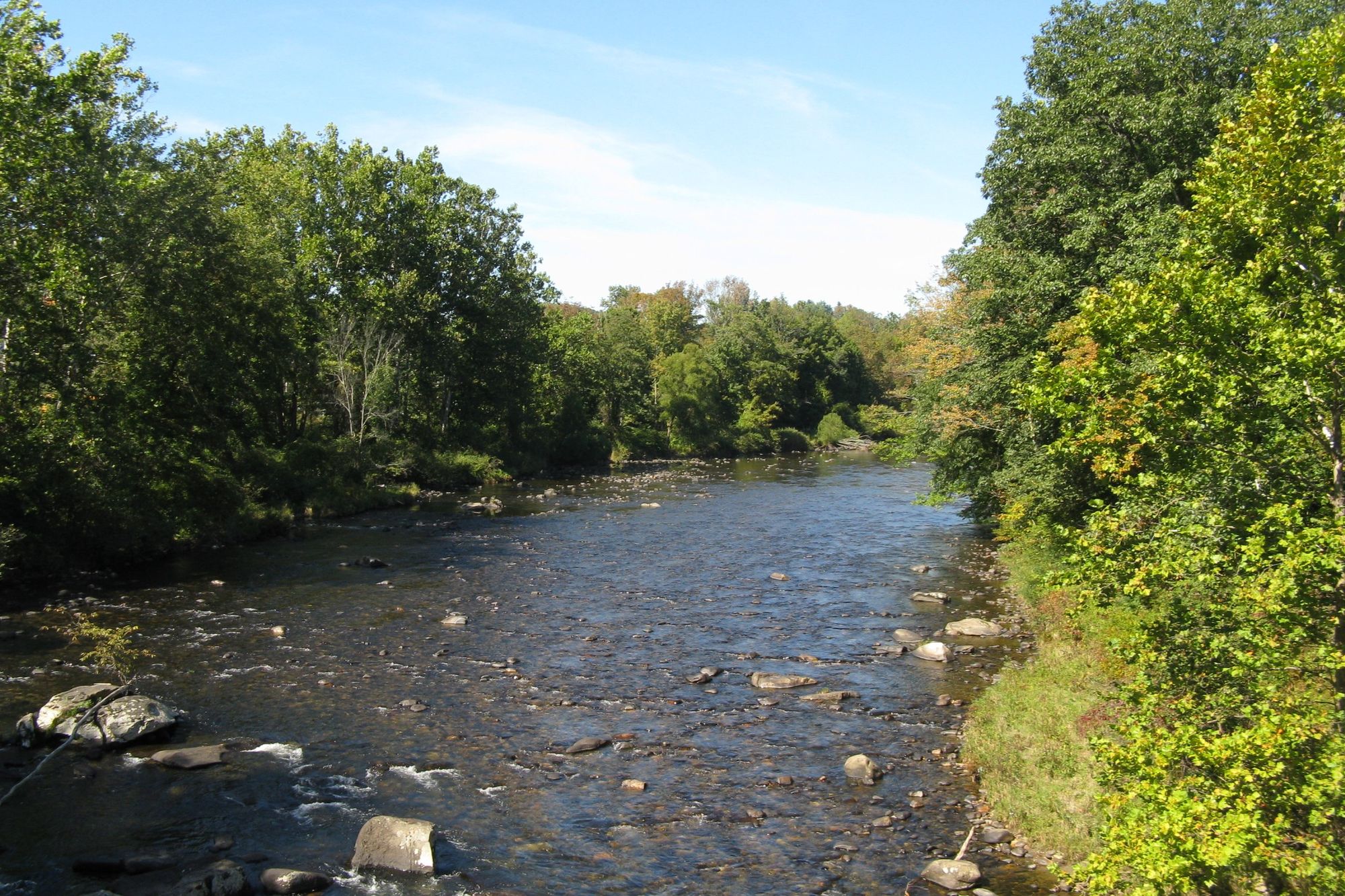
Westfield River
Paper Rock Shoal
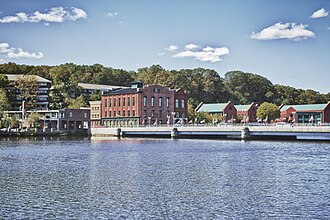
Saugatuck River
What to know
Habitat Distribution
- Found in most Connecticut streams where they can be common to abundant.
- They prefer small to medium-sized streams with gravel or cobble bottoms and sometimes occur in lakes with significant tributary streams.
Key Locations
- The Willimantic River is specifically noted as excellent fallfish water, along with most Connecticut streams.
- They're particularly abundant in Eastern Connecticut waters like the Willimantic River.
Specific Spots
- Target gravel-bottomed pools and runs in small to medium streams.
- Focus on deeper sections of warmwater streams, especially areas downstream from typical trout water.
Fallfish FAQ
Answers from onWater's species guide.
What are the best lures and bait for Fallfish in Connecticut?
Small spinners, jigs, and plugs work well, with worms being particularly effective bait. The Connecticut DEEP notes they readily take worms and small lures.
What flies work for Fallfish in Connecticut?
Effective flies include typical streamer patterns, crayfish imitations, Isonychia soft hackles (especially effective during late June Isonychia hatches), and standard nymph patterns. Night fishing with large wet flies and streamers imitating crayfish, sculpins, and small forage fish can produce impressive specimens.
When is the best time to fish for Fallfish in Connecticut?
Excellent year-round fishing opportunities. During spawning season (March-June), anglers should avoid targeting them. During summer hatches when water is too warm for trout, fallfish provide excellent dry fly fishing opportunities.
How do you catch Fallfish in Connecticut?
For fly fishing, they respond well to both surface and subsurface presentations - they'll attack swung wet flies, rise to dry flies during hatches, and take streamer patterns aggressively. Fish them similar to trout but with less wariness - they're less picky about fly selection but will turn away from dragging flies.
What do Fallfish eat?
Once reaching a certain size, they feed ravenously on crayfish, other fish, aquatic insects during hatches.
Fish smarter with real-time insights
Whether you're en route and conditions shift or you're looking for the best spot based on current flows, we enable you to make informed decisions on the fly.




See it in the app
Most maps show you water.
onWater shows you Fallfish.



- 01 · Species map filter
Map every Fallfish water
Pick Fallfish and the map zeroes in on the waters they call home. No more guessing which lake holds them.
- 02 · Waterbody species
Tap any water. See what lives there.
Species, behavior and seasonal patterns for every lake, river and pond, before you leave the driveway.
- 03 · Angler Intelligence
Ask how to catch Fallfish
Tactics, gear and timing from onWater's AI fishing guide, tuned to the species and the water you're on.
Stop guessing where Fallfish are.
Open the map, filter by Fallfish, and head to water that holds them. Download onWater and plan your next trip in minutes.
- Species map filter
- Angler Intelligence
- Fishing journal
Explore other species
Trout, bass, salmon, panfish and everything in between. Each guide unpacks the behavior, seasons, and tactics that put fish in the net.
No species information available.
Connecticut licenses and regulations
Explore nearby waters
Explore Connecticut waters
Top fishing waters
Popular Cities
Loading popular cities...
Smarter Fishing Starts in the App.
onWater Fish gives you everything you need to plan smarter, fish better, and own every trip from first cast to last.