Rock Bass

Rock Bass are an introduced species in Connecticut, originally restricted to western parts of the state but now found throughout eastern Connecticut, likely due to illegal introductions by anglers.
Scientific Name: Ambloplites rupestris
Also known as redeyes
- Deep-bodied sunfish characterized by large heads and mouths reaching below the center of the pupil, with irregular camouflage blotches on their sides and distinctive brown to bright red eyes.
- They typically measure 5-7 inches with Connecticut's state record at 1.3 pounds, though they can reach up to 12.2 inches.
Fishing in Connecticut
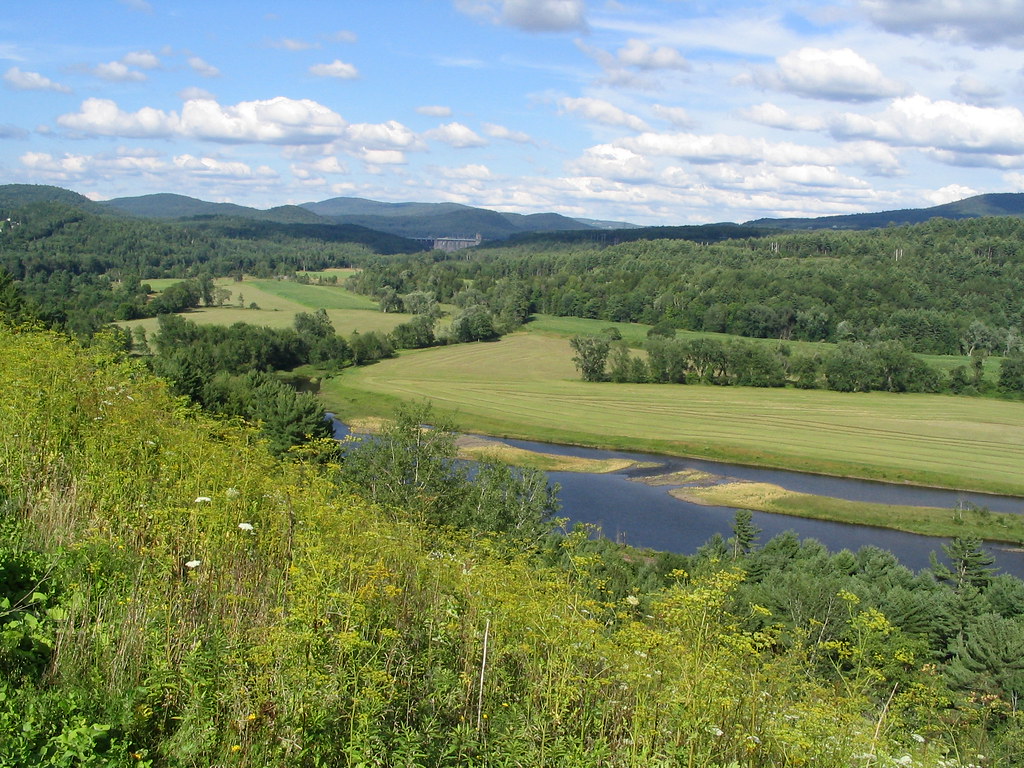
Connecticut River
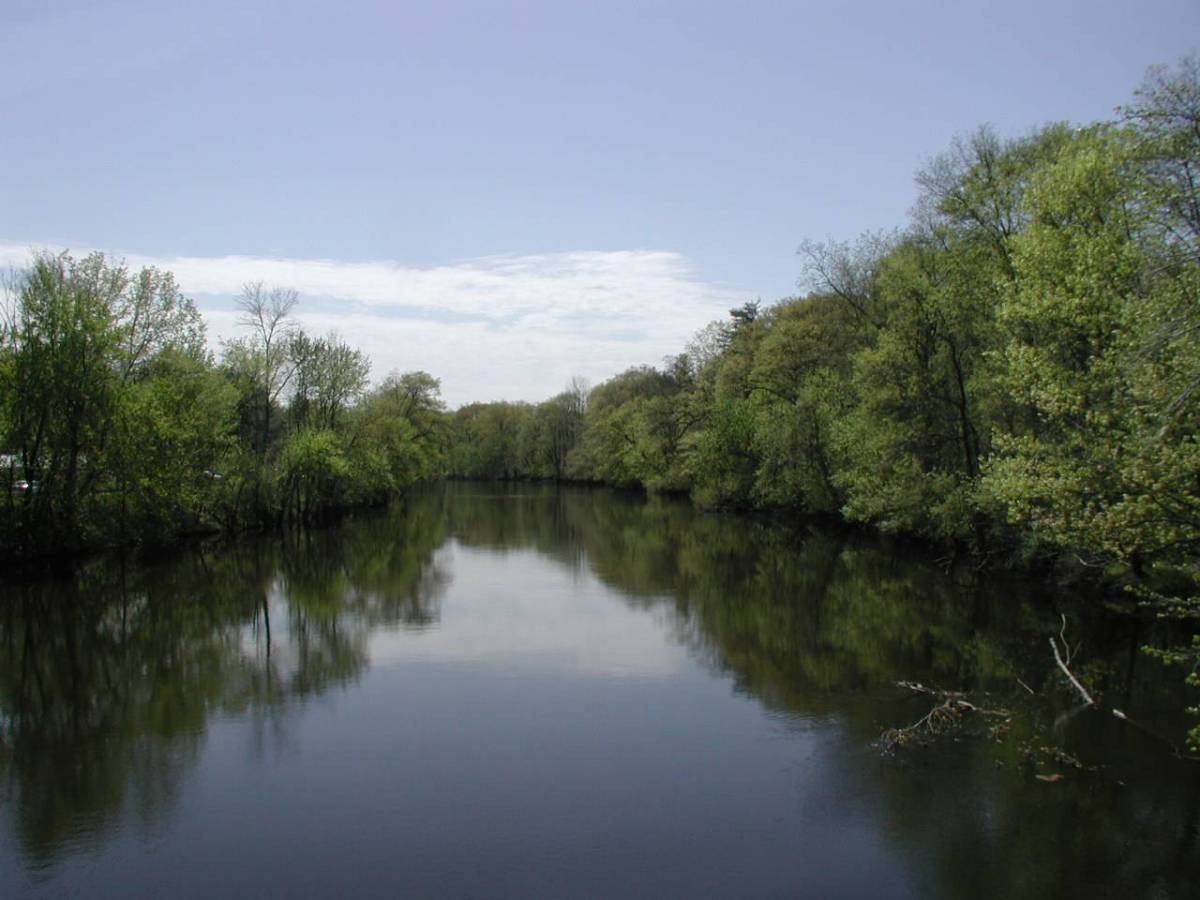
Farmington River
North Atlantic Ocean
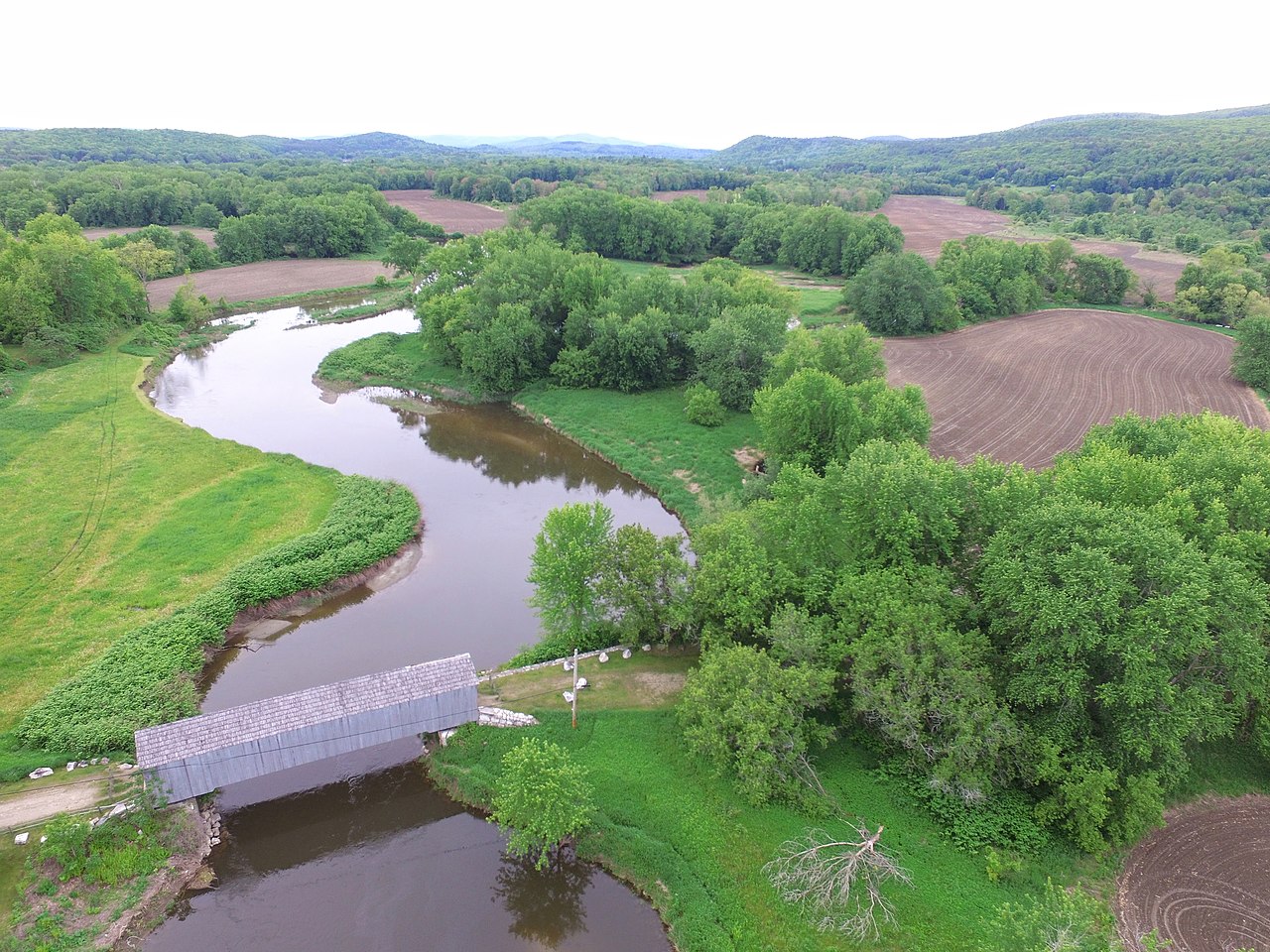
Housatonic River
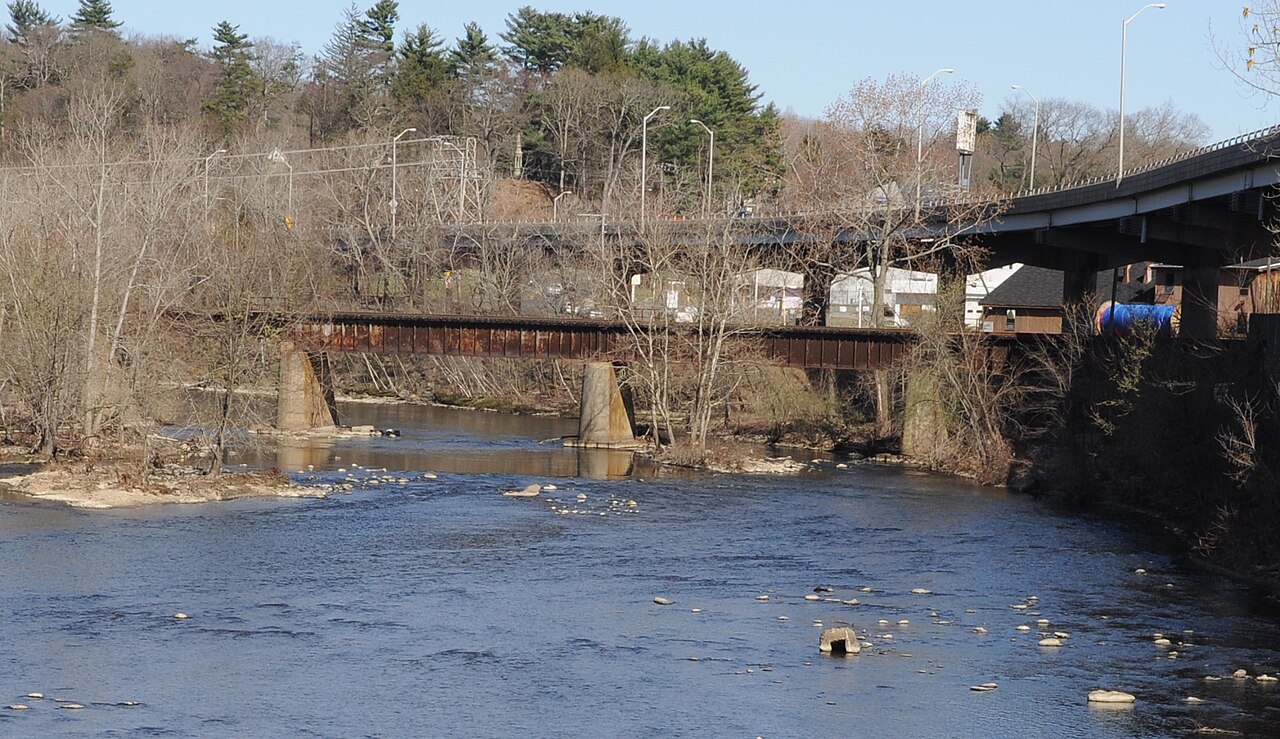
Naugatuck River
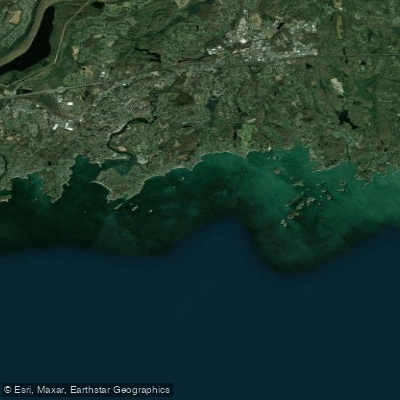
The Thimbles
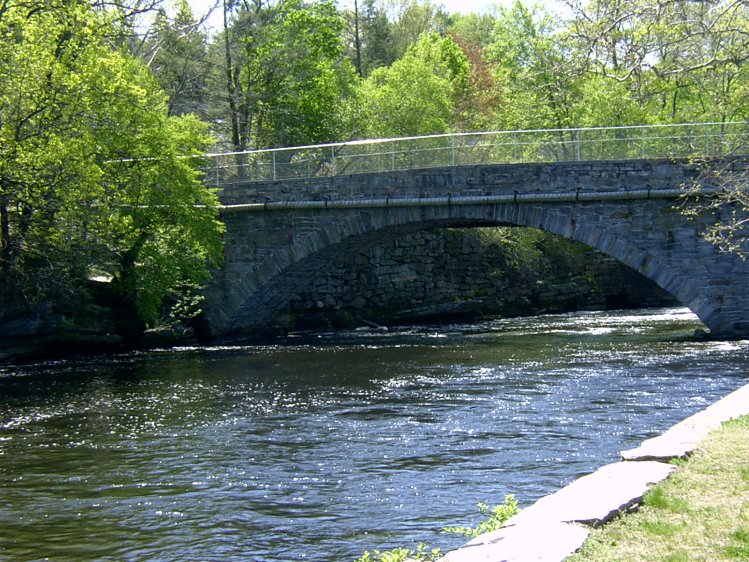
Willimantic River
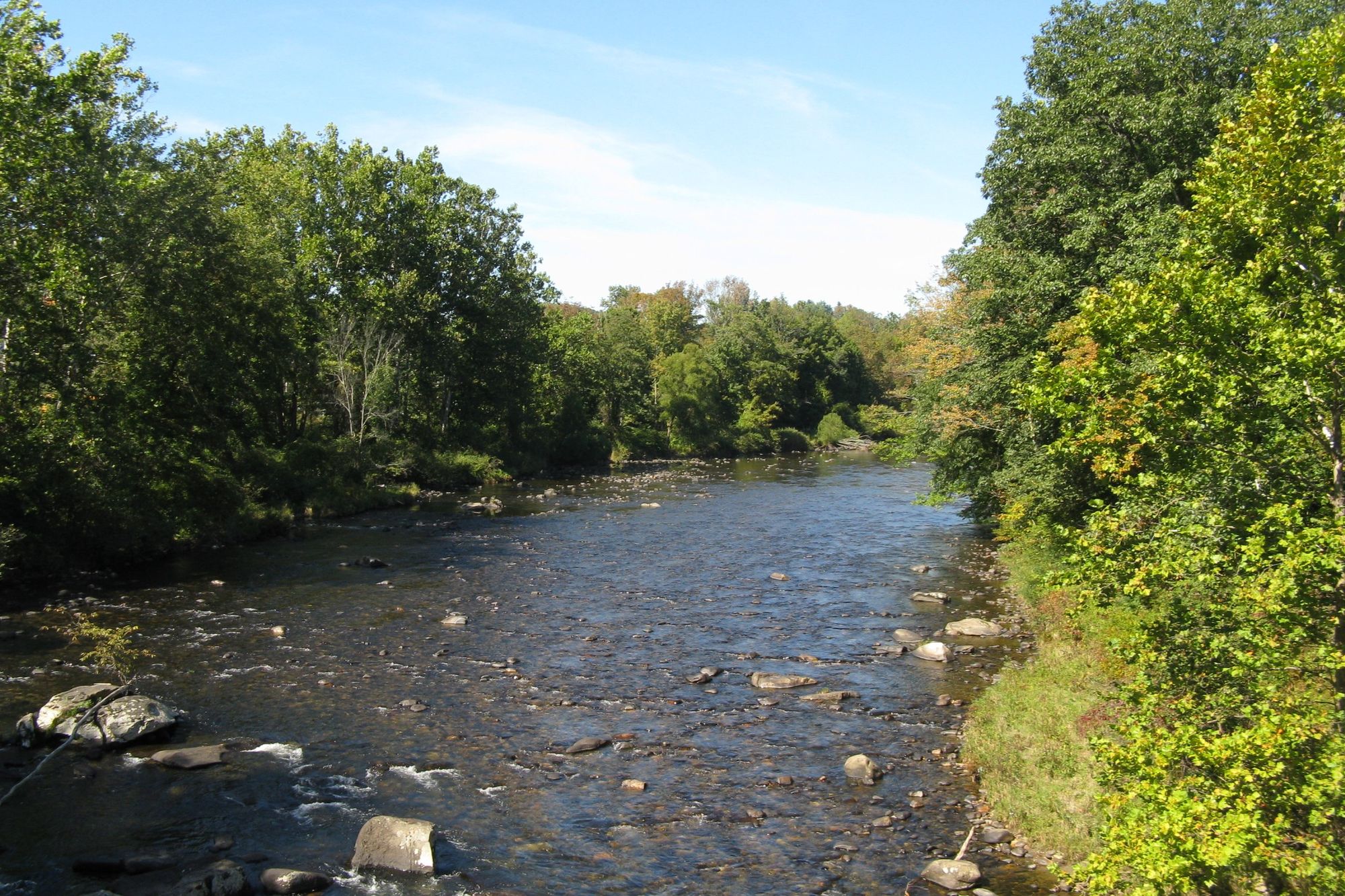
Westfield River
Paper Rock Shoal

Saugatuck River
What to know
Habitat Distribution
- Prefer lakes and slower-moving stream areas with rocky bottoms, clear water, and moderate vegetation.
Key Locations
- West Branch Reservoir, Colebrook River Lake, Lake Lillinonah, Candlewood Lake, Lake Erie, and various state park waters.
- Lakes like Candlewood, West Branch Reservoir, and Lake Lillinonah.
Specific Spots
- Often found in shallow water around rocks.
- Target rocky shorelines, shallow areas around structures, and areas with moderate vegetation.
- Focus on areas where hard structure meets deeper water, near rocks and fallen timber.
Rock Bass FAQ
Answers from onWater's species guide.
What are the best lures and bait for Rock Bass in Connecticut?
Small baits and lures, hair jigs with crayfish-colored trailers, small spinnerbaits, chatterbaits, and jerkbaits that can be fished around rocky structure without snagging.
What flies work for Rock Bass in Connecticut?
Small streamers like Clouser Minnows, Deceivers in white and chartreuse, and crayfish imitations such as Meat Whistles.
When is the best time to fish for Rock Bass in Connecticut?
Active year-round with no closed season in Connecticut. Spring through early summer offers the best fishing when they're most active in shallow water before spawning (avoid fishing during actual spawning in June).
How do you catch Rock Bass in Connecticut?
Hair jigs worked slowly along rocky bottoms are particularly effective. They respond well to slow presentations, especially during cooler water periods. In Connecticut's Bass Management Lakes, rock bass are often caught incidentally while targeting largemouth and smallmouth bass using similar techniques.
What do Rock Bass eat?
Diet consists primarily of crayfish, small fish (especially perch and bluegill), aquatic insects, and crustaceans.
Fish smarter with real-time insights
Whether you're en route and conditions shift or you're looking for the best spot based on current flows, we enable you to make informed decisions on the fly.




See it in the app
Most maps show you water.
onWater shows you Rock Bass.



- 01 · Species map filter
Map every Rock Bass water
Pick Rock Bass and the map zeroes in on the waters they call home. No more guessing which lake holds them.
- 02 · Waterbody species
Tap any water. See what lives there.
Species, behavior and seasonal patterns for every lake, river and pond, before you leave the driveway.
- 03 · Angler Intelligence
Ask how to catch Rock Bass
Tactics, gear and timing from onWater's AI fishing guide, tuned to the species and the water you're on.
Stop guessing where Rock Bass are.
Open the map, filter by Rock Bass, and head to water that holds them. Download onWater and plan your next trip in minutes.
- Species map filter
- Angler Intelligence
- Fishing journal
Explore other species
Trout, bass, salmon, panfish and everything in between. Each guide unpacks the behavior, seasons, and tactics that put fish in the net.
No species information available.
Connecticut licenses and regulations
Explore nearby waters
Explore Connecticut waters
Top fishing waters
Popular Cities
Loading popular cities...

Smarter Fishing Starts in the App.
onWater Fish gives you everything you need to plan smarter, fish better, and own every trip from first cast to last.