White Sucker

White Sucker are Connecticut's most abundant native fish of their size class, making up the majority of fish biomass in many Connecticut streams.
These native cypriniform fish occur in almost all but the smallest Connecticut streams where they are typically common to abundant, and are also found in most lakes with significant tributary streams.
Scientific Name: Catostomus commersonii
- These native cypriniform fish have streamlined, cylindrical bodies with distinctive downturned mouths featuring numerous small bumps (papillae) on their lower lips, which they use for bottom feeding.
- Adults commonly reach 6-18 inches, with Connecticut's state survey recording fish up to 23 inches.
- They display brown, greenish, or grayish coloration on their backs, fading to silvery sides and whitish bellies, with males developing dark lateral stripes during spawning season.
Fishing in Connecticut
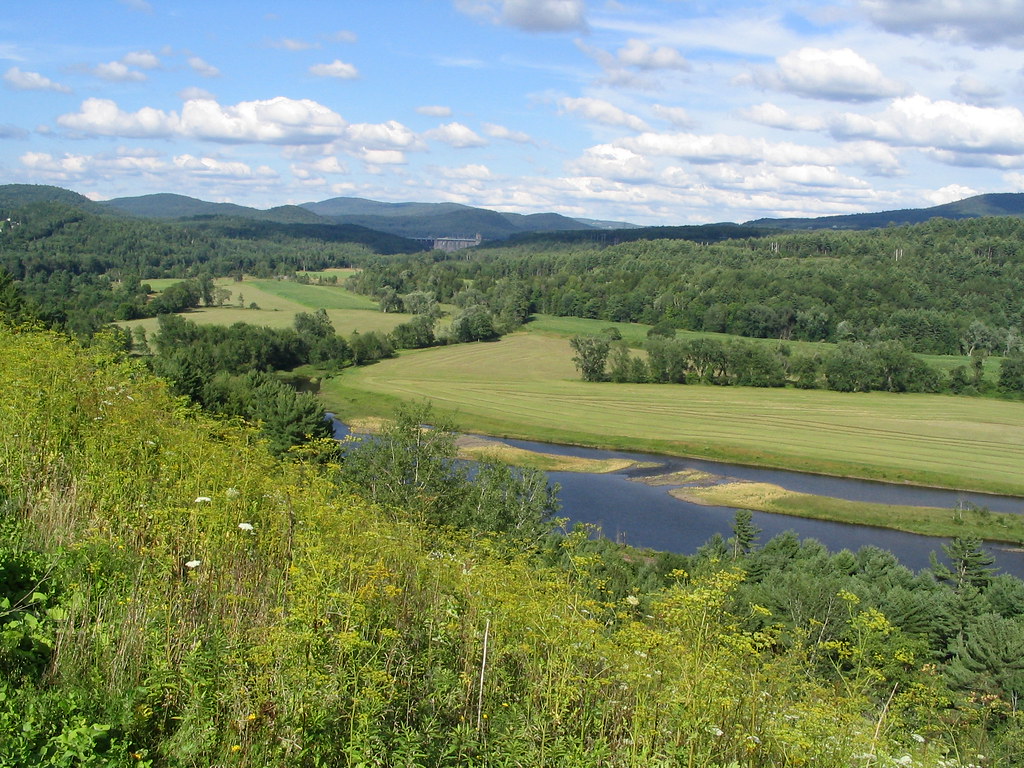
Connecticut River
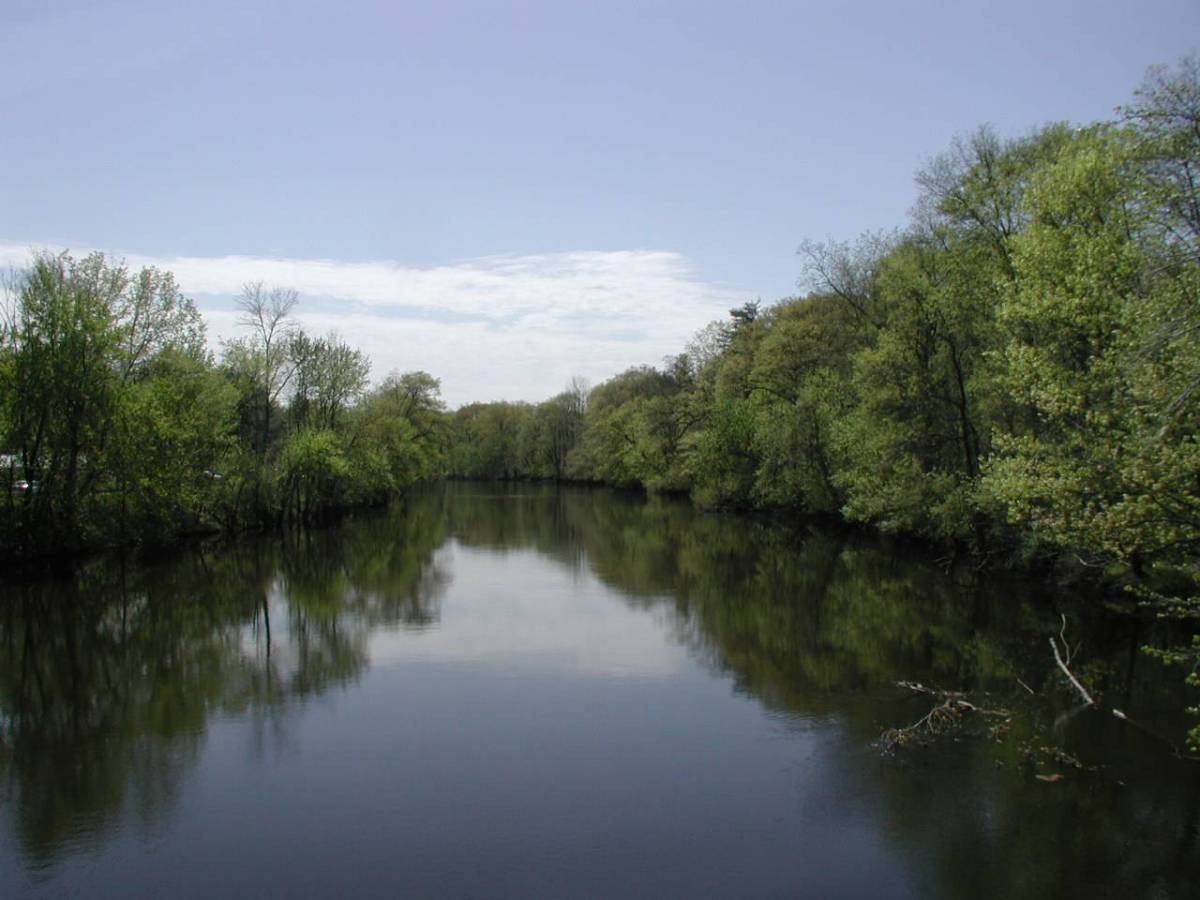
Farmington River
North Atlantic Ocean
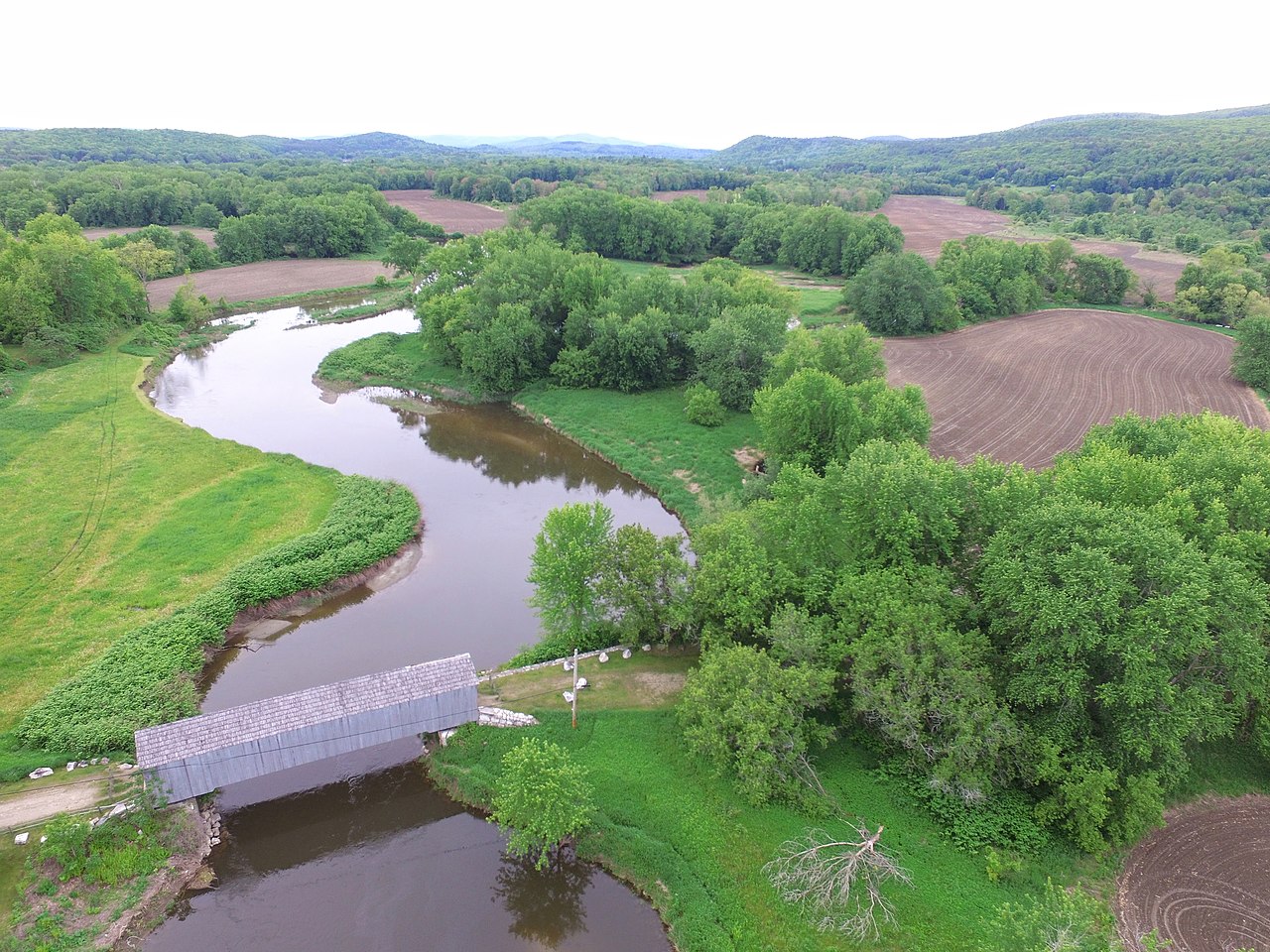
Housatonic River
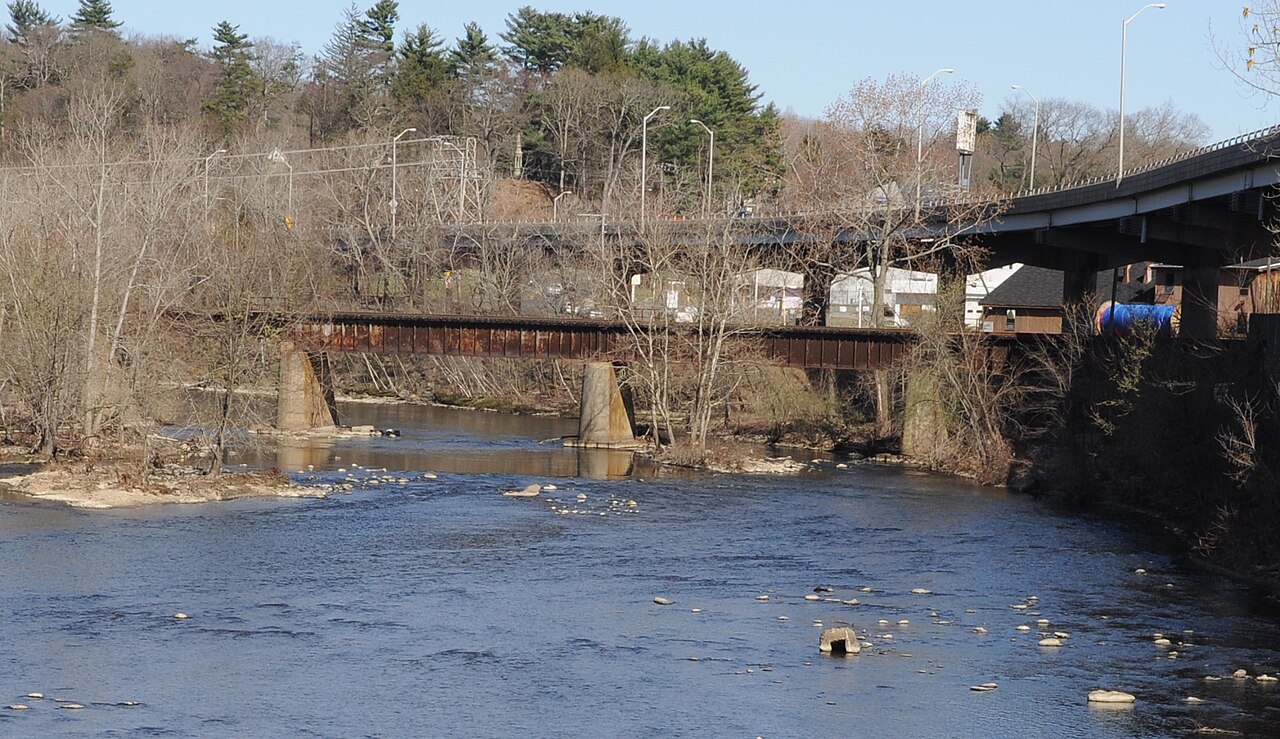
Naugatuck River

The Thimbles
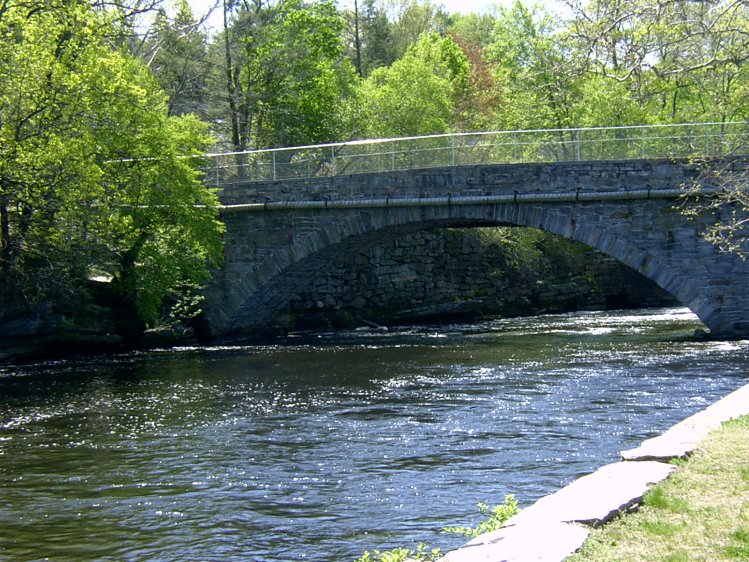
Willimantic River
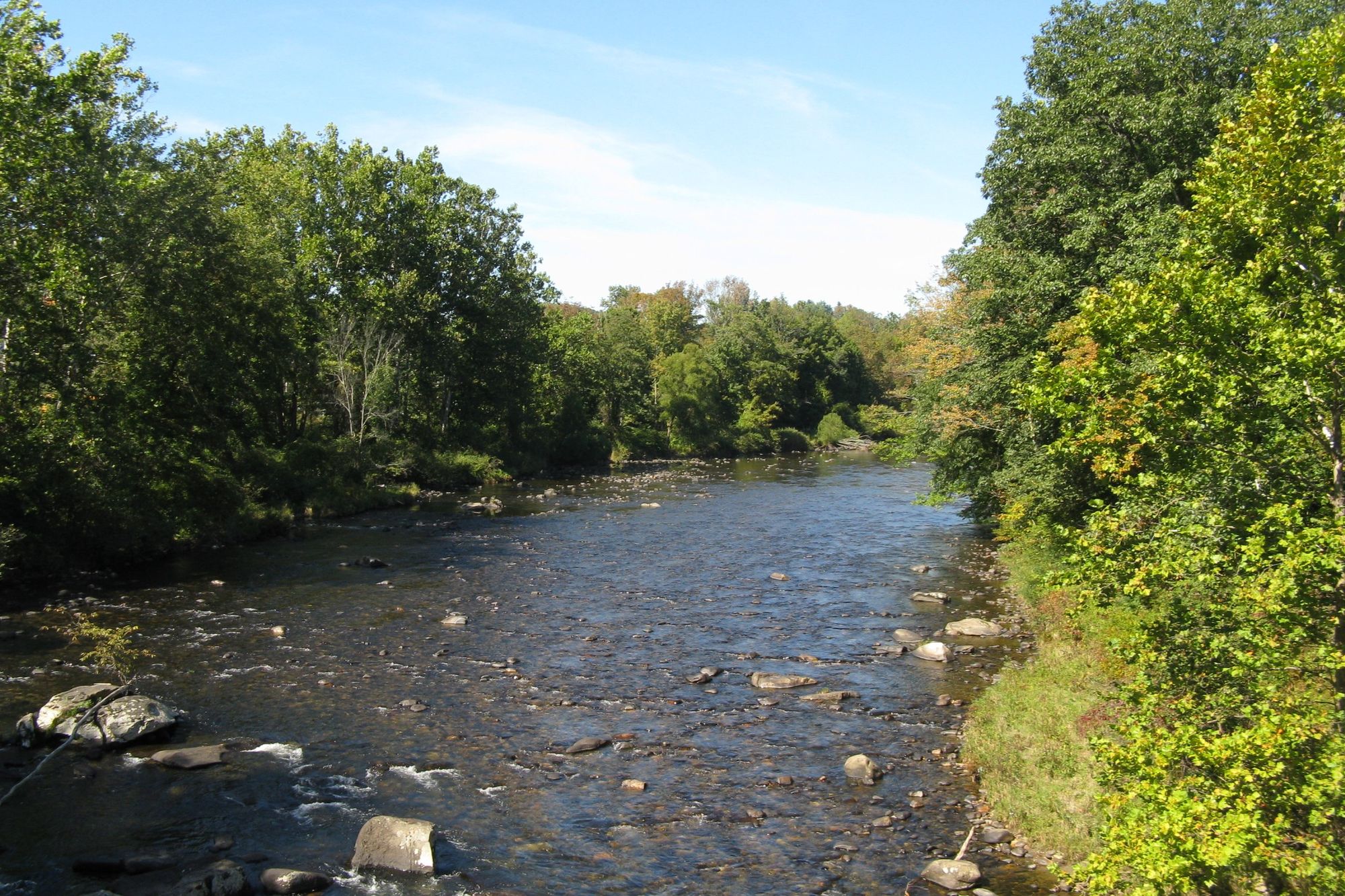
Westfield River
Paper Rock Shoal

Saugatuck River
What to know
Habitat Distribution
- They inhabit a wide range of water types from small streams to large rivers and lakes, preferring areas with pool-to-riffle ratios of 1:1.
Key Locations
- Connecticut waters like the Salmon River system and other streams with significant tributary networks are particularly productive.
- Spectacular upstream migrations observable at locations like the Leesville Dam and Fishway on the Salmon River in East Haddam where they congregate by the thousands.
Specific Spots
- Target areas with current breaks including eddies, deep pools behind logjams, slow water behind large rocks, and slack water areas.
- Focus on riffles and deeper holes below dams, overflows, and tributary inlets where fish congregate during migration periods.
White Sucker FAQ
Answers from onWater's species guide.
What flies work for White Sucker in Connecticut?
Sinking flies that imitate their natural food sources, including nymphs like the Ausable Ugly, San Juan Worms, Micro Stones, e.g.g patterns.
When is the best time to fish for White Sucker in Connecticut?
Early spring (March through early May) when they're actively feeding before and after their spawning runs, though they can be caught year-round except during the actual spawning period.
How do you catch White Sucker in Connecticut?
Bottom fishing is the primary technique - present baits on the bottom where suckers naturally feed. For fly fishing, practice sight fishing techniques - cast well upstream of visible fish, ensure flies reach bottom before reaching the fish, and maintain direct contact with your offering as takes often occur...
What do White Sucker eat?
As bottom feeders, they consume benthic organisms including chironomid larvae, fingernail clams, amphipods, gastropods, aquatic insects, fish e.g.gs, algae, and plant matter.
Where do White Sucker live in Connecticut?
They inhabit a wide range of water types from small streams to large rivers and lakes, preferring areas with pool-to-riffle ratios of 1:1.
Fish smarter with real-time insights
Whether you're en route and conditions shift or you're looking for the best spot based on current flows, we enable you to make informed decisions on the fly.




See it in the app
Most maps show you water.
onWater shows you White Sucker.



- 01 · Species map filter
Map every White Sucker water
Pick White Sucker and the map zeroes in on the waters they call home. No more guessing which lake holds them.
- 02 · Waterbody species
Tap any water. See what lives there.
Species, behavior and seasonal patterns for every lake, river and pond, before you leave the driveway.
- 03 · Angler Intelligence
Ask how to catch White Sucker
Tactics, gear and timing from onWater's AI fishing guide, tuned to the species and the water you're on.
Stop guessing where White Sucker are.
Open the map, filter by White Sucker, and head to water that holds them. Download onWater and plan your next trip in minutes.
- Species map filter
- Angler Intelligence
- Fishing journal
Explore other species
Trout, bass, salmon, panfish and everything in between. Each guide unpacks the behavior, seasons, and tactics that put fish in the net.
No species information available.
Connecticut licenses and regulations
Explore nearby waters
Explore Connecticut waters
Top fishing waters
Popular Cities
Loading popular cities...

Smarter Fishing Starts in the App.
onWater Fish gives you everything you need to plan smarter, fish better, and own every trip from first cast to last.