Black Crappie

Black crappie are an introduced species in Connecticut that occur within all Connecticut drainages at uncommon to common abundance levels.
Scientific Name: Pomoxis nigromaculatus
- Distinguished by their deep-bodied profile and large mouth extending below the center of the pupil.
- They have 7-8 dorsal spines (versus 5-6 on white crappie) and display irregular dark blotches on their sides rather than vertical bars.
- Males can become very dark during spawning season.
- Connecticut's black crappie commonly range from 6-11 inches, with the state record being 4 pounds, 17 inches.
Fishing in Connecticut
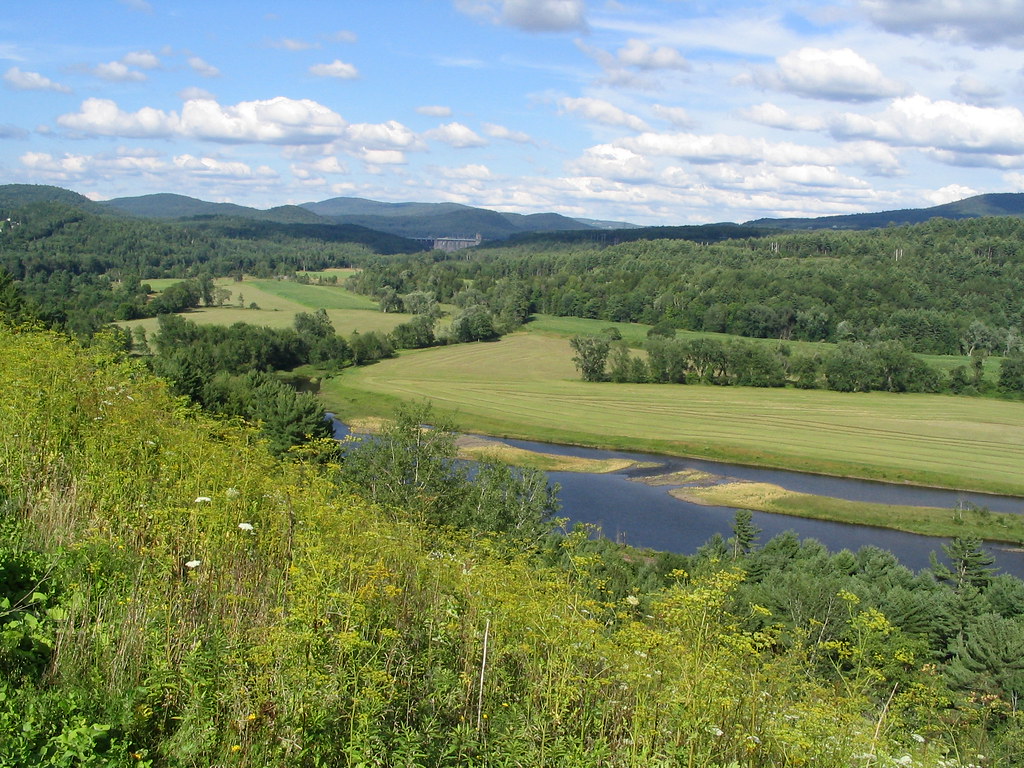
Connecticut River
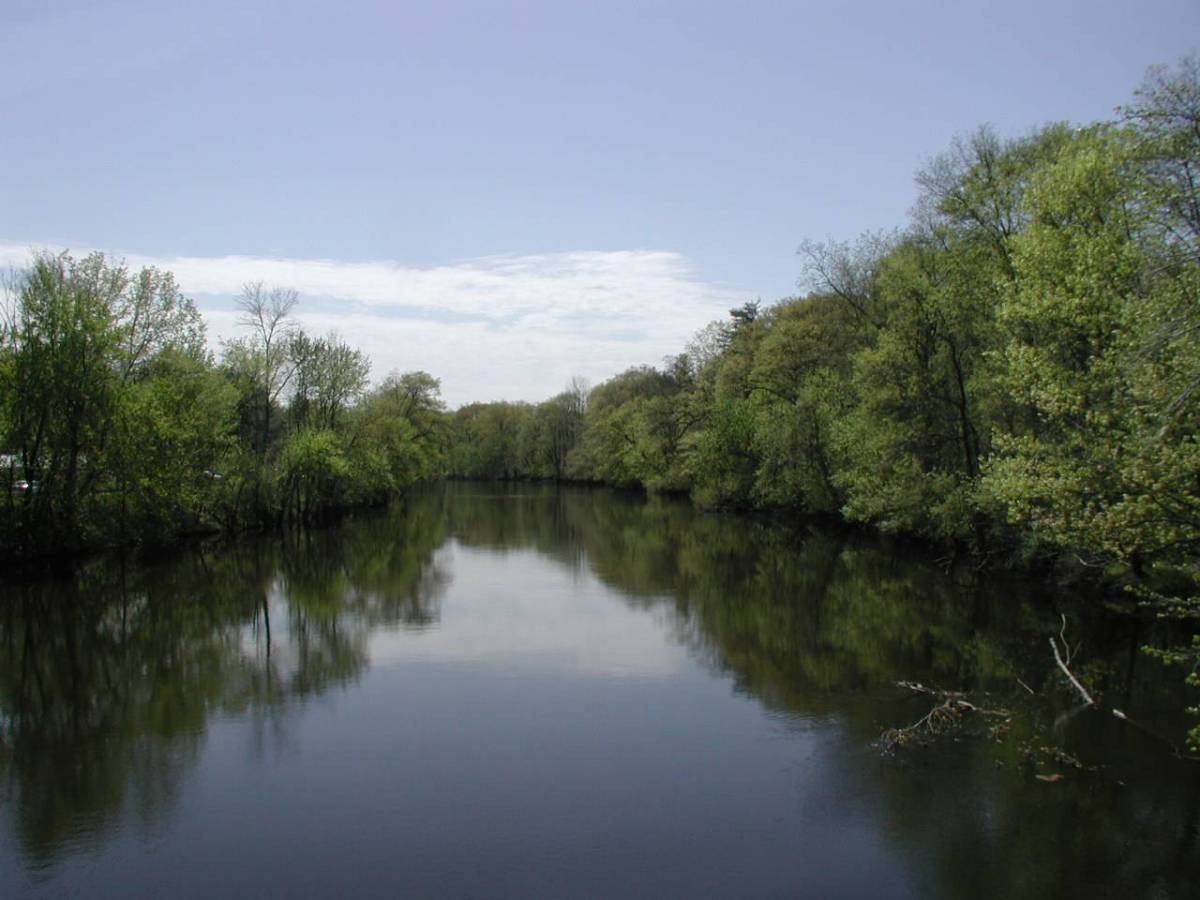
Farmington River
North Atlantic Ocean
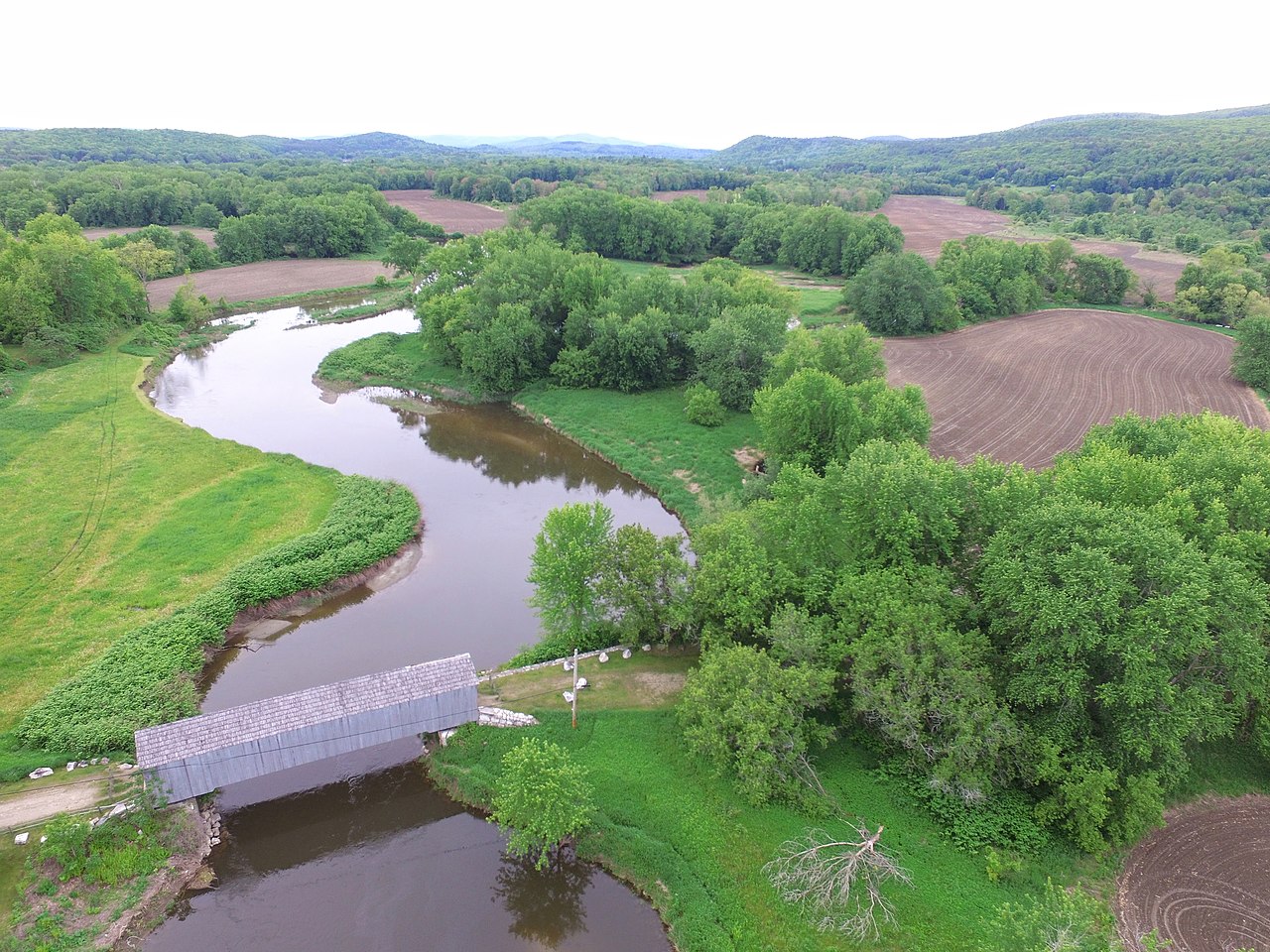
Housatonic River
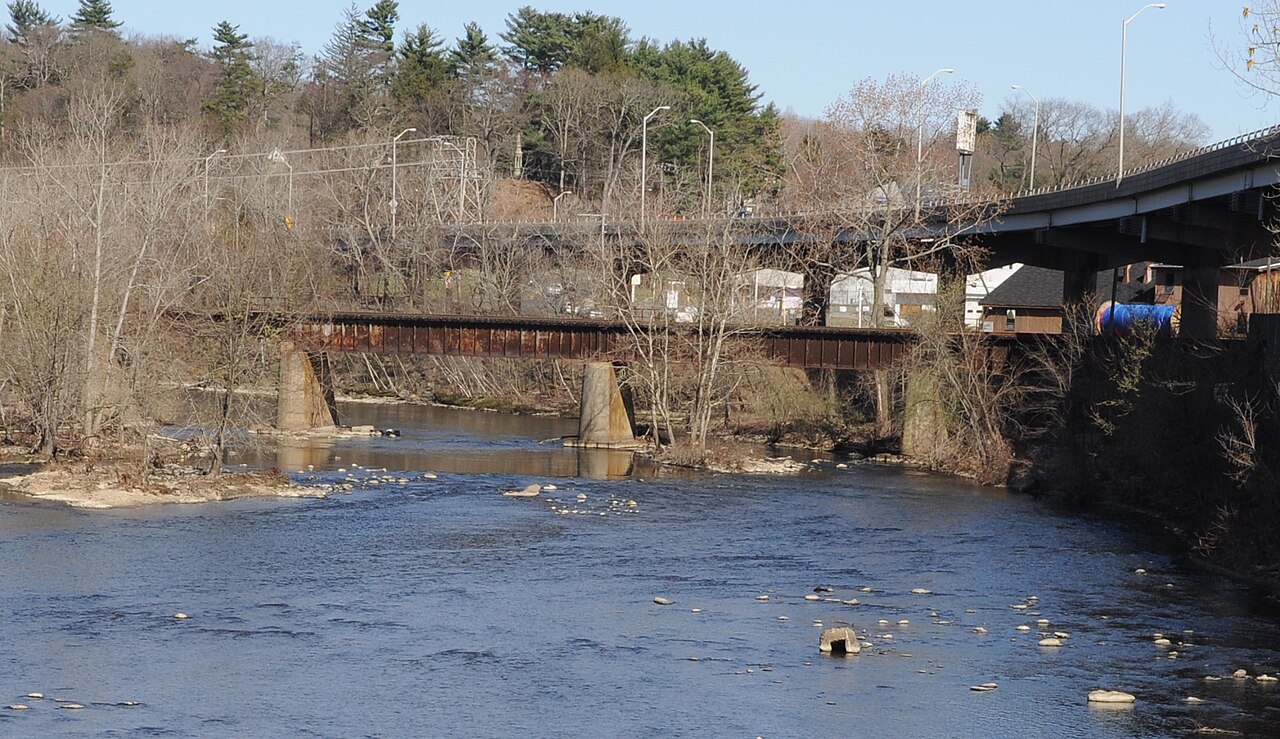
Naugatuck River
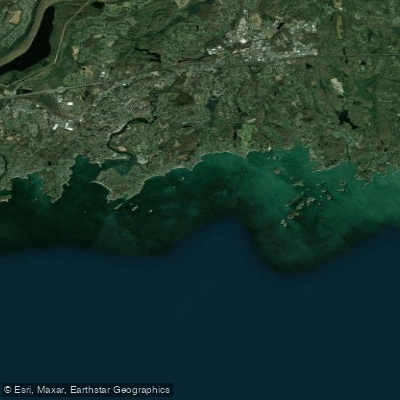
The Thimbles
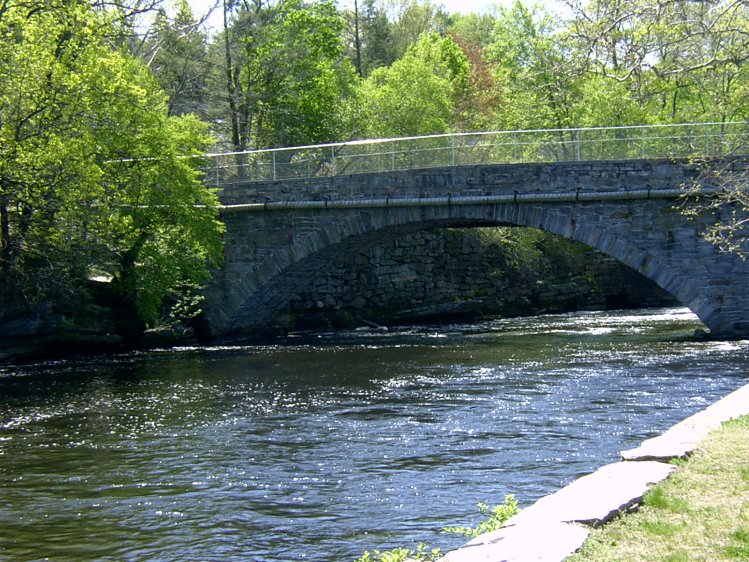
Willimantic River
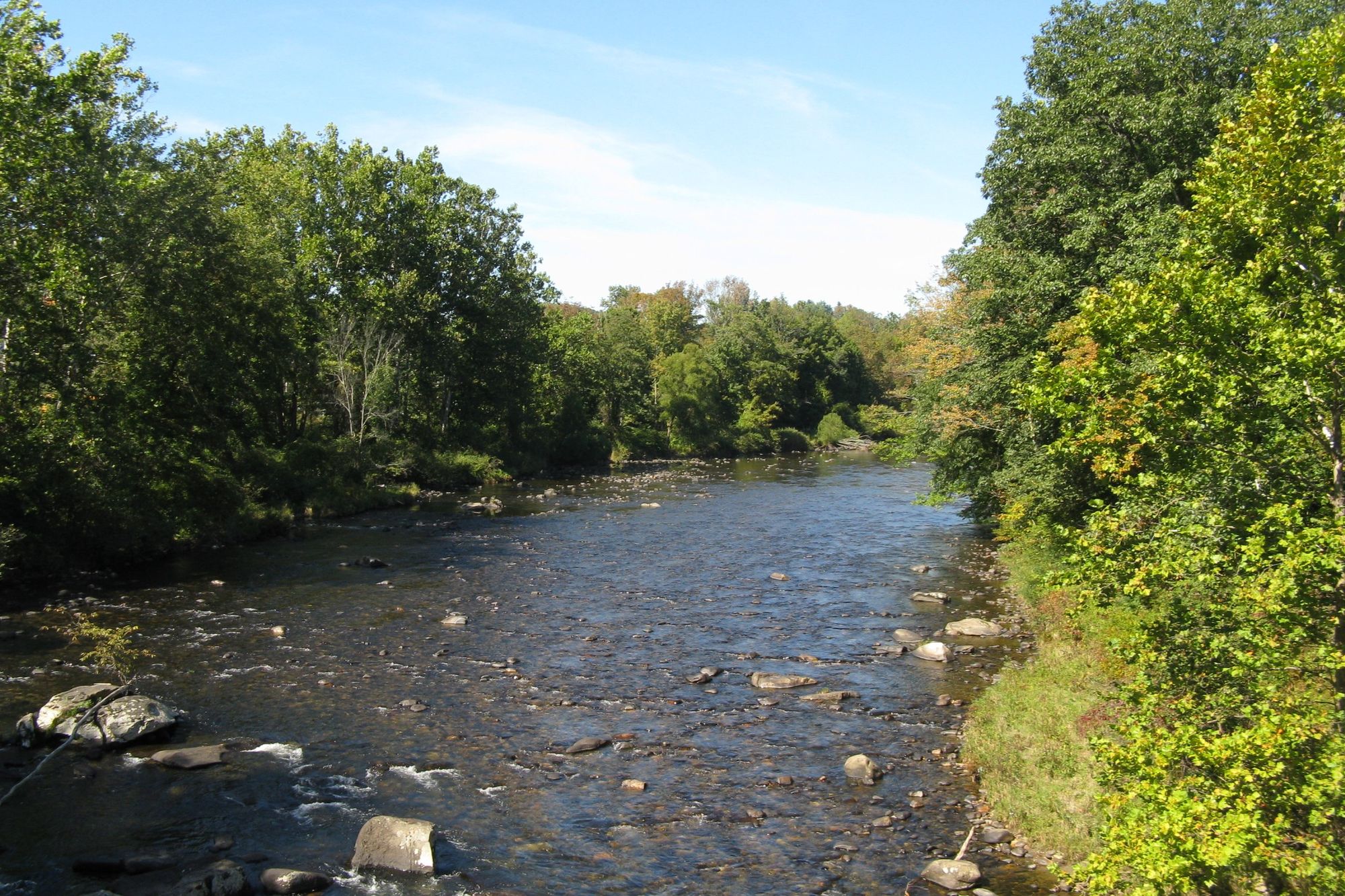
Westfield River
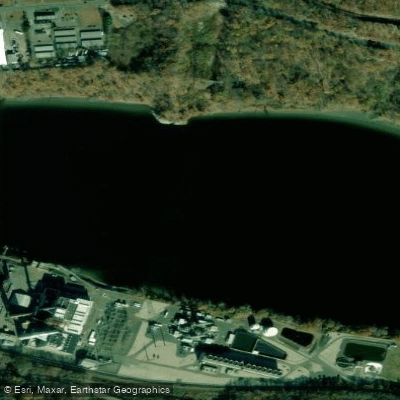
Paper Rock Shoal
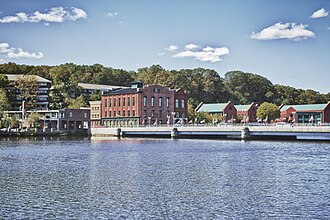
Saugatuck River
What to know
Habitat Distribution
- Black crappie prefer moderately clear water in lakes, larger ponds, and backwaters of streams and rivers.
Key Locations
- Connecticut River (especially the Enfield stretch), Pachaug Pond, Coventry Lake, Miller Pond, Upper Moodus Reservoir, Spring Pond, Pickerel Lake, and Congamond Lakes.
- The Connecticut River near Enfield is considered the state's premier crappie water.
Specific Spots
- Typically found in small schools around moderate amounts of submerged vegetation, boulders, or fallen trees.
- Fish near structure in 6-20 feet of water during spring, moving to deeper areas (20-30 feet) during summer heat.
Black Crappie FAQ
Answers from onWater's species guide.
What are the best lures and bait for Black Crappie in Connecticut?
Popular baits include 1/16 to 1/8 ounce jigs tipped with soft plastic grubs (2-inch yellow, black, or chartreuse), small live minnows under slip bobbers, and hair jigs in white, chartreuse, or black colors.
When is the best time to fish for Black Crappie in Connecticut?
The best fishing occurs during spring (late April through May) when water temperatures reach 55-72°F. Focus on pre-spawn feeding in March-early April and post-spawn recovery in late May. In summer, fish deeper water early morning or late evening.
How do you catch Black Crappie in Connecticut?
Effective techniques include spider rigging with multiple rods, dock shooting small jigs, slow trolling crankbaits, and vertical jigging around submerged timber. Target suspended schools with electronics if available.
What do Black Crappie eat?
Their diet consists primarily of small fish, crustaceans, and insect larvae, with juveniles feeding mainly on zooplankton and microcrustaceans. Adults are less fish-dominated in their diet compared to white crappie, consuming larger volumes of insects and crustaceans.
Where do Black Crappie live in Connecticut?
Black crappie prefer moderately clear water in lakes, larger ponds, and backwaters of streams and rivers.
Fish smarter with real-time insights
Whether you're en route and conditions shift or you're looking for the best spot based on current flows, we enable you to make informed decisions on the fly.




See it in the app
Most maps show you water.
onWater shows you Black Crappie.



- 01 · Species map filter
Map every Black Crappie water
Pick Black Crappie and the map zeroes in on the waters they call home. No more guessing which lake holds them.
- 02 · Waterbody species
Tap any water. See what lives there.
Species, behavior and seasonal patterns for every lake, river and pond, before you leave the driveway.
- 03 · Angler Intelligence
Ask how to catch Black Crappie
Tactics, gear and timing from onWater's AI fishing guide, tuned to the species and the water you're on.
Stop guessing where Black Crappie are.
Open the map, filter by Black Crappie, and head to water that holds them. Download onWater and plan your next trip in minutes.
- Species map filter
- Angler Intelligence
- Fishing journal
Explore other species
Trout, bass, salmon, panfish and everything in between. Each guide unpacks the behavior, seasons, and tactics that put fish in the net.
No species information available.
Connecticut licenses and regulations
Explore nearby waters
Explore Connecticut waters
Top fishing waters
Popular Cities
Loading popular cities...

Smarter Fishing Starts in the App.
onWater Fish gives you everything you need to plan smarter, fish better, and own every trip from first cast to last.