Striped Bass
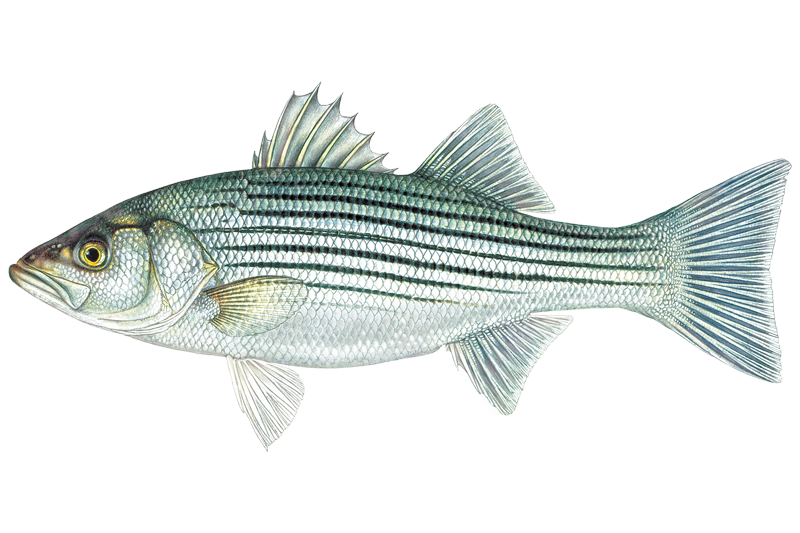
Connecticut's most important inshore predator and sport fish, native to the Atlantic Coast and seasonally abundant throughout the state's waters. These anadromous fish are found along Connecticut's entire coastline and in all large tidal rivers.
Scientific Name: Morone saxatilis
Also known as stripers
- Typically measuring 16-36 inches with the state record at 81.88 pounds.
Fishing in Connecticut
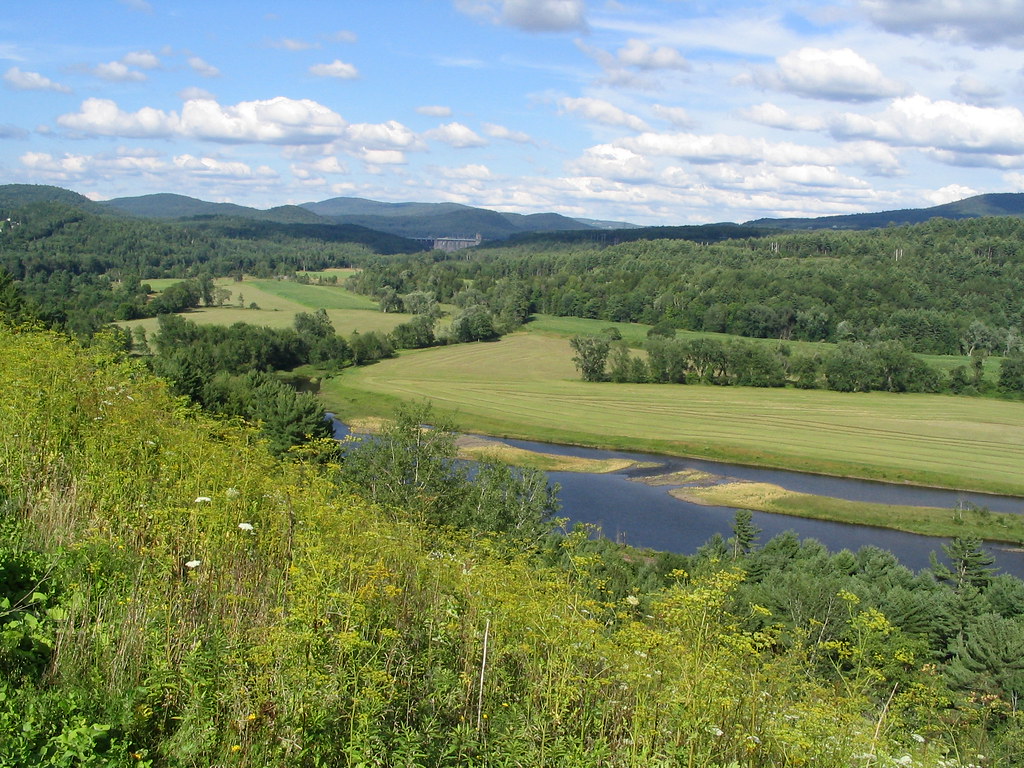
Connecticut River
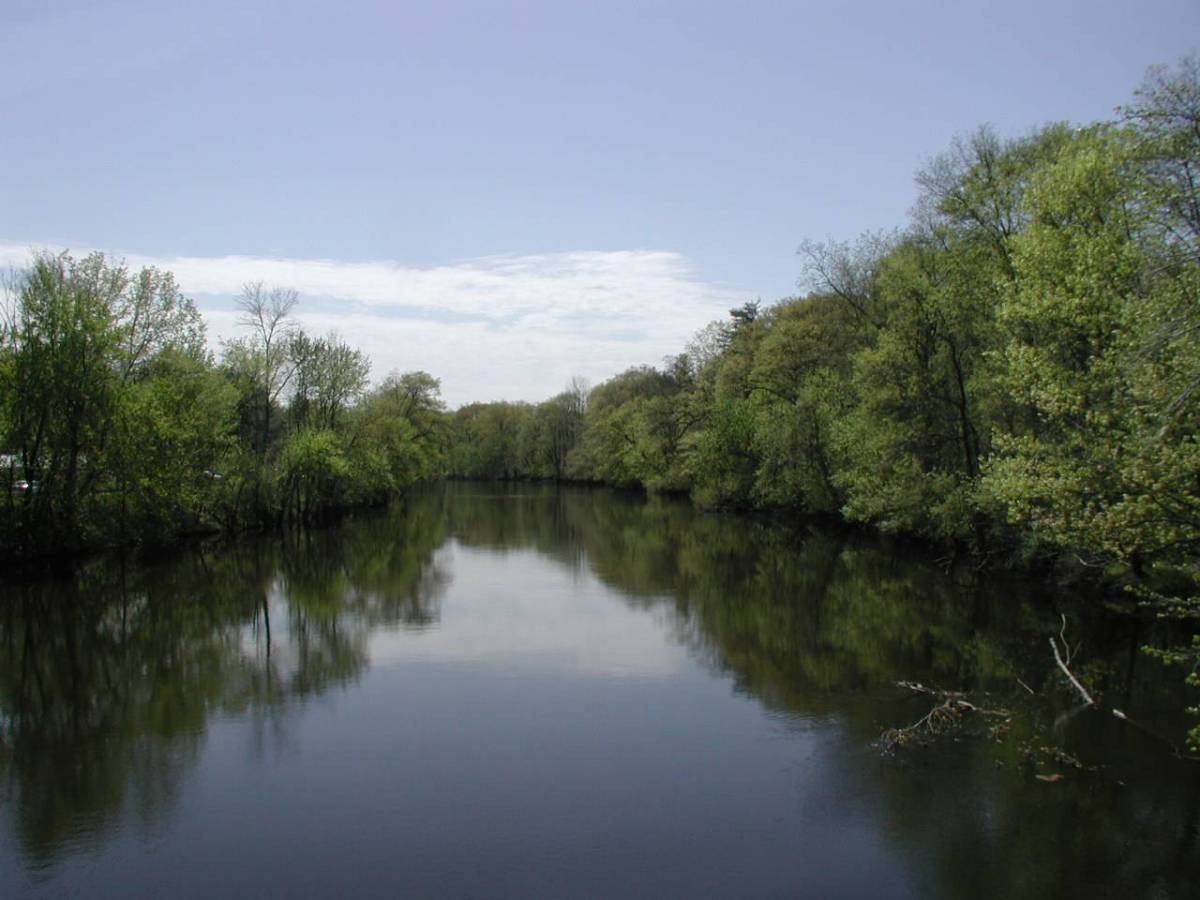
Farmington River
North Atlantic Ocean
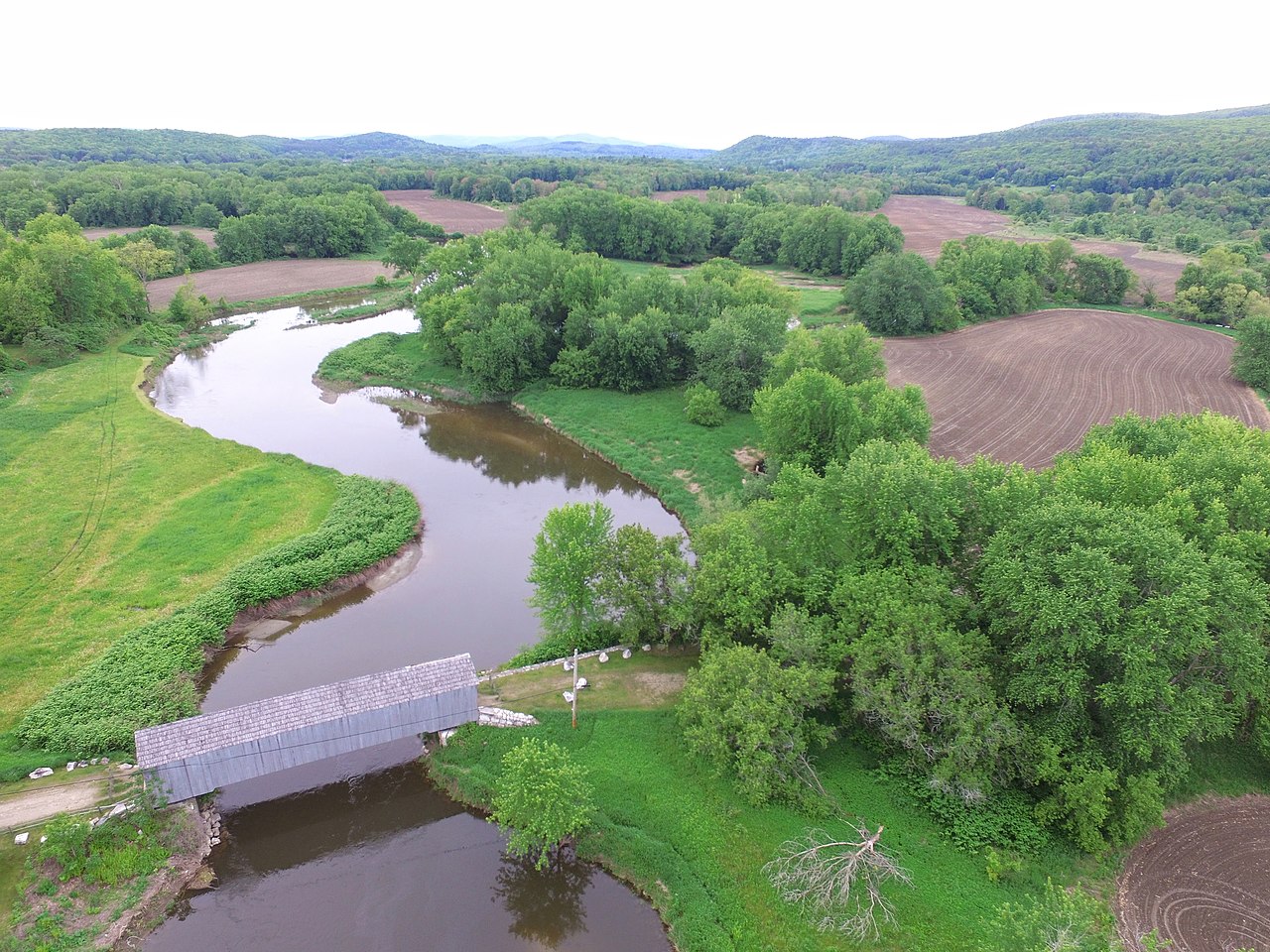
Housatonic River
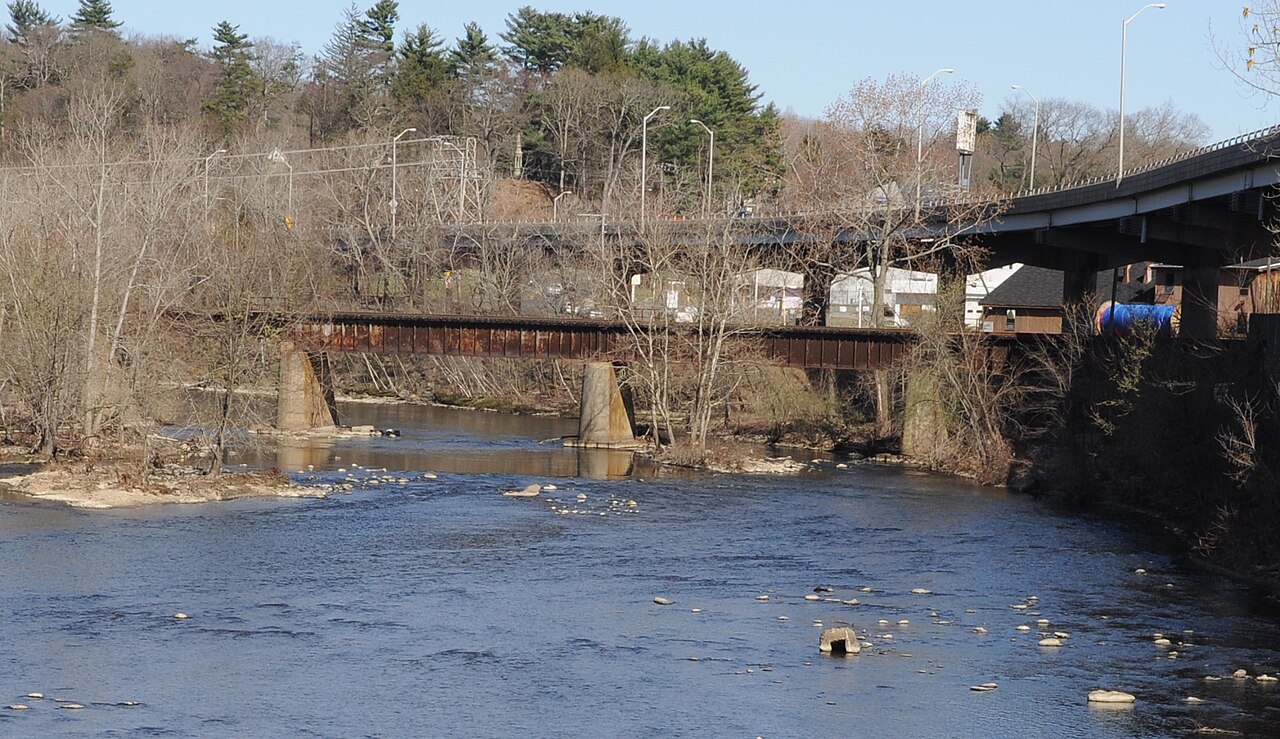
Naugatuck River
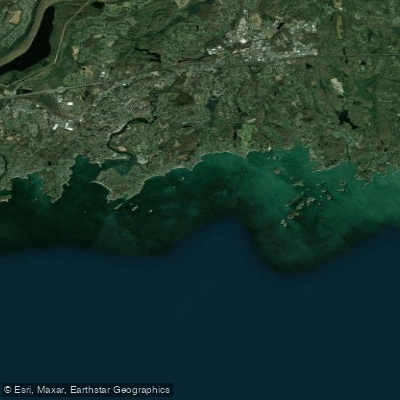
The Thimbles
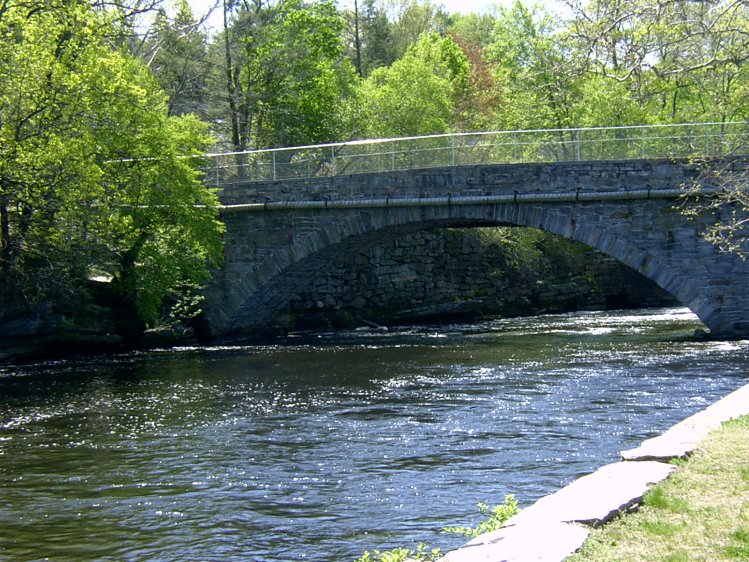
Willimantic River
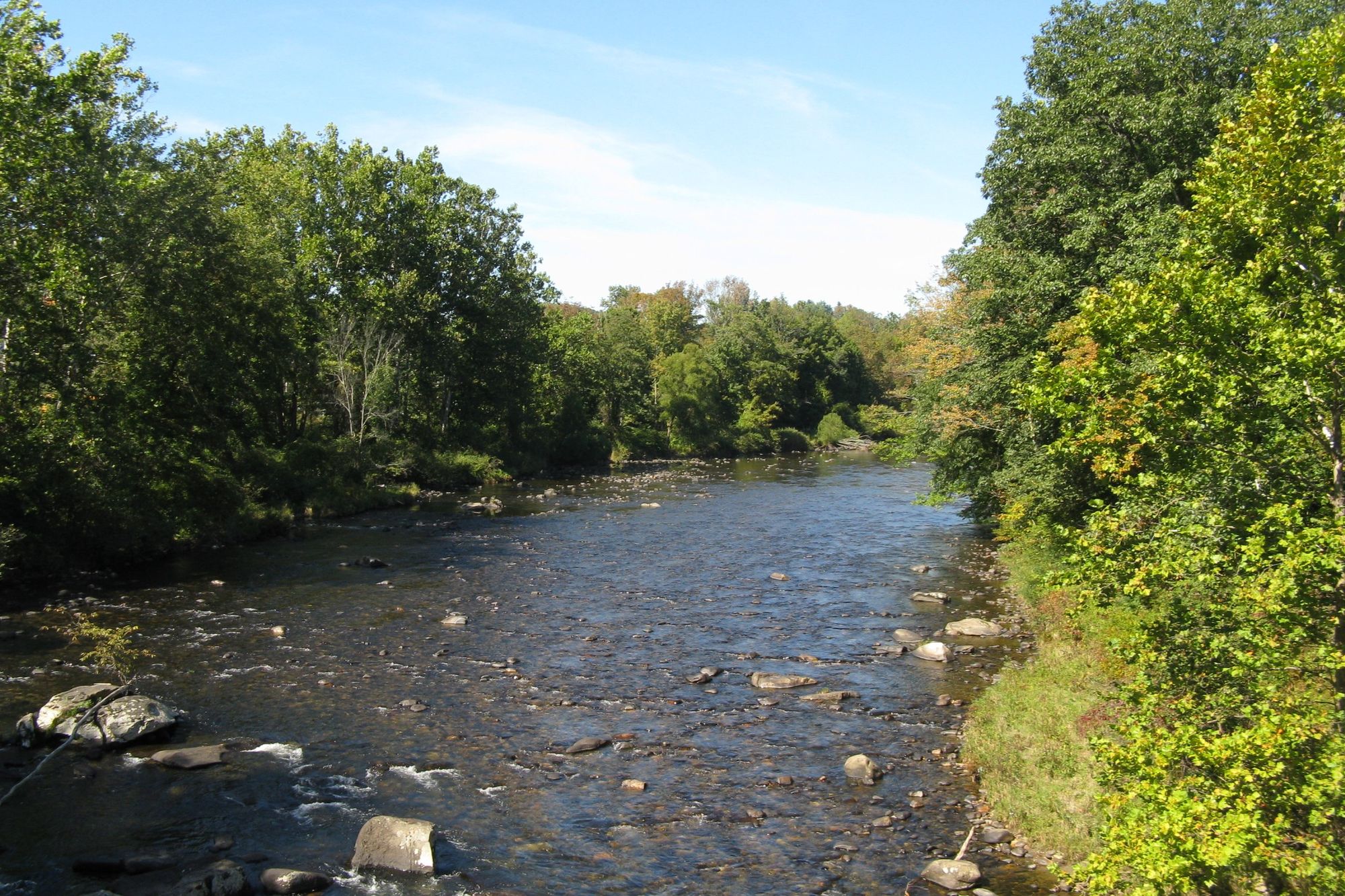
Westfield River
Paper Rock Shoal

Saugatuck River
What to know
Habitat Distribution
- Found along Connecticut's entire coastline and in all large tidal rivers.
- They prefer rocky reefs and shoals of coastal waters and estuaries but range many miles up larger coastal rivers searching for food.
- Most stripers migrate south during winter, though some overwinter in Connecticut, particularly in the Thames River.
Key Locations
- Eaton's Neck triangle (buoys 28C, 11B, and the Obstruction buoy), Stratford Shoals, Charles Island, Calf Pasture Beach (Norwalk), Mill Pond (Westport), Black Rock, Pleasure Beach, Hammonasset Beach State Park, Connecticut River mouth, Thames River.
Specific Spots
- Focus on structure like boulder fields, drop-offs, and current breaks.
- Target rocky reefs, tidal river mouths, harbor outflows.
- Summer fish often hold in deeper channels during day, moving shallow at night.
Striped Bass FAQ
Answers from onWater's species guide.
What are the best lures and bait for Striped Bass in Connecticut?
Tube-and-worm rigs, topwater plugs, soft plastics, spinnerbaits, live bait (eels, bunker, herring).
What flies work for Striped Bass in Connecticut?
Flatwings (particularly effective on dead drift), Clouser Minnows, Deceivers, squid patterns like Red Can Squid and EP Flex Calamari, small sand eel patterns, larger bunker patterns.
When is the best time to fish for Striped Bass in Connecticut?
Connecticut's striped bass season runs year-round with no closed season. Peak fishing occurs May through November, with spring (April-June) and fall (September-November) providing the best action.
How do you catch Striped Bass in Connecticut?
Night fishing for summer months, midday trolling with tube-and-worm rigs, dawn/dusk topwater fishing, dead drift with flatwings, match the hatch approach.
What do Striped Bass eat?
Their diet is remarkably diverse, including over 65 fish species and 45+ invertebrates. Primary forage includes Atlantic menhaden (bunker), herring, alewives, sand eels, silversides, bay anchovies, squid, crabs, marine worms, and eels.
Fish smarter with real-time insights
Whether you're en route and conditions shift or you're looking for the best spot based on current flows, we enable you to make informed decisions on the fly.




See it in the app
Most maps show you water.
onWater shows you Striped Bass.



- 01 · Species map filter
Map every Striped Bass water
Pick Striped Bass and the map zeroes in on the waters they call home. No more guessing which lake holds them.
- 02 · Waterbody species
Tap any water. See what lives there.
Species, behavior and seasonal patterns for every lake, river and pond, before you leave the driveway.
- 03 · Angler Intelligence
Ask how to catch Striped Bass
Tactics, gear and timing from onWater's AI fishing guide, tuned to the species and the water you're on.
Stop guessing where Striped Bass are.
Open the map, filter by Striped Bass, and head to water that holds them. Download onWater and plan your next trip in minutes.
- Species map filter
- Angler Intelligence
- Fishing journal
Explore other species
Trout, bass, salmon, panfish and everything in between. Each guide unpacks the behavior, seasons, and tactics that put fish in the net.
No species information available.
Connecticut licenses and regulations
Explore nearby waters
Explore Connecticut waters
Top fishing waters
Popular Cities
Loading popular cities...

Smarter Fishing Starts in the App.
onWater Fish gives you everything you need to plan smarter, fish better, and own every trip from first cast to last.