Pumpkinseed
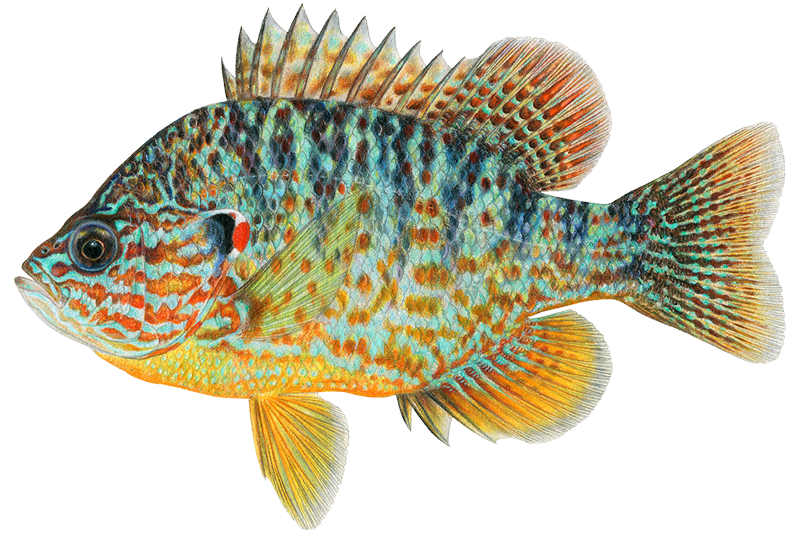
The pumpkinseed is a native Connecticut sunfish and one of the most colorful freshwater fish in the state. Present in almost all of Connecticut's lakes, ponds and larger streams where they are typically common to abundant.
Pumpkinseeds are among the easiest freshwater fish to catch, readily biting small baits and making them ideal for beginning anglers.
Scientific Name: Lepomis gibbosus
- Deep-bodied fish typically measure 3-6 inches, with the Connecticut state record reaching 1.2 pounds and 11 inches.
- They're identified by their small mouth (not reaching the leading edge of the eye), long pointed pectoral fins, distinctive red spot on the dark opercle (ear flap), and series of blue wavy horizontal lines on the head with profuse brown to orange speckles on the body.
Fishing in Connecticut
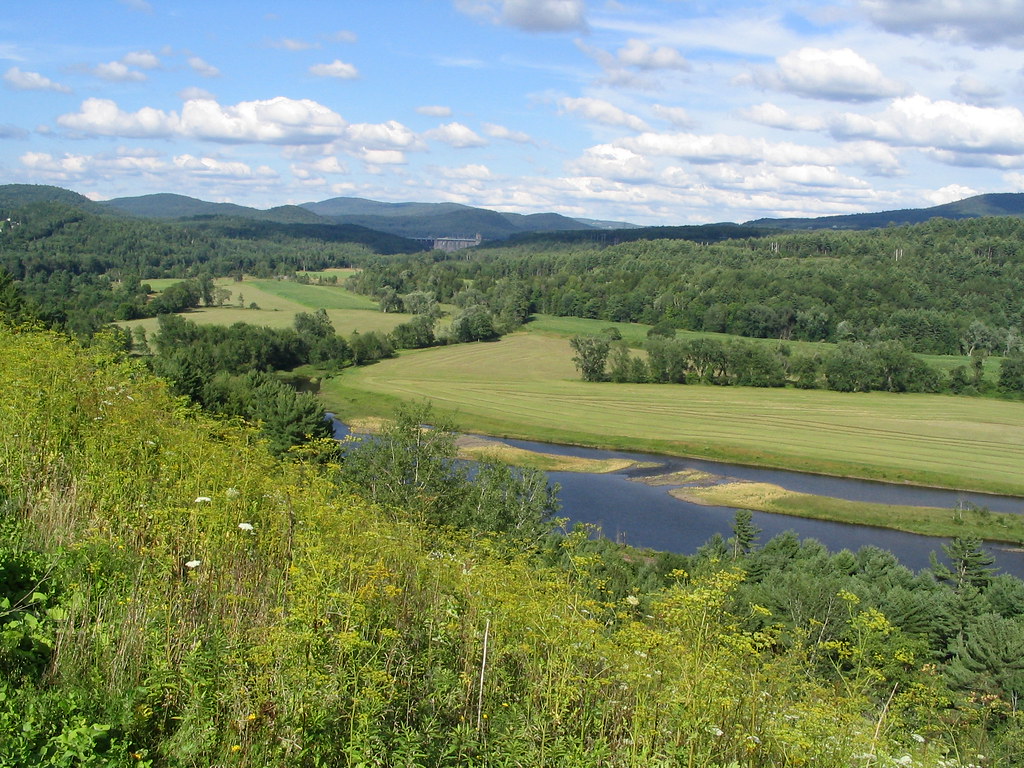
Connecticut River
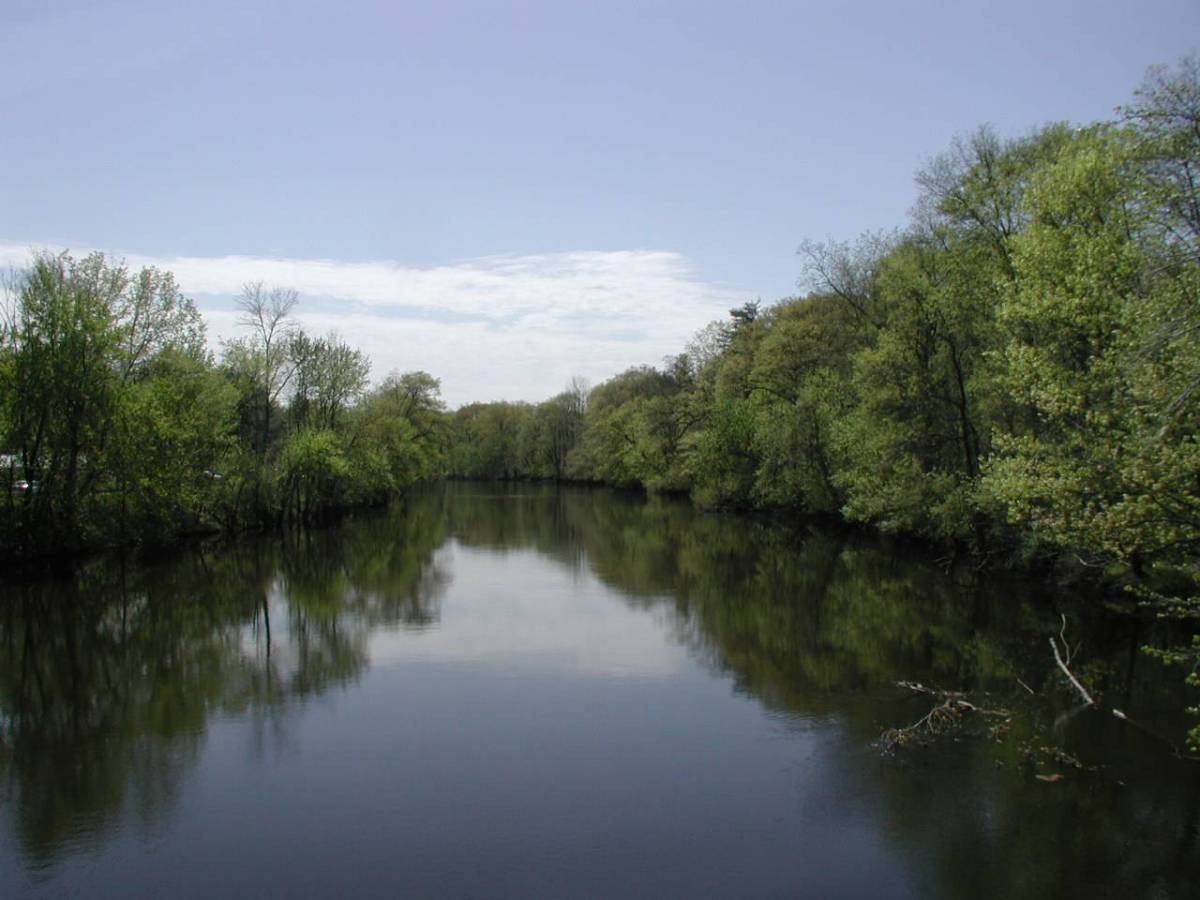
Farmington River
North Atlantic Ocean
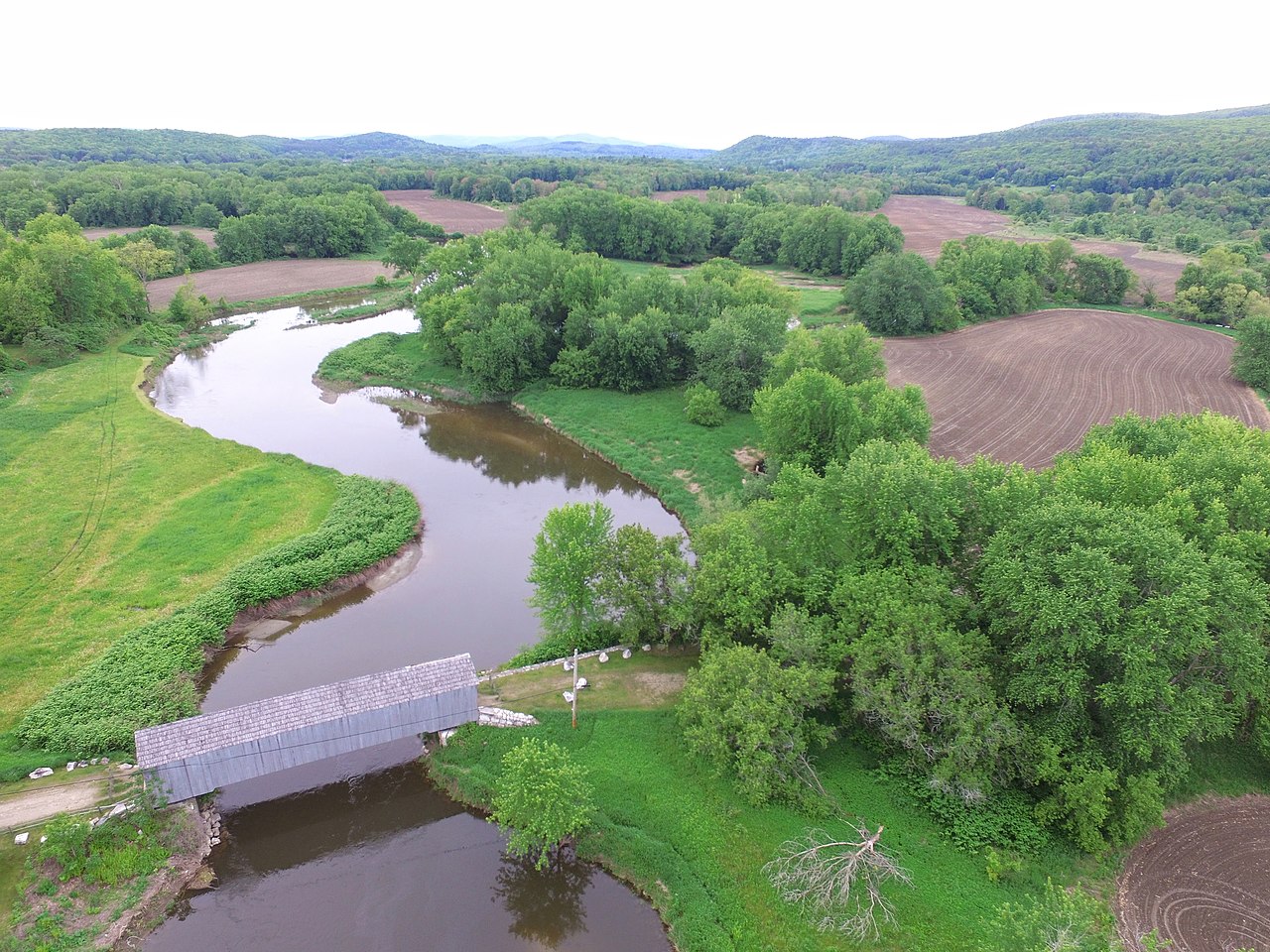
Housatonic River
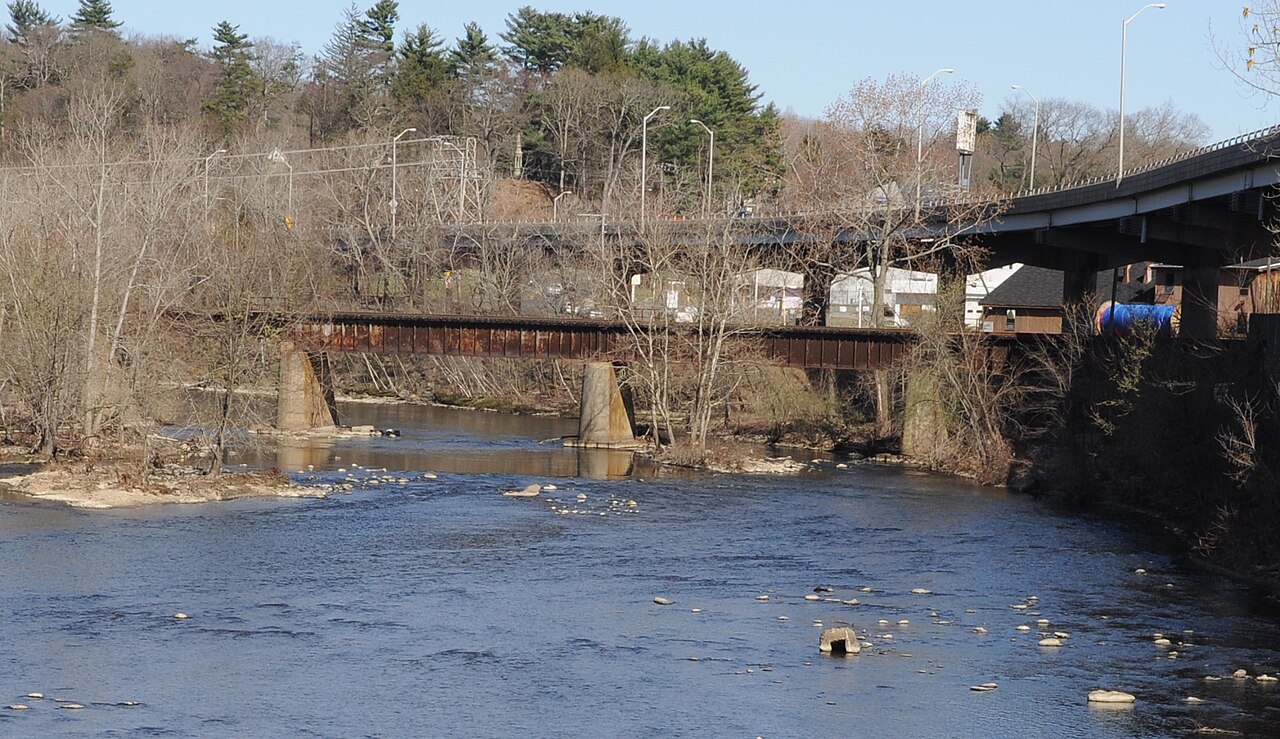
Naugatuck River
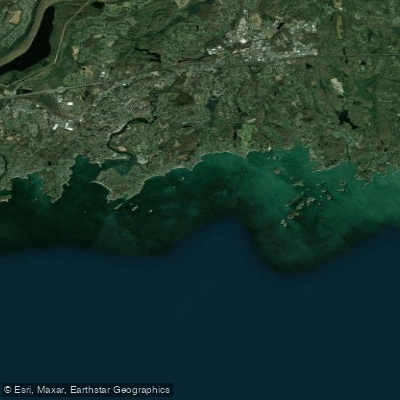
The Thimbles
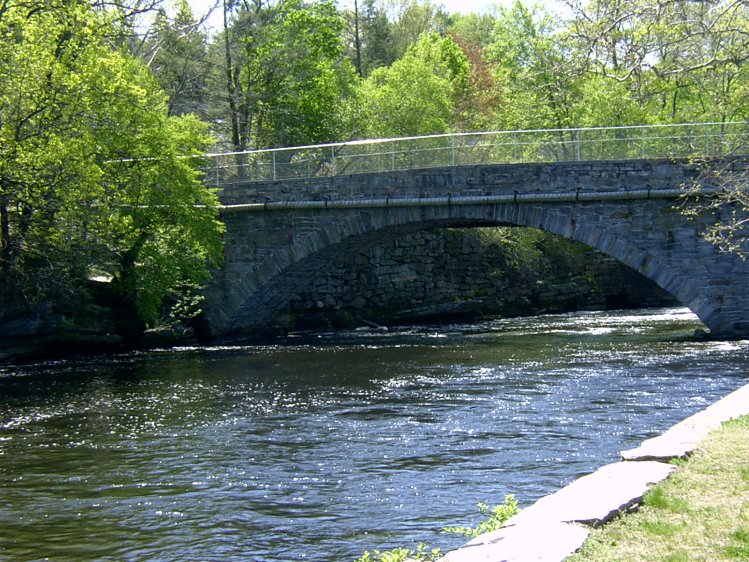
Willimantic River
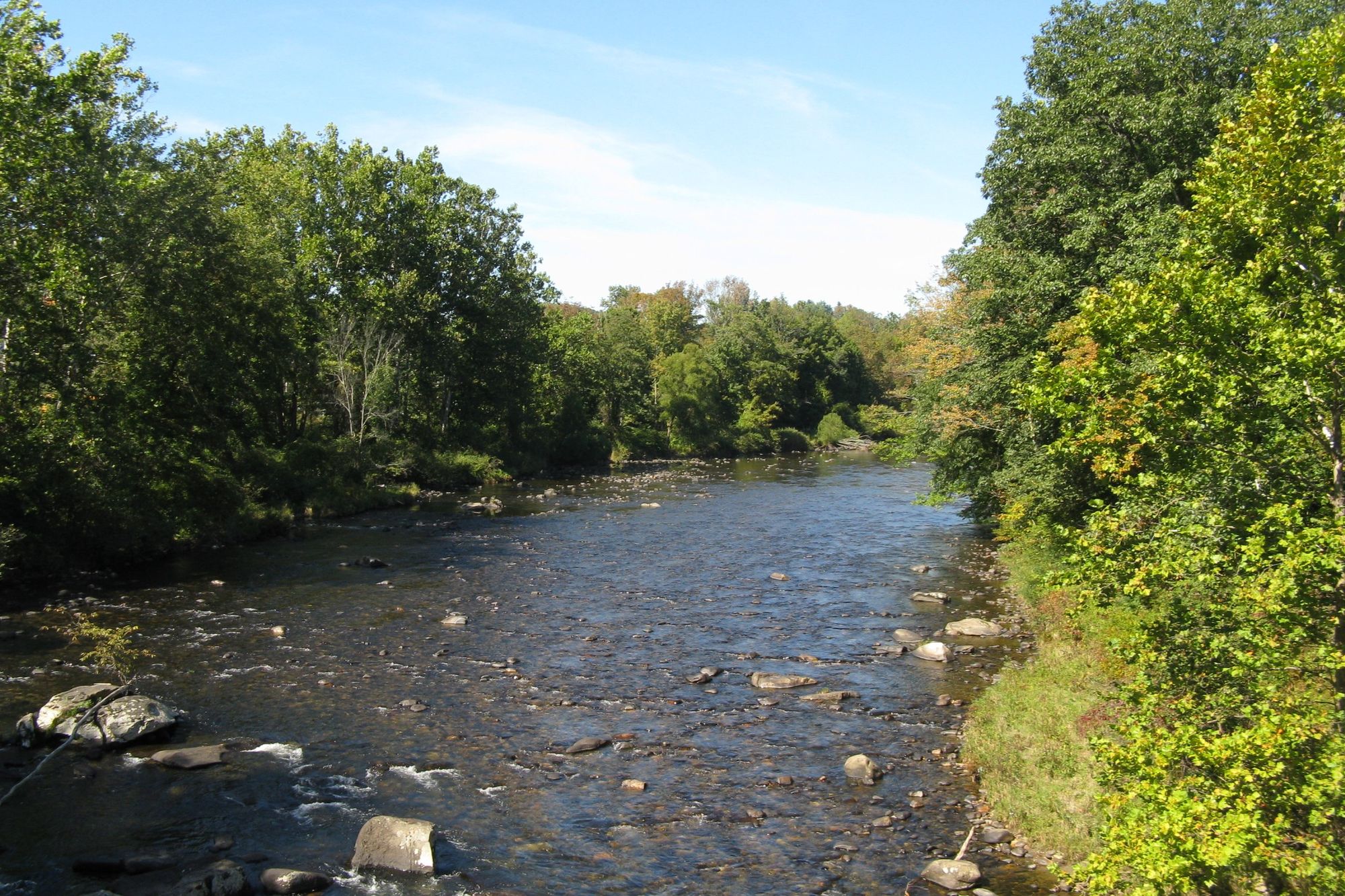
Westfield River
Paper Rock Shoal
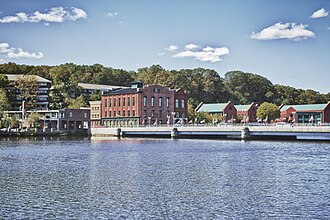
Saugatuck River
What to know
Habitat Distribution
- Present in almost all of Connecticut's lakes, ponds and larger streams.
- Prefer moderate to heavy vegetation in still waters and slow-moving streams, requiring sandy or gravelly shallows for reproduction.
Key Locations
- Found throughout Connecticut's water bodies.
Specific Spots
- Target areas with aquatic vegetation, submerged brush, lily pads, fallen trees, and protective cover in lakes and ponds.
- Larger fish may be found slightly offshore in 10-14 feet of water near tall vegetation or dropped structures.
Pumpkinseed FAQ
Answers from onWater's species guide.
What are the best lures and bait for Pumpkinseed in Connecticut?
Worms are the most effective bait. Small jigs and soft plastics on weighted jig heads.
What flies work for Pumpkinseed in Connecticut?
Popping bugs in red, white, black, or yellow colors, plus nymph flies and spiders. Small panfish-sized poppers (size 12 or smaller) with dropper nymph or wet fly.
When is the best time to fish for Pumpkinseed in Connecticut?
Avoid the spawning period from May through August. During hot months, still fishing and baitcasting work well.
How do you catch Pumpkinseed in Connecticut?
Simple rigs with bobber fishing, still fishing, baitcasting. For fly fishing, use the 'pop-and-drop' technique - use a small panfish-sized popper (size 12 or smaller) with a dropper nymph or wet fly suspended beneath it. Longer casts may be required for larger fish.
What do Pumpkinseed eat?
They're carnivorous, feeding on insects, small molluscs, crustaceans, worms, minnow fry, small frogs, tadpoles, and are particularly effective at consuming mosquito larvae.
Fish smarter with real-time insights
Whether you're en route and conditions shift or you're looking for the best spot based on current flows, we enable you to make informed decisions on the fly.




See it in the app
Most maps show you water.
onWater shows you Pumpkinseed.



- 01 · Species map filter
Map every Pumpkinseed water
Pick Pumpkinseed and the map zeroes in on the waters they call home. No more guessing which lake holds them.
- 02 · Waterbody species
Tap any water. See what lives there.
Species, behavior and seasonal patterns for every lake, river and pond, before you leave the driveway.
- 03 · Angler Intelligence
Ask how to catch Pumpkinseed
Tactics, gear and timing from onWater's AI fishing guide, tuned to the species and the water you're on.
Stop guessing where Pumpkinseed are.
Open the map, filter by Pumpkinseed, and head to water that holds them. Download onWater and plan your next trip in minutes.
- Species map filter
- Angler Intelligence
- Fishing journal
Explore other species
Trout, bass, salmon, panfish and everything in between. Each guide unpacks the behavior, seasons, and tactics that put fish in the net.
No species information available.
Connecticut licenses and regulations
Explore nearby waters
Explore Connecticut waters
Top fishing waters
Popular Cities
Loading popular cities...

Smarter Fishing Starts in the App.
onWater Fish gives you everything you need to plan smarter, fish better, and own every trip from first cast to last.