Tiger Trout

Tiger Trout in Connecticut are sterile hybrids created by crossing male brook trout with female brown trout, produced through specialized heat shocking techniques at state hatcheries.
They exhibit hybrid vigor, making them more aggressive and faster-growing than either parent species, with voracious and indiscriminate feeding habits. Tiger trout are stocked in Connecticut to support sport fisheries and control rough fish populations.
- They display distinctive reticulated or 'confused' patterns of light and dark markings on their back and sides, with brownish or olive darker markings and tan, greenish, or yellowish lighter markings.
- Lower flanks typically show a russet hue, resembling brook trout patterns but much more vivid, though they lack the iconic blue halo spots of adult brook trout.
- These aggressive predators average 10-16 inches but commonly reach 2-5 pounds, with potential to exceed 20 pounds - Connecticut's state record is 7.1 pounds at 24.5 inches.
Fishing in Connecticut

Connecticut River

Farmington River

North Atlantic Ocean

Housatonic River

Naugatuck River

The Thimbles

Willimantic River
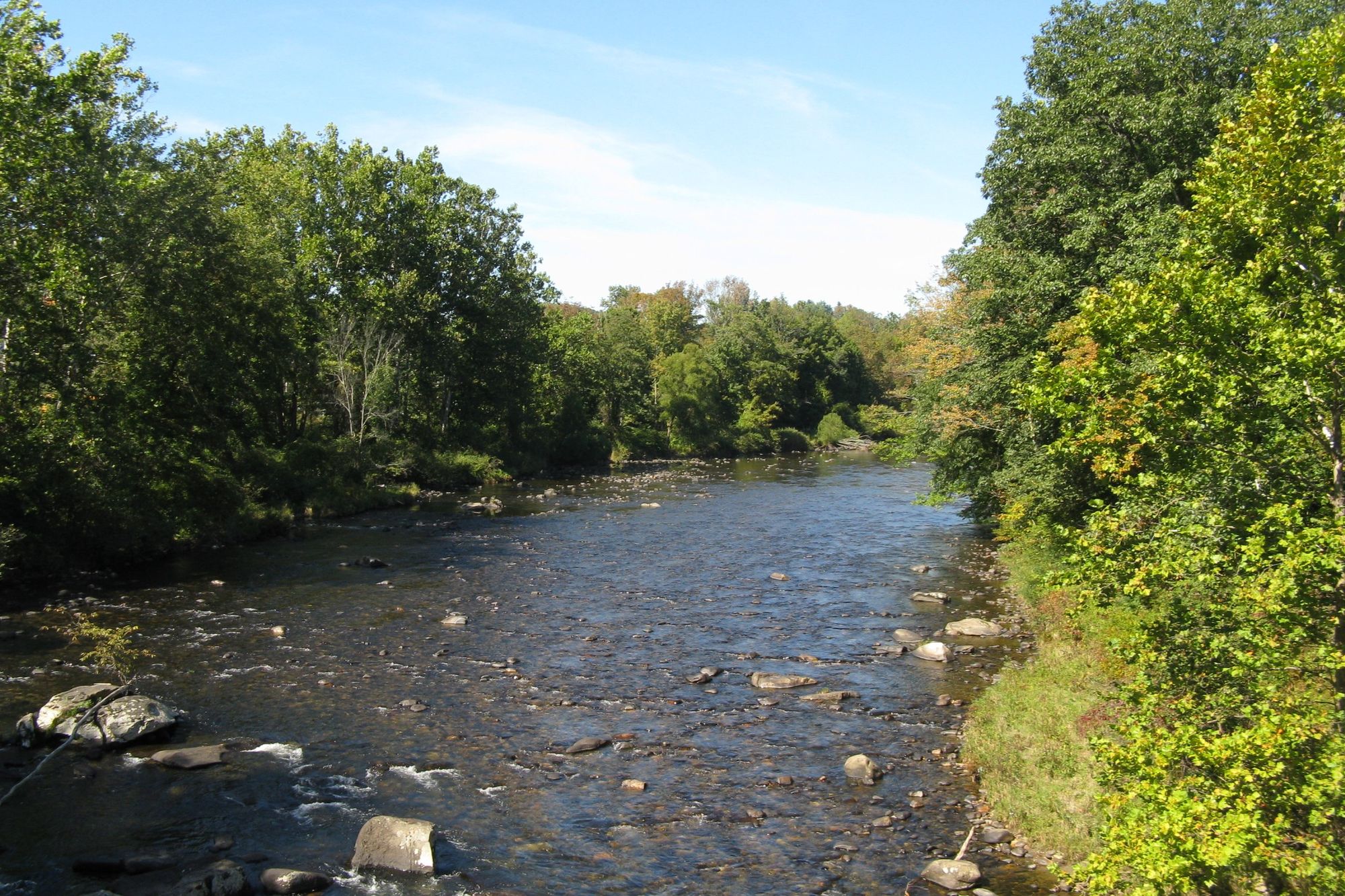
Westfield River

Paper Rock Shoal

Saugatuck River
What to know
Habitat Distribution
- Wild tiger trout occur sporadically throughout Connecticut wherever brook and brown trout coexist, but are never common.
- Found in the same habitats as brook, brown, and rainbow trout across rivers, streams, lakes, and ponds.
Key Locations
- Black Rock State Park, various Trout Parks, and numerous lakes and rivers tracked on Connecticut's Interactive Trout Map.
- Most tigers encountered by anglers are stocked fish from Connecticut's three hatcheries, primarily the Quinebaug Valley State Fish Hatchery in Plainfield.
Specific Spots
- Their preferences are intermediate between brown and brook trout, favoring current edges, rock and boulder pockets, undercut banks, and areas with overhanging trees.
- Target areas with current breaks, deep pools, undercut banks, and structure where tigers can ambush prey.
Tiger Trout FAQ
Answers from onWater's species guide.
What are the best lures and bait for Tiger Trout in Connecticut?
Small spoons, spinners (especially Roostertails in firetiger, rainbow, and brown trout patterns), jigs, earthworms, mealworms, live shiners, and cured fish roe.
What flies work for Tiger Trout in Connecticut?
For young tigers: small nymphs and dry flies, with beadhead nymphs particularly productive, generic dry flies. For mature tigers: streamers - simple woolly buggers, leech patterns, sculpin imitations, and large nymph patterns.
When is the best time to fish for Tiger Trout in Connecticut?
Tiger trout fishing in Connecticut peaks during spring (April-June) when water temperatures are ideal, though they can be caught year-round.
How do you catch Tiger Trout in Connecticut?
Fish early morning and late afternoon from shore, or try trolling from boats. Use aggressive retrieves. Target areas with current breaks, deep pools, undercut banks, and structure where tigers can ambush prey.
What do Tiger Trout eat?
Young tigers feed on aquatic insects, but as adults become almost entirely piscivorous, feeding on smaller baitfish.
Fish smarter with real-time insights
Whether you're en route and conditions shift or you're looking for the best spot based on current flows, we enable you to make informed decisions on the fly.




See it in the app
Most maps show you water.
onWater shows you Tiger Trout.



- 01 · Species map filter
Map every Tiger Trout water
Pick Tiger Trout and the map zeroes in on the waters they call home. No more guessing which lake holds them.
- 02 · Waterbody species
Tap any water. See what lives there.
Species, behavior and seasonal patterns for every lake, river and pond, before you leave the driveway.
- 03 · Angler Intelligence
Ask how to catch Tiger Trout
Tactics, gear and timing from onWater's AI fishing guide, tuned to the species and the water you're on.
Stop guessing where Tiger Trout are.
Open the map, filter by Tiger Trout, and head to water that holds them. Download onWater and plan your next trip in minutes.
- Species map filter
- Angler Intelligence
- Fishing journal
Explore other species
Trout, bass, salmon, panfish and everything in between. Each guide unpacks the behavior, seasons, and tactics that put fish in the net.
No species information available.
Connecticut licenses and regulations
Explore nearby waters
Explore Connecticut waters
Top fishing waters
Popular Cities
Loading popular cities...

Smarter Fishing Starts in the App.
onWater Fish gives you everything you need to plan smarter, fish better, and own every trip from first cast to last.