Fishing in Virginia
- Lakes
- 1,162
- Rivers
- 7,294
- Access
- 530
- Boat Ramps
- 389
- Shops
- 68
Virginia covers more fishing ground than most anglers give it credit for.
In a single day you can wade a headwater brook trout stream in Shenandoah National Park and be casting to 50-pound blue catfish in the tidal James by evening, and the state's fishing identity lives in the tension between those two extremes.
The cultural heartbeat is the spring shad run. Hickories show up on the James and Rappahannock in early to mid-March when water temperatures climb toward 50 degrees, with American shad following into a peak that runs mid-April through May.
Fly anglers here organize their springs around it the way Western anglers organize around the salmonfly.
Keep in mind Americans are under a statewide moratorium — release all of them — and because you're fishing anadromous species in tidal water, you'll need to register with VMRC's Fisherman Identification Program on top of your regular license.
The Shenandoah system is the piece of Virginia fishing that gets undersold outside the Mid-Atlantic. DWR electrofishing has clocked 85 smallmouth per hour on the South Fork, and a good summer float can legitimately mean 50 to 100 fish.
The season runs April through mid-October, with topwater peaking in May and June and cicada and damselfly sight-fishing carrying through summer into fall.
Shops like Murray's in Edinburg and Mossy Creek Fly Fishing in Harrisonburg have built decades around this water. Access is almost entirely float-based — the mainstem has just four DWR sites, and nearly all the riparian land is private.
Trout fishing is more complicated than the raw 2,900 miles of wild water suggests.
The Jackson River tailwater below Gathright Dam runs 18 miles with wild browns and rainbows, caddis and mayfly hatches spring through fall, and heavy spring flows that bring out streamer anglers hunting big browns.
But the Jackson is also the state's cautionary tale: the Kraft v. Burr ruling gave pre-Revolutionary King's Grant landowners ownership of certain riverbeds, closing about three miles to wading. You can float through. You cannot step out.
Mossy Creek, a fly-only limestone spring creek in the Shenandoah Valley, solves that problem differently — four public miles open through a DWR-TU-landowner partnership, with a free permit you pull off the DWR website before you go.
Hoppers in July through September are the event there.
And in Shenandoah National Park, the regulation flips the usual ethic: brown trout caught in park streams must be removed, not released, to protect native brookies in the Rapidan, Hughes, Rose, Jeremy's Run and the rest of the headwater network.
The blue cats are the paradox no one has resolved. Stocked in 1974, now world-record-capable, simultaneously a tournament draw on the tidal James and a predator VIMS is raising alarms about. The York and Rappahannock allow unlimited harvest.
Eat what you catch; it helps.
Top waters to fish near Virginia
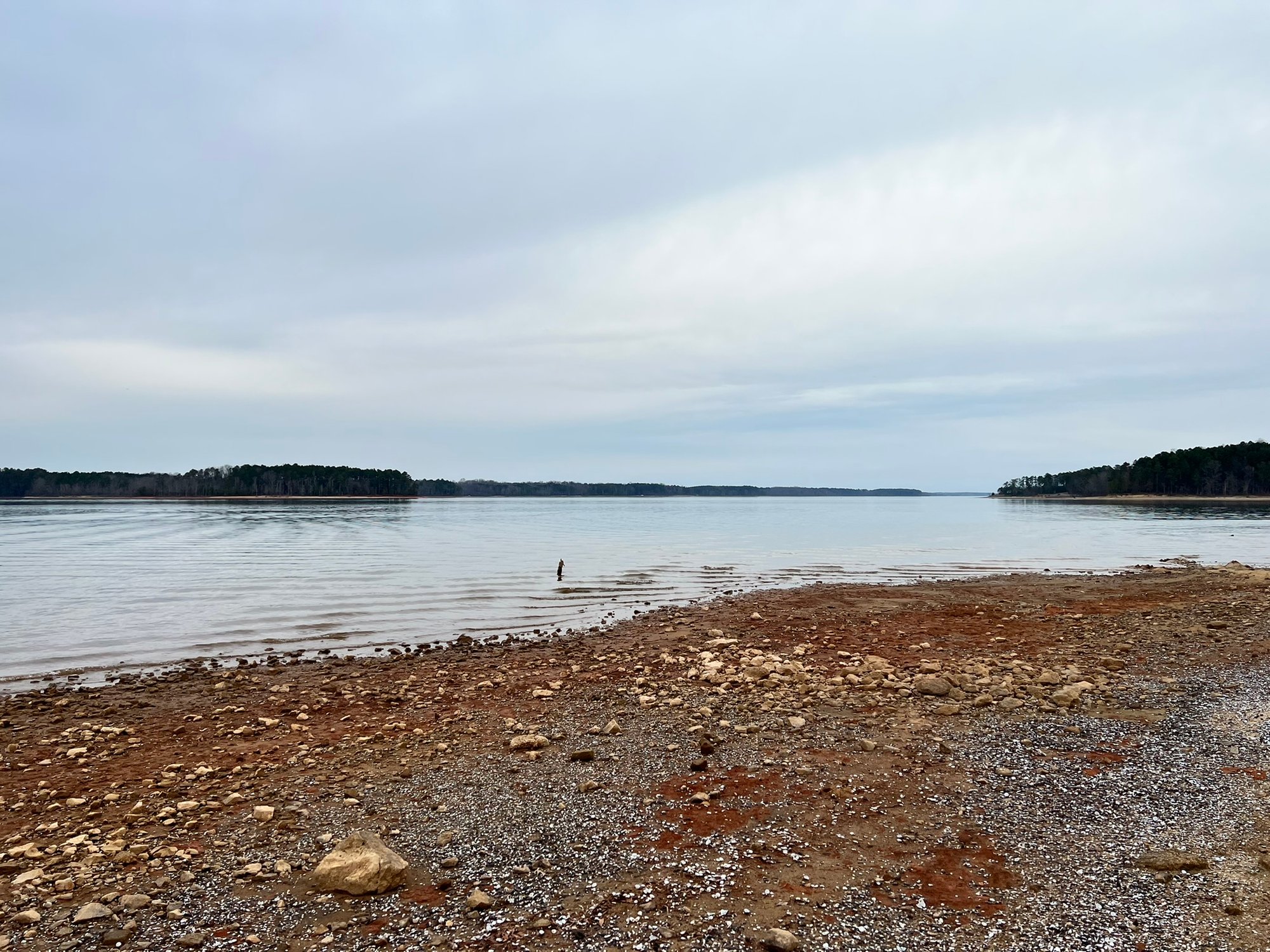
John H. Kerr Reservoir
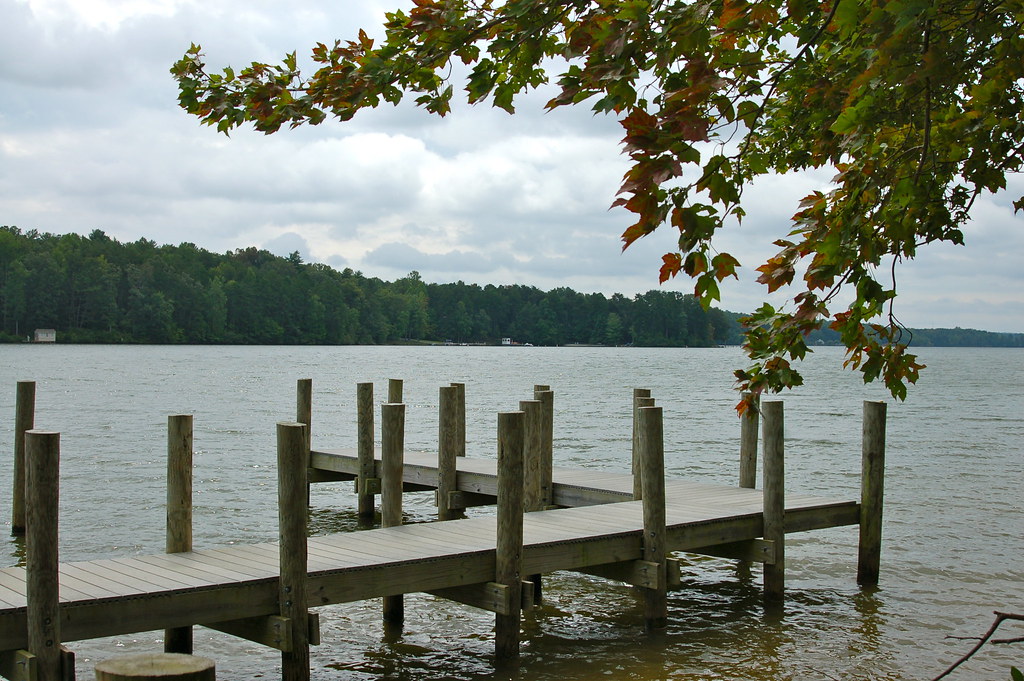
Lake Anna
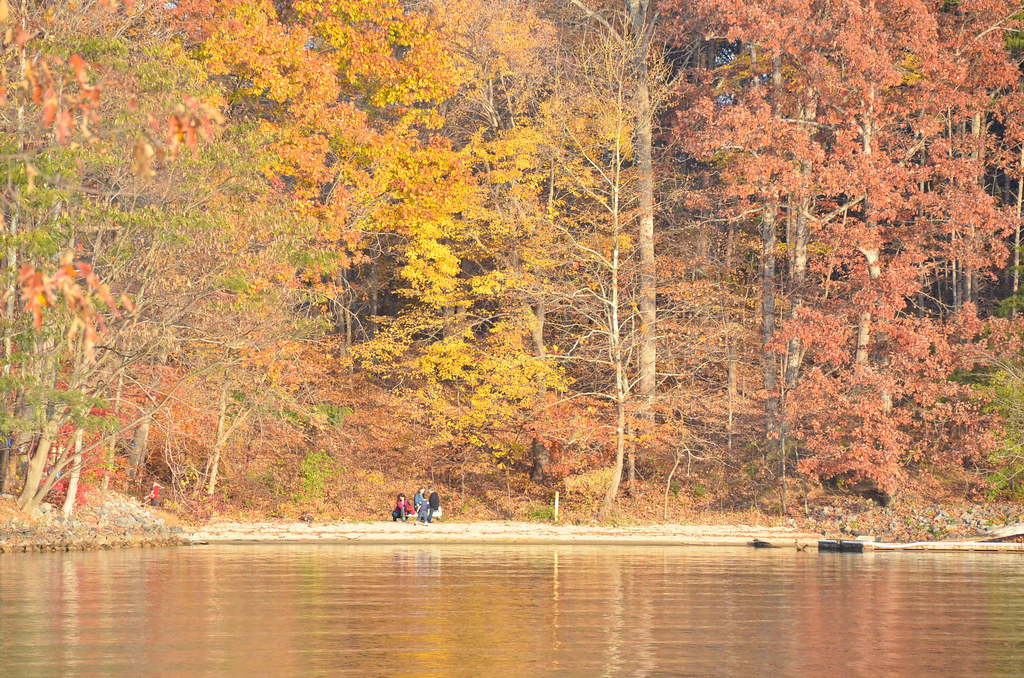
Smith Mountain Lake
Lake Gaston
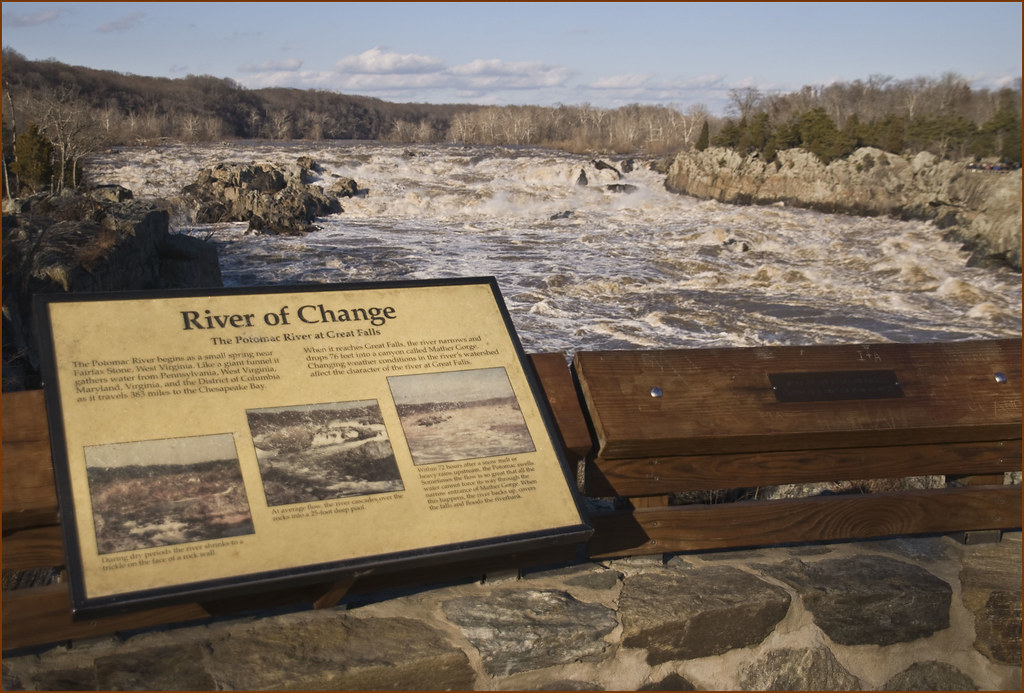
Potomac River
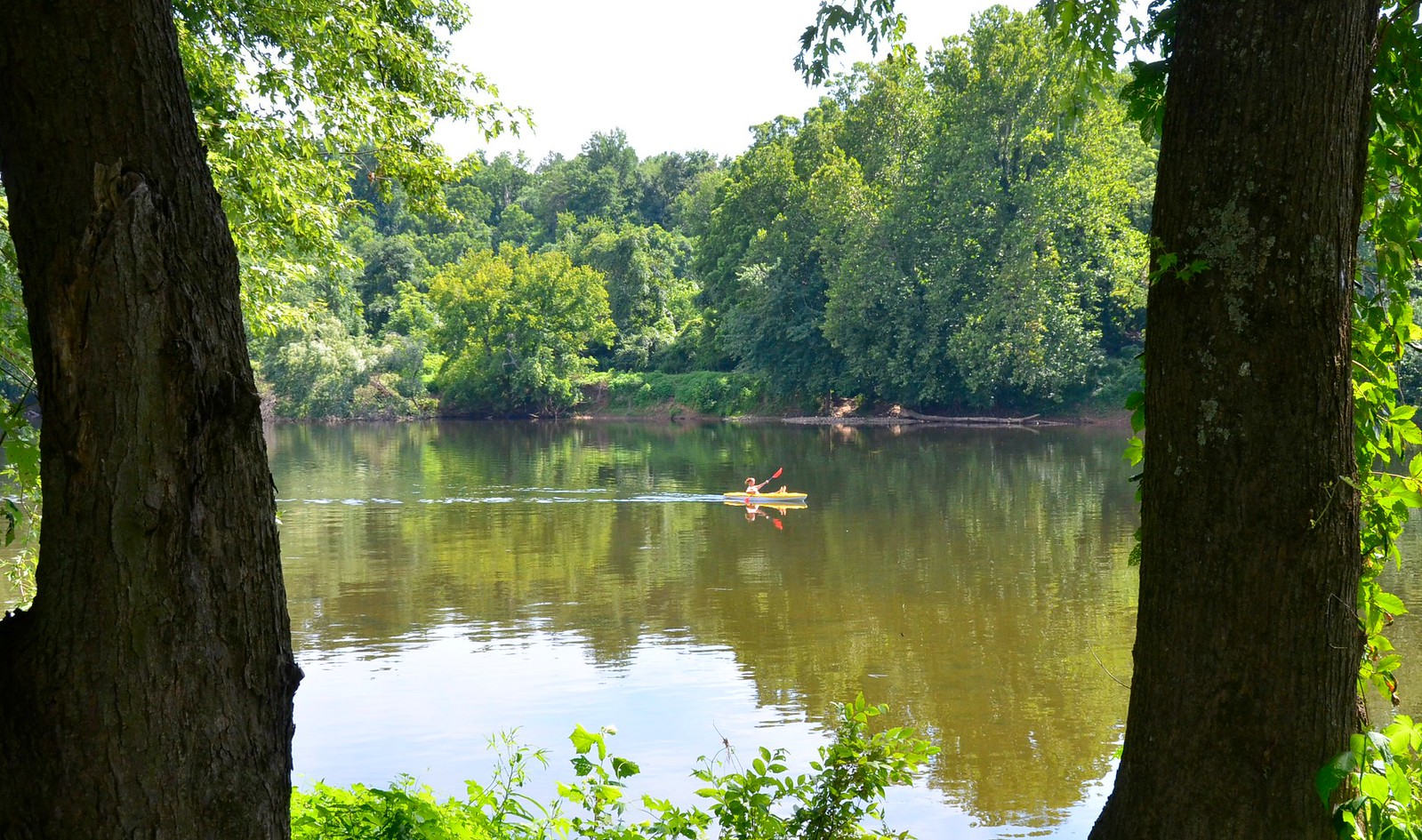
James River
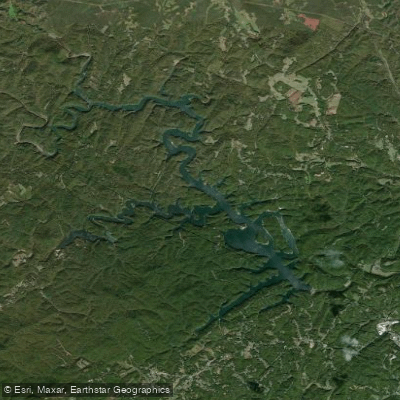
Philpott Lake
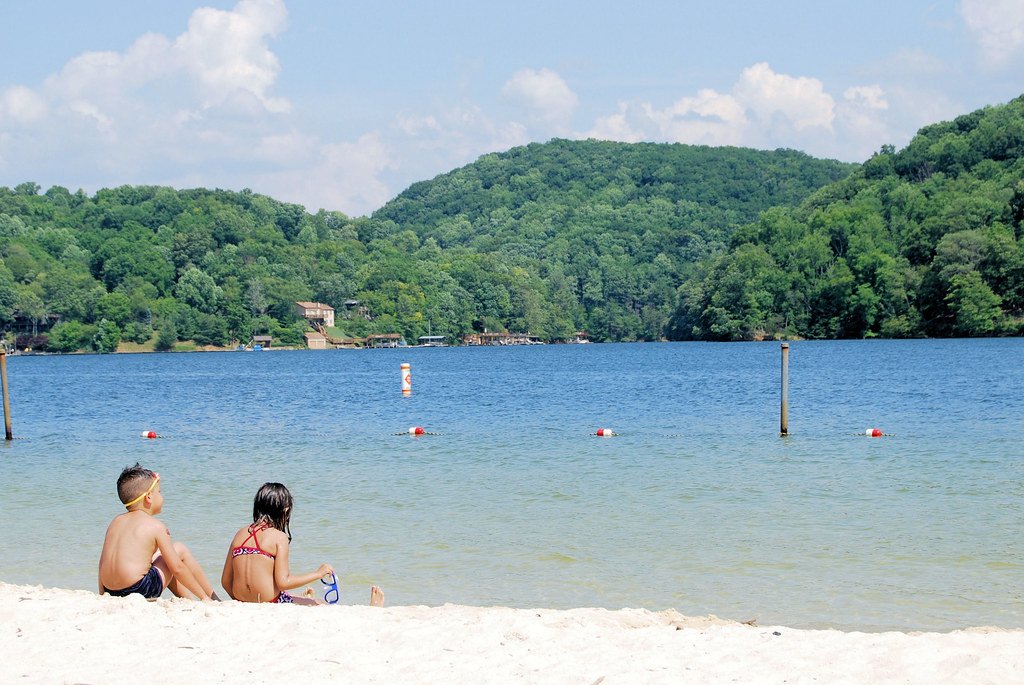
Claytor Lake
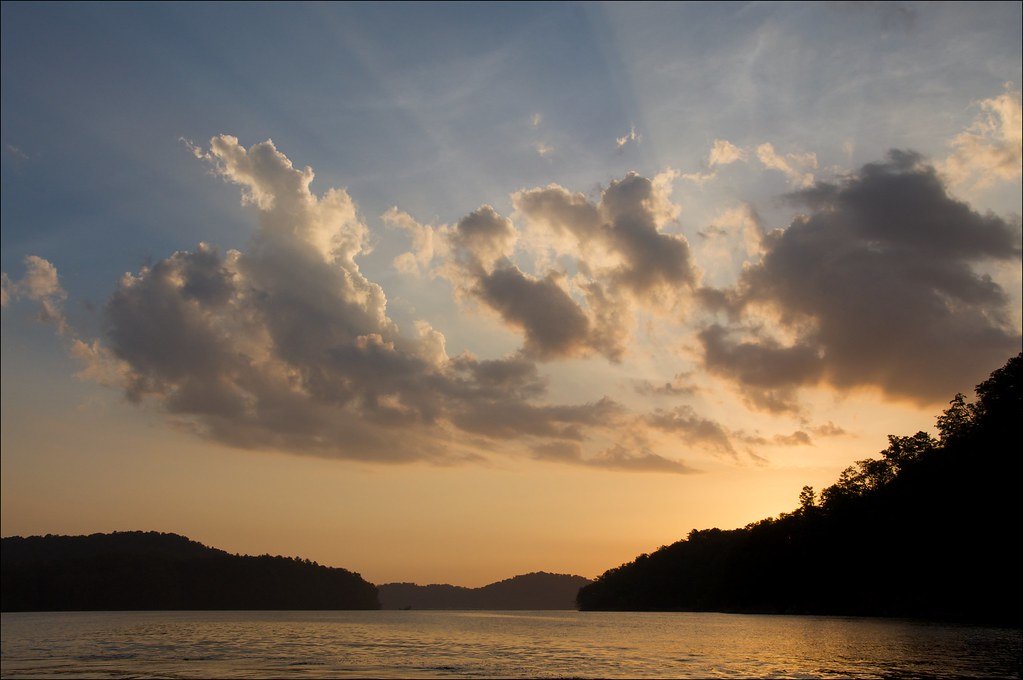
South Holston Lake
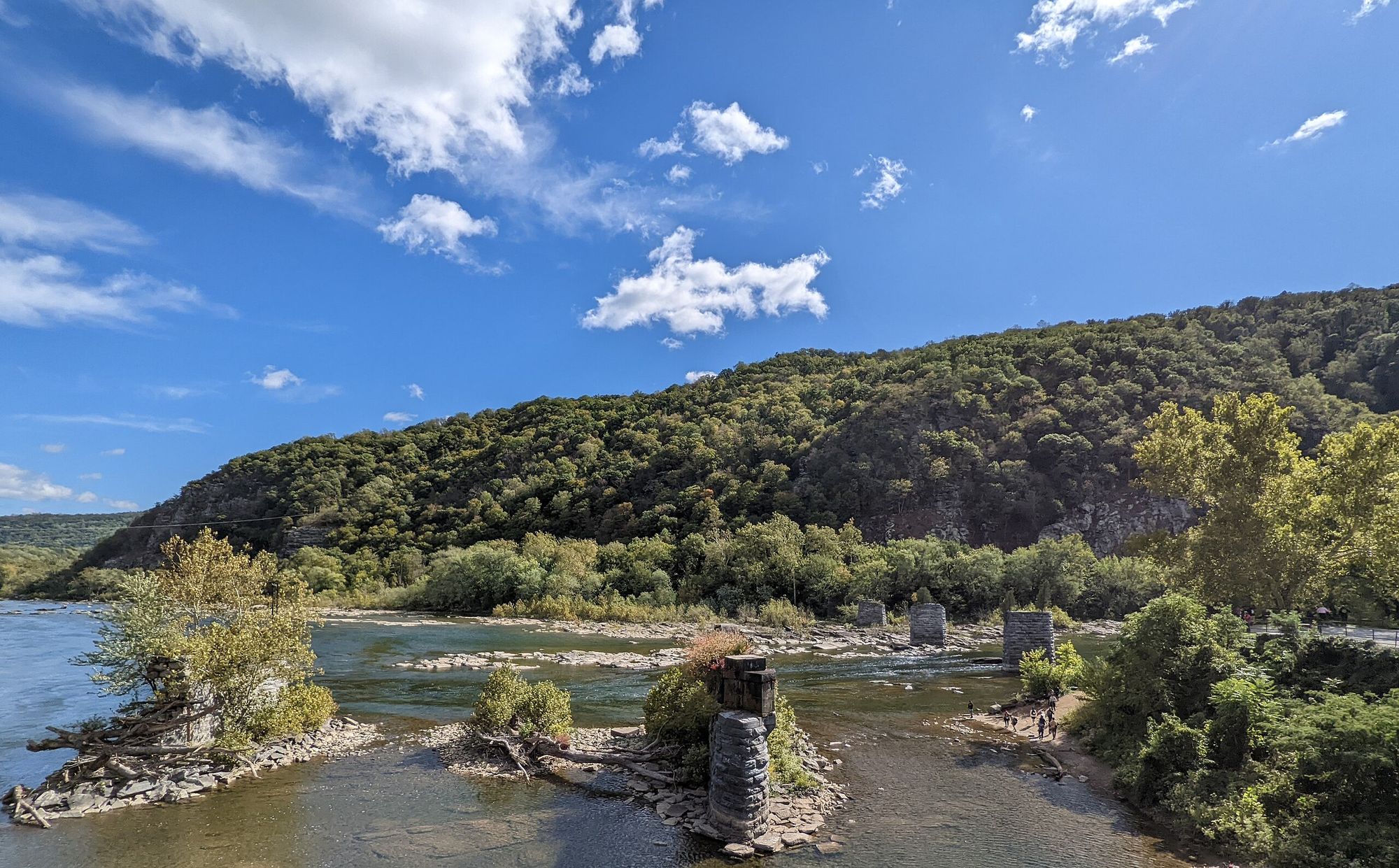
Shenandoah River
Species & education
Learn what type of fish are in Virginia and what's needed to catch them.

Find which waters have the species you want to catch

Largemouth Bass
Micropterus salmoides

Smallmouth Bass
Micropterus dolomieu

Rainbow Trout

Brown Trout

Brook Trout
Salvelinus fontinalis

Northern Pike
Esox lucius

Muskellunge

Walleye
Sander vitreus

Black Crappie
Pomoxis nigromaculatus

Alewife
Alosa pseudoharengus

American Eel
Anguilla rostrata

American Shad
Alosa sapidissima

Atlantic Croaker
Micropogonias undulatus

Atlantic Sturgeon
Acipenser oxyrinchus oxyrinchus

Black Bullhead
Ameiurus melas

Black Drum
Pogonias cromis

Blacknose Dace
Rhinichthys atratulus

Blue Catfish
Ictalurus furcatus

Bluefish
Pomatomus saltatrix

Bowfin
Amia calva

Brown Bullhead
Ameiurus nebulosus

Chain Pickerel
Esox niger

Channel Catfish
Ictalurus punctatus

Cobia
Rachycentron canadum

Common Carp
Cyprinus carpio

Creek Chub
Semotilus atromaculatus
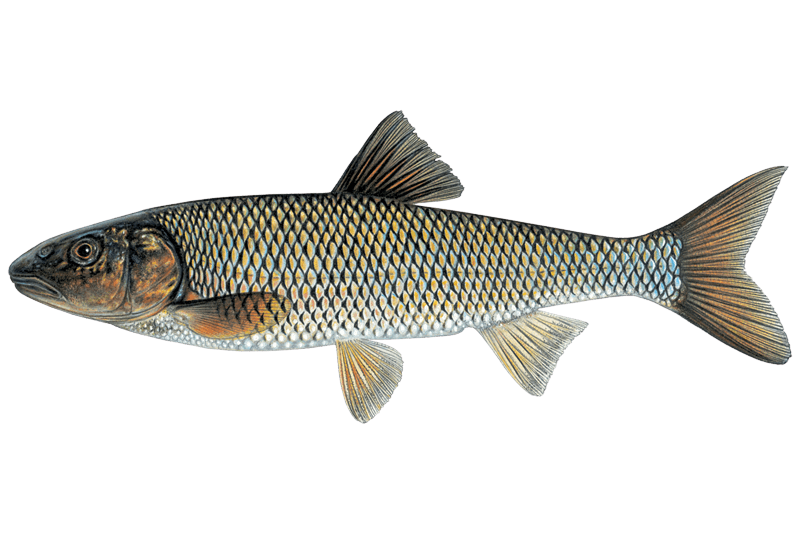
Fallfish
Semotilus corporalis

Flathead Catfish
Pylodictis olivaris

Flier
Centrarchus macropterus

Freshwater Drum
Aplodinotus grunniens

Gizzard Shad
Dorosoma cepedianum
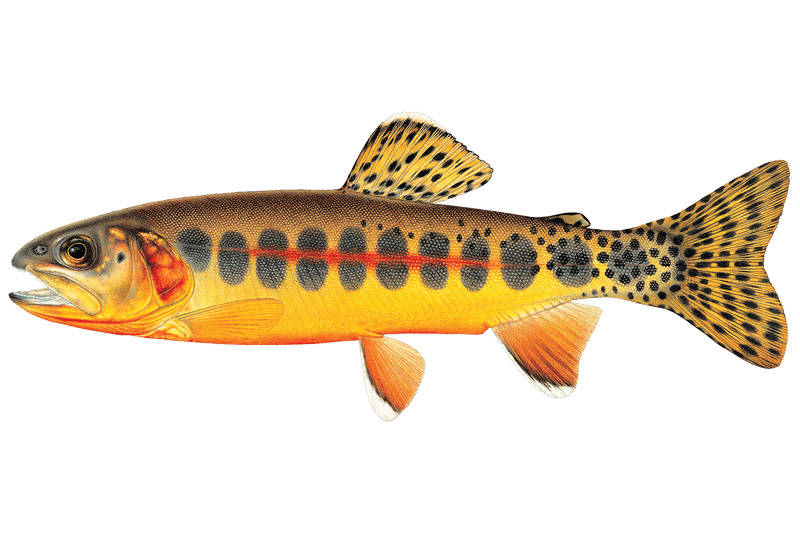
Golden Trout

Grass Carp
Ctenopharyngodon idella

Green Sunfish
Lepomis cyanellus

Hickory Shad
Alosa mediocris

Longear Sunfish
Lepomis megalotis

Longnose Gar
Lepisosteus osseus

Northern Hogsucker
Hypentelium nigricans
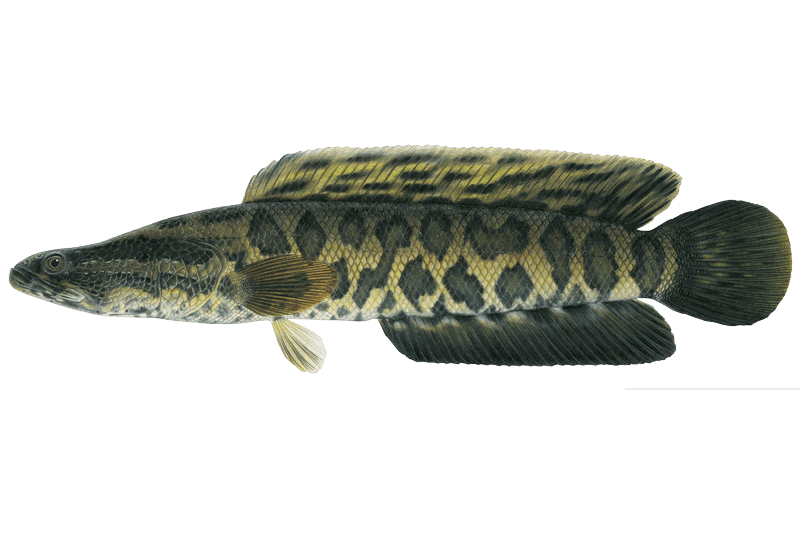
Northern Snakehead
Channa argus
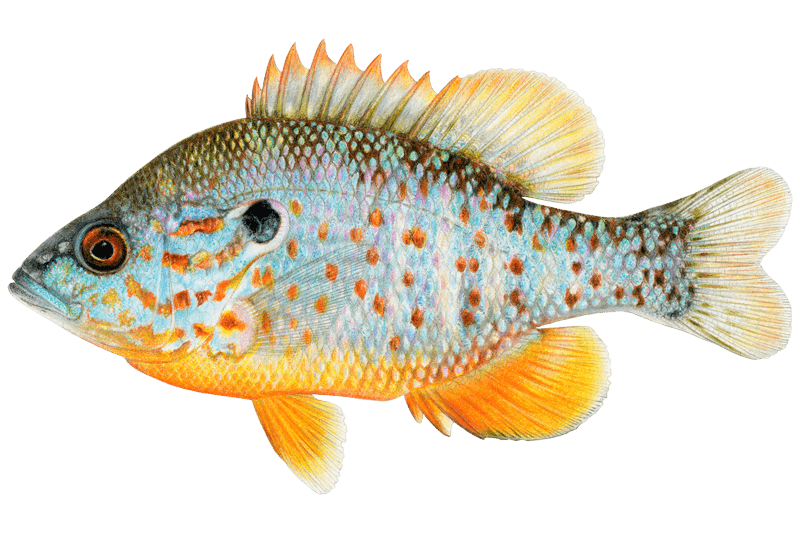
Orangespotted Sunfish
Lepomis humilis
Fishing guides in Virginia
Book a trip with a local fishing guide through Guidesly.


Preston Hukill
Puttin’n Sportsfishing
5.0 (10 reviews)
Top Virginia Beach Inshore Fishing Charters!
Book on Guidesly, opens in new tab
Greg Allman
Earning Stripes Sportfishing
5.0 (9 reviews)
Explore Cape Charles Fishing With A Local Expert!
Book on Guidesly, opens in new tab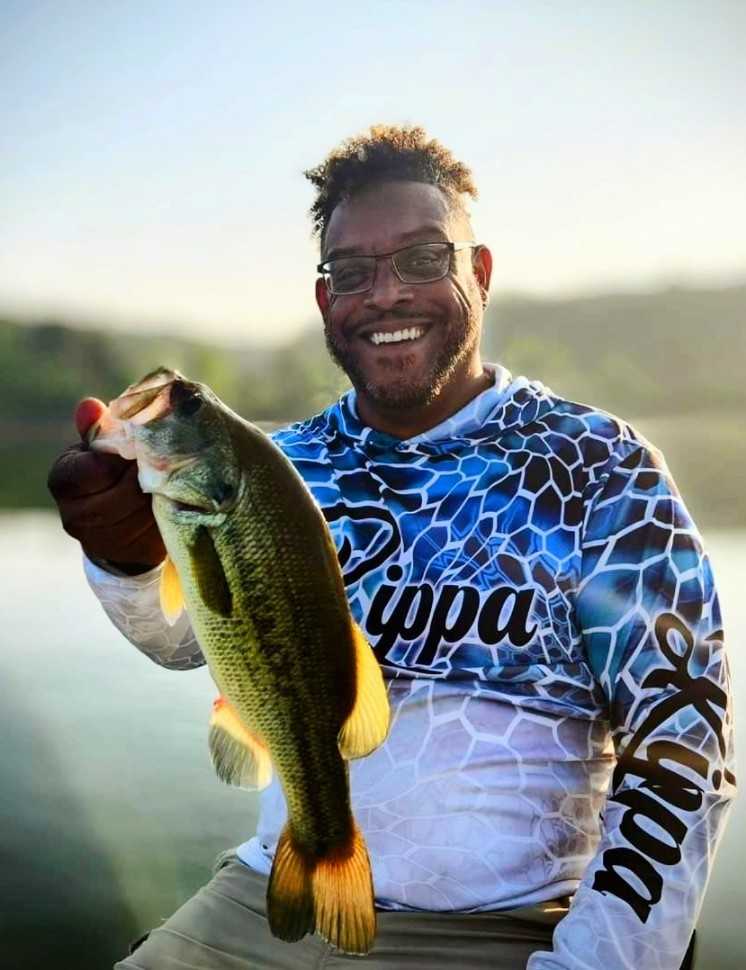
Kris Johnson
Kj's Outdoor Adventures
5.0 (8 reviews)
Book The Best Charter Fishing in Virginia Today!
Book on Guidesly, opens in new tab
Mike Lintzenich
FIN-ATIC Sport Fishing
5.0 (3 reviews)
Chesapeake Bay fishing at its finest with FIN-ATIC
Book on Guidesly, opens in new tab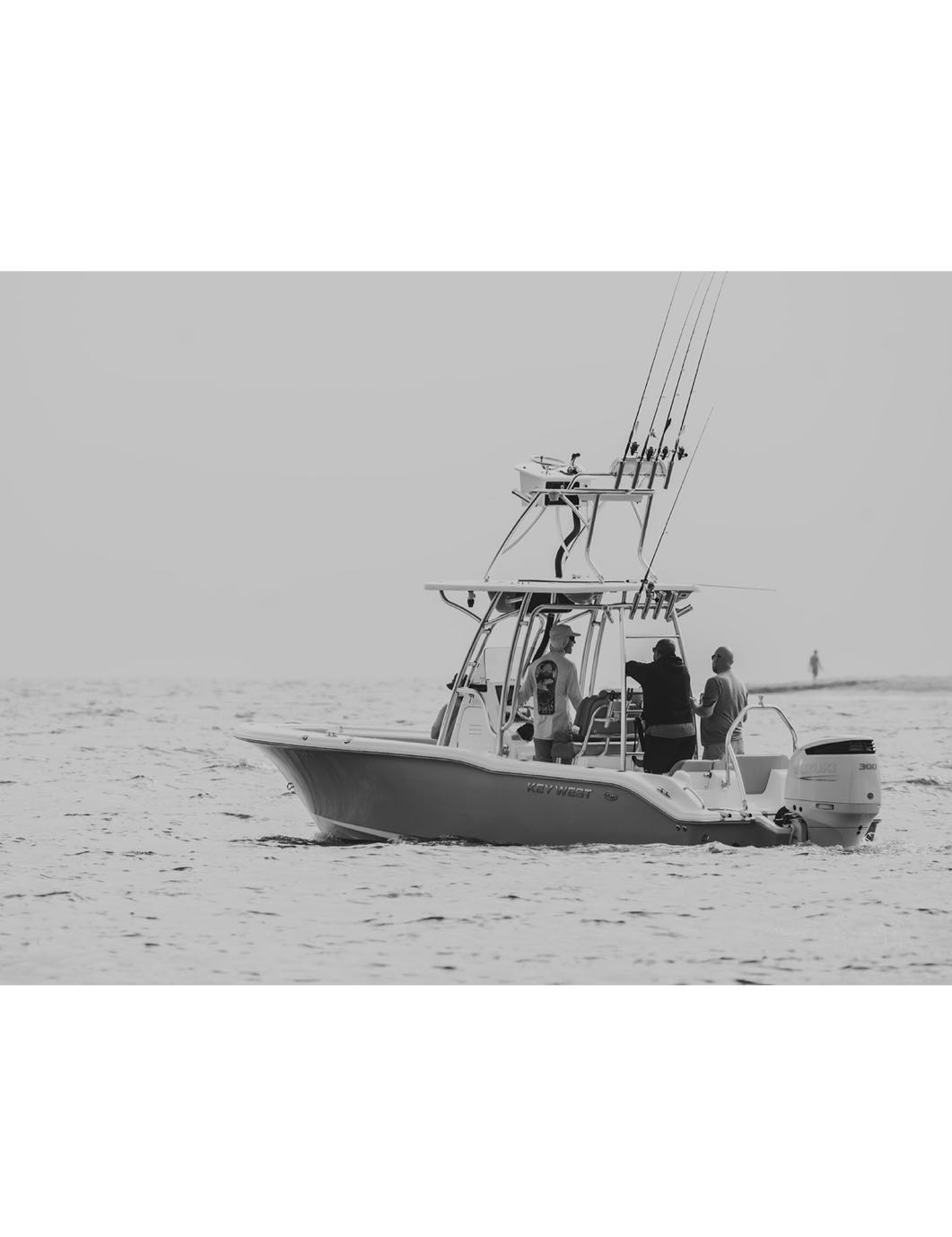
Kaleb Underwood
Nauti Dog Sportfishing
5.0 (3 reviews)
Virginia Beach Fishing Charters
Book on Guidesly, opens in new tab
Pat Foster
Alanna Kay Sportfishing
5.0 (2 reviews)
Virginia Beach Fishing Adventures Awaits
Book on Guidesly, opens in new tab
Fish smarter with real-time insights
Whether you're en route and conditions shift or you're looking for the best spot based on current flows, we enable you to make informed decisions on the fly.







Virginia licenses and regulations

Virginia Boating Regulations
When using any type of watercraft to access a body of water, it is important to follow all federal, state, and local rules and regulations. These rules and regulations include boat permitting and licensing, invasive species inspections and stamps, life jacket and PFD rules, motor size and horsepower restrictions, noise limitations, restrictions on personal watercraft, and many more. Visit the web link below for the most current rules and regulations for this body of water.

Virginia Stream Access Laws
Virginia uses a strict navigable in fact test, where waterways must be capable of commercial trade and travel in their natural condition and public access is limited where navigable waters border private land. The state law isn’t fully developed and is arguably stricter than the federal title test. While state law is confusing and hasn’t been friendly to public access in the past, a 2015 court case opened up 14 rivers to public use that were previously off limits.

Virginia Fishing License
A Virginia fishing license is required for residents and non-residents, age 16 and over.

Virginia Fishing Regulations
This river has a variety of species and regulations, including potential floating and/or watercraft restrictions. Because this river is specially managed for species, seasons, angling methods, and watercraft, it is strongly encouraged you check all federal, state, and local regulations before fishing. Visit any of the links below, inquire locally, or contact a local fly shop to learn current regulations and restrictions.
National parks in Virginia

Smarter Fishing Starts in the App.
onWater Fish gives you everything you need to plan smarter, fish better, and own every trip from first cast to last.