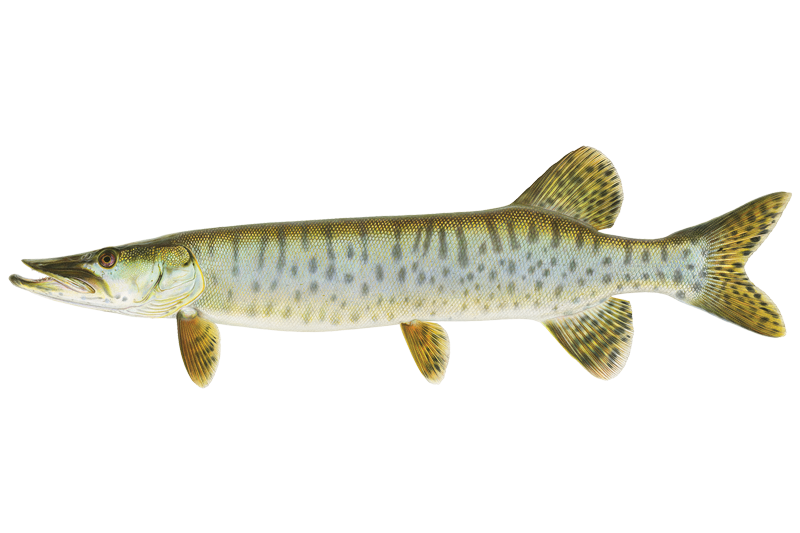
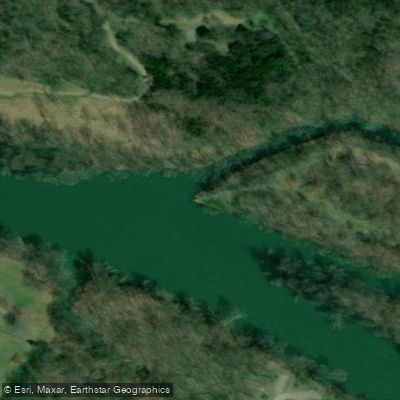
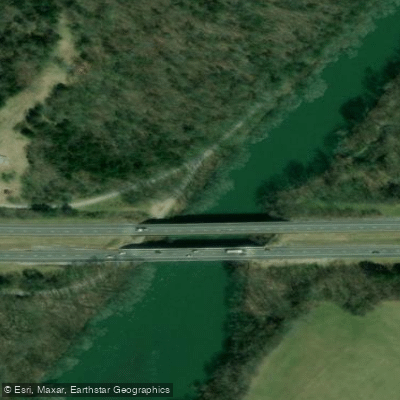
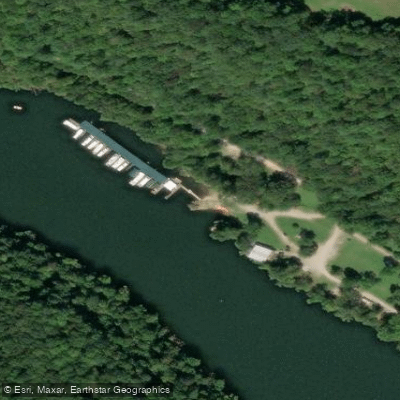
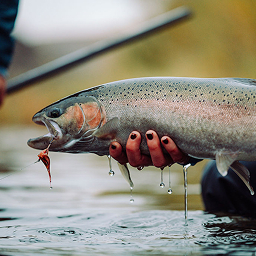
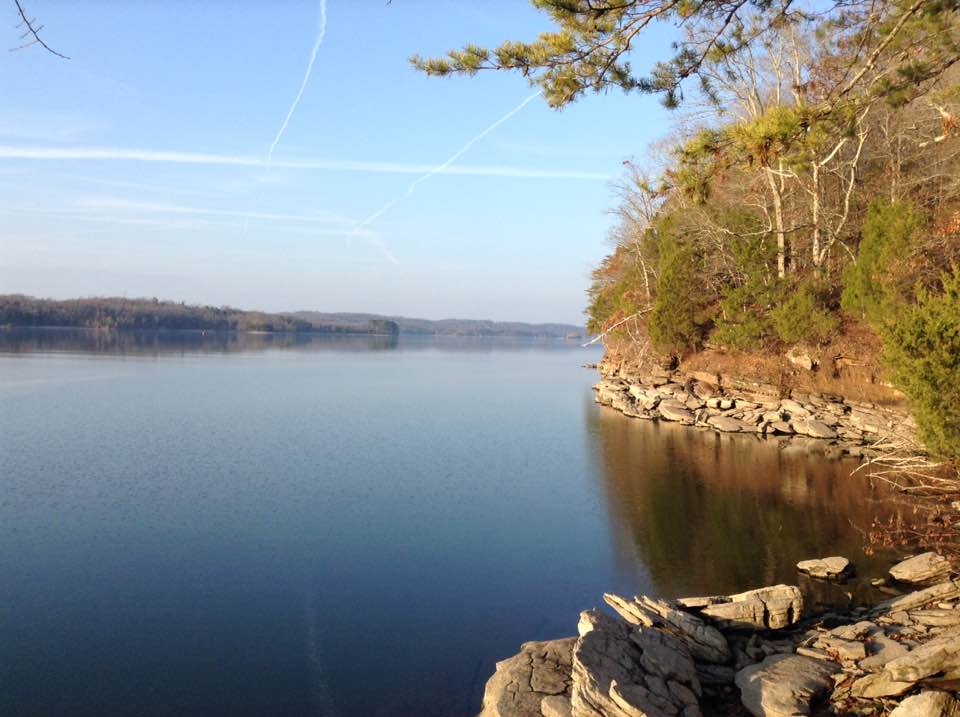
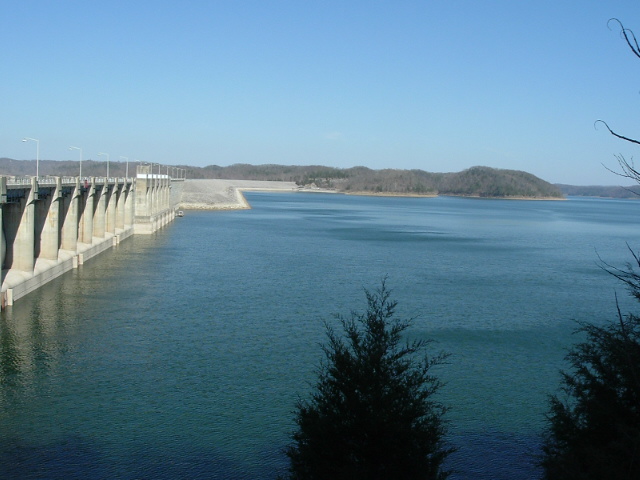
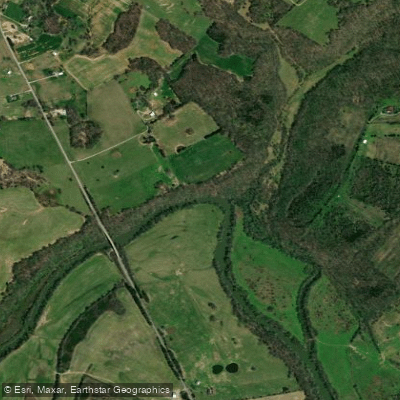
The Caney Fork flows approximately 140 miles through central Tennessee, beginning as a small stream near Crossville and eventually joining the Cumberland River. This tributary system passes through Cumberland, Van Buren, White, Warren, DeKalb, Putnam, and Smith Counties before reaching its confluence. The river's character changes dramatically along its course, with two major impoundments—Great Falls Dam and Center Hill Dam—dividing it into distinct sections. Above Center Hill Lake, the upper Caney Fork and its tributaries support warm water species and have been stocked with muskellunge, including the Collins and Calfkiller rivers. However, the most renowned section for anglers lies below Center Hill Dam, where cold, oxygen-rich water released from the reservoir's depths creates exceptional tailwater trout fishing for the next 16 miles downstream. The river ranges 20-30 yards wide through most of the tailwater section, with varying depths and flow speeds dependent on dam releases. The Tennessee Wildlife Resources Agency stocks over 100,000 trout annually in this tailwater section, establishing it as one of the premier trout fisheries in Tennessee. Trophy-class fish measuring five to seven pounds are regularly caught, making this a destination for anglers seeking substantial trout.