Skipjack Herring
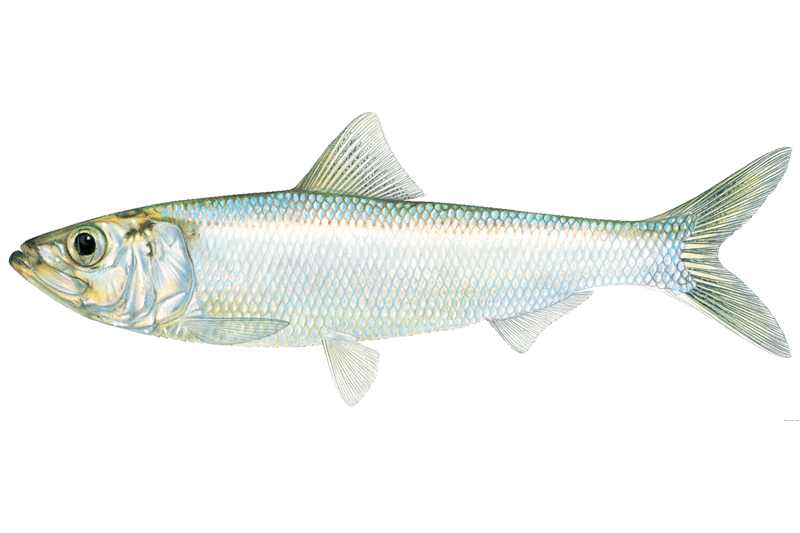
Skipjack Herring is a highly migratory North American freshwater fish found throughout Tennessee's river systems and reservoirs.
These streamlined, silver-sided fish are renowned for their spectacular leaping ability while feeding, which gives them their common name. They're strongly schooling fish that migrate extensively within river systems.
They serve as crucial forage for trophy striped bass and large catfish, making them highly valued as live bait.
Scientific Name: Alosa chrysochloris
Also known as Tennessee Tarpon, blue herring, golden shad, river shad
- Adult skipjack typically range 12-18 inches in length, though they can reach up to 21 inches and weigh over 3 pounds.
- They have a distinctive large terminal mouth with a protruding lower jaw, teeth on both jaws and tongue, and a bluish-green back that transitions to silvery sides.
Fishing in Tennessee
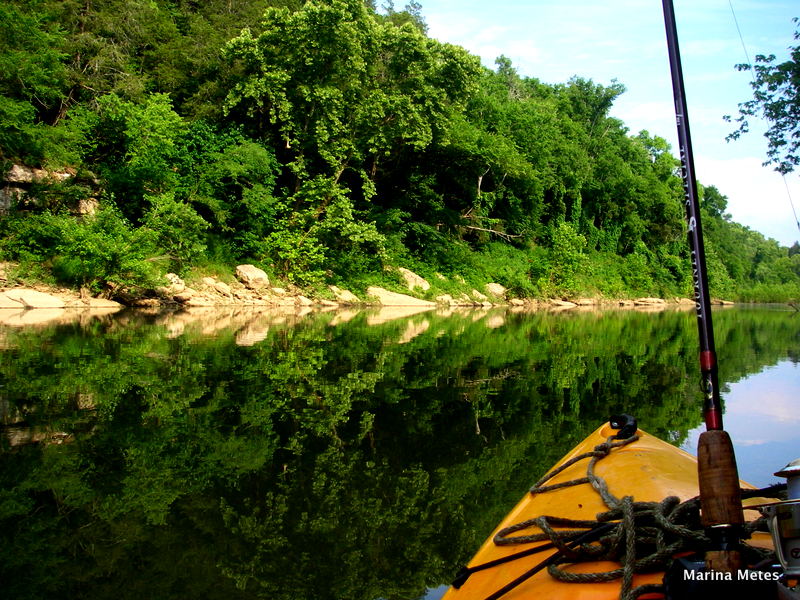
Duck River
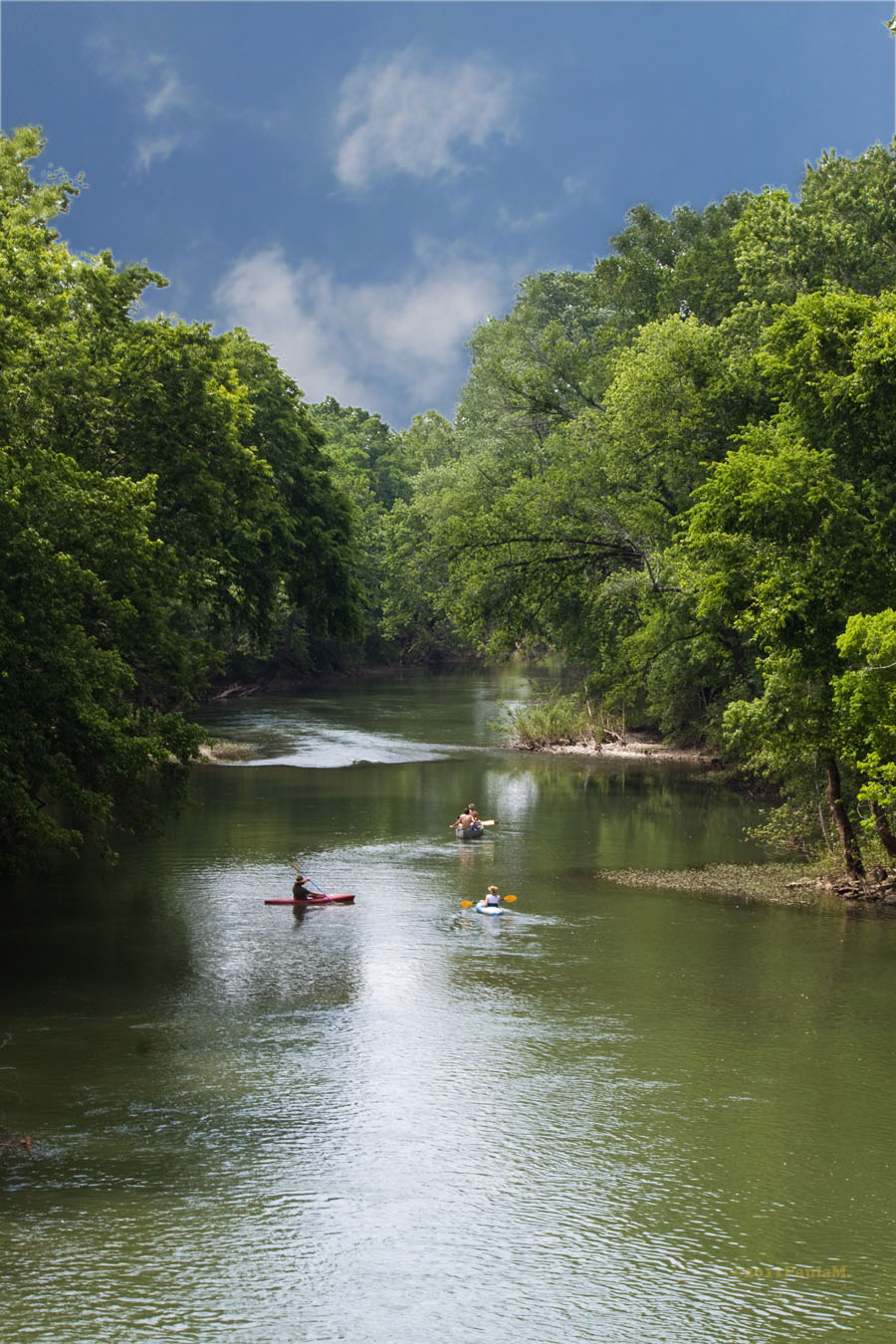
Harpeth River
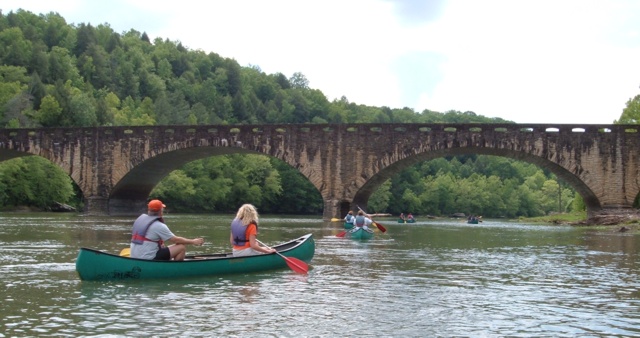
Cumberland River
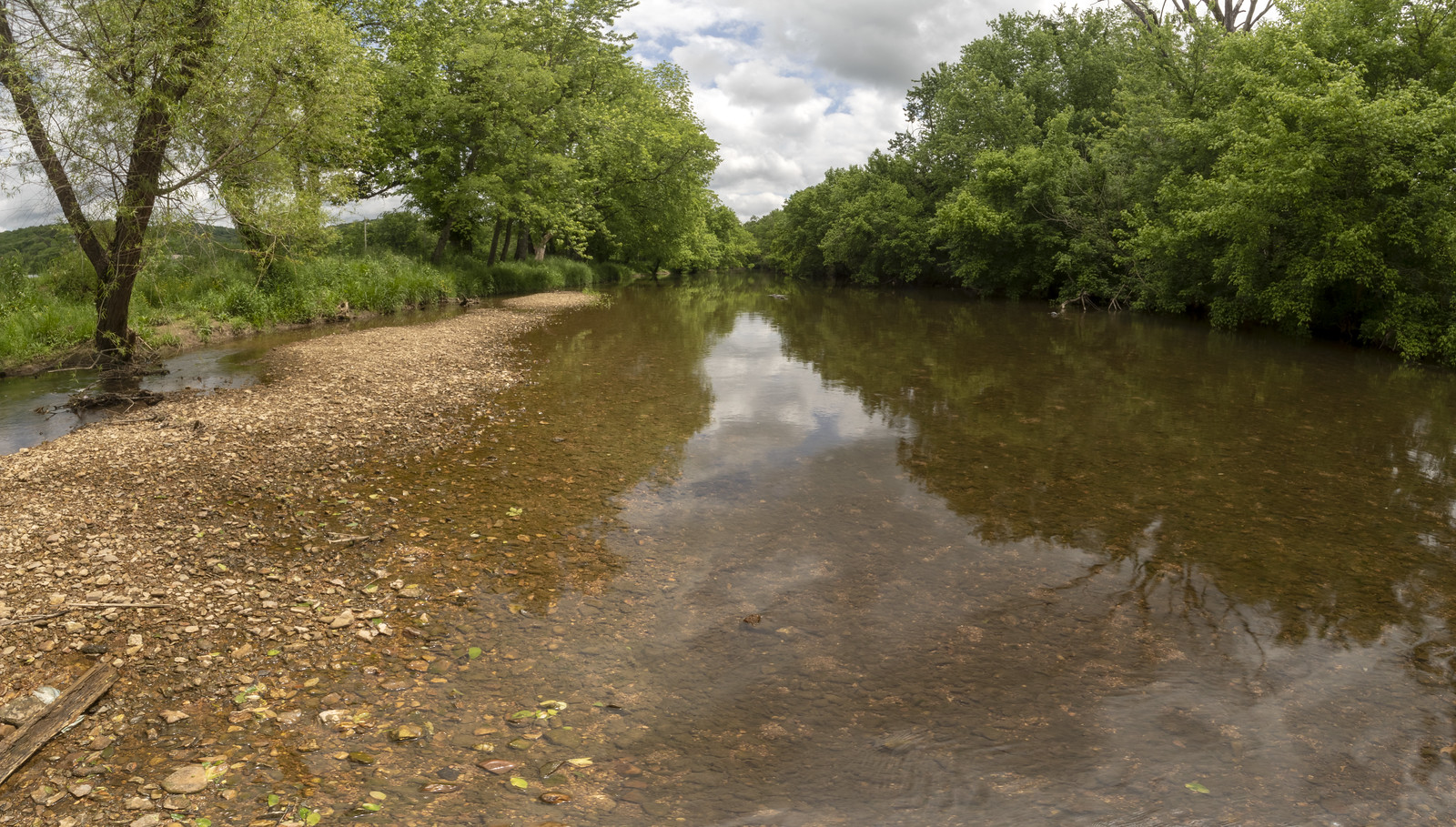
Stones River
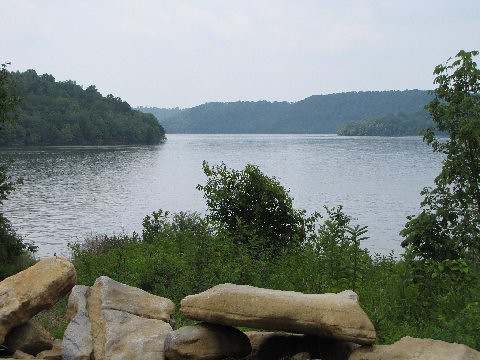
Tims Ford Lake
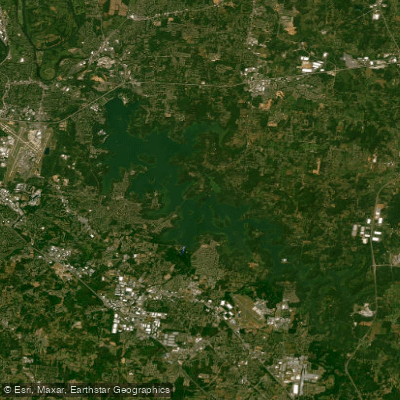
J Percy Priest Reservoir
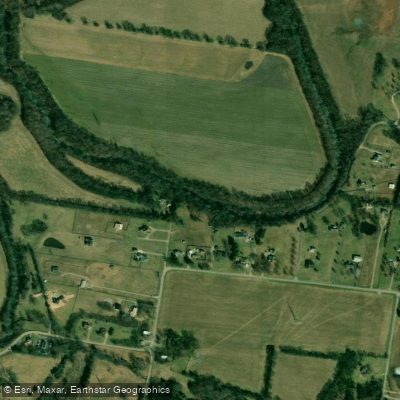
Rutherford Creek
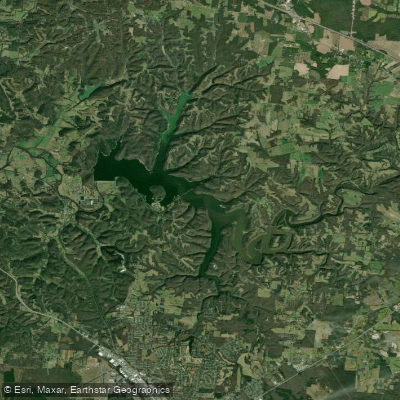
Normandy Lake
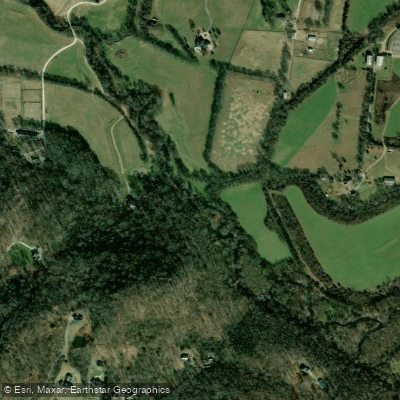
West Harpeth River
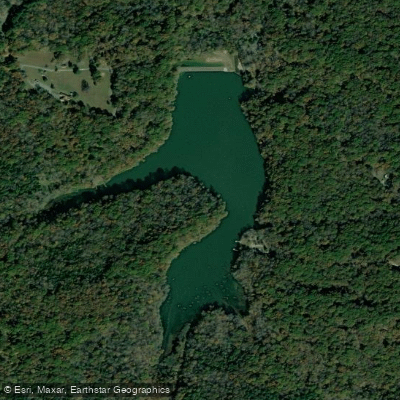
Lake Woodhaven
What to know
Habitat Distribution
- Found throughout Tennessee's river systems and reservoirs, preferring large rivers and reservoirs over sand or gravel substrates.
Key Locations
- Tennessee River system, Cumberland River, Kentucky Lake, Old Hickory Lake, Cordell Hull Reservoir, Melton Hill Reservoir, Guntersville Reservoir, Melton Hill Reservoir's Bull Run Steam Plant discharge, below dams like Cordell Hull and Nickajack.
Specific Spots
- Swift-flowing water below dams, main river channels over sand and gravel substrates, current breaks where they school while chasing baitfish, discharge areas of steam plants like Bull Run, below major dams during generation, main river channels with current, around wing dikes where they congregate.
Skipjack Herring FAQ
Answers from onWater's species guide.
What are the best lures and bait for Skipjack Herring in Tennessee?
Small Rooster Tail spinners, white curly tail grubs, sabiki rigs with multiple small white flies, small crankbaits resembling shad, small jigs with #10 hooks, small spoons, small crappie jigs.
When is the best time to fish for Skipjack Herring in Tennessee?
Best fishing occurs during late fall through early spring when they're not spawning, with winter and early spring providing optimal opportunities. Avoid targeting them during reproductive periods (March-July depending on latitude).
How do you catch Skipjack Herring in Tennessee?
Fish with medium-fast retrieve until you hook a fish, then reel continuously without stopping to prevent them from spitting the hook. Rig sabiki setups with 3-5 white flies spaced 6-12 inches apart on 3-foot leaders, or tie 3-4 white curly tail grubs in tandem.
What do Skipjack Herring eat?
Adult skipjack feed primarily on small fish including threadfin shad, gizzard shad, and other herring species up to 30-35% of their body length, while juveniles consume insects and zooplankton.
Where do Skipjack Herring live in Tennessee?
Found throughout Tennessee's river systems and reservoirs, preferring large rivers and reservoirs over sand or gravel substrates.
Fish smarter with real-time insights
Whether you're en route and conditions shift or you're looking for the best spot based on current flows, we enable you to make informed decisions on the fly.




See it in the app
Most maps show you water.
onWater shows you Skipjack Herring.



- 01 · Species map filter
Map every Skipjack Herring water
Pick Skipjack Herring and the map zeroes in on the waters they call home. No more guessing which lake holds them.
- 02 · Waterbody species
Tap any water. See what lives there.
Species, behavior and seasonal patterns for every lake, river and pond, before you leave the driveway.
- 03 · Angler Intelligence
Ask how to catch Skipjack Herring
Tactics, gear and timing from onWater's AI fishing guide, tuned to the species and the water you're on.
Stop guessing where Skipjack Herring are.
Open the map, filter by Skipjack Herring, and head to water that holds them. Download onWater and plan your next trip in minutes.
- Species map filter
- Angler Intelligence
- Fishing journal
Explore other species
Trout, bass, salmon, panfish and everything in between. Each guide unpacks the behavior, seasons, and tactics that put fish in the net.
No species information available.
Tennessee licenses and regulations
Explore nearby waters
Explore Tennessee waters
Top fishing waters
Popular Cities
Loading popular cities...

Smarter Fishing Starts in the App.
onWater Fish gives you everything you need to plan smarter, fish better, and own every trip from first cast to last.