Sauger

Sauger are native to Tennessee's Mississippi River drainage and historically supported important sport fisheries in the Tennessee and Cumberland Rivers.
These cool-water fish are closely related to walleye but prefer more turbid, flowing water and are smaller in size, rarely exceeding 4 pounds.
Scientific Name: Sander canadensis
- Sauger have elongated, cylindrical bodies with brown or brassy coloration marked by dark blotches and distinctive black spots on their spiny dorsal fin.
- They possess large eyes adapted for low-light conditions and mouths full of sharp teeth.
- Smaller in size, rarely exceeding 4 pounds.
Fishing in Tennessee
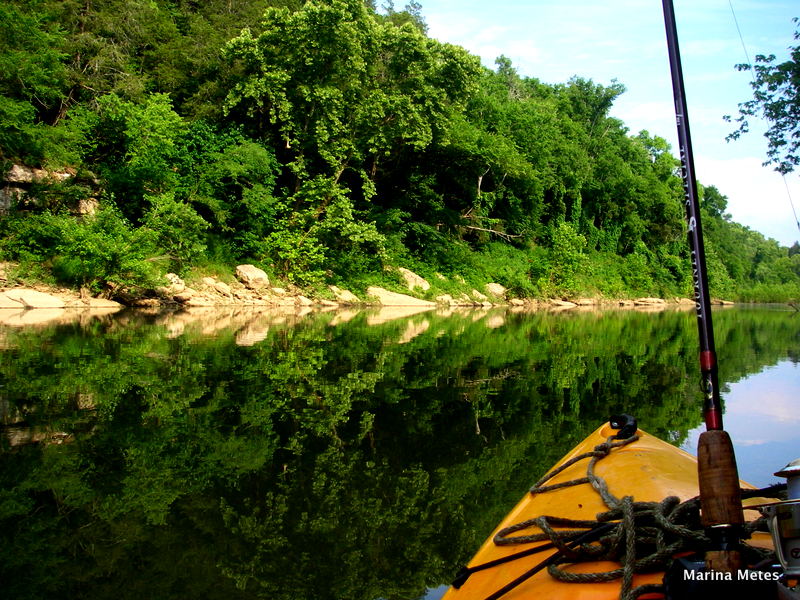
Duck River
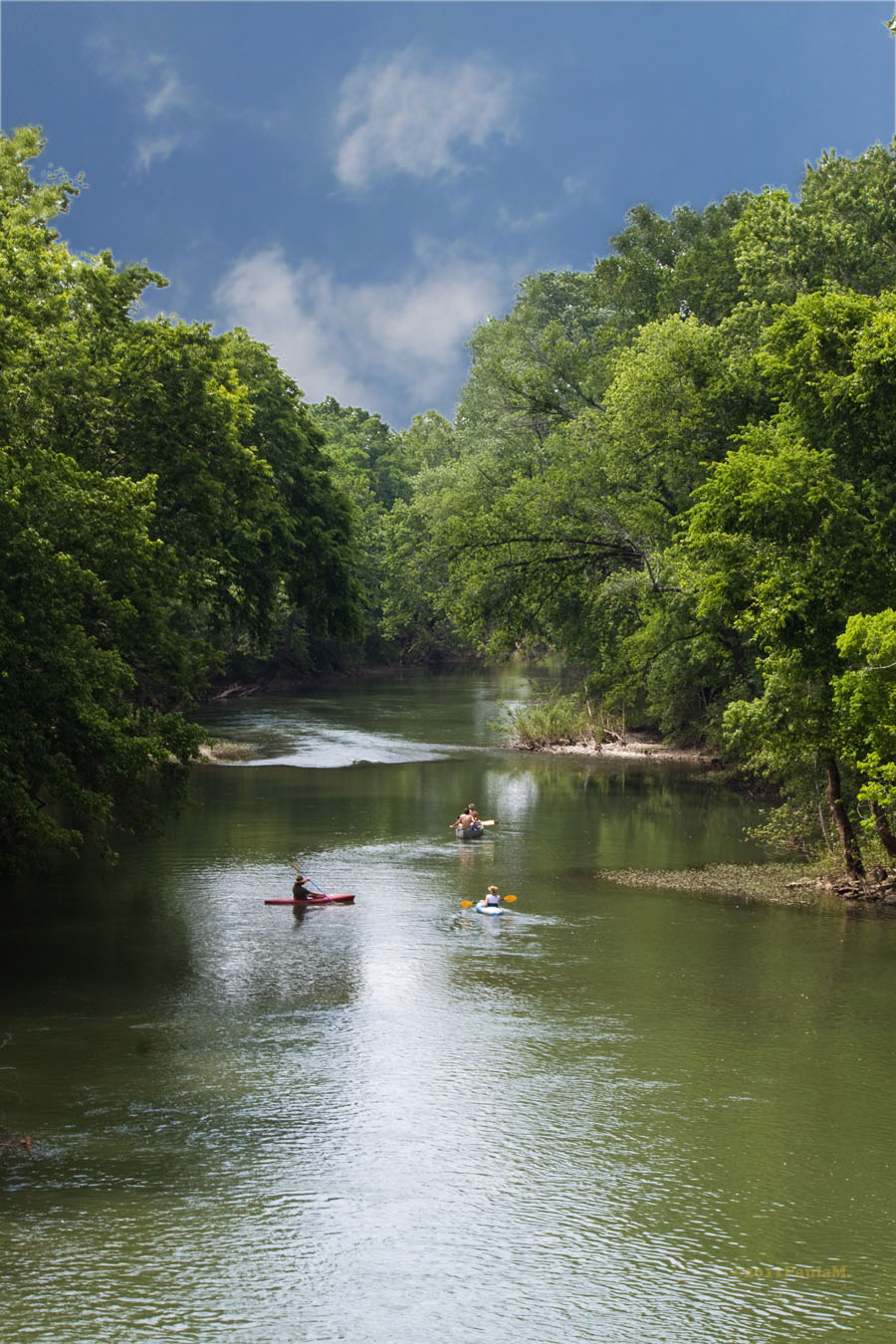
Harpeth River
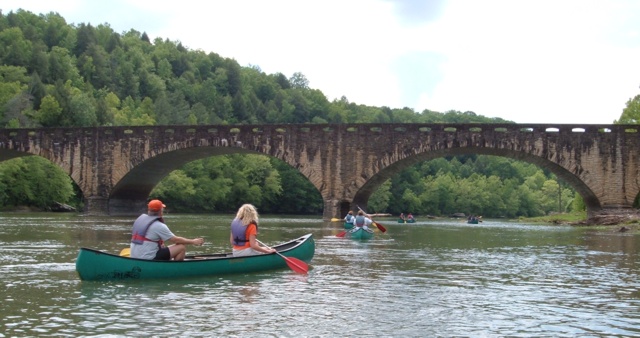
Cumberland River
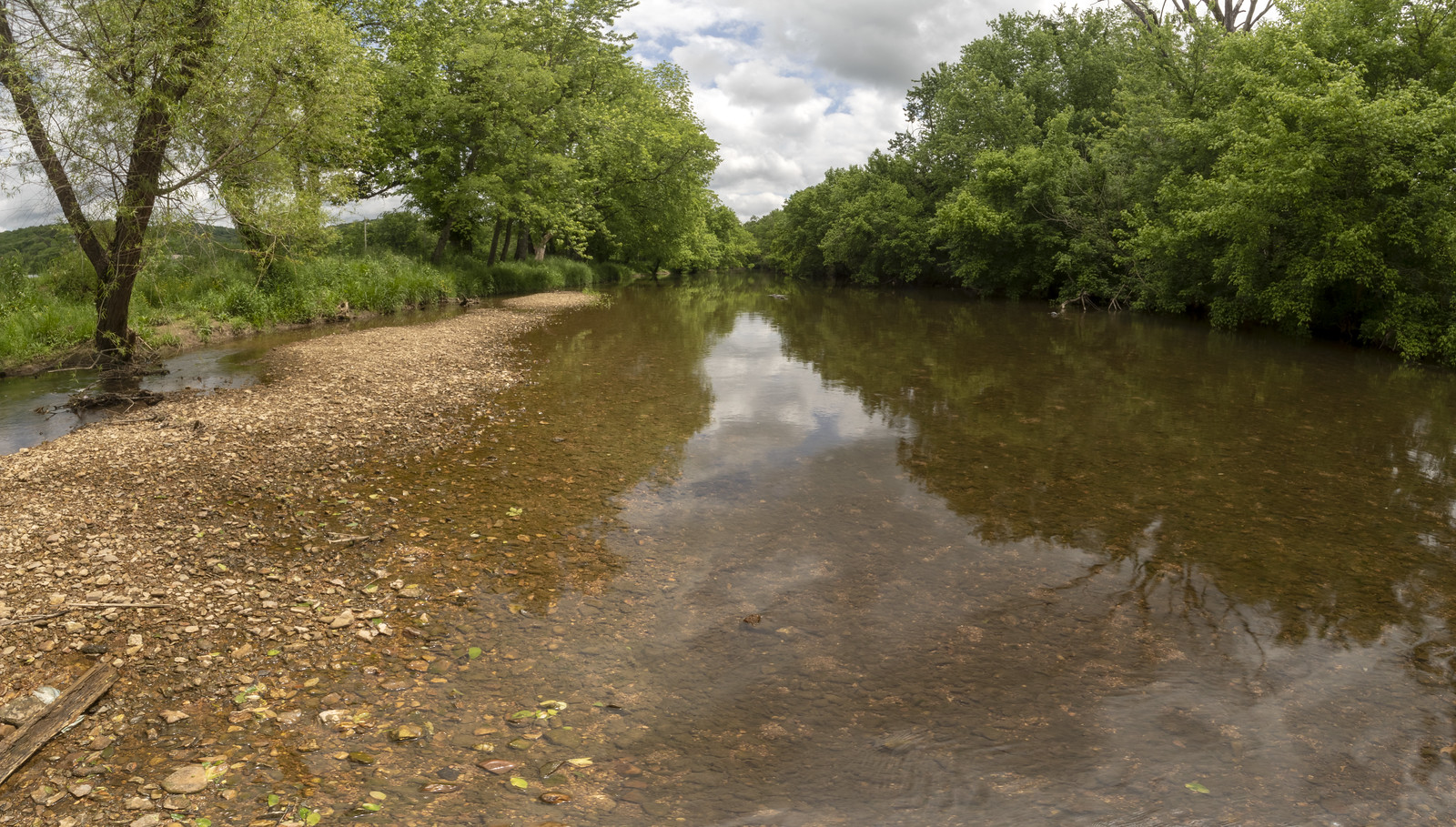
Stones River
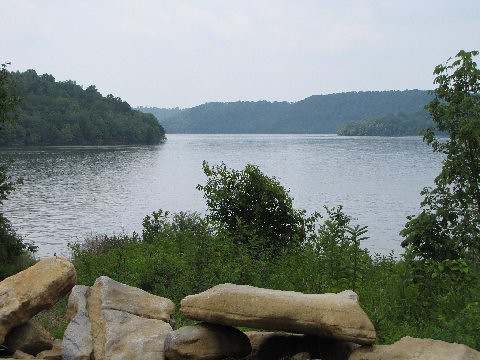
Tims Ford Lake
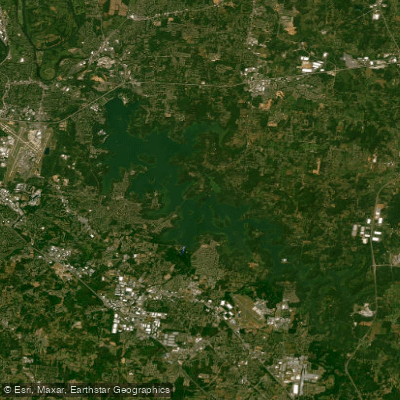
J Percy Priest Reservoir
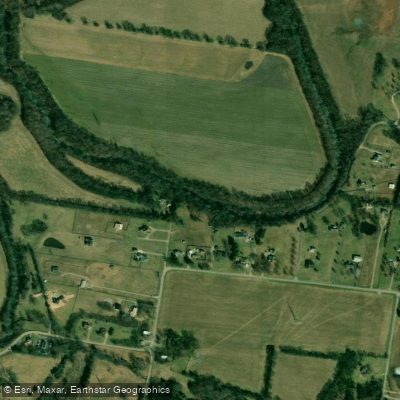
Rutherford Creek
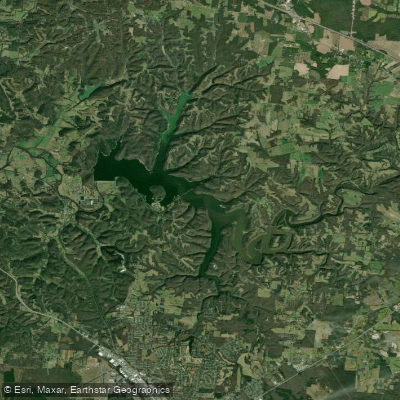
Normandy Lake
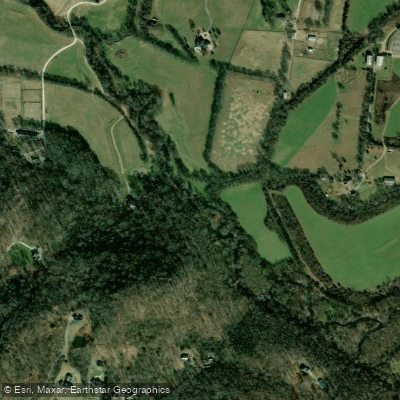
West Harpeth River
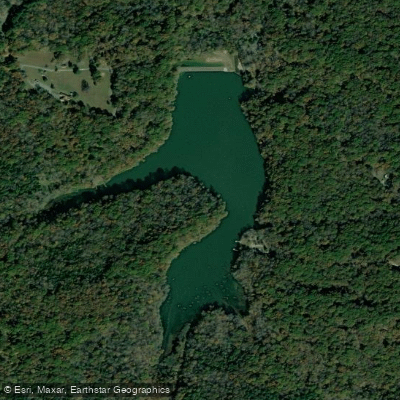
Lake Woodhaven
What to know
Habitat Distribution
- Native to Tennessee's Mississippi River drainage.
- Prefer more turbid, flowing water.
- They're highly migratory, traveling hundreds of miles between feeding and spawning areas.
Key Locations
- Prime Tennessee sauger waters include Kentucky Lake, Old Hickory Reservoir, Cordell Hull Lake, Watts Bar, Pickwick Lake, Fort Loudoun, Cherokee Lake, Melton Hill, the Cumberland River system, and Tennessee River tailwaters.
- Prime locations include Old Hickory Reservoir from Hunter's Point to Cordell Hull Dam, below Pickwick Dam to Diamond Island, Cumberland River tailwaters, and mouths of tributary creeks like Little Cedar Creek, Second Creek, and Jennings Fork Creek.
Specific Spots
- Target eddy areas between generator walls and spill gates, around lock walls, and current breaks.
- Sauger stay close to bottom.
- They move upstream to rocky substrates in rivers and tailwaters for spawning.
Sauger FAQ
Answers from onWater's species guide.
What are the best lures and bait for Sauger in Tennessee?
Heavy hair jigs (3/4 to 1.5 ounces), tip jigs with live minnows and add stinger hooks for short strikers. Bright colors work best: fluorescent yellow, gold, pink, chartreuse, and white. For tailwater fishing, use 1-2 ounce jigs depending on current strength. Live minnows on #4 to 1/0 hooks.
When is the best time to fish for Sauger in Tennessee?
Winter through early spring (January-March) provides the best sauger fishing. They spawn in spring (March-May) when water temperatures reach 60°F - avoid targeting them during this critical reproductive period.
How do you catch Sauger in Tennessee?
Vertical jigging is the most effective technique - bounce jigs off bottom or hold them horizontally 4-5 inches off bottom with subtle twitching motions. Other productive techniques include Carolina rigs with live minnows, slip sinker rigs, and three-way swivel setups.
What do Sauger eat?
Sauger are opportunistic predators, feeding primarily on threadfin shad, gizzard shad, and other small fish. In winter when threadfin shad become cold-stressed and vulnerable, they comprise nearly 100% of sauger diets.
Where do Sauger live in Tennessee?
Native to Tennessee's Mississippi River drainage. Prefer more turbid, flowing water. They're highly migratory, traveling hundreds of miles between feeding and spawning areas.
Fish smarter with real-time insights
Whether you're en route and conditions shift or you're looking for the best spot based on current flows, we enable you to make informed decisions on the fly.




See it in the app
Most maps show you water.
onWater shows you Sauger.



- 01 · Species map filter
Map every Sauger water
Pick Sauger and the map zeroes in on the waters they call home. No more guessing which lake holds them.
- 02 · Waterbody species
Tap any water. See what lives there.
Species, behavior and seasonal patterns for every lake, river and pond, before you leave the driveway.
- 03 · Angler Intelligence
Ask how to catch Sauger
Tactics, gear and timing from onWater's AI fishing guide, tuned to the species and the water you're on.
Stop guessing where Sauger are.
Open the map, filter by Sauger, and head to water that holds them. Download onWater and plan your next trip in minutes.
- Species map filter
- Angler Intelligence
- Fishing journal
Explore other species
Trout, bass, salmon, panfish and everything in between. Each guide unpacks the behavior, seasons, and tactics that put fish in the net.
No species information available.
Tennessee licenses and regulations
Explore nearby waters
Explore Tennessee waters
Top fishing waters
Popular Cities
Loading popular cities...
Smarter Fishing Starts in the App.
onWater Fish gives you everything you need to plan smarter, fish better, and own every trip from first cast to last.