Bluegill
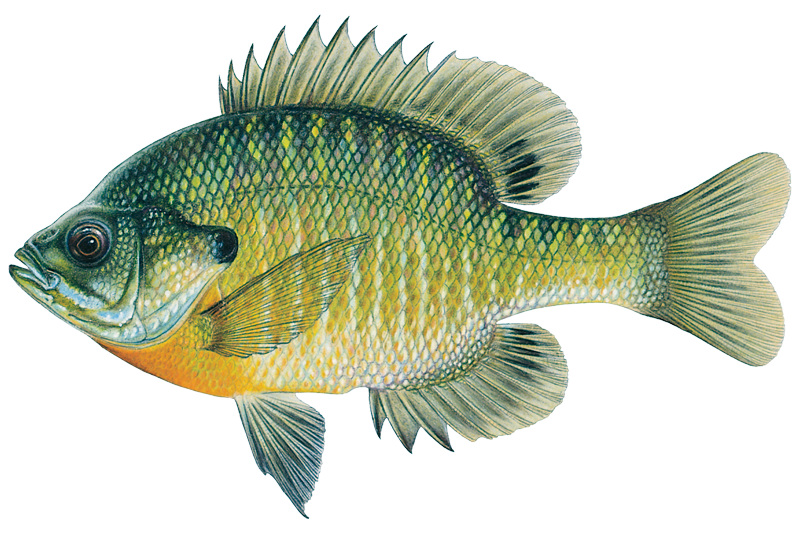
Bluegill are abundant freshwater sunfish found throughout Maryland's lakes, ponds, streams, and tributaries to the Chesapeake Bay.
Scientific Name: Lepomis macrochirus
- These deep-bodied, laterally compressed fish are olive green on top with yellowish bellies, distinctive blue and purple coloration on the cheeks and gill covers, black earflaps, and a dark spot at the base of the dorsal fin.
- They typically range from 4-6 inches but can reach up to 12 inches.
Fishing in Maryland
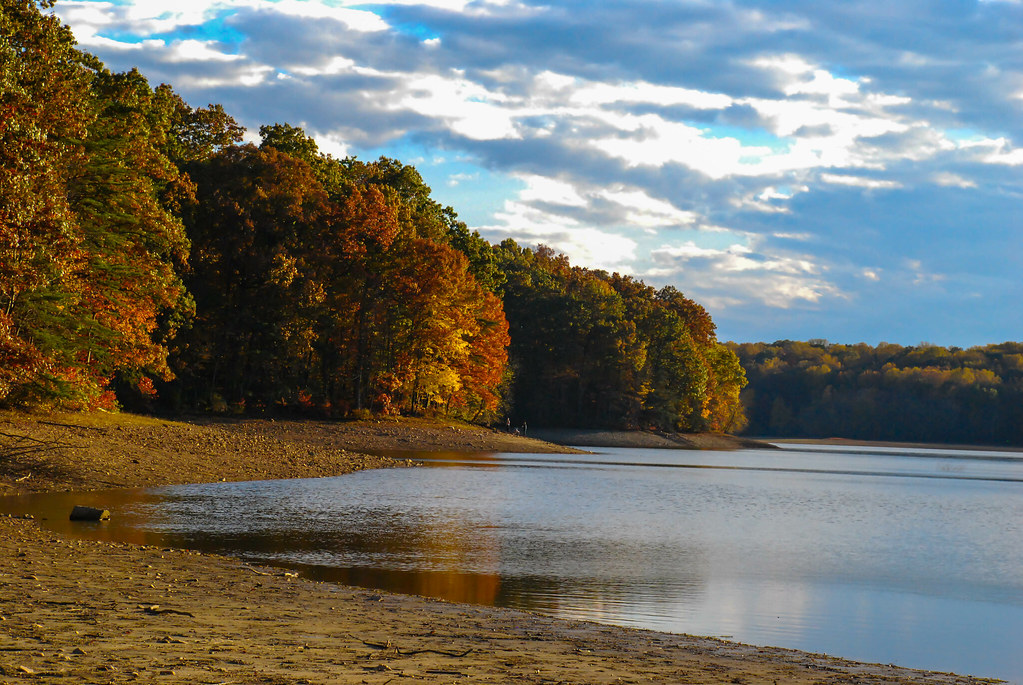
Triadelphia Reservoir
Severn River
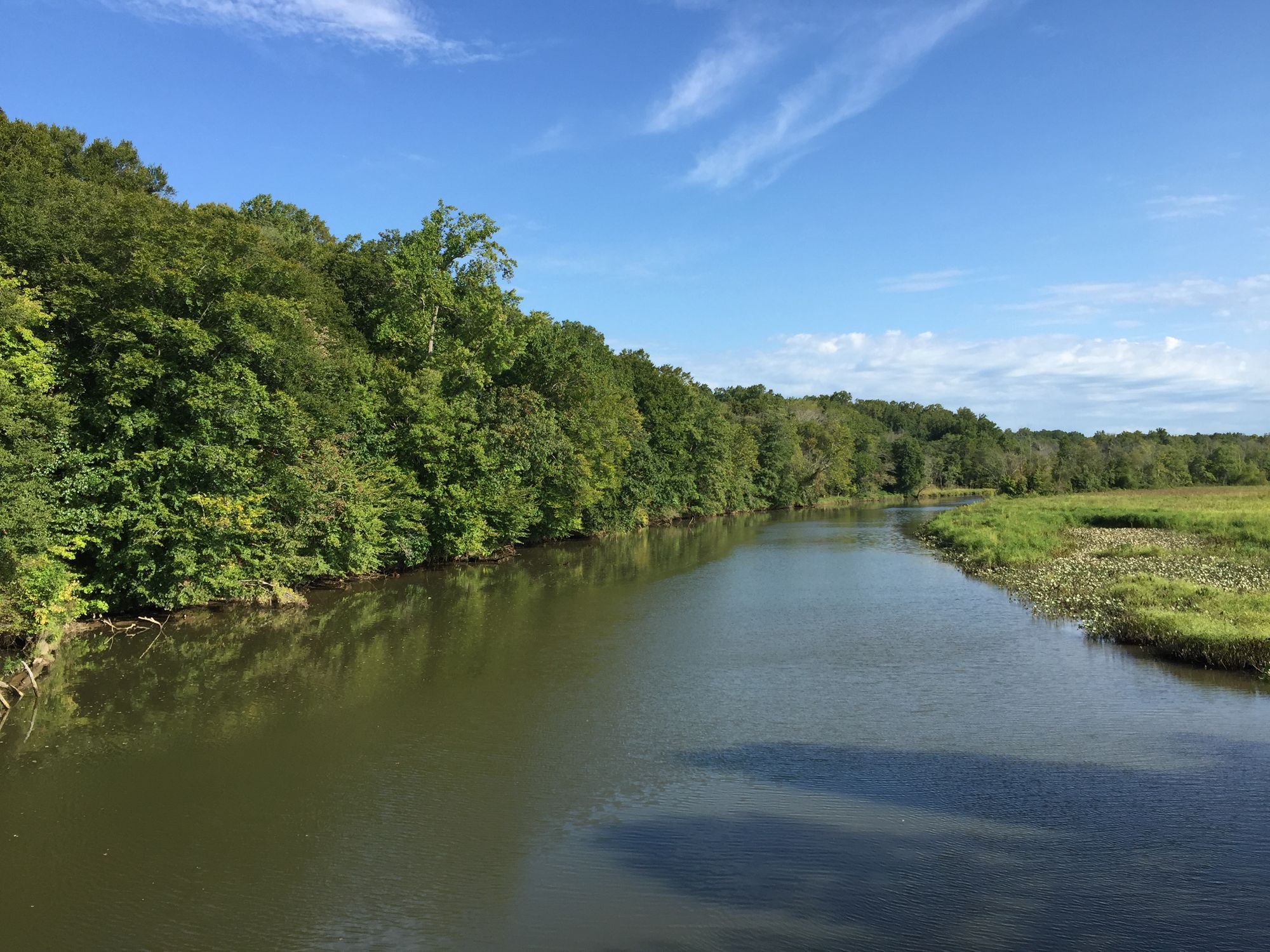
Patuxent River
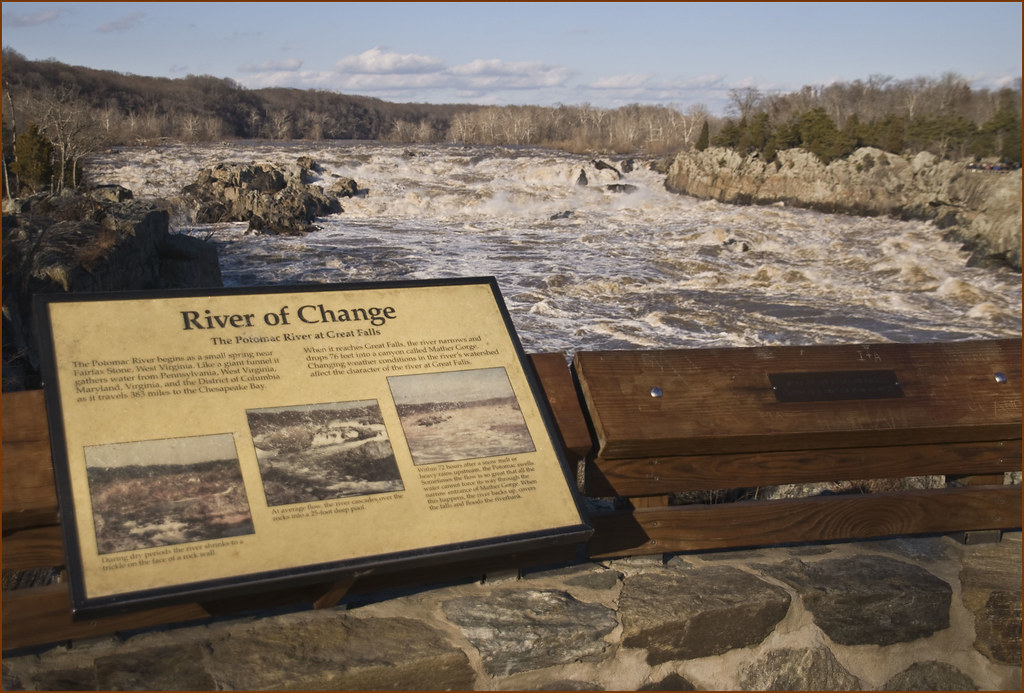
Potomac River
South River
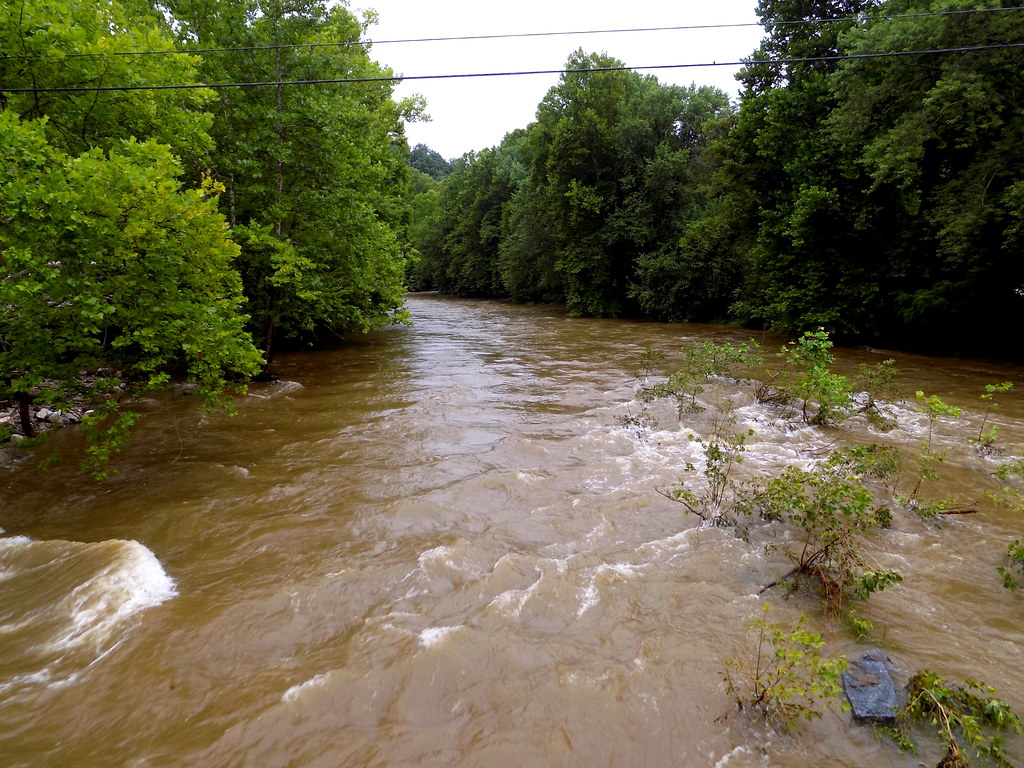
Patapsco River
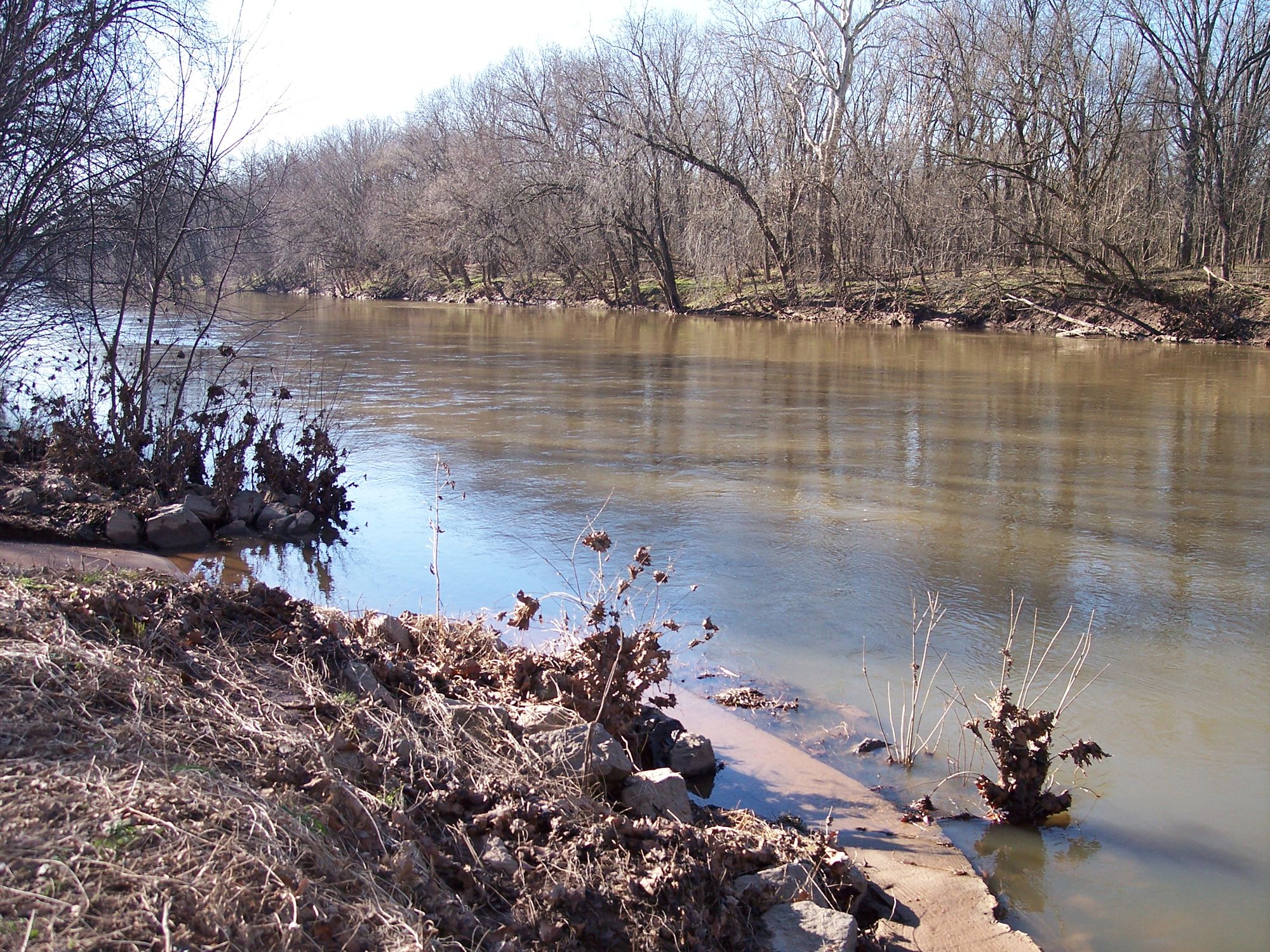
Monocacy River
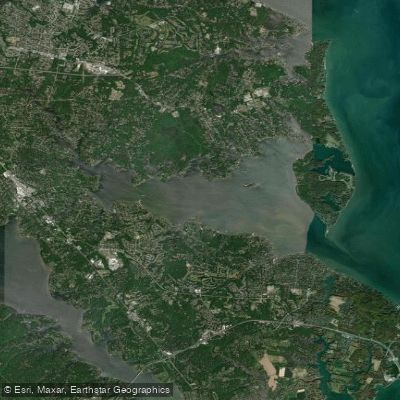
Magothy River
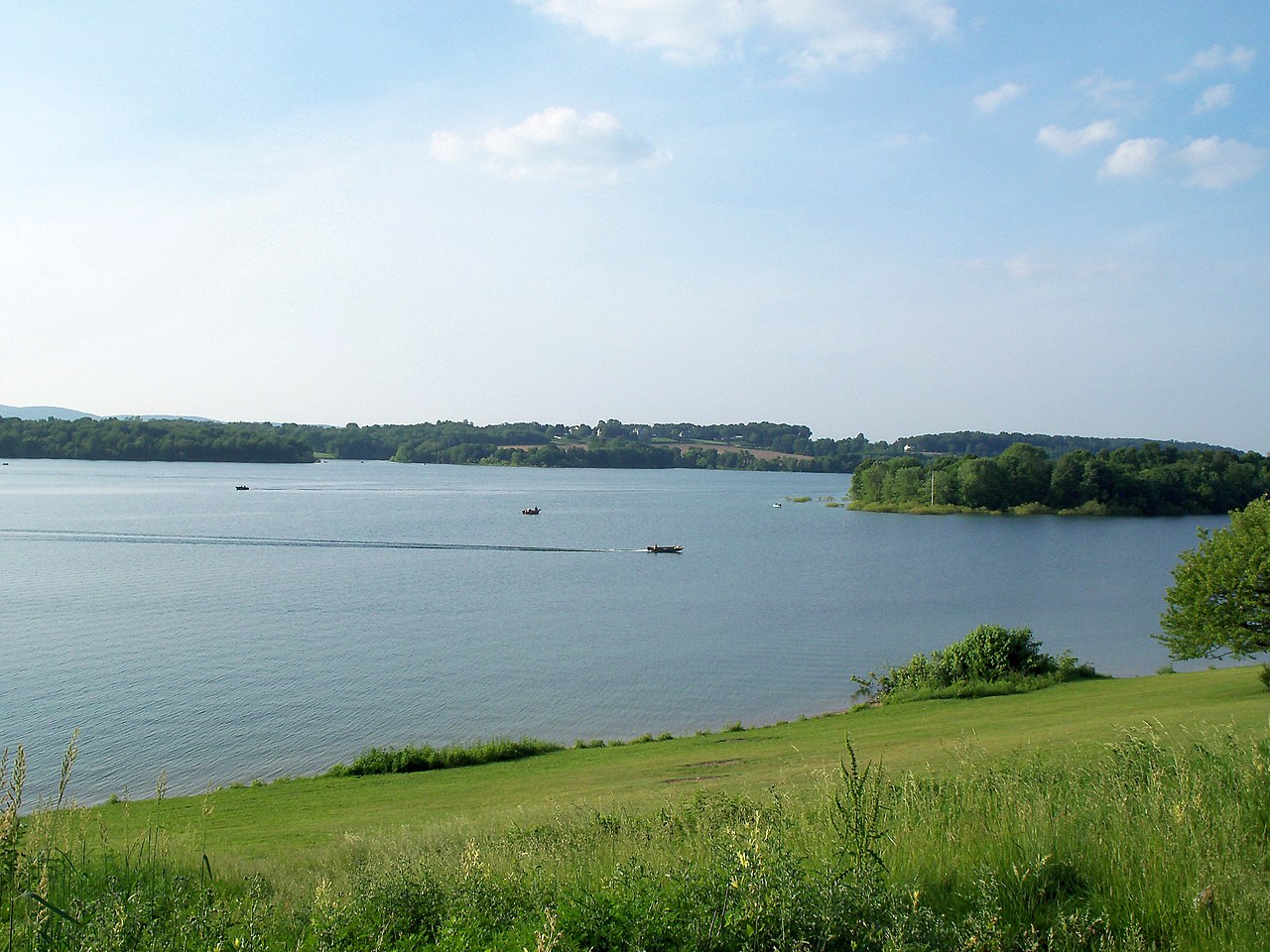
Lake Marburg
What to know
Habitat Distribution
- Found in all tributaries with salinity less than 18 ppt and are frequently stocked in farm ponds alongside largemouth bass.
Key Locations
- Prime Maryland locations include Deep Creek Lake, Liberty Reservoir, Piney Run Reservoir, Loch Raven Reservoir, and numerous farm ponds throughout the state.
- In the Chesapeake Bay watershed, target tributary areas above the saltwater line.
Specific Spots
- Focus on shallow areas near structure like docks, fallen trees, weed beds, and lily pads.
Bluegill FAQ
Answers from onWater's species guide.
What are the best lures and bait for Bluegill in Maryland?
Effective lures include 1-inch curly tail grubs (especially chartreuse), 1/16 ounce Beetle Spin spinnerbaits, Rooster Tail spinners, small Rapala floating minnows, Acme Phoebe spoons, and Blakemore Road Runners. Live baits like nightcrawlers, red worms, crickets, waxworms, and mealworms work excellently.
What flies work for Bluegill in Maryland?
Small patterns including terrestrials like black ants (size 14-18), foam beetles (12-14), grasshoppers (8-10), and foam spiders. Panfish poppers, micro woolly buggers (size 12 or smaller), Hare's Ear nymphs, Green Weenies, and San Juan worms are all productive.
When is the best time to fish for Bluegill in Maryland?
Bluegill fishing is excellent year-round in Maryland, with spring (April-June) and fall (September-November) being peak seasons when fish are most active.
How do you catch Bluegill in Maryland?
Fish poppers on the surface with gentle twitches, strip buggers slowly with pauses, and fish nymphs under light strike indicators. Use live baits under bobbers.
What do Bluegill eat?
Bluegill are opportunistic feeders with small mouths and fine needle-like teeth, consuming algae, plant material, zooplankton, aquatic insects and larvae, small crustaceans, fish e.g.gs, and smaller fish. During summer they may eat up to 35% of their body weight weekly, dropping to just 1% in winter.
Fish smarter with real-time insights
Whether you're en route and conditions shift or you're looking for the best spot based on current flows, we enable you to make informed decisions on the fly.







See it in the app
Most maps show you water.
onWater shows you Bluegill.



- 01 · Species map filter
Map every Bluegill water
Pick Bluegill and the map zeroes in on the waters they call home. No more guessing which lake holds them.
- 02 · Waterbody species
Tap any water. See what lives there.
Species, behavior and seasonal patterns for every lake, river and pond, before you leave the driveway.
- 03 · Angler Intelligence
Ask how to catch Bluegill
Tactics, gear and timing from onWater's AI fishing guide, tuned to the species and the water you're on.
Stop guessing where Bluegill are.
Open the map, filter by Bluegill, and head to water that holds them. Download onWater and plan your next trip in minutes.
- Species map filter
- Angler Intelligence
- Fishing journal
Explore other species
Trout, bass, salmon, panfish and everything in between. Each guide unpacks the behavior, seasons, and tactics that put fish in the net.

Find which waters have the species you want to catch

Largemouth Bass

Smallmouth Bass
Micropterus dolomieu

Rainbow Trout
Oncorhynchus mykiss

Brown Trout
Salmo trutta

Brook Trout
Salvelinus fontinalis

Cutthroat Trout

Northern Pike
Esox lucius

Muskellunge
Esox masquinongy

Walleye
Sander vitreus

Black Crappie
Pomoxis nigromaculatus

Alewife
Alosa pseudoharengus

American Eel
Anguilla rostrata

American Shad
Alosa sapidissima

Atlantic Croaker
Micropogonias undulatus

Atlantic Sturgeon
Acipenser oxyrinchus

Black Bullhead
Ameiurus melas

Blacknose Dace
Rhinichthys atratulus

Black Sea Bass
Centropristis striata

Blue Catfish
Ictalurus furcatus

Bluefish
Pomatomus saltatrix

Bowfin
Amia calva

Brown Bullhead
Ameiurus nebulosus

Chain Pickerel
Esox niger

Channel Catfish
Ictalurus punctatus

Common Carp
Cyprinus carpio carpio

Creek Chub
Semotilus atromaculatus

Fallfish
Semotilus corporalis

Flathead Catfish
Pylodictis olivaris

Flier
Centrarchus macropterus

Freshwater Drum
Aplodinotus grunniens

Gizzard Shad
Dorosoma cepedianum

Golden Redhorse
Moxostoma erythrurum

Golden Trout
Oncorhynchus aguabonita
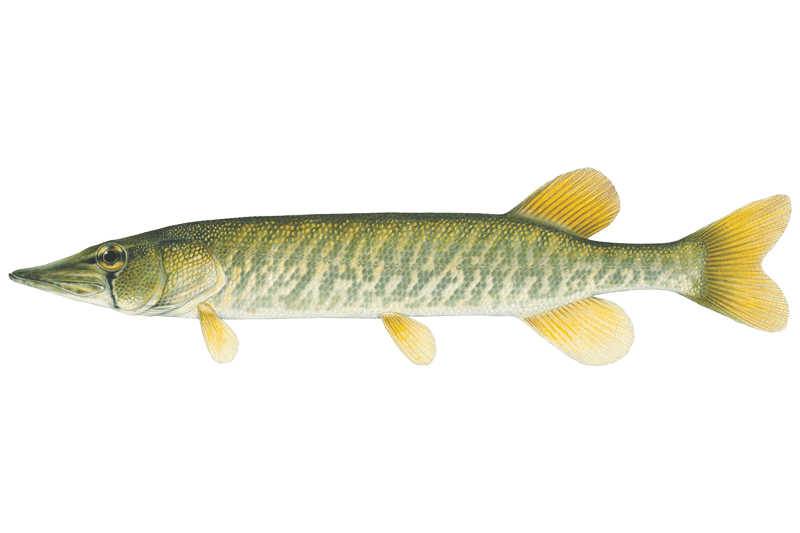
Grass Pickerel
Esox americanus vermiculatus

Green Sunfish
Lepomis cyanellus

Hickory Shad
Alosa mediocris

Longear Sunfish
Lepomis megalotis

Longnose Gar
Lepisosteus osseus

Northern Hogsucker
Hypentelium nigricans
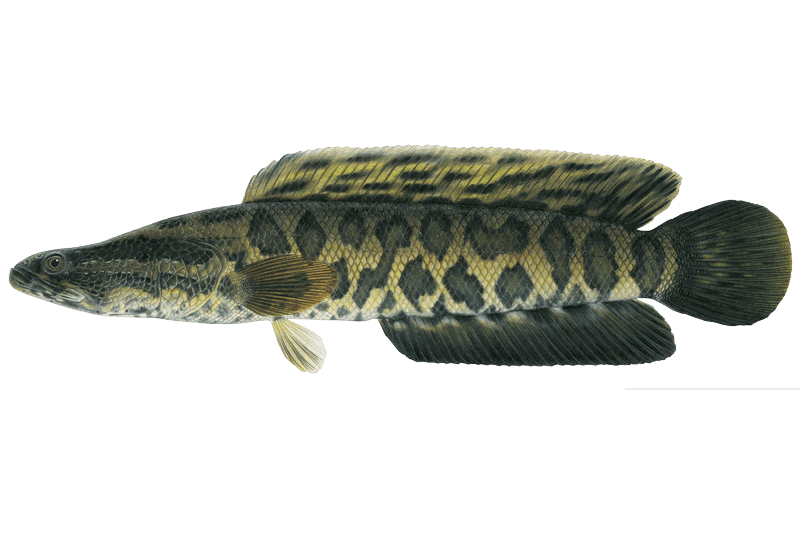
Northern Snakehead
Channa argus
Maryland licenses and regulations

Maryland Boating Regulations
When using any type of watercraft to access a body of water, it is important to follow all federal, state, and local rules and regulations. These rules and regulations include boat permitting and licensing, invasive species inspections and stamps, life jacket and PFD rules, motor size and horsepower restrictions, noise limitations, restrictions on personal watercraft, and many more. Visit the web link below for the most current rules and regulations for this body of water.

Maryland Fishing License
Individuals under the age of 16 are not required to obtain a license to sport fish/crab. They can, however, purchase a recreational crab license if they want to catch the bushel of crabs allowed with that license.

Maryland Fishing Regulations
This river has a variety of species and regulations, including potential floating and/or watercraft restrictions. Because this river is specially managed for species, seasons, angling methods, and watercraft, it is strongly encouraged you check all federal, state, and local regulations before fishing. Visit any of the links below, inquire locally, or contact a local fly shop to learn current regulations and restrictions.

Maryland Stream Access Laws
Current law in Maryland seems quite friendly to public access to floatable water, allowing access at all public bridges and road crossings of floatable water. Though historically the state has only recognized waters subject to the ebb and flow of tides as navigable, that definition appears to have broadened. A complete list of public waters and access points is available on the Maryland DNR website.
Explore nearby waters
Explore Maryland waters
Top fishing waters
Popular Cities
Loading popular cities...

Smarter Fishing Starts in the App.
onWater Fish gives you everything you need to plan smarter, fish better, and own every trip from first cast to last.