Blacknose Dace

The Eastern Blacknose Dace is one of Maryland's most abundant and widespread native freshwater fish species.
According to Maryland's Biological Stream Survey (MBSS), its statewide abundance is exceeded by only one other species, making it the most frequently observed fish during biological assessments.
Blacknose dace are classified as pollution-tolerant species, thriving in a wide range of environmental conditions across Maryland's watersheds.
Scientific Name: Rhinichthys atratulus
- These small minnows typically reach 1.5-3 inches in length, with a distinctive black lateral stripe running from their pointed snout to the tail base, separating an olive-brown to dark grey back from a silvery-white belly.
- During breeding season (May-June), males develop darker pigmentation with orange-red coloration along fins and the lateral line, plus prominent tubercles on their head and fins.
Fishing in Maryland
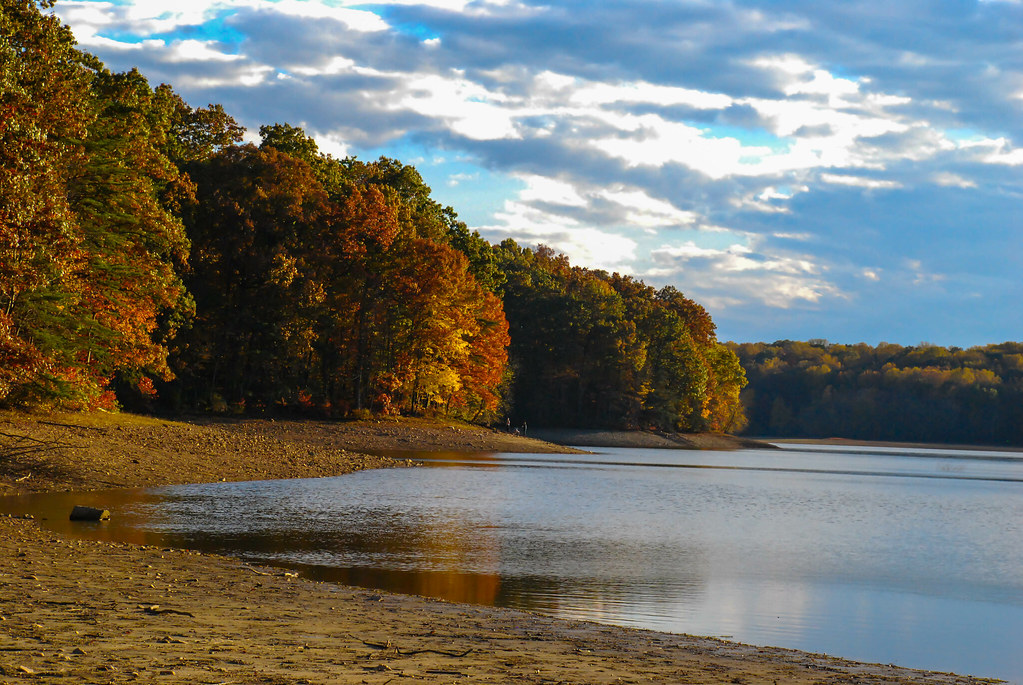
Triadelphia Reservoir
Severn River
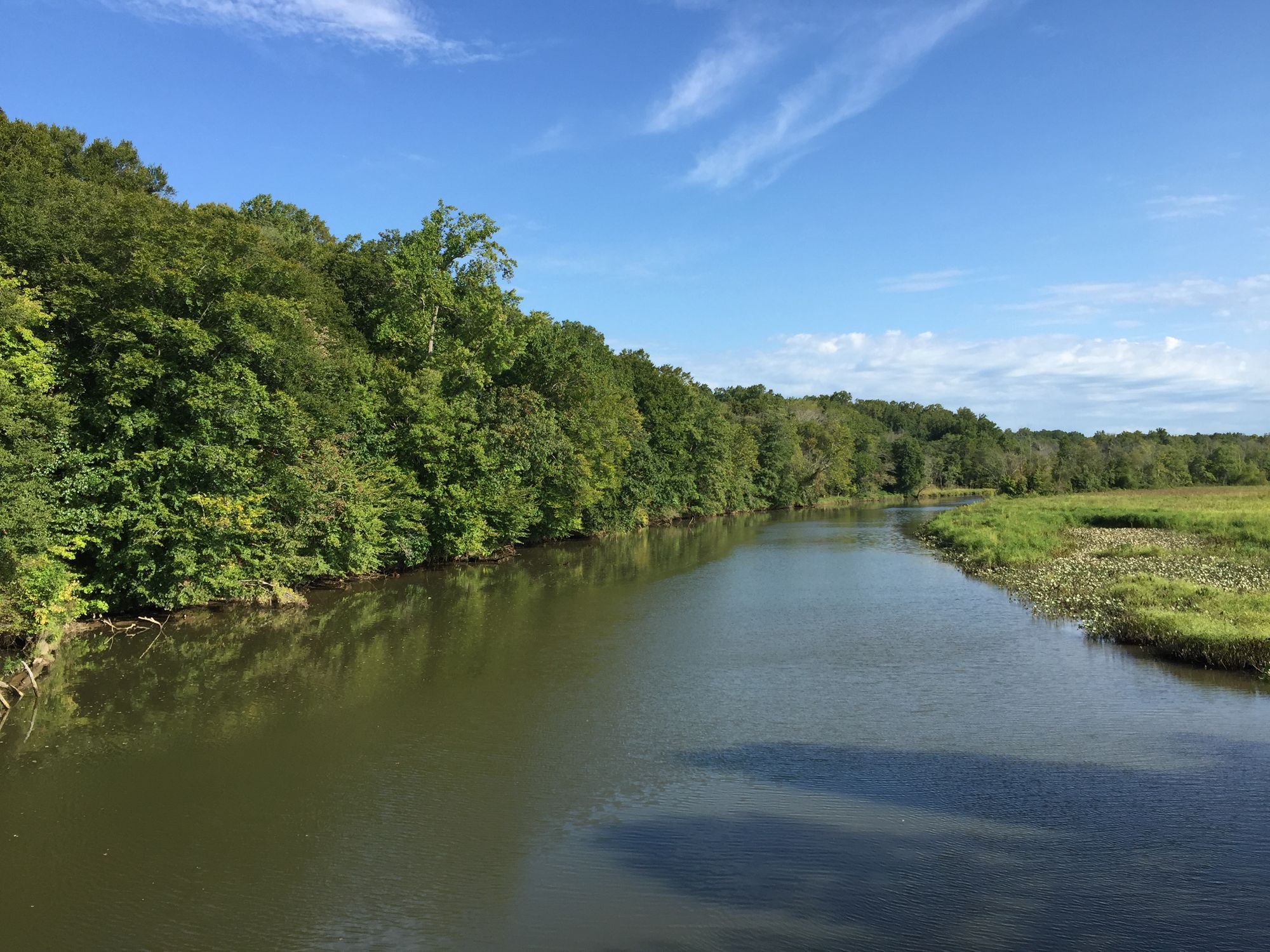
Patuxent River
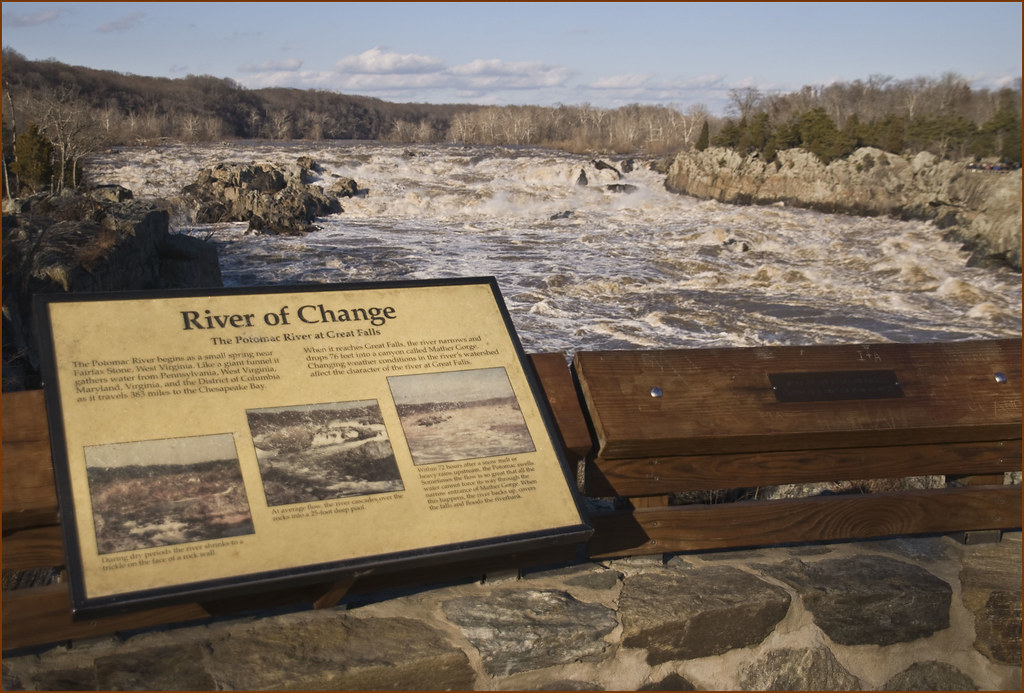
Potomac River
South River
Patapsco River
Monocacy River
Magothy River
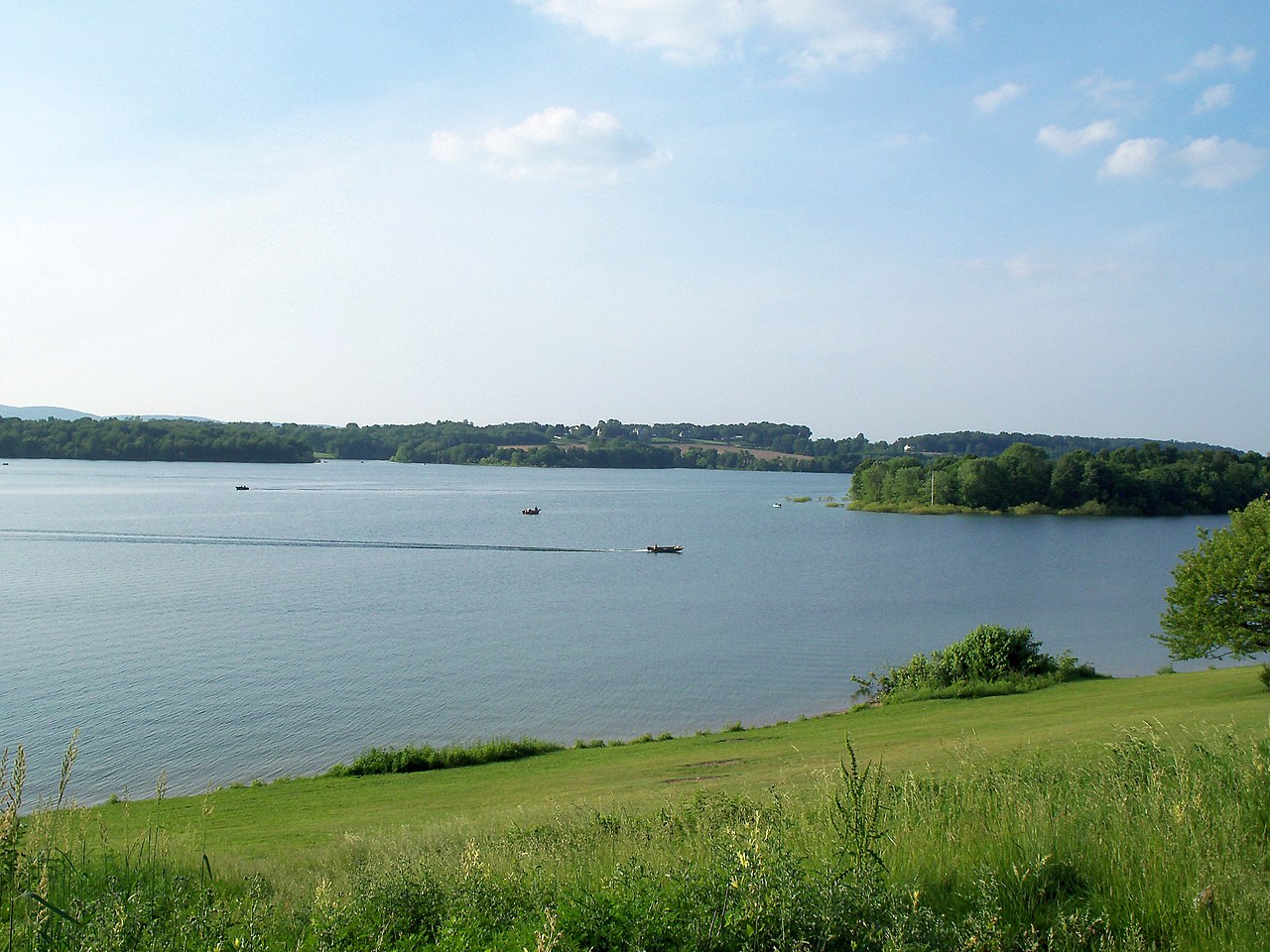
Lake Marburg
What to know
Habitat Distribution
- They're found throughout most County watersheds from the Piedmont to Coastal Plain regions, inhabiting cool streams with rocky substrate, riffles, and moderate current.
Key Locations
- Notable populations exist in Anne Arundel County streams, Carroll County waters, and throughout the Susquehanna watershed.
- Target the rocky streams and riffles where blacknose dace naturally occur, particularly in Carroll County waters like the Patapsco River, Anne Arundel County streams, and Susquehanna tributaries.
Specific Spots
- Focus on areas with moderate current, gravel or rocky substrate, and good riffle-pool structure.
Blacknose Dace FAQ
Answers from onWater's species guide.
What flies work for Blacknose Dace in Maryland?
The classic Art Flick Blacknose Dace streamer, created specifically to imitate this species, remains one of the most effective patterns.
When is the best time to fish for Blacknose Dace in Maryland?
Fall through early spring offers the best opportunities when they're actively feeding before and after the spawning season. Avoid fishing during their May-June spawning period when they're concentrated in shallow gravel riffles for reproduction.
How do you catch Blacknose Dace in Maryland?
Fish the Art Flick Blacknose Dace streamer using dead-drift techniques during heavy rain periods when trout actively feed on displaced minnows, or swing it through long runs and near ambush spots with timely strips to entice larger predators.
What do Blacknose Dace eat?
They feed primarily on small aquatic invertebrates including chironomid larvae (midges), mayfly nymphs, blackfly larvae, small crustaceans like young crayfish, plus algae and terrestrial insects.
Where do Blacknose Dace live in Maryland?
They're found throughout most County watersheds from the Piedmont to Coastal Plain regions, inhabiting cool streams with rocky substrate, riffles, and moderate current.
Fish smarter with real-time insights
Whether you're en route and conditions shift or you're looking for the best spot based on current flows, we enable you to make informed decisions on the fly.




See it in the app
Most maps show you water.
onWater shows you Blacknose Dace.
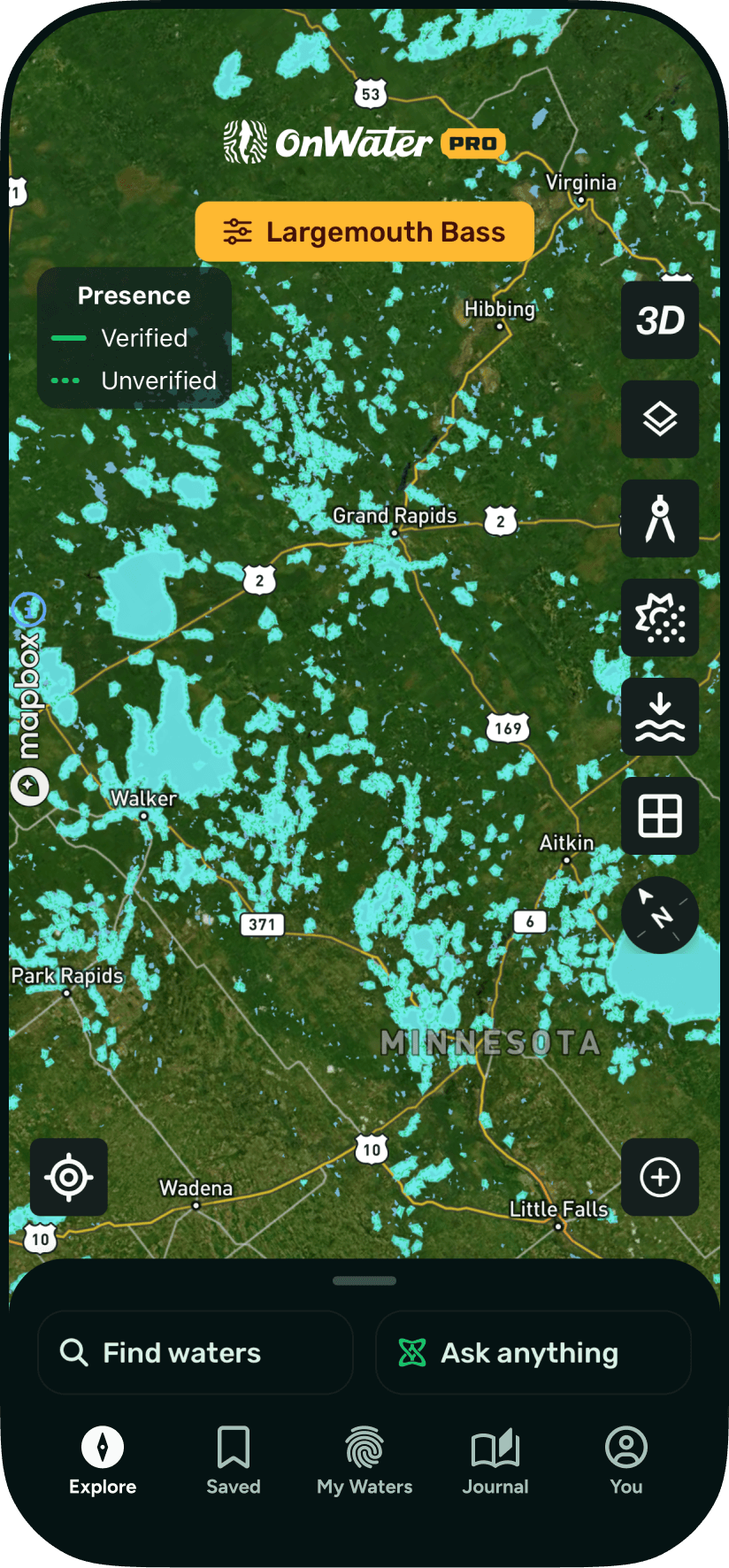
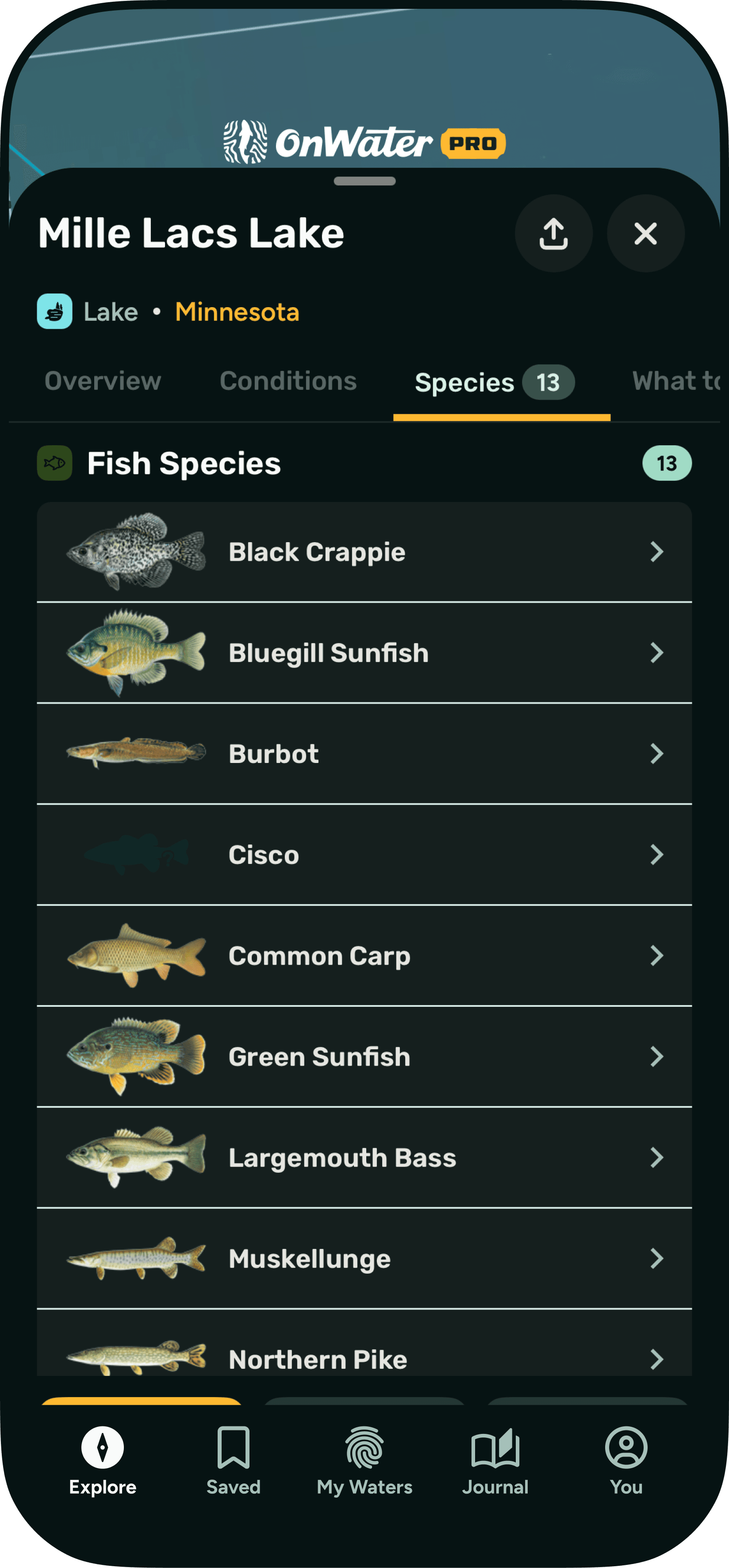
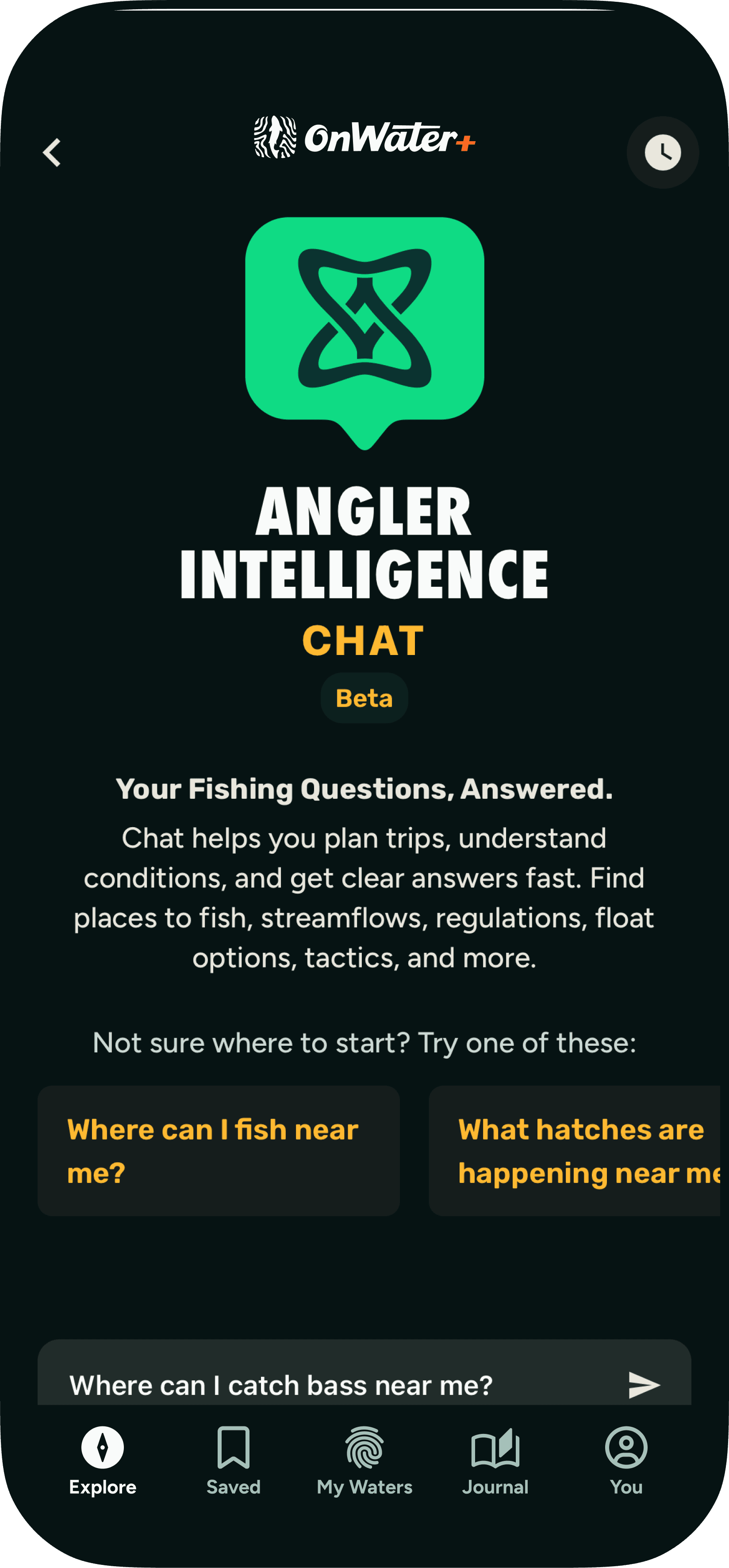
- 01 · Species map filter
Map every Blacknose Dace water
Pick Blacknose Dace and the map zeroes in on the waters they call home. No more guessing which lake holds them.
- 02 · Waterbody species
Tap any water. See what lives there.
Species, behavior and seasonal patterns for every lake, river and pond, before you leave the driveway.
- 03 · Angler Intelligence
Ask how to catch Blacknose Dace
Tactics, gear and timing from onWater's AI fishing guide, tuned to the species and the water you're on.
Stop guessing where Blacknose Dace are.
Open the map, filter by Blacknose Dace, and head to water that holds them. Download onWater and plan your next trip in minutes.
- Species map filter
- Angler Intelligence
- Fishing journal
Explore other species
Trout, bass, salmon, panfish and everything in between. Each guide unpacks the behavior, seasons, and tactics that put fish in the net.
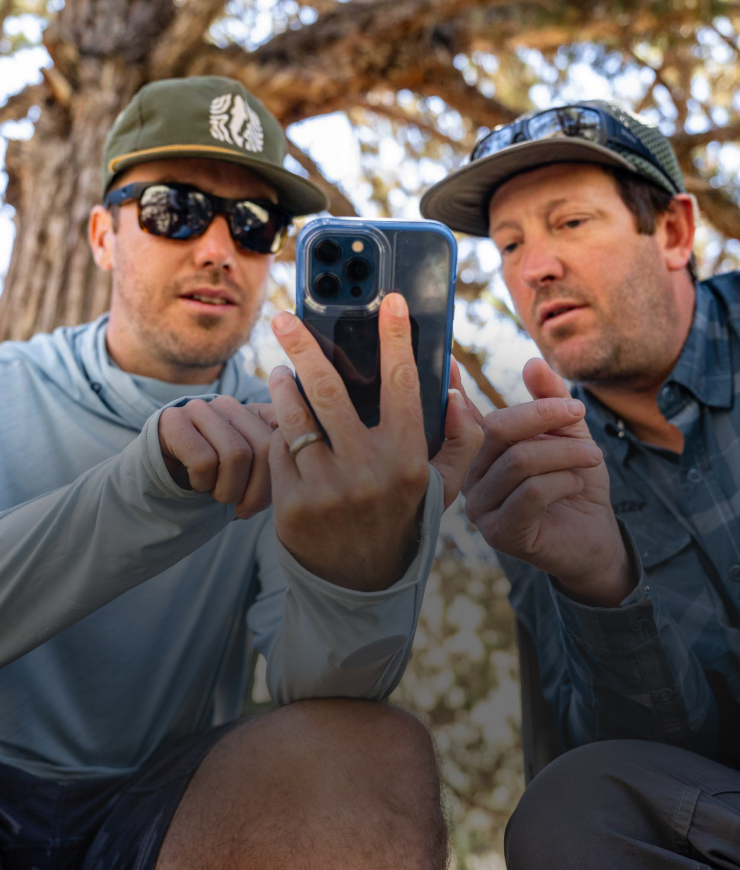
Find which waters have the species you want to catch
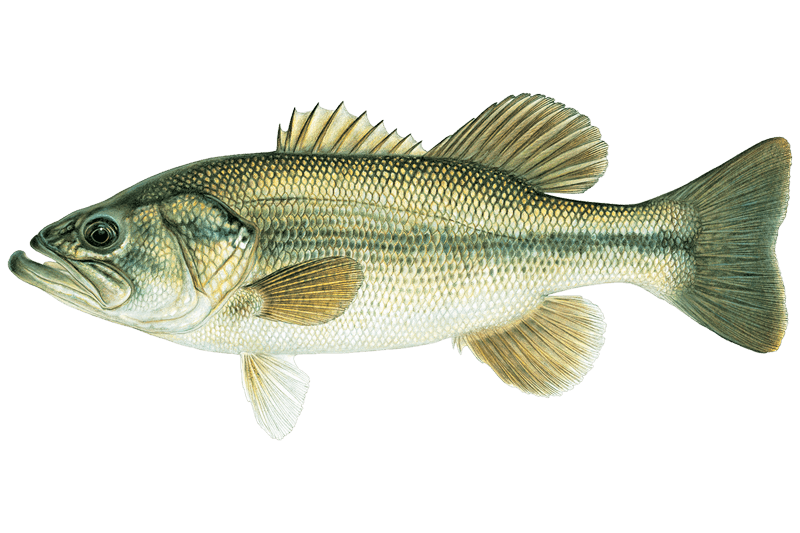
Largemouth Bass
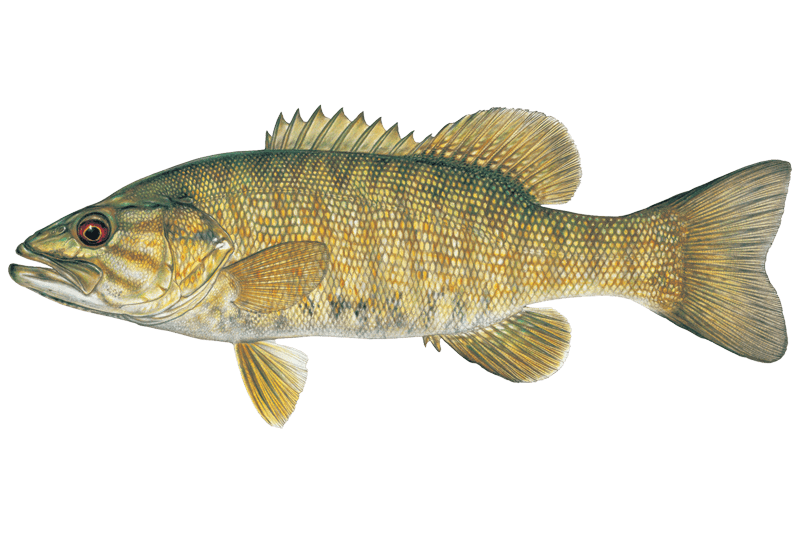
Smallmouth Bass
Micropterus dolomieu
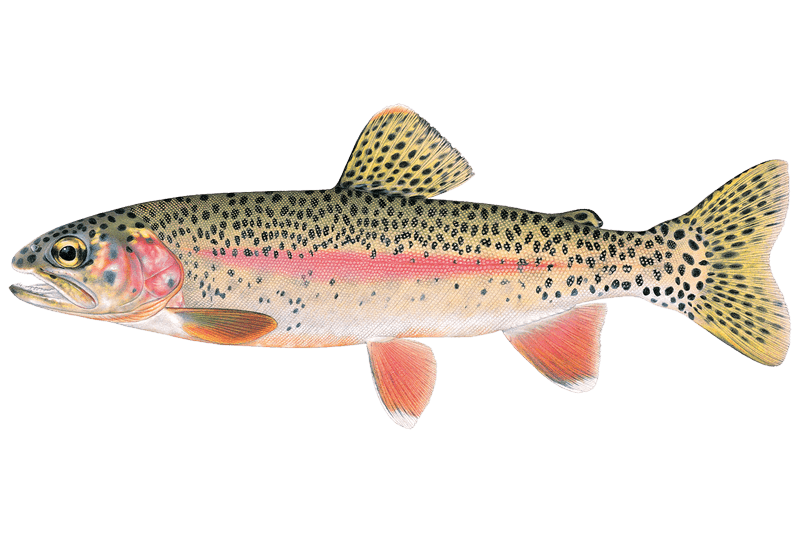
Rainbow Trout
Oncorhynchus mykiss
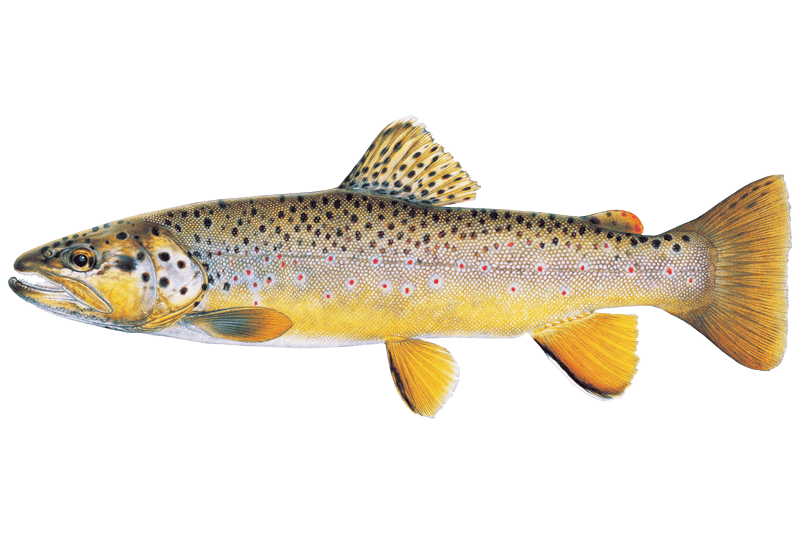
Brown Trout
Salmo trutta
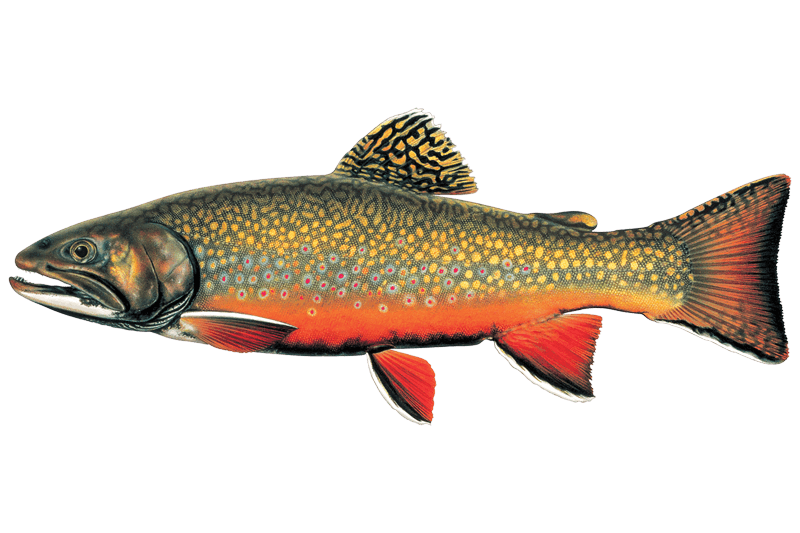
Brook Trout
Salvelinus fontinalis
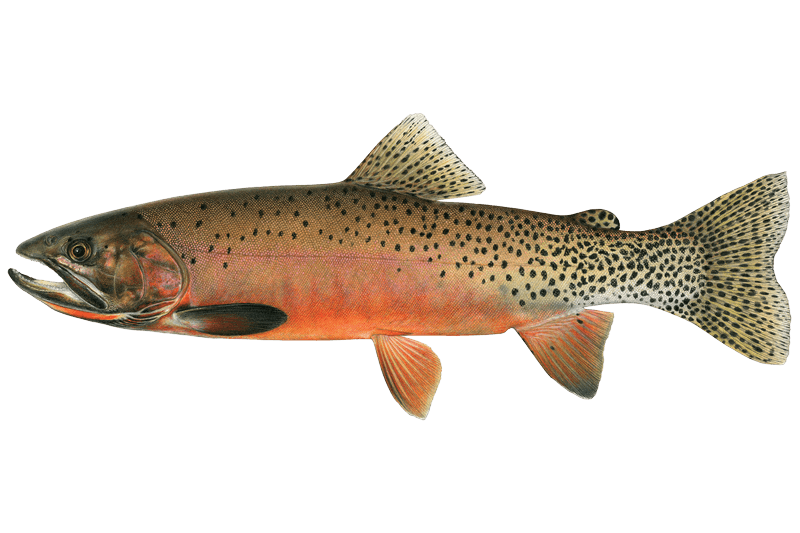
Cutthroat Trout
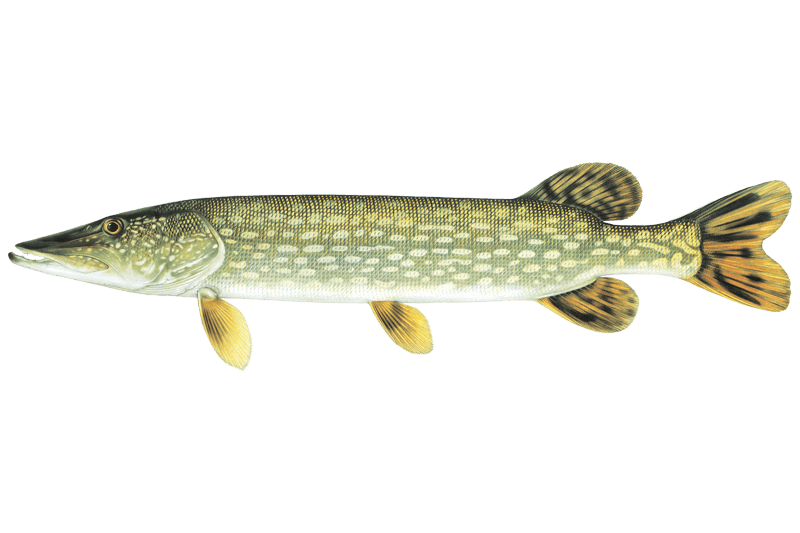
Northern Pike
Esox lucius
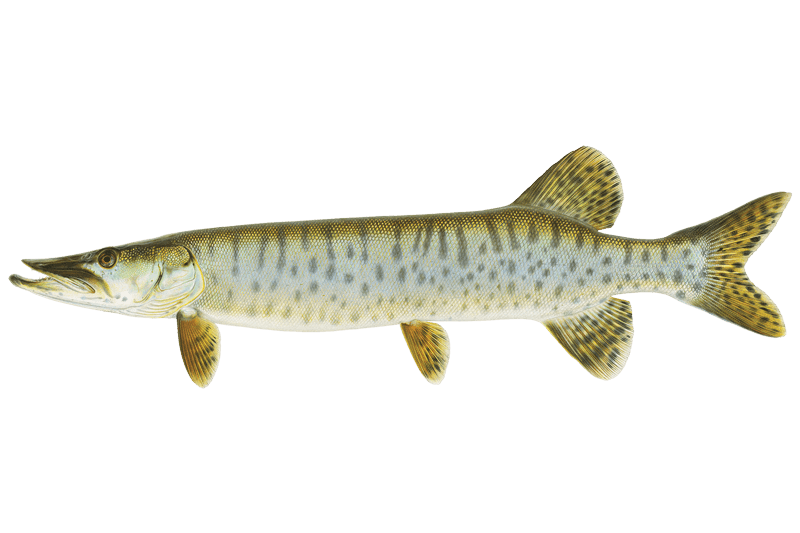
Muskellunge
Esox masquinongy
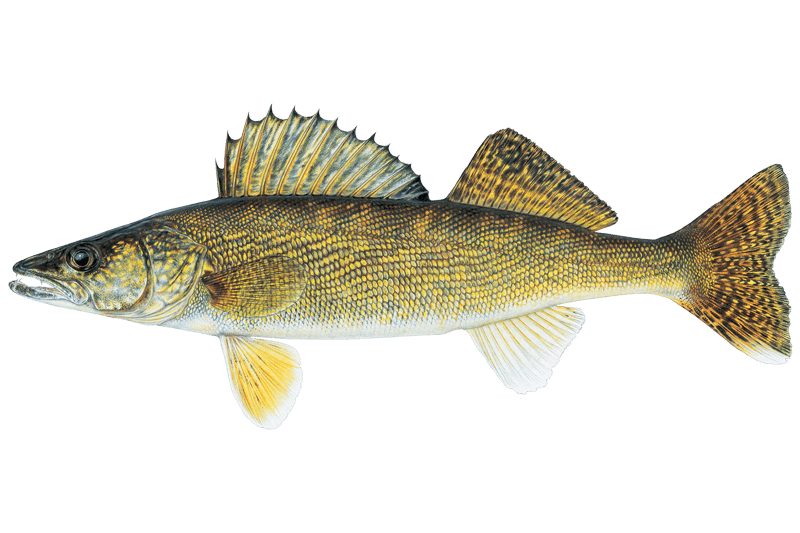
Walleye
Sander vitreus
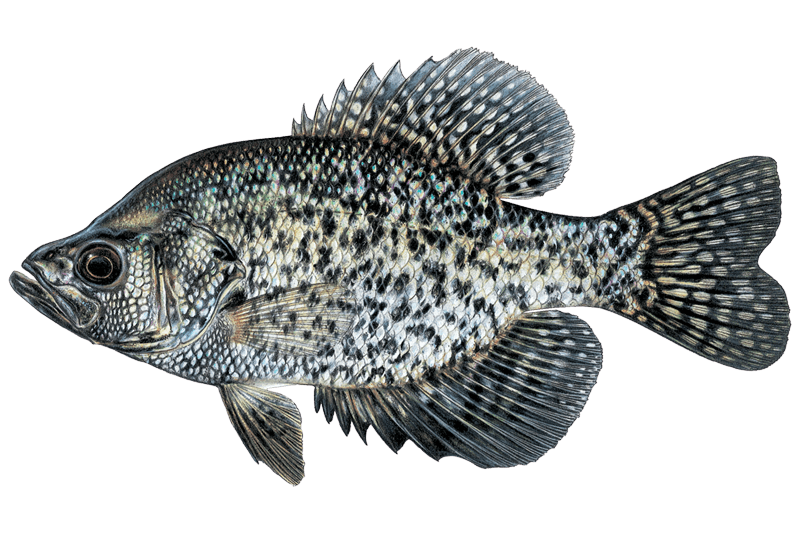
Black Crappie
Pomoxis nigromaculatus

Alewife
Alosa pseudoharengus

American Eel
Anguilla rostrata
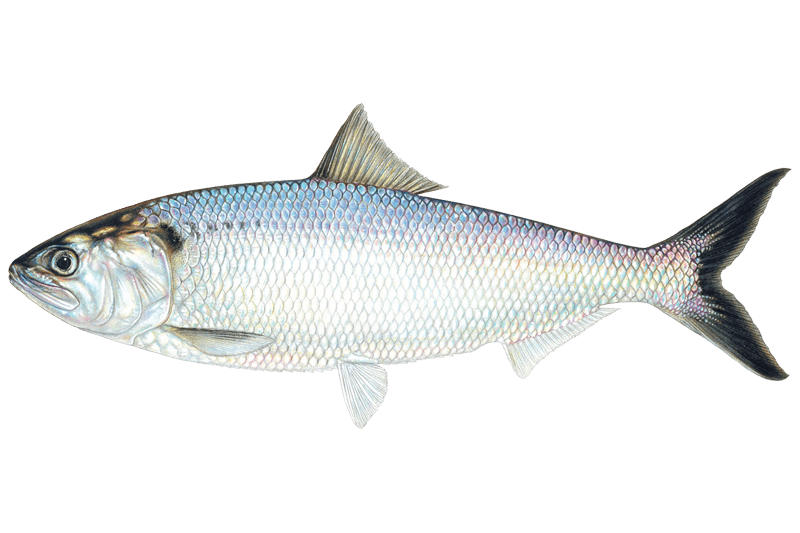
American Shad
Alosa sapidissima

Atlantic Croaker
Micropogonias undulatus

Atlantic Sturgeon
Acipenser oxyrinchus

Black Bullhead
Ameiurus melas

Black Sea Bass
Centropristis striata
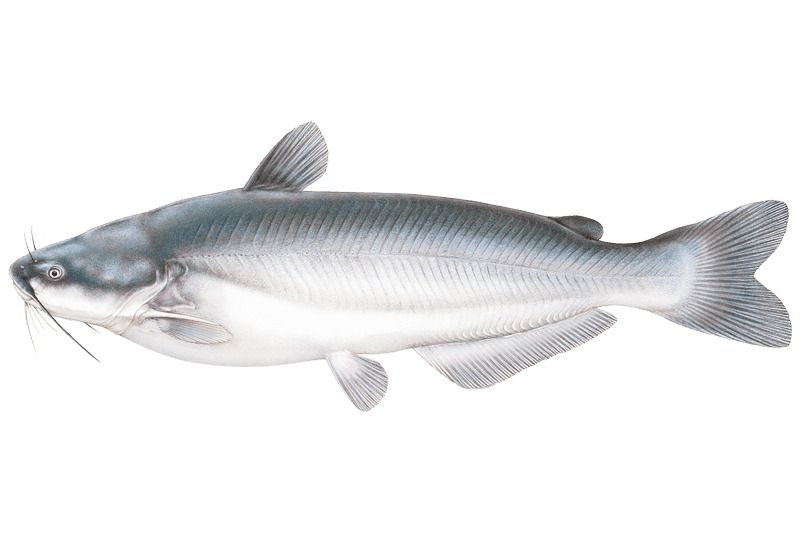
Blue Catfish
Ictalurus furcatus

Bluefish
Pomatomus saltatrix

Bowfin
Amia calva
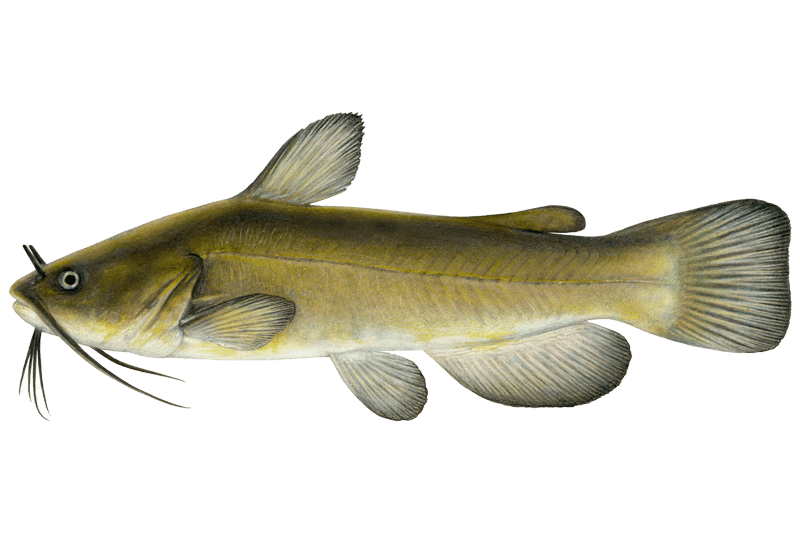
Brown Bullhead
Ameiurus nebulosus
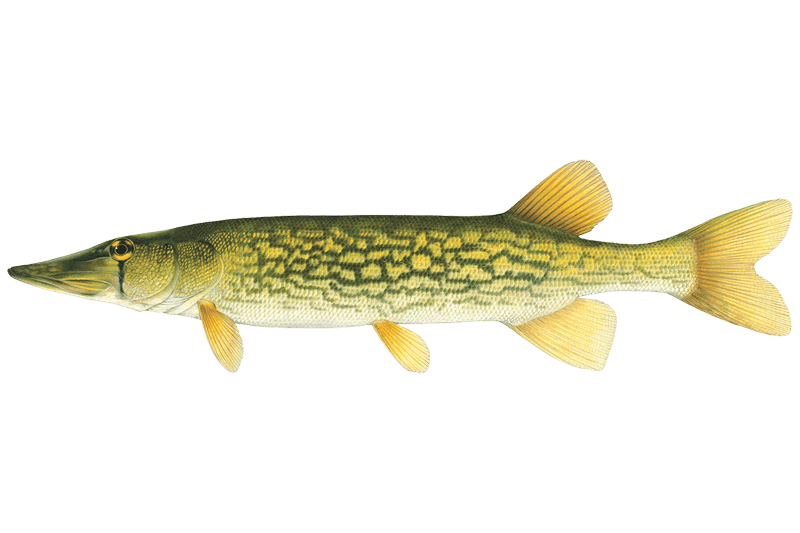
Chain Pickerel
Esox niger
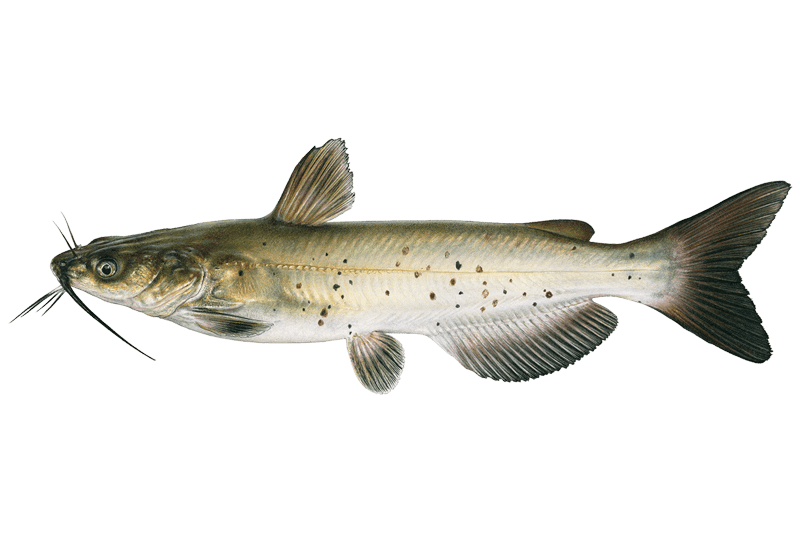
Channel Catfish
Ictalurus punctatus
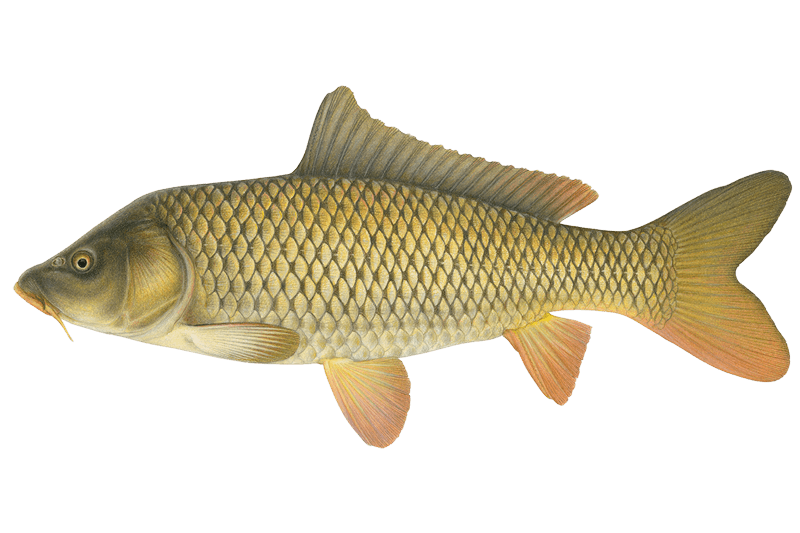
Common Carp
Cyprinus carpio carpio

Creek Chub
Semotilus atromaculatus
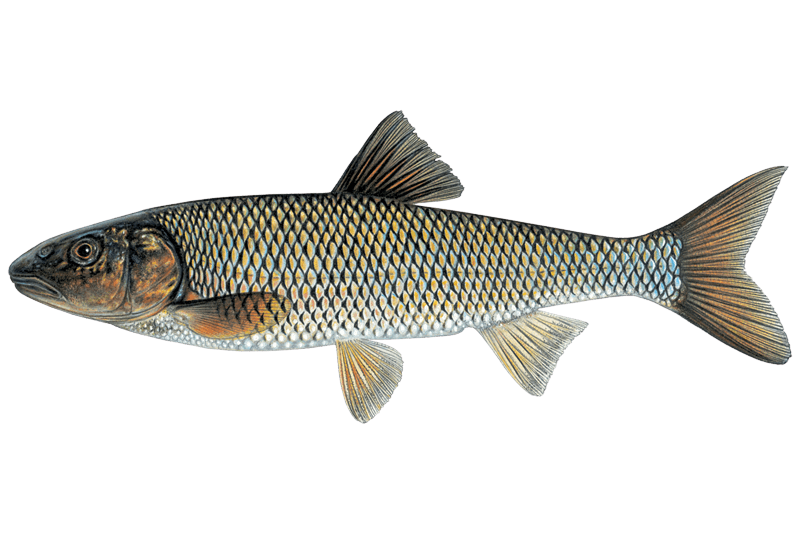
Fallfish
Semotilus corporalis
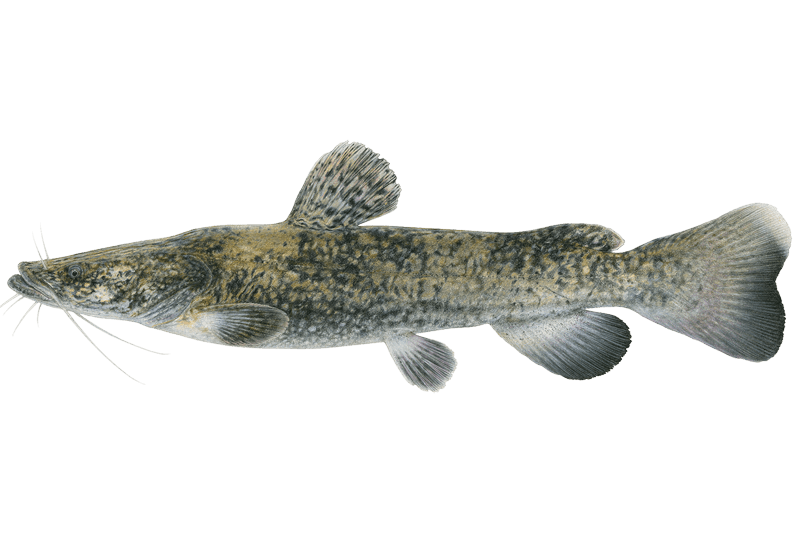
Flathead Catfish
Pylodictis olivaris
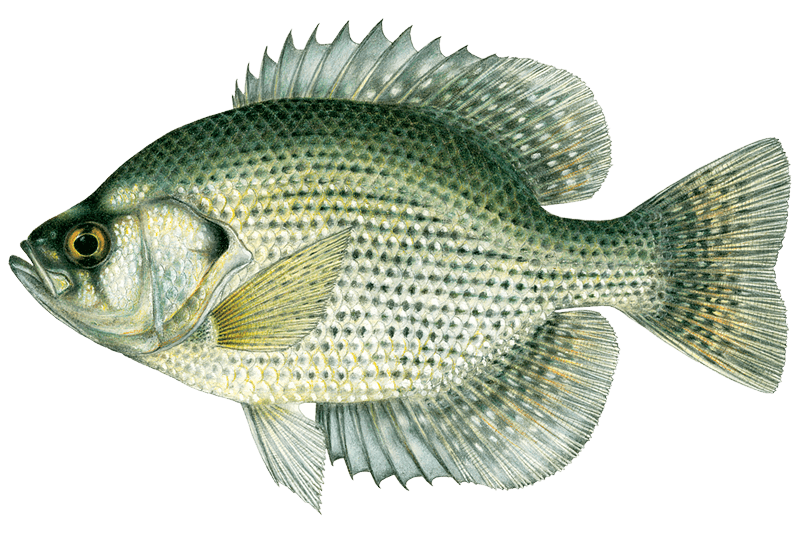
Flier
Centrarchus macropterus
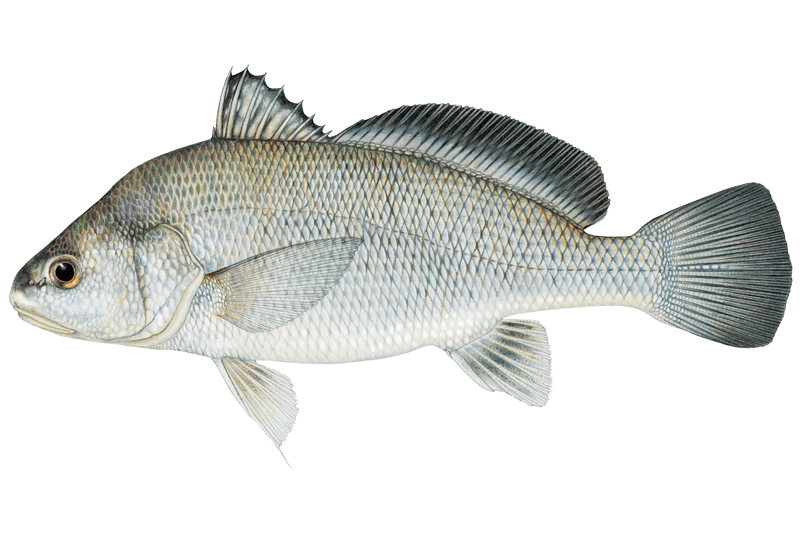
Freshwater Drum
Aplodinotus grunniens

Gizzard Shad
Dorosoma cepedianum
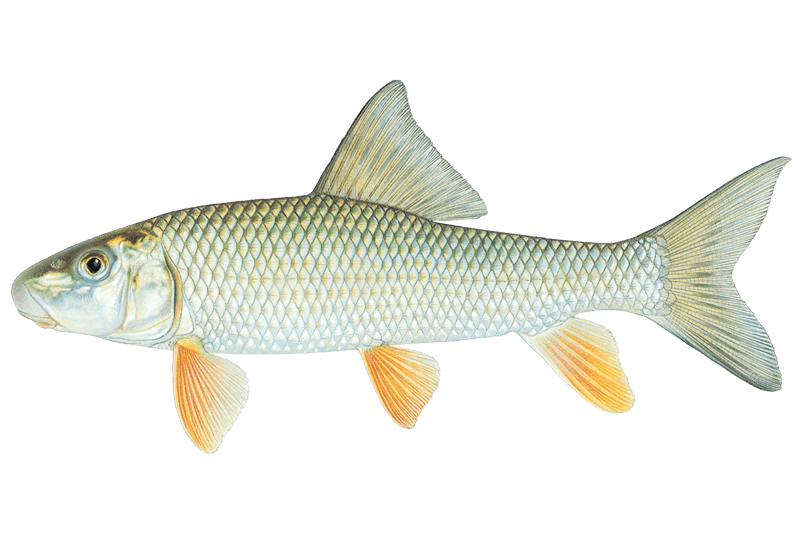
Golden Redhorse
Moxostoma erythrurum
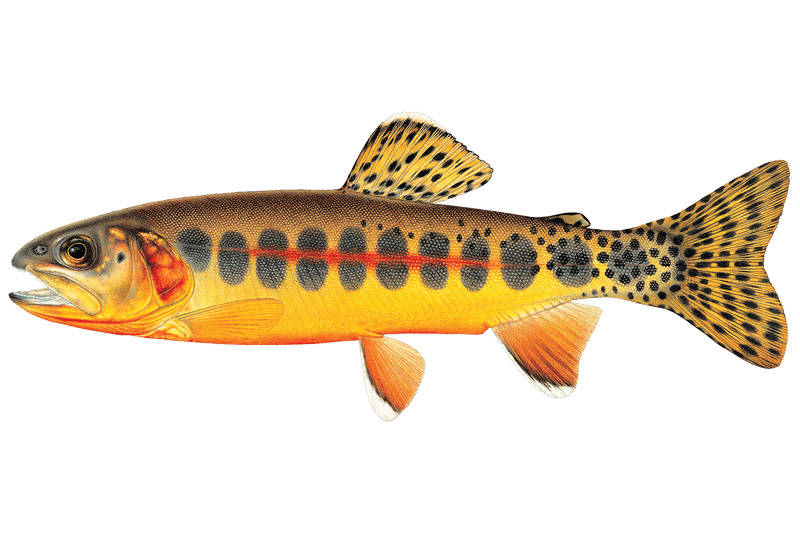
Golden Trout
Oncorhynchus aguabonita
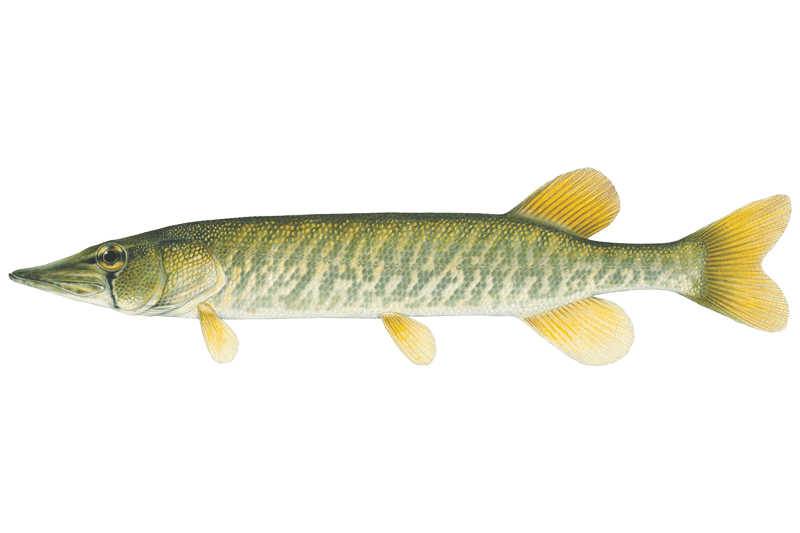
Grass Pickerel
Esox americanus vermiculatus
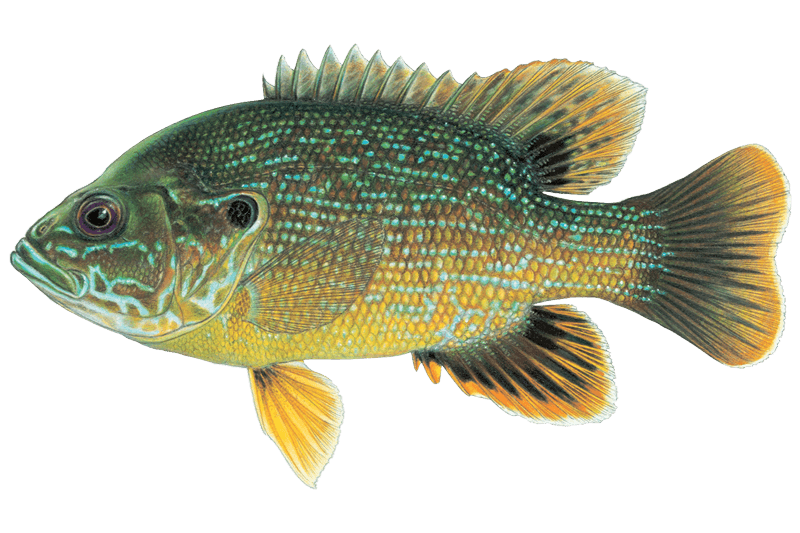
Green Sunfish
Lepomis cyanellus

Hickory Shad
Alosa mediocris
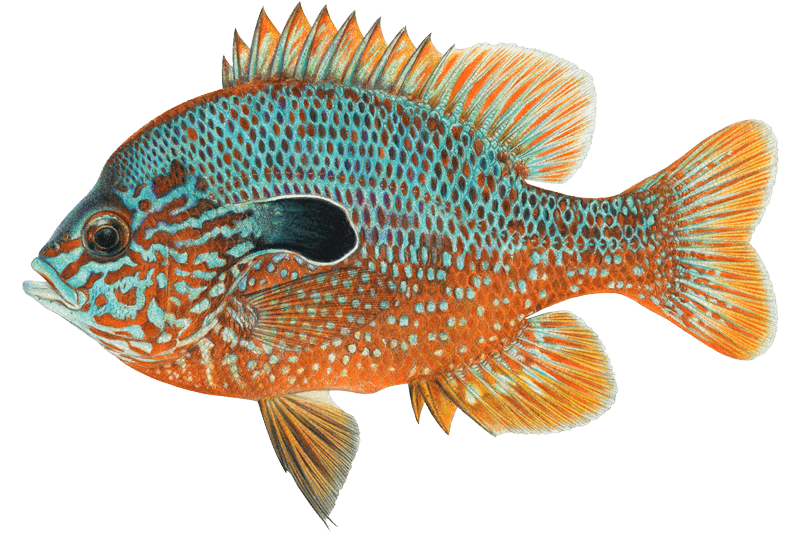
Longear Sunfish
Lepomis megalotis
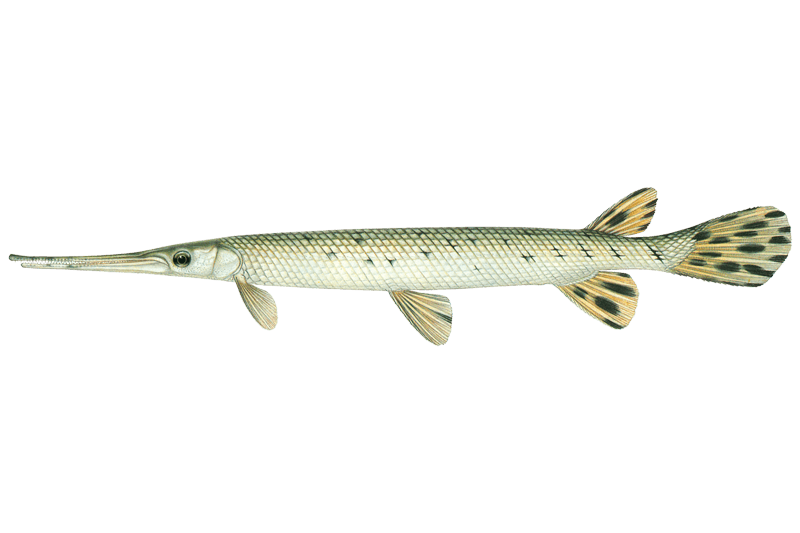
Longnose Gar
Lepisosteus osseus
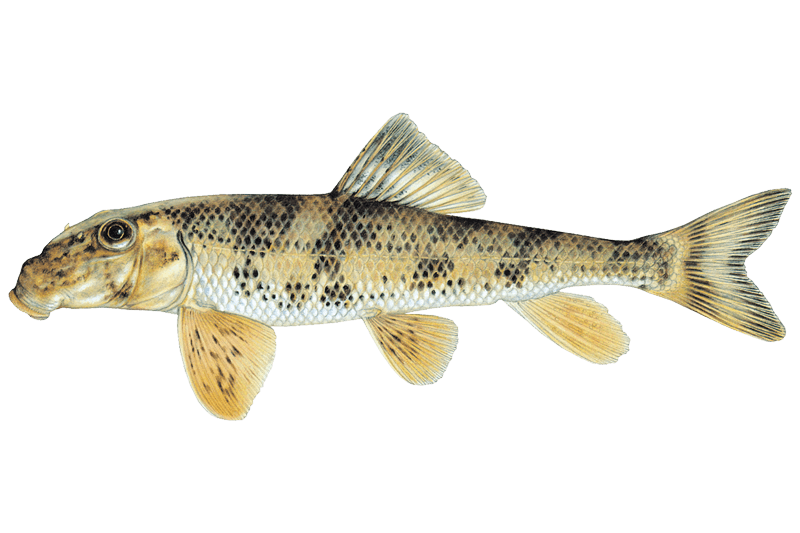
Northern Hogsucker
Hypentelium nigricans
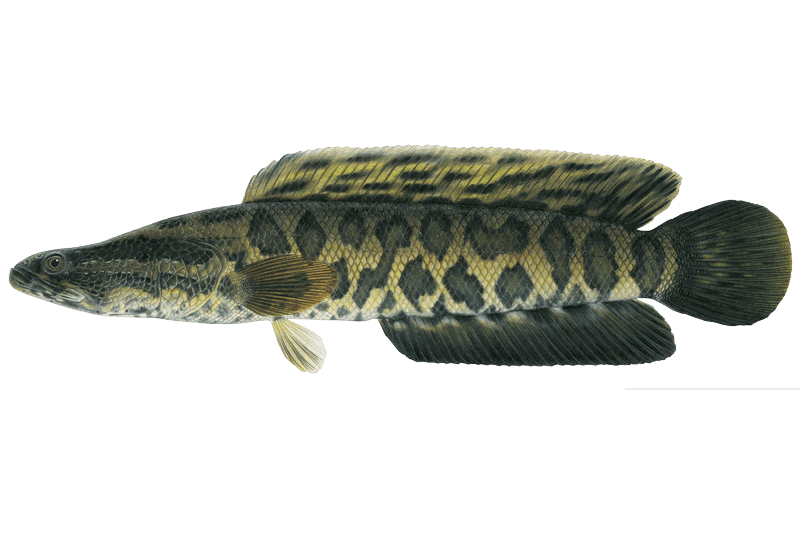
Northern Snakehead
Channa argus
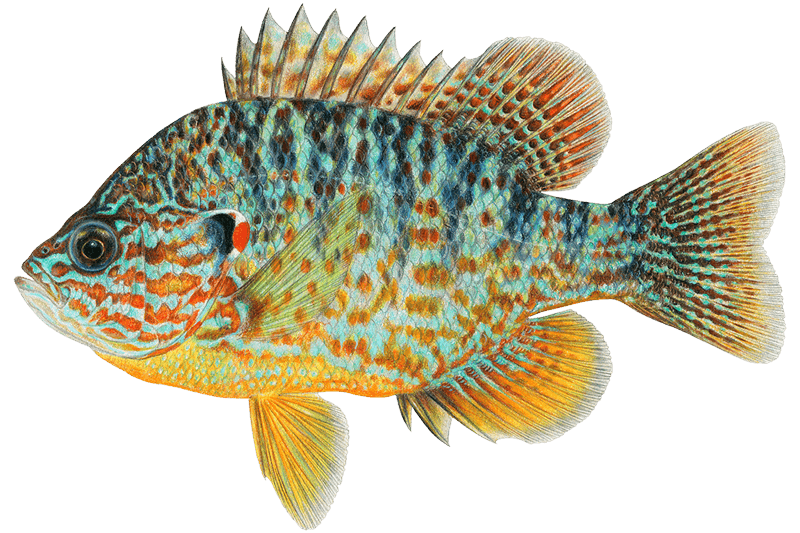
Pumpkinseed
Lepomis gibbosus
Maryland licenses and regulations
Maryland Boating Regulations
When using any type of watercraft to access a body of water, it is important to follow all federal, state, and local rules and regulations. These rules and regulations include boat permitting and licensing, invasive species inspections and stamps, life jacket and PFD rules, motor size and horsepower restrictions, noise limitations, restrictions on personal watercraft, and many more. Visit the web link below for the most current rules and regulations for this body of water.
Maryland Fishing License
Individuals under the age of 16 are not required to obtain a license to sport fish/crab. They can, however, purchase a recreational crab license if they want to catch the bushel of crabs allowed with that license.
Maryland Fishing Regulations
This river has a variety of species and regulations, including potential floating and/or watercraft restrictions. Because this river is specially managed for species, seasons, angling methods, and watercraft, it is strongly encouraged you check all federal, state, and local regulations before fishing. Visit any of the links below, inquire locally, or contact a local fly shop to learn current regulations and restrictions.
Maryland Stream Access Laws
Current law in Maryland seems quite friendly to public access to floatable water, allowing access at all public bridges and road crossings of floatable water. Though historically the state has only recognized waters subject to the ebb and flow of tides as navigable, that definition appears to have broadened. A complete list of public waters and access points is available on the Maryland DNR website.
Explore nearby waters
Explore Maryland waters
Top fishing waters
Popular Cities
Loading popular cities...
Smarter Fishing Starts in the App.
onWater Fish gives you everything you need to plan smarter, fish better, and own every trip from first cast to last.