Smallmouth Bass

Smallmouth Bass are not native to Maryland but were introduced to the state in 1854 when 20 adult fish from Pennsylvania's Youghiogheny River were released into the Potomac River near Cumberland.
They rapidly spread throughout Maryland's watersheds and are now established in major rivers and reservoirs. They're powerful fighters that prefer clear, cool, well-oxygenated waters with rocky or gravel bottoms and moderate current.
Scientific Name: Micropterus dolomieu
- Smallmouth bass are distinguished from largemouth by their smaller mouth (maxillary doesn't extend past the rear of the eye), vertical rather than horizontal stripes, bronze-brown coloration, and continuous dorsal fin.
Fishing in Maryland
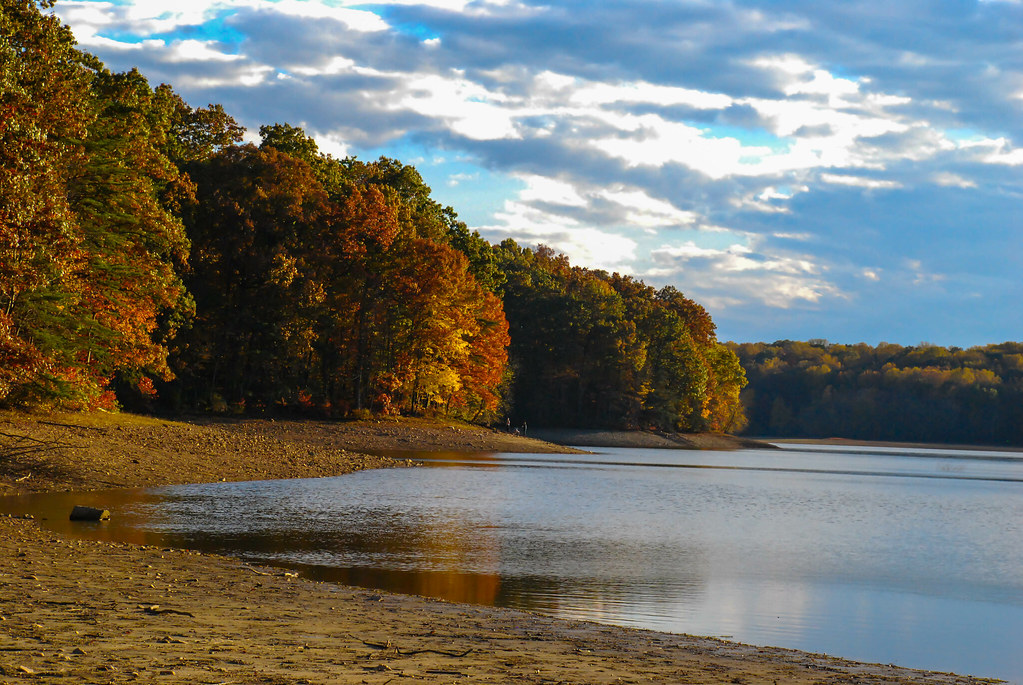
Triadelphia Reservoir
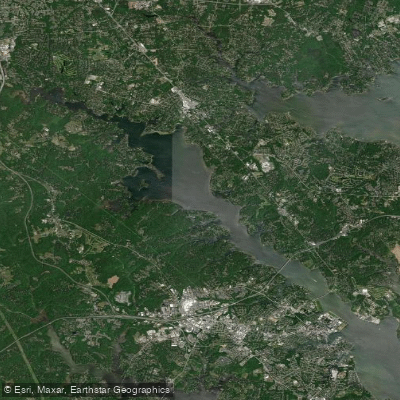
Severn River
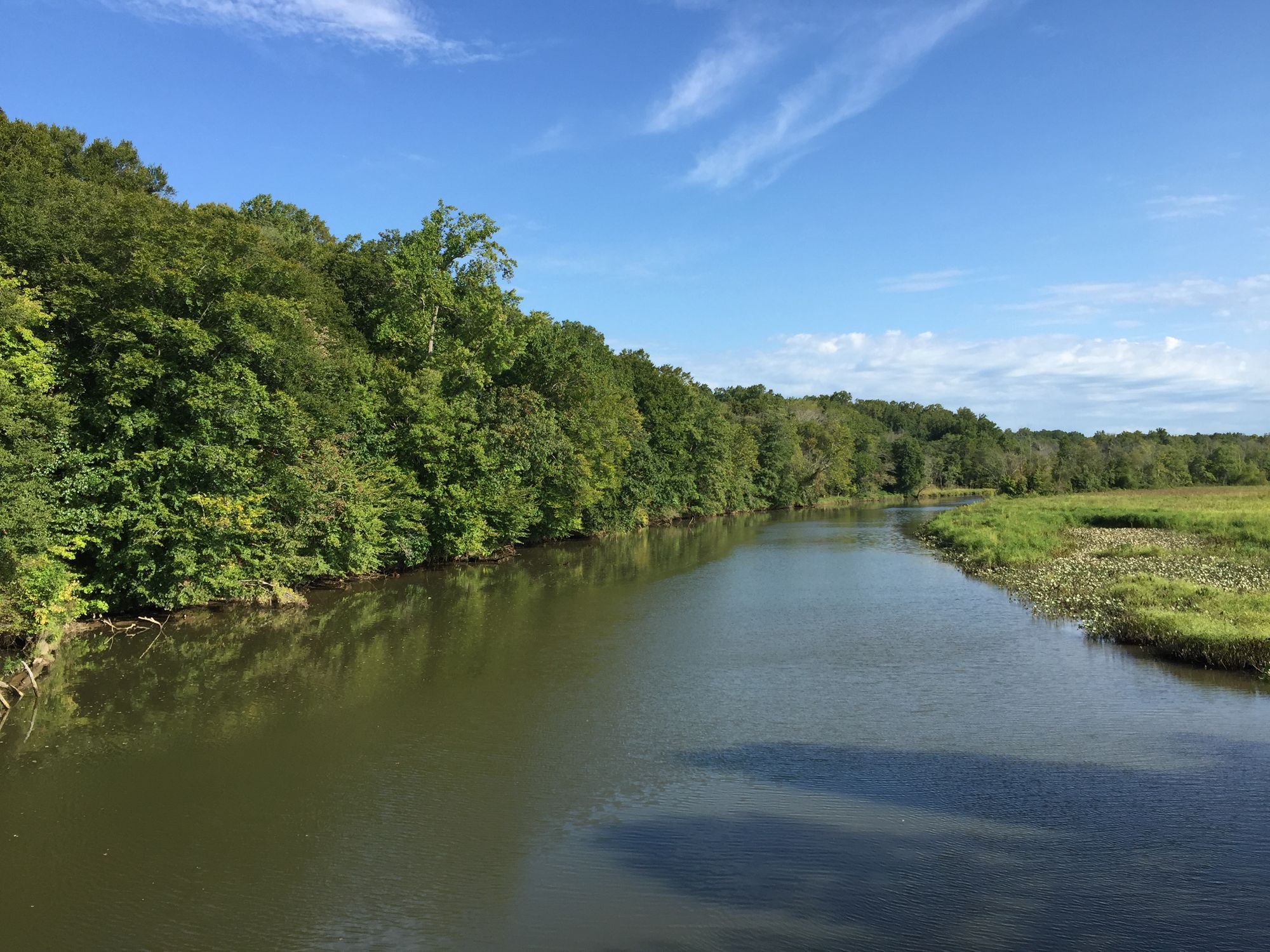
Patuxent River
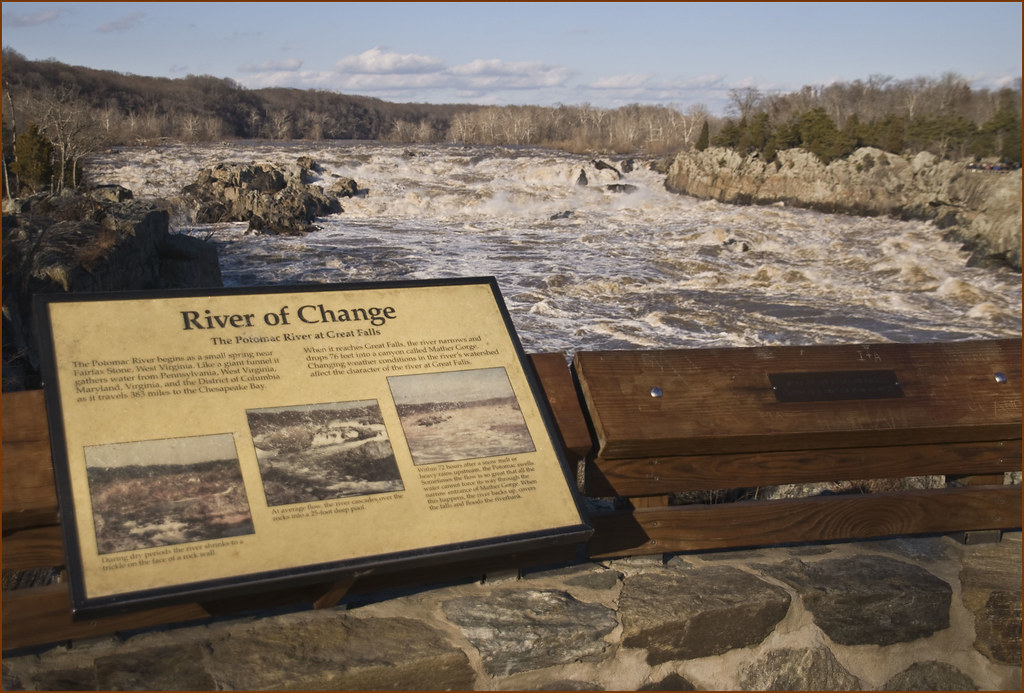
Potomac River
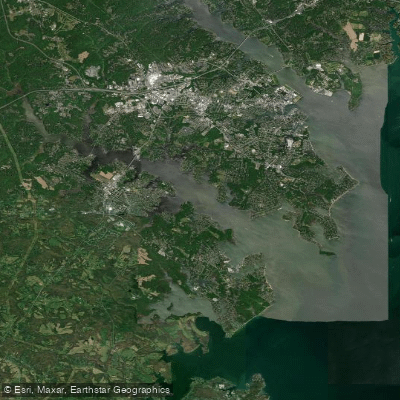
South River
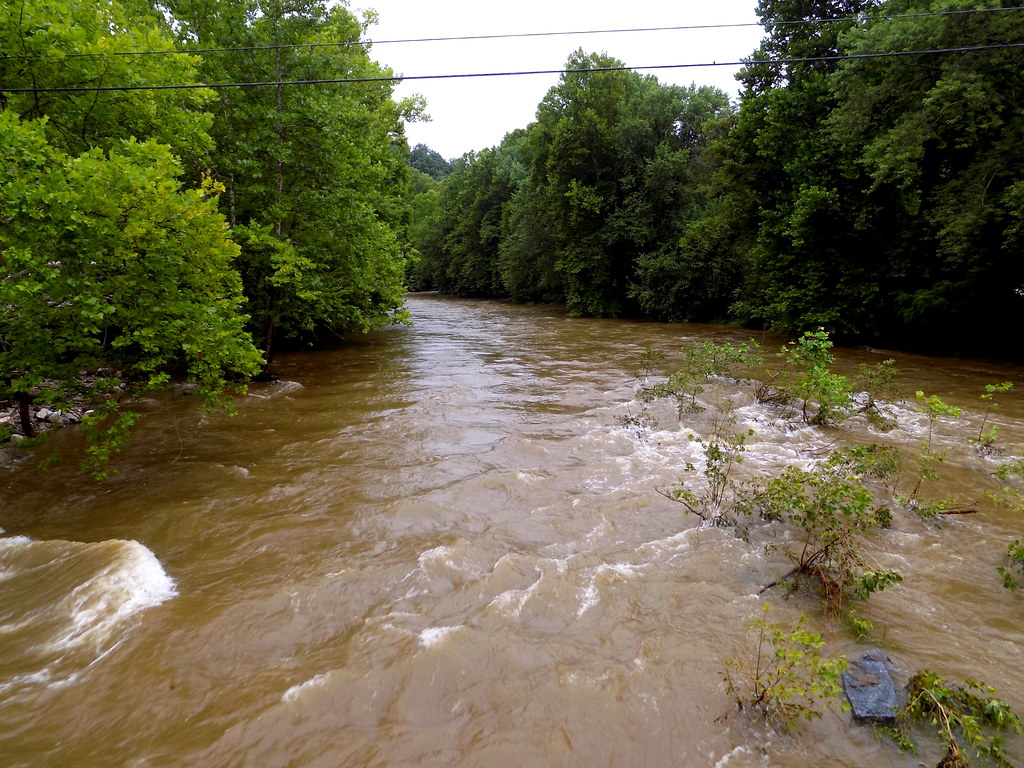
Patapsco River
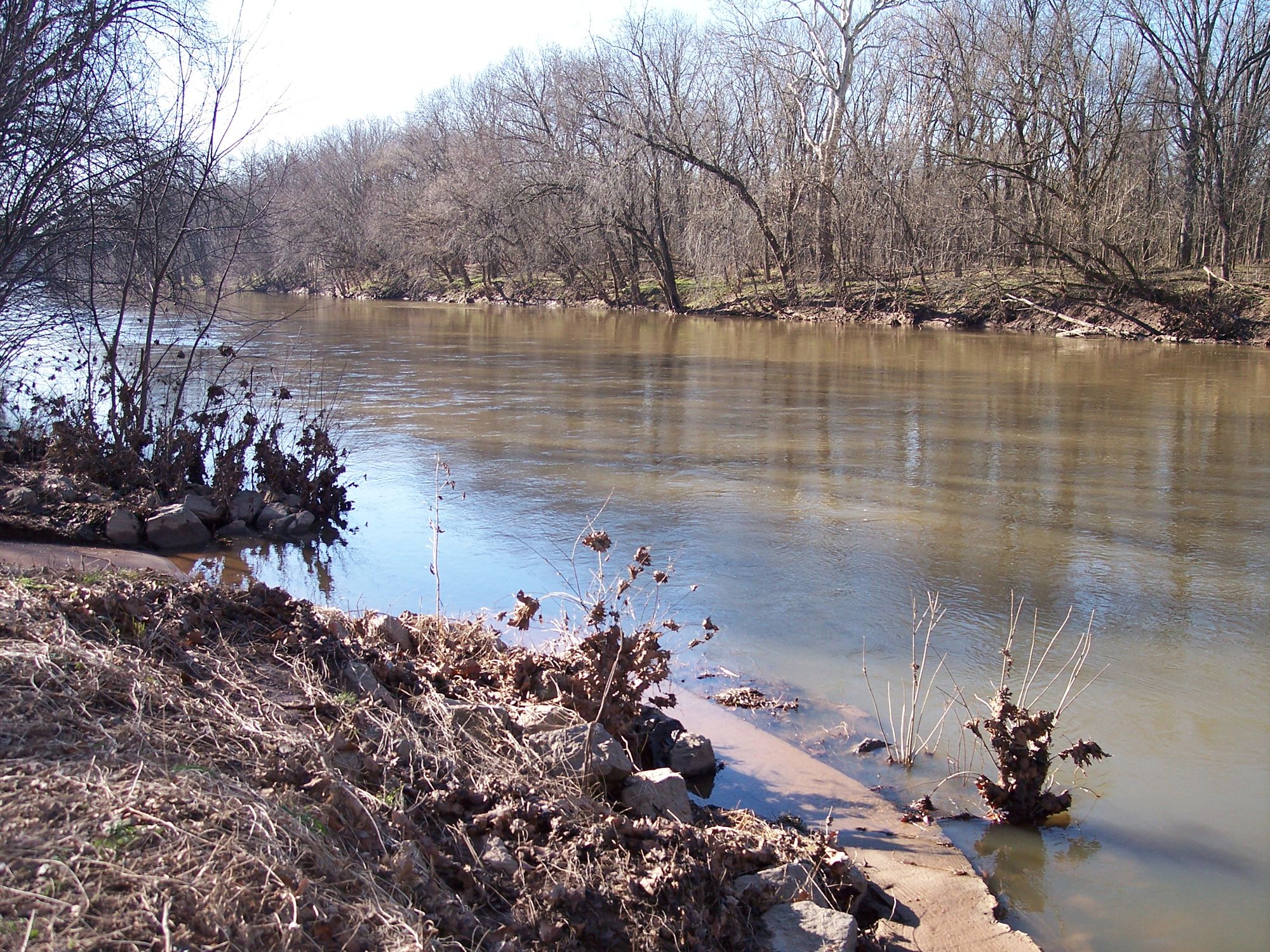
Monocacy River
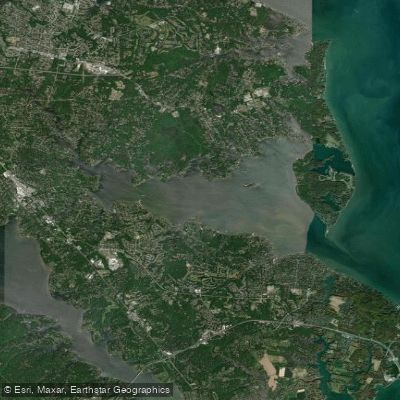
Magothy River
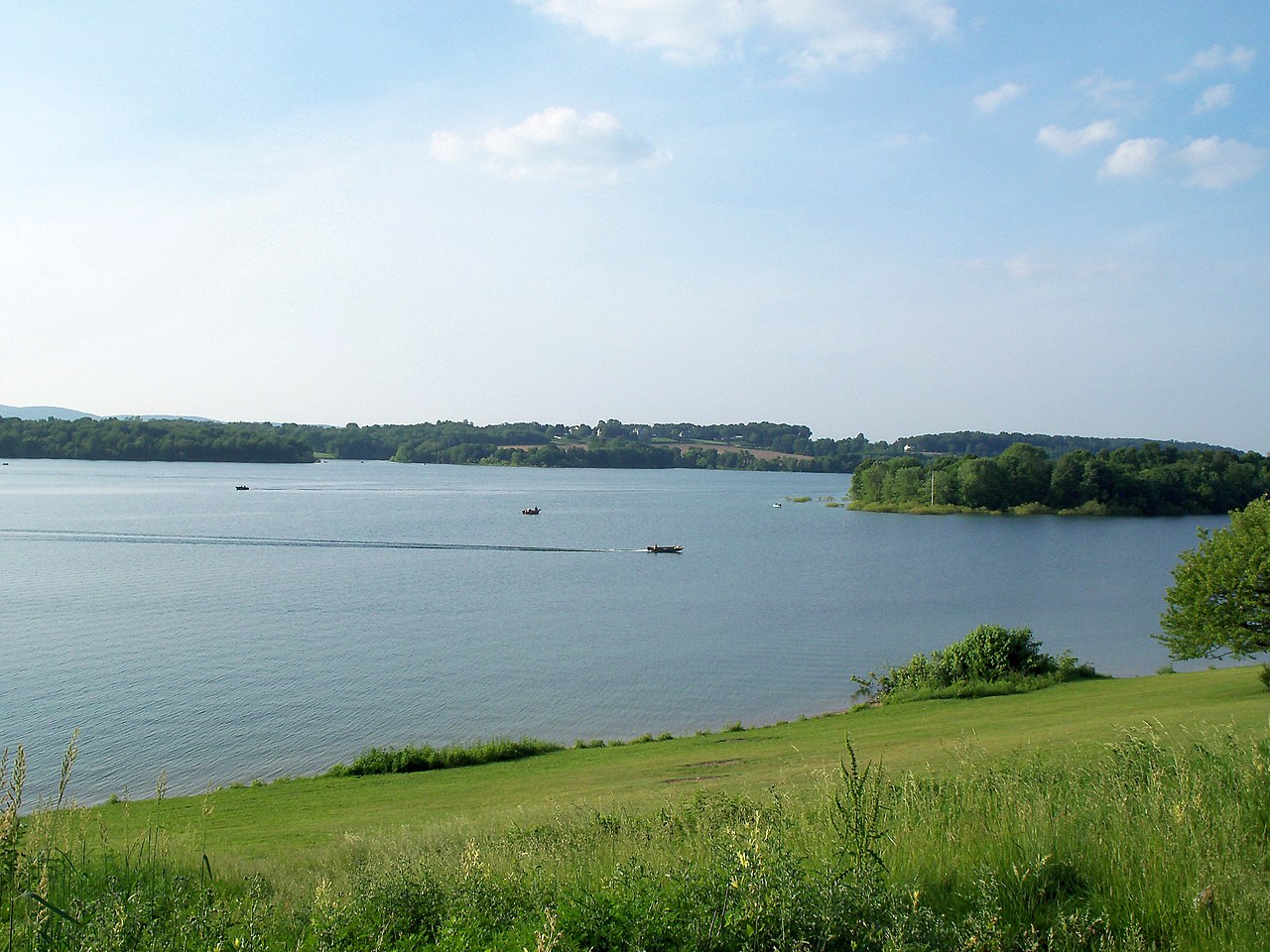
Lake Marburg
What to know
Habitat Distribution
- Established throughout Maryland's watersheds.
- In Maryland's tidal waters, smallmouth are less common than largemouth bass and are rarely found in brackish bay waters, preferring the freshwater portions of river systems.
Key Locations
- Major rivers including the Potomac, Susquehanna, Patapsco, Monocacy, and their tributaries, as well as reservoirs like Liberty, Piney Run, Deep Creek Lake, and Lake Habeeb at Rocky Gap State Park.
- Small streams in Central and Western Maryland.
Specific Spots
- Focus on rocky areas, gravel runs, current breaks, spillway pools below dams, deeper pools with structure, rocky shorelines, points, submerged structure, pools, eddies, and areas behind rocks or fallen trees.
Smallmouth Bass FAQ
Answers from onWater's species guide.
What are the best lures and bait for Smallmouth Bass in Maryland?
1/16-1/8 ounce hair jigs (especially effective in ultra-clear water), small crankbaits, in-line spinners (#0-#2 blades), plastic worms, and 1/16 ounce spoons.
What flies work for Smallmouth Bass in Maryland?
Double Barrel Poppers, Boogle Bullets and Poppers (chartreuse is highly effective), Whitlock's Hair Frog, Swimming Frog, Murdich Minnows, Clouser Minnows with lead eyes for vertical action, Whitlock's Near Nuff Crayfish patterns in orange, brown, and olive, and streamers like the Swimming Jimmy.
When is the best time to fish for Smallmouth Bass in Maryland?
Best times are late spring (April-June) and fall (September-November) when water temperatures are in the 60s-70s range. During spring, target areas where smallmouth move from deep winter holes to shallower water as temperatures climb toward 50°F.
How do you catch Smallmouth Bass in Maryland?
Target current seams and transitional areas. Wade carefully in small streams. Fish slowly during colder water periods and more aggressively as water warms.
What do Smallmouth Bass eat?
Their diet consists primarily of crayfish (especially larger fish), minnows, insects, aquatic invertebrates, and occasionally other smallmouth bass. Juveniles feed on zooplankton, insect larvae, and small fish before transitioning to larger prey.
Fish smarter with real-time insights
Whether you're en route and conditions shift or you're looking for the best spot based on current flows, we enable you to make informed decisions on the fly.




See it in the app
Most maps show you water.
onWater shows you Smallmouth Bass.



- 01 · Species map filter
Map every Smallmouth Bass water
Pick Smallmouth Bass and the map zeroes in on the waters they call home. No more guessing which lake holds them.
- 02 · Waterbody species
Tap any water. See what lives there.
Species, behavior and seasonal patterns for every lake, river and pond, before you leave the driveway.
- 03 · Angler Intelligence
Ask how to catch Smallmouth Bass
Tactics, gear and timing from onWater's AI fishing guide, tuned to the species and the water you're on.
Stop guessing where Smallmouth Bass are.
Open the map, filter by Smallmouth Bass, and head to water that holds them. Download onWater and plan your next trip in minutes.
- Species map filter
- Angler Intelligence
- Fishing journal
Explore other species
Trout, bass, salmon, panfish and everything in between. Each guide unpacks the behavior, seasons, and tactics that put fish in the net.
No species information available.
Maryland licenses and regulations
Explore nearby waters
Explore Maryland waters
Top fishing waters
Popular Cities
Loading popular cities...

Smarter Fishing Starts in the App.
onWater Fish gives you everything you need to plan smarter, fish better, and own every trip from first cast to last.